Introduction: Buildings That Make the World a Better Place
Think of a city where buildings don’t just sit on the ground but also work with it. They make their own power, clean the air, and keep the people within healthy. This isn’t science fiction; it’s the future of green building architecture.
The building industry is at a very important time. Buildings are responsible for around 40% of the world’s carbon emissions related to energy, thus the need for new ideas has never been greater.
Fortunately, architects, engineers, and developers are responding by moving toward more sustainable solutions. It’s not just about putting up solar panels; it’s about completely changing the way we get materials, use technology, and link our places to nature. Get ready to learn about the seven most exciting green architecture concepts that are making the globe a better place to live.
Net-Zero Energy Buildings (NZEBs): The Most Efficient
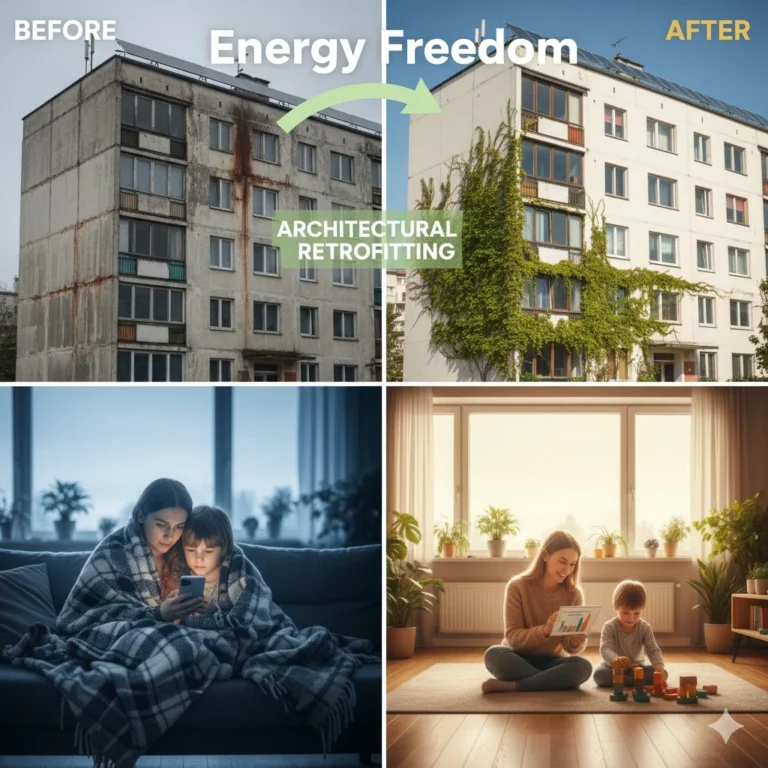
The push for Net-Zero Energy Buildings (NZEBs) is the most ambitious trend right now. The goal is modest but strong: to design a building that uses as much renewable energy as it makes in a year.
To get net-zero, you need to look at the whole picture. It starts with a very efficient design (Passive Design methods are quite important here) that uses better insulation, high-performance window glazing, and airtight construction to lower the energy load. The last phase is to add renewable energy sources, like rooftop solar photovoltaic (PV) systems, to make up for the energy that is still needed to run the building.
The best thing about a NZEB is that it cuts electricity bills by a lot, protects the asset from growing energy costs in the future, and is a strong sign of environmental responsibility. As energy standards get stricter around the world, NZEB is soon becoming the standard, not simply a nice-to-have feature.

Net-Zero Energy Buildings for Sustainable Living
Biophilic Design and Living Infrastructure Let Us Reconnect With Nature
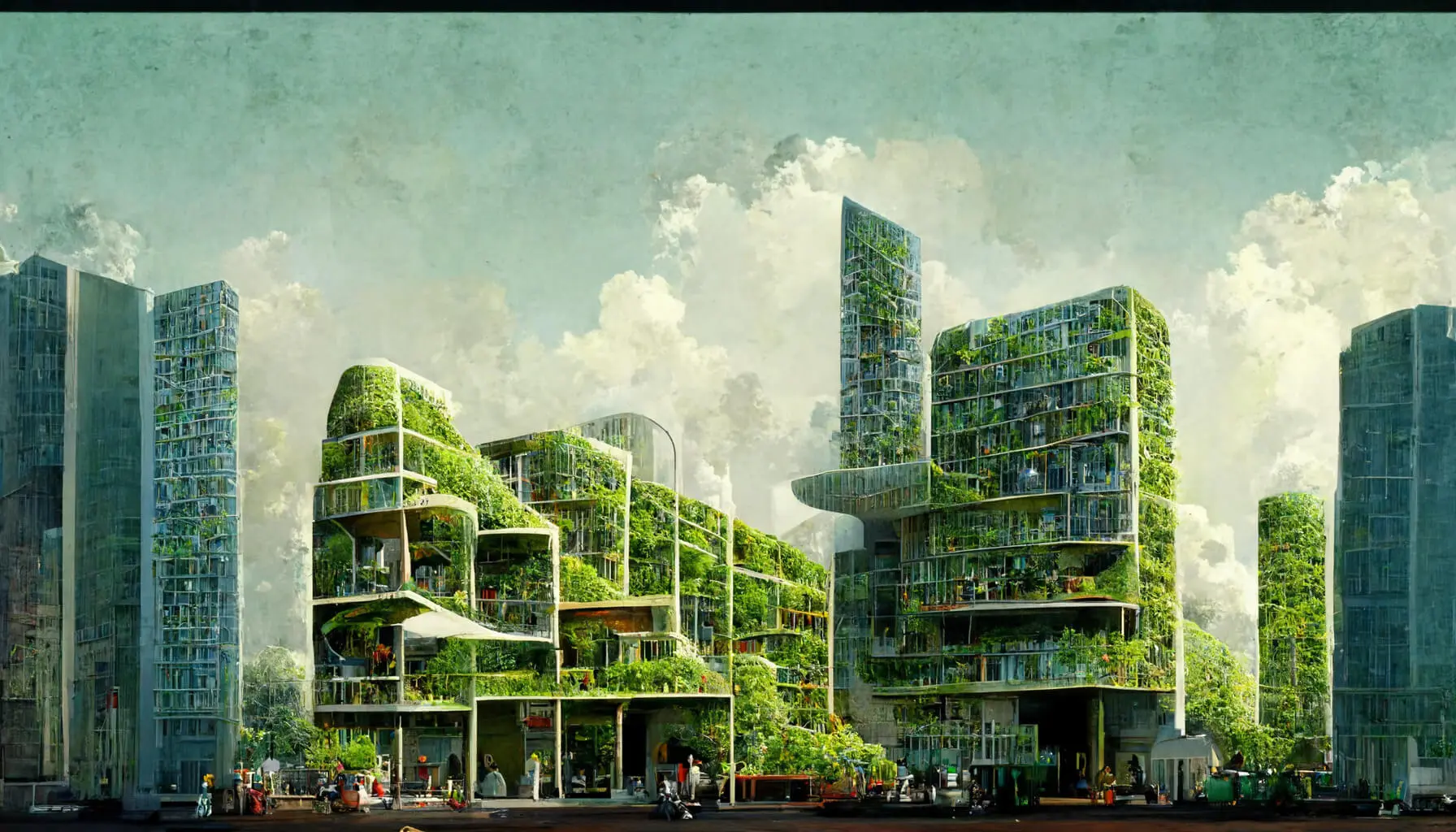
Biophilic Design understands that we need to connect with nature because we spend more than 90% of our time indoors. This movement goes well beyond just potted plants; it’s an architectural philosophy that brings natural systems into the built environment.
There is a huge increase in living walls, green roofs, and interior water features that not only look and sound great, but also provide real benefits including better air quality, less stress, and better brain function.
Architects are making places that actively improve mental and physical health by letting in as much natural light as possible (daylighting), using natural materials like exposed wood (see Mass Timber below), and designing buildings that look like living things. Companies are learning that biophilic workplaces make people happier and more productive, which is a wise investment in people.

The Change in Structure: The Mass Timber Revolution
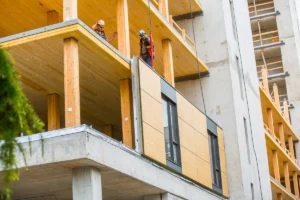
Steel and concrete have been the main materials used to build tall buildings for hundreds of years. Now, though, a new material called Mass Timber is aiming for the sky. It is renewable and stores carbon.
Cross-Laminated Timber (CLT) and Glued-Laminated Timber (Glulam) are examples of engineered wood products that are made in factories and are very strong and stable. Timber production uses a lot less energy than making concrete or steel, which means that the carbon footprint of the wood is much lower.
Also, wood is a carbon sink because it stores CO₂ that the trees take up while they develop. Mass Timber construction is speedier, quieter on-site, and has the warm, natural look that is becoming more popular in biophilic homes and workspaces. This material is quickly altering the cityscape, one beautiful wooden tower at a time.

Is mass timber construction the way forward? Carbon measurement expert Rebecca Mills delves into some key factors to take into consideration.
From Straight to Round: NewThings and the Circular Economy
The traditional way of building things follows a straight line: “take, make, throw away.” The Circular Economy movement wants to end this cycle by getting rid of waste and making sure that resources are used for as long as possible.
This movement is pushing materials scientists to come up with new ideas. Architects are choosing materials that come from plants or are made from garbage. Some examples are:
- Concrete that stores carbon, which traps and holds CO₂.
- Green steel is made with hydrogen or renewable energy.
- Mycelium (the root structure of fungi) and hemp-lime are two examples of bio-based insulation.
Design for disassembly is an important idea. It means that structures are designed so that parts like walls, panels, and beams may be simply taken apart and used again in other projects instead of being thrown away.

circular economy
The Passive House Standard: A Very Efficient Design
The Passive House (Passivhaus) standard is a strict, performance-based design method that is sometimes bundled with the NZEB standard but should be mentioned on its own. It’s not just a fad; it’s a promise to be very energy efficient.
The standard has five main goals: super-insulation, an airtight envelope, construction without thermal bridges, high-performance windows, and heat recovery ventilation. These goals are meant to reduce the need for traditional heating and cooling systems. Passive House projects can cut heating and cooling energy use by up to 90% compared to regular buildings.
They do this by covering the building in a thermal blanket and managing the flow of air. This level of efficiency cuts down on carbon emissions by a huge amount and makes sure that the air inside is always clean and comfortable for people who live there. This is a great technique for any architect who wants to be environmentally friendly.

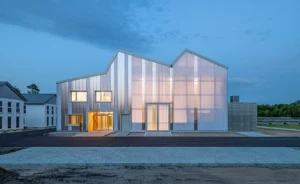
Olive Passive House by DEMO Architects / Photo by Chaunte Vaughn
Smart Building Technology: The Brains Behind Green Architecture
Technology and sustainability are now two sides of the same coin. Smart Buildings, which use AI and the Internet of Things (IoT), are changing high-performance design from a static structure into a living, learning ecosystem.
Advanced Building Management Systems (BMS) use sensors to keep an eye on things like occupancy, temperature, and sunshine levels in real time. An intelligent system can then automatically change the lighting, HVAC (heating, ventilation, and air conditioning), and shade to get the best performance without any help from people.
This real-time optimization makes sure that energy is never wasted, which lowers peak loads and cuts expenses by a lot. Most importantly, the data obtained lets building operators constantly improve performance, making sure the facility runs as well as it was meant to.

Smart Building Technology Green Architecture
Modular and Prefabricated Systems: Faster, More Accurate, and Less Waste
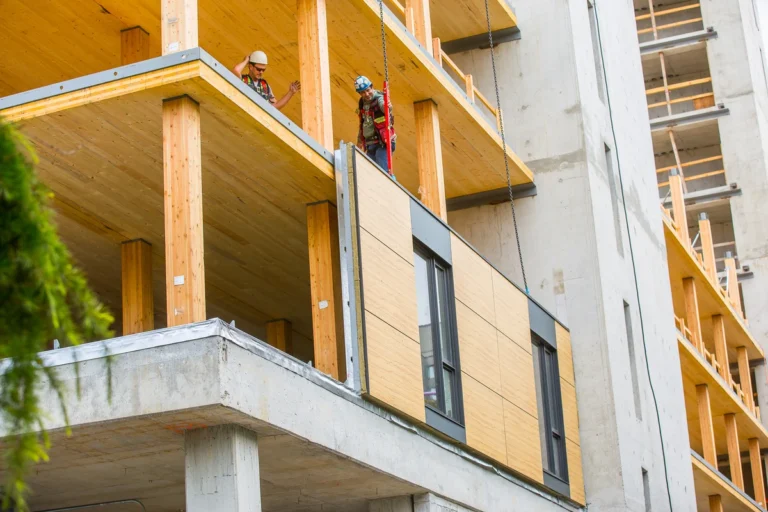
Modular and prefabricated construction is changing the way projects are built, saving time and money while also being better for the environment.
Construction gets finer tolerances by making huge parts (or even whole building modules) in a controlled factory setting. This makes envelopes that are very airtight, use less energy, and waste less material.
Then, these modules are sent to the site and put together very quickly. This streamlined approach cuts down on noise and traffic during construction, cuts down on trash on-site by up to 90%, and speeds up project timeframes. All of these are important for making cities that are really sustainable and resilient.

musee du quai branly jacques chirac
The Next Step
These seven themes, which include the lofty energy aims of Net-Zero, the wellness focus of Biophilic Design, and the material innovation of the Circular Economy, show that the future of architecture will be both green and very human-centered. The next phase of building will be based on performance, health, and a deep respect for the resources of our earth.
As investors, consumers, and tenants, we all have a part to play in making sure these high standards are met. We can all help create a future where our built environment helps the planet thrive by choosing to live, work, and invest in buildings that embrace these trends. The green revolution in architecture is here. It’s time to build a brighter future, one block at a time.
For more blogs like this CLICK HERE!!
Reference:
Top 7 Green Building Trends of 2025
7 Trends in Sustainable Architecture | Green City Times