
Have you ever gone by a building that made your hair stand up? Not because of any ghostly figure, but because of how heavy its design is—the dark geometry, the huge size, or the feeling of being completely out of place? This is the power of horror architecture: the ability of buildings to go beyond being just a background and become scary characters in the drama of human fear.
This isn’t a story about houses that are haunted. This is a look at the concepts of architectural design that have been brought back to life by fear, history, and our shared psyche. These include the majestic, shadowy heights of the Gothic Revival and the cold, soulless blocks of Modernism. Come with us as we explore the structural nightmares that have inspired books, movies, and our most basic fears.
The Original Sinister Shapes: Gothic Grandeur
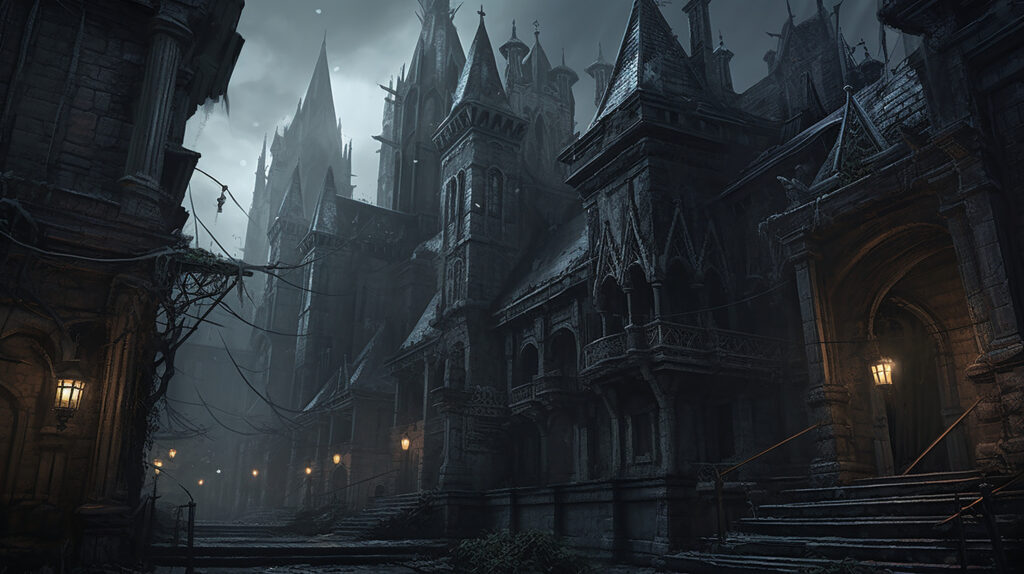
The Gothic Revival in the 18th and 19th centuries laid the groundwork for modern horror architecture. This style, with its pointed arches, detailed tracery, and vertical emphasis, tried to make people think of the grandeur of the Middle Ages. But as time went on, the idea of grandeur turned into one of deterioration, making the classic “spooky old house.”
The ability of Gothic architecture to scare people is connected to its visible history. These huge, fancy buildings started to fall apart, and their messy shapes made it look like they were rotting from the inside out. The Victorians’ concern with death and grief, along with the design’s sheer, gloomy complexity, turned them from emblems of piety into metaphors for human decay and hidden pain.
Credit: Adobe Stock Photo
Case Files in Stone: Where History Lives
Buildings with a tragic past that is permanently etched into their stone are generally the scariest. These places are like environmental time capsules, where the history of violence or sorrow is still felt.
For example, the historic Leap Castle in Ireland is known for its “Bloody Chapel” and clan feuds that have lasted for hundreds of years. Or think about Houska Castle in the Czech Republic, which was supposedly erected over a fissure that local legend calls a “gateway to hell.” The castle wasn’t meant to be a defensive fortress; it was meant to keep something within. Bran Castle in Romania, which is popularly linked to Dracula, is scary because it is so far away and has lines that look like they belong in the Middle Ages.
These real-life stories show that the history and setting of a building may be just as scary as any made-up ghost. The falling-down walls and gloomy, echoey halls make the feeling of unease even worse. They make it seem like the pain that happened in these places will never go away, coloring the space forever.
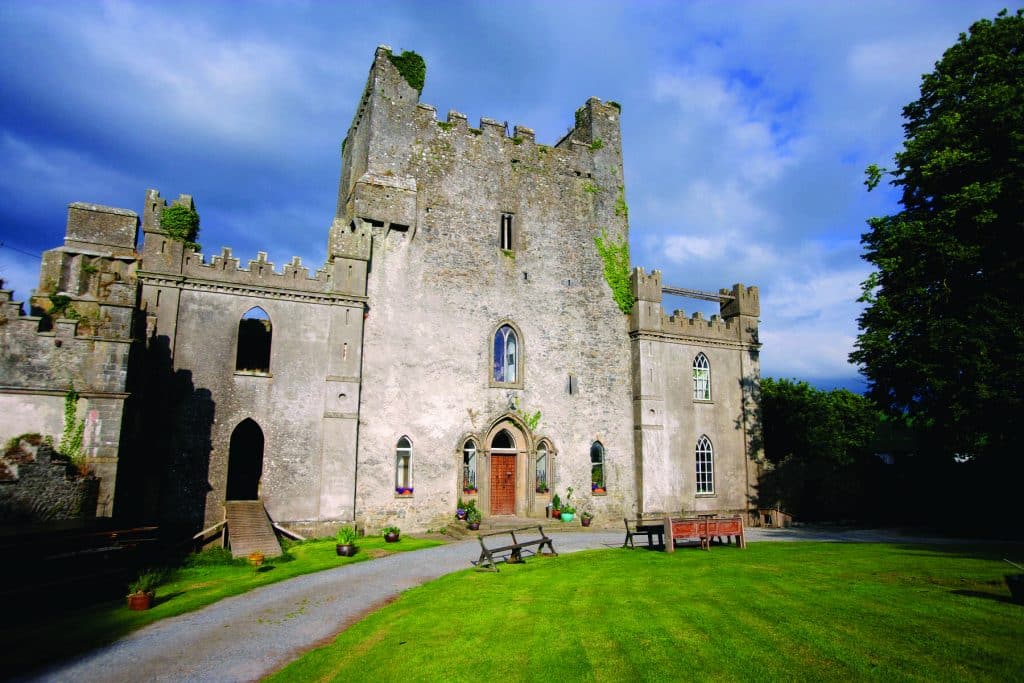
Leap Castle in Ireland Credit: Tourism Ireland
The Psychology of Dread: Why Buildings Mess with Our Heads
Why does a certain hallway or corner feel incorrect without any reason? The answer is in spatial psychology, which studies how design affects our subconscious mind and makes structural characteristics into psychological triggers.
Anthony Vidler, an architectural historian, came up with the phrase “Architectural Uncanniness” based on Freud’s idea of the Unheimliche (the uncanny). This depicts a setting that is both familiar and strangely different, which makes us feel like things aren’t normal.
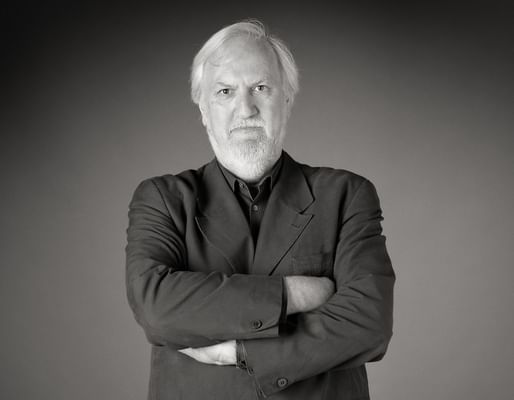
Anthony Vidler, 1941–2023. Image courtesy of the Canadian Centre for Architecture where Vidler was a CCA Mellon Senior Fellow in 2005.
Designing Confusion and Weakness
The horror architect uses four main psychological tricks to make people scared:
Not being able to read: Haunted places often include mazelike layouts, twisting hallways, chambers that don’t link properly, and secret doors. This disorientation plays on our basic fear of being trapped, lost, and unable to get out, as seen in Stanley Kubrick’s design for the Overlook Hotel in The Shining, where windows were put in the wrong positions on purpose.
- Scale and Proportion: Huge, towering buildings (such dark, scary cathedrals or chilly, futuristic skyscrapers) can make people feel small and weak, as they make people feel small. On the other hand, spaces that are too small and crowded make us more anxious and make us more likely to fight or run away.
- Light and Shadow: It’s very important to use darkness or harsh, fake light in a planned way. Dark rooms, strong contrasts, and shadows that seem to move just out of our sight make us nervous right away. Our senses aren’t working right, and the fear of the unknown fills the void.
- The Silent Observer: Some architectural features, such reflective surfaces, lengthy sightlines, or simply the subtle lack of other people in a large room, might make you feel like someone is watching you. This persistent, low-level fear makes people less stable mentally, turning the constructed environment into a prison of fear. In Edgar Allan Poe’s “The Fall of the House of Usher,” the mansion itself was an active participant in the psychological decline of its residents, encouraging and reflecting it.

A new, terrible type of horror architecture came forth in the 20th century, going beyond the aristocratic ghost. This change was mostly about how modernity is psychologically frigid, especially in the stark, unadorned style of Brutalism.
Modernist architects thought of homes as “machines for living.” These huge, utilitarian, bare concrete buildings, on the other hand, often gave people an unanticipated sense of oppressive dread since they didn’t have any human-scale decorations. High-rise communal housing projects, such as Pruitt-Igoe (a well-known example of quick failure), became symbols of alienation, failure, and authoritarian control, turning utopian dreams into real-life horrors.
Glass’s Vulnerability: The Exposed Soul
Gothic horror was about what was hidden in the dark. Modern architectural horror is about what is terrifyingly clear. Movies like Ex Machina and American Psycho use modern, simple dwellings and buildings made of glass and steel. These places look great, but they are often very impersonal and often lonely.
The glass walls, which were meant to let in natural light and be see-through, ironically take away the residents’ privacy, keeping them always vulnerable. The terror here isn’t otherworldly; it’s quite human. It’s the killer’s icy efficiency, the wealthy elite’s emotional sterility, or the creeping, existential dread that comes with being completely exposed. The architecture itself makes the evil easier to accomplish, showing that fear can live just as readily in a big, open-plan house as in a dark, medieval tomb.
The Reanimated Edition: Our Never-Ending Obsession
The legacy of horror architecture keeps changing, from the huge, magnificent houses in Shirley Jackson’s The Haunting of Hill House to the confusing, fluorescent-lit business tower in Severance. Every new style, whether it’s Gothic, Brutalist, or ultra-minimalist, gives us a new way to feel dread. This reminds us of Winston Churchill’s wise words: “We shape our buildings and afterwards our buildings shape us.”
The revived legacy of these buildings is the idea that architecture is never neutral. It is a psychological force, a cultural artifact, and, when constructed or experienced in just the right manner, a strong, scary participant in our greatest anxieties. The next time you feel a strange chill in a dark alley or a huge lobby, remember that the building is not only observing you, but also changing you.
For more blogs like this CLICK HERE!!
Reference:
Horror in Architecture: The Reanimated Edition | ArchDaily
A Brief History of Horror in Architecture – Architizer Journal