
Introduction: Natural Light’s Radical Proclamation
Architects and designers have been searching for light—not just its existence, but its mastery—for ages. However, we have been disconnected from the sun, which is the most basic source of light in our contemporary world of LED screens and round-the-clock power grids.
This carelessness served as the impetus for Buildner’s “Home of Shadows” Competition, a revolutionary design contest with a single, drastic, and essential requirement: create a house that needs no artificial light.
This was more than just an energy-saving project; it was a deep investigation into how architecture may serve as a biological instrument, reconnecting its inhabitants to the earth’s cyclical, natural cycles.
In addition to designing homes, the challenge winners created living sundials—areas that compel us to UNEARTH our SACRED relationship to the sun’s movement and, consequently, to our own well-being.

Authors: Haneul Kim, Sayun Park, and Eunbi Lee, from South Korea
The Challenge of Design: Removing the Electric Crutch
It is impossible to exaggerate how challenging it is to build a home without artificial light. With just two tools—the sun (direct and indirect) and its inverse, the shadow—architects had to address every spatial issue, including vision, task lighting, safety, and atmosphere. A significant return to fundamental architectural ideas may be seen in the solutions offered by the top entries.
Outside the Window: The Role of Light in Structure
The easy fix of just adding more windows was not used in the winning projects. Rather, they viewed light as a structured, flowing substance that could be filtered, channeled, and preserved. This implied:
- Sculpting Voids and Apertures: Rather than randomly flooding the area with light, use strong walls, rooflines, and courtyards to create precise openings that capture light at specified angles and times of day.
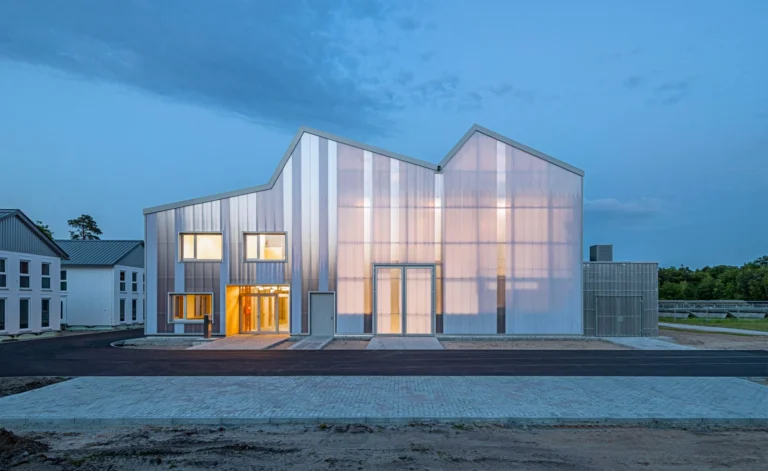
- Managing the Texture of the Light: Direct sunlight can be diffused into soft, ambient illumination by using screens, louvers, polycarbonate panels, and water elements. This reduces glare and maximizes presence.
- Using the Shadow: Creating shapes that, rather than being merely consequences of the sun, use shadows to define private spaces, separate spaces, and direct movement.
This coordinated dance, which transformed the sun’s journey from a passive element to the active designer of the interior experience, was the essence of the winning designs.
The Biophilic Imperative: Revealing the Sacred
Beyond sustainability, the “Home of Shadows” aims to be biophilic by nature. Bringing our surroundings into harmony with our innate 24-hour circadian rhythm greatly supports biophilia, the human inclination to connect with nature.
It is well recognized that artificial light, particularly the blue wavelengths released by contemporary electronics, can interfere with sleep, mood, and long-term health. These designs effectively establish a protective filter, a really SACRED space that balances human biology with the temporal environment, by eliminating this disruptive factor.
The Daily Life’s Rhythmic Structure
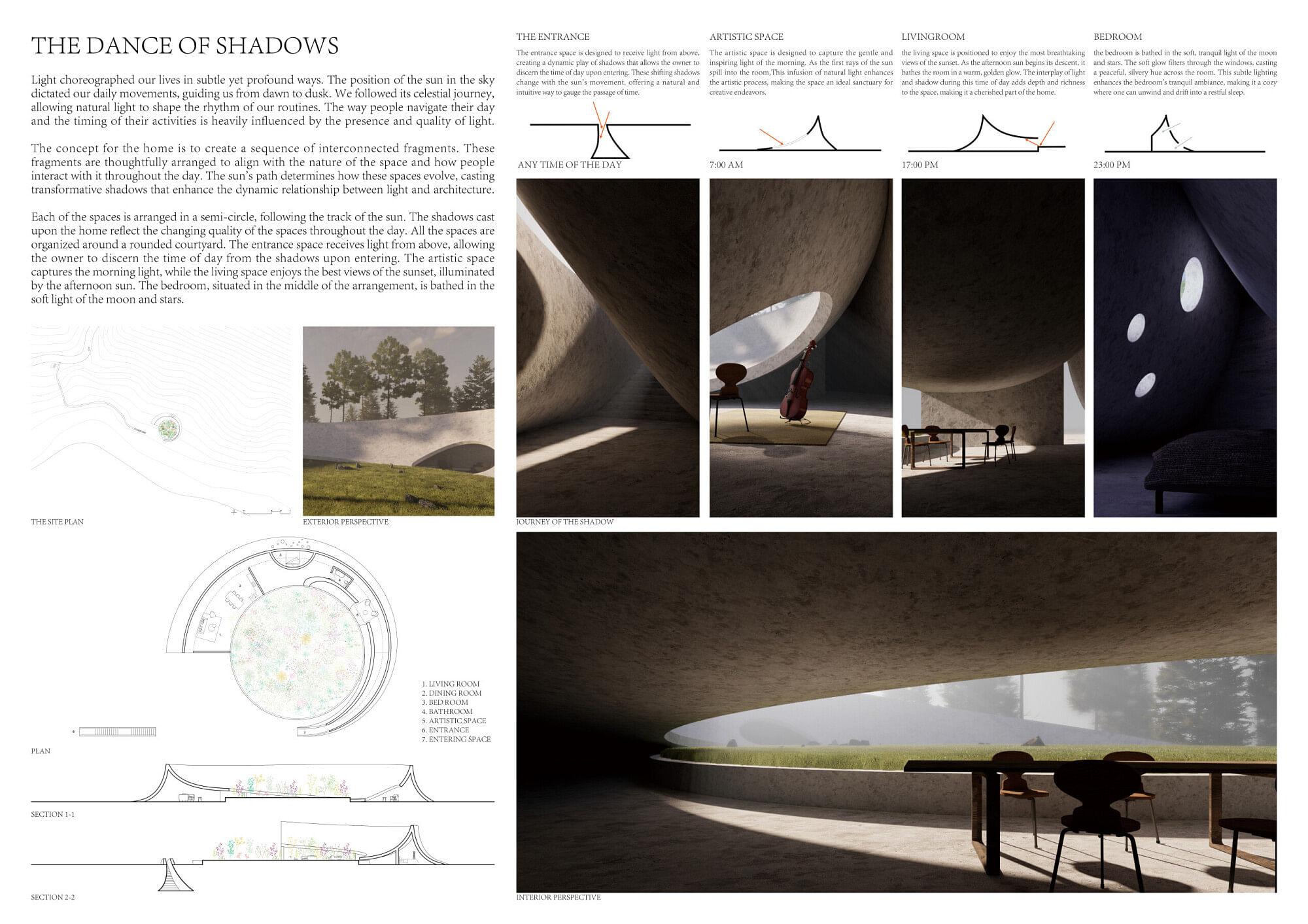
The winning projects, like the South Korean project “Dancing Flow,” which won first place with its varied walls and linear open floor plans, and the Chinese project “The Dance of Shadows,” which took second place with its spherical courtyard, were commended for coordinating the home’s program with the course of the sun:
- Morning Spaces (Waking): To support a natural wake cycle, bedrooms and dressing rooms are illuminated by gentle, peaceful morning light.
- Daytime Spaces (Activity): Living rooms and workspaces are oriented to get the most amount of sunlight, and they are frequently protected from direct glare by intricate light-filtering systems.
- Evening Spaces (Rest): Spaces intended for introspection or rest are positioned to take advantage of the warm, golden glow of sunset, which is the body’s natural way of telling you to wind down.
The rhythmic design enhances the resident’s awareness of time and weather by transforming the experience of traveling around the house into an hourly changing sensory narrative.
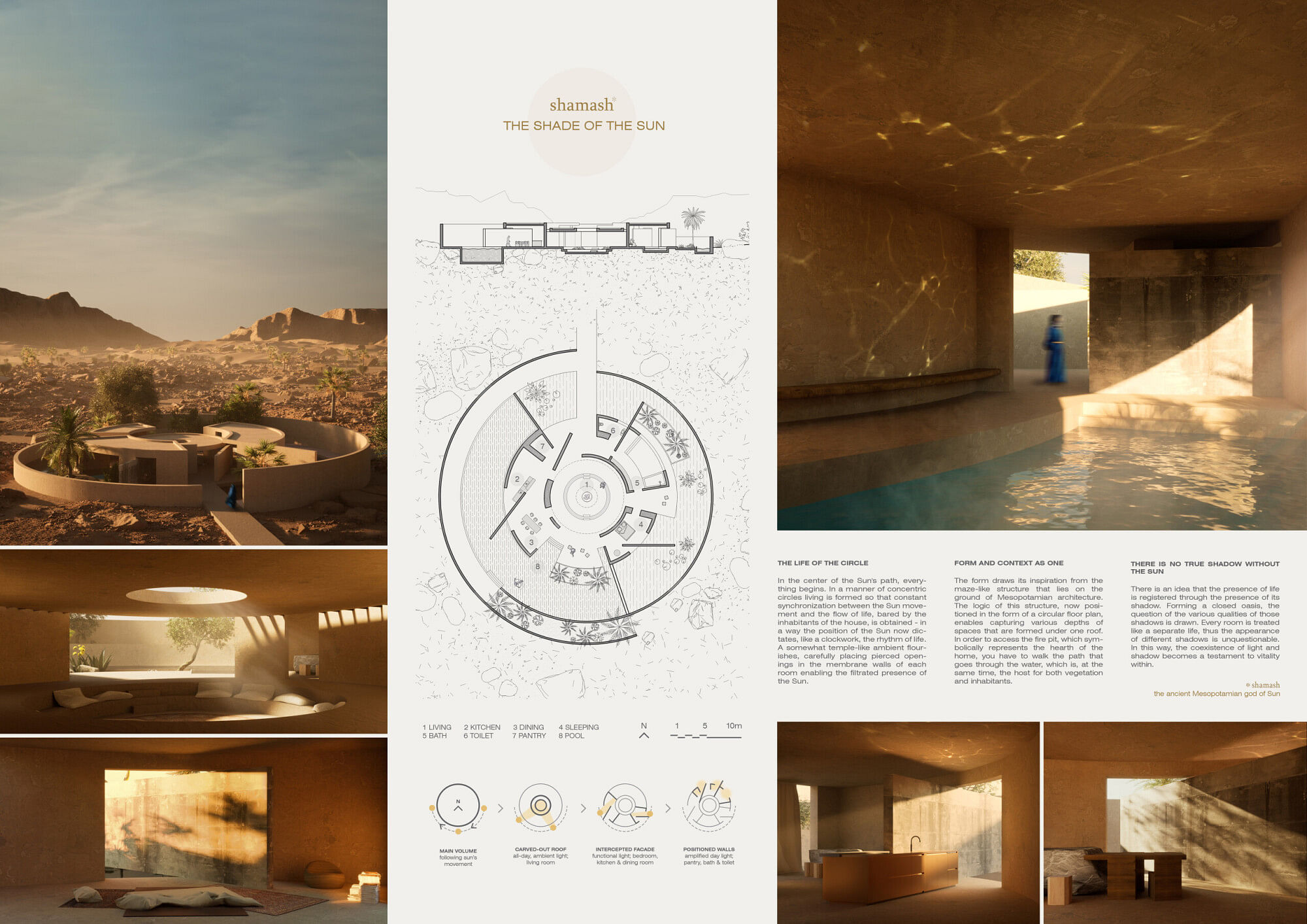 The Shade Of The Sun from Mladenka Doric, Miroslav Lukic, Kristina Pajic, and Aleksandar Tesic (Serbia). Image: Buildner
The Strength of Absence: Depth and Materiality
Materials speak louder in a home with little light. Certain aesthetic choices that emphasize texture and thermal mass have become more popular as a result of the forced reliance on tactility and high contrast composition caused by the lack of electric light.
The projects that were regularly used were:
- Thick Walls and Thermal Mass: Buildings made of high-density concrete, rammed earth, or stone were essential for their capacity to produce distinct, deep shadow lines in addition to their thermal performance, which kept interior spaces cool during the day.
- Water and Texture: Using textured surfaces or tiny, reflective puddles to disperse light. In one well-received design, light was reflected off a curved wall and spread out into an area, creating a soft, rippling glow.
- A Contrast Palette: The interiors were frequently characterized by the purposeful application of polished and matte finishes—a polished stone bench may be adjacent to a matte concrete floor—to optimize the absorption or reflection of natural light, providing optical depth without the need for artificial assistance.
By demonstrating that less can truly be more, this REVOLUTIONARY focus on the materiality of darkness creates a design approach that is both opulent and firmly anchored in passive performance.
Creating a Sustainable Sanctuary Standard
The direction of high-concept home architecture is evident from the “Home of Shadows” competition. It is a revolutionary guide to sustainable living that goes beyond wind turbines and solar panels. Passively lowering energy use and improving the general health of the residents are what make these houses really sustainable.
Buildner’s winners set a SACRED standard for the future by proving that luxurious, cozy, and visually stunning living can be had without the constant hum of electric illumination. They offer a sophisticated, adaptable, and profoundly human haven, challenging the industrial-era presumption that a truly contemporary home must be a constantly lit, climate-controlled box.
The winning designs UNEARTH a timeless truth: natural technology, not artificial technology, is the finest means of illuminating and supporting life.
For more blogs like this CLICK HERE!!
Reference:
Home of Shadows winners eschew artificial lighting in latest challenge