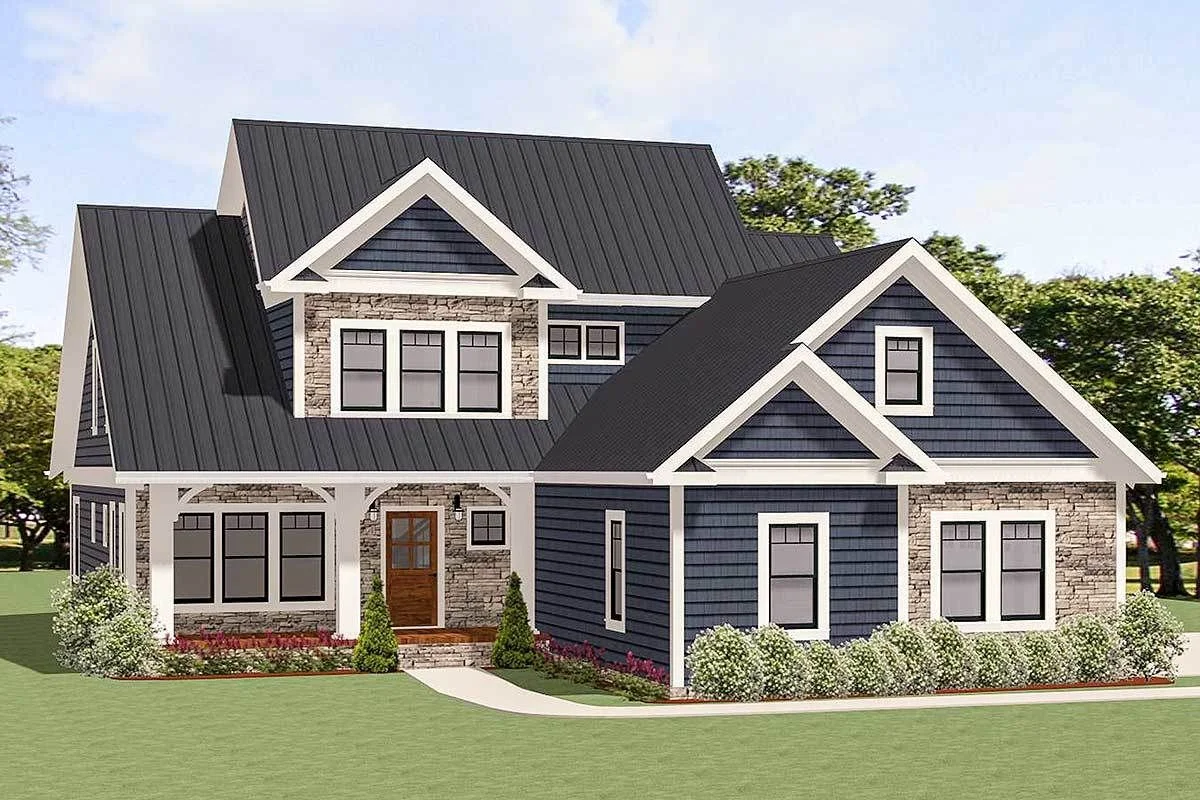
Your Plan for Owning a Home on a Budget
The idea of building a bespoke house for your family is sometimes clouded by the fact that construction expenses are going up. For a lot of families in the U.S., trying to find a beautiful, practical room on a small budget seems like an insurmountable conundrum.
But here’s the smart secret: the biggest savings don’t come from cutting down on quality; they come from better design.
In this ultimate guide, we’ll look at the best budget house designs and architectural ideas that will help you get the most out of every dollar. This way, you’ll obtain a high-quality, family-friendly home that will last. You’re not just creating a house; you’re making a home for your family that will last forever.
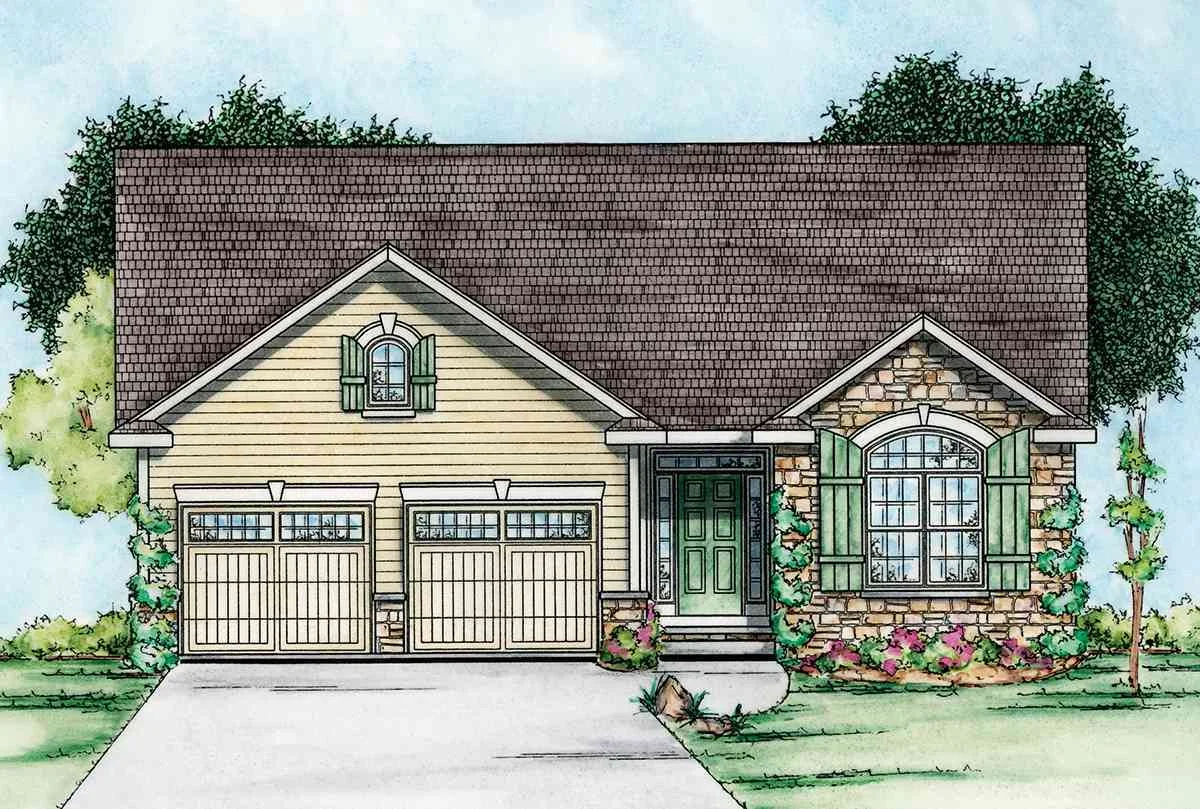
The Strength of Basic Geometry and Footprint
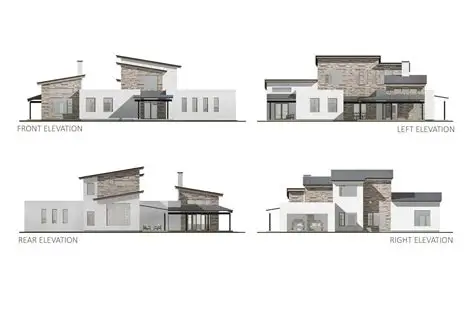
The shape of the house is simple, which makes it possible to build it cheaply. Every corner, gable, or complicated roof angle adds a lot of material, effort, and possible trouble to your project.
Choose a Simple Footprint
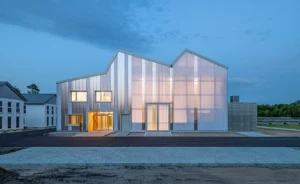
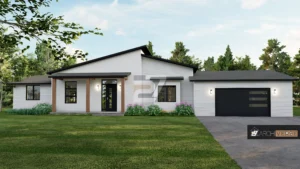
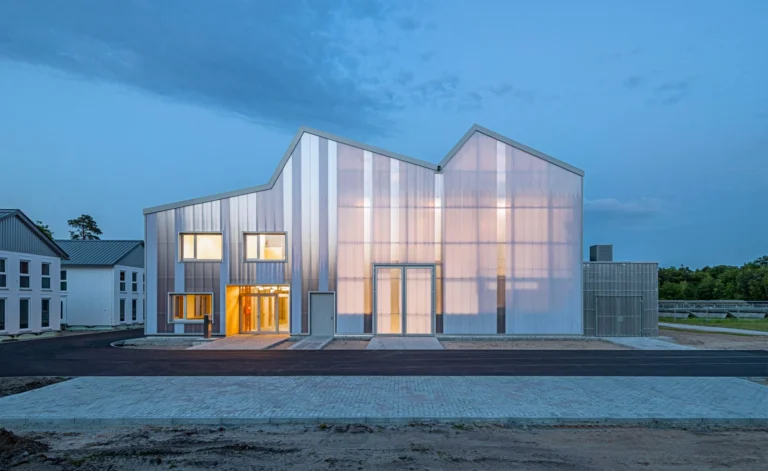
Simple, rectangular, or square footprints are the least expensive house plans. These forms are very easy to frame, insulate, and roof, which cuts down on waste and speeds up the building process.
- Stay away from roofs with plenty of angles: Don’t choose roofs with a lot of details or gables. A simple truss roof or basic gable design is easier to put up, less likely to leak, and saves thousands of dollars on labor and custom materials.
• Two stories can cost less: Single-story ranches are popular, but a small two-story design generally gives you the most usable square footage while taking up the least amount of space on the roof and foundation, which are the two most expensive portions of the build.
Plumbing and Electrical Work
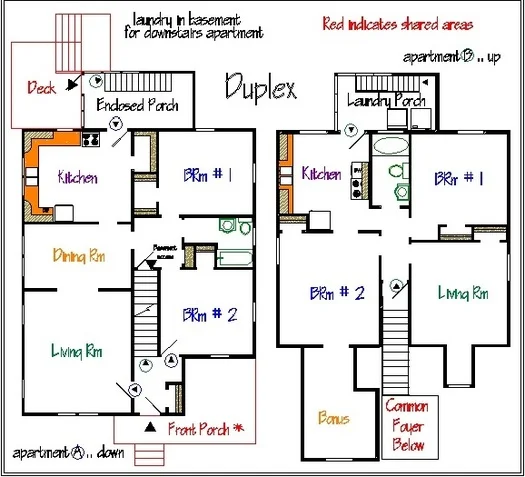
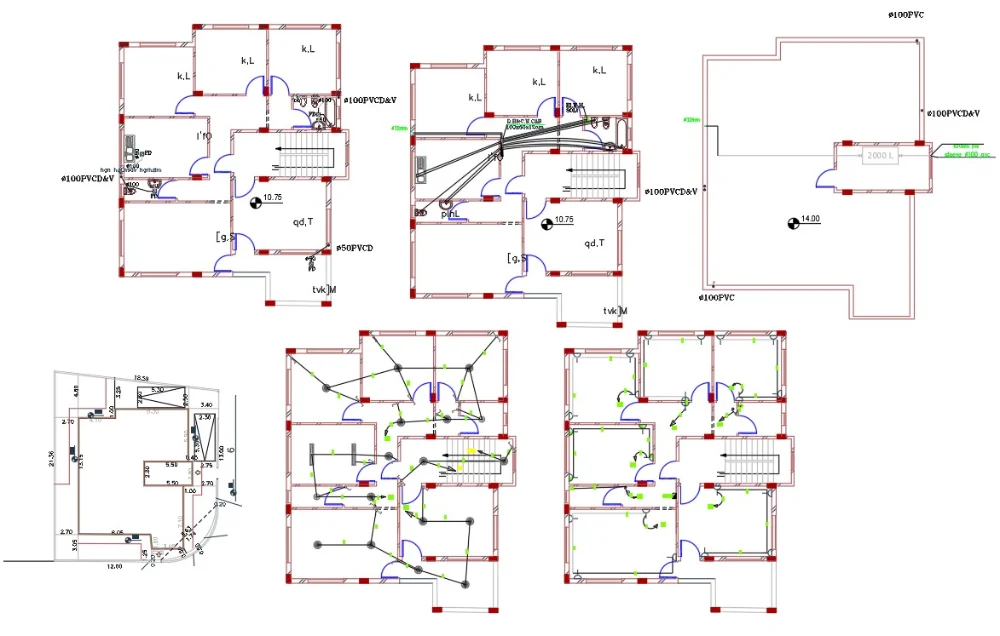
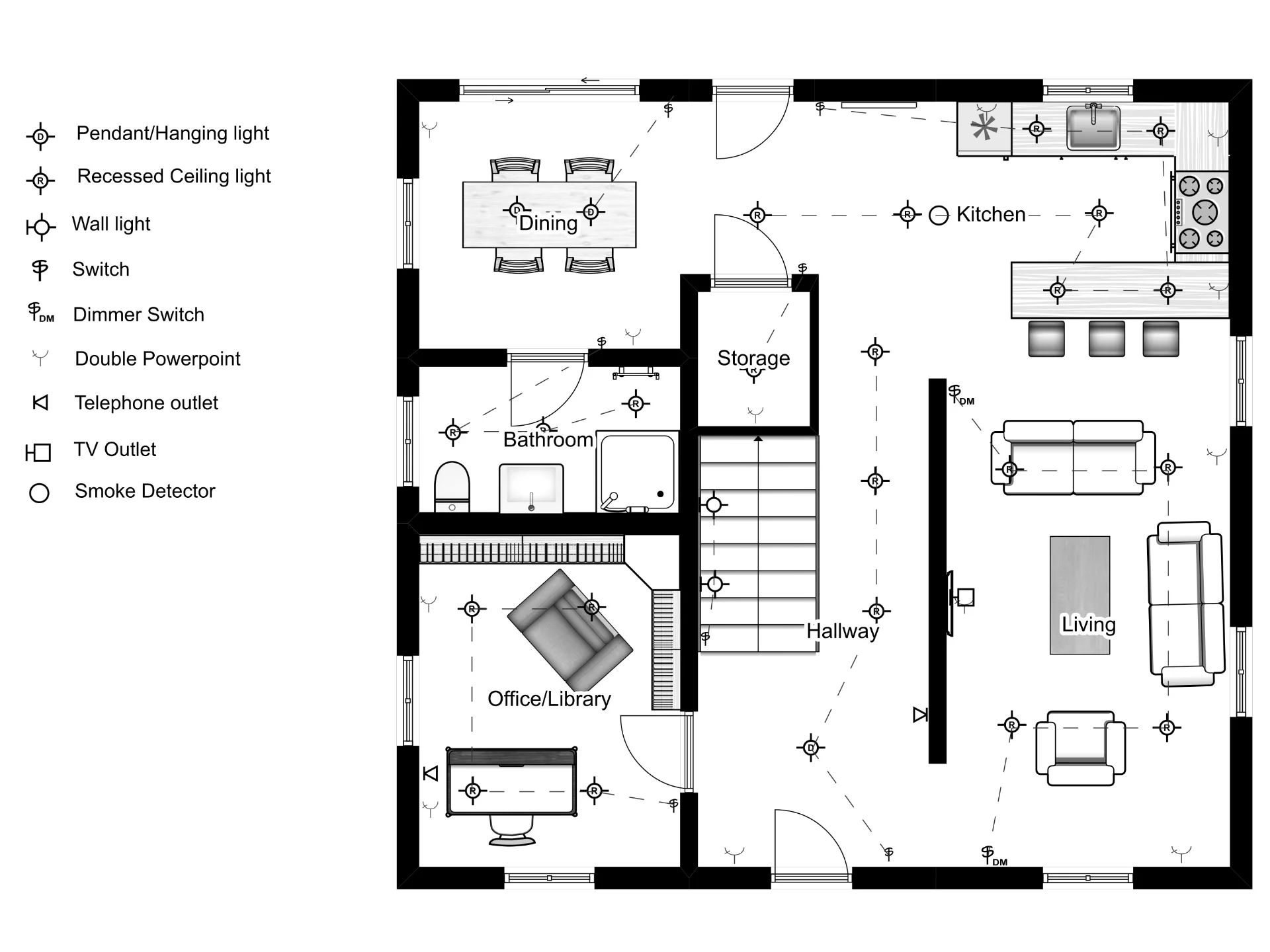
A design that really saves money is one that you can’t see. Find layouts that put plumbing and electrical systems next to each other. Putting the kitchen and laundry room back-to-back or stacking bathrooms on top of each other cuts down on the amount of plumbing and wiring needed by a lot, which saves money on materials and installation right away.
Designing Smarter, Not Smaller: Making the Most of Space
Size is a big part of the cost (beginning home plans usually range from 800 to 1,200 square feet), but a well-planned budget house plan may make a tiny home feel big and magnificent. It’s all about being efficient and flexible.
Living In an Open-Concept Way
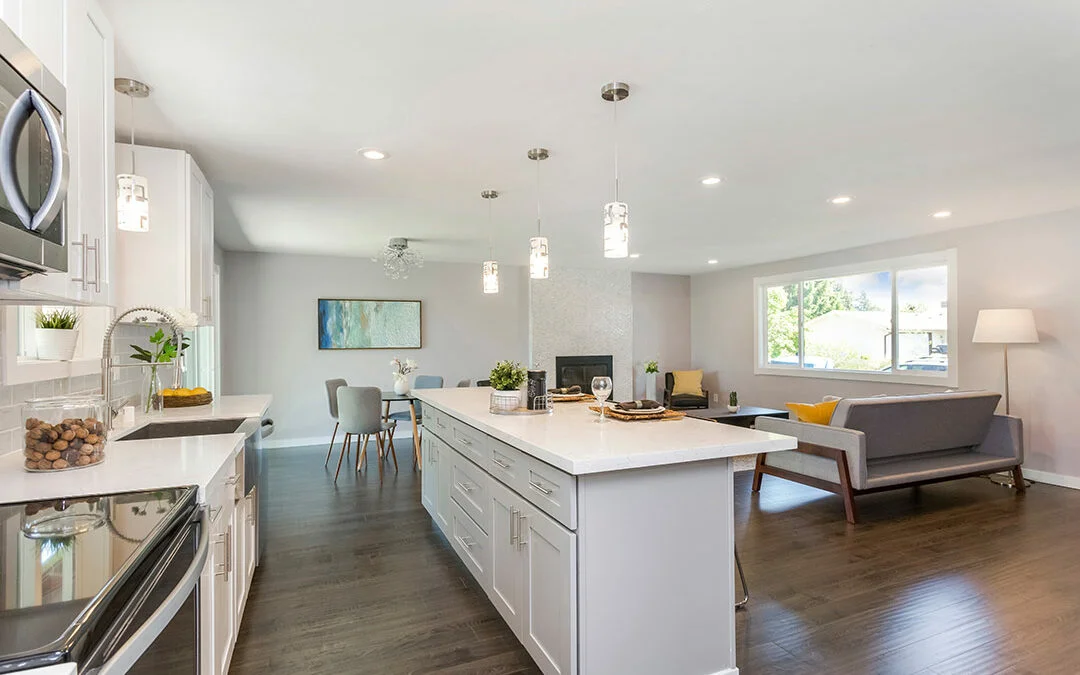
Low-cost home designs often have open floor plans that connect the kitchen, dining, and living areas. They get rid of the need for expensive walls that don’t support anything and extra passageways, which makes a smaller space feel much bigger and lets in more natural light.
- Multi-Functional Spaces: Look for layouts that let you use your living room as a home office or your kitchen island as the main dining space. This smart use of space makes the total footprint smaller without losing usefulness.
- Vertical Storage Solutions: Use tall cabinets, built-in shelving, and bespoke cabinetry under stairs to make the most of vertical space. Maximizing storage space keeps the major living rooms free of clutter, which makes them feel bigger and calmer.
Planning for the Future (Affordable Growth)
A plan that is good for families shouldn’t make you feel trapped. A smart budget house plan has basic elements that make it easy and cheap to add on later.
- Flexible Layouts: Pick a simple rectangular layout that can easily fit an extra wing or a garage conversion.
- Future Plumbing: Plan for plumbing stub-outs in your garage or basement now. If you ever want to add a bathroom or laundry room, the tiny initial outlay will save you thousands.
Modular and Prefabricated: The Revolution in Building
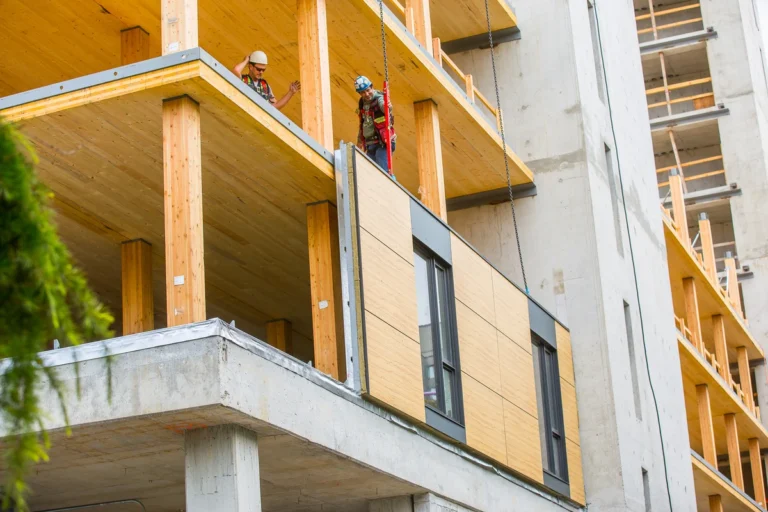
One of the quickest methods to save money is to build in a certain style. Modern inexpensive building methods use the efficiency of factories to provide speed and consistency that traditional building can’t match.
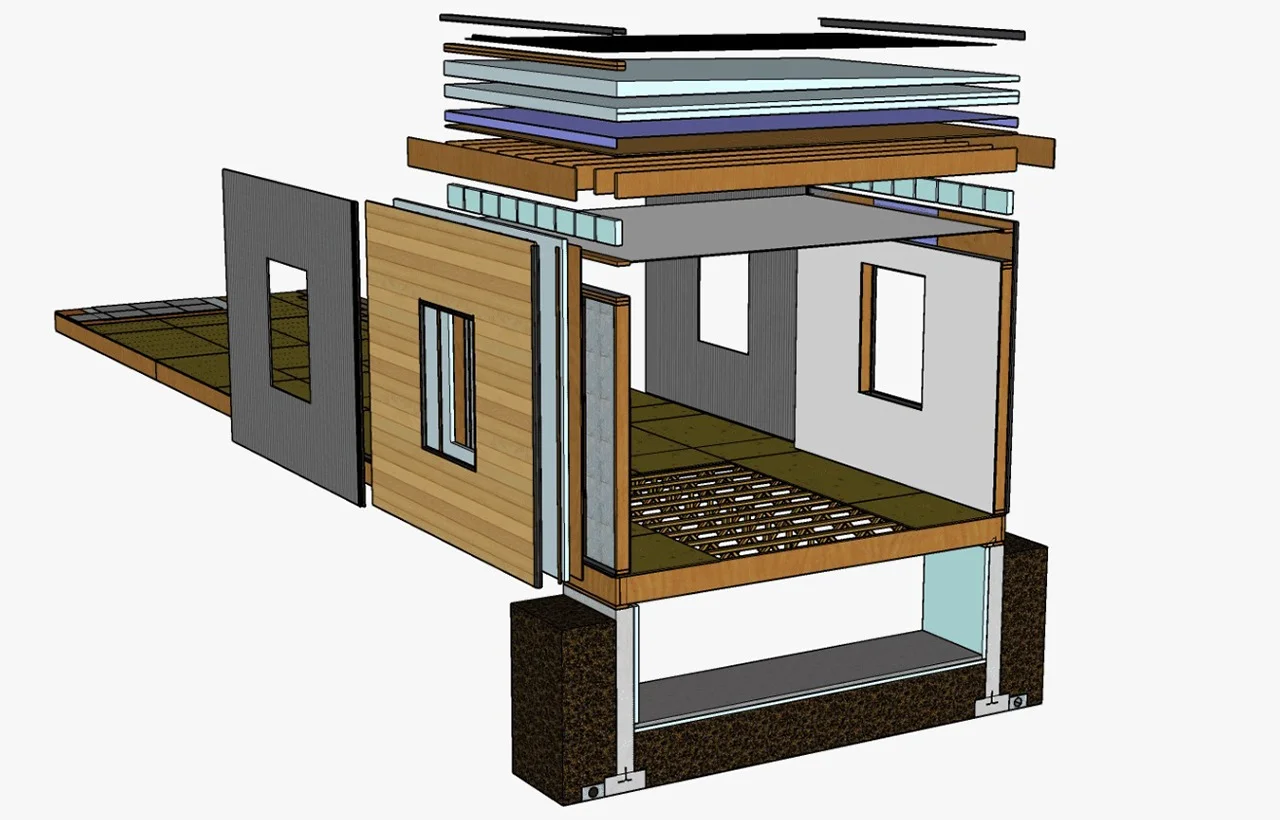
Solutions for Modular and Prefabrication
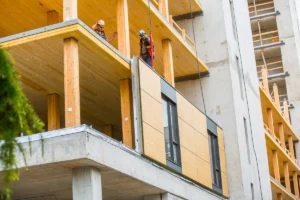
In the U.S., modular homes and buildings manufactured with prefab panels (pre-made wall panels or roof trusses) are becoming more popular since they save money.
- Cost Control: Parts are made off-site in a controlled environment, which cuts down on waste, stops delays caused by bad weather, and locks in material costs early on.
- Speed: Building a factory cuts down on the time spent on-site by a lot. This narrower construction window means that labor expenses are cheaper and the time it takes to pay back construction financing is shorter.
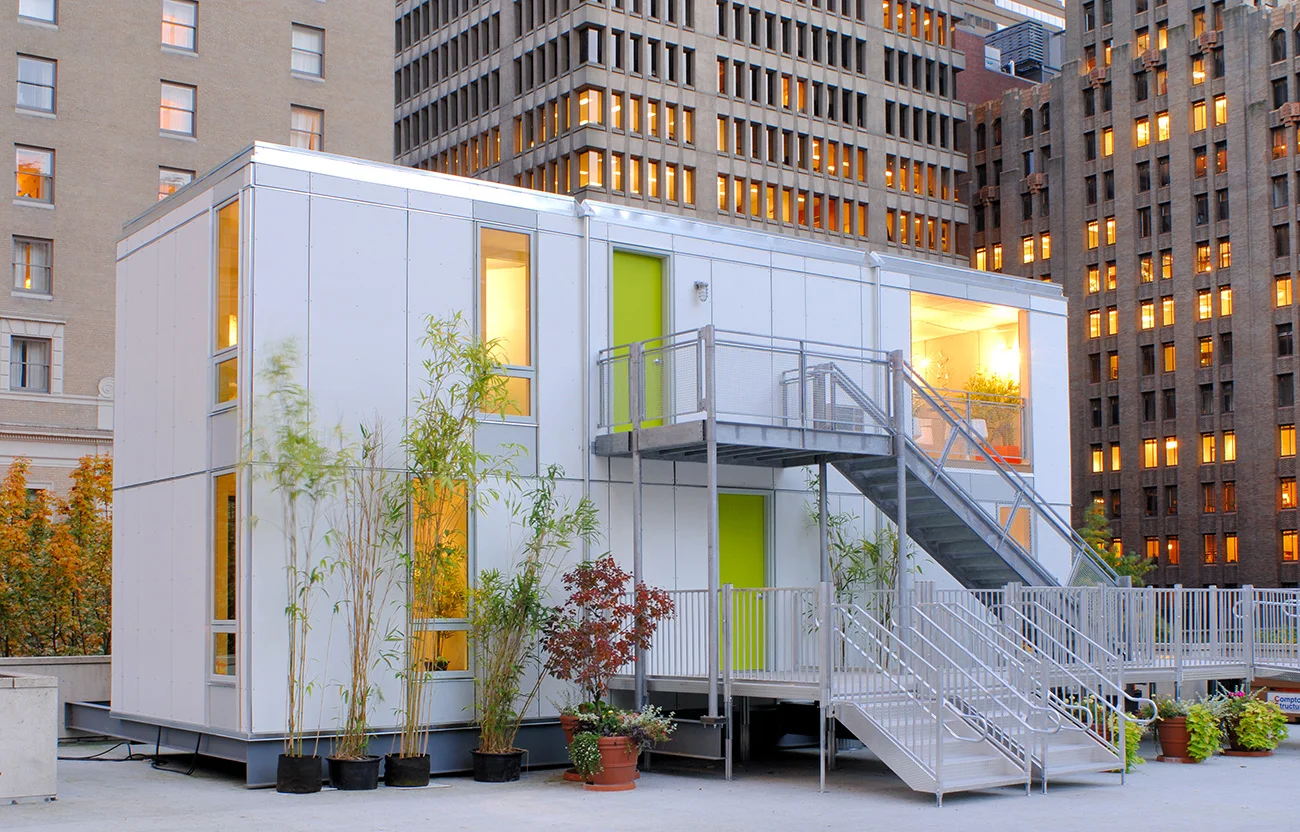
Looking Into Other Structures
For people who really want to save money, alternative, simpler constructions can give them a big head start on becoming affordable:
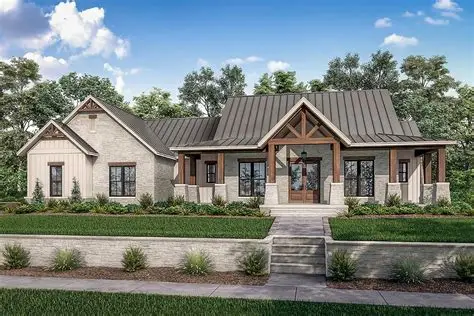
- Homes in the Ranch Style: Because they are simple and quick to frame, simple, one-story ranch designs are always cheap.
- Barndominiums: These buildings are made of metal or wood and are popular because their interiors are simple and open, and their roofs are quite efficient, which makes them very cheap to build.
Choosing The Right Materials for Long-Term Value
You don’t have to give up quality to have a cheap home design. It means putting durability and energy efficiency first to get the most value over time.
Choosing Materials Based on Value
Pay attention to materials that provide you the best return on your money (ROI). For instance:
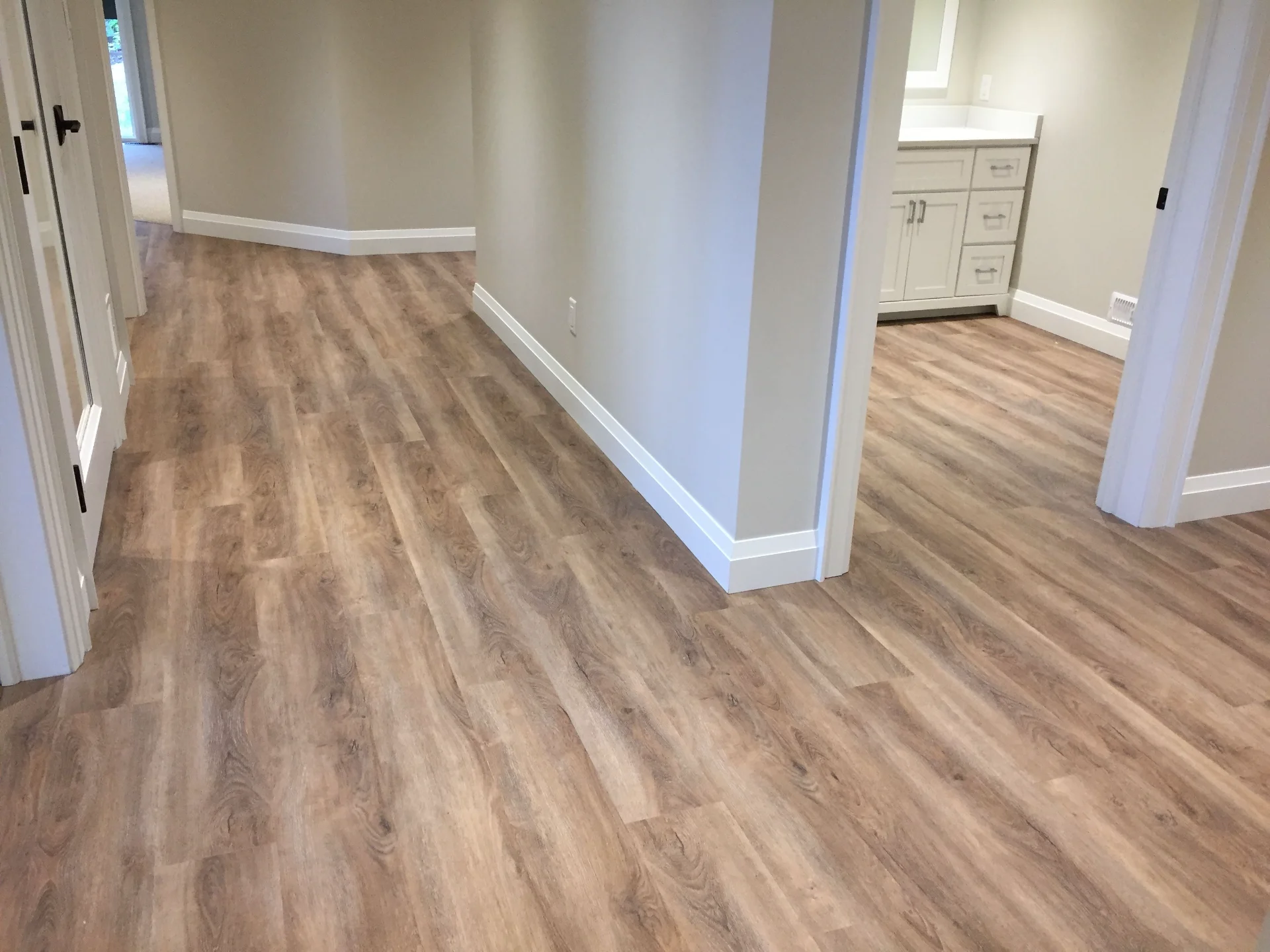
- The floor: Laminate or high-quality vinyl plank flooring can appear like pricey hardwood or stone for a lot less money. This makes them perfect for a budget house layout.
- Easy Finishes: Choose windows, doors, and sheetrock that are the right size. Custom sizes and shapes seem great, but they will quickly raise your costs. Put your customisation money toward things that will make a big difference, such kitchen hardware or lighting.
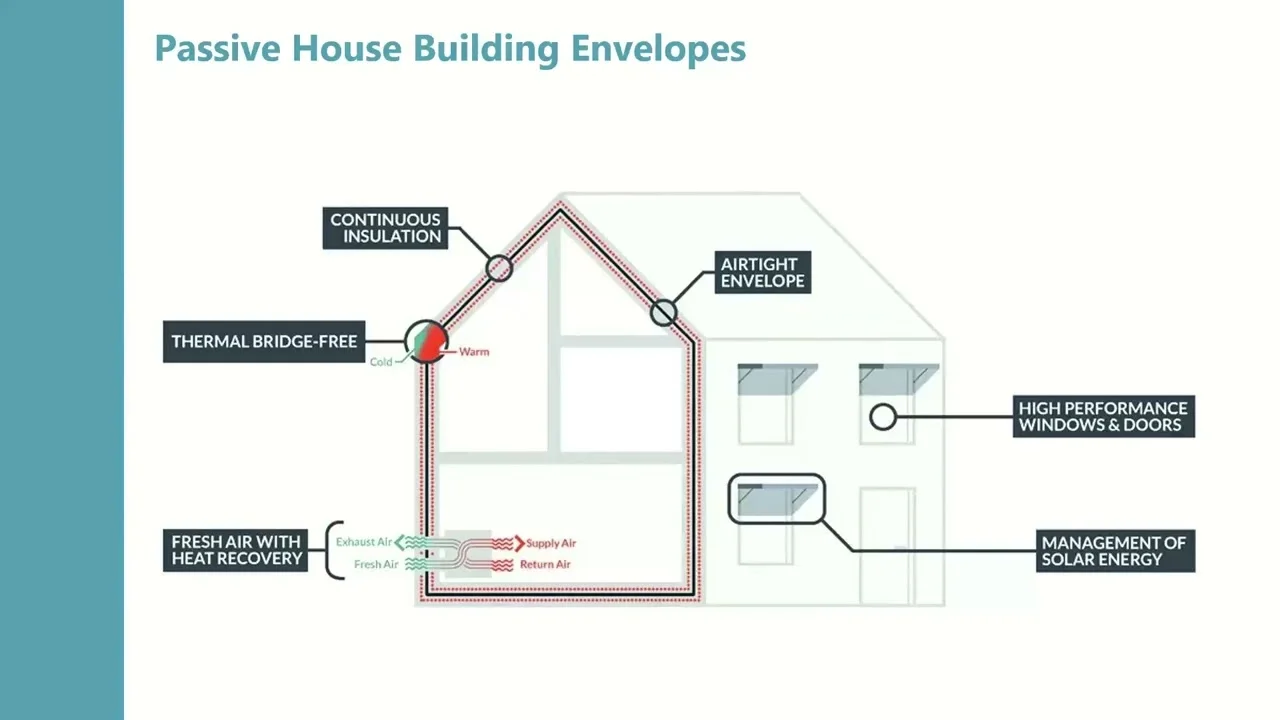
Putting Money into the Building Envelope
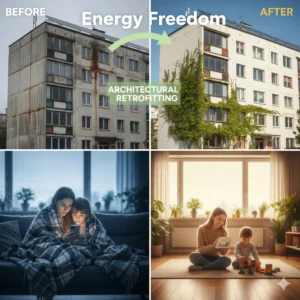
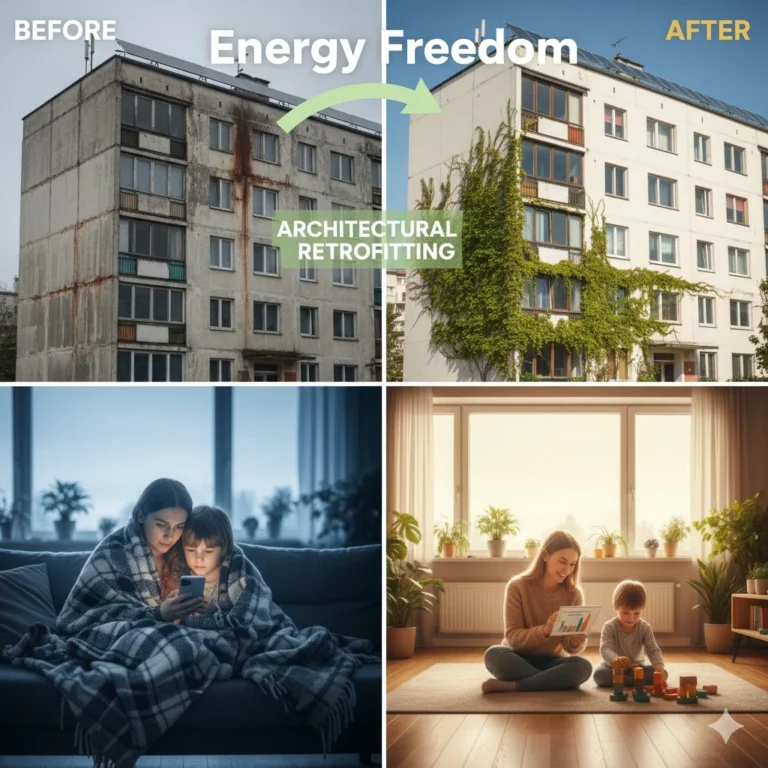
Energy efficiency is the most important long-term way to save money. Put a lot of money into the “building envelope” of your home, which includes the roof, walls, and foundation that keep the inside and outside distinct.
- Insulation and Sealing: Good insulation and sealing around doors and windows keep heat from moving between rooms, making your house comfortable and keeping your utility bills low for the rest of your life.
- Passive Design: Place windows so that they let in the most natural light and air. This will cut down on the need for artificial heating and cooling, which will save you money and make your home healthier.
Any family in the U.S. can successfully create their own forever home by making smart choices about design, construction, and long-term efficiency.
Are you ready to move on? Would you like to learn where to locate economical, ready-made house designs that are made for the U.S. market?
For more blogs like this CLICK HERE!!
References:
Our Plans | Affordable Homes USA