The Hidden World of Sacred Brutalism
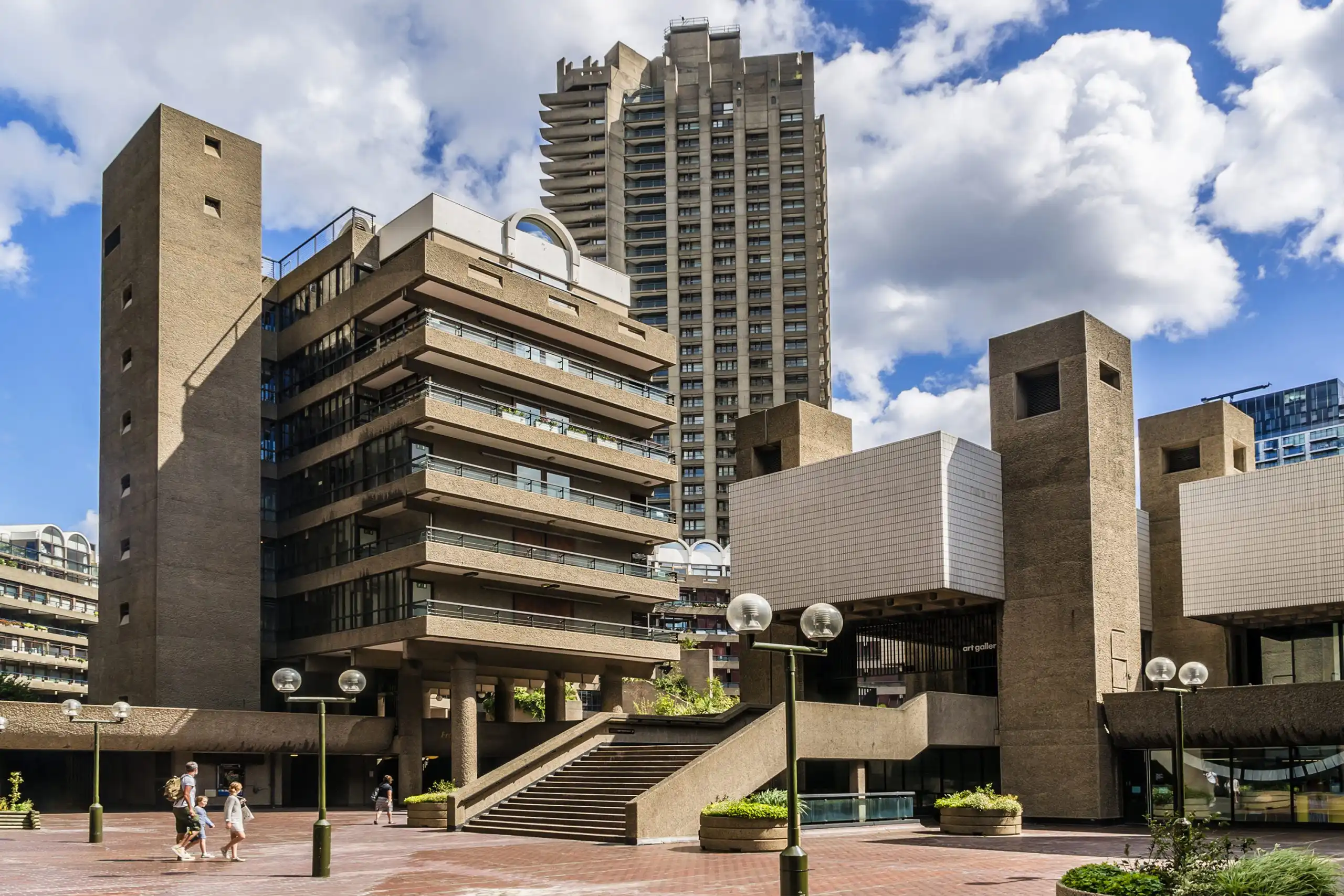
When people talk about Brutalist architecture, they frequently think of post-war European cities with rain-streaked concrete, like London’s Barbican Estate, Le Corbusier’s Unité d’Habitation, or even the public housing blocks of Eastern Europe. This style, which comes from the French term “béton brut” (raw concrete), was a worldwide architectural trend that aimed for honesty in materials, massive scale, and geometric purity.
But if you only think of Brutalism as a European style, you miss its most powerful and spiritual uses. Architects in Asia, Africa, and the Americas liked this rough look for both public structures and places of worship. Concrete became a strong, almost spiritual medium in these very different places. It was a sign of modern identity, economic reality, and a new faith. This is the best tour of the 15 Iconic Brutalist Churches that changed the way holy architecture was done outside of Europe. From huge cathedrals in the rainforest to peaceful chapels lit by slivers of light, these churches are the best examples of this style.
Concrete Cathedrals and Modern Faith in the Americas
Modernism had a fresh start in the New World, and Brutalism immediately found a home there, notably in religious buildings that wanted to break away from conventional European Gothic and Baroque designs. The size and honesty of exposed concrete made it a strong emblem of regeneration after the war.
North America’s Monolithic Statements (Canada and the US)
Brutalist churches in the United States often turned into austere works of art. St. John’s Abbey Church (1) in Collegeville, Minnesota, designed by Marcel Breuer, is probably the most famous example. Its huge, honeycomb-like bell banner is a striking, vertical wall of concrete that proclaims the faith with primeval intensity. It stands out clearly against the Midwestern countryside.

ST. JOHN’S ABBEY CHURCH | Collegeville
The Cathedral of St. Mary of the Assumption (2) in San Francisco, California, is a beautiful example of how far reinforced concrete may go. The hyperbolic paraboloid roof is made up of eight huge pieces that meet at a central cross, making a huge, soaring area inside. It was designed by Pier Luigi Nervi, who is famed for his engineering talent, and finished in 1971. It feels more like a huge folding sculpture than a building.

Cathedral of Saint Mary of the Assumption St. Mary’s Cathedral 1963–1970, Pietro Belluschi and Pier Luigi Nervi. 1111 Gough St.
Paul Rudolph, an important character in American Brutalism, made his mark further east with the Dixwell Avenue Congregational United Church of Christ (3) in New Haven, Connecticut. The church’s angular, interconnecting masses of raw concrete are typical of his style. They give the town a strong, civic face. St. Basil’s Catholic Church (4) in Los Angeles has textured, serrated concrete walls that make it look like a fortress against the surrounding city.

Congregational United Church Of Christ
Tropes from Latin America
Brutalism in Latin America, which is often called “Tropical Brutalism,” expertly used concrete’s thermal characteristics and sculptural potential in warm, humid climes.
The Cathedral Metropolitana de Maringá (5) in Paraná, Brazil, is a sight you won’t forget. This conical concrete edifice, which was finished in 1972, is one of the highest churches in South America. It is over 120 meters tall. Its shape is based on the Sputnik satellites, which gives it a space-age view of faith that looks to the future.

Cathedral of Maringá, postcard of the city located in the northern region of Paraná, state in the southern region of Brazil./Source: istockphoto.com
The work of architects like Alberto Kalach in Mexico shows that the style is still alive and well. The Capela da Santa Cruz (6) is modern, yet it uses the rough, poured concrete and large size of its predecessors to make a peaceful, powerful place to pray. These buildings show how béton brut was used in a way that was honest and revolutionary, different from colonial styles.

Capela de Santa Cruz
Asia: The Spiritual Void, Geometry, and Shadow
Brutalism moved east, where it combined with local philosophical and material traditions. It commonly used exposed concrete to learn how to control natural elements, especially light and water, in order to find spiritual peace.
Minimalism and Light in Japan
Tadao Ando, Japan’s maestro of bare concrete, is an important part of any study of Brutalist sacred space. The Church of the Light (7) in Ibaraki is an example of this coming together. The plain concrete cube was built in 1989 and has a cross-shaped cut-out in it that lets light, the only ornamental element, flood the inside. Without customary decorations, the raw material and the fleeting light become the focus of worship, providing a peaceful, meditative space.
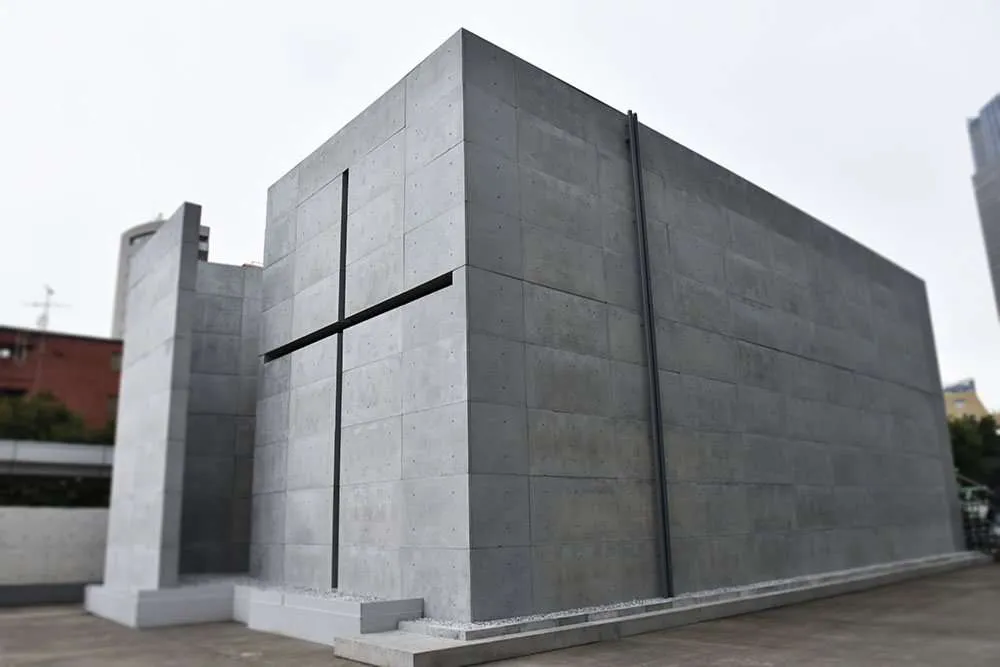
church of the light
The Basilica of the Annunciation (8) in Nazareth, Israel (Middle East), was built in 1969 using concrete forms and modern geometry. It is not strictly minimalist, but it is a huge two-story shrine that represents the size of global Catholicism while standing firmly on sacred, ancient ground.

Church of the Annunciation, Nazareth – Visitors Guide
Concrete and the Third World
Brutalism was a good choice for developing countries that were forging new national identities since it was cheap and strong.
After the war, the design became very popular in the Philippines. While many civic buildings dominate the landscape, churches like the Parish of the Holy Sacrifice (9) in the University of the Philippines Diliman complex (though more modernist, it uses Le Corbusier-like concrete) and others by local architects like Leandro Locsin (who mastered a specific ‘Philippine Brutalism’) emphasized geometric massing and raw finishes, standing as potent symbols of national ambition and modernist expression.

Parish of the Holy Sacrifice
O Studio Architects developed the Church of Seed (10), which is atop Luofu Mountain in China. It combines raw concrete to make an angular, hermetic cage that encourages people to think about themselves.

Church of Seed
The Holy Rosary Church (11) in Bandarban, Bangladesh, is another example of how this style has been used in South Asia. There, simple, huge concrete shapes gave faith a new structure and a powerful new visual language.

Holy Rosary Church
Africa: Monoliths of Belief and Tomorrow
The Brutalist style gave African countries that had just gained independence in the middle of the 20th century a modern, non-colonial way to build. These cathedrals generally had huge, dramatic shapes that matched the size of the area and the desire for a new nation.
The Big African Statements
The Santo António Da Polana Church (12) in Maputo, Mozambique, was designed by Nuno Craveiro Lopes and finished in 1962. It is a great example of “Tropical Modernism” that leans toward Brutalist ideas. Its famous, rising dome, which looks like a concrete crown or a squeezed lemon, shows how flexible raw concrete can be.

Nuno Craveiro Lopes | Santo António Da Polana Church | Maputo, Moçambique (1962)
Saint Paul’s Cathedral (13) in Abidjan, Côte d’Ivoire, is probably the most famous example. The spectacular, tent-like concrete frame, built by Italian architect Aldo Spirito, rises from the earth in an extraordinary display of structural bravery. It looks like a ship setting sail or God’s outstretched hand. Its presence stands up on the metropolitan skyline, a sign of faith and modernity.
/St-Pauls-Cathedral-5864408e5f9b586e029380a0.jpg)
Dome at St Paul’s Cathedral in London
The Al-Nilin Mosque (14) in Omdurman, Sudan, is not a church, yet it is a great example of African holy Brutalism. The UFO-like dome on top of it, created in the 1970s, shows how the béton brut style crossed religious lines, giving people of all religions a strong, honest material to use in modern art.

Masjid Al-Nilin, Omdurman
The style has even made its way to South Africa, where architects like Gillespie, Poole, and Gillespie used it. Churches in the townships and growing city centers, like those in the early days of Nairobi, Kenya, used the stark concrete, which became the material of African Modernism (15)—strong, simple, and looking to the future.

Modernist African Churches
The Universal Language of Raw Concrete
Brutalism’s real genius is how flexible it is. This global assessment shows that the churches don’t have any fancy details. Instead, they use the basic elements of concrete, geometry, light, and shadow to make people feel holy. They use bulk, form, and honesty to talk about architecture in a universal way.
The Brutalist church is not a cold, austere relic, but a dynamic, living monument to modern faith when we get beyond the Barbican. These 15 famous buildings, from the quiet contemplation of Ando’s chapel in Japan to the grand drama of the Cathedral in Côte d’Ivoire, show that raw concrete is more than just a building material; it is a potent vessel for the human soul. They are tough reminders that faith-based architecture can be both honest and awe-inspiring, as well as solid and beautiful.
Reference
10 Brutalist Churches and Chapels around the world – RTF | Rethinking The Future
‘brutalist interiors’ explores hidden life behind concrete facades across the globe
For more blogs like this CLICK HERE!!