
The Craftsman Philosophy: The Heart of the Home
In the early 1900s, the Arts and Crafts movement took hold in America. This was because the Industrial Revolution’s constant push for efficiency stole the soul out of ordinary things. The American Craftsman home came from this style. It was a response to the Victorian era’s over-the-top decorations.
The Craftsman home is more than just a style of design; it’s a way of life that values honesty, simplicity, and utility. This style brought high-quality, handmade design to the American middle class, thanks to people like furniture maker and publisher Gustav Stickley and his magazine, The Craftsman.
If you’ve ever felt a strong want to buy a home that looks like it belongs in the Craftsman style and feels quite comfortable, you were probably looking at one. But what exactly makes these homes so special? It all boils down to a set of carefully planned, hand-made details that show off the artisan’s skill.

Section I: The Grounded Exterior: Sturdiness and Shelter
The outside of a real Craftsman house is made to fit in with the natural surroundings by employing earthy colors and strong, horizontal lines.

The Roofline Is Low And Wide
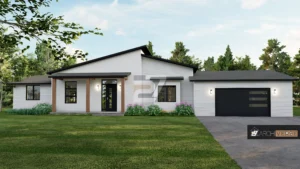
First, look up. A real Craftsman home nearly always has a low-pitched roof, which is usually gabled or hipped, with very wide eaves that hang down. This deep overhang isn’t only for looks; it also provides shade and protection from the weather, which shows how the house is connected to its climate.
The intentional exposure of the structure is an indicator that a house is really Craftsman. If you look right under the eaves, you should notice either exposed rafters or decorative knee braces (triangular supports). This part of the house is like honesty in architecture since it shows off how the house was made.

The Porch: Big and Welcoming
The front porch is a big part of what it means to be a Craftsman. It serves as a bridge between the private and public worlds.
The tapered square column, which is the most famous part of the porch, usually always supports it. These columns are obviously thicker at the bottom and go thinner as they go up, which gives them a sense of strength and stability. They generally sit atop strong piers or pedestals made of stone or brick, which makes the home’s strong foundation even more clear.

Colors and Materials: An Earthy Harmony
Craftsman architects liked to use materials that came straight from nature. You won’t often see smooth, man-made surfaces. Instead, look for:
- Mixed Cladding: The outside of a house often has a mix of natural materials, such cedar shake, horizontal wood lap siding, stucco, or fieldstone used for foundations, chimneys, and porch piers.
- Color Palette: The dwellings are painted in earthy colors including deep greens, mellow browns, mossy grays, and rich ochres. These colors are meant to blend in with the forests and fields.

Section II: Windows and Woodwork: Light and Integrity
The hand craftsmanship really shines in the attention to detail on the inside.

The Famous Window Pattern
Craftsman windows are usually double-hung and have a distinctive pane pattern that people typically call “four-over-one” or “six-over-one.” This means that the upper sash has a lot of small panes of glass, whereas the lower sash has one big pane of glass.
This design choice was both useful (it let the lower sash give an unobstructed view) and pretty. Some high-end specimens may also have stained glass accents, usually with geometric forms or stylized images of nature, such flowers or vines, which add to the artisanal quality even more.

The Fireplace Is the Heart of the Home
In a classic Craftsman living room, a fireplace that is the center of attention is a must. It is the main living space’s physical and emotional center.
The fireplace surround is a location for natural materials, and it is frequently finished with hand-laid natural stone or artistic ceramic tiles in deep, rich colors. The mantel is usually made from one big piece of wood, and sometimes it is held up by small columns that look like the bigger ones on the front porch.

Part III: The Functional Interior: Quality and Simplicity
The Craftsman style makes the inside feel warm, cozy, and very efficient.

Built-Ins: The Art of Function
The Craftsman interior’s many built-in cabinets and furniture are probably its most popular feature. This was a direct response to making the homes of the middle class more efficient and less cluttered.
Search for:
- Bookcases on either side of the fireplace.
- Seats at the window with storage space underneath that opens.
- Buffets or china cabinets in the dining area that are built right into the wall.
These built-ins get rid of the need for too much freestanding furniture, which shows off the design’s clean, attractive lines and cuts down on “clutter.”

The Unpainted Woodwork: Warmth and Richness
If the outside is honest, the inside is completely honest. The most important thing about the inside is the use of a lot of natural wood trim, usually oak, fir, or chestnut, that is stained instead of painted. This wood is utilized for a lot of things, like the wide window and door frames, the tall baseboards, the plate rails, and the ceiling beams that are visible or coffered ceilings.
The deep, warm atmosphere created by this celebration of wood grain makes the home feel more human and welcoming. The dark, deep stains bring out the material’s natural beauty and support the idea that quality is more important than too much adornment.

How to tell the difference between an American Bungalow and a Craftsman
It’s vital to know the difference: Craftsman refers to the type of architecture (how it’s built and the design philosophy), while Bungalow refers to the shape and size of the house (usually one or one-and-a-half stories). Most bungalows built in the early 20th century were built in the Craftsman style, hence the name “Craftsman Bungalow” became very popular. Most modest Craftsman houses are bungalows, although the Craftsman design can also be used on bigger two-story residences, such the American Foursquare.

In short, a real Craftsman home is a strong visual statement against the anonymity of factories. It is marked by its strong ties to nature, its great regard for the job of the craftsman, and its beautiful and honest use of wood and stone. Finding one isn’t just about seeing architectural features; it’s about identifying a piece of American history that was constructed on a foundation of comfort and quality that will last.
For more blogs like this CLICK HERE!!
Reference:
Unseen Beauty of American Craftsman Homes: Guide to Details & Restoration