
The New Architecture of Nostalgia: An Introduction
The year 2025 will be a turning point in holiday design with Halloween. Simple plastic props and disposable decorations are no longer enough to capture the celebratory spirit after years of adjusting to virtual gatherings and muted festivities. Our contemporary homes, which frequently double as our workplaces, educational institutions, and social gathering places, demand a sophisticated, astute approach to transient seasonal design. This is what we refer to as the “architecture of comfort and curiosity.”
The problem is straightforward: how can we produce a truly eerie, powerful atmosphere without giving in to the “Zoom Gloom”—that weariness and sense of artificiality brought on by excessively cluttered, dimly lighted screens? The solution for architecture enthusiasts is to become proficient in complex lighting design, material selection, and spatial manipulation rather than purchasing more plastic. We need to create environments that are cozy, genuine, and incredibly, deliciously spooky.
These seven creative design strategies and architectural solutions are sweeping the Halloween-at-Home scene in 2025, guaranteeing that your event will be memorable and impactful.

The Uncanny Glow: Developing Shadow Play in Architecture
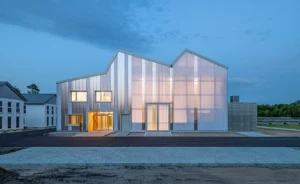
Architects know that light sculpts, not just illuminates. This entails using shadows and negative space as weapons for Halloween. Don’t use glaring floodlights; instead, use subdued uplighting and downlighting with colored smart bulbs (muted orange, emerald green, and deep aubergine).
The Solution: To create dramatic, stretched shadows of commonplace objects, such as a branch, a fence post, or a rocking chair, use low-voltage spotlights concealed in window wells or planters. The Uncanny Glow—a light source that appears a little strange—is the aim, transforming well-known architecture into a terrifying psychological experience. For virtual meetings, this method works really well because cameras inherently intensify the shadows, adding to the enigma.
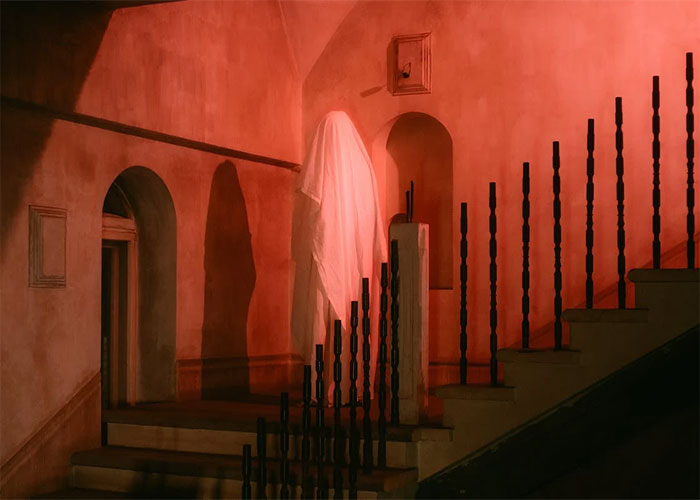
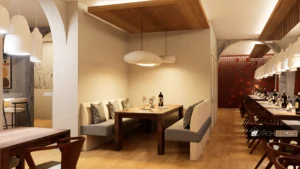
Image credits: Daniil Ustinov (not the actual photo)
Including Gothic Luxe: Durable Materiality
Gothic Luxe, which embraces the timeless elegance of dark, rich materials rather than cheap plastic, is one of the trendiest trends of 2025. With its emphasis on texture rather than tacky, this is an architect’s dream.
The Fix: Modify your decor plan to temporarily include elements like smoked glass, wrought iron, and matte black velvet. Consider replacing plain foyer runner rugs with ones that are deep burgundy or forest green. Make sophisticated wall art in the vein of “Dark Academia” by using architectural drawing tools and antique blueprints. The room immediately feels heavier, older, and more storied due to the tiny shift in texture, completely avoiding the transient sense.
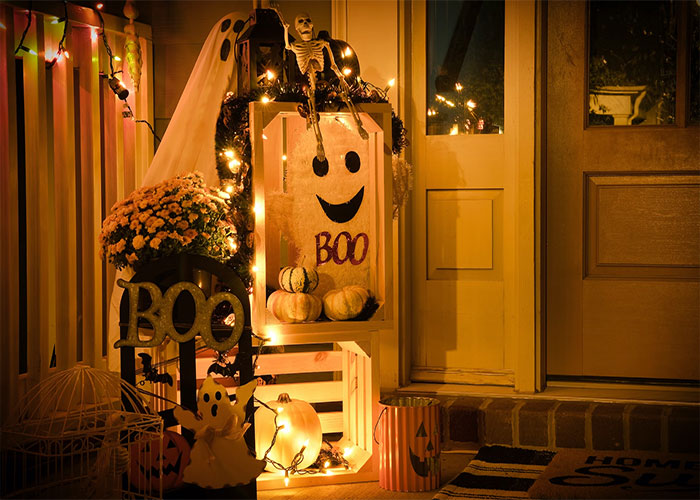
Image credits: Clint Patterson (not the actual photo)
The Intimate Fear: Comfortable Spots and Perceptual Gaps
Since many 2025 events will still be small, the emphasis will be on crafting personal, intimate scares—moments of surprise that can only be felt up close. This is Halloween’s sentimental side today.
The answer is to set aside a “Cozy Corner” in your home. In a seating area, arrange cozy, fall-themed throws and pillows (plaited or boucle). The trick of architecture? Incorporate a soft, motion-activated sound system (a creak, a whisper) behind a curtain or next to a bookcase in that comfortable alcove. When guests—or family members—least expect it, this creates a beautiful moment of shared intimacy by combining the coziness of home with a customized, unpleasant surprise.
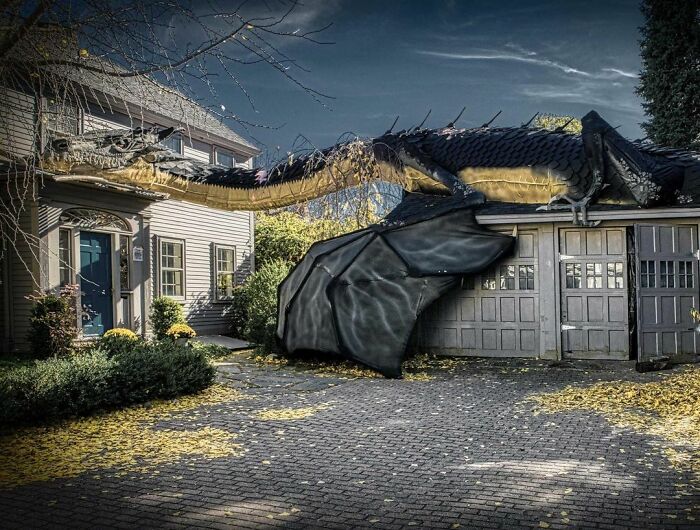
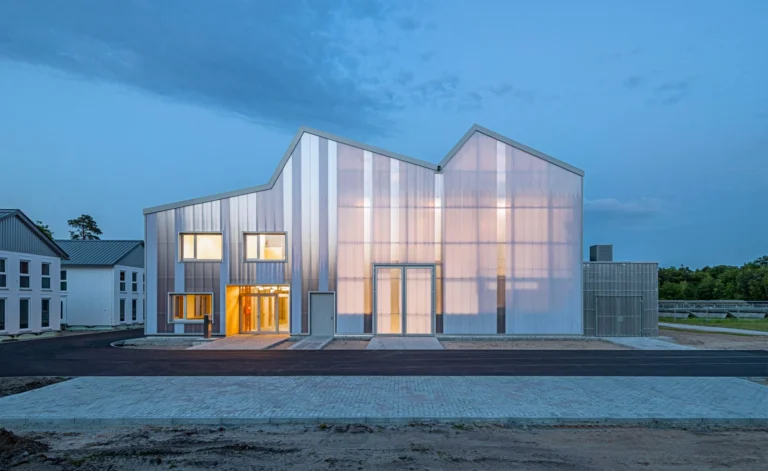
Image credits: saltsmanbrenzel
Integration of Kinetic Facades: The Home as a Living Environment
Don’t use static props. Treating your entire home’s façade as a dynamic, immersive set piece is the most captivating architectural trend. High curb appeal is achieved with this high-density design.
The Solution: To provide the appearance of movement or deterioration, use portable, lightweight installations. Create a “colony” of black paper bats that seem to flow out of a second-story window or chimney using clear fishing lines and tiny motors (or the wind). The structure itself seems to be breathing by integrating the movement with the building’s lines and making it appear natural, transforming the outside envelope into a true work of set design.
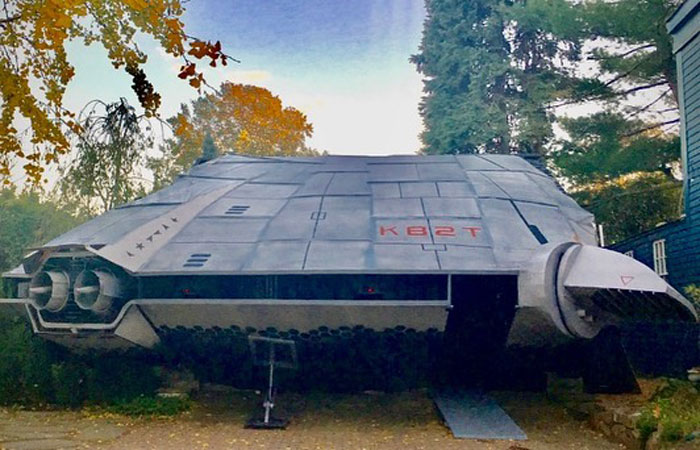
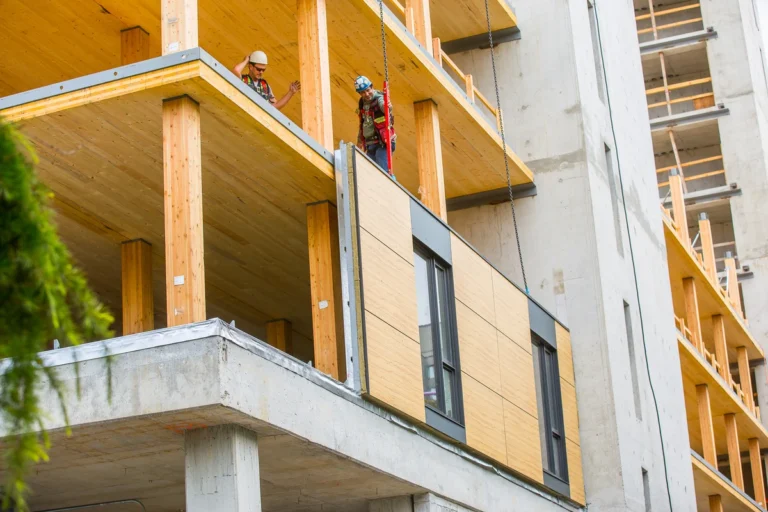
Image credits: saltsmanbrenzel
Eco-Friendly Buildings: Constructing Clean-Erase Scares
Even short-term Halloween projects must follow green guidelines due to the growing popularity of eco-conscious architecture. For a blog, this is an excellent structural challenge.
The Solution: Give biodegradable or compostable materials priority when building major outdoor pieces (such as improvised coffins, tombstones, or fence extensions). Investigate using naturally dyed burlap for ethereal draperies, cardboard formwork for lightweight props, or repurposed wood. This method turns a throwaway vacation into an environmentally responsible design exercise, demonstrating that powerful scares don’t have to be expensive.
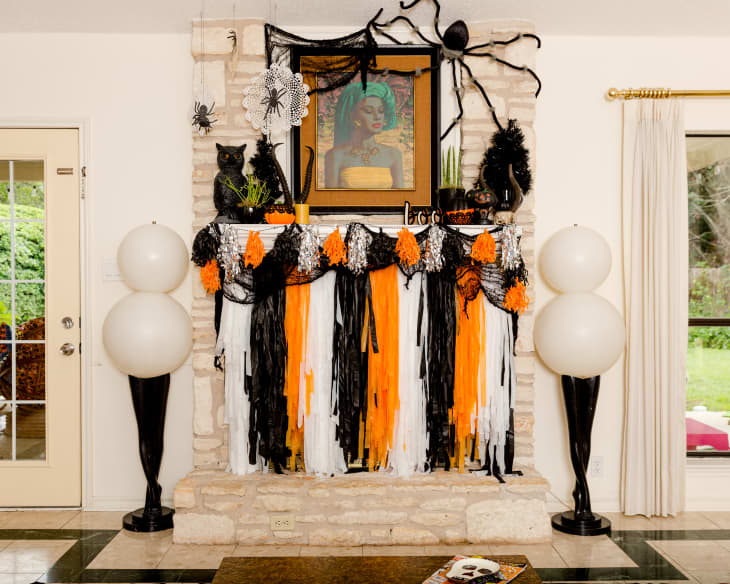
(Image credit: Jennifer M. Ramos)
The Minimalism of Fear: Employing Symmetry and Negative Space
Adopt Minimalist Spooky Chic if the Zoom-weary audience finds maximalism too disorganized. This method creates complex, less cluttered scares by utilizing the architectural concepts of symmetry and balance.
The answer is to concentrate on a single, strong image. Place two exquisitely carved, unpainted white or gold pumpkins equally spaced on either side of a matte black front door in place of a dozen porch decorations. Negative space, or the empty space surrounding the objects, highlights the display’s elegance and great contrast. This simplicity appeals to a modern, discriminating eye and is frequently far more eerie than clutter.

(Image credit: Jennifer M. Ramos)
Architectural Soundscaping: Acoustic Mood Design
A truly amazing setting always has a multisensory atmosphere. Incorporate acoustic design into your architecture for Halloween 2025.
The answer is to employ subtly spaced sound loops. Put a speaker that plays low-frequency hum near the cellar entrance and another that plays soft, vintage music (or chains) covertly next to an attic vent. The walls, ductwork, and foundation of the house will all serve as resonators, making the source of the sound hazy and appearing to be inside the structure. This architectural soundscaping removes the startling effect of ill-positioned speakers during a video chat by substituting a profoundly eerie, ubiquitous mood with cheap, localized noise.

(Image credit: Jennifer M. Ramos)
Conclusion: Creating the Memorable Experience
Halloween 2025 is the year that plain materialism loses to architectural sensibility. You can turn your house from a passive background into an active, breathing space by implementing techniques like Architectural Shadow Play, embracing the textural complexity of Gothic Luxe, and producing Intimate Scares.
These seven guidelines provide a way to have a celebration that is both masterfully planned and incredibly reassuring, whether you are throwing a small, intimate party or broadcasting your amazing venue via video conference to people all over the world. It is evidence that scares based on clever design are the most durable.
For more content like this CLICK HERE!!!
Reference
25 Unique Halloween Door Ideas That Will Stop Guests in Their Tracks
Spooky Spaces: 7 Buildings That Wouldn’t Look Out of Place in a Horror Movie