The Never-Ending Fight for Comfort (And Why Your Home Is Losing)
We are always looking for comfort. In the winter, we turn up the heat and in the summer, we turn up the AC, but there are still cold spots by the window and too much humidity in the attic. We pay hundreds of dollars in utility bills to deal with drafts, noise pollution, and stale, dusty air.
The Germans set the Passivhaus standard, or Passive House, decades ago. If you’ve ever wished for a home that was truly a sanctuary, a place where the craziness of the outside world just stopped, then you’ve been looking for what they set.
This isn’t simply about putting more solar panels on the roof; it’s a strict philosophy of architectural science that aims to bring about Ultimate Peace. But is this new way of living really the future, and more importantly, is it worth the money?
Passive House Source: int.blog.dormakaba.com
What Does Ultimate Peace Look Like? The Experience of Being Human
The best things about a Passive House can’t be measured in kilowatts; they transform the way you live in a big way.
Think about this: You step into your living room on the coldest day of the year. The surfaces feel warm to the touch. There are no drafts, no cold spots, and the temperature is the same from the floor to the ceiling. You glance out the window and see cars, but you can’t hear a single horn honk.

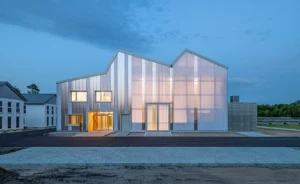
Dalebright Passive House / lanefab.com
Passive House Gives You This Level Of Calm Relaxation
Deep Silence and Calm
The super-insulated, airtight envelope makes Passive House buildings sound great. They block out the noise of the neighborhood, giving you a calm place to sleep and lowering your stress levels—an unexpected but very real health benefit.

Photo by BarlisWedlick Architects
The Air You Breathe
We are always breathing in old, dusty, and sometimes moldy air in normal homes. A certified Passive House is so well sealed that it needs Mechanical Ventilation with Heat Recovery (HRV). The HRV system constantly removes old, damp air from bathrooms and kitchens and brings in new, filtered air for living spaces. It is also important that it recovers up to 90% of the heat from the air that is leaving before sending it outdoors. This means:
- Fewer allergies and dust.
- No buildup of bad smells or gases.
- A big drop in the chance of mold and mildew growing, which makes the atmosphere a lot healthier.
A Passive House doesn’t simply control the temperature; it also controls the air quality, which is directly linked to enhanced health and well-being.
Image Credit: Giorgio Trovato, Unsplash
The Science Behind the Comfort: The Five Pillars of Passive Perfection
A stringent “fabric-first” design approach based on five basic principles is what makes this level of performance possible. Your Passive House is like a high-performance thermos that keeps heat in during the winter and lets it out during the summer.
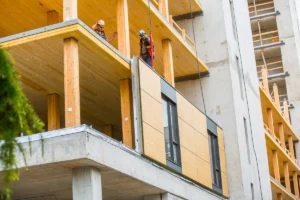
Super-Insulated Envelopes: The floor, walls, and roof are all covered in continuous, high-quality insulation to keep heat from moving about. This is usually two or three times thicker than what the code says it should be.
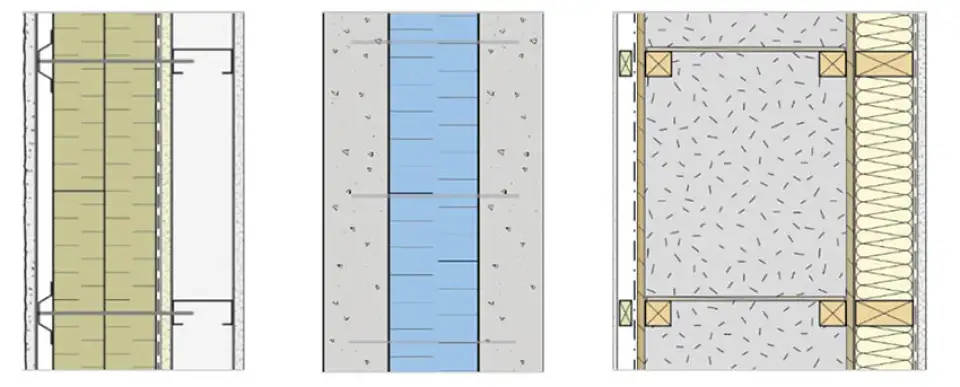
building envelope Source: passivehouseaccelerator.com
This is the most important rule: Airtight construction. The building envelope is carefully sealed to stop air from leaking out and drafts from getting in. In traditional homes, these things can cause a lot of energy loss.
Details Without Thermal Bridges: A thermal bridge is a weak area, such an uninsulated beam, that lets heat out. During the planning stage, Passive House design gets rid of these weak points to make sure the insulation is continuous and works well.
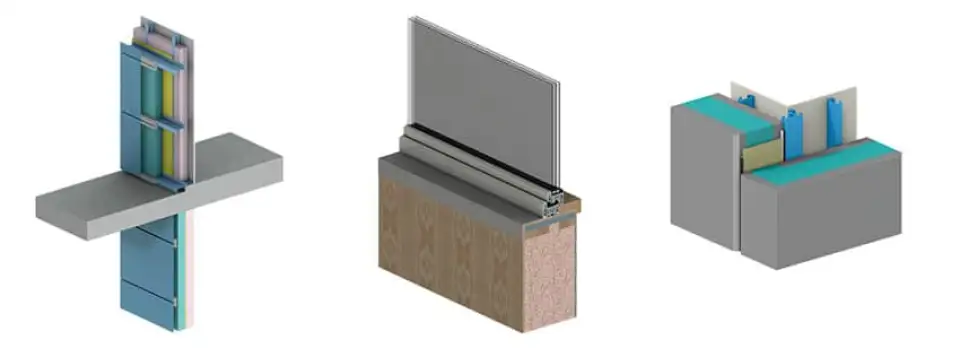
Thermal-Bridge-Free Detailing
Source: passivehouseaccelerator.com
High-Performance Glazing: Windows and doors are often the places where a lot of energy is lost. Passive Houses need high-quality windows, usually triple-glazed, with insulated frames to let in as much light as possible while keeping heat from escaping or solar gain from coming in.
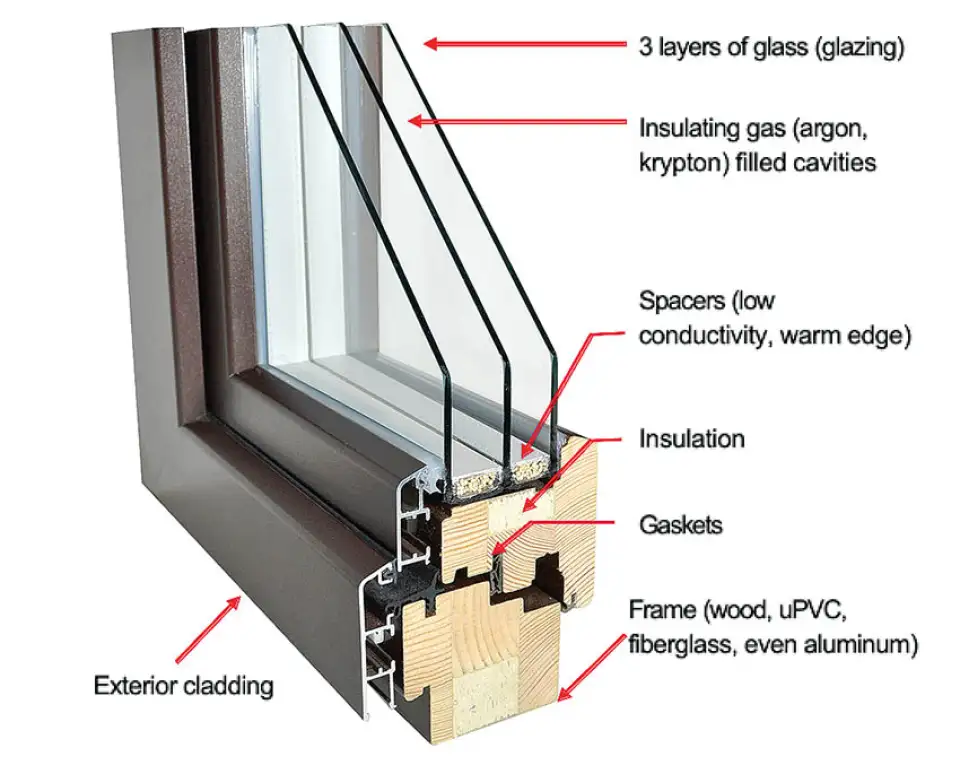
High-Performance Glazing
Source: passivehouseaccelerator.com
Mechanical Ventilation with Heat Recovery (HRV): As explained above, the Mechanical Ventilation with Heat Recovery (HRV) system makes sure that fresh air is always coming into the residence without losing any of its thermal energy.
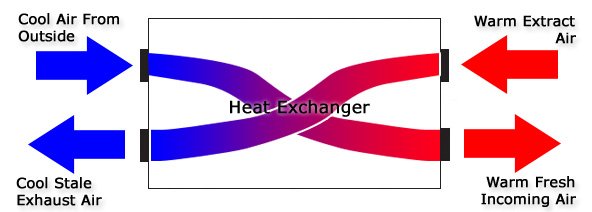
An HRV system provides fresh, filtered air to the living space while recovering heat from exhaust air.
The $100,000 Question: Is the Investment Really Worth It?
For many people who want to own a home, the main problem is the initial expense. Yes, there is usually a higher cost up front to build a certified Passive House.
Studies show that the extra cost of building with this method is between 3% and 7.5% more than building with traditional methods. However, this number tends to go down for bigger projects or as the industry gets more expertise.
But the question of whether it is “worth it” must be looked at in the long term, taking into account the costs of running the building and its entire lifecycle:
The Cost Up Front
Initial Premium (3–7.5% extra): This is needed for specialty materials (such windows and insulation) and careful work.
- Design Complexity: A certified Passive House designer needs to model and check how well it works.
- High-Quality Parts: Use thicker walls, better membranes, and better windows.
The Long-Term Savings (The Payback)
Energy Savings (60-90% Reduction): Passive houses consume up to 90% less energy to heat and cool than regular dwellings.
- Removal of Major Systems: Often, the requirement for traditional furnaces, massive boilers, or a lot of ducting is eliminated or much reduced, which helps pay for some of the initial envelope cost.
- Future-Proofing and Resilience: The home stays at a pleasant temperature for a long time, even when the power goes out. This makes it thermally resilient and raises the value and lifespan of the property.
In short, the tiny extra cost you pay up front guarantees much lower power bills, fewer maintenance expenses over the life of the building, and a clear return on investment via energy savings alone. The best part is that you get regular comfort and better health.
The Verdict: A Blueprint for the Future of Living
A Plan for How to Live in the Future Passive House is more than just a norm for energy use; it is a strong promise to live better. It is a science-based method that works and keeps its promise of unmatched comfort, health, and energy independence.
As governments and builders throughout the world try to find the best ways to deal with climate change and reach their Net-Zero energy goals, the Passive House standard always comes out on top as the most reliable and strict blueprint. It is the quickest way to get rid of carbon in the built environment
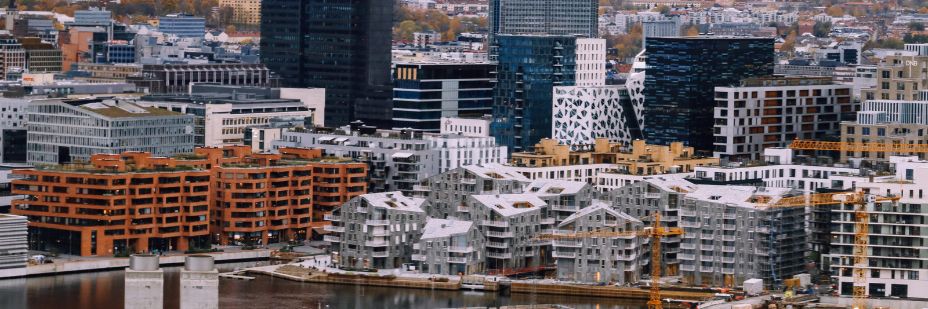
Passive House Source: int.blog.dormakaba.com
Homes of the future need to be more than just energy-efficient. They also need to be strong, healthy, and cheap to run. Passive House design gives you Ultimate Peace, a safe, stable, and quiet place to live that is worth the money since it focuses on the integrity of the building’s fabric instead of complicated technology. It’s not just a future of living; for those who care about their health and the environment, it’s quickly becoming the future of life.
For more content like this CLILCK HERE!!
Reference:
Why Passive Houses Are the Future of Urban Living
Is Passive House Design the Future of Sustainable Architecture? | AD Middle East