Introduction: Your Best Asset Is Your Architecture
Real estate developers weigh the risks and rewards of every choice they make. Location and funding are important, but the design of your project may be the most important factor in determining your final Gross Development Value (GDV) and helping you succeed.
Architecture is more than just a cost center or a pretty front; it may also help you make more money. The appropriate design decisions can cut down on time on the market, make high prices seem reasonable, and lower long-term running costs. Using generic blueprints in a competitive market is a risk. A genuinely successful developer puts money into strategic design that speaks directly to what today’s buyers want in terms of comfort, efficiency, and quality.
Are you ready to change how you build? Here are seven important architectural suggestions that will help you get the most money for your house and leave a lasting legacy.

Think About The End User As You Design: Market Viability
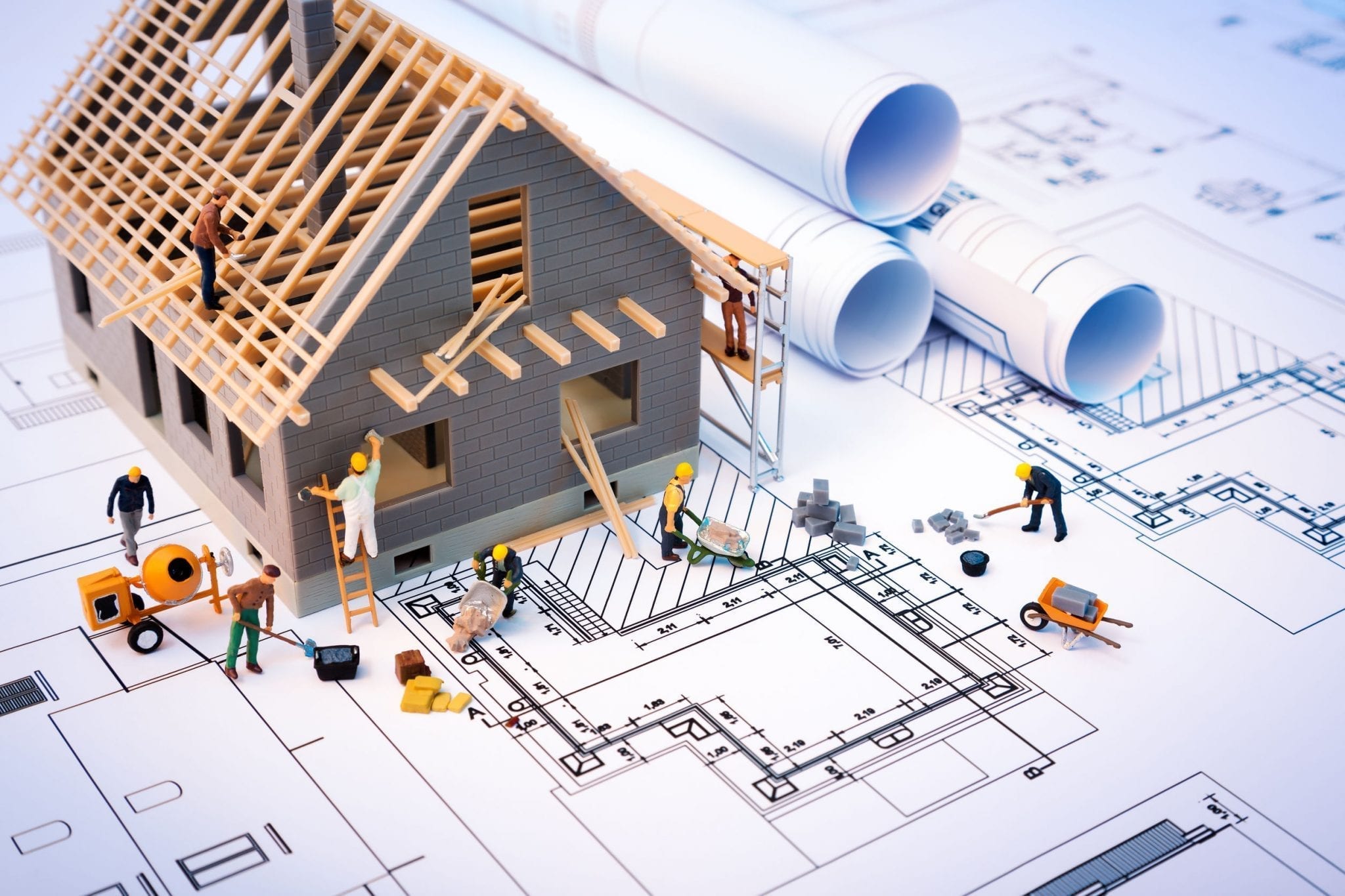
Doing thorough market research is the first step to making money in architecture. You need to create the place for the person who will live or work there.
Make the Blueprint Fit the Buyer
A residence that is meant for young professionals in the city needs different features than one that is meant for families with kids. Families will like having a lot of storage space, safe backyards, and separate mudrooms. People who live in cities value smart home technology, open-concept living, and being able to connect to the internet.
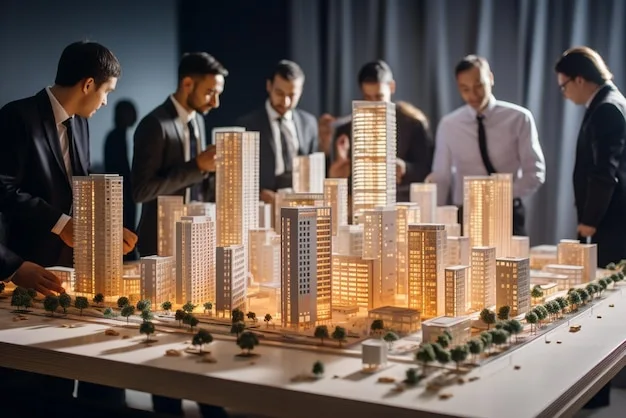
Working closely with an expert architect from the start makes ensuring that the design fits in with local trends and meets the demands of specific groups of people. This kind of planning makes sure that your finished product is ready to sell right away, which cuts down on your sales cycle by a lot.

A detailed floor plan helps visualize room layouts and spaces.
Learn How To Control The Flow: Make The Most Of Space And Natural Light
In real estate, value isn’t simply based on square footage; it’s also based on how much usable space there is. Great architecture makes every space look bigger and more useful at the same time.
Strategic Zones in an Open Plan
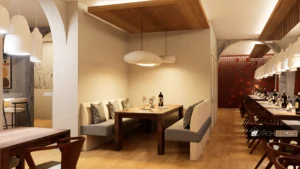
Today’s shoppers want things to be flexible and feel like they have a lot of space. Open floor designs, especially ones that connect the kitchen, dining room, and living room, make the space feel more open and welcoming.
It is very important for architects to make the most of natural light. Properties that get a lot of sunlight and have beautiful vistas always sell for more. This means putting the building in the right place and having big windows. Light color schemes and mirrors placed in the right places can make this impression even stronger, making a normal-sized room feel big and luxury.
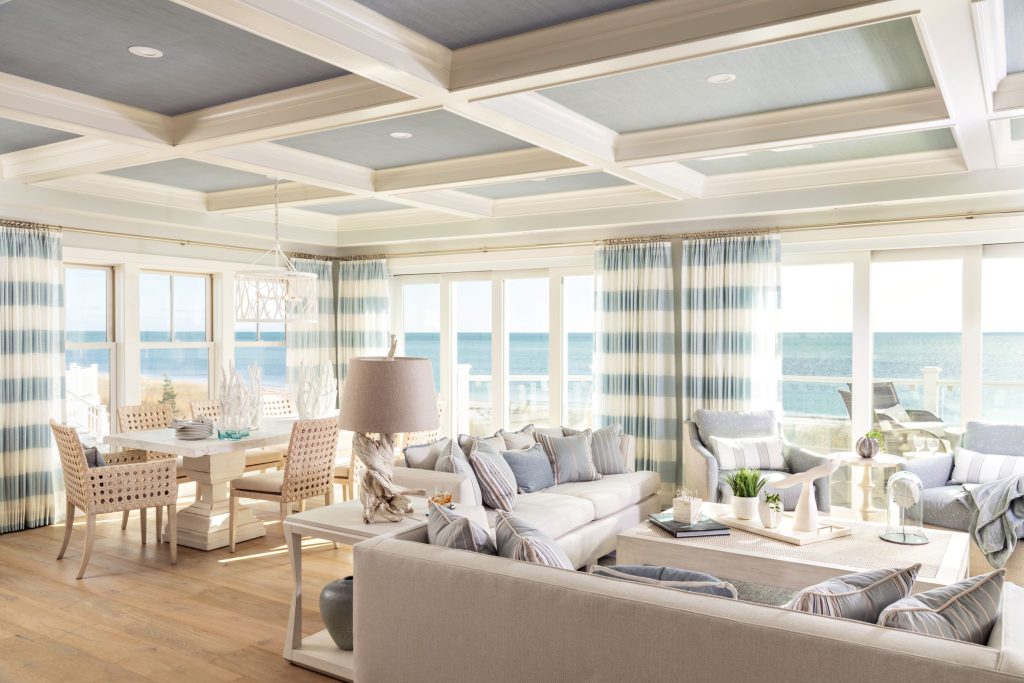
Maximizing Natural Light
The Power Of First Impressions: Curb Appeal And Facades
It only takes a few seconds for buyers to decide what they think about a home. The outside of your home, which is commonly called “curb appeal,” is your most important marketing weapon.
Making a Facade That Can’t Be Refused
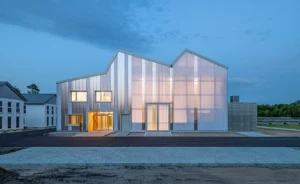
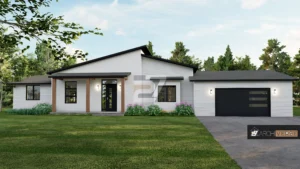
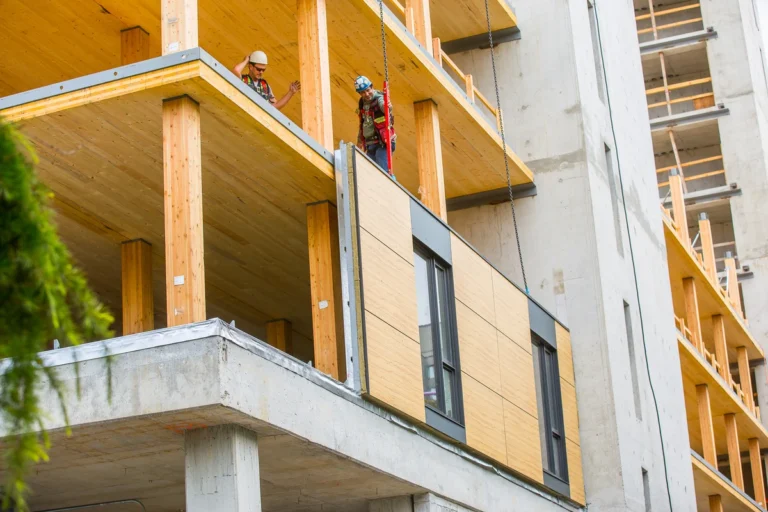
The outside design and how people enter set the mood for the whole place. Use high-quality, long-lasting materials like stone, wood, or metal cladding to make a welcome and attractive façade.
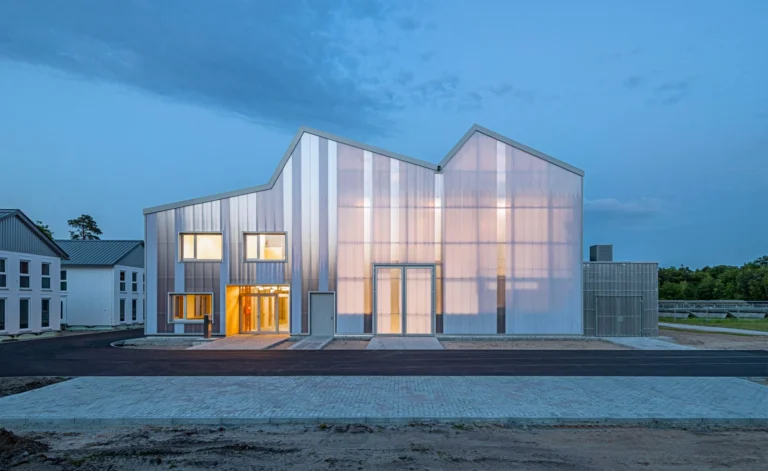
Think on how the property fits in with its surroundings, not just the materials. Architecture that fits in with the local landscape and style is more popular, gets planning clearance faster, and makes the neighborhood more appealing. A simple architectural style, high-quality landscaping, and a well-planned entrance all show a level of refinement that makes the price worth it.
 Get the most bang for your buck by putting the most expensive details at the front of the home where they can be noticed and enjoyed.
Smart Strategy, Not Just Looks: Cost and Life-Cycle Value
Cutting costs doesn’t make a business more profitable; making the most of value does. This is where the idea of life-cycle cost analysis comes into play.
Make It Easier to Work With
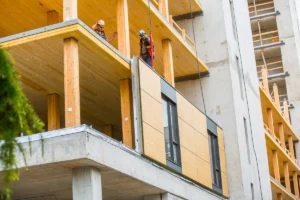
Complicated, broken-up designs with too many connections, step-downs, or corners can make building take a lot longer and cost a lot more. A smart way to plan a building sometimes implies making the design simpler by turning it into a more efficient “box” or employing standard, modular parts.
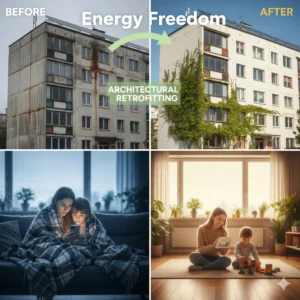
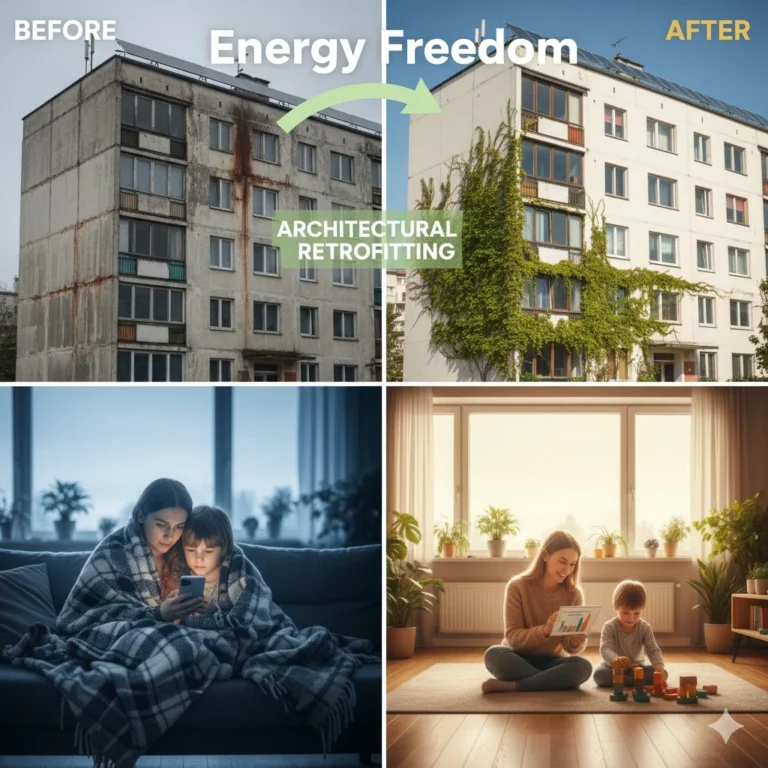
Also, good design takes into account future costs. Putting a little extra money up front into strong, low-maintenance materials or thicker, better-insulated walls will lower the homeowner’s or tenant’s future operating costs. Lower heating and cooling expenditures give your property a better financial deal, which raises its resale value.

This resource was generated with AI. //Model
Create a Greener Future: The Sustainability Premium
Sustainability is no longer just a trend; it’s something that everyone expects. Adding features that are good for the environment is a great approach to make something more appealing and keep its value over time.
Energy Efficiency as a Selling Point
People who want to buy homes are looking for ones that are good for the environment and save energy. Include things like:
- Windows with double glazing and insulation that works well.
- Appliances that use less energy.
- Passive design features that make the most of natural light and cooling.
- Planning the space for solar panels or green roofs.
These features not only meet the needs of environmentally aware buyers, but they also cut utility expenditures, which makes the house seem and actually worth more.

Spectacular eco-futuristic cityscape ESG concept full with greenery, skyscrapers, parks, and other manmade green spaces in urban area. Green garden in modern city. Digital art 3D illustration.
Put Money into Things That Aren’t Seen, Like Good Finishes and Craftsmanship
You need to keep an eye on the budget, but there are some areas where spending more money pays off in a big way: visible finishes and craftsmanship.
How People See Luxury
The quality of the materials and finishes, especially in kitchens and bathrooms, can have a big effect on how much a buyer thinks a home is worth. High-quality finishes that last a long time, excellent craftsmanship in cabinetry, and classic material selections all point to luxury and durability.
Developers should push for strong, long-lasting materials that look better and stay longer. This lowers the chance of problems and cuts down on warranty calls, which protects your reputation and raises the property’s premium quality in the eyes of potential purchasers.
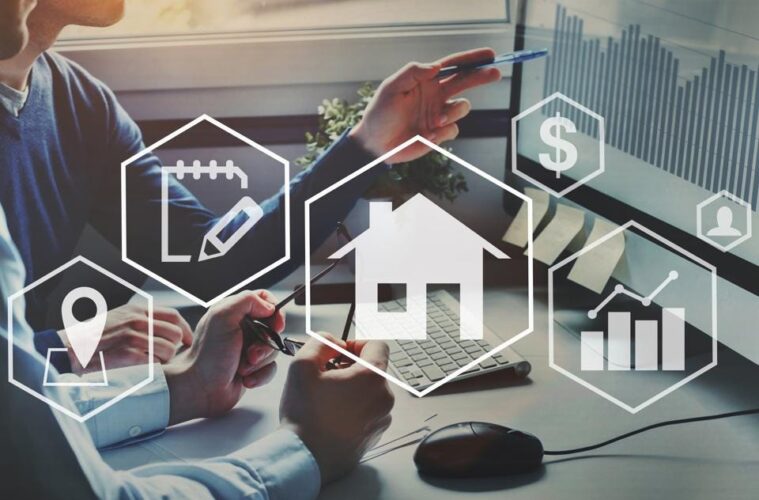
Do You Need To Understand Architecture To Be A Real Estate Developer?
Protecting The Future Is The Same As Protecting Profits: Technology And Flexibility
Ignoring changes in technology and society is the quickest way for a new building to go out of date. Architecture must be designed to change over time.
Putting Smart Living Together
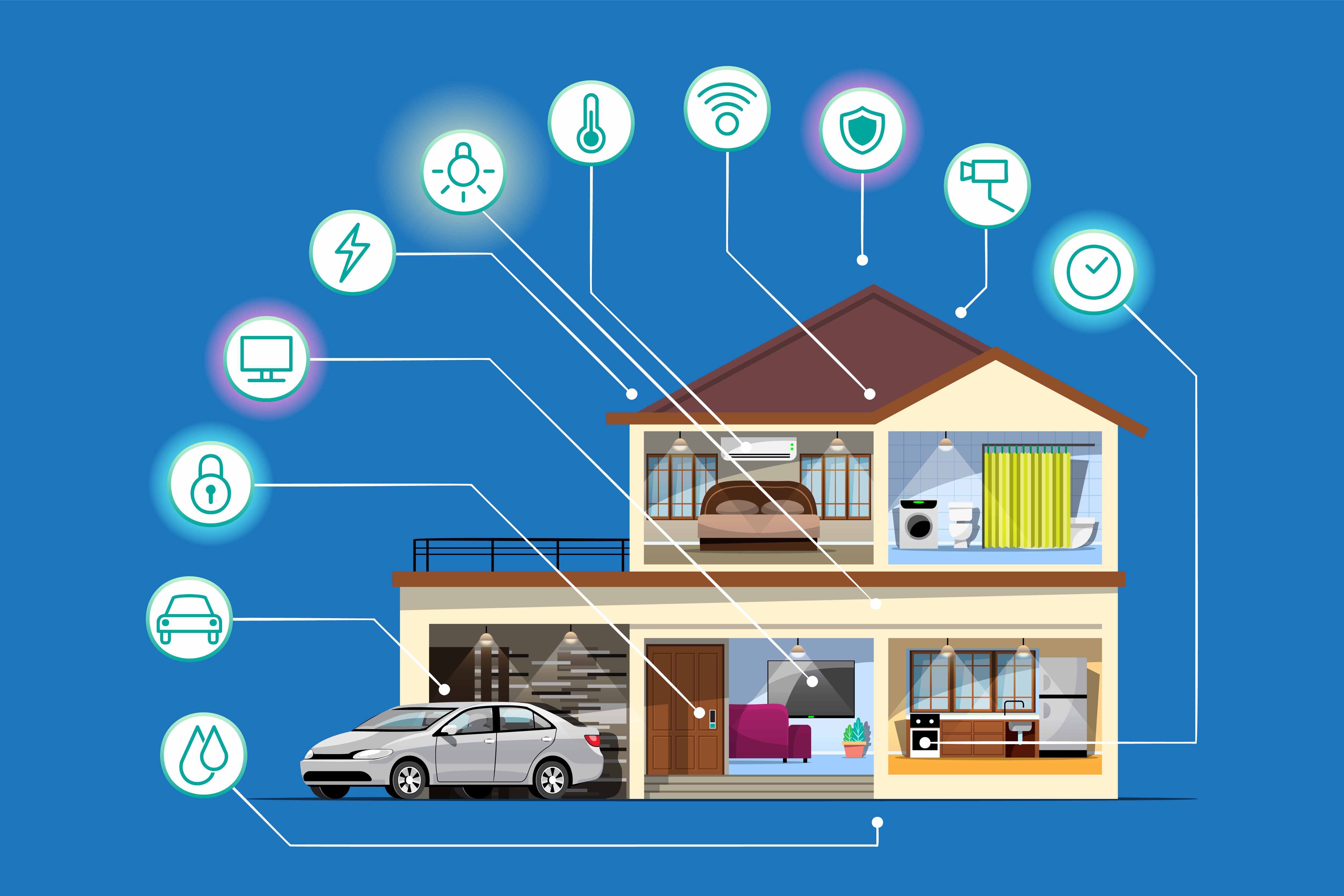
Smart home technology sets homes apart. Adding smart thermostats, security systems, and energy-efficient appliances to the design stage makes the property more useful, safer, and very appealing to tech-savvy buyers.
Also, think about how flexible it is. Layouts that are easy to adapt, such a den that can become a third bedroom or walls that can be moved simply, make guarantee the property stays useful as families grow or work patterns change (like the need for home office space). Planning for future codes, such as those for charging electric vehicles (EVs) or storing batteries, keeps your development ready for the future.
Conclusion: Don’t Just Build Bigger; Build Smarter
The choices you make about the design of your building today will affect how much money you make in the future. By following these seven important tips, you may go beyond just building and start the process of sparking success through smart design.
If you use layouts that are based on the market, put efficiency and sustainability first, and spend money on small things that show quality, you will not only raise your Gross Development Value, but you will also make your brand known as a developer known for excellence. Don’t build houses; instead, build assets that are really desirable and will last a long time.
For more blogs like this CLICK HERE!!
Reference:
Architecture Phases for Better Real Estate Projects
Success Tips for Real Estate Developers: Solid Projections