The start of 2025 has changed the way we think about our homes in a big way. We are leaving behind “static shelters” and heading toward Responsive Ecosystems. Circadian Architecture is the main idea behind this movement. It is a design concept that puts the human internal clock first in order to bring back our natural energy.
By making our homes fit with the sun’s 24-hour cycle, we are not only making them look nice, but we are also getting back our full potential as humans. This is how “light-driven design” is affecting people’s lives.
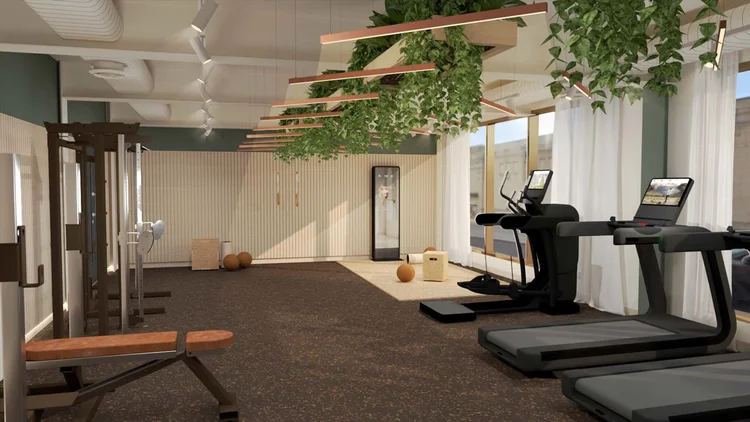
The Science of the “Internal Clock”: Why Light Is Important
The hypothalamus controls the circadian rhythm, which is a 24-hour internal clock that tells our bodies what to do. This system uses light cues to inform our bodies when to make Melatonin (the “sleep” hormone) and Cortisol (the “alertness” hormone).
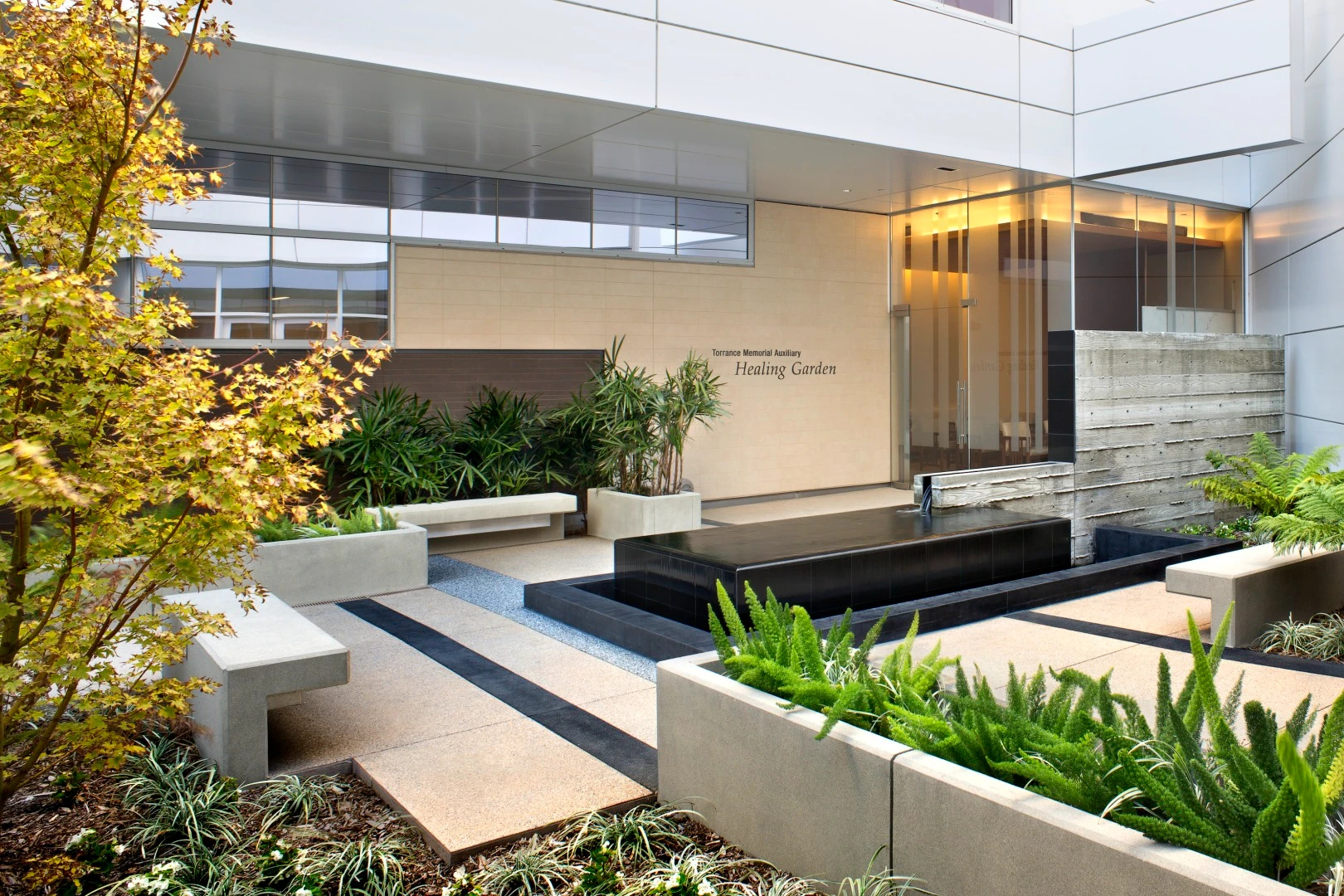
The Conflict in Architecture:
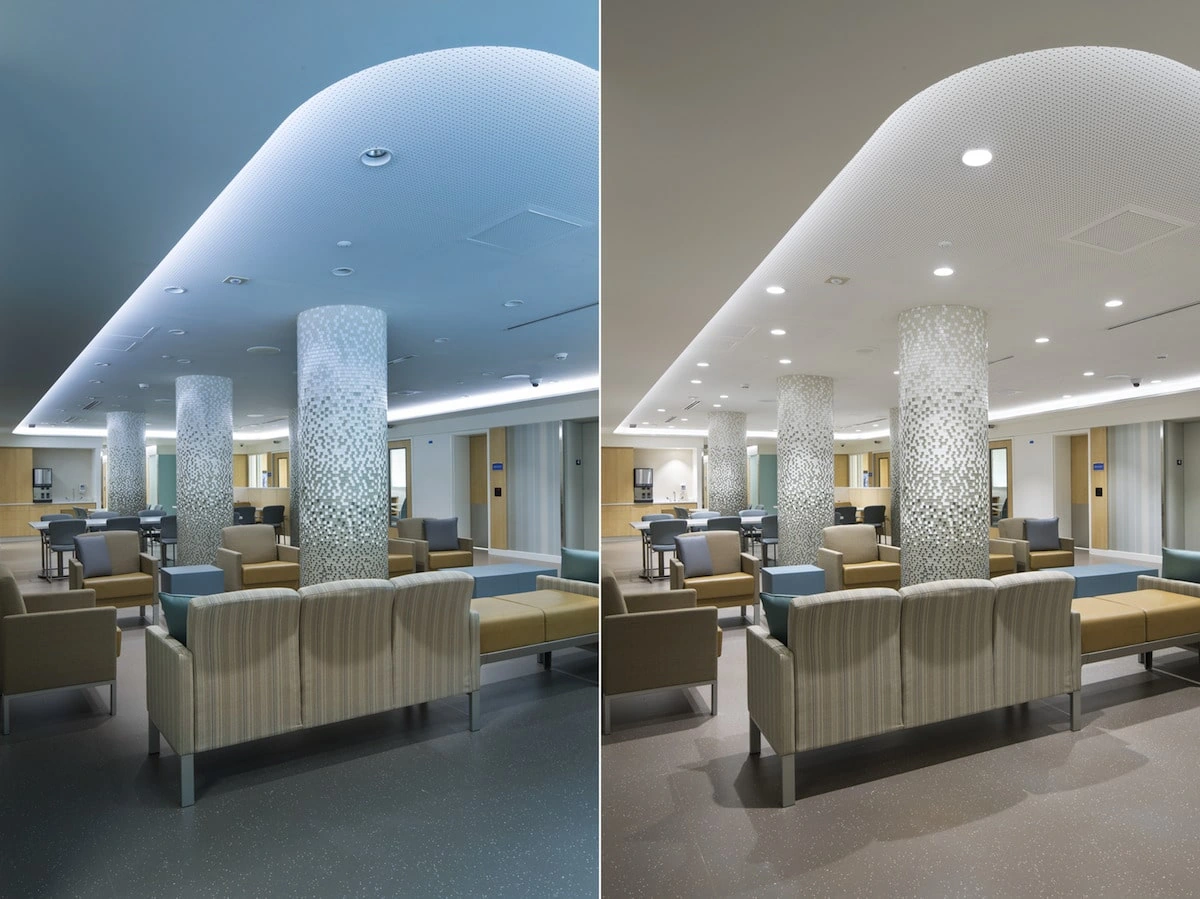
A lot of older buildings employ “flat” artificial light, which messes with human biology. A bright blue-toned LED at 9:00 PM makes your brain think it’s noon, which stops melatonin and causes “social jetlag.”
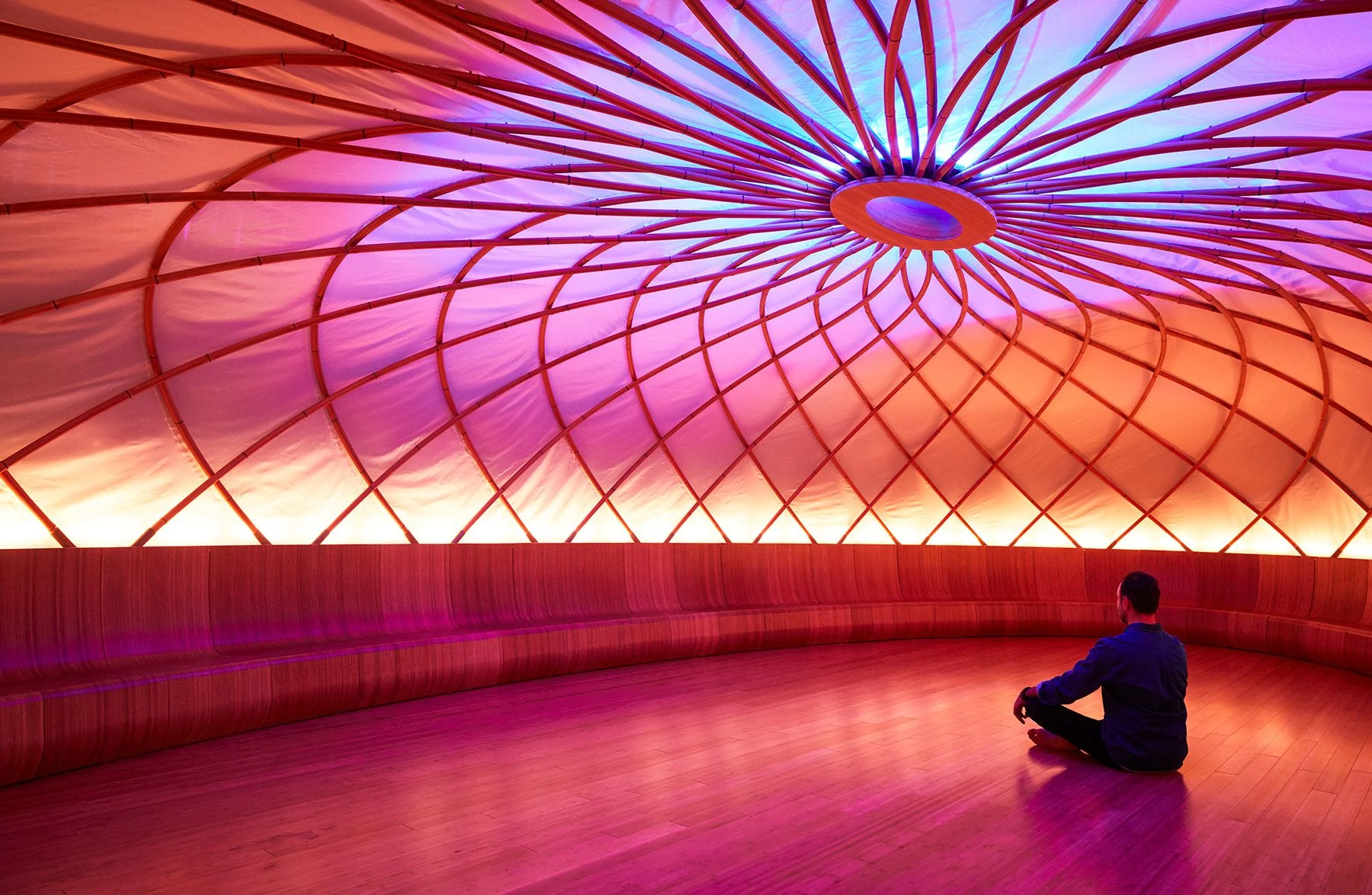
The Circadian Solution:
- Morning Light Harvesting: Architects are now putting bedrooms and kitchens on the east side of buildings so that people may get that important “biological jumpstart” from the blue sky light in the morning.
- Melanopic Lux: Modern wellness design doesn’t only look at how “bright” a light is; it also looks at its “melanopic impact,” or how well it can lower certain hormones at the proper time of day.
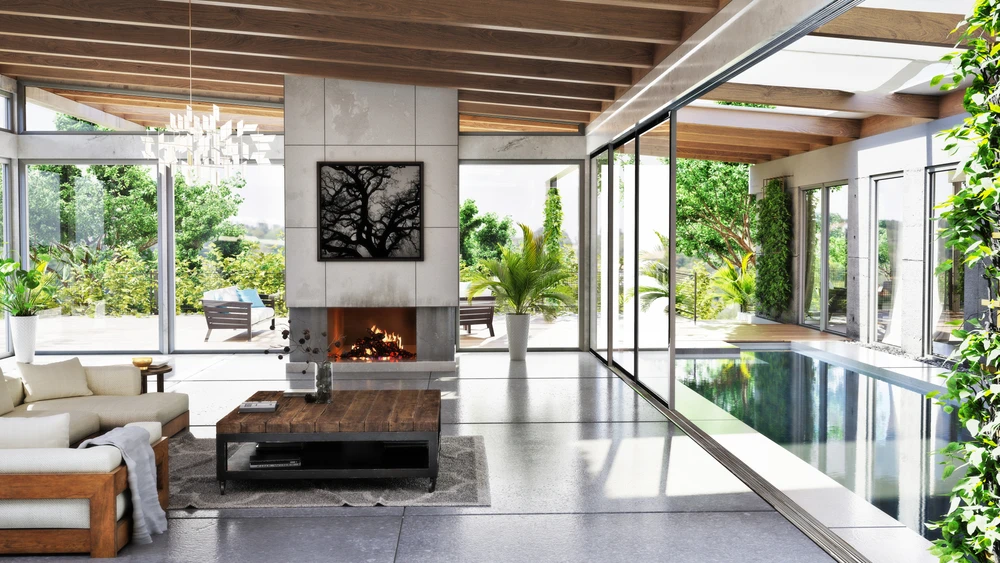
Human-Centric Lighting (HCL): Copying the Sun
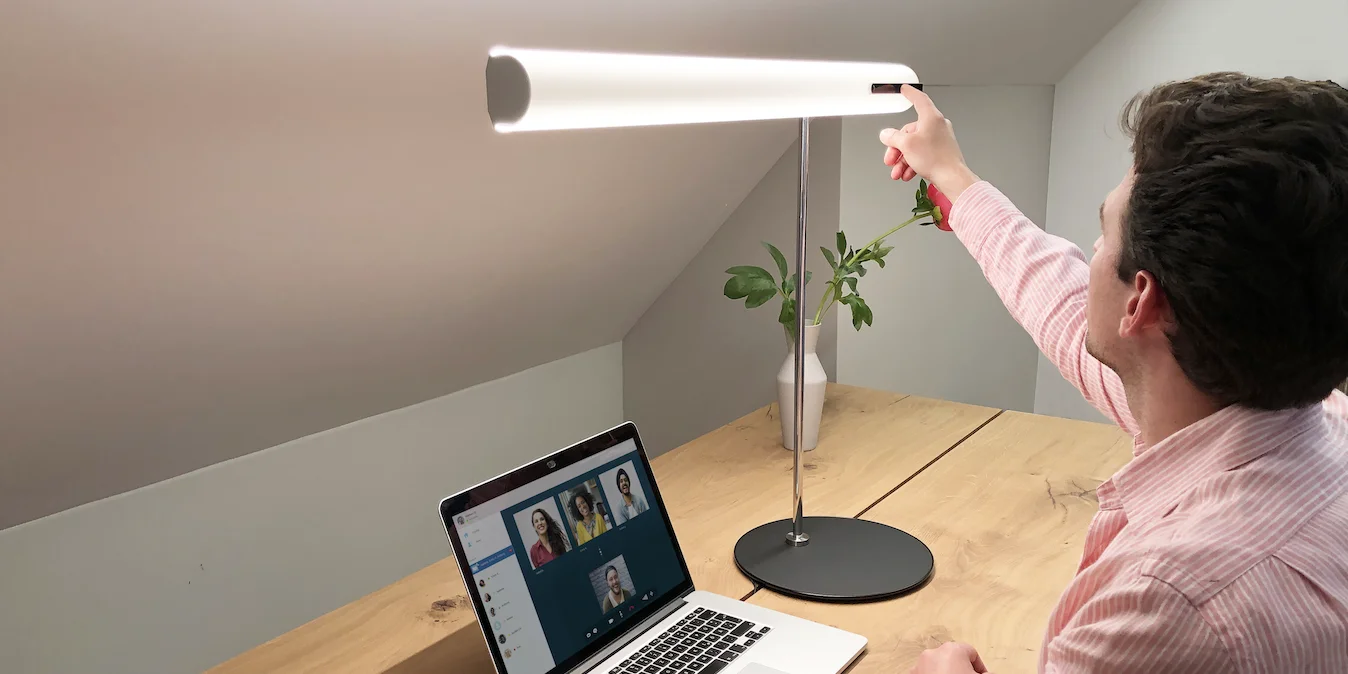
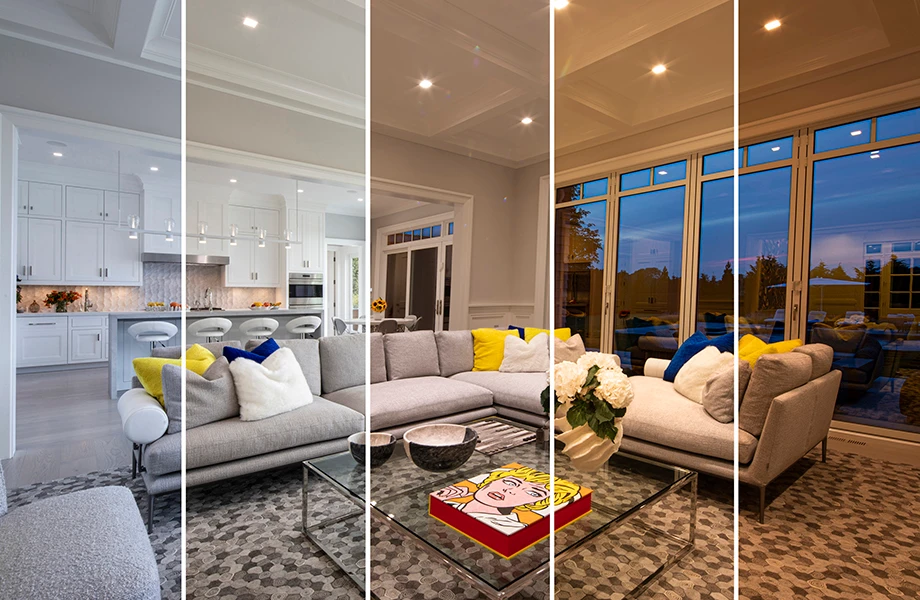
Human-Centric Lighting (HCL) is the best tool for places where there isn’t a lot of natural light. These LED systems are clever and change color temperature and brightness on their own as the day goes on.
How it gets your energy back:
- The Mid-Day Peak: HCL systems give off a lot of “cool” white light ($5500K$–$6500K$) between 10:00 AM and 2:00 PM. This is like the bright sun, which helps you focus and think better.
- The Evening Fade: When the sun goes down, the system changes to a “warm” amber hue (under $2700K$). This tells your neurological system that the “hunt” is over, which lets you sleep deeply and restore your energy.
In 2025, new research found that co-working facilities that used these dynamic cycles had a 12% rise in employee focus and much better sleep quality among users compared to static-lit spaces.
Biophilic Design: It’s More Than Just Plants Inside
Light is the main thing that drives wellness design, but it is also holistic. Biophilic design, which is the discipline of linking humans with nature, works with circadian architecture to lower cortisol (stress) levels.
- Fractal Patterns: Research indicates that observing natural patterns, such as leaf veins or wood grain, can reduce stress by as much as 60% by inducing a state of “soft fascination” in the brain.
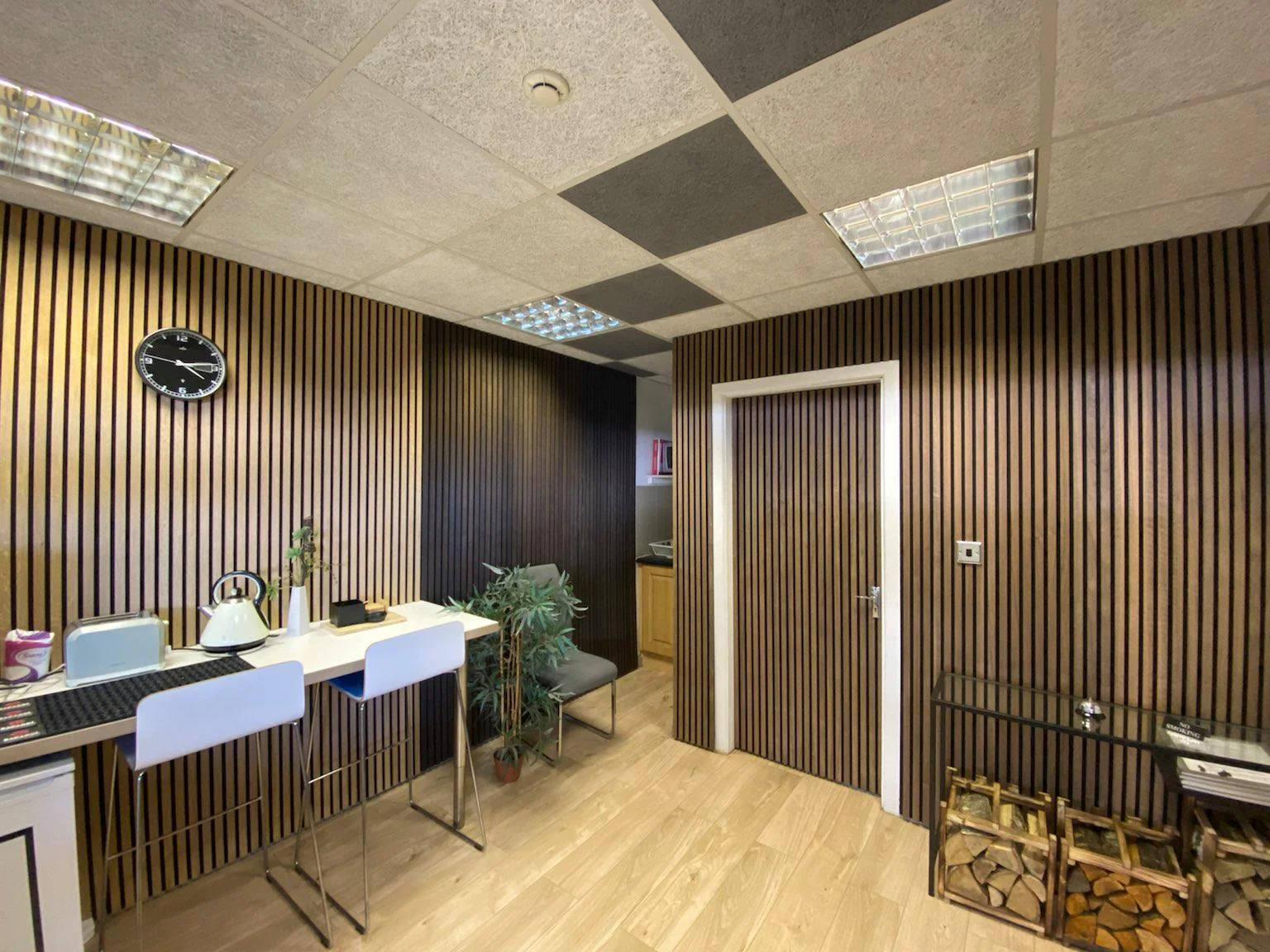
- Acoustic Wellness: “Silent Architecture” is a big theme for 2025. To shut out the loud noise of the city, designers are utilizing materials that absorb sound, such as PET felt (produced from recycled plastics), cork, and “living walls.”
Acoustic zoning is now a common feature in open-plan homes. Architects use 3D-textured acoustic panels and wood slats to make “quiet pockets” that keep people from getting too much sensory input, especially when they work from home.
Neuro-Architecture: Building for the Mind
Neuro-Architecture is a new field that will start around 2025. This field uses neuroscience to find out how certain ceiling heights, spatial layouts, and color schemes affect how the brain works.
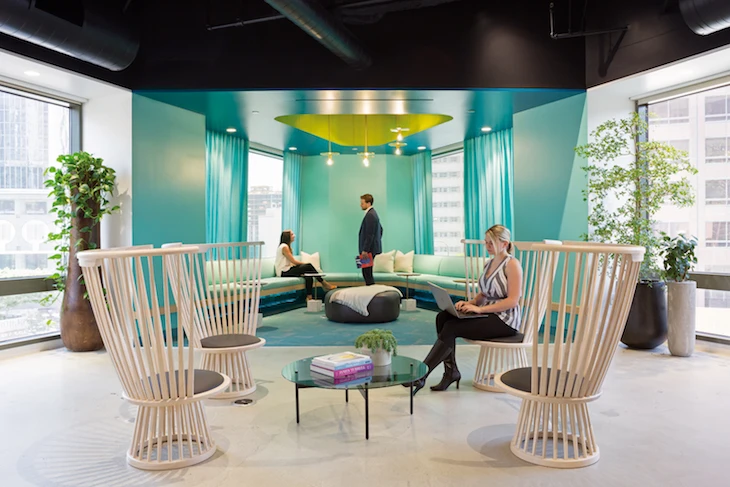
- The Theory of Prospect and Refuge: People feel most “at peace” in places where they can see the landscape around them clearly (prospect) and where they feel safe and protected (refuge). To find this psychological sweet spot, modern wellness houses use big glass fronts and intimate “nook” rooms that are set back from the main living area.
- Spatial Navigation: AI-modeled layouts make sure that the “flow” of a home matches how people naturally think, which makes it easier to get around and frees up mental energy for creative pursuits.
Technology for Wellbeing: The Partner You Can’t See
“Discreet and intuitive” describes wellness technology in 2025. We are getting closer to having AI-powered bio-tracking in our houses.
Smart Responsive Environments:
Imagine a house that has sensors in the mattress that can tell how well you’re sleeping and change the brightness of the morning light to wake you up at the best time in your sleep cycle.
- Intelligence on air quality: Now, advanced HVAC systems can check $CO_2$ and VOC levels in real time. When levels go up, the system lets in more fresh air, stopping the “afternoon slump” that can happen when there isn’t enough ventilation.
- Automated Shading: Smart blinds follow the sun’s direction to keep glare off of screens while still letting in the “melanopic” light that is good for you. This keeps your internal clock in sync even while you’re busy working.

Regenerative Development: More Than Just Sustainability
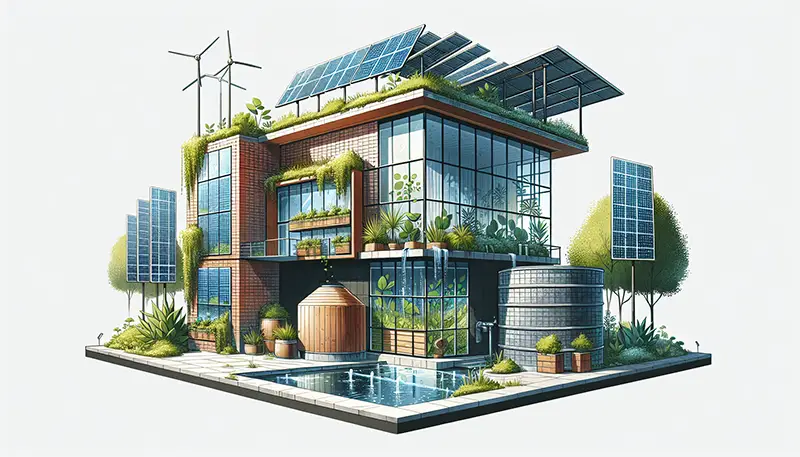
In 2025, the most advanced homes will go from being “sustainable” to “regenerative.” Sustainable structures try to “do less harm,” but regenerative architecture aims to heal both the people who live in them and the environment.
- Non-Toxic Materials: Using lime-based plasters and carbon-sequestering wood that “breathe” and clean the air inside.
- Thermal Comfort: These homes keep a steady core temperature by using building envelopes that work well. Your immune system and brain function have more energy when your body doesn’t have to work to stay warm or cool.
Getting Your Legacy Back: The Emotional Value of Wellness
The most “heartfelt” part of this change in architecture is the legacy we leave behind for our families. We are starting to understand that the “gift” of a home isn’t simply how big it is or how much it will sell for; it’s also how healthy the people who live there are.
Building a home with circadian light and quiet sound is a way to keep people safe. It makes sure that your kids’ nervous systems stay in check as they grow up and that your older relatives stay mentally sharp for longer. A wellness-centered home is the best place for the people we love most to relax in a fast-paced world.
Important Points: How to Get Your Energy Back Today
- Harvest the Dawn: Get 15 to 30 minutes of natural sunlight within an hour of waking up.
- Check Your Artificial Light: Change the “Cool White” bulbs in your bedroom to “Warm Amber” ($2200K$-$2700K$) to keep your melatonin safe.
- Make your peace soundproof: Use thick carpets or soundproof wall art to quiet the “echo” of modern living.
- Connect with the view: To help your eyes and mind relax, make sure your office includes a view of the sky or plants.
Conclusion: Architecture as a Form of Medicine
We’re entering a time when your home is your health insurance. Breathtaking wellness design isn’t a luxury; it’s what our bodies need. We are finally ending the fight between our modern lives and our ancient biology by using Circadian Architecture.
You can’t find the answer to getting your vitality back in a bottle or a medication. It’s in the way the light touches your eyes when you get up and the quiet around you when you sleep. It’s time to make a world that loves us back.
For more content like this CLICK HERE!!!
Reference:
Architecture, Light & Wellbeing – Modular Architecture for the Circadian Lifestyle – Arkular