
Have you ever stood in front of the worn-down front of an old church or walked through the narrow, sun-drenched streets of a medieval village and felt a sudden chill? It’s a feeling that goes beyond just like antique craftsmanship. It is the sensation of being “observed” by history. This is what we call the Soul of Stone: the silent, lasting pulse of human civilization that may be seen in the shapes of space.
Architecture is far more than a collection of bricks, mortar, and steel. It is a living, breathing record of human ambition, spiritual belief, and social identity. In a world that often feels like it is moving at a dizzying, digital speed, our historic buildings stand as sturdy, unwavering guardians of our collective memory. They are the anchors that prevent our culture from drifting away into the void of historical amnesia.
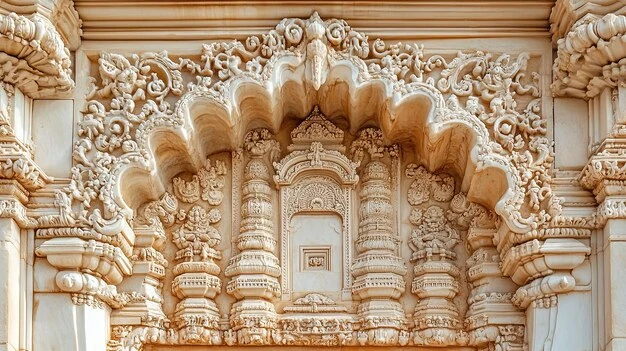
The Silent Storytellers: Why Stone Remembers
Every archway, every detailed frieze, and every choice of local limestone tells a tale about a certain time. When we gaze at the Taj Mahal, the Pyramids of Giza, or the decaying ruins of Great Zimbabwe, we aren’t simply seeing amazing buildings; we’re seeing what people value.
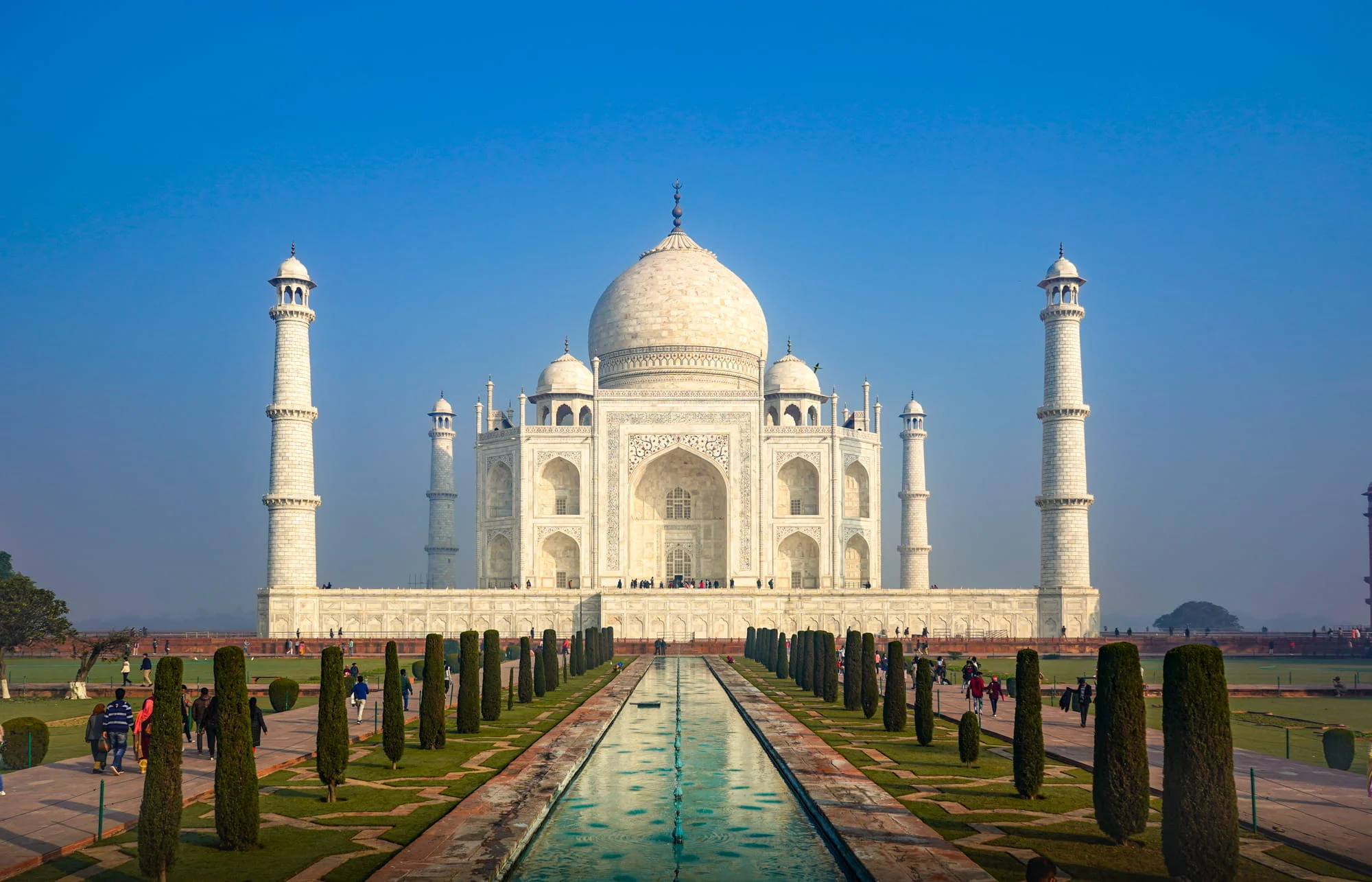
Taj Mahal
Architecture is the most concrete way for us to connect with the past. A building is a physical fact, unlike recorded history, which is often biased by the person who won the last conflict.
We can practically walk in the footsteps of those who came before us, touching the same handrails and standing beneath the same arched ceilings. This physical engagement helps us feel like our culture is still alive, which is important for our mental health as a group.
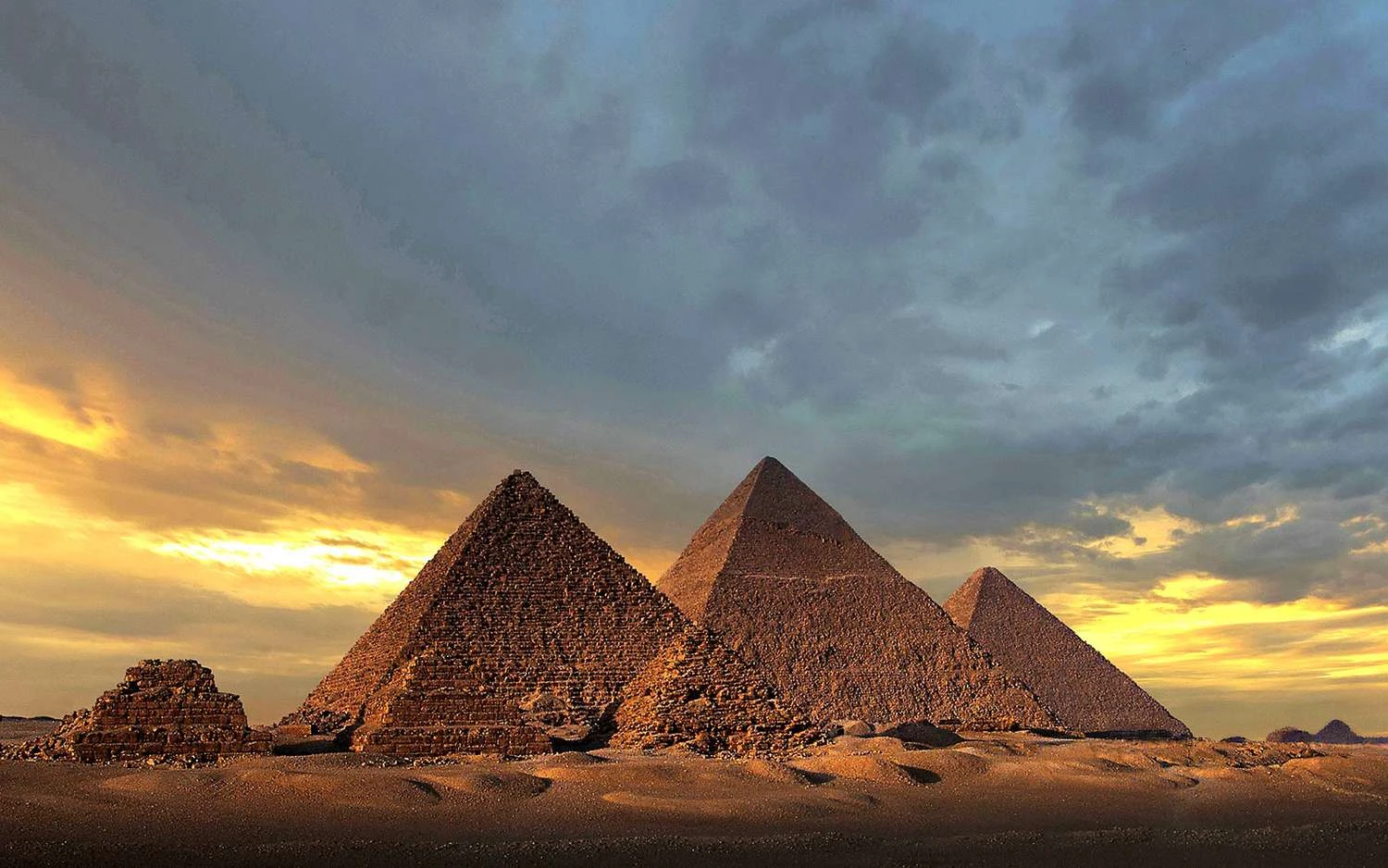
Pyramids of Giza
The Ultimate Guardian
When we think of guardians, we normally think of military or legal papers. But architecture is the best custodian because it keeps intangible heritage, including customs, rituals, and social systems, safe in a physical frame.
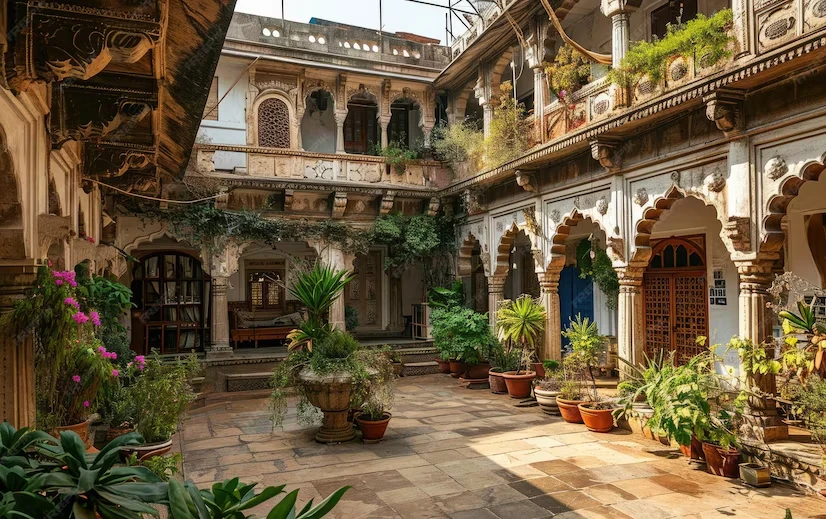
Take a look at the “Haveli” courtyards in Old Delhi. These buildings weren’t simply for living in; they were also made to make the purdah system work, keep the environment cool, and let people of all ages live together. We keep the awareness of those social processes alive by keeping these buildings up. Without the stone, the remembrance of the way of life is just a ghost story.
The Crisis of Vanishing History: A Soul Under Siege
Even though they look strong, our architectural gems are very frail. We are now going through a time of “mass erasure.” Rapid urbanization, the uniformity of global design, climate change, and simple neglect are all threats to the monuments that tell us who we are.
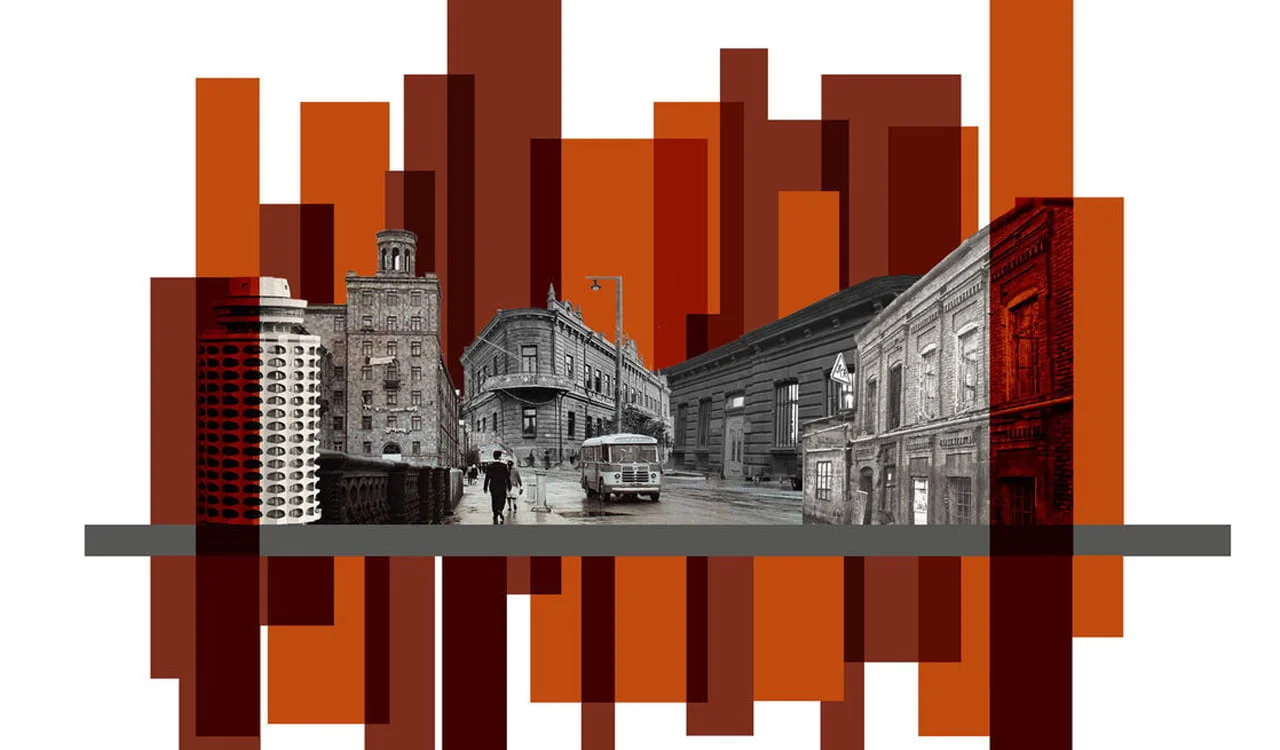
When a historic building is torn down to make room for a generic glass-and-steel skyscraper, we lose more than simply an old edifice. We lose our “sense of place.” We give up a unique cultural stamp for a “nowhere-ville” look that could be seen in any city in the world.
Why Preservation is a Non-Negotiable Human Right:
- Identity and Belonging: Historic districts make people feel like they belong. They are the “landmarks” of our life, the spots where we met, had fun, and cried.
- Educational Immersion: You may read a thousand books about the Industrial Revolution, but being in a preserved textile mill in Manchester makes the struggle and the size of that time real.
- The Economic Ripple Effect: Cultural heritage is one of the main reasons people travel around the world. People don’t fly across oceans to see a mall they could view at home. They fly to see the “Soul of Stone.”

The Modern Solution: The Magic of Adaptive Reuse
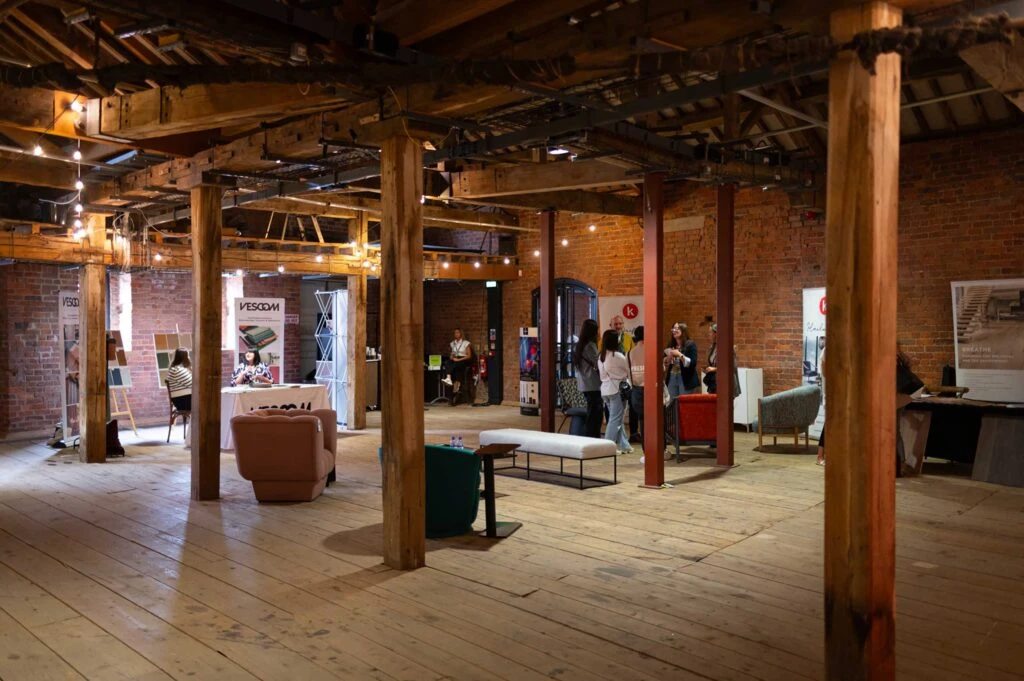
We don’t have to live in a museum to protect our history. In fact, “mummifying” a building typically means that it will die. Adaptive reuse is the best method to protect our heritage.
This is the skill of giving a historic building, such a Victorian warehouse, a defunct power plant, or an abandoned monastery, a new role in life.
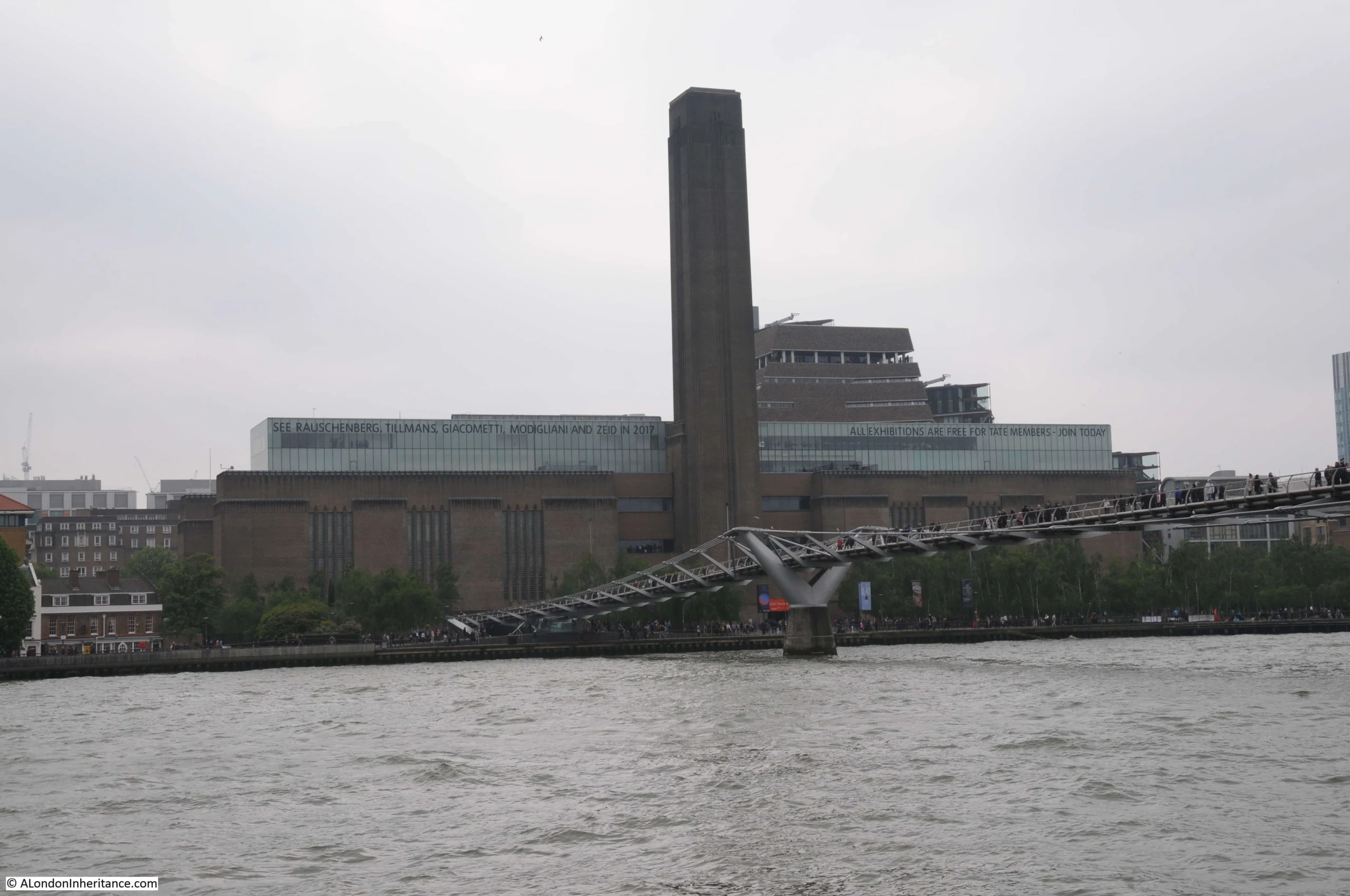
- London’s Tate Modern: It used to be the Bankside Power Station, but now it’s one of the most famous art galleries in the world.
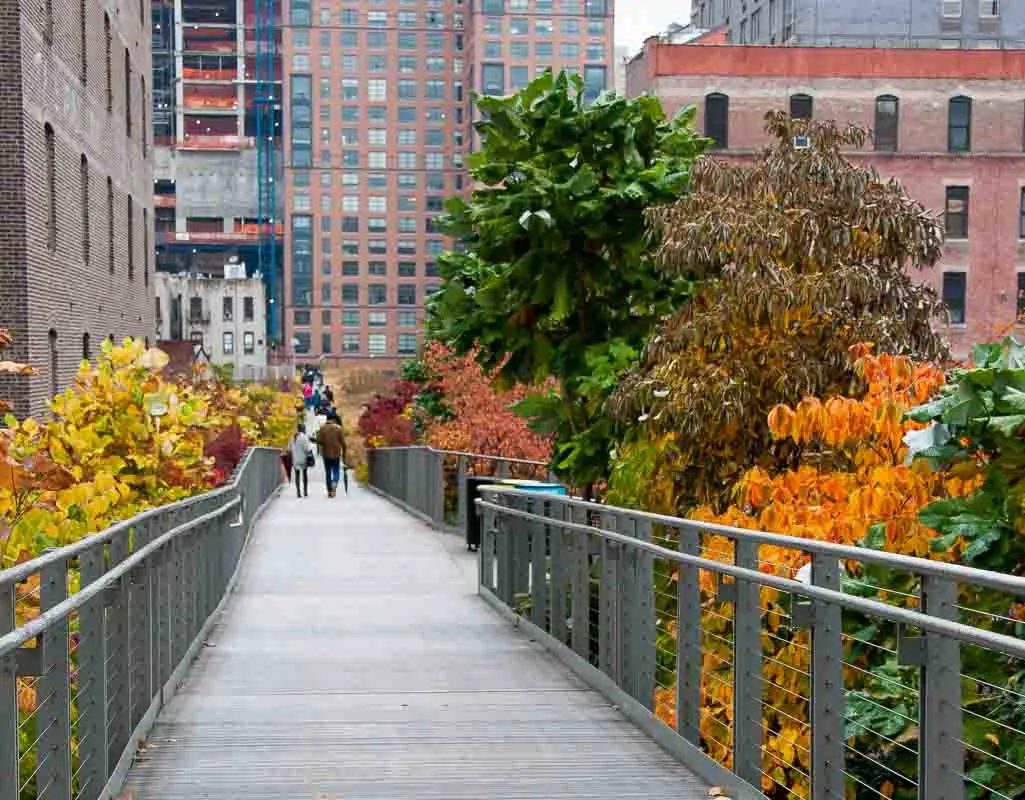
- The High Line in New York: A derelict elevated railway transformed into a lush, linear park that revitalized an entire neighborhood.
We make sure that the building is still cared for, sponsored, and—most importantly—loved by the present generation by mixing the old with the new. Keeping the “soul” while modernizing the “body” is the most respectful thing you can do.
Sustainability: The Greenest Building is the One Already Standing
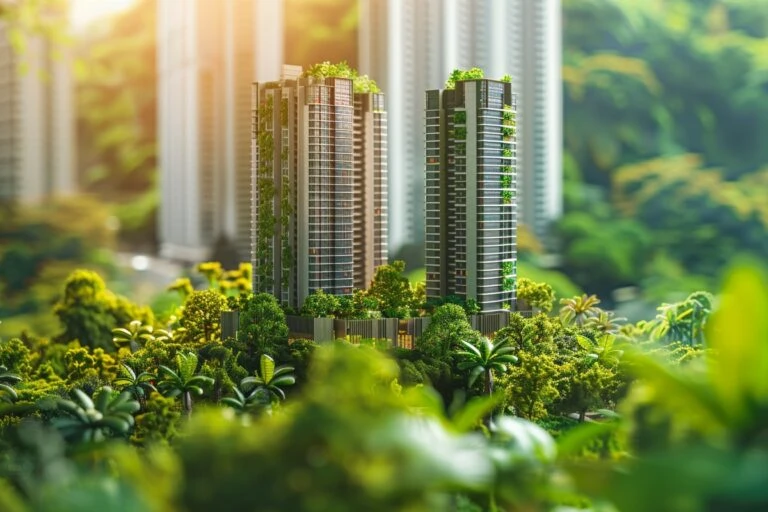
In today’s world of climate fear, architecture as a protector takes on a whole new significance for the environment. We hear a lot about “green buildings” that have solar panels and high-tech insulation. But the truth is that the building that is already there is the most sustainable one on Earth.
A huge amount of carbon emissions come from building things. We don’t have to deal with the “carbon debt” of tearing down and building new things if we choose to restore and protect.
We save the embodied energy, which is the human effort and energy that went into gathering, moving, and putting together materials decades or even centuries ago. Keeping stone buildings is good for the planet as well as for culture.
Technology: The New Tool for Ancient Stones
We are currently seeing a strange situation where high-tech tools are being employed to conserve low-tech stones.
- 3D Laser Scanning (LiDAR): We can now make “digital twins” of historic sites that are accurate to within a millimeter. We have a plan for rebuilding if a location is devastated by a calamity.
- Advanced Material Science: We are making new cleaning methods and mortars that match the chemical makeup of old stone. This makes sure that repairs don’t accidentally make things worse.
- Augmented Reality (AR): Imagine walking through a ruin as your phone shows you a digital version of what the building looked like when it was new. The stones are talking more plainly than ever thanks to technology.

The Human Element: Why We Must Care
In the end, preservation isn’t about the stones; it’s about the people who live there. It’s about the family that resided in a cottage for six generations and the craftsman who spent three years sculpting a single gargoyle.
When we safeguard buildings, we are showing empathy for our ancestors. We are recognizing that the people who came before us had something important to say. We are making sure that the kids of the future don’t have to live in a world where all the buildings seem like temporary boxes.

Thoughtful Question: If our buildings represent the skin of our society, what does the way our architecture looks right now say about our soul?
Conclusion: Passing on the Fire
Gustav Mahler, a prominent composer, once remarked, “Tradition is to pass on the fire, not to worship the ashes.” This is the main point of preserving architecture. We shouldn’t keep old buildings out of fear of the future; we should keep them because they are the basis for the future.
The “Soul of Stone” is a present. It shows that we were here, that we made things, and that we were important. We keep the narrative of humanity a rich, nuanced, and beautiful epic by protecting our lost and found legacy.
How to Become a Guardian:
- Support Adaptive Reuse: Frequent businesses that operate out of restored historic spaces.
- Teach: Tell your friends and family about the history of the important places in your area.
- Advocate: Join local preservation groups to vote against tearing down historic sites that don’t need to be.
The rocks are waiting. Are you paying attention?
For more blogs like this CLICK HERE!!
Reference: