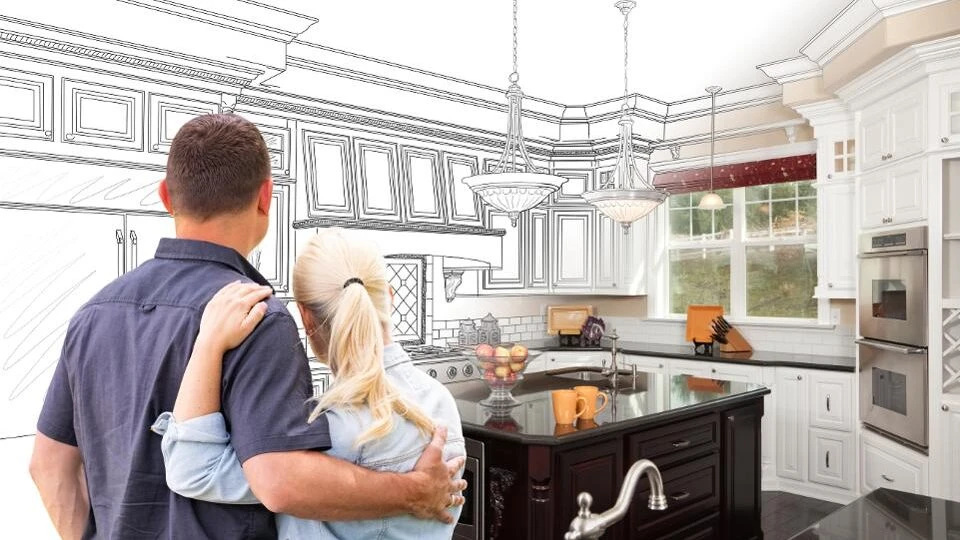
The dream of a beautifully refurbished home is often greeted by a scary reality: the money. Renovation isn’t just about using hammers and drywall; it’s about making a space seem like a home for your family. But to get there, you need a plan for the cost of house renovations in the US that is realistic, professional, and human.
The goal of this tutorial is to give you power. We’ll help you get the most out of your budget by giving you clear cost breakdowns, showing you where your money really goes, and showing you the projects that give you the best return on investment (ROI). The first step to getting the comfortable, up-to-date living you deserve is to know the figures.

The Big Picture: How Much Does It Really Cost to Renovate Your Home?
The national average for a whole-house remodel is a dizzying range, often falling somewhere between $20,000 to $120,000 for ordinary projects, and rising up to $200,000 or more for major structural overhauls or luxury finishes. There are three main reasons for this large range: scope, location, and finishing.

Cost Per Square Foot Analysis
Think about the cost per square foot to make it easier to handle.
- Minor cosmetic changes, such new paint, flooring, or fixtures, cost $15 to $60 per square foot.
- Major renovations (gutting and remodeling) cost between $60 and $150 per square foot. This includes things like new plumbing, wiring, and layout.
- Luxury or custom-built homes cost between $150 and $410 per square foot.
The first and most important step to making sure your ambition matches your financial reality is to understand these standards. A budget for house renovations in the US isn’t a limit; it’s a guide.

Project Deep Dive: How Much Comfort Costs in Each Room
A budget doesn’t think all improvements are the same. The kitchen and bathroom get the most money spent on renovations since plumbing and electrical systems are expensive, as are high-end finishes like appliances, tile, and custom cabinets.
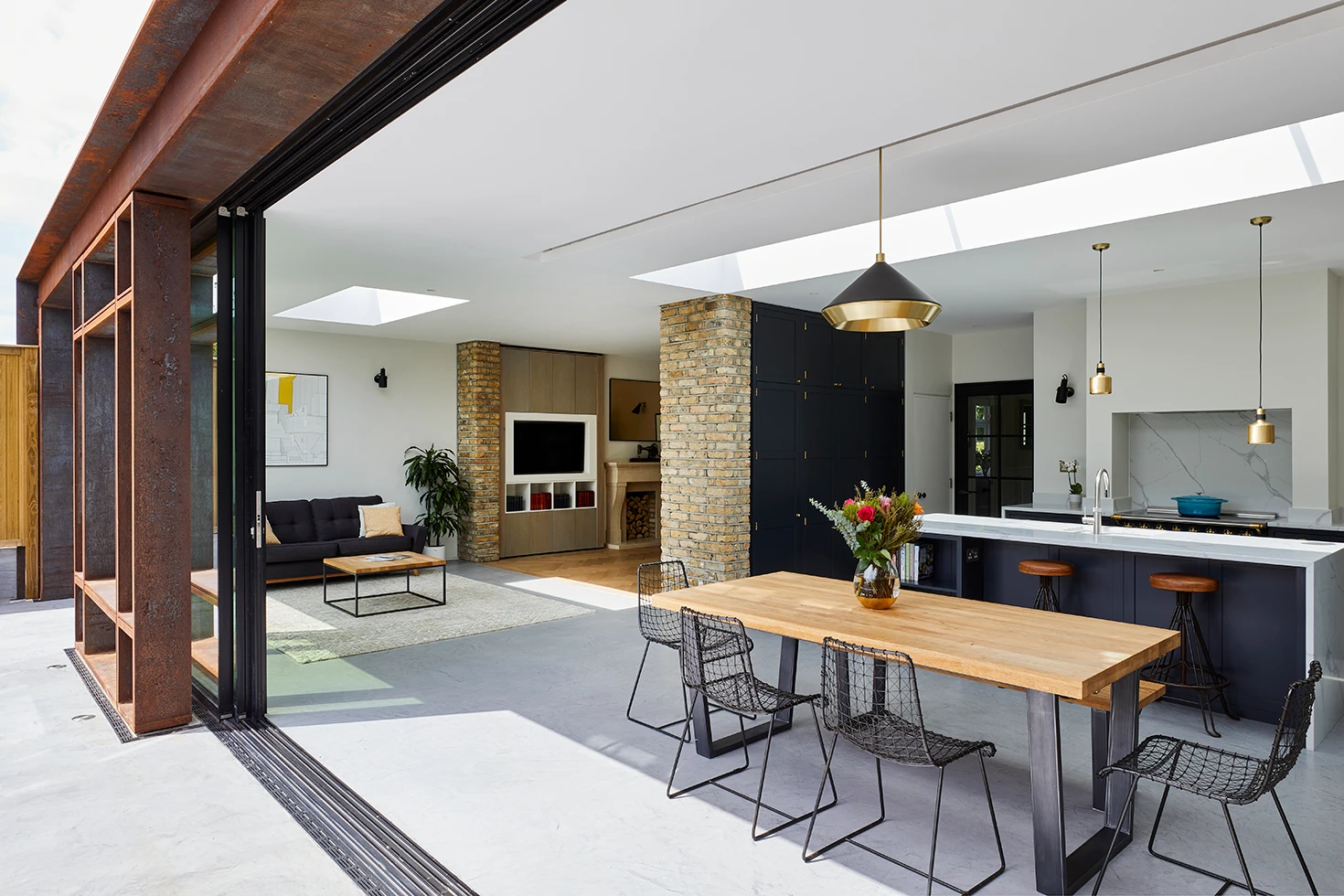
Kitchen: The Most Important Room in the House and the Most Expensive
The kitchen is the most expensive room to remodel, but it also makes the family feel the best and adds the most value when you sell your home.
| Kitchen Scope | Average Cost Range (USA) | Primary Expenses |
| Minor Remodel | $15,000 – $40,000 | Refacing cabinets, new appliances (mid-range), new countertops. |
| Major Remodel | $40,000 – $80,000+ | New layout, custom cabinetry, high-end appliances, structural changes. |
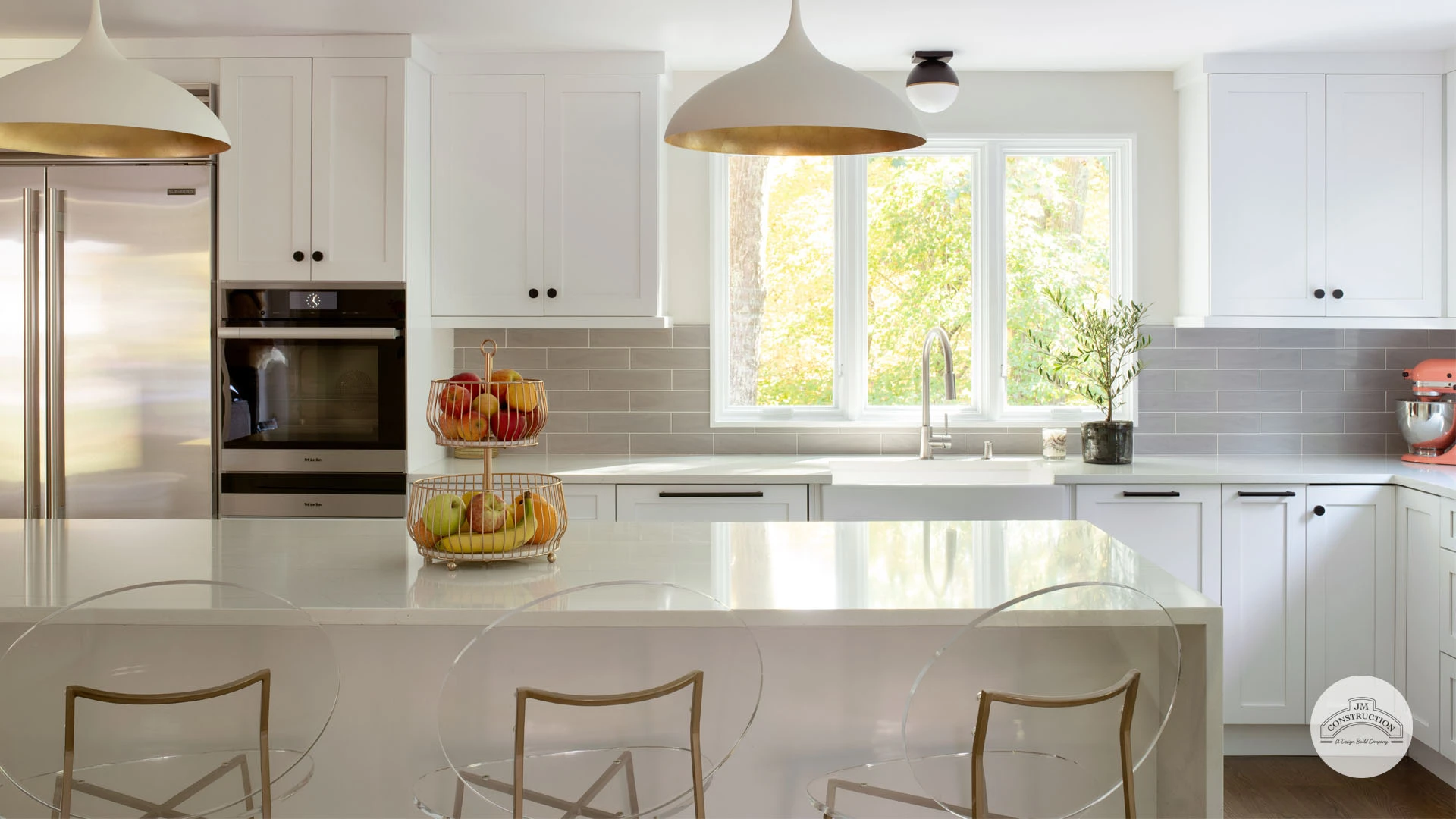
Bathroom: A Place of Worth
The bathroom is the second most expensive part of the house. The types of tiles, fixtures, and whether or not you change the plumbing lines all have a big effect on costs.
| Bathroom Scope | Average Cost Range (USA) | Primary Expenses |
| Midrange Remodel | $11,000 – $28,000 | New vanity, new tub/shower liner, new tile, updated fixtures. |
| Upscale/Master Suite | $28,000 – $70,000+ | Custom shower, marble/high-end tile, double vanity, structural changes. |
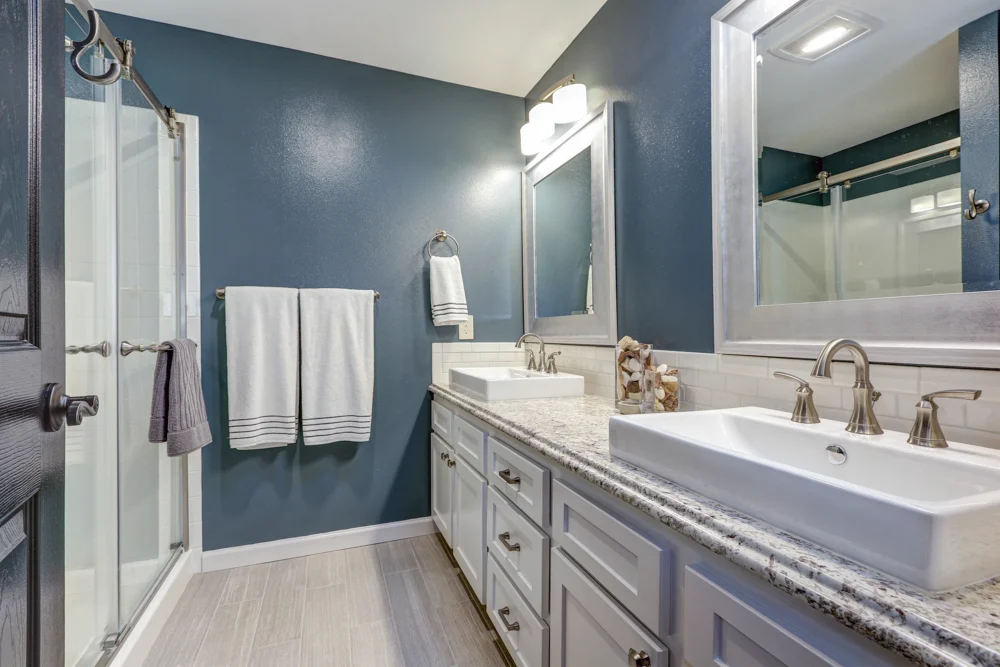
Other Important Areas
- Basement remodel: Making an unfinished basement into a living room costs between $20,000 and $75,000. This project has a high return on investment (ROI) since it adds square footage.
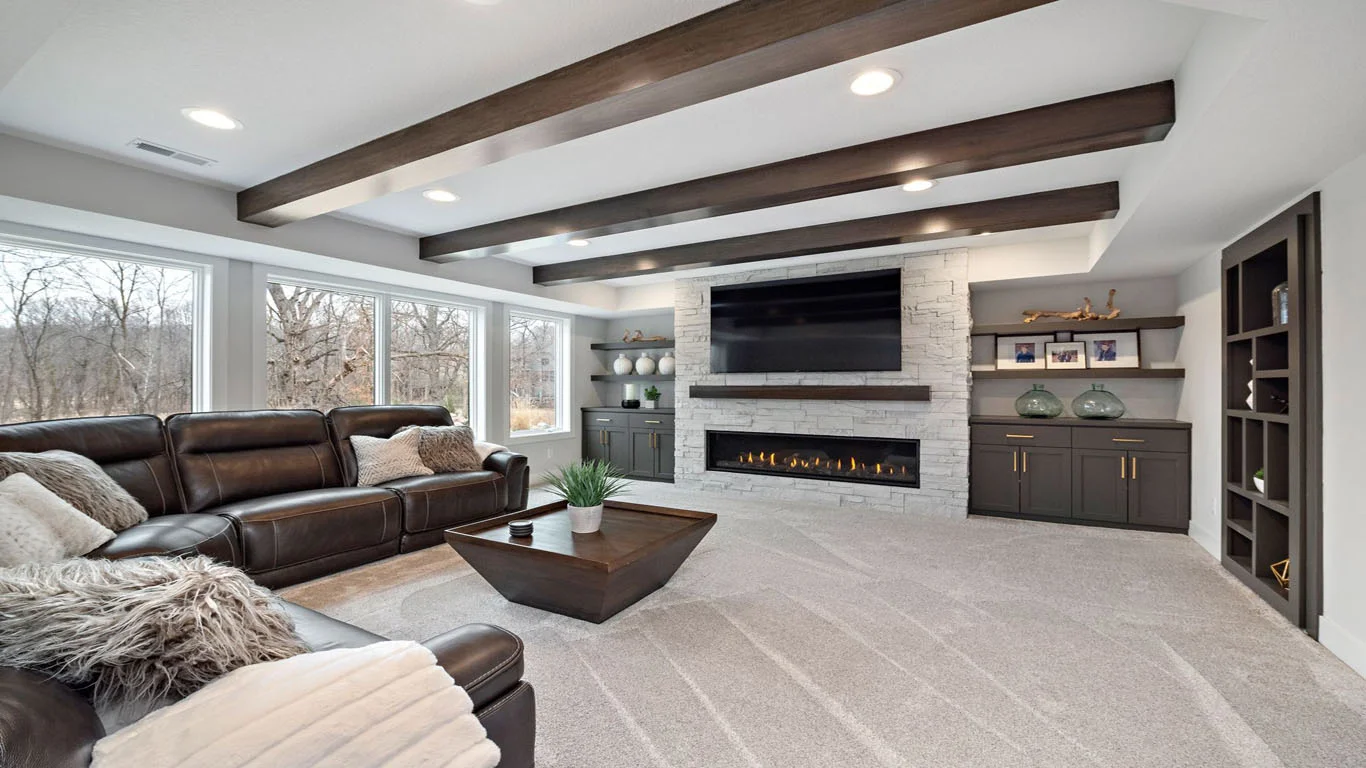
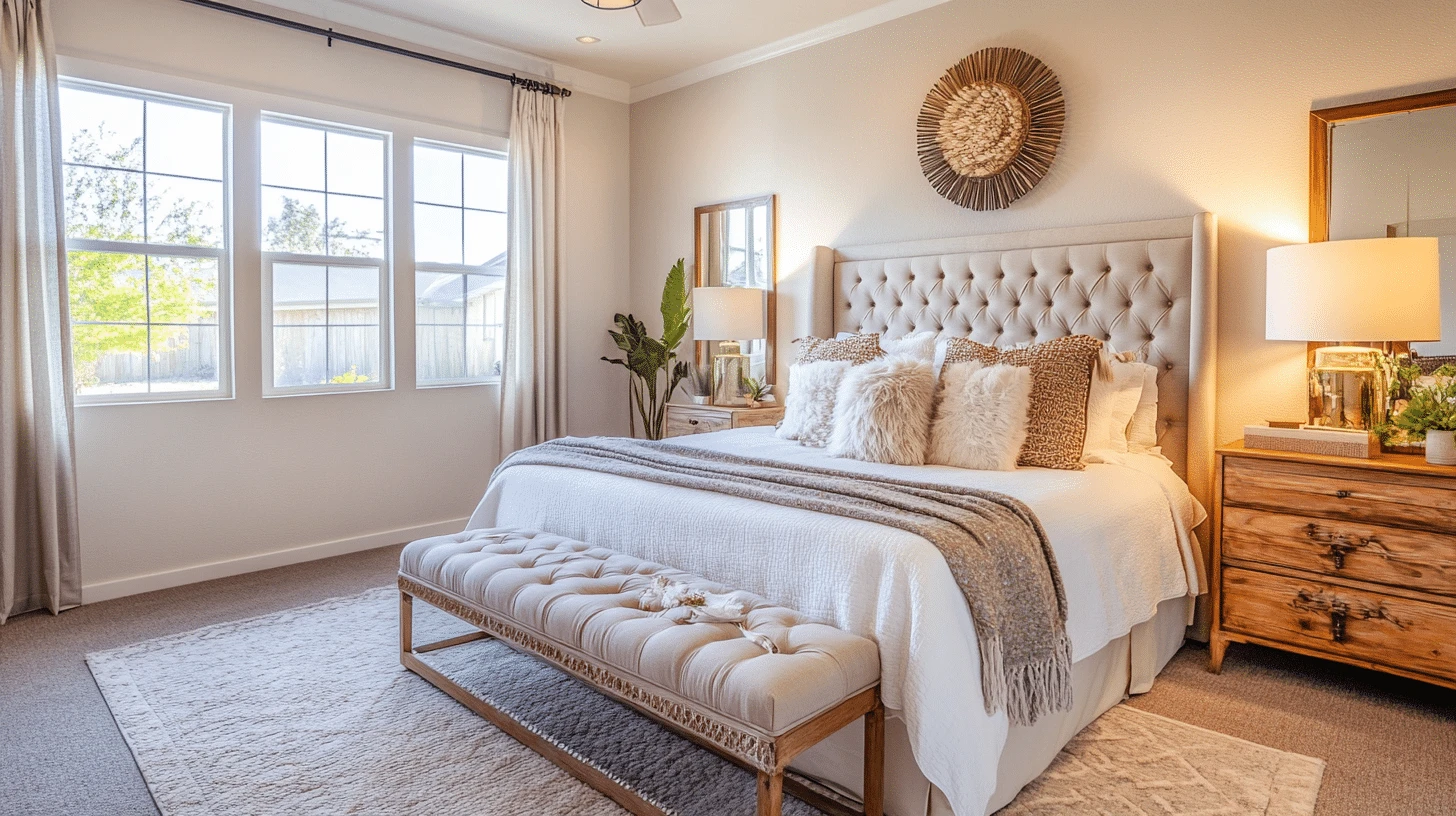
- Bedroom/Living Room: These are usually the least expensive, and cosmetic changes like new flooring, paint, and lighting usually only cost $2,500 to $10,000.
The Hidden Traps: Where Your Money Really Goes
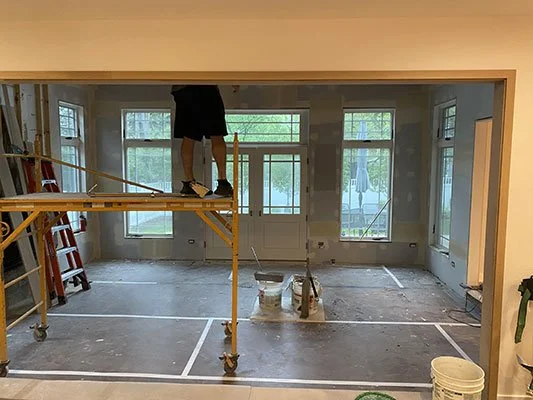
Many people who are renovating for the first time don’t think about the fees that are required but not always obvious. Being a professional at budgeting requires being honest about these costs from the start so you can get the most of your budget.
The Split Between Labor and Materials
A house renovation budget usually looks like this:
- 40% to 50% for materials including cabinets, tiling, fixtures, drywall, and flooring.
- Labor: 30% to 40% (plumbers, electricians, carpenters, and contractors).
- Permits and Contingency: 10% to 20% (a crucial safety net for shocks).

The 10% to 20% Rule of Contingency
This is the most important rule for making a budget. If you’re working on an older home or making structural adjustments (such moving walls), you should set aside 10% to 20% of your entire budget for unexpected costs. It’s typical to find old wiring, unanticipated water damage, or structural problems, and you need to plan for these things so that you don’t have to deal with stressful delays and financial shocks in the middle of the project.

Location, Location, and Price
The cost of home renovations in the US varies a lot from city to city. In cities on the coast, like New York or San Francisco, the expense of delivering goods and people is substantially higher than in the Midwest or South. Always get numerous quotations from local businesses to be sure your budget is realistic for your area.

Getting the Most Out of Your Investment: Renovations for Value and Comfort (ROI)
If a makeover makes your family more comfortable and adds a lot of value to the home when you sell it, it’s a great investment. Based on Cost vs. Value data, these are the best projects:
| Renovation Project | Estimated ROI | Why It Works |
| Garage Door Replacement | 100%+ | Massive curb appeal boost for low cost. |
| Entry Door Replacement | 90%+ | Excellent curb appeal and security. |
| Minor Kitchen Remodel | 70% – 80% | High impact refresh without structural debt. |
| Manufactured Stone Veneer | 90%+ | Low-cost exterior upgrade that elevates aesthetics. |
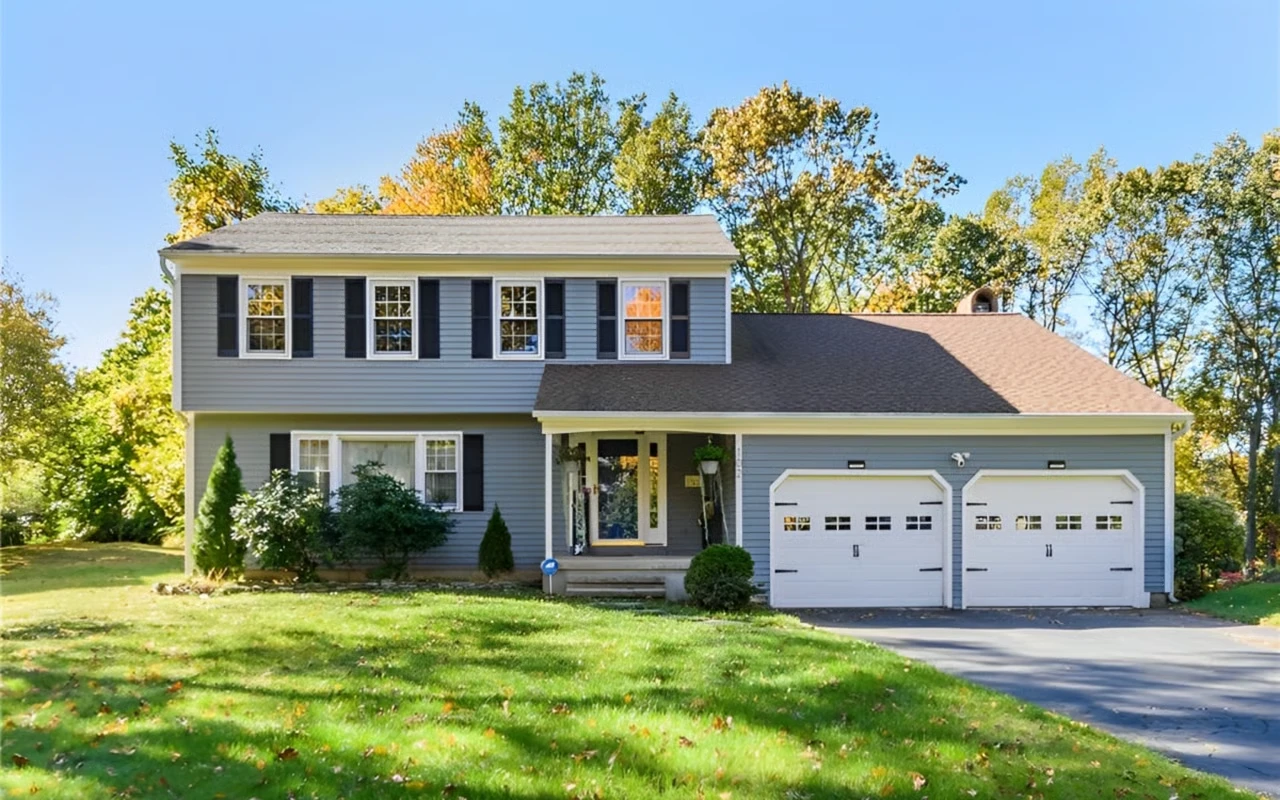
The Comfort Equation: A garage door has a high return on investment (ROI), but a tastefully refurbished, efficient kitchen (even at 70% ROI) makes the whole family feel better every day. When making a budget, put the areas that have the most direct effect on your everyday life and happiness at the front of the list. That’s what a successful makeover is all about.
Conclusion: Renovation as a Way to Feel Better
Planning a makeover can feel like trying to find your way through a thick financial jungle, but you can stay in control by focusing on the most important house renovation cost USA factors: scale, quality, and the all-important contingency reserve.
Not only does how you spend your money affect how your home looks, but it also affects how well you live in it. By making sensible, well-informed decisions about the kitchen, bathroom, and structural demands of your home, you turn the money you spend into a priceless return on family comfort and enjoyment that lasts.
Would you like to look into ways to pay for your home improvement, including HELOCs or personal loans?
For more blogs like this CLICK HERE!!
Reference: