Your Home, Your History: A Look at American Architecture
We have a deep, almost emotional attachment to the locations we live. A house is more than just walls and a roof; it’s a place where we live and remember things. You need to learn the language of a home before you can really appreciate it, whether it’s your own house or one you like in a quiet area.
The different kinds of architecture in the United States depict a story of change, progress, and new ideas. The wide range of options can be too much for a newbie. But don’t worry! You can learn the terminology you need to access the profound, often valued history that is right in front of you by understanding only a few basic styles.
The first step to being a better homeowner, a better neighbor, and a better observer of the world around you is to learn about these basic American home styles. Let’s take a look at the five most important styles that make up our homes.
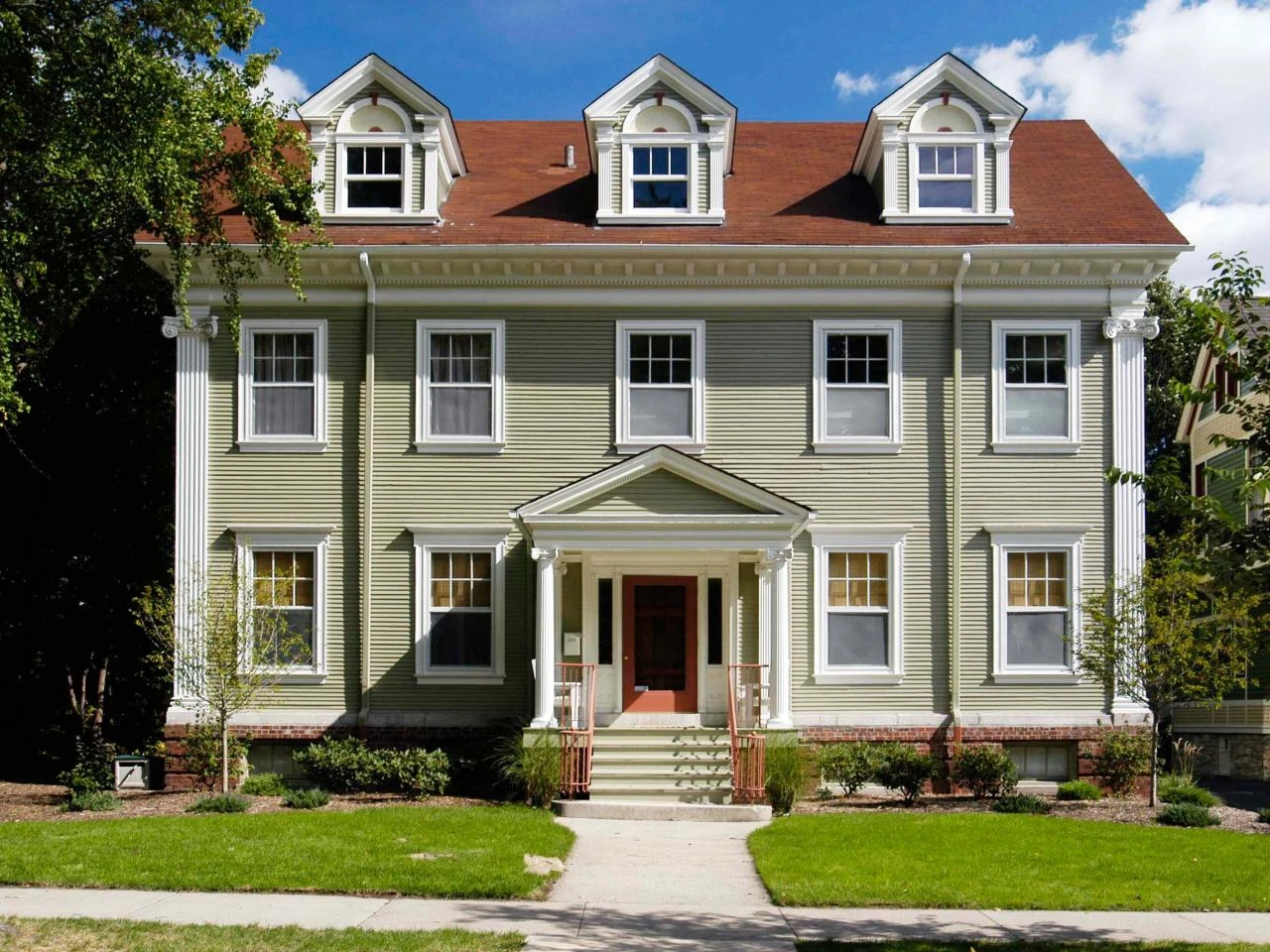
The Timeless Appeal of Symmetry: Colonial Revival
The Colonial Revival style became quite popular in the late 1800s and early 1900s. It is still one of the most adored and well-known styles in American suburbs. This style pays homage to order and history. It comes from the homes of early settlers but has been made bigger and better for a new age.
- Things to Look For: Symmetry Is Key Check to see if the front is correctly balanced. The front door is in the middle, with the same amount of windows on each side spaced evenly.
- Two Stories and Pitched Roofs: Most of these houses have two stories and a roof that is not too steep (often gabled).
- A Grand Entrance: The main entrance door is usually the most important part, with sidelights, a fanlight above, or ornate columns.
- Materials: Most of the time, the outside is made of brick or wood clapboard.
- The Colonial Revival has a human touch that makes it feel safe and sturdy. You can tell that this house was built for ordered family life when you walk up to it. It gives you a feeling of order in a complicated world. They are the perfect example of a “safe” and conventional American home.
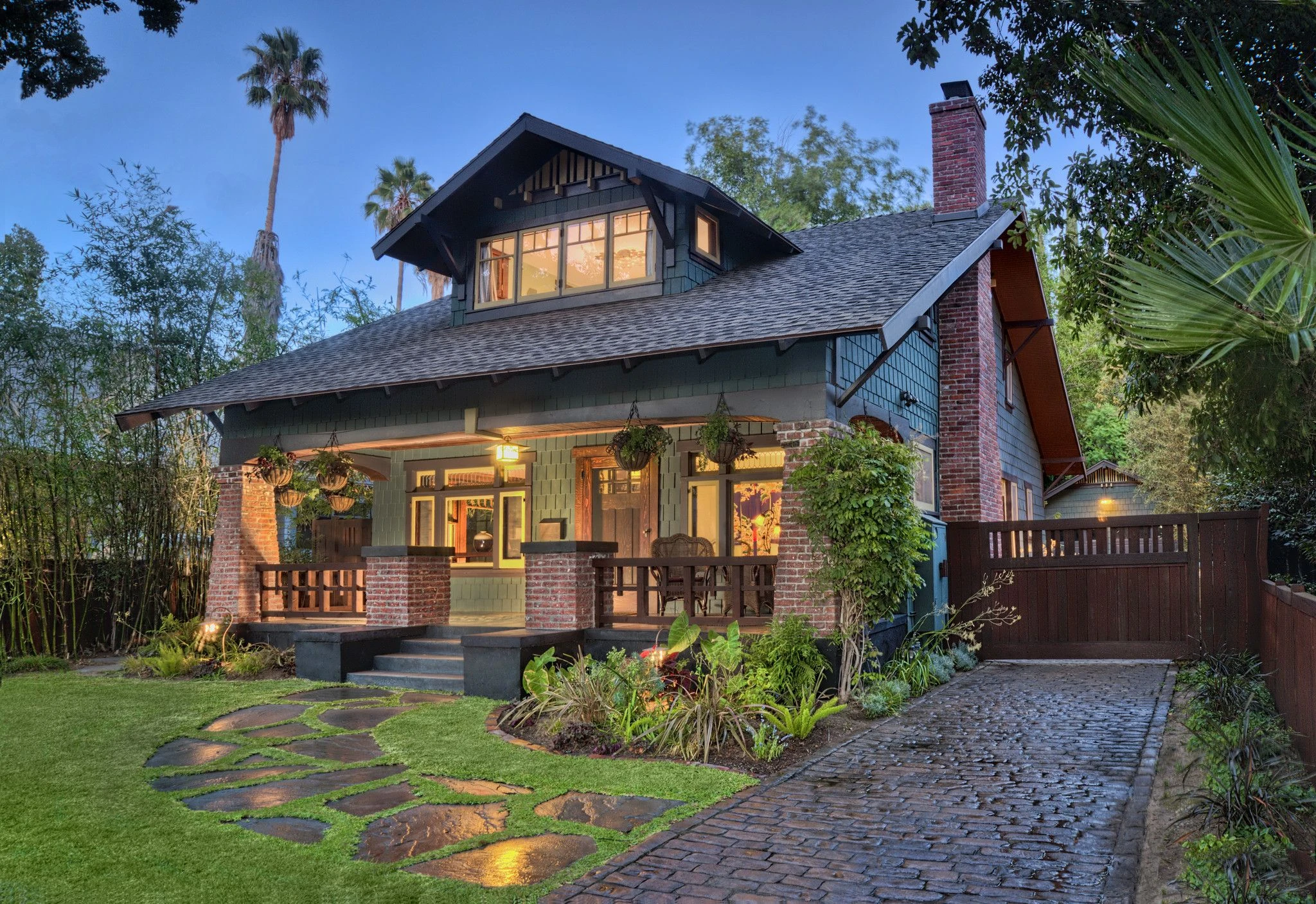
The Art of Living by Hand: Craftsman Bungalow
The Craftsman style (about 1900–1930) came about as a direct philosophical and aesthetic response to the mass manufacturing and complexity of the Victorian era. It values simplicity, natural materials, and, most importantly, artisanal craftsmanship.
People who believed that everything in a home should be well-made and honest started the movement. This form led to the Bungalow, a modest, comfortable, and very useful housing design that became popular all over the country.
- Low-Pitched Rooflines: Look for broad, low-slung gable or hip roofs with large eaves that droop over the sides.
- Exposed Structure: You may often see rafters or ornate beams under the eaves, which show off how the structure was built.
- Strong, Tapered Columns: The front porch is normally held up by thick, square columns that get thinner as they go up. These columns are usually on brick or stone piers.
- Natural Materials: A mix of materials, usually in earth tones, such as wood siding, natural stone, stucco, and brick.
The Human Touch: The Craftsman house feels real, warm, and honest. When you go onto the spacious front porch, it feels like entering a beloved retreat—a place made by hand to last, where skill and nature are more important than excess.
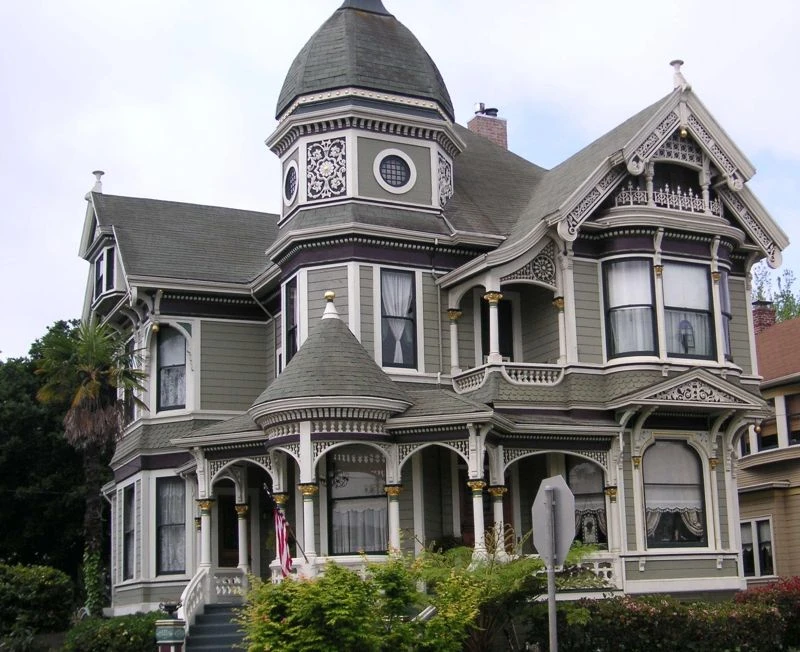
The Victorian Queen Anne Style is both Whimsical and Grand
There was no one style in the Victorian era (1837–1901). Instead, there were many “revival” styles. The Queen Anne style (popular in the U.S. from 1880 to 1910) was the most creative and expressive of them. These houses were built to show off how the Industrial Revolution made it possible to make fancy decorations fast.
Some important things to look for are:
- Asymmetry: Don’t worry about symmetry! These houses have complicated floor plans and shapes that aren’t always regular.
- Towers and Turrets: One thing that makes this style stand out is the presence of rounded towers or miniature turrets, which are often topped with ornamental finials.
- Look for ornate shingles, spindles, and intricate woodwork trim around porches and gables. This is called “gingerbread.”
- Distinct Materials: The outside of a Queen Anne house generally has distinct textures, like shingles, clapboard, and ornate brickwork on different parts.
- The Human Touch: Victorian mansions are very large and have a storybook sense to them. They make us think of the past and remind us that homes may be colorful, over-the-top representations of a family’s exuberant personality.
Easy Living and Wide-Open Spaces: The Ranch
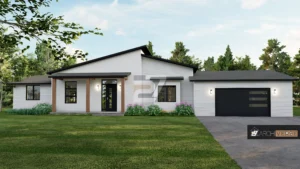
The “Rambler” or “Ranch” style was popular in the suburbs after World War II, from the 1940s until the 1970s. It was a big change from earlier vertical layouts since it put convenience, accessibility, and casual family life first.
Key Features to Look For:
- Single Story: The most important element is a spacious, single-level floor plan that is built low to the ground.
- Low-Pitched Roofline: A long, shallow roof that is usually hip or gabled and has wide, overhanging eaves to keep the sun out.
- Open Concept: The living, dining, and kitchen areas generally flow together, which makes it easier to host casual gatherings.
- Attached Garage: Integrated garages became typical as cars became more common and suburbs grew.
The Human Touch: The Ranch style is the best way to live simply and comfortably. It’s a welcoming, easy style that makes it easy to connect with the yard. For a lot of people, it embodies the American dream: simple, big, and focused on family.
Mid-Century Modern (MCM): Bringing the Outside In
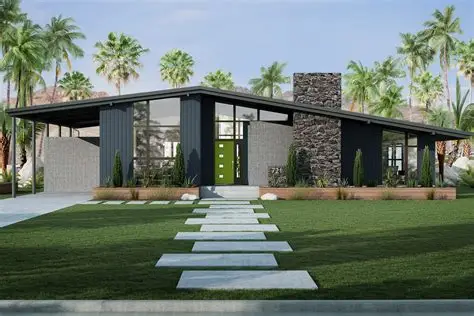
Mid-Century Modern (from 1945 to 1975) gave people a sleek, futuristic idea of what life at home will be like. It was highly influenced by design trends from around the world, with a focus on function, clean lines, and a planned link between the inside and outside.
- Minimal decoration: MCM has a “less is more” look that is different from Victorian dwellings.
- Flat or Low-Sloped Roofs: Rooflines that are often basic and geometric, which helps give the building a low, horizontal appearance.
- Walls of Glass: Big windows, often floor-to-ceiling, and sliding glass doors are important for making the distinction between inside and outside environments less clear.
- Honest Materials: People often praise structure by employing exposed beams, post-and-beam construction, and materials like stone, glass, and wood that are left in their natural state.
The Human Touch: MCM homes are thoughtful and hopeful. By connecting the homeowner with their surroundings, they promote a quiet and attentive way of life. The style will always be popular because it is simple and clean, and it focuses on functional beauty.
Now Is the Time to Start Your Architectural Journey
Colonial, Craftsman, Victorian, Ranch, and Mid-Century Modern are the five most important types of U.S. architecture. They are the basis of American home design.
With this basic information, every drive, every trip around the neighborhood, and every real estate listing will signify something different. You aren’t just looking at houses anymore; you’re reading history, philosophy, and changing trends that are written in brick and wood.
Go out and look! You may connect more deeply with the buildings that make up our treasured towns by identifying these styles and understanding the purpose behind their creation. This turns basic dwellings into homes that are truly valued.
For more blogs like this CLICK HERE!!
Reference:
16 of the Most Popular House Architecture Styles in America, Explained – 24/7 Wall St.