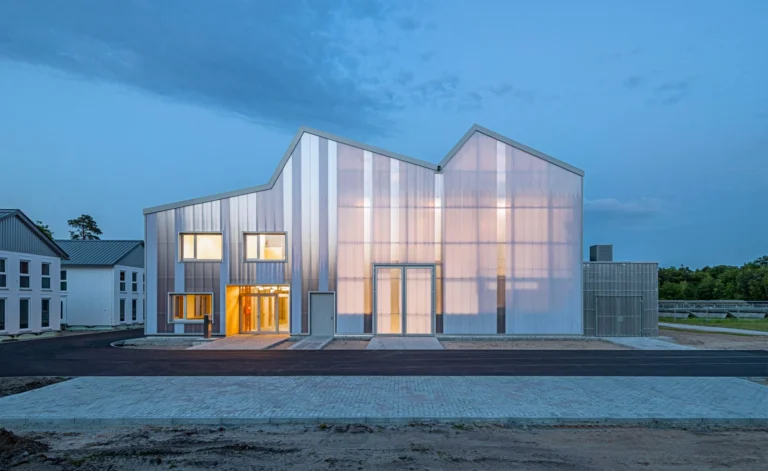
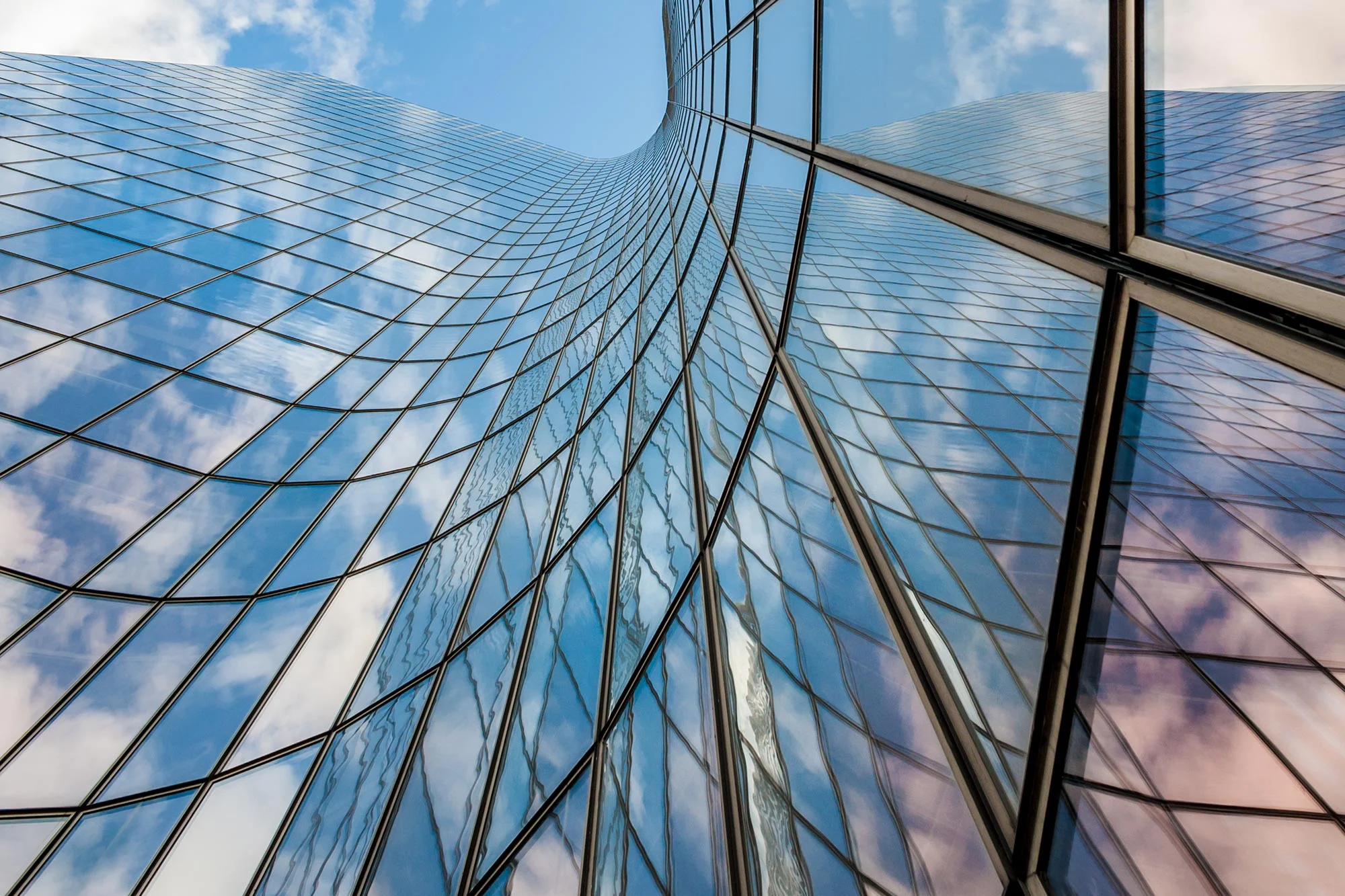
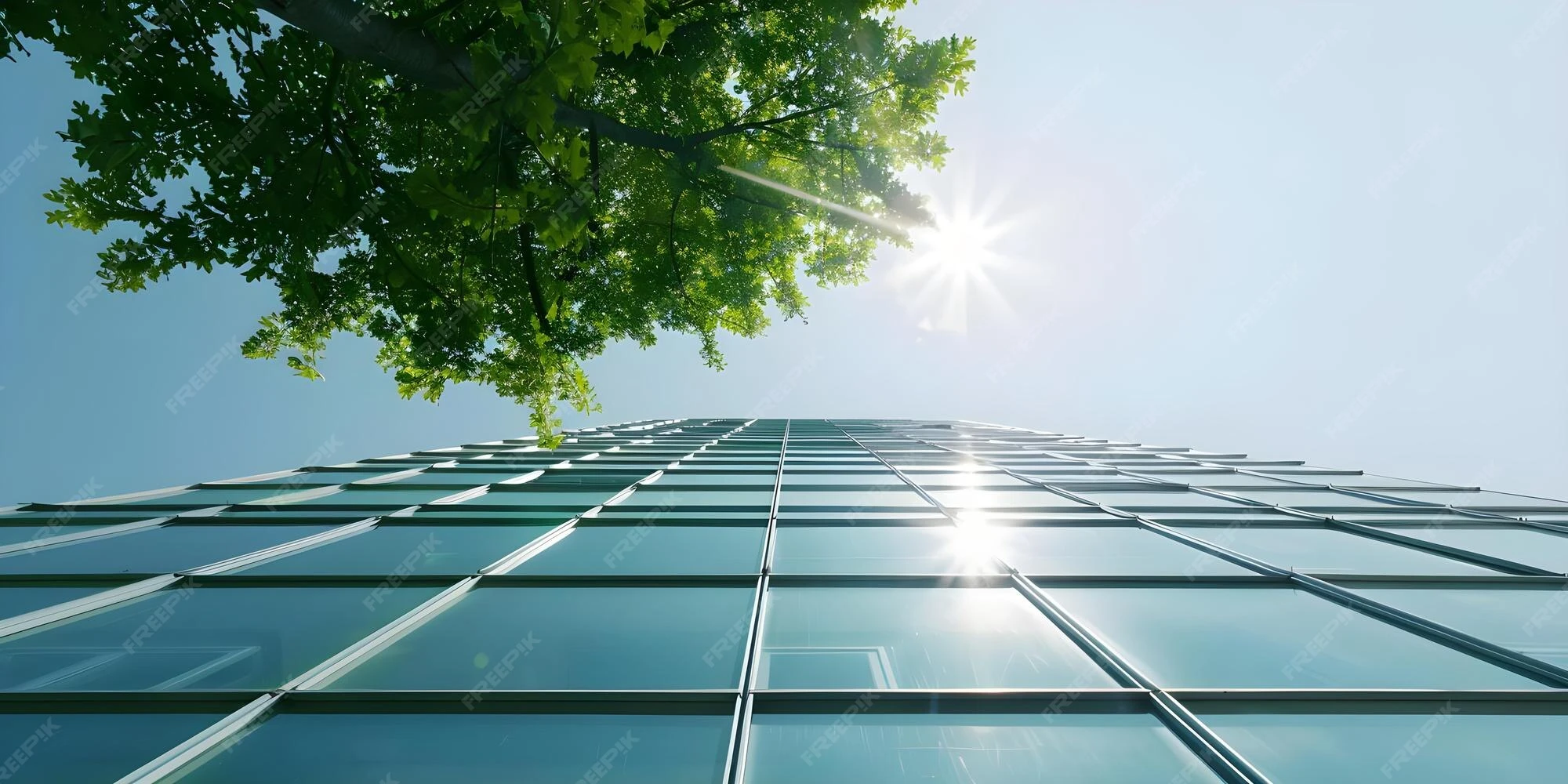
The way we think about solar power is changing. For a long time, we’ve thought of renewable energy as big, dark blue panels that are affixed to roofs or spread out across deserts. But in 2026, a “visionary” breakthrough is right in front of you. It’s thin, it’s clear, and it’s already on some of the most famous skyscrapers in the world.
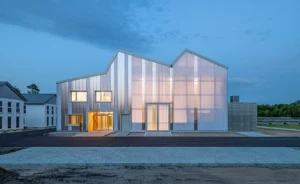
Welcome to the time of Transparent Solar Facades. This technology is doing the impossible: making every window in a modern office building into a vertical power plant. For businesses, it’s the “sustainable secret” that strikes a balance between high-end looks and aggressive goals for cutting carbon emissions.
What is Transparent Solar Glass?
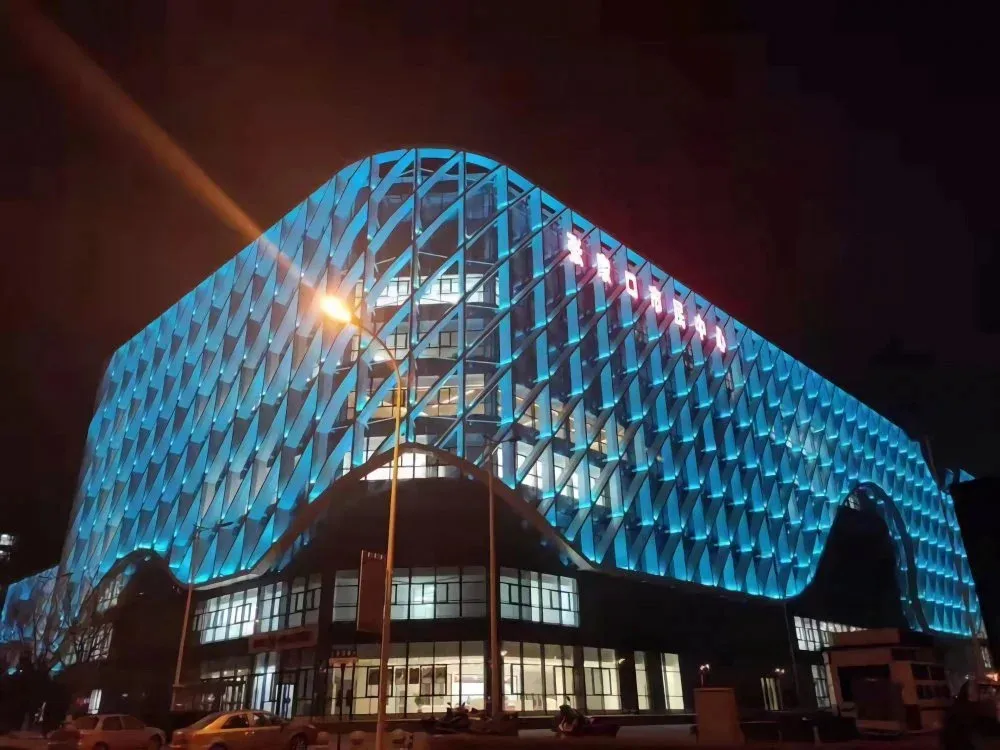
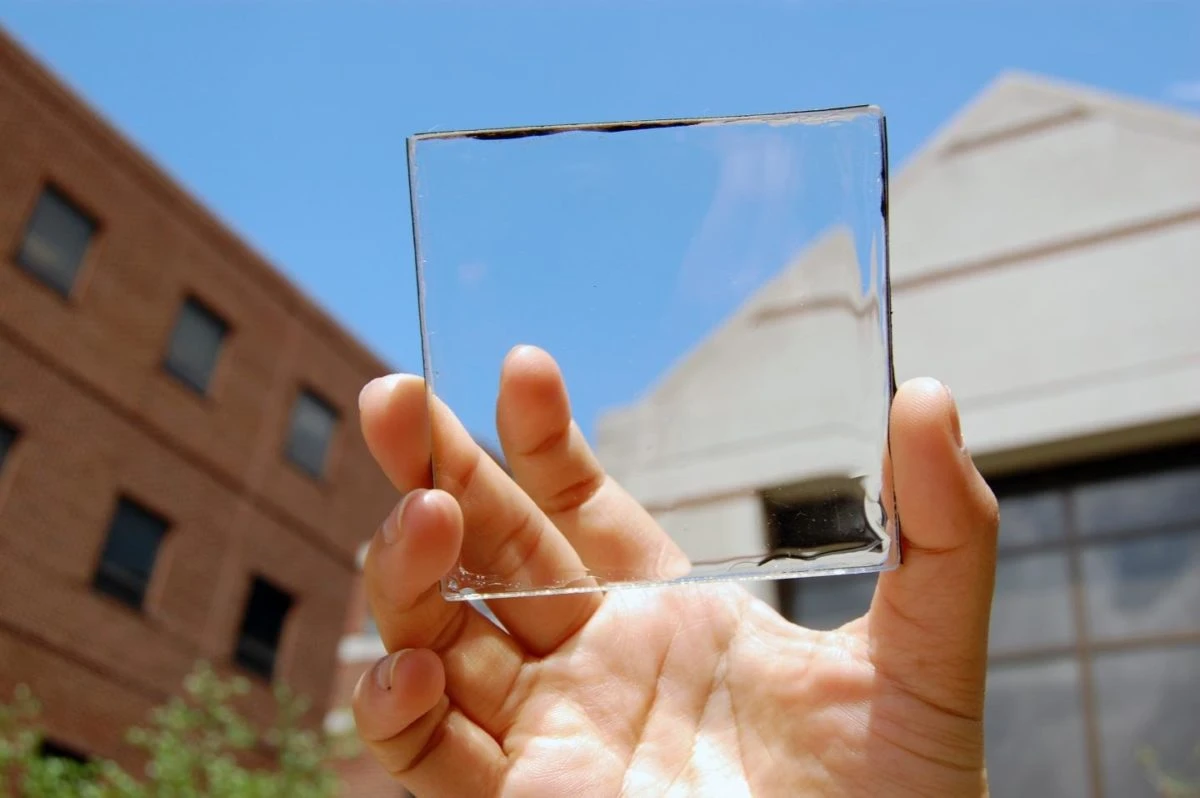
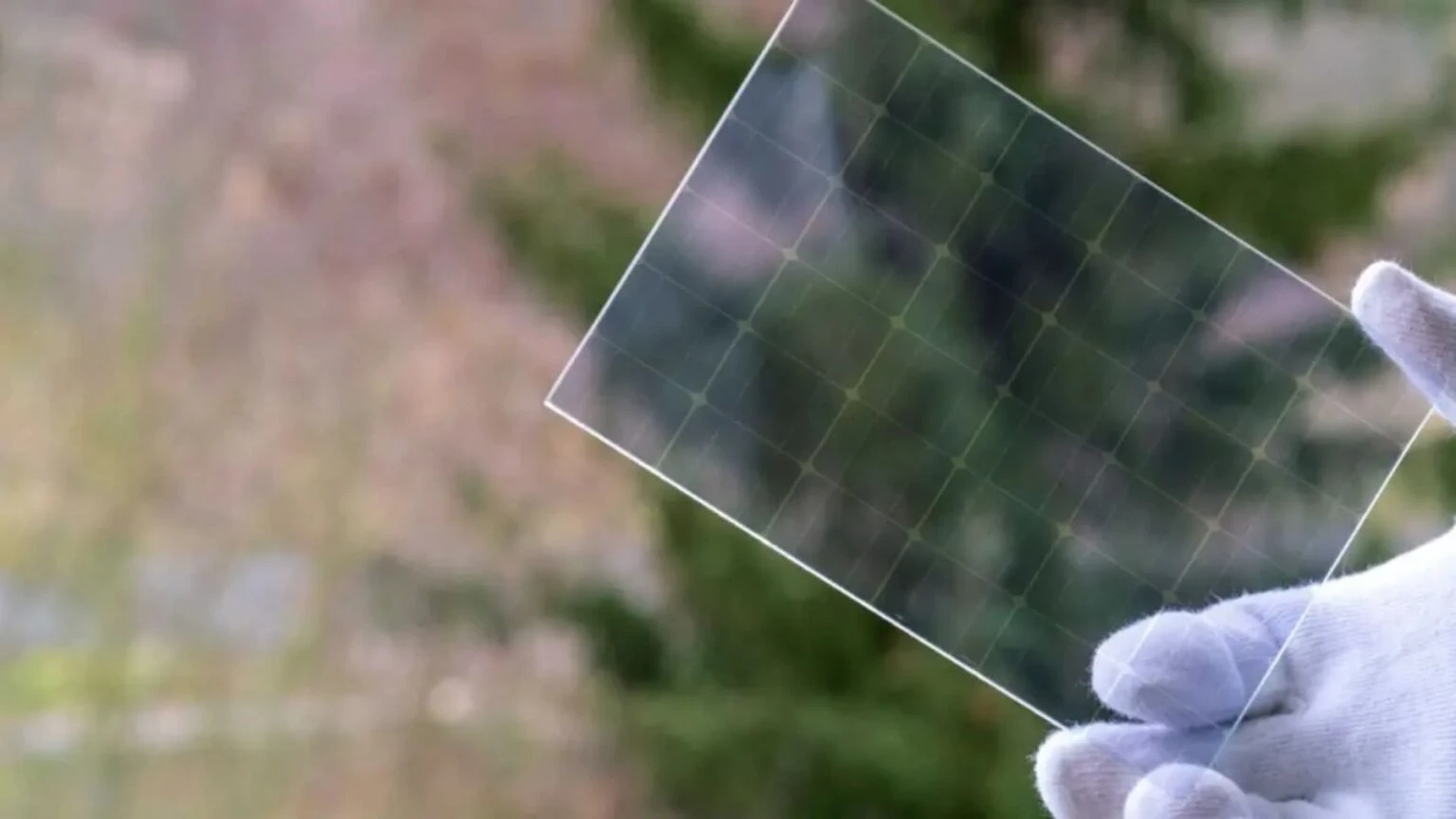
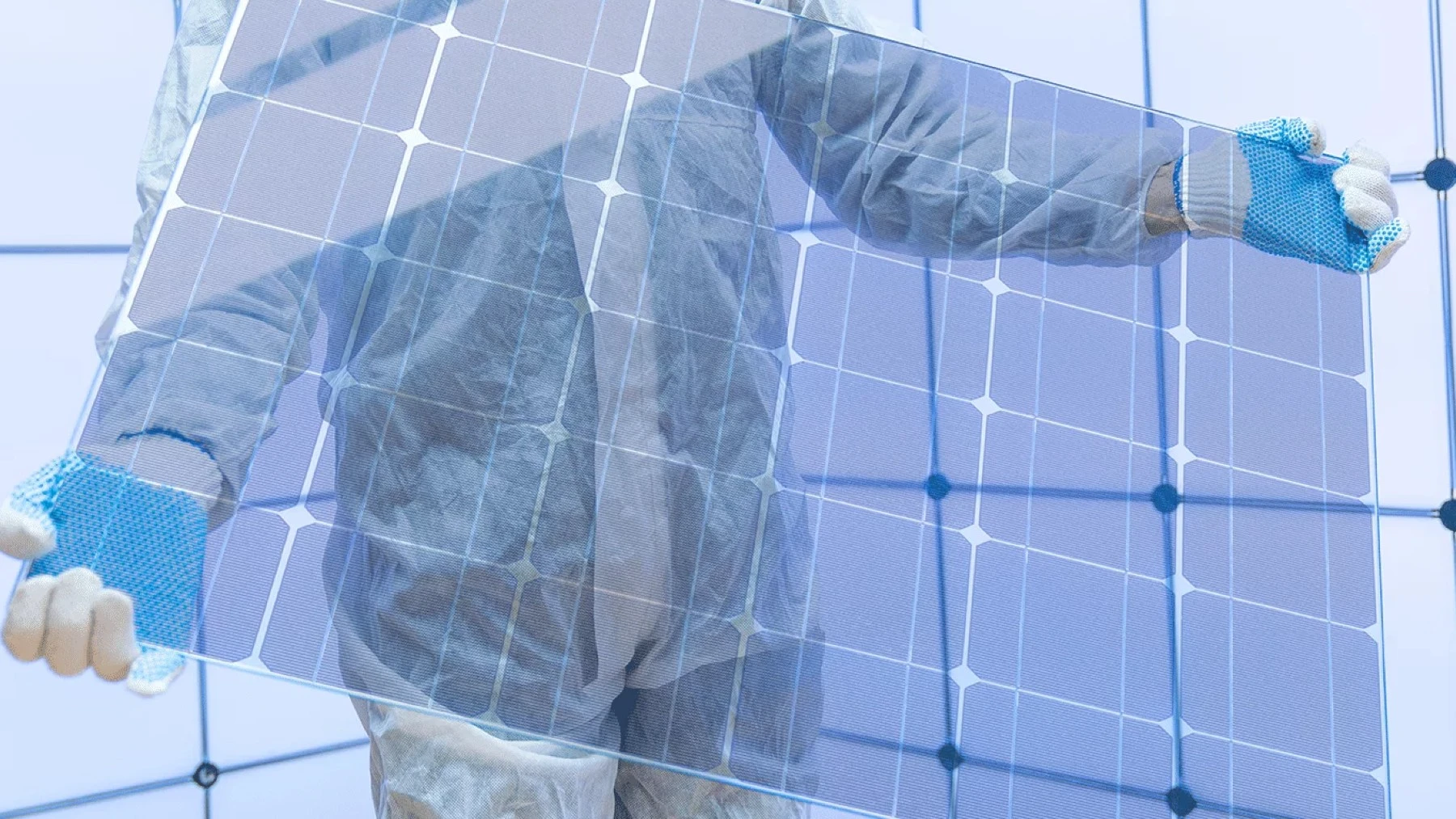
Photovoltaic glazing, or BIPV, is a new type of glass that looks almost exactly like regular architectural glass. But these panes are different from normal windows because they are made with advanced biological molecules called “quantum dots.”
These materials are made to be “selective.” They let the visible light spectrum through, which keeps the office bright and breezy, but they also capture ultraviolet (UV) and infrared (IR) wavelengths that the human eye can’t perceive. After that, these rays that can’t be seen are turned into clean, useful electricity.
The Power of Verticality: Making the Most of Every Inch
In cities with a lot of people, like London, New York, or Singapore, rooftop space is limited and costs a lot. Traditional solar farms need hundreds of acres, which can displace wildlife and need miles of transmission lines.
Solar facades that are clear Use the one thing that skyscrapers have a lot of: surface area.
- Huge Scale: A structure with 40 stories has around 20 times as many windows as it does roof.
- Diffuse Light Efficiency: Modern solar glass does a fairly good job of catching light that is scattered or reflected. This means that even the north side of a building in a foggy city like Berlin can make electricity.
- On-Site Generation: These buildings make power right where it’s used, so they don’t lose 5–10% of the energy that usually happens when power is sent over long distances.
The Energy Triple-Threat: Make, Protect, and Save
Most people think that solar glass is only good for creating power. In actuality, its “sustainable” effect is threefold. It doesn’t only make power; it cuts down on the amount of energy a building requires to run by a lot.
Making Electricity
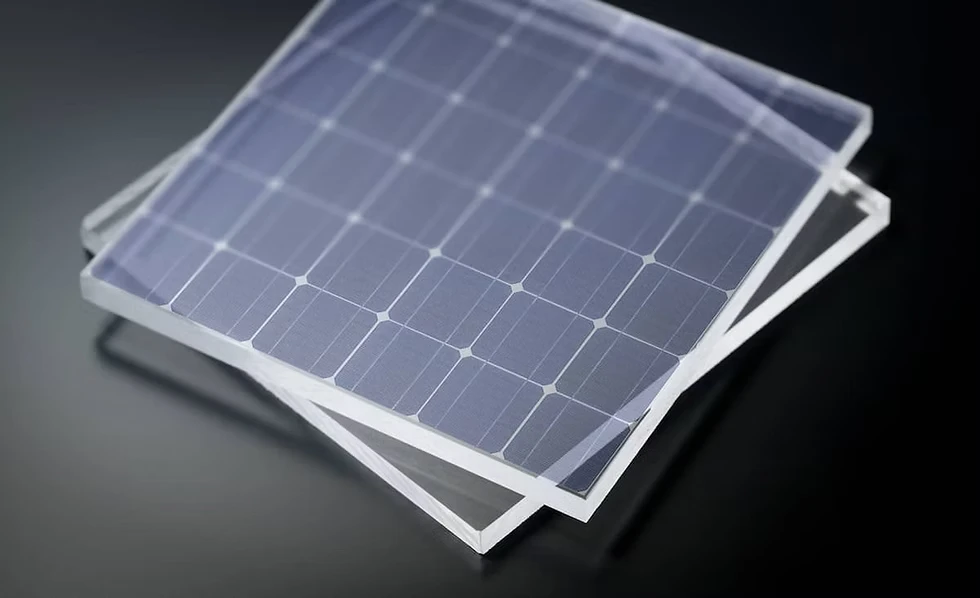
Transparent cells are only about 10–12% efficient right now (compared to 20% for standard panels), but they may commonly provide 30% to 40% of a building’s entire electrical needs since they have so much glass surface area.
Passive Cooling and Insulation
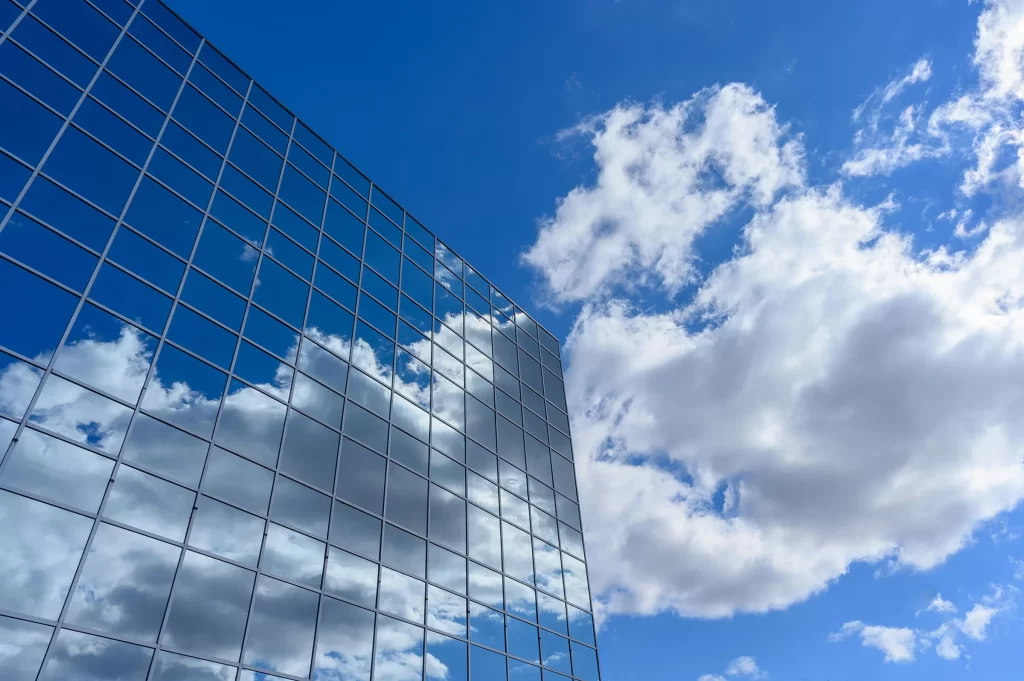
The glass works as a high-performance thermal barrier because it absorbs infrared light (heat). It stops the “greenhouse effect” from happening in the office. This “mindful” design makes HVAC systems work less, which can save up to 20% on air conditioning costs in the summer.
Glare and Light Management
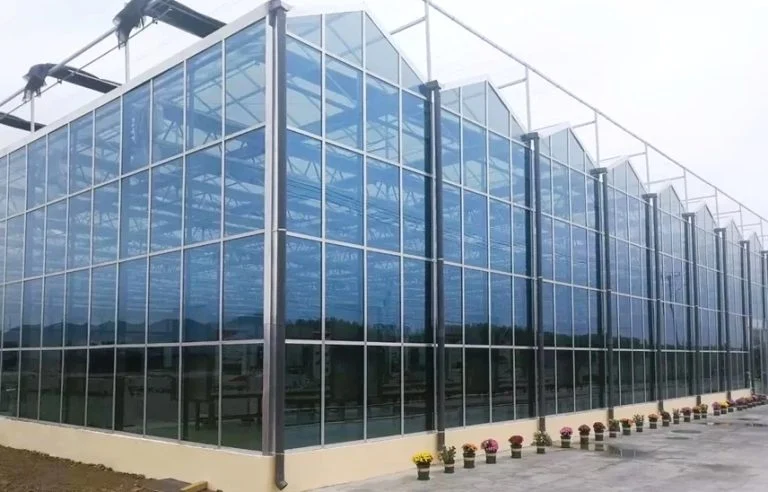
The selective absorption of UV rays helps reduce glare, making the workstation more “empowering” because staff don’t have to keep the blinds closed all day. The amount of natural light stays high, thus there is less need for artificial overhead lighting.
Following the 2026 Net-Zero Mandate
It’s not only about choice when it comes to transparent solar; it’s also about following the rules. New building rules in the EU and North America will make it necessary for commercial builders to follow Net-Zero Energy Building (NZEB) requirements starting in 2026.
- BREEAM and LEED Credits: Installing solar glass is one of the quickest ways to get “Platinum” sustainability ratings, which can raise a property’s market value by more than 15%.
- Carbon Taxes: As the penalties for buildings that emit a lot of carbon rise, solar facades protect property owners financially.
- Corporate Identity: An office that “powers itself” is a “inspiring” way for modern businesses to show clients and employees what their brand stands for.
The Human Element: A Work Environment That Gives You Power
We talk about buildings in terms of kilowatt-hours and carbon tons a lot, but what about the people who live in them? Transparent solar facades are one-of-a-kind because they are “human-centric.”
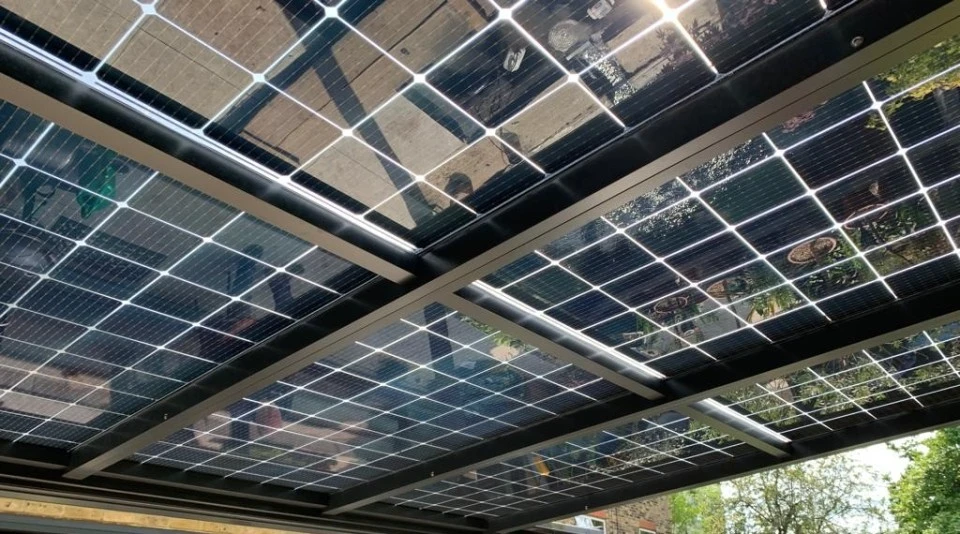
Most “green” buildings utilize small windows to keep the heat out, which can cause “sick building syndrome” and low employee morale. With transparent solar glass, you can see from floor to ceiling and get the most sunlight without the heat loss. Studies suggest that letting in natural light and letting people see the outside world can make people work 12% to 15% more.
Market Outlook: The “Glass Rush” of 2026
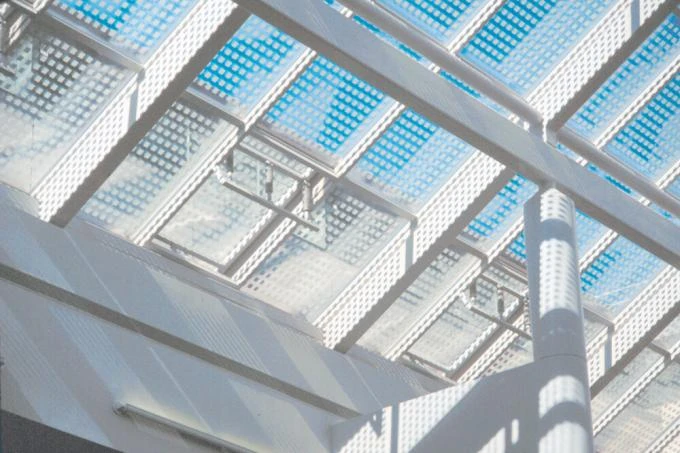
The Building-Integrated Photovoltaics (BIPV) business around the world is going through a “revolutionary” rise right now. Investors are putting billions of dollars into European and North American startups that make thin-film solar coatings.
Experts say that by the end of this year, more than 50 million square meters of solar-integrated glass will be put up around the world. As manufacturing grows, the “Return on Investment” (ROI) for these systems has plummeted to less than 6 years in areas with high energy costs. This makes them a better choice for the economy than traditional glazing.
Conclusion: A Future with a Vision
We don’t need to build more power plants in the countryside to make our cities better; we need to think about the materials we use on our streets. The “sustainable secret” of the modern office is transparent solar facades, which combine the beauty of glass with the usefulness of a power plant.
As we look ahead to 2030, architects and developers no longer ask, “Should we include solar?” Instead, they ask, “Why would we ever build a window that doesn’t produce power?”
For more blogs like this CLICK HERE!!
Reference:
Solar Windows: The Future of Transparent Energy – Convert Green