Heat is an invisible, never-ending adversary that is attacking the modern metropolis. The Urban Heat Island (UHI) effect has made our streets into thermal traps as concrete jungles grow all over the world. In big cities like Paris and Tokyo, summer temperatures in the city center might be 10 to 12 degrees Celsius higher than in the countryside around them. This isn’t simply an annoyance; it’s a public health catastrophe and a huge drain on our power grids.
What if the answer to cooling our cities made of glass and steel wasn’t found in a chemical lab, but in the ashes of last season’s crops?
Transformative Biochar Cladding is here. In 2026, this “mindful” new idea will go from being tested in prototypes, like the net-zero housing units that companies like ELEMENTAL showed off at the Venice Biennale, to being used in regular buildings. It is the first shield in the world that is really carbon-negative. It takes agricultural waste and turns it into a living, breathing skin for the skyscrapers of the future.
What is Biochar Cladding? The Alchemy of Carbon
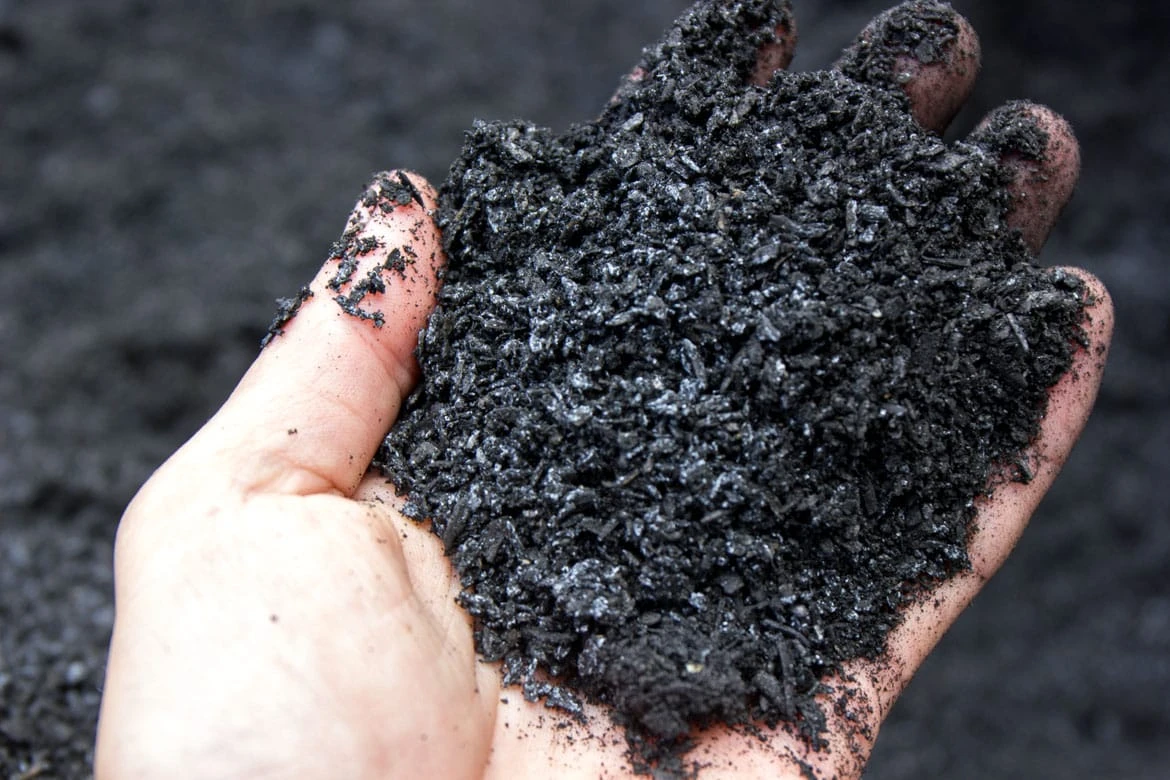
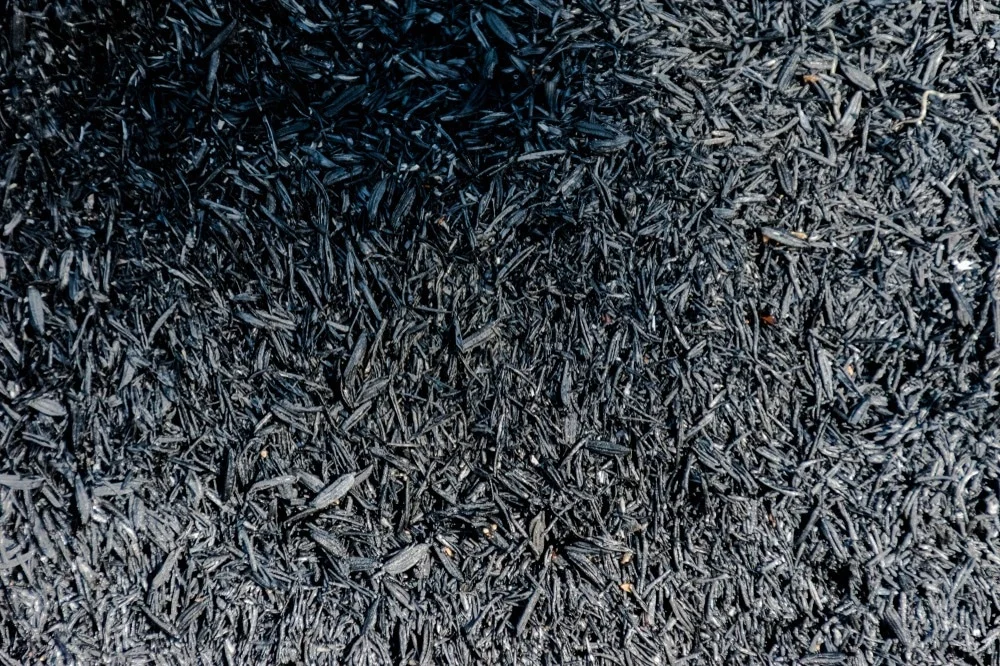
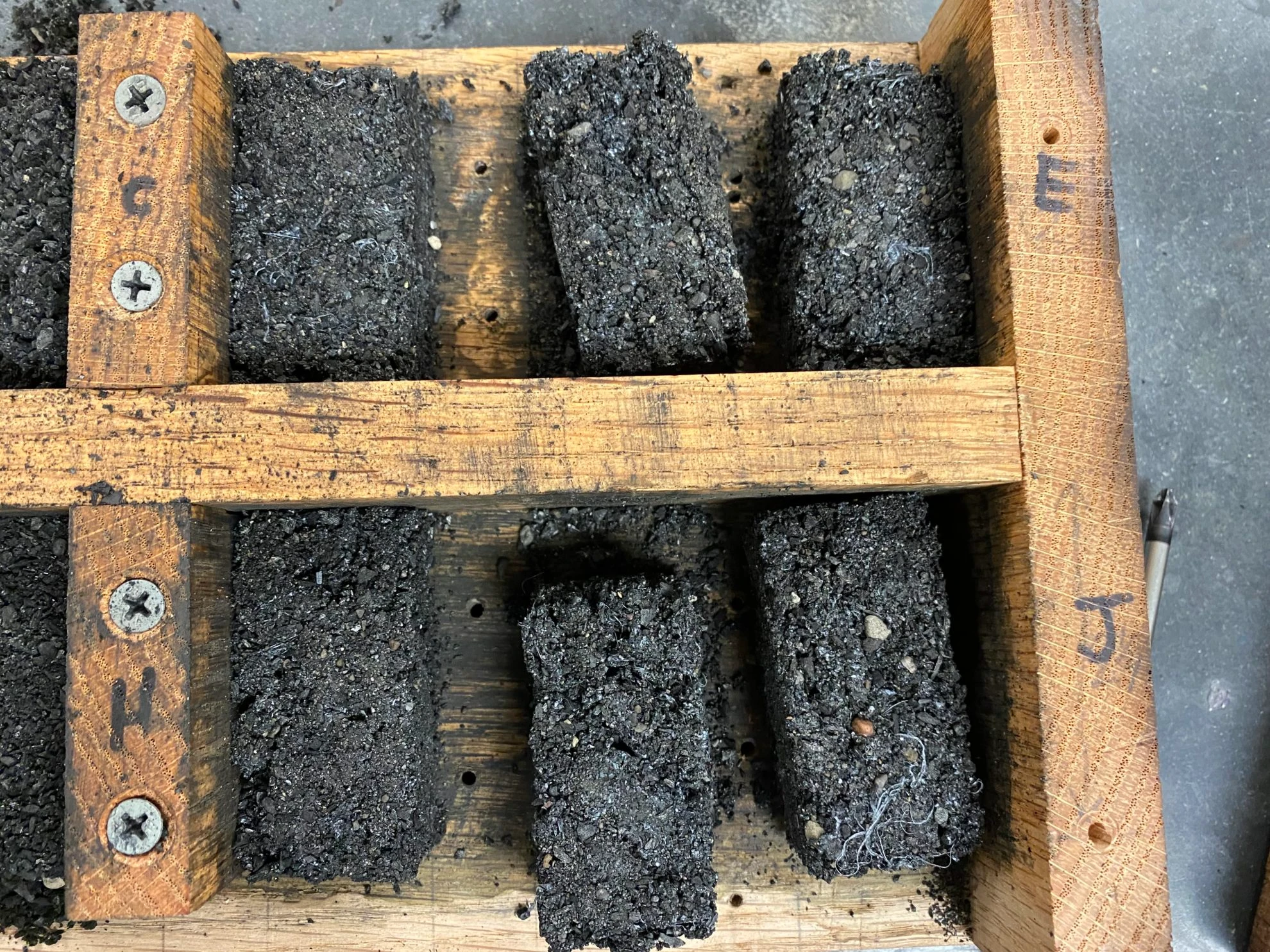
We need to learn about pyrolysis, an old technique, before we can grasp biochar cladding. We make “biochar” by heating organic material, like rice husks, corn stalks, and forest detritus, in a place with no oxygen. This isn’t just regular charcoal; it’s a stable, hard-to-break-down kind of carbon that can survive for thousands of years without breaking down.
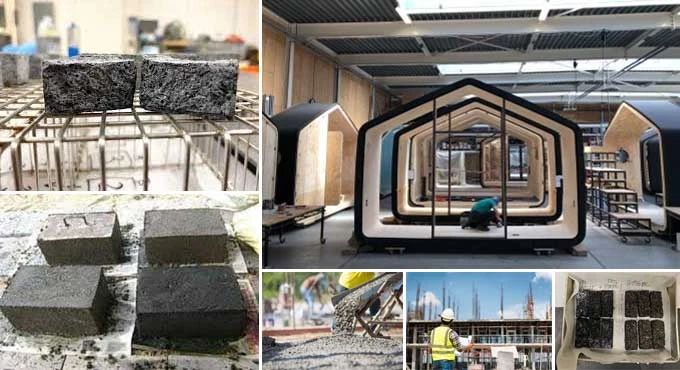
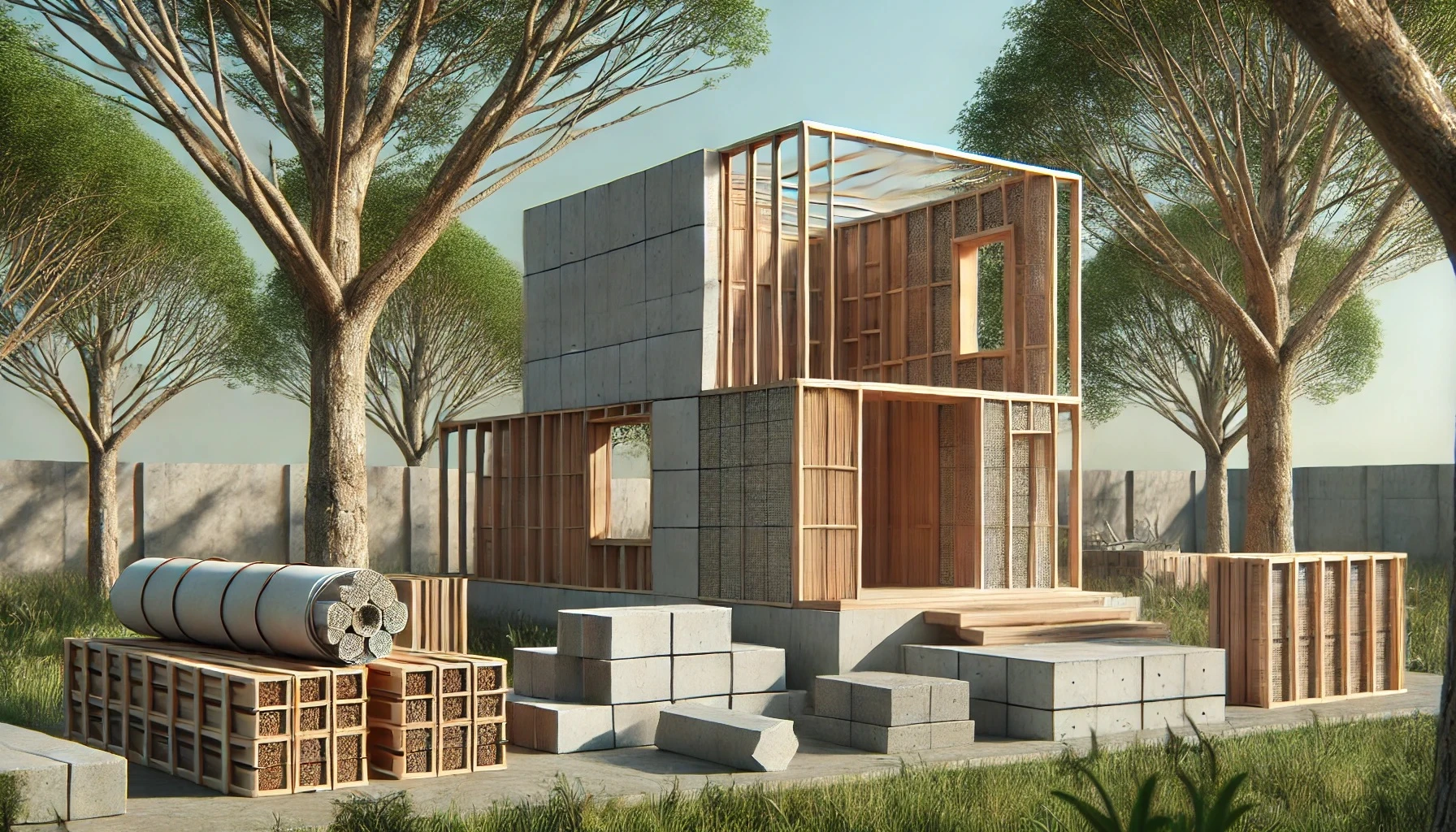
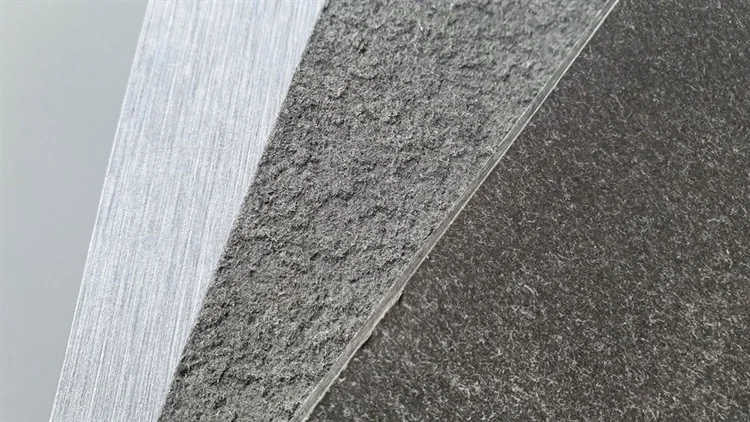
When architects talk about Biochar Cladding, they mean facade panels or lime-based renders that use biochar as the main material. The Ithaka Institute and other leading innovators have shown that mixing biochar with clay or mortar makes a material that is five times lighter than regular plaster but much stronger. These panels have a rough, natural look that feels “soulful” and grounded, which is very different from the sterile, heat-reflecting surfaces of the 20th century.
The Passive Cooling Movement
Concrete and steel, which are common building materials, are “thermal sponges.” They soak up sunlight all day and release it back into the air at night, which keeps our streets from ever really cooling down. Biochar cladding changes this.
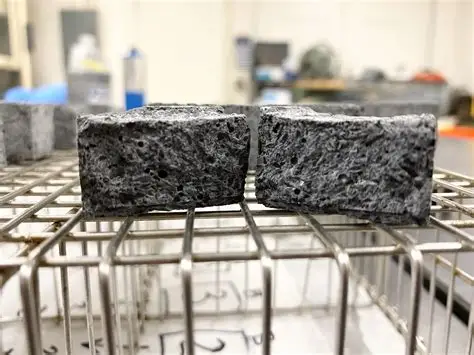
- Low Thermal Conductivity: Biochar is one of the best natural insulators on the planet. Its porous construction stops heat from moving through it, keeping the sun’s energy on the outside and the inside cool and comfortable.
- Thermal Buffering: Biochar has a large “thermal mass,” which means it doesn’t heat up as quickly as metal does. It takes a long time for it to absorb heat and an even longer time for it to release heat, which levels out the temperature curve of a building.
- A Shield for the Streets: Biochar panels can lower the temperature of the air on a narrow city street by up to 4°C by lowering the “heat flux” from building facades. This makes it feel like a breath of fresh air for people walking by.
The Moisture Miracle: A Building That Breathes
The most “mindful” thing about biochar is how it interacts with water. This stuff doesn’t just sit there; it moves around in the air like a living thing.
- The Evaporative Cooler: Biochar can soak up five times its weight in water. The cladding “drinks” up the moisture when it’s humid in the morning or when it rains in the summer. The water goes away when the sun hits the building in the afternoon.
- Sweating for the Planet: This process of evaporation uses thermal energy, much like skin does. This makes the wall cooler all the time, which can lower the surface temperature by 10 to 15 degrees Celsius compared to regular brick.
- Internal Harmony: Biochar keeps indoor humidity at the perfect level of 45–70% when used as an internal plaster. This keeps the air from getting too dry, which can cause breathing problems, and it stops condensation, which can cause mold. This keeps the people who live there healthy and the building strong.

The Carbon-Negative Gold Standard: More Than “Low Carbon”
In 2026, being sustainable isn’t about doing “less harm” anymore. It is about restoring things actively. Biochar is the best way to make this change because it acts as a carbon sink.
Every ton of biochar made “locks away” about 2.5 to 3 tons of CO2e that would have been released if the agricultural waste had decomposed or been burned. When we put biochar panels on a tower, we’re not just building an office; we’re also making a vertical forest of carbon that’s been stored.
Acoustic Sanctuary and Hidden Protection
Biochar has benefits that go beyond the climate that are “inspiring.” Biochar cladding protects our mental health in a world that is loud and always connected.
- The Sound Sponge: The same tiny holes that hold water also hold sound waves. Biochar is a great sound absorber, which makes it a great choice for schools, hospitals, or residences near busy airports or highways.
- Electromagnetic Shielding: New research has shown that biochar can absorb electromagnetic radiation (EMI) in a way that no other material can. In a time of 5G and Wi-Fi everywhere, biochar cladding functions like a “Faraday cage” to block the radiation that is always in the air in modern offices.
The Economic Logic: Return on Investment in the Green Economy
Is biochar cladding more costly? At first, making high-quality pyrolysis may cost more than making regular stucco. But the Return on Investment (ROI) in 2026 is clear:
- Energy Savings: Buildings covered in biochar can use 25% less energy for heating, cooling, and air conditioning.
- Carbon Credits: New rules that will go into effect in 2026 would let developers sell the “sequestered carbon” in their walls as high-value carbon credits to companies like Microsoft or Shopify, which are currently paying record prices for biochar credits.
- Longevity: Biochar doesn’t rot, it’s naturally fireproof (since it has already been through the fire of pyrolysis), and it keeps the structure underneath it safe from water damage.
Conclusion: Building with a Soul
The transformative biochar cladding shows us that we don’t have to choose between old and new ways of doing things. We are making the future better by taking the “waste” of the earth and putting it in our cities for good. The future will be cooler, greener, and more aware.
We aren’t just making shelters anymore; we’re making systems that work with the planet. We aren’t simply seeing a new fashion when we look at the dark, exquisite facades of the biochar revolution. We are seeing a city that has finally learnt how to cure itself.
For more blogs like this CLICK HERE!!
Reference: