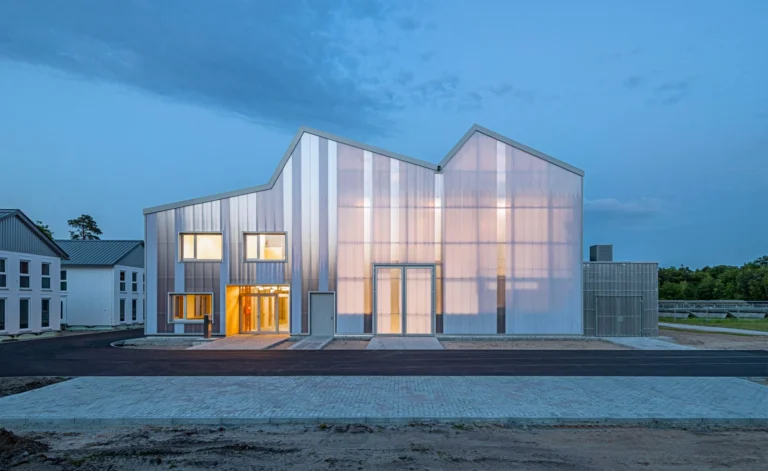
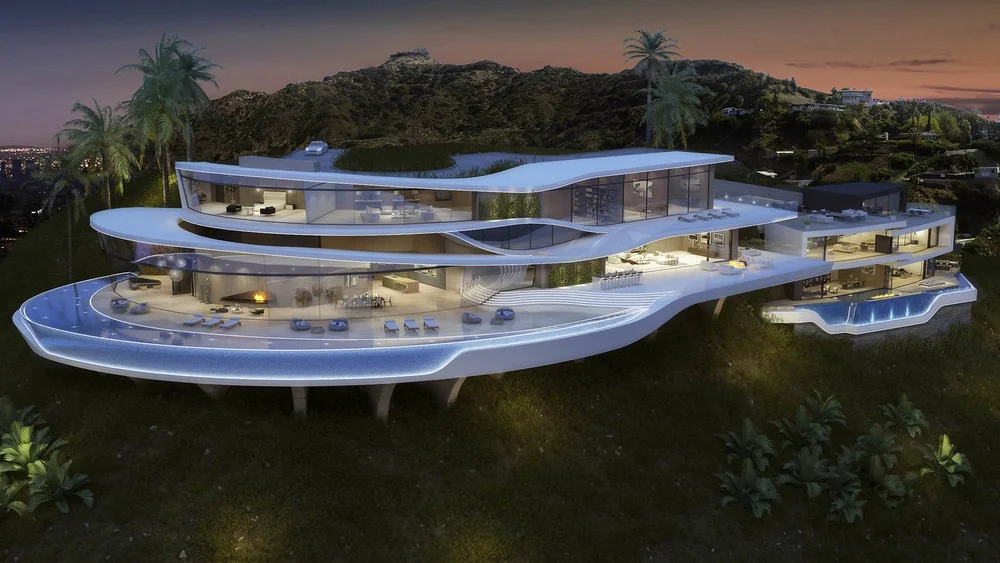
The meaning of luxury architecture is changing a lot. It’s becoming less common to define high-end homes by their size or how fancy they are. The best status symbol in 2025 will be a home that serves as a truly personal retreat, improving daily life, promoting health, and working with its surroundings.
This new style of design is known for its elegance, originality, and, most significantly, the careful selection of materials and systems. We have looked at the new trends and picked out the most important and exciting architectural styles that will influence the future generation of luxury residences.
The Strength of “Quiet Luxury”: Soft Minimalism
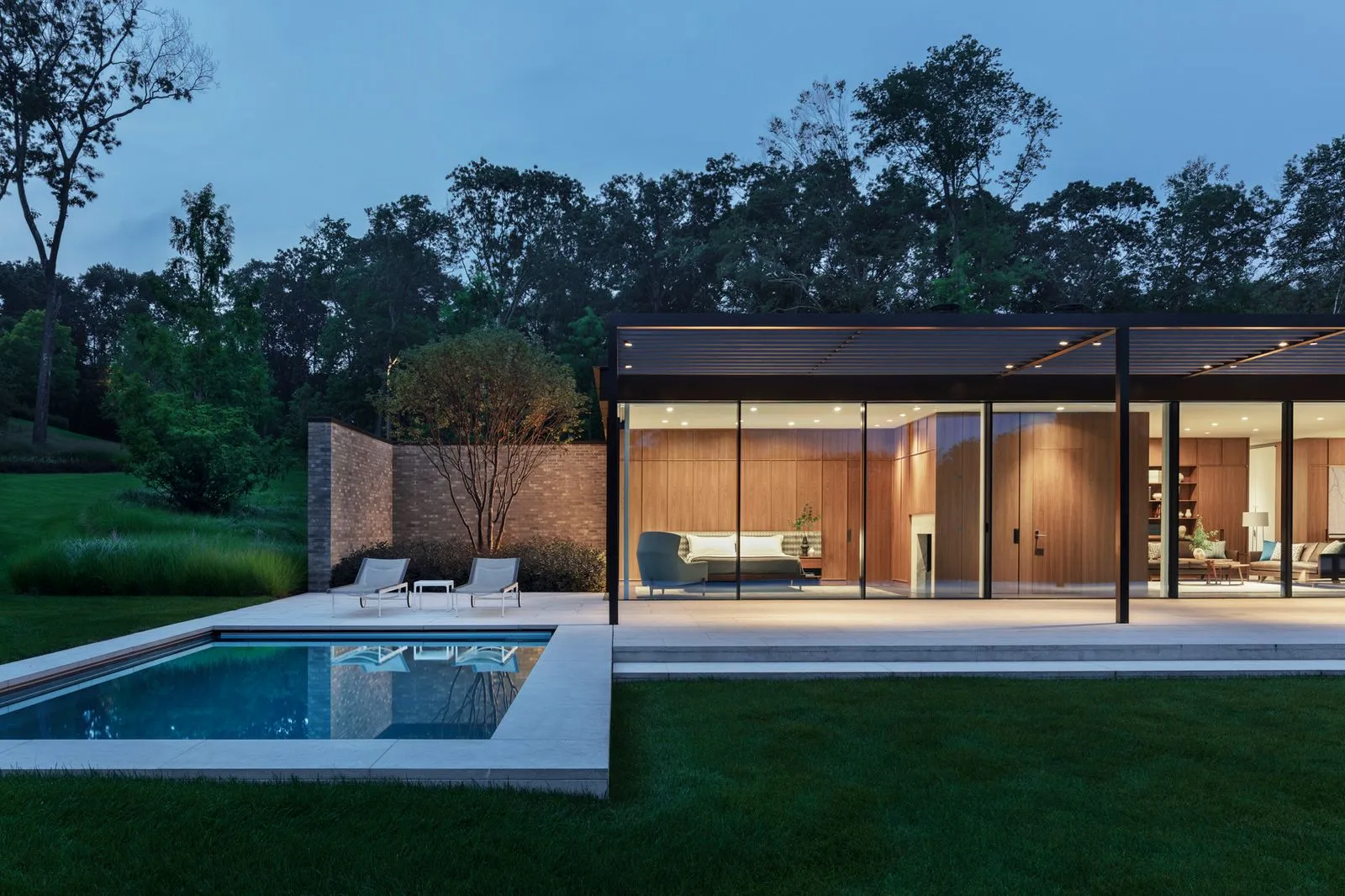
For a long time, the name “minimalism” made people think of spaces that were bare, frigid, and frequently unwelcoming. By 2025, this fashion has grown into a much warmer and more tactile style called Soft Minimalism. This is perhaps the most popular architectural style in the high-end market right now.
A Focus on Simple, Soulful Things
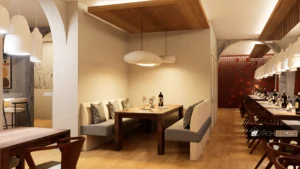
Soft Minimalism takes the basic ideas of its predecessor—clean lines, big open spaces, and a smooth visual flow—and adds warmth and personality to them. The main thing to think about now is the quality of the materials and how well you know how to use light.
- Warmth in Texture: Finishes that invite touch are replacing surfaces that are too smooth and shiny. You may expect to see natural, earthy materials like matte wood, textured stone (like limestone and travertine), and even brick used to give the space depth and character. The new hallmark of sophistication is this difference in texture.
- The Intentional Palette: Neutral color schemes, like muted greens, warm browns, taupes, and stone grays, create a calm, grounding background. These colors make the home’s architectural characteristics stand out instead than fighting with them.
- Uncluttered Living: Designers are expertly using hidden storage and built-in systems to make sure that utility never gets in the way of the visual serenity. There is nothing extra; everything is on purpose.
Biophilic Design: Nature as a Partner in Design
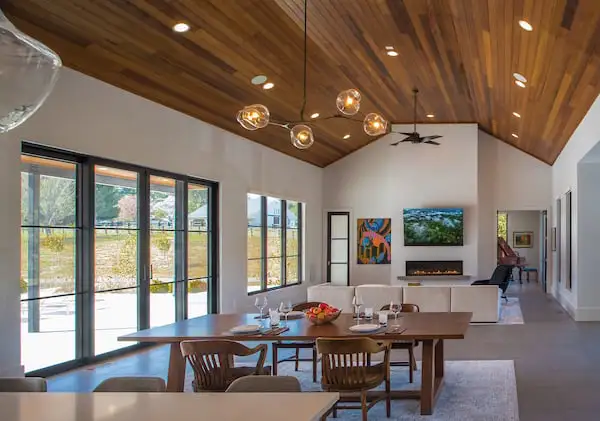
As our lives become more computerized, we have a basic need to reconnect with nature. Biophilic Design, which is what this philosophy is called, is no longer just a nice touch. It is now a basic design principle for high-end homes. It sees the home as part of the ecology around it, not something that keeps it out.
Smooth Transition Between Indoor and Outdoor
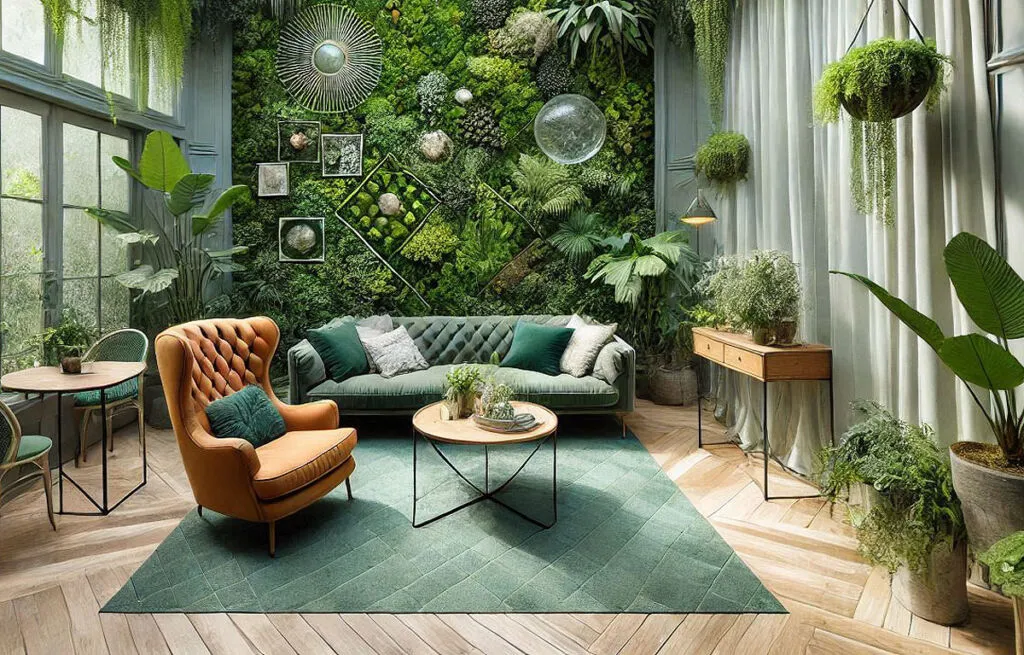
This style is best shown by getting rid of the visual and physical lines that separate the inside from the outside.
- Glass Walls and Views: Floor-to-ceiling glass walls and large window systems are made to do more than just let light in. They also frame the view as if it were a piece of art. Retractable walls are a must-have because they let rooms inside instantaneously connect with patios, decks, or terraces.
- Integrated Greenery: In addition to just potted plants, luxury residences in 2025 have architectural features like interior gardens, entire green walls (or living walls), and internal courtyards.
- Organic Materials: Using raw, natural materials like exposed wood beams and unpolished stone gives the space a tactile link to the outside world, which can help people feel better and more at peace.
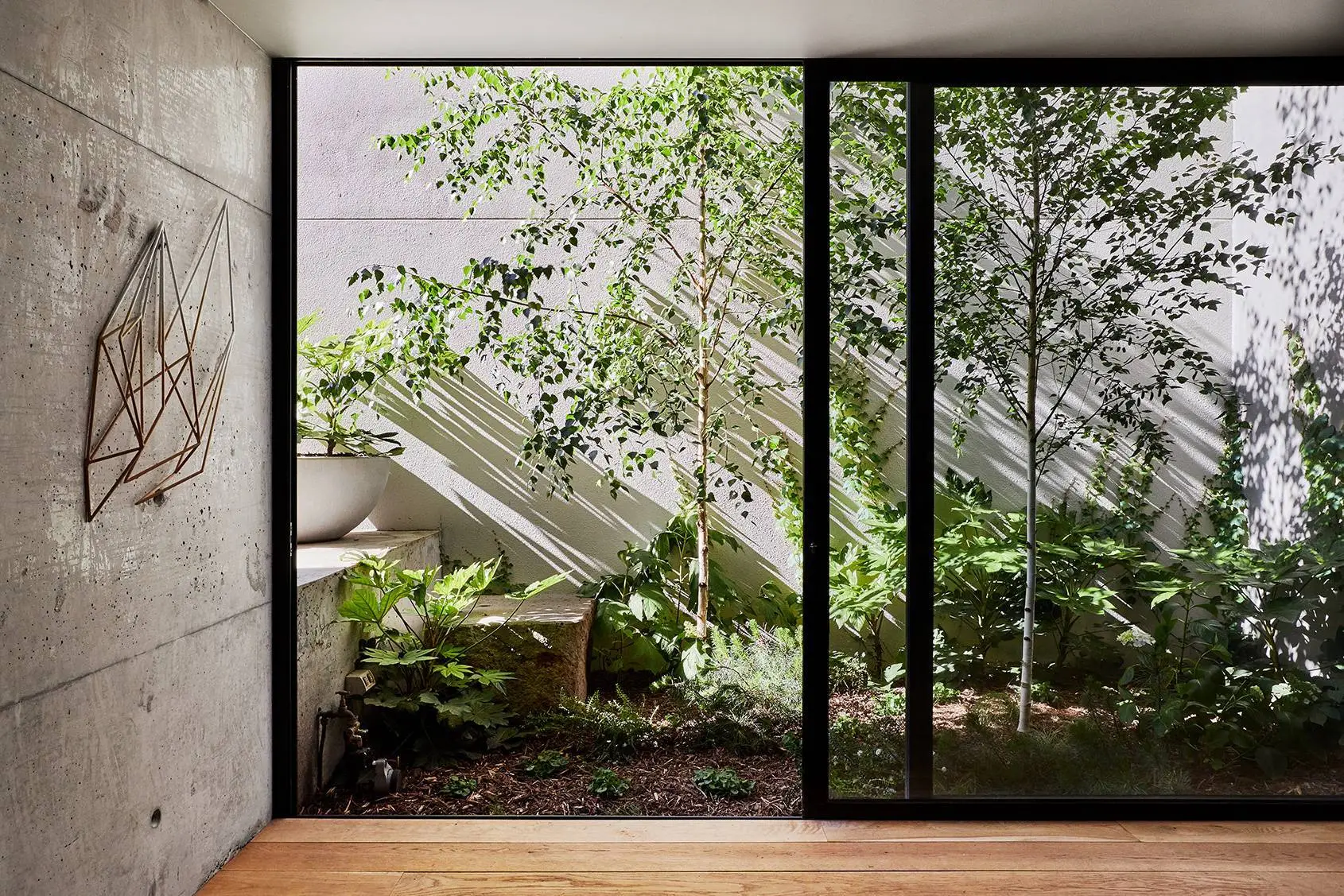
The Wellness Sanctuary Just for You
After the epidemic, a house should be a place where both the body and the mind can relax. Wellness-centered design is increasingly a must-have in high-end architecture. It turns regular rooms into private spas and exercise centers that help people feel better.
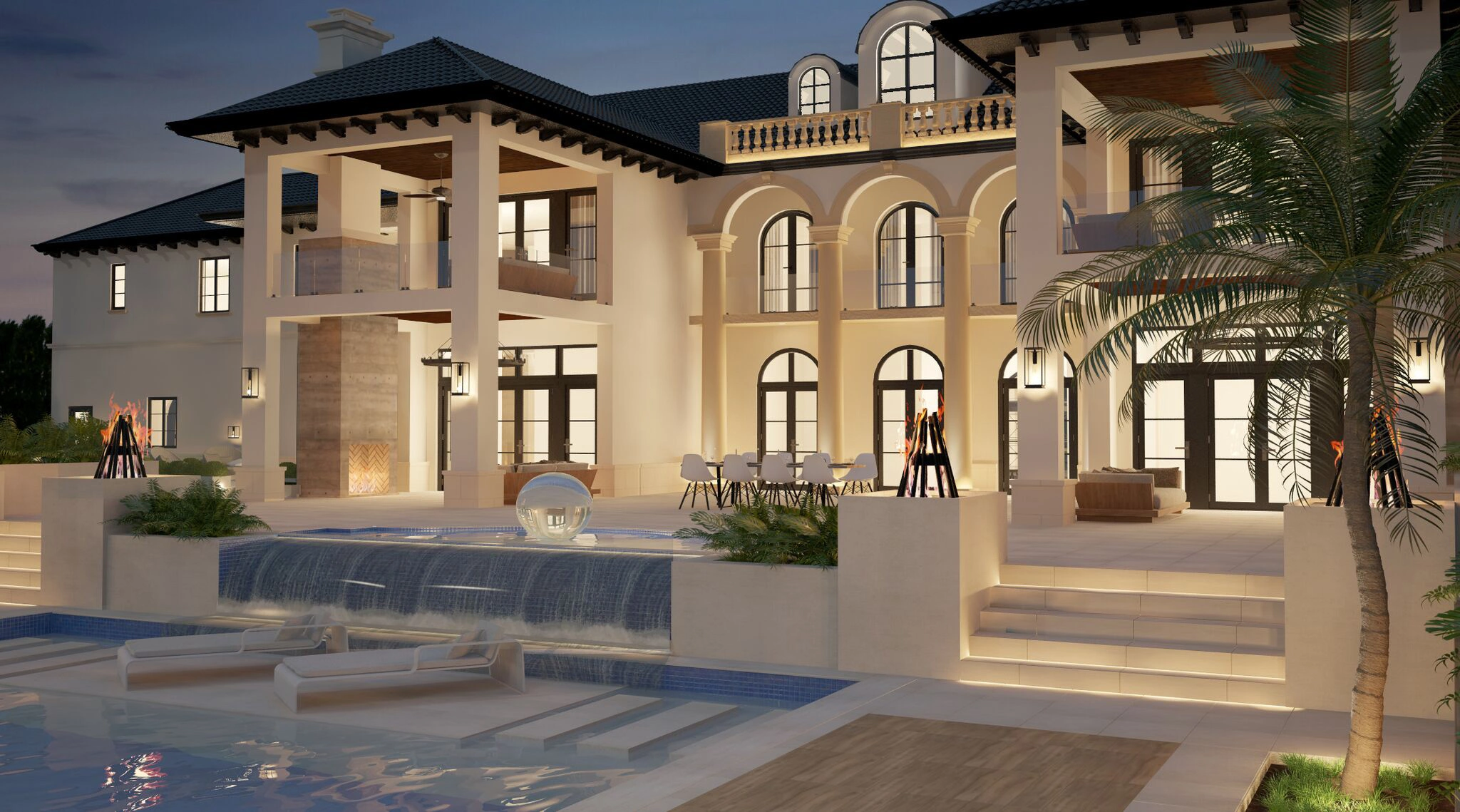
Outside of the Home Gym
- Spa-Grade Amenities: The new notion of luxury includes things like cold plunge pools (a big trend for 2025), infrared saunas, salt rooms, and steam showers with chromotherapy lighting and aromatherapy systems.
- Designing for the Soul: Meditation rooms and yoga studios are being custom-designed to be places where people can think quietly. Also, new elements like soundproofing and unique ventilation systems keep the indoor air clean and calm.
- Spaces that can be used for many things: The ideas for 2025 include layouts that can be changed to fit different needs, especially for people who work from home. This includes custom joinery and walls that make it easy for a room to change its purpose, such turning from a quiet home office during the day to a fun place to hang out at night.
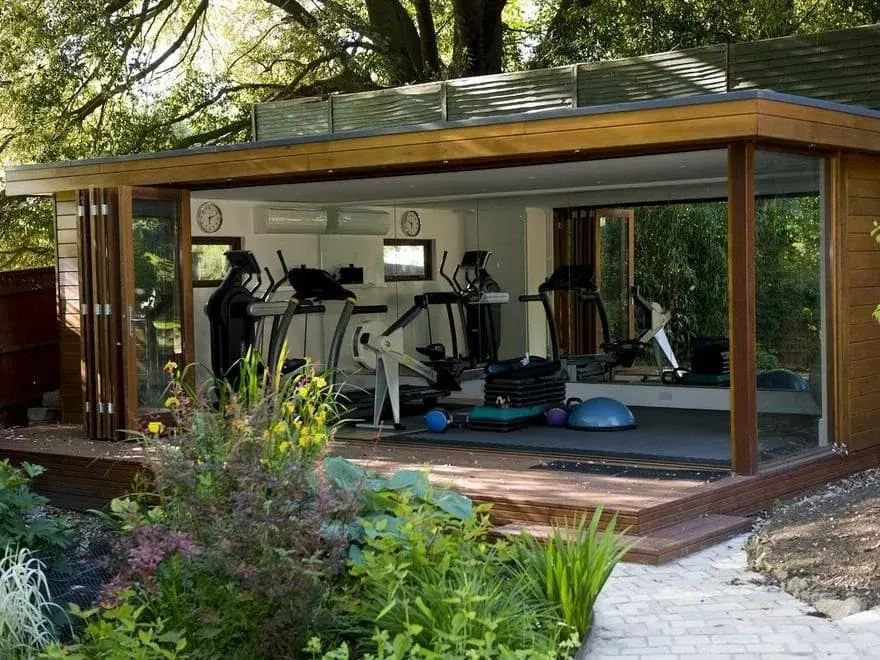
Technology That Is Not Seen And Luxury That Lasts
Sustainability is no longer just a nice-to-have; it is a must-have for luxury homeowners who know what they want. This is combined with advanced technology that works perfectly in the background.
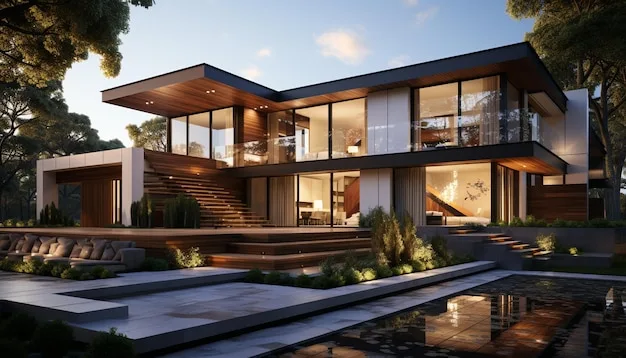
Eco-Friendly Excellence
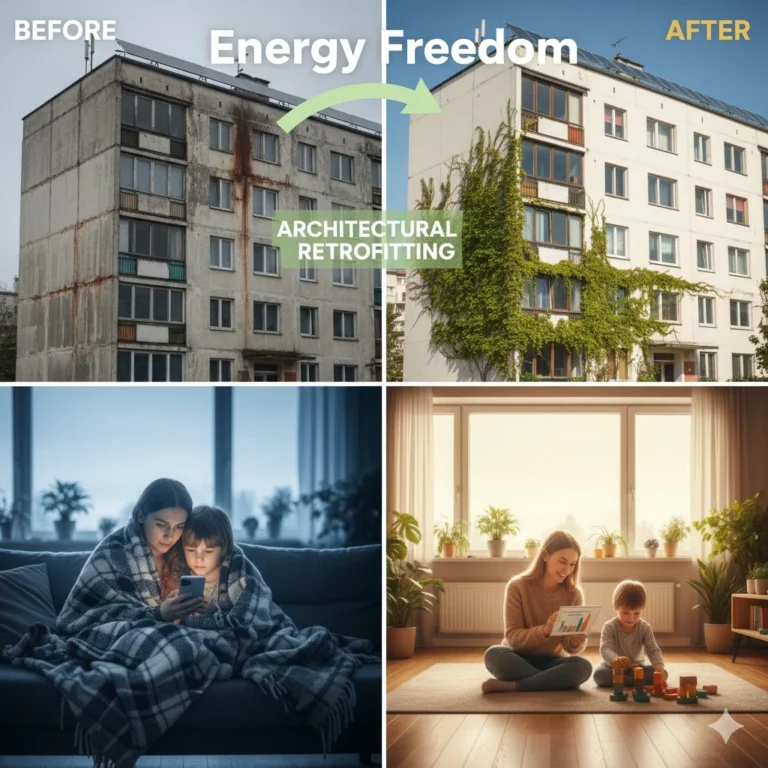
- Net-Zero as Standard: Many new projects are trying to reach Net-Zero Energy Home status by using passive design principles, enhanced insulation, and renewable energy sources like solar roofs that are already on the property.
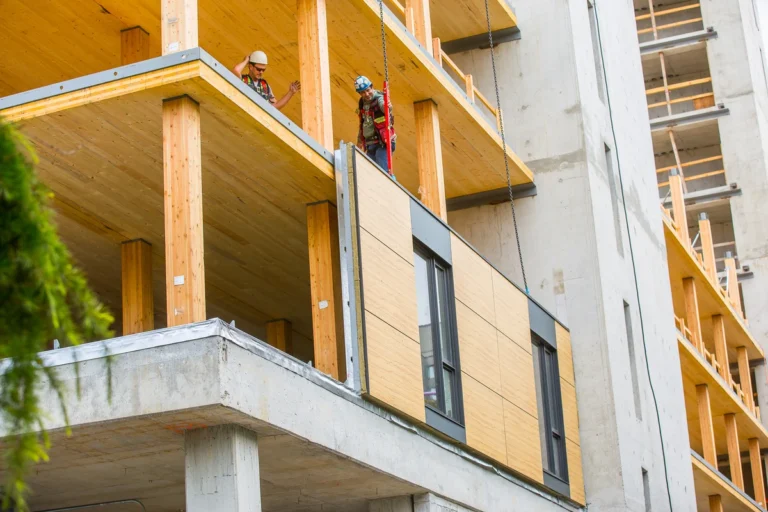
- Material Integrity: Architects are paying more and more attention to the embodied energy of materials. They prefer low-carbon concrete, recycled metals, and sustainably produced wood. This shows that being eco-friendly may also mean being of the highest quality.
Homes That Are Smart Becoming More Subtle
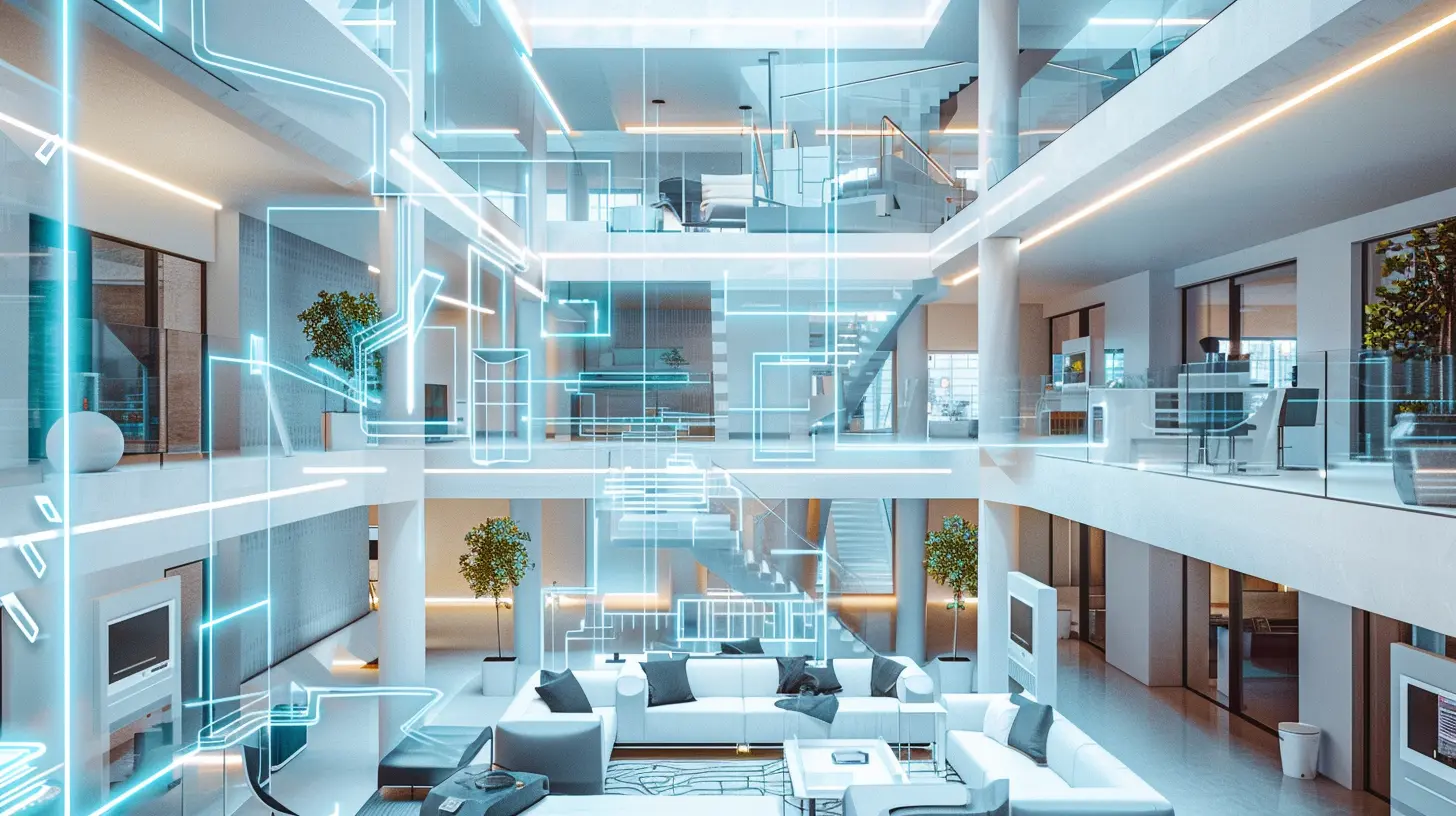
In 2025, technology will be all about being subtle. Systems need to make things better without making them more cluttered.
- Seamless Integration: Smart home technology is built right into the architecture. This includes automated lighting and climate controls that learn how people use them and speakers that are built in and can’t be seen.
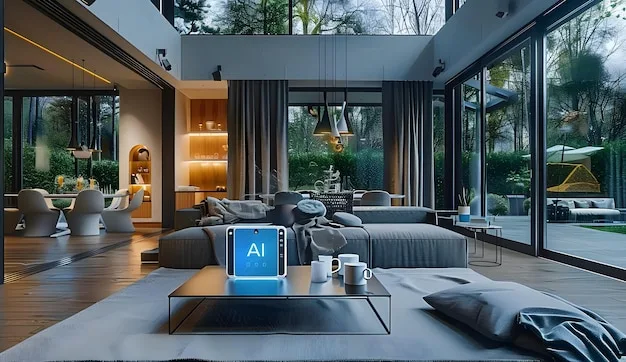
- AI Personalization: Newer AI-powered systems can personalize a house like no other technology can. They can change the atmosphere and mood to match the homeowner’s mood, time of day, or activities.
Craftsmanship By Hand and Design That Lasts
Finally, the move toward personalization shows how much people want unique, custom-made things. People who want to buy a true luxury property want something that will last beyond short-lived trends.
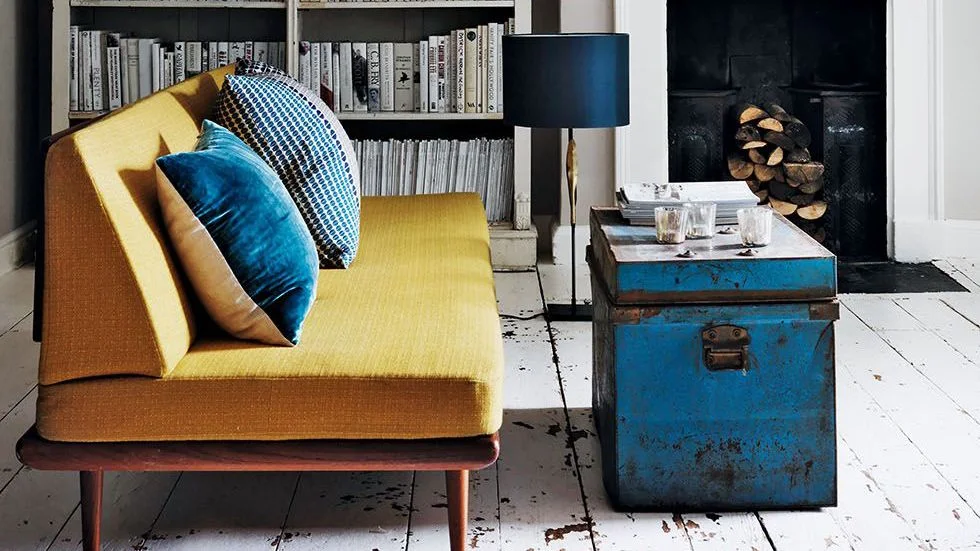
- Bespoke Details: Homeowners are spending money on handcrafted, artisanal items like custom-made sculptural staircases, unique lighting fixtures, and custom furniture made from rare woods. This focus on craftsmanship makes sure that the home is a showcase of carefully chosen personal art.
- Combining Old and New: A sophisticated trend is to mix historic architectural styles, like those from the Arts & Crafts movement or Neoclassical forms, with modern interiors. This gives the space a unique and deeply established sense of character.
`
The Future of Luxury is Planned
The forms of architecture for luxury homes in 2025 make it evident that the best high-end home is one that is built with a purpose. It is a beautiful home because of its simple design, and it stays beautiful because of its dedication to health, well-being, and caring for the environment. These homes are defining the new gold standard for high-end living by using Soft Minimalism, Biophilic principles, and seamless integration.
Reference:
Top 10 Architectural Styles for Luxury Residences in 2025
For more blogs like this CLICK HERE!!