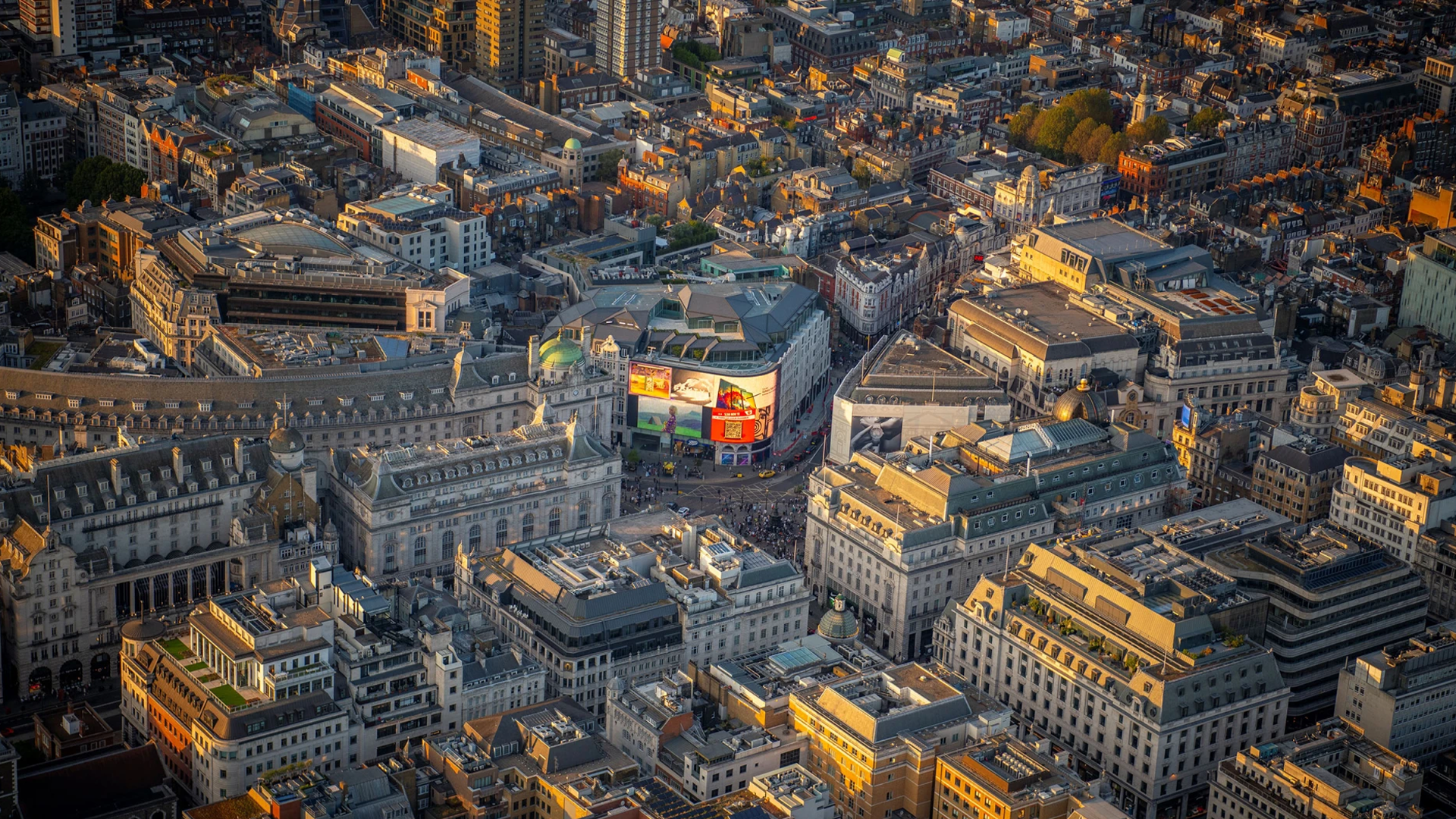
Imagine waking up and knowing that everything you need for a great day—your office, a new loaf of bread, your doctor’s office, and a beautiful green park—is only a short, pleasant walk or bike ride away. No traffic jams, no long, boring commutes, and you don’t need a two-ton metal box to get a gallon of milk.
This isn’t a fantasy world or a scene from an old movie; it’s a strict, data-driven approach for city planning called the 15-minute city. This “chrono-urbanism” way of life is becoming quite popular thanks to Professor Carlos Moreno and leaders like Paris Mayor Anne Hidalgo.
What is a 15-Minute City, Exactly?
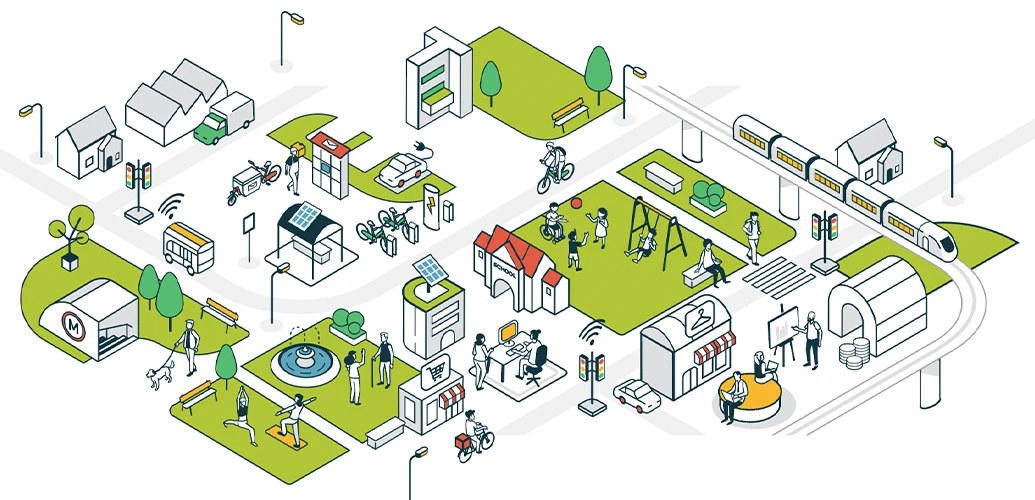
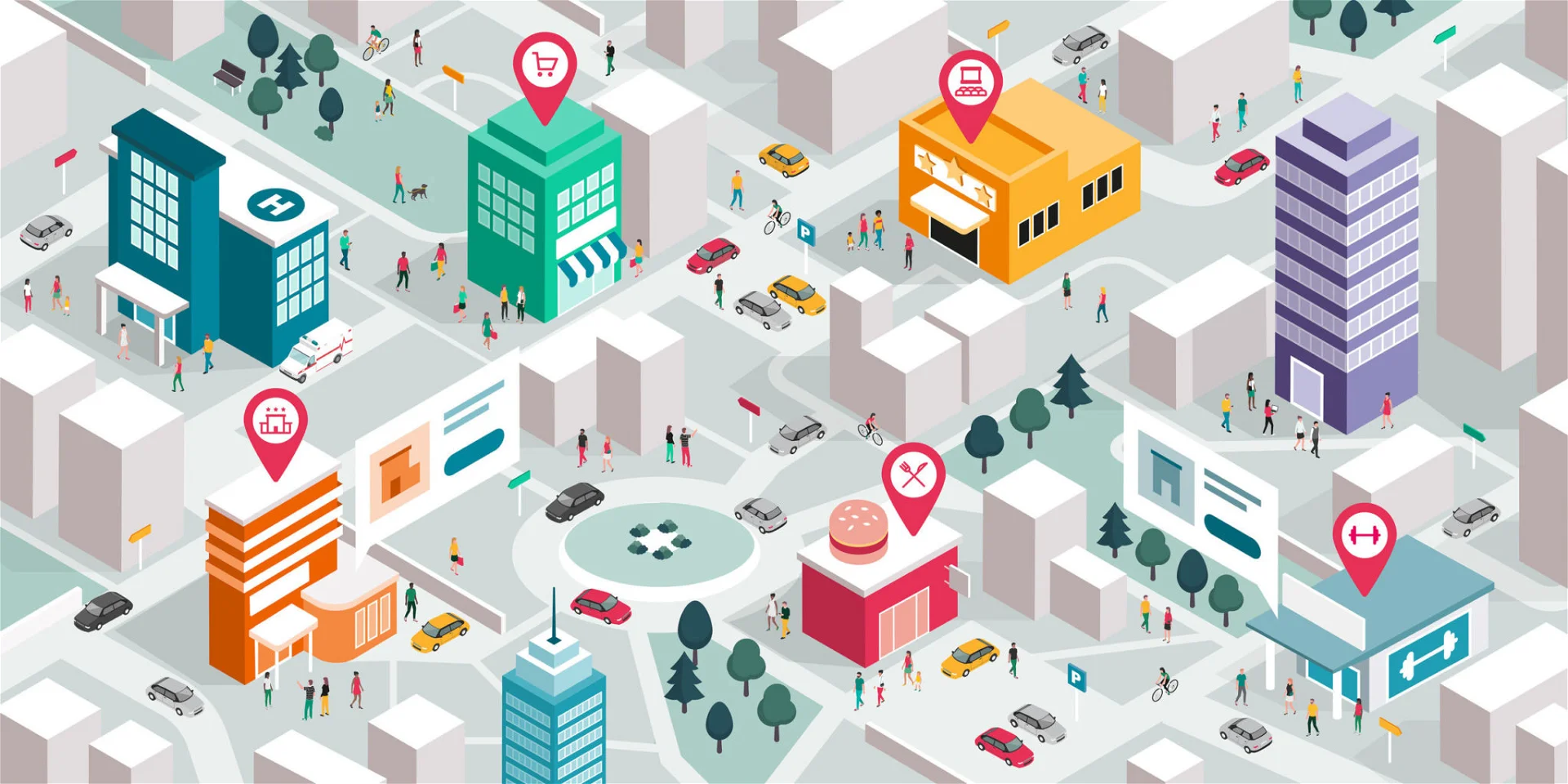
A 15-minute city (FMC) is a type of city where everyone can go to six important social services within a 15-minute walk or bike ride from their home. The idea is to make a “polycentric” metropolis where each neighborhood is its own center of activity.
The Six Essential Pillars
- Living: Housing that is high-quality and diverse, so that people with different incomes can live there.
- Working: Local workplaces, co-working spaces, or a reliable way to work from home.
- Supplying: Easy access to supermarkets, pharmacies, and other important stores.
- Caring: clinics, wellness centers, and specialized care in the area.
- Learning: Schools, libraries, and job training centers are all within a safe walking distance.
- Enjoying: parks, community centers, theaters, and busy public squares.
We stop seeing the “Central Business District” as the sole place to go and start seeing the “Neighborhood” as the center of human life when we decentralize these services.
The Heart of the Movement: Why “Accessibility” Makes You Feel Strong
Reclaiming the Gift of Time
The “return of time” is the best thing about the 15-minute city. You get back 90 minutes of your life every day when you get rid of a 45-minute commute. That’s almost eight hours a week. In a heartwarming change, that time is typically spent on things that matter, like helping a child with their homework, visiting an elderly neighbor, or just enjoying a sunset in a nearby plaza. This change from “time cost” to “time value” is the best thing that can happen to a modern resident.
Accessibility as Social Justice
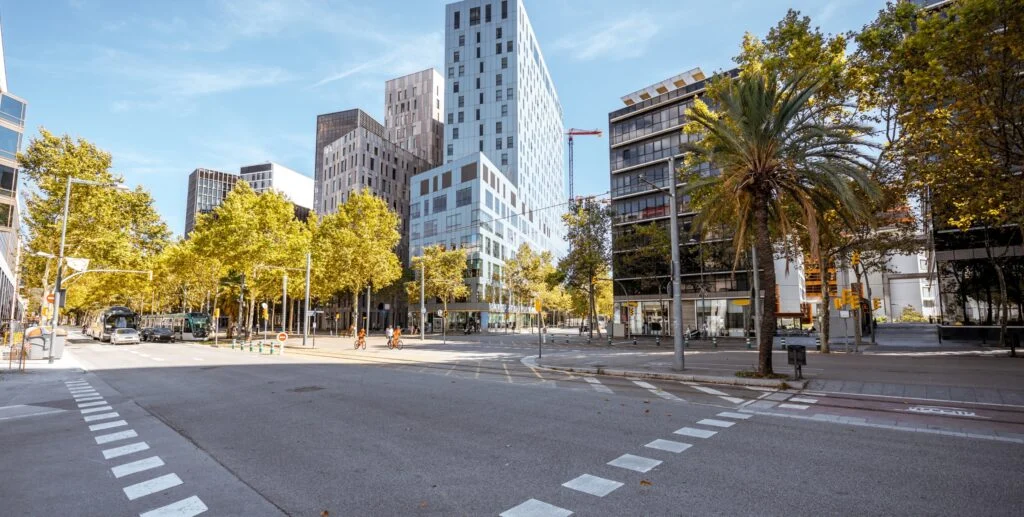
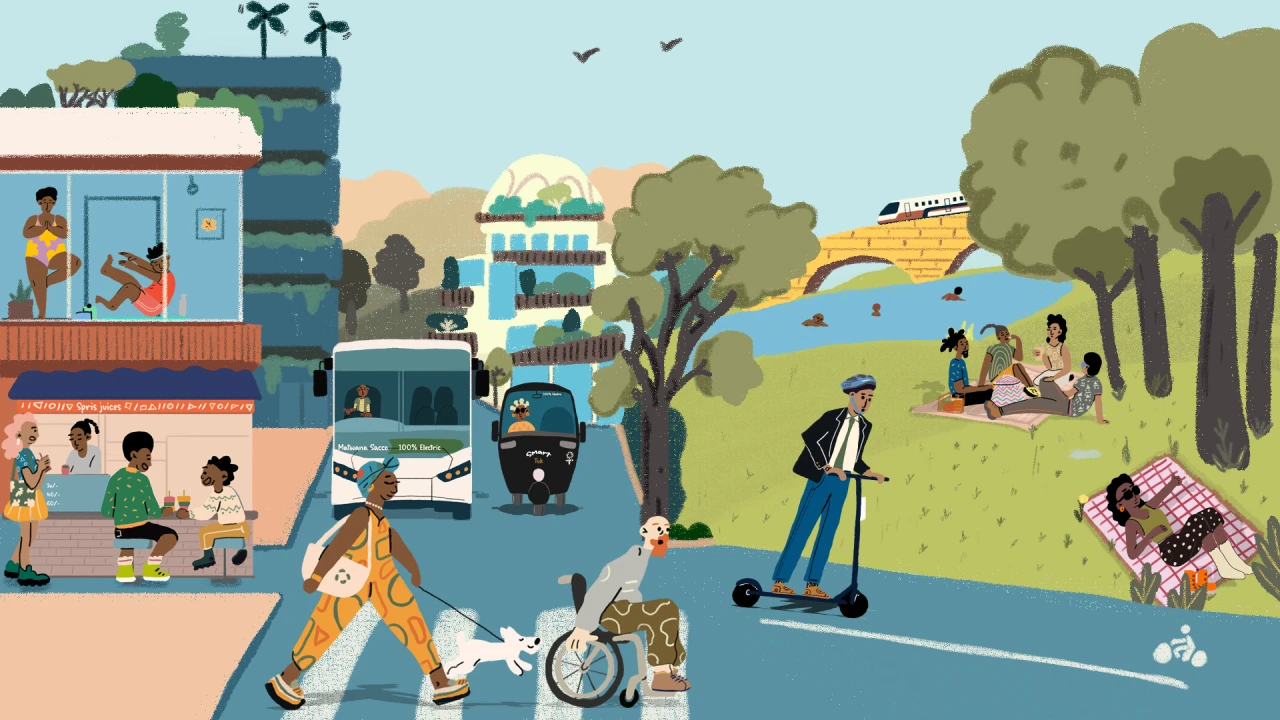
For too long, city planning has been biased toward middle-class, able-bodied people who own cars. The 15-minute city is naturally open to everyone. We give “vulnerable” residents more power by making broad, clear walkways, tactile paving for people with vision problems, and safe bike lanes a priority. A city that works for everyone is one where an 8-year-old can ride to school alone and an 80-year-old can go to the pharmacy with a cane.
The “Third Space” and Mental Well-being
Humans are social creatures, but car-centric designs often lead to “urban loneliness.” Fifteen-minute cities encourage people to interact with each other by making “Third Spaces,” or locations that aren’t home or work, including community gardens and pocket parks. When you see a familiar face at the neighborhood bakery, it’s not simply a transaction; it’s a small social interaction that lowers cortisol, anxiety, and promotes community resilience.
Global Icons: 15-Minute Cities in Action
Cities all around the world, from Europe to South America, are showing that this model isn’t just possible; it’s better.
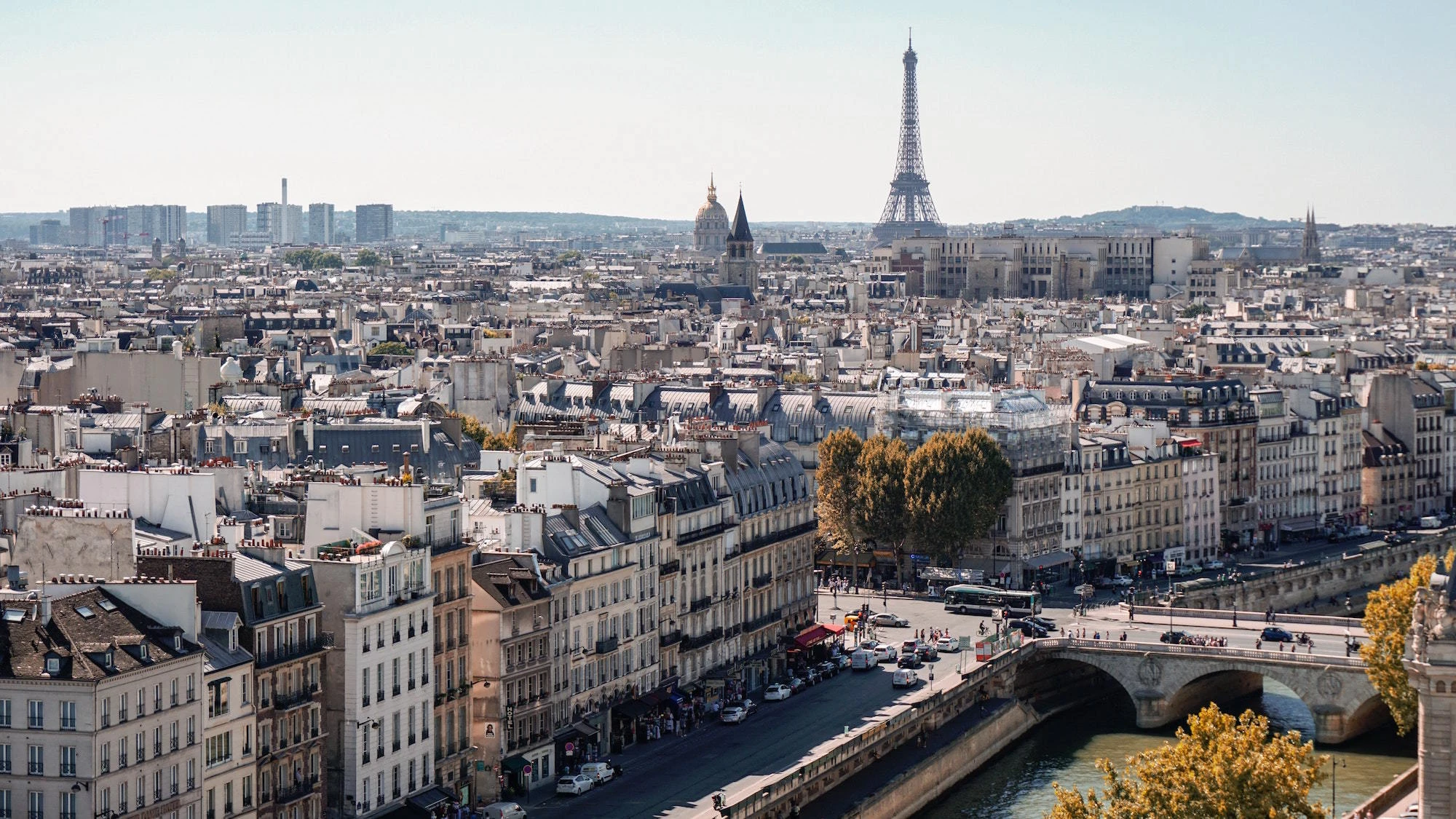
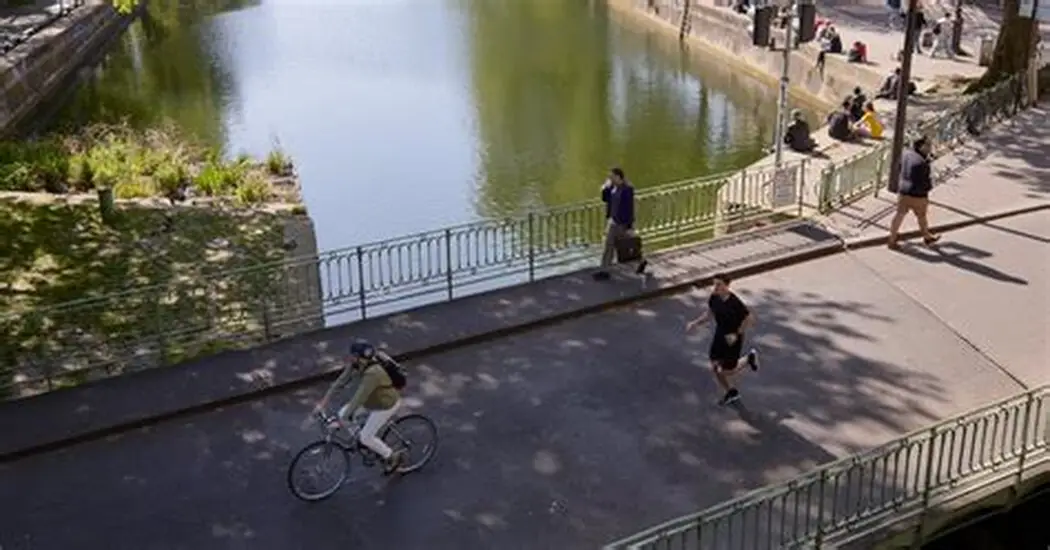
The “Ville du quart d’heure” project in Paris, France, has turned the Seine’s quays into pedestrian-only areas and schoolyards into “climate oases.” People can now use these schoolyards beyond school hours, which gives them green space in busy areas.
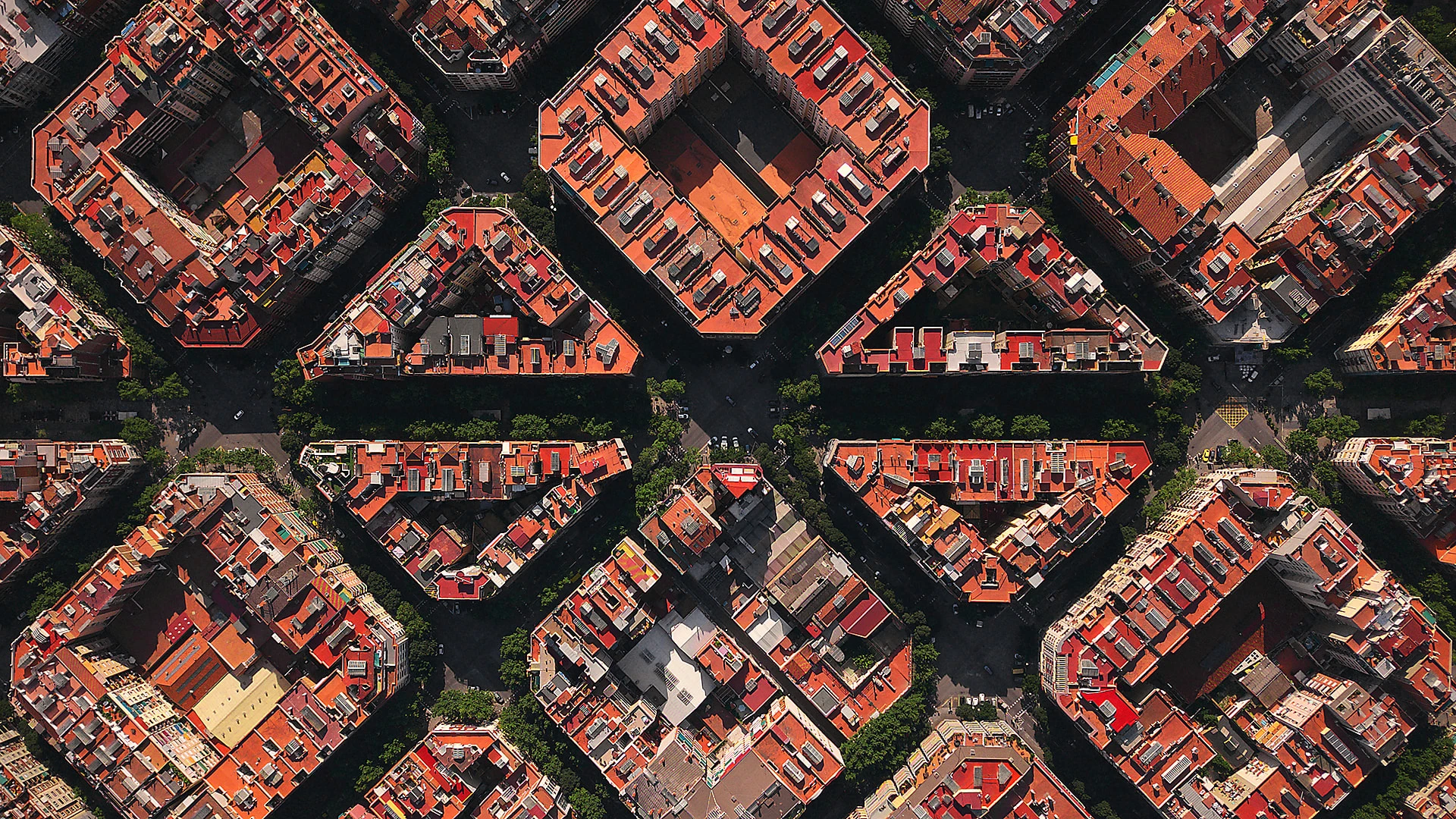
The “Superblock” model is probably the most well-known in Barcelona, Spain. By putting nine city blocks together and moving through-traffic to the edges, the internal streets are turned into “citizen spaces” with trees, playgrounds, and outdoor seating.
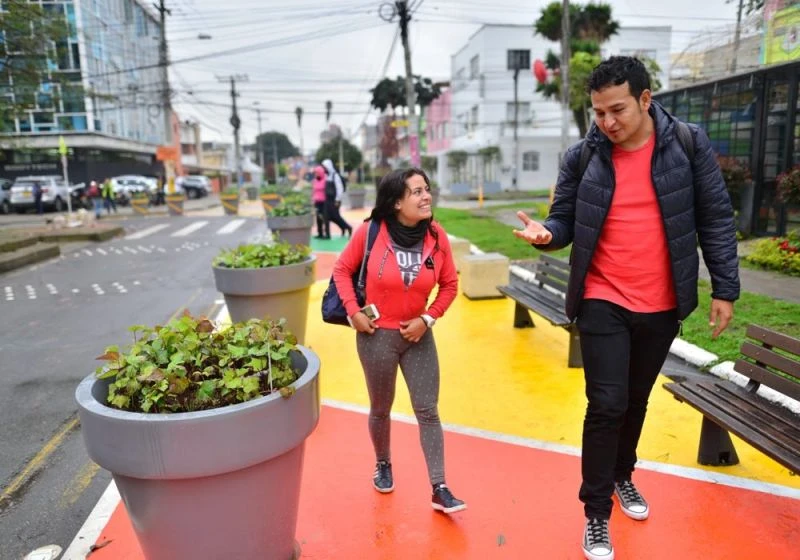
The city of Bogotá, Colombia, is focusing on children’s “priority zones” around childcare institutions through its “Barrios Vitales” (Vital Neighborhoods) project. This makes sure that the youngest inhabitants have clean, safe air to breathe as they play.
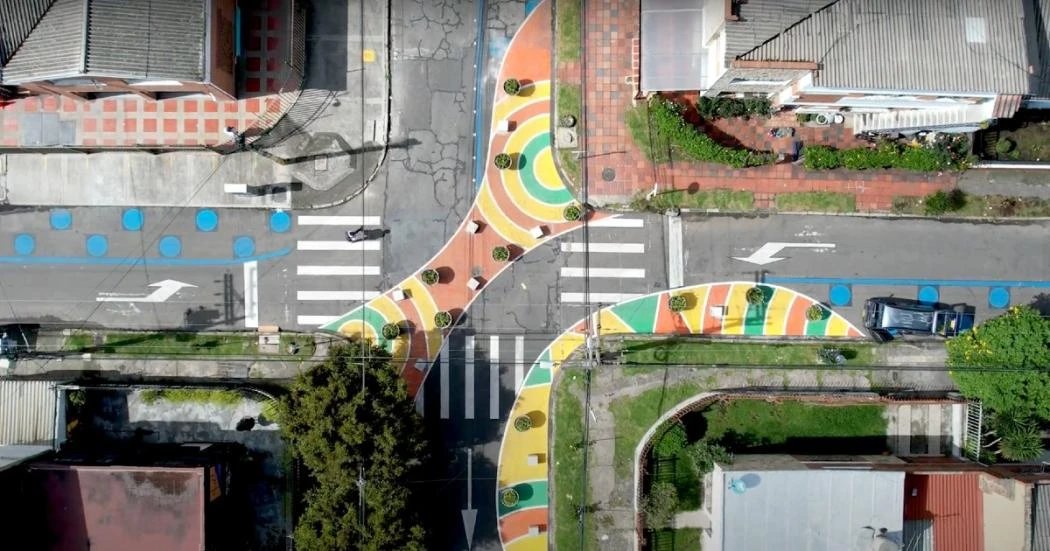
The Science of Proximity: Benefits of High Density
It’s not just about “feeling good” to redesign for accessibility; it’s underpinned by real urban research. There are three benefits to living in a high-density, mixed-use neighborhood:
- Better for the environment: “Active mobility” (walking, biking, or scooting) instead of driving cuts down on CO2 emissions by a lot.
- Economically Strong: Local companies do better when they have a steady stream of loyal customers who live nearby instead of relying on destination shoppers who may not come because of parking problems.
- Healthier: People who walk or bike more often are less likely to be overweight, have heart disease, or get sick from stress.
Addressing the Myths: Is This a “Lockdown” in Disguise?
Some false information in the past few years has said that 15-minute cities are about “restricting” movement or making “sectors” that people can’t leave. What you think is true is not. This model is about giving people more independence.
It doesn’t restrict you from going across the city or driving to the country; it merely makes sure you don’t have to do such things to stay alive. It’s about letting individuals choose to live nearby, safely, and happily.
Designing the Future: What Can We Do Now?
A billion-dollar infrastructure project isn’t necessarily needed to make the switch to a 15-minute city. It generally starts with “tactical urbanism,” which means making minor, reversible modifications that show the community how useful the idea is.
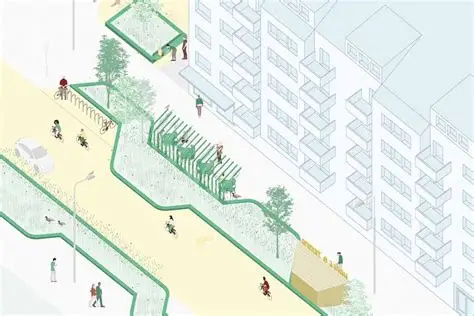
- Changing the use of parking: Making a single parking space into a “parklet” with a bench, a bike rack, and some native plants.
- Mixed-Use Zoning: Changing previous legislation to let modest cafes, workshops, or co-working spaces be in residential structures.
- School Streets: Closing roads to cars for a short time during drop-off and pick-up times to make a safe, social “front door” for families.

Final Thought: A City Built for the Heart
The emergence of the 15-minute city shows that we are now following our hearts instead of our odometers. We are choosing neighbors over traffic, local flavor over corporate sameness, and health over speed. When we make our cities more accessible, we don’t only bring services closer; we also bring people closer. And in a world that is becoming more and more detached, that is the most powerful design of all.
For more content like this CLICK HERE!!!
Reference:
The rise of ’15-Minute Cities’: Rethinking urban life and office design