The Timeless Allure of Gothic: Its Lasting Power
When we think of Gothic design, we frequently picture huge cathedrals, dark castles, and a sense of drama and grandeur from the Middle Ages. This style of architecture started in France in the 12th century and was a big change from the heavy, earthbound Romanesque style that came before it. It was a style that tried to reach the skies, with its tall, pointed arches and beautiful stained glass. Gothic architecture is no longer popular, but its ideas are still very much alive. A new Gothic revival is actually happening right now, which shows that its lasting impact is just as important in our modern age as it was in the High Middle Ages.
This isn’t a revival in the usual sense, where designers copy old styles without thinking. Instead, “The New Gothic” is about a greater understanding of the basic parts that made the original style so strong. Modern architects and designers aren’t just creating cathedrals; they’re giving the Gothic style a new, modern twist.
Reimagining Old Ideas for the Future
Gothic architecture was a master class in how to build things in new ways. It was a way to solve the challenge of how to design structures that were taller, more open, and let in more light. This search for height and light is exactly what today’s designers are drawn to.

Image Credits: 2travellingacrosstime.com
The Pointed Arch That Everyone Knows
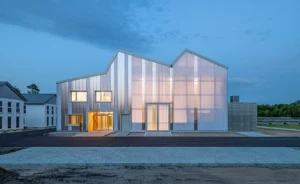
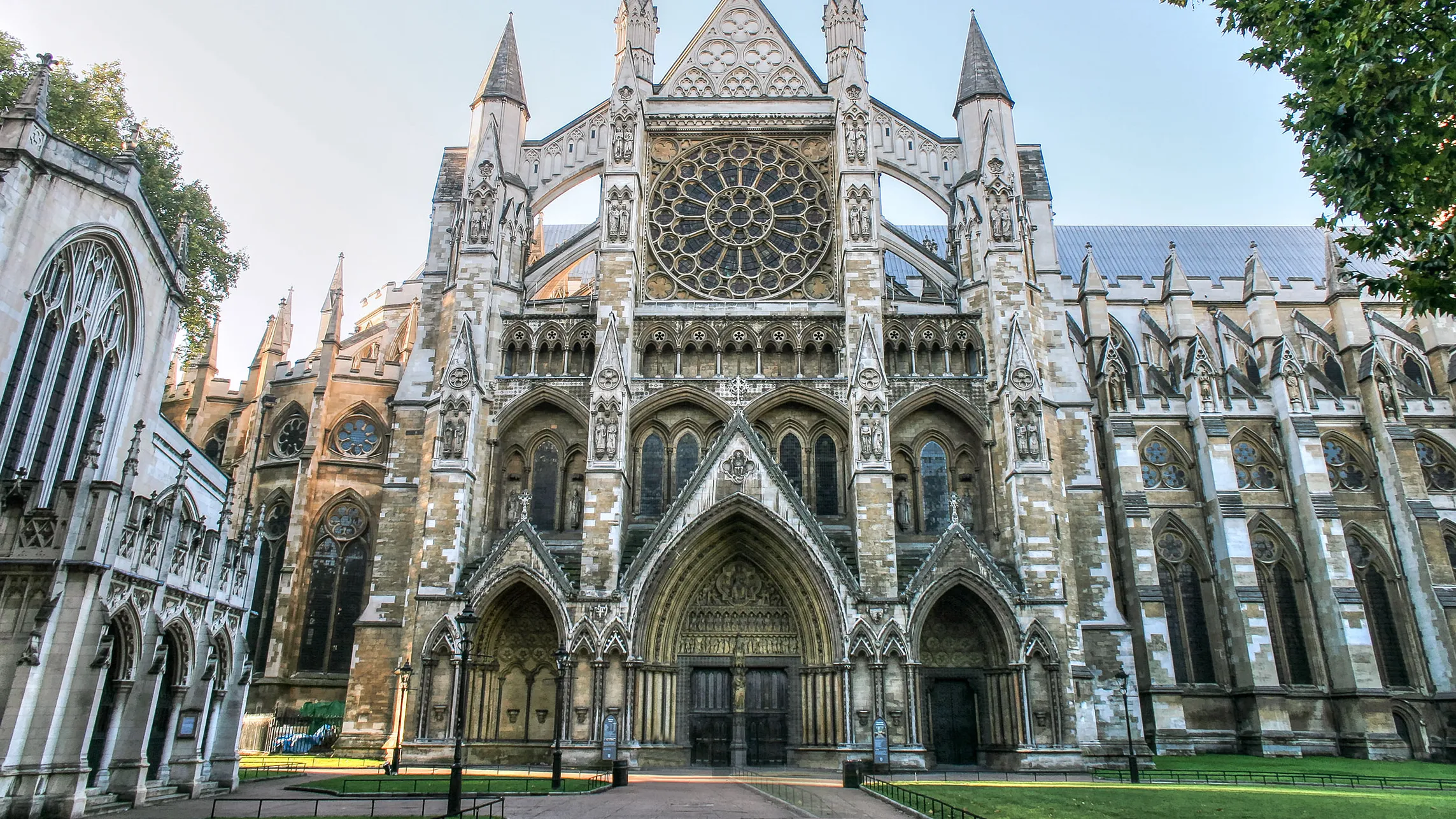
The pointed arch is probably the most famous part of this style. The pointed arch could better distribute weight than the rounder Roman arch, which meant that walls could be thinner and taller. This principle is more of a visual motif than a structural need in current architecture. Architects utilise pointed, long shapes in doorways, windows, and even the outlines of buildings to make people feel like they are reaching for something and to make things look classy. It gives a design a sense of movement and vitality that makes it look like it’s reaching for the future.
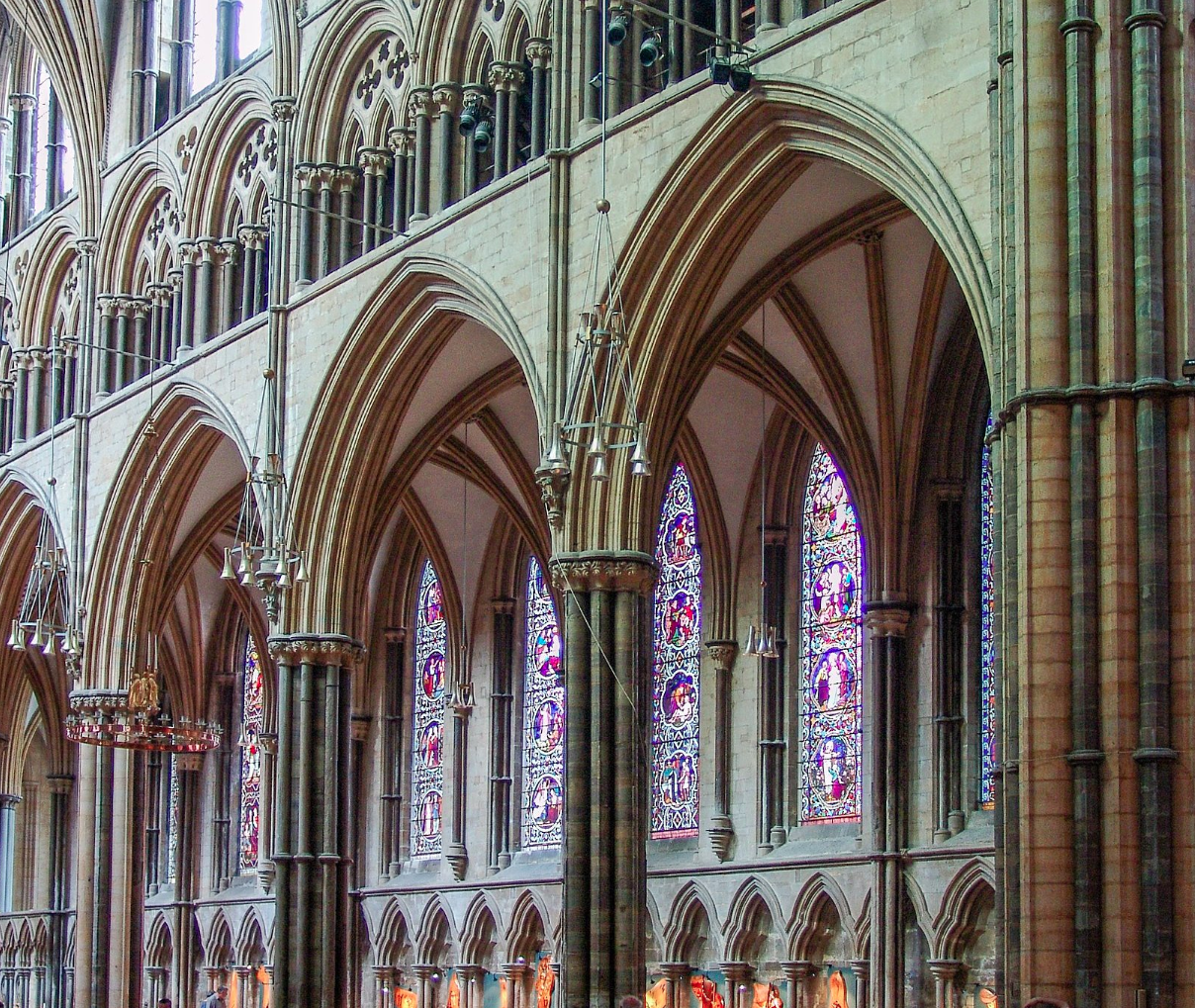
Image Credits: twitter.com
The Skeletal Ribbed Vault
The ribbed vault was the structure that made the high ceilings of Gothic cathedrals possible. These complicated, interconnecting arches sent weight down to certain support points, which made room for huge windows in the walls. Even though steel and concrete have taken the place of stone, the idea of a visible, expressive structure is still strong. Modern architects and interior designers use open beams, complex metal frames, and vaulted ceilings to generate the same sense of structural artistry and openness as the ribbed vault did. It celebrates how a building works by making its structure part of its beauty.
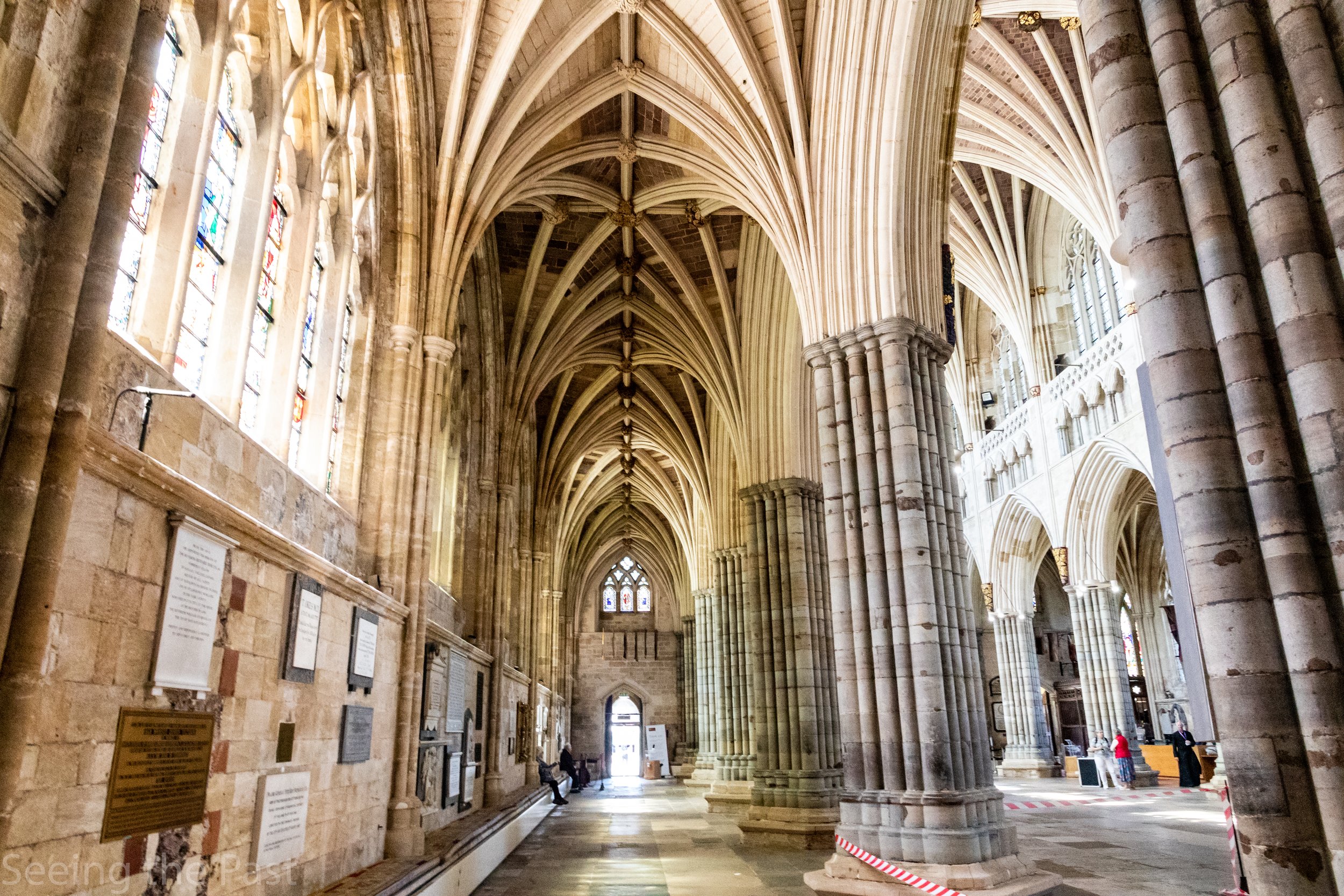
Image Credits: seeingthepast.com
The Flying Buttress That Sets You Free
The flying buttress, which was a new way to support buildings from the outside, made the beautiful stained-glass windows that are so typical of Gothic design possible. The buttress took the weight off the walls by moving the vault’s outward thrust to the outside of the building. The modern version isn’t a physical buttress; it’s a design philosophy that puts light and space first.
Modern structures, especially skyscrapers, are commonly covered in glass, which makes them feel airy and open. This is a direct descendant of the Gothic ambition to fill rooms with divine light. The Shard in London is a great example of a modern skyscraper that epitomises the Gothic desire for height and light, even if it doesn’t have any historical decorations.
:max_bytes(150000):strip_icc()/1626px-Flying_buttresses_of_Notre-Dame_de_Strasbourg-31d8dcc2ca5144b3943657d43a3e6a53.jpg)
Image Credits: thoughtco.com
Gothic in a Modern Setting: More Than Just Architecture
The New Gothic is more than just a few amazing buildings. It has made its way into many modern design fields, including pop culture and interiors.
In The Field of Interior Design
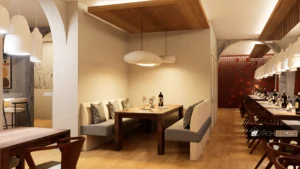
Gothic influences can be seen in interior design through the use of dark, melancholy colour palettes, rich textures like velvet and brocade, and elaborate materials that are often recycled. Most people wouldn’t want a full-on “Gothic” home, but adding some aspects can give it more depth and character. Think about a modern home with a dramatic vaulted ceiling, a single wall painted a deep charcoal grey, or massive iron light fixtures. These elements give the room a sense of antiquity and weight that is different from the clean, simple lines of many current styles.
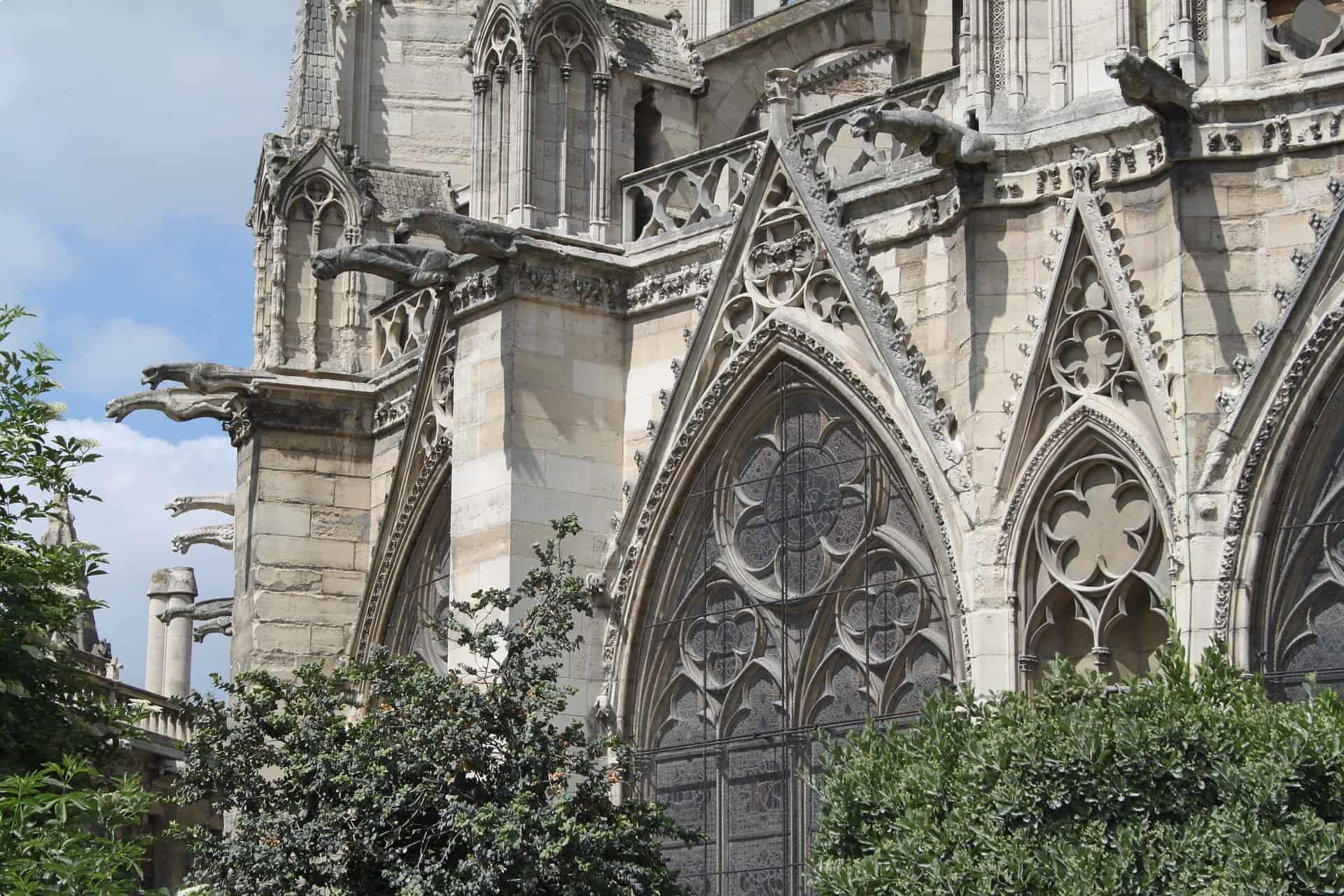
Image Credits: odessytraveller.com
In The World of Fashion and Pop Culture
The Gothic style has never really gone away in the world of fashion and contemporary culture. The dark, romantic art of bands like Evanescence and the huge success of fantasy shows like Game of Thrones show that people are always drawn to the dark, mysterious, and dramatic. Gothic elements have always been popular in fashion, from the delicate lacework and corsetry of the Victorian era to Alexander McQueen’s dark, avant-garde designs. This cultural longevity shows that the aesthetic goes much deeper than just being a type of architecture.

Image Credits: pikist.com
Why Now? The Psychology Behind the Trend
So, why are Gothic themes coming back in style? It’s perhaps a response to the minimalist and tech-focused design ideas that have been popular for the past few decades. Gothic design gives us something deeper than just smooth surfaces, digital screens, and trends that come and go. It connects us to history, workmanship, and the real world.
It shows a need for realness and a sense of belonging. The primary purpose of Gothic architecture was to make people feel little and connected to something bigger than themselves. In a secular society that may be overpowering, this feeling of respect is a strong cure. Designers are not merely building structures when they follow its rules; they are making places that have a soul—places that feel real, important, and full of a rich, complicated past.
In the end, The New Gothic isn’t about looking back. It’s about a new way of looking at things that respects the past while looking ahead to the future. It understands that the ageless human goals of light, height, and dramatic expression are not limited to one time period in history.
For more blogs like this CLICK HERE!
Reference
Medieval Modern: 5 Projects that Blend Contemporary and Gothic Architecture – Architizer Journal
From Medieval to Modern: Gothic Architecture Today – WPL Interior Design