
When we think of Italian architecture, we frequently think of the Baroque’s fancy details or the Renaissance’s sun-drenched marble. But there is another Italy, one constructed of “béton brut” (raw concrete), tall geometric shadows, and a bold, uncompromising honesty.
Brutalism in Italy wasn’t just a style; it was a way for people to look for meaning after the war. It was a movement that replaced pastel shutters with gray ribs of strengthened steel, making buildings that look more like fossils from the past and the future. As we get closer to 2026, a new wave of “concrete tourism” is bringing these hauntingly beautiful icons back to life.
Come with us as we clear away the dust and ivy to show you 20 Italian Brutalist works of art that you need to see.
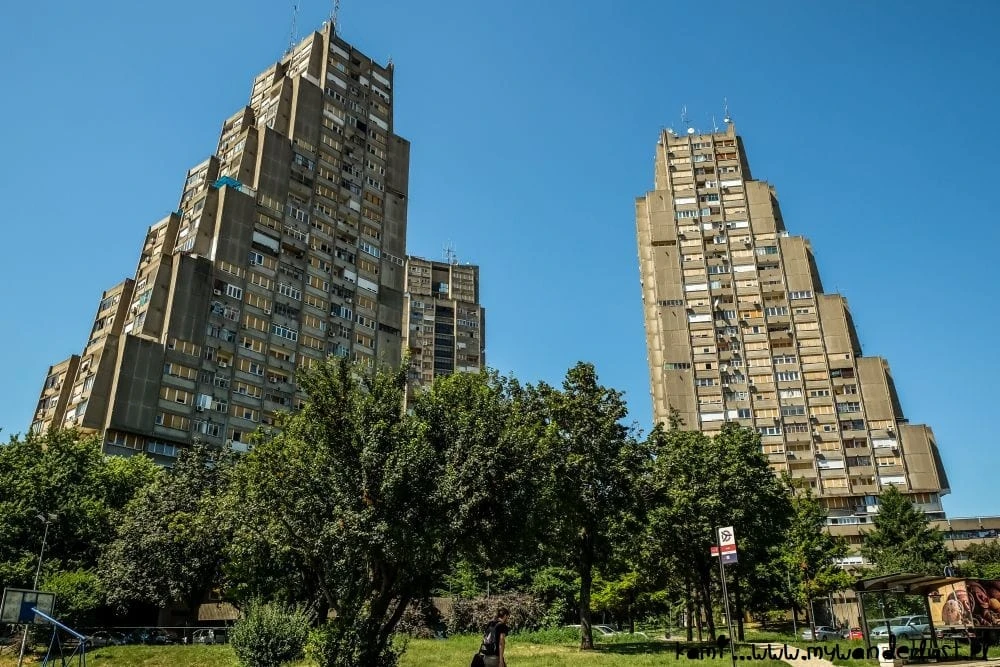
Torre Velasca in Milan: The Medieval Mushroom
The Torre Velasca is a “architectural monster” that stands in the middle of Milan. The BBPR group designed it in 1958. Its top-heavy, mushroom-like shape was meant to seem like the medieval watchtowers in Lombardy. People used to nickname it “the skyscraper with straps,” but now it is a protected national monument that connects dystopian sci-fi with historical tribute.
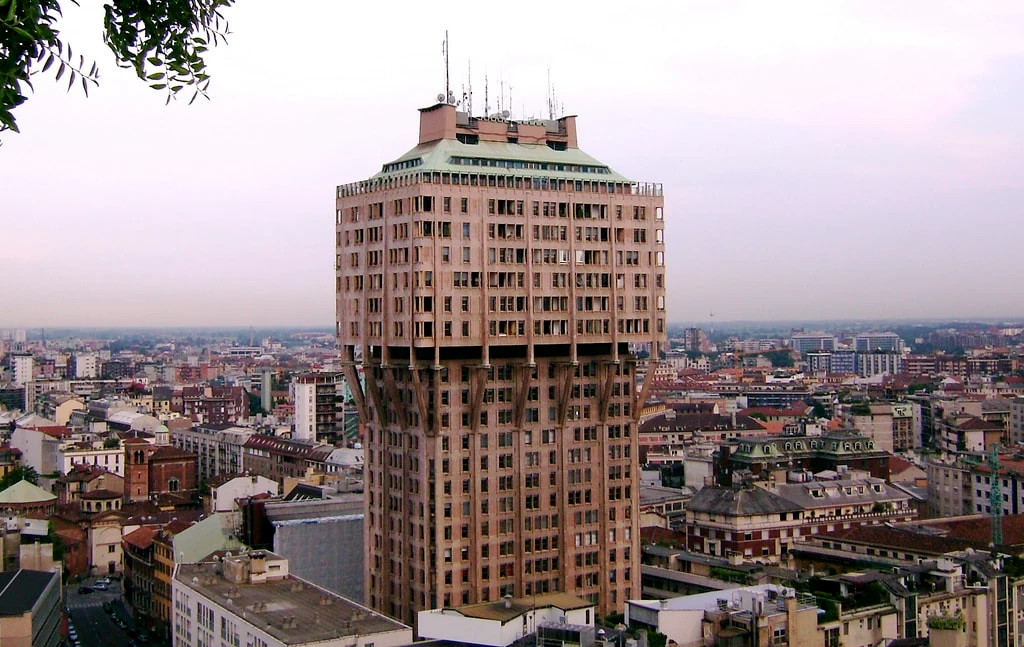
Casa Sperimentale, Fregene: The Dream House Treehouse
The “Casa Albero,” which is hidden in a pine grove outside Rome, is one of the most charming ruins from the Brutalist era. Giuseppe Perugini designed it to look like a bunch of concrete spheres and cubes floating in the air. It was a family endeavor to build a “unfinishable house” that would always change as graffiti and nature became part of its texture.
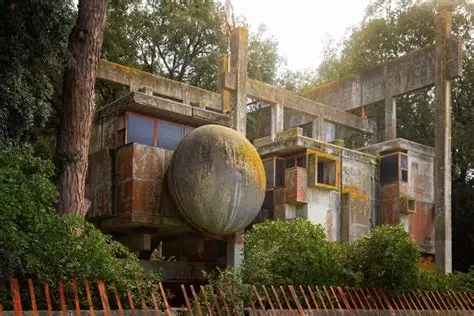
The Little Cheese in the Temple of Monte Grisa in Trieste
This triangle sanctuary is a geometric wonder that sits on a rock above the Adriatic. During the Cold War, it was built so that people in Yugoslavia could see it. Its “honeycomb” facade uses the letter “M” (for Mary) to make a spiritual lattice that filters light like a concrete cathedral.
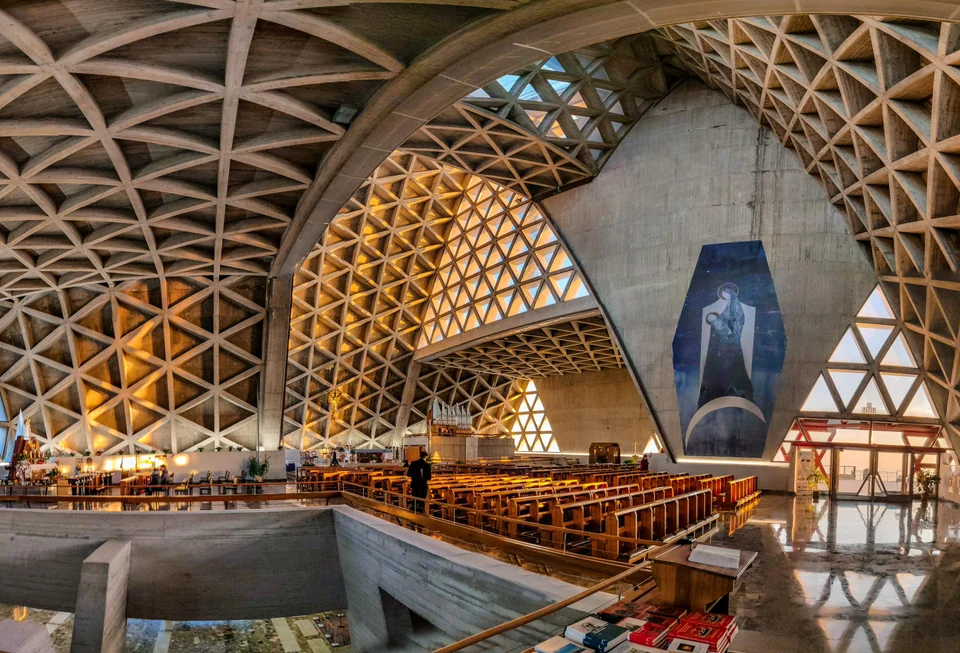
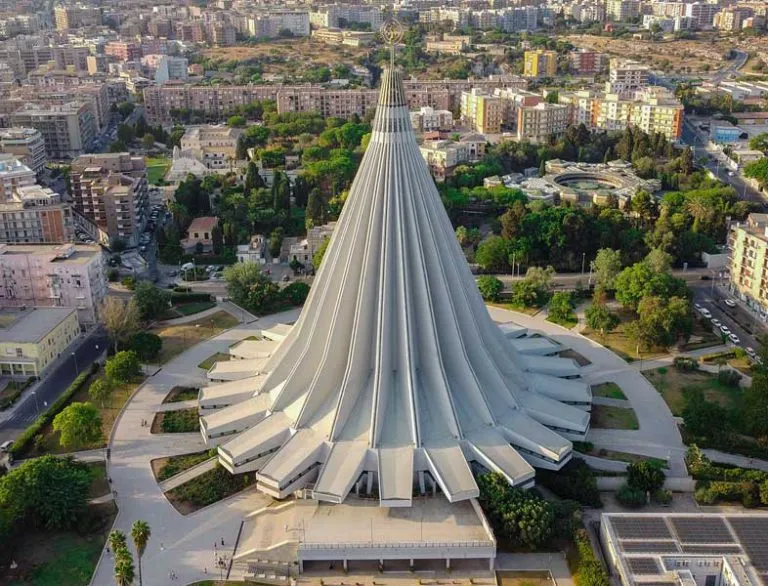
The Madonna delle Lacrime Sanctuary in Syracuse
This huge concrete teardrop stands out in the Sicilian skyline. It took over thirty years to finish because people in the area first thought of it as a “reinforced concrete monster.” The ribs connecting at a central light well within make you feel like you’re in a holy monument that is both scary and beautiful.
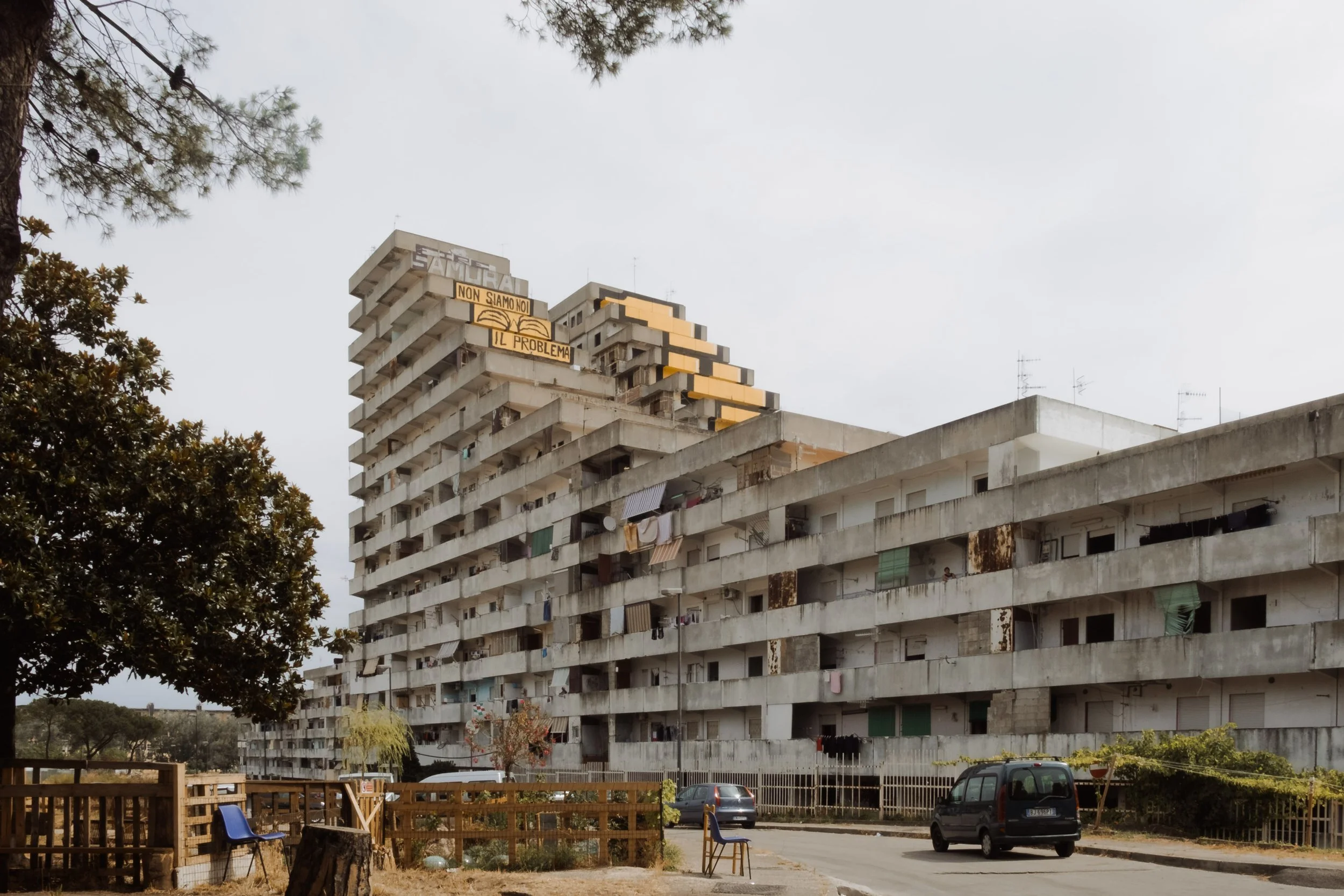
The Vele di Scampia in Naples: The Sail of Controversy
Even though most of this complex has been torn down, the “sails” that are still standing are a disturbing reminder of visions of a perfect world that went wrong. These buildings were inspired by the “Unité d’Habitation” and were designed to bring people together. Now, they provide a stark, sculptural backdrop for photographers and filmmakers who want to explore the essence of the urban edge.
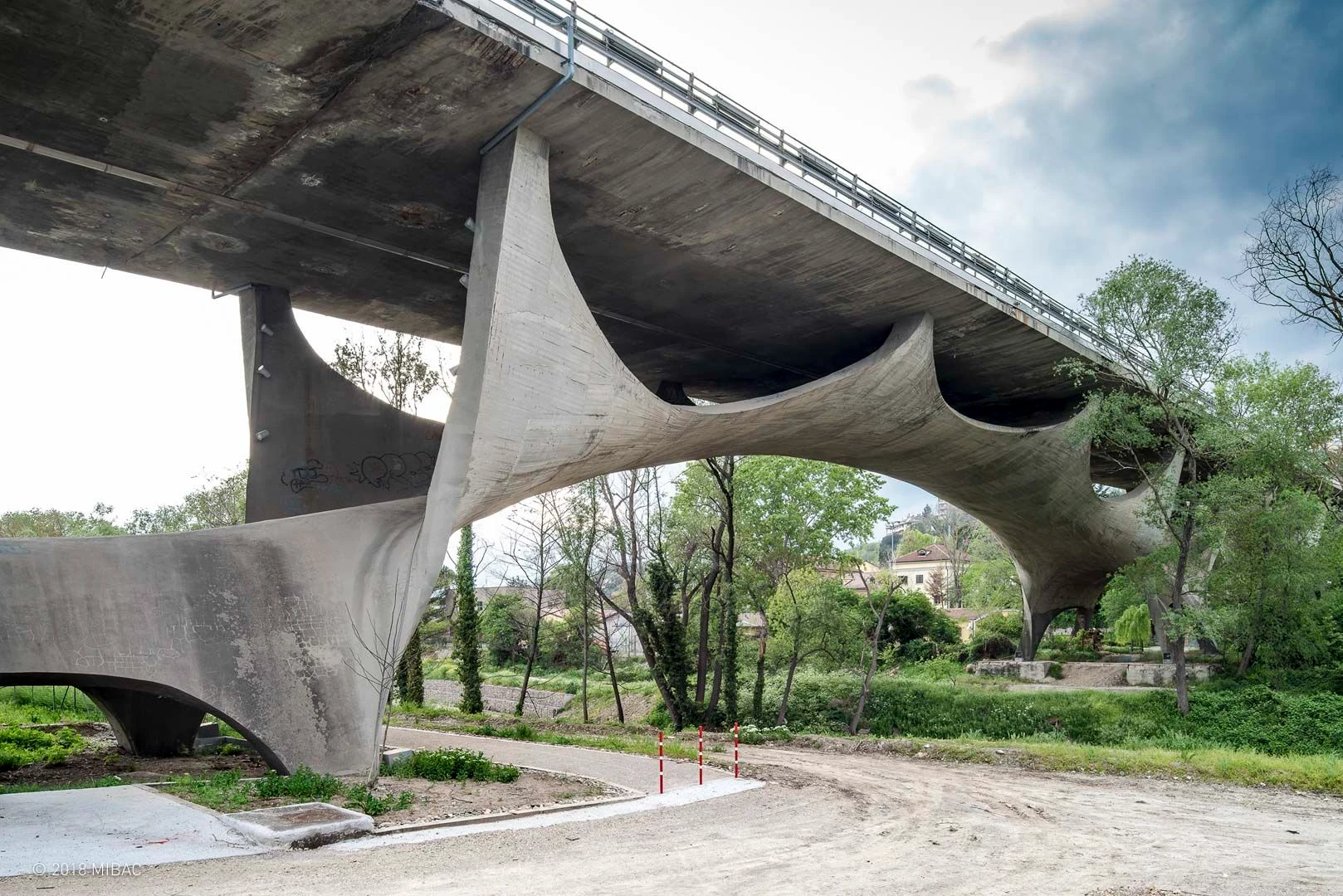
The Concrete Wave at Musmeci Bridge in Potenza
Sergio Musmeci changed the way we think about bridges. Instead of pillars, a single, long slab of concrete runs across the ground. It is more like a frozen wave than a piece of infrastructure, which shows how flexible Brutalism is.
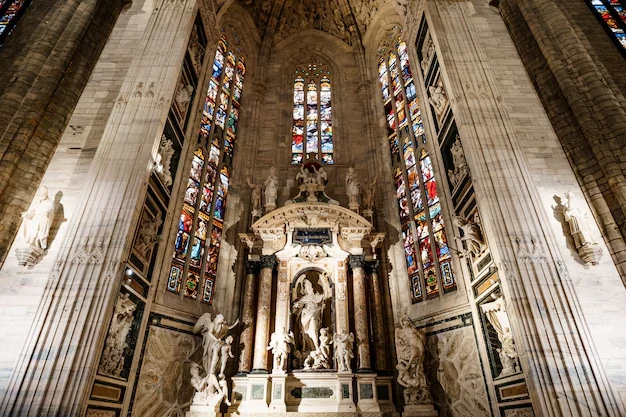
Milan’s Church of San Giovanni Bono
Arrigo Arrighetti designed this church, and its roof seems like a concrete tent that reaches up to the sky. The inside is a master class in Brutalist light, with thin stained glass windows breaking through the thick, gray walls to provide a holy, quiet space.
Segrate’s Palazzo Mondadori
This work of art by Oscar Niemeyer gave a Brazilian touch to Italy. The way the facade’s arches change shape and rhythm in the lake around it gives the building a feeling of weightlessness that goes against the “brutal” reputation.
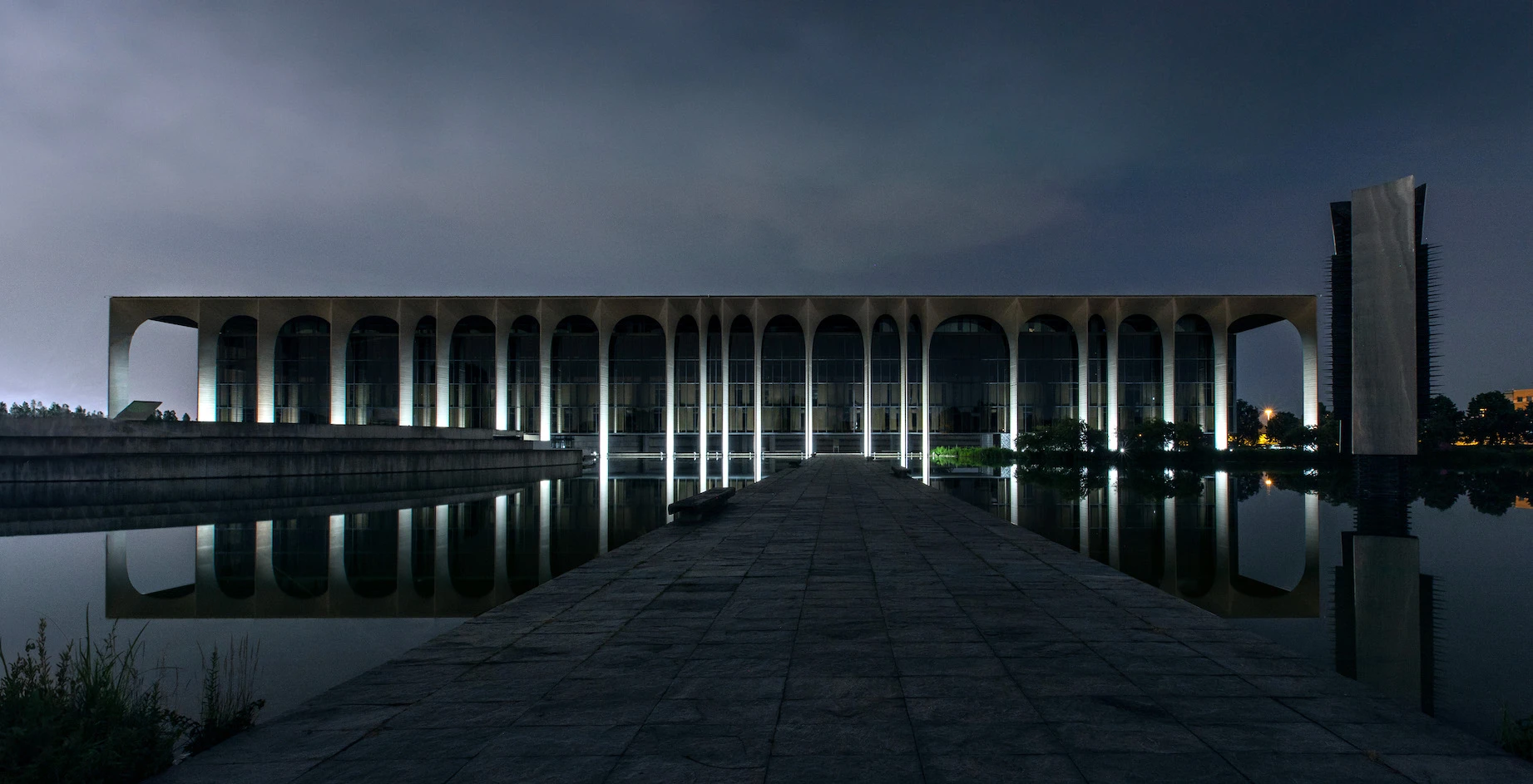
The Rationalist Ghost in the INA Building in Milan
Piero Bottoni’s work here is a link between the cold logic of Italian Rationalism and the brutal honesty of Brutalism. Its precise grid and deep balconies make a play of light and shadow that varies every hour.
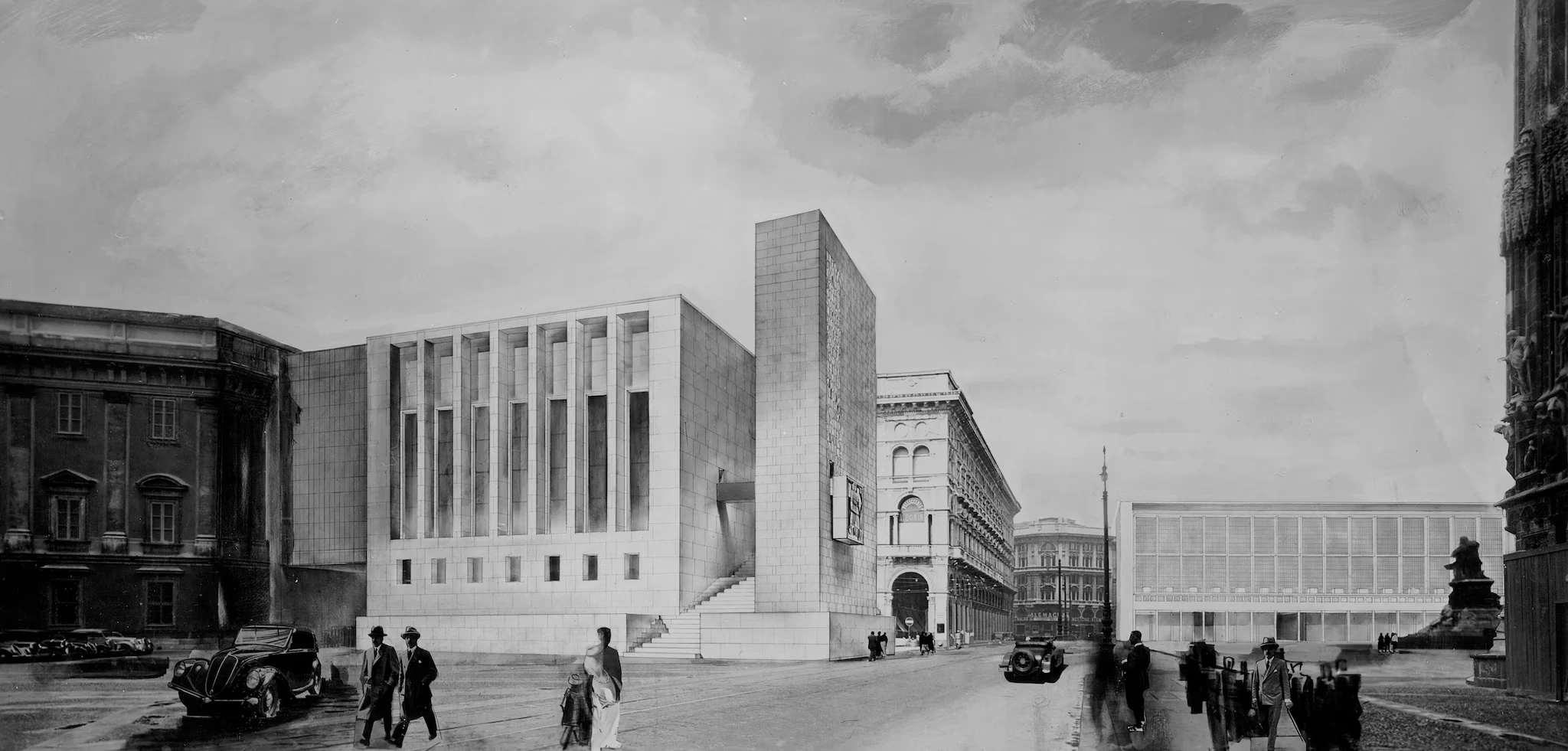
The Ivrea Olivetti Building
The Olivetti complex in Ivrea, a UNESCO World Heritage Site, showed that industry might be beautiful. The mix of glass with raw concrete showed a “softer” side of the movement, focused on how the worker felt.
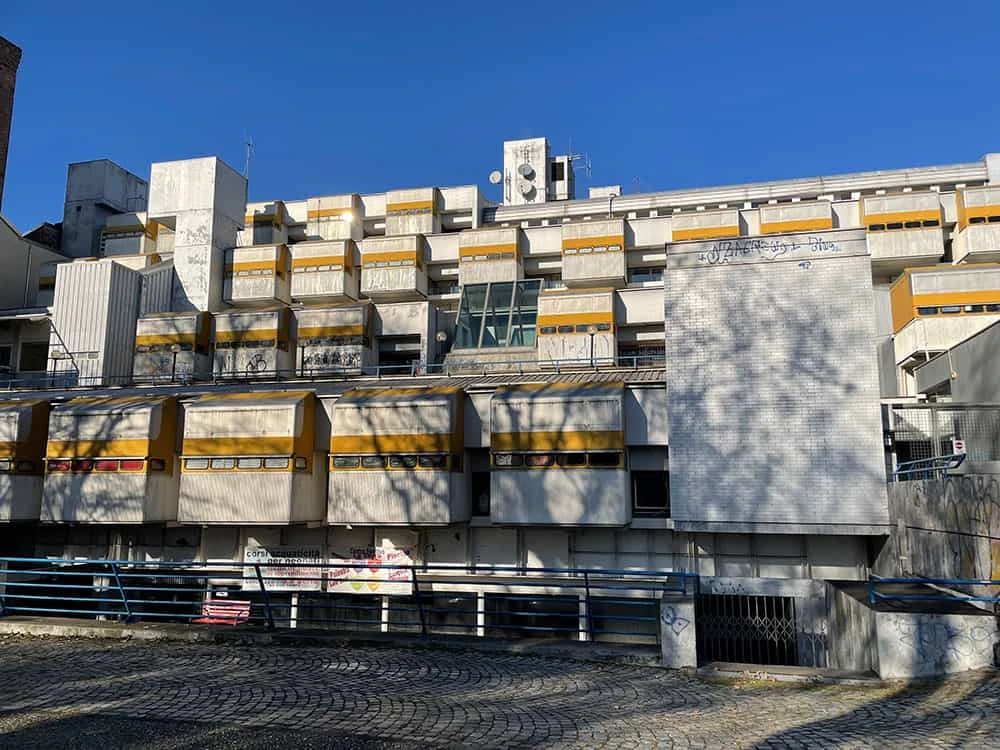
The Minimalist Corridor in the Gallaratese Quarter of Milan
Aldo Rossi’s part in this housing complex is famous for its long, white hallways and repeating pillars. It seems like strolling into a De Chirico painting: quiet, huge, and eerily still.
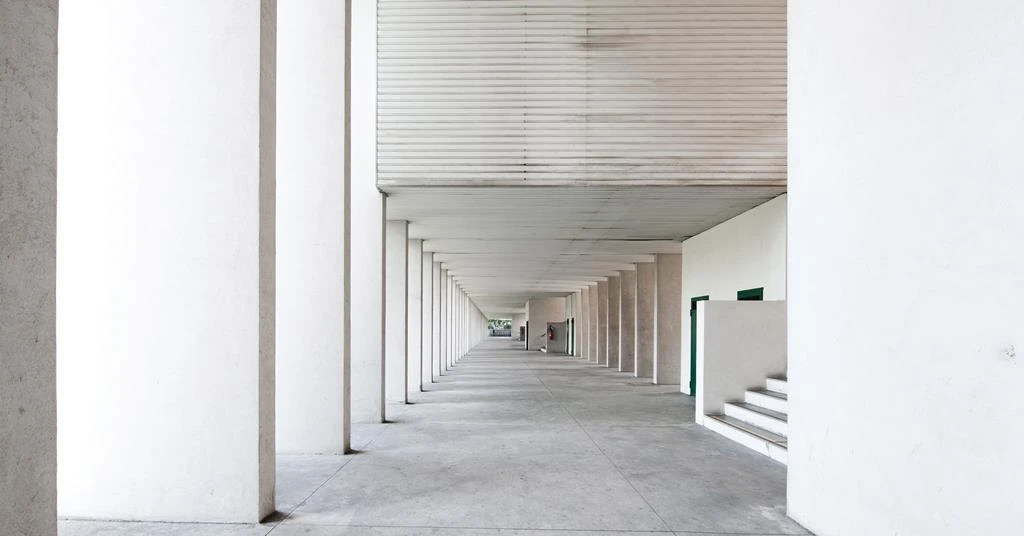
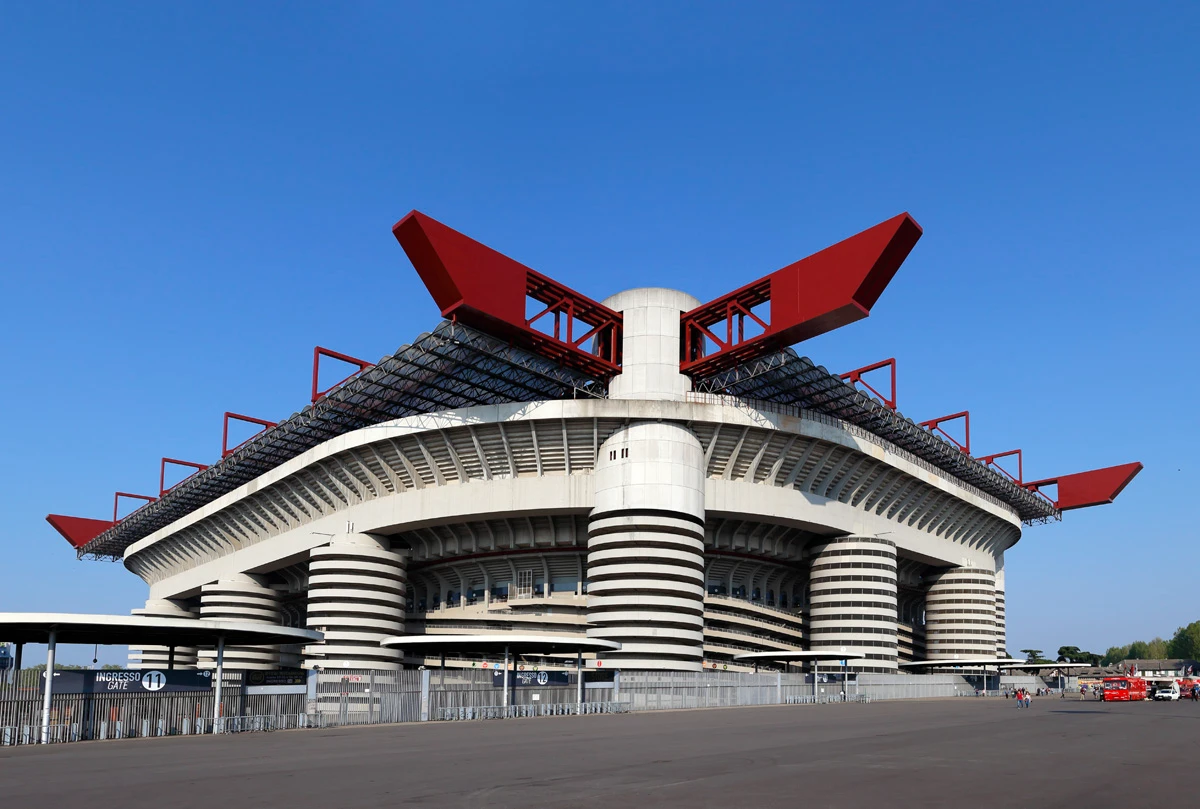
Milan’s San Siro Stadium (Meazza)
The huge cylindrical towers and ramps that cross over each other at San Siro are the precise definition of “Brutalism in motion.” The concrete itself seems to come alive when 80,000 people are inside.
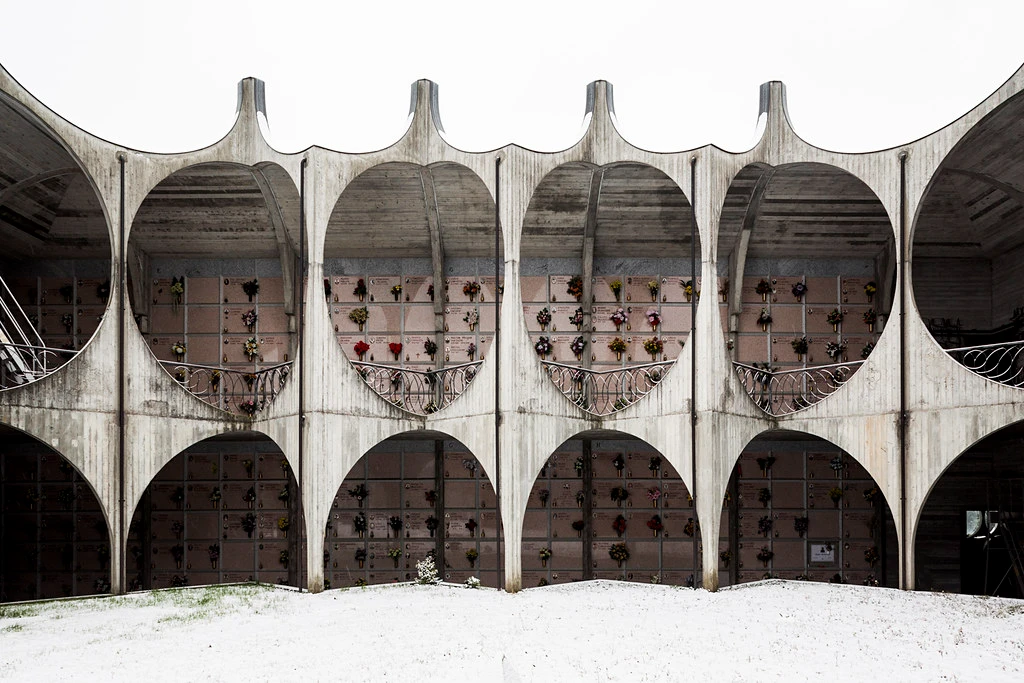
Busto’s Cimitero Monumentale Extension Arsizio
Brutalism frequently shows its most poetic side in cemeteries. The concrete here isn’t frigid; it’s a permanent, stoic protector of memory. The acute angles and levels below ground make you want to think quietly.
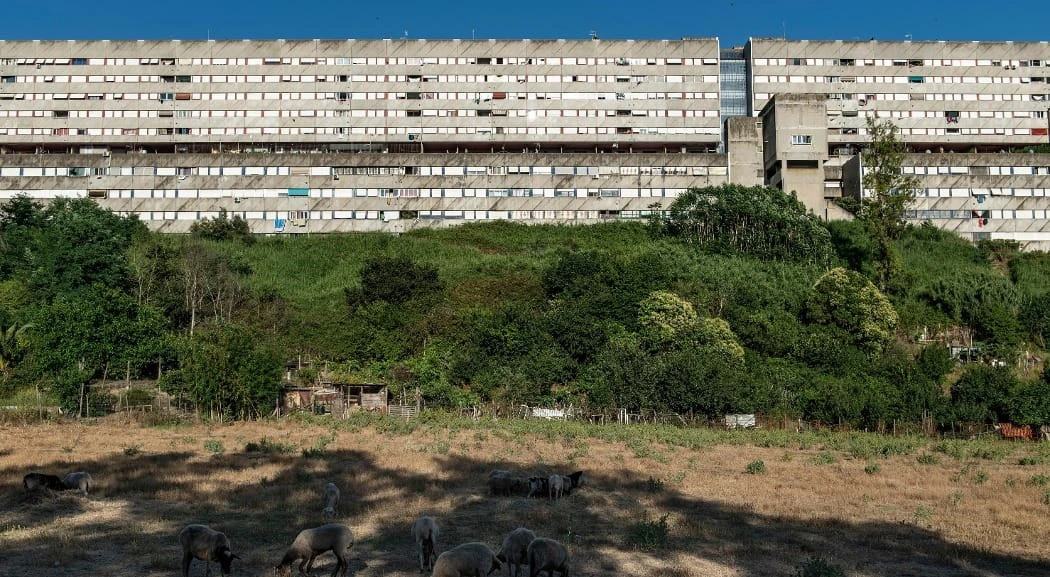
The One-Kilometer Building in Corviale, Rome
This home block, which is known as “The Giant,” is a full kilometer long. It has had social problems, but its size and the idea of a “linear city” make it a must-see for city lovers.
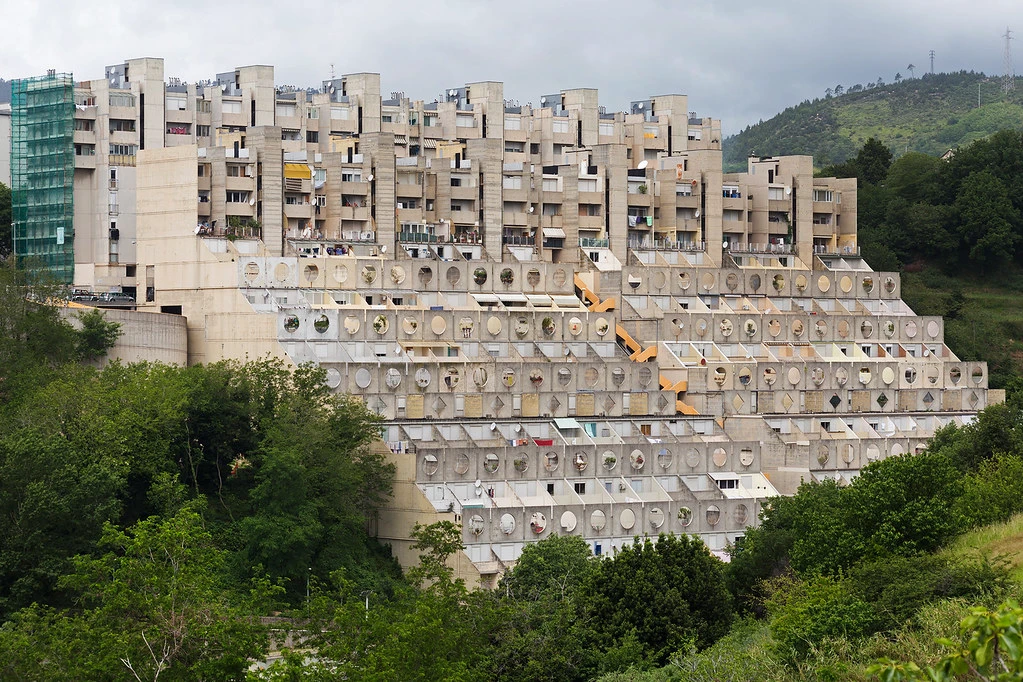
The “Lavatrici” (Washing Machines) in Genoa
The Pegli 3 complex is the official name for these buildings. They got their nickname from the square, porthole-like windows. Like a futuristic concrete castle staring out over the sea, they cling to the slopes of Genoa.
The Church of the Great Mother of God in Rome
This church by Cesare Bazzani lies on the banks of the Tiber. Its hefty, rugged shapes give it a spiritual presence in the tumultuous center of the capital.
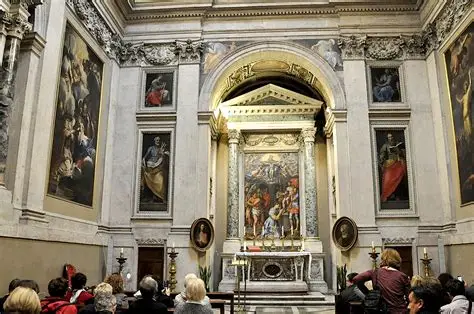
Rozzol Melara, Trieste
A huge residential “quadrangle” that tried to make a metropolis that could stand on its own. Its internal courtyards and raised pathways are a tangle of Brutalist ambition.

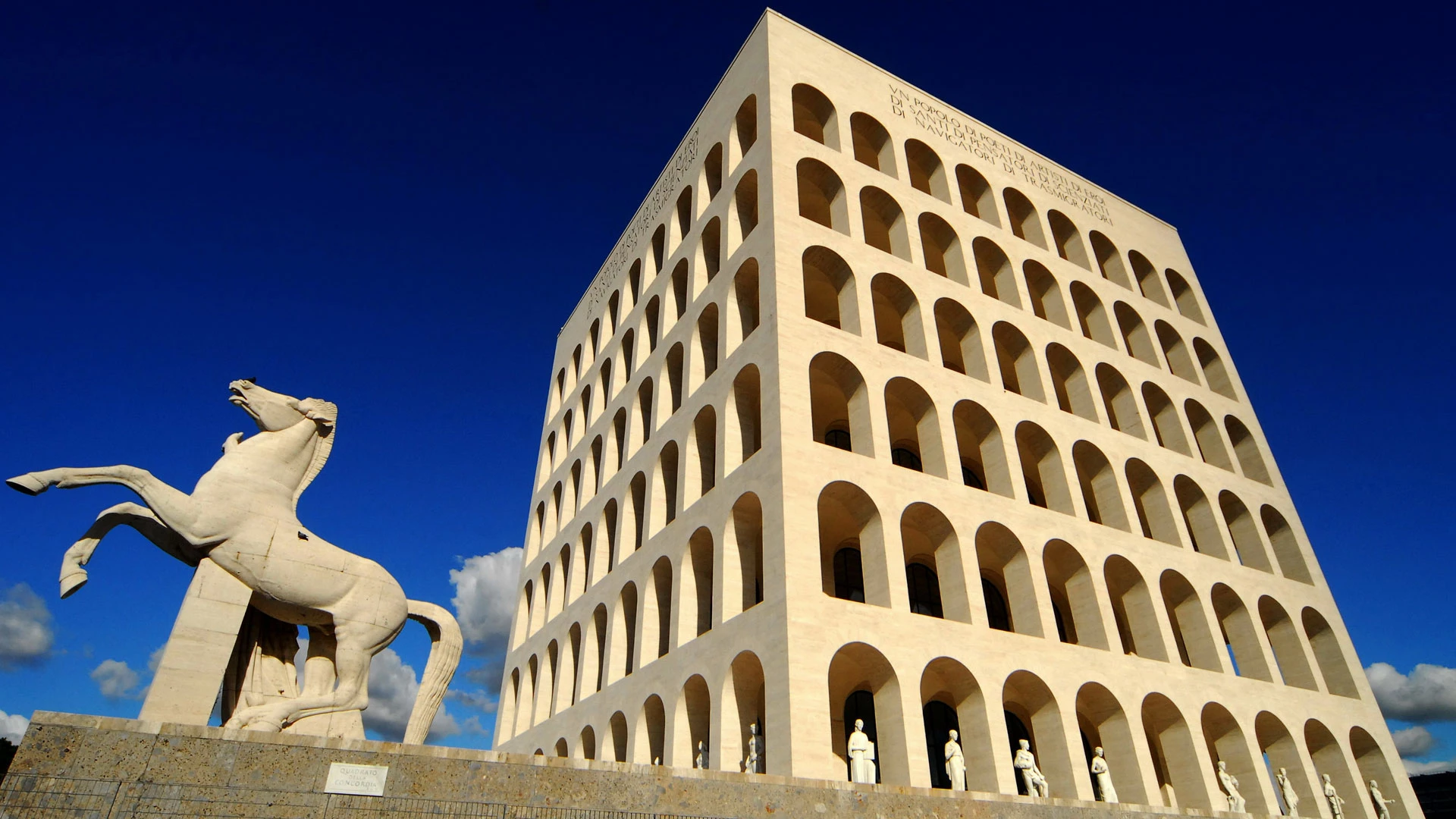
The Square Colosseum, also known as the Palazzo della Civiltà Italiana, in Rome
Even though it is sometimes called “Fascist Architecture,” its rough, repetitive arches and huge materials set the stage for the Brutalist style that came after the war.
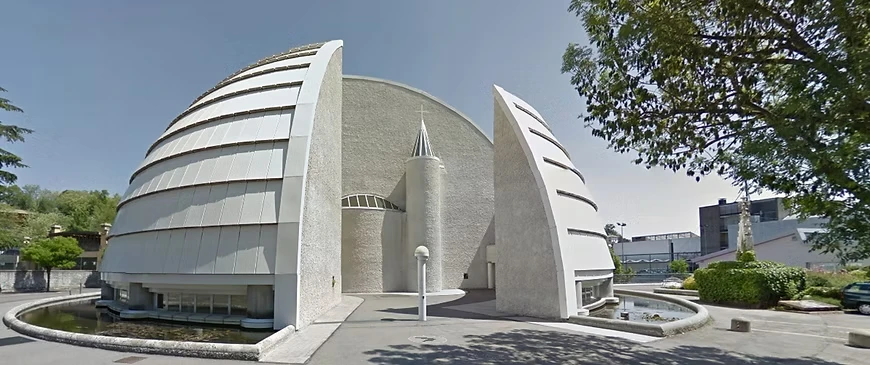
The Church of San Massimiliano Kolbe in Varese
A round, fortress-like building that tells a story of strength and durability through the texture of its concrete.
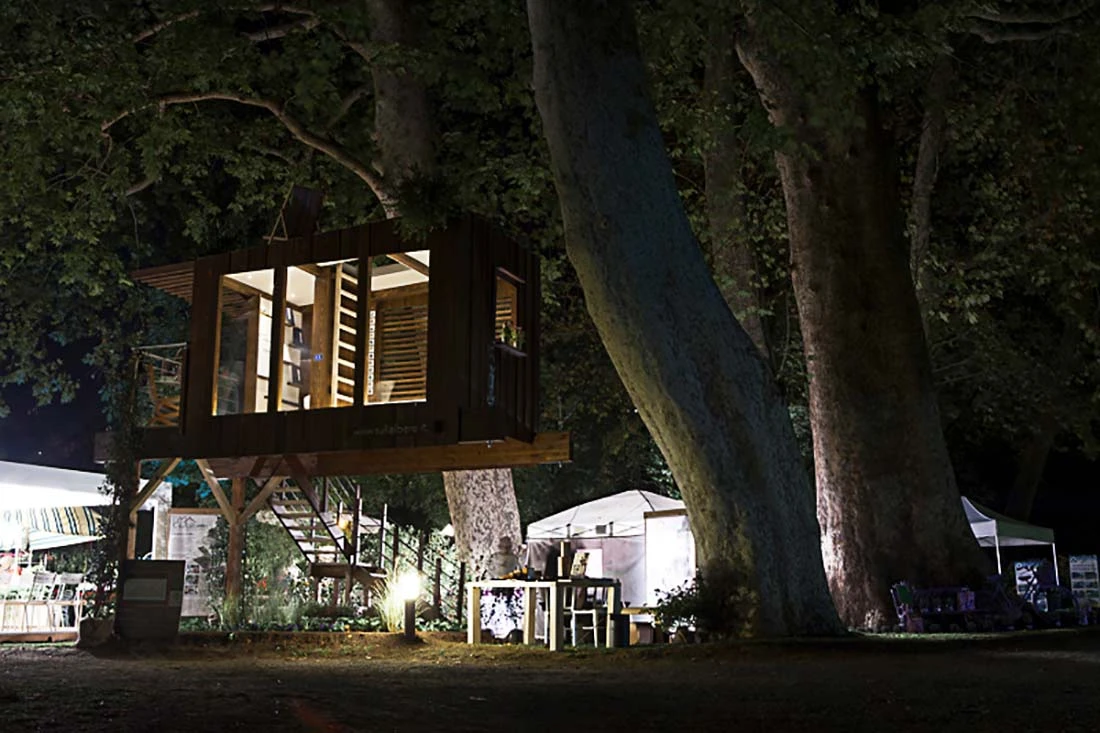
The “Treehouse” in Matera
Luigi Piccinato’s experimental house in Matera shows how Brutalism may work with old stone. It is a conversation between the ancient Sassi and the present “Concrete Age.”
The Appeal of the “Ugly”
What makes us want to be around these gray giants? These buildings may seem eternal since we live in a time when glass and steel boxes are thrown away. They are truthful. They don’t hide their bones; they show them off.
In 2026, when we celebrate the “World Capital of Architecture” in nearby Barcelona, don’t forget to glance over the border at Italy’s concrete spirit. These 20 works of art are more than simply buildings; they are reminders of a time when we were brave, honest, and unafraid to be ourselves.
For more blogs like this CLICK HERE!!
Reference:
Brutalist Italy | Current | Publishing / Bookshop | FUEL