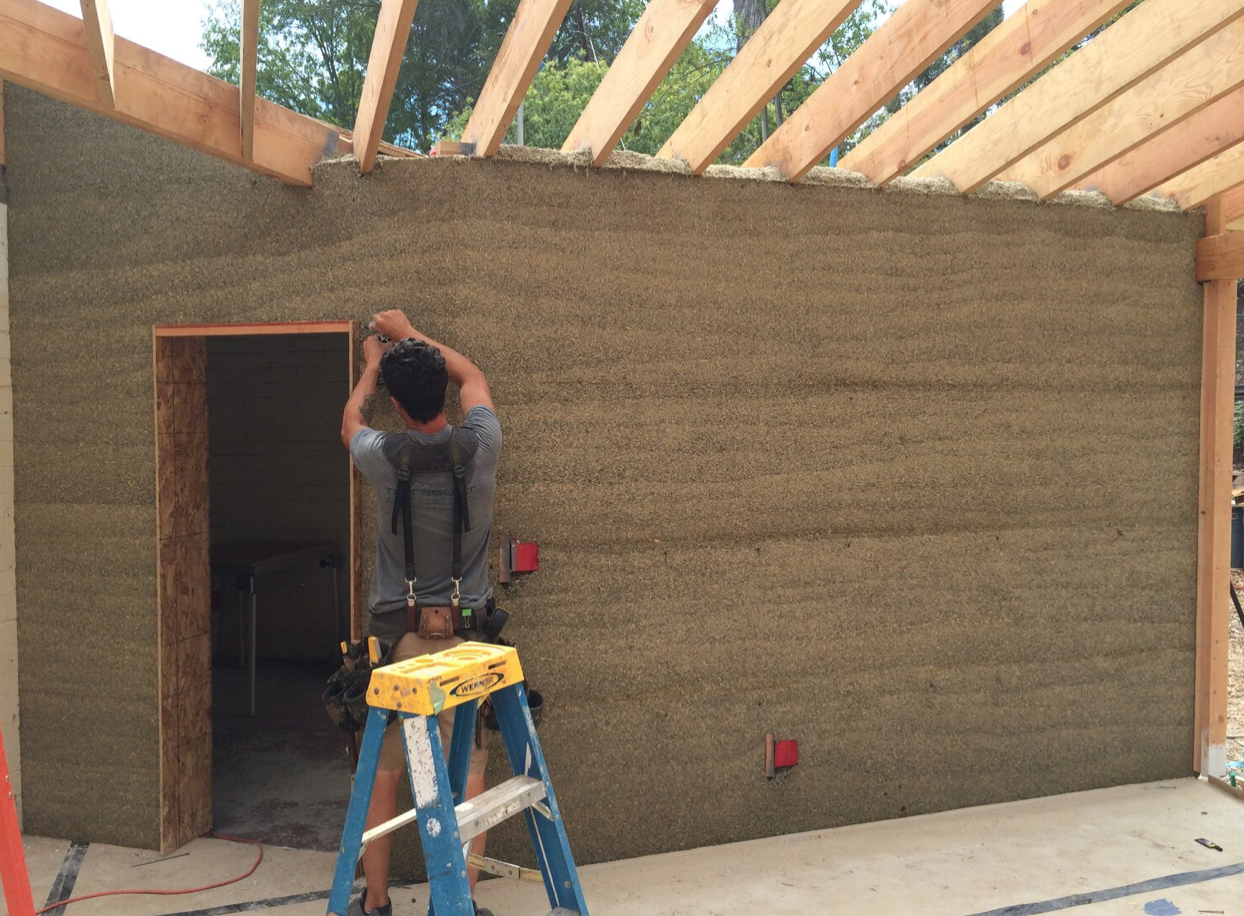
Think of a building that doesn’t merely sit on the ground, but also helps to heal it. As we go through the architectural landscape of 2026, the skylines of Paris, London, and Edinburgh are going through a silent, green revolution. Hempcrete is the heart of this change, not a complicated high-tech alloy or a synthetic polymer. This simple mix of hemp stalks, lime, and water is quickly becoming the “heart” of eco-friendly architecture across the English Channel.
This isn’t just a fad in construction; it’s a return to nature. This is why this live technology is the best thing for the soul of the future European house.
The Living Breath of Architecture in Europe
Concrete, steel, and insulation with chemicals in it are “cold” materials that the construction industry in France and the UK have been addicted to for decades. These materials don’t move, use a lot of energy, and will be in landfills for hundreds of years. Hempcrete, or béton de chanvre as the French term it, is the opposite of what you think.
When you choose hempcrete, you’re not simply putting up walls. You’re also adding a biological network that can breathe into your life. Think of it as your home’s “lungs.” It can control humidity and keep you warm in a way that synthetic foams can’t. Hempcrete makes a room that seems more like a sanctuary and less like a sealed box in the British Isles’ damp, misty temperatures or the French countryside’s changing seasons.
Why It’s “The Genius” Choice: Beyond the Plant
You might wonder if a plant can actually keep a family safe from a storm in the North Sea or a heat wave in the Mediterranean. The data is in for 2026, and it’s amazing. Hempcrete isn’t simply a “crunchy” choice for people who care about the environment; it’s beating big companies in three important areas.
The Carbon Sink: A Building That Breathes
Hemp is a miraculous plant. It grows at an incredible rate—up to four meters in just 100 days—and it stores CO2 faster than practically any other crop. The carbon is “locked” into the walls of the structure for the rest of its life after it is blended into hempcrete.
One cubic meter of hempcrete can hold about 165 kg of CO2. In the UK, the “Net Zero Strategy” is no longer just a suggestion; it’s now a requirement. In France, the severe RE2020 environmental legislation make hempcrete the best way to live without harming the environment.
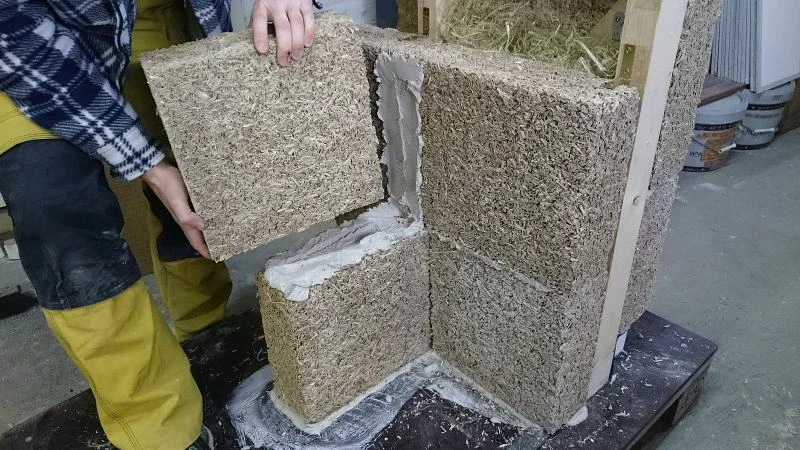
Thermal Intelligence: The Passive Pulse
The thermal mass of hempcrete is what makes it so smart. Hempcrete holds heat, unlike lightweight insulation that just slows down heat loss. On a summer day in France, it takes in the sun’s heat and slowly releases it into the house at night.
In the UK, it protects against the cold wind by acting as a thermal buffer. This “Passive House” performance cuts down on the need for mechanical heating and cooling by a lot, which makes your home’s heartbeat work better and cost less.
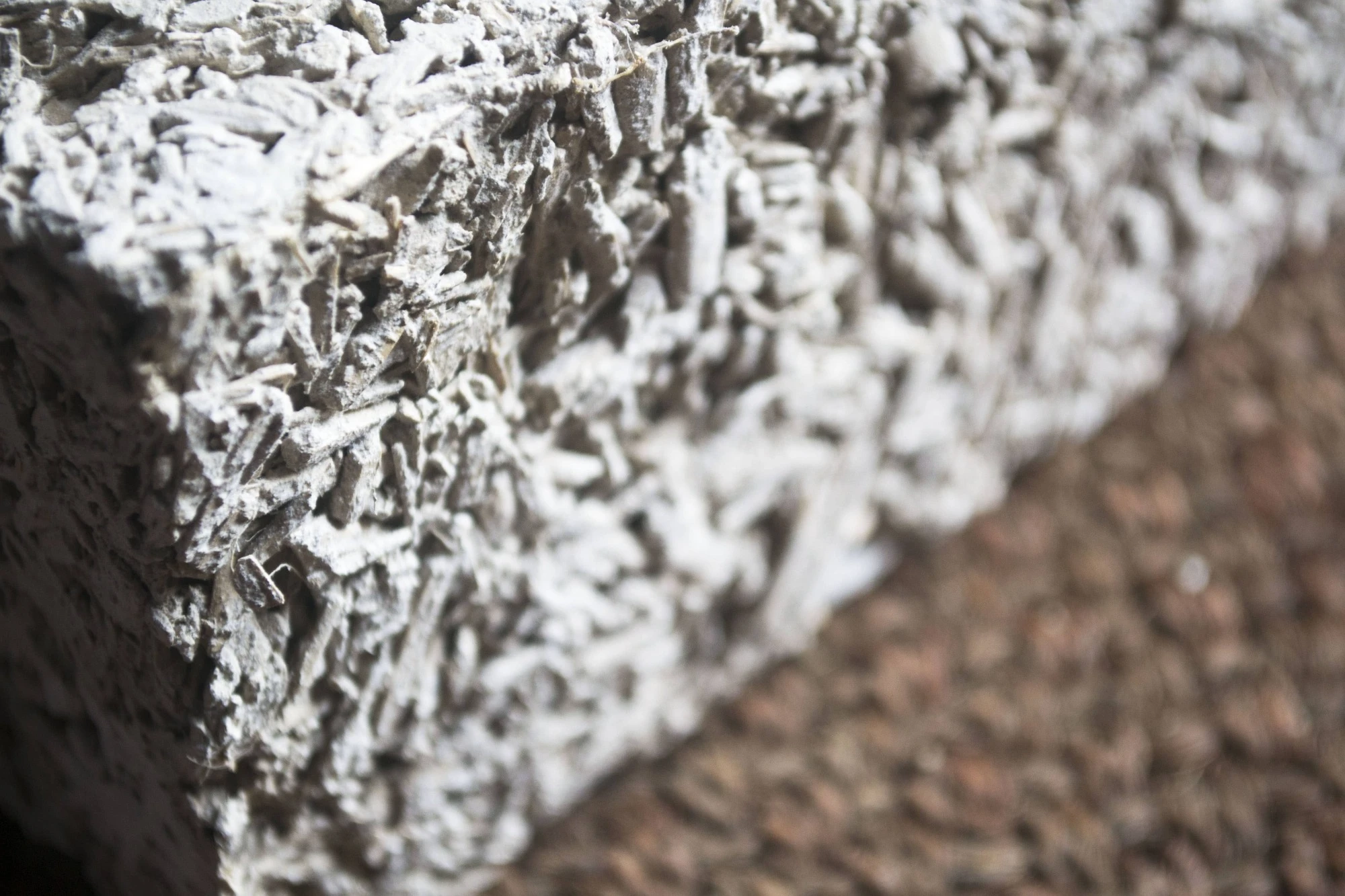
The Soul That Is Fire-Safe
Safety is the most important thing about any building. The word “hemp” might make you think of anything that can catch fire, but that’s not the case. The lime binder coats every fiber of the hemp, making it naturally fire-resistant. It doesn’t melt, and it doesn’t give off harmful “black smoke” like insulation made from oil. It is a protector that keeps an eye on its people.
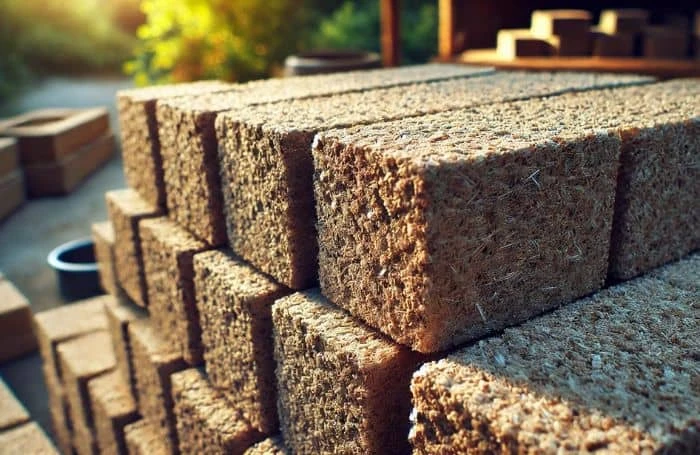
France: The First Country to Start the Bio-Movement
Hempcrete has been tested in France for a long time. The French government has basically said that the “Concrete Age” is over with the introduction of the RE2020 rules.
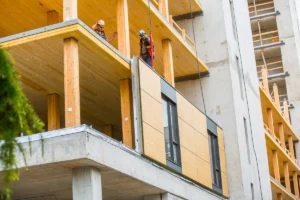
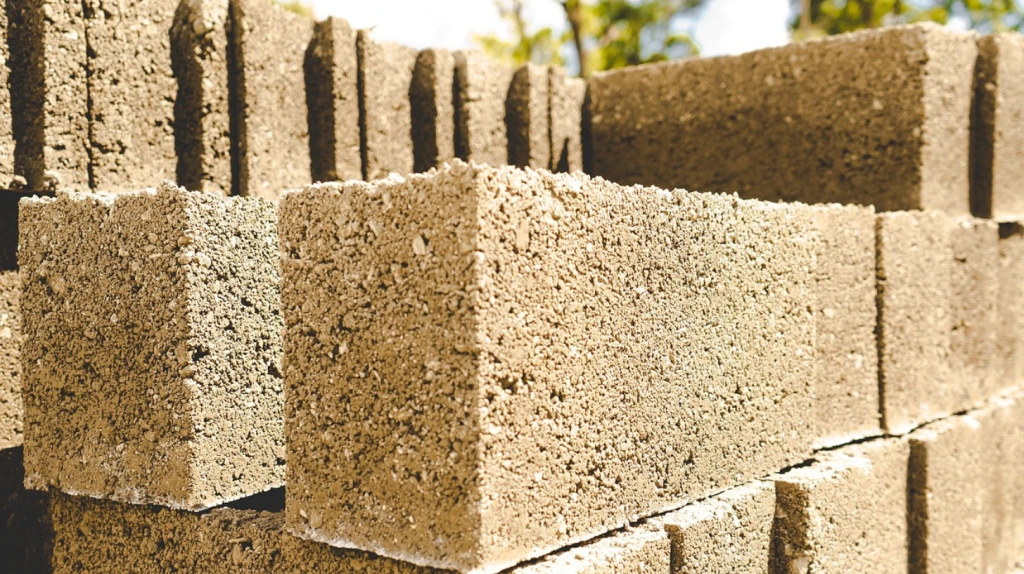
French architects are showing that bio-sourced materials can be used on a large scale, from public sports centers in Paris to social housing in the Loire Valley. Companies like IsoHemp have changed the industry with their pre-made hemp blocks.
This lets builders “grow” a house as quickly as they would with traditional brickwork, but with a much smaller carbon footprint. France isn’t just building homes; it’s also creating a whole ecosystem of sustainable craft.
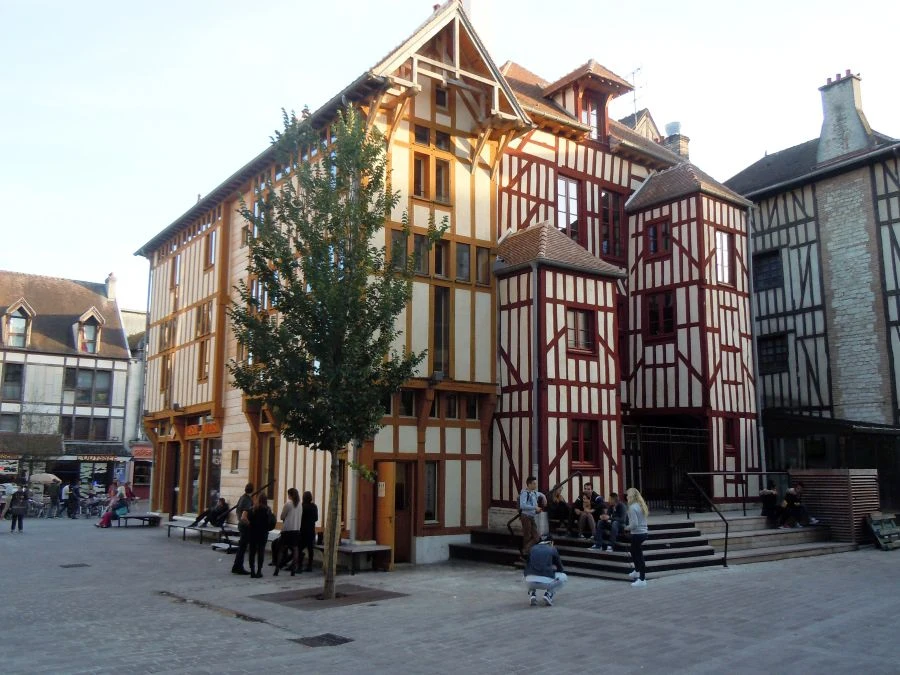
The UK: A New Beginning for the “Breathing” Add-on
The UK is going through a different kind of hemp rebirth across the Channel. Hempcrete is a lifesaver for a country with millions of old, drafty, and “protected” historic buildings.
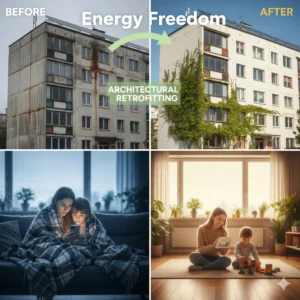
Stone and wood houses in the UK were built to let air flow through them. When builders today wrap them in plastic insulation, they trap moisture, which causes rot and “sick building syndrome.” These old bones go perfectly with hempcrete. It moves with the building, controls the British dampness, and adds new warmth without smothering the history.
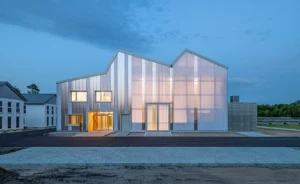
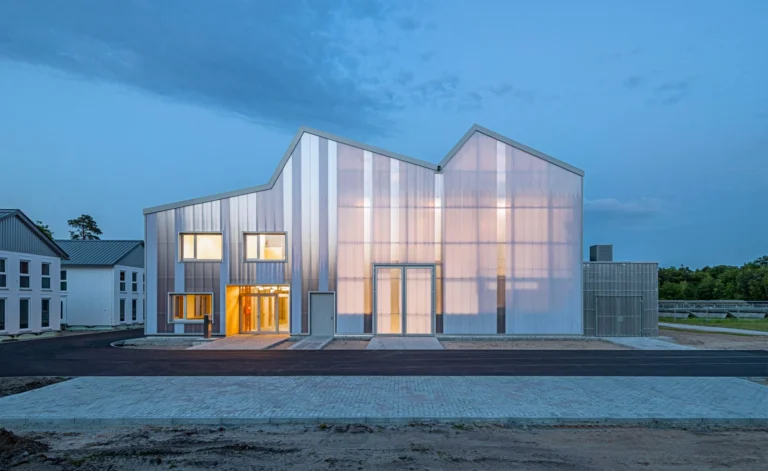
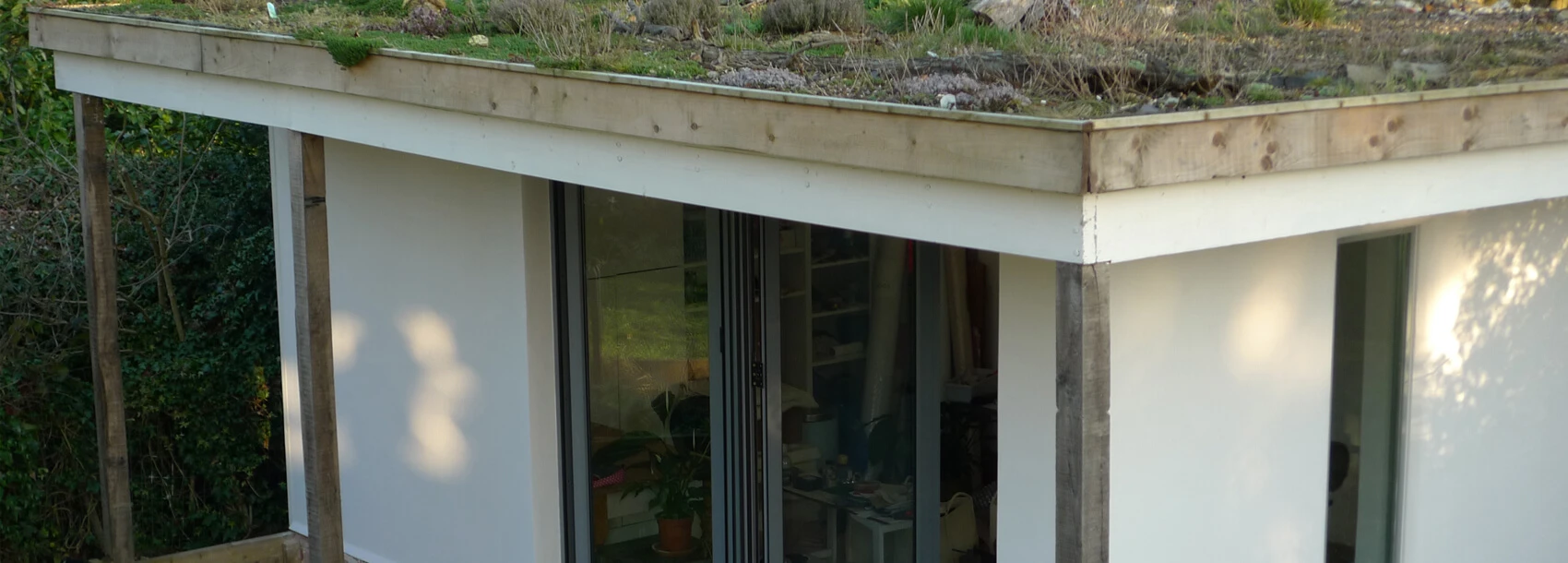
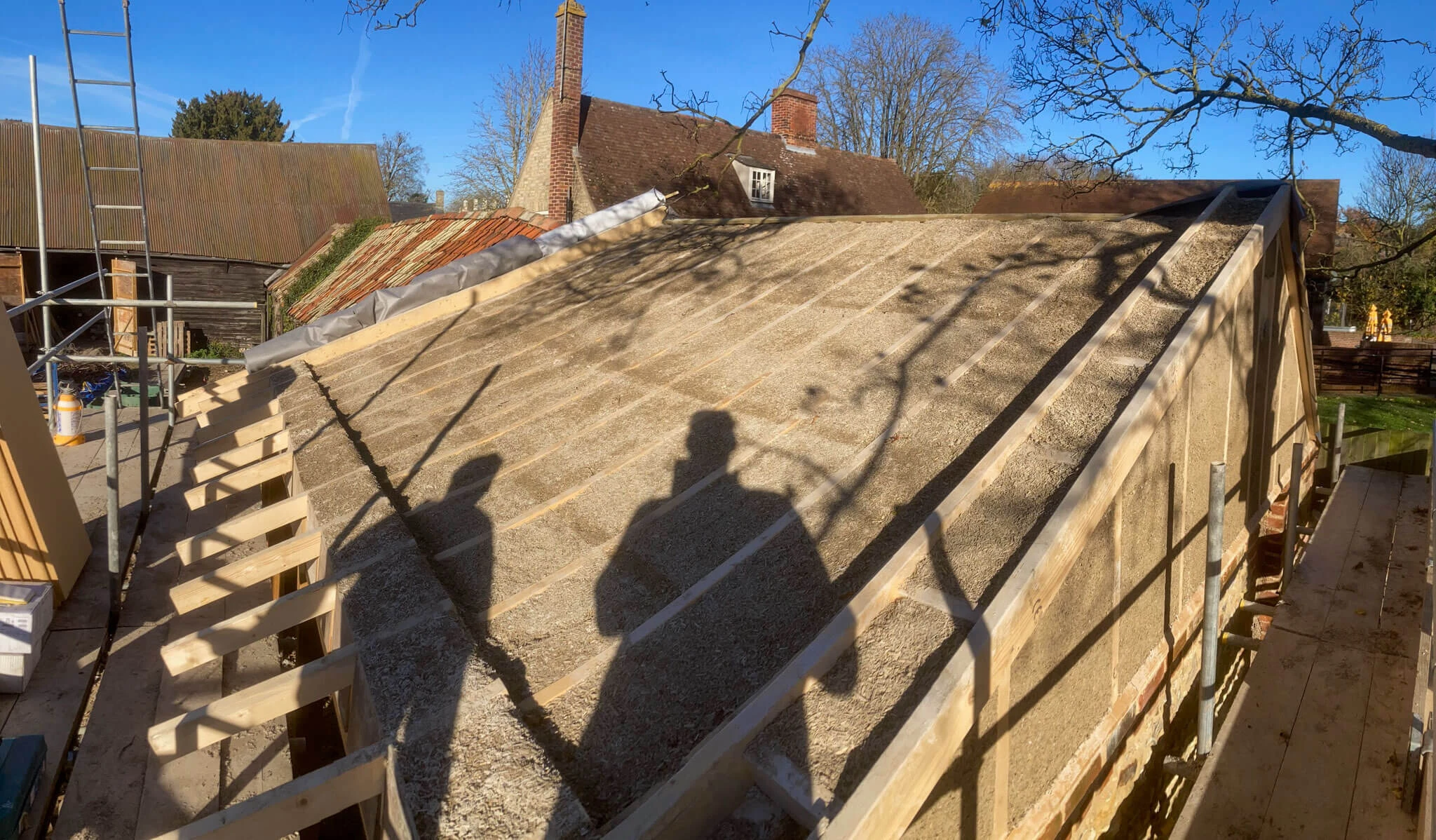
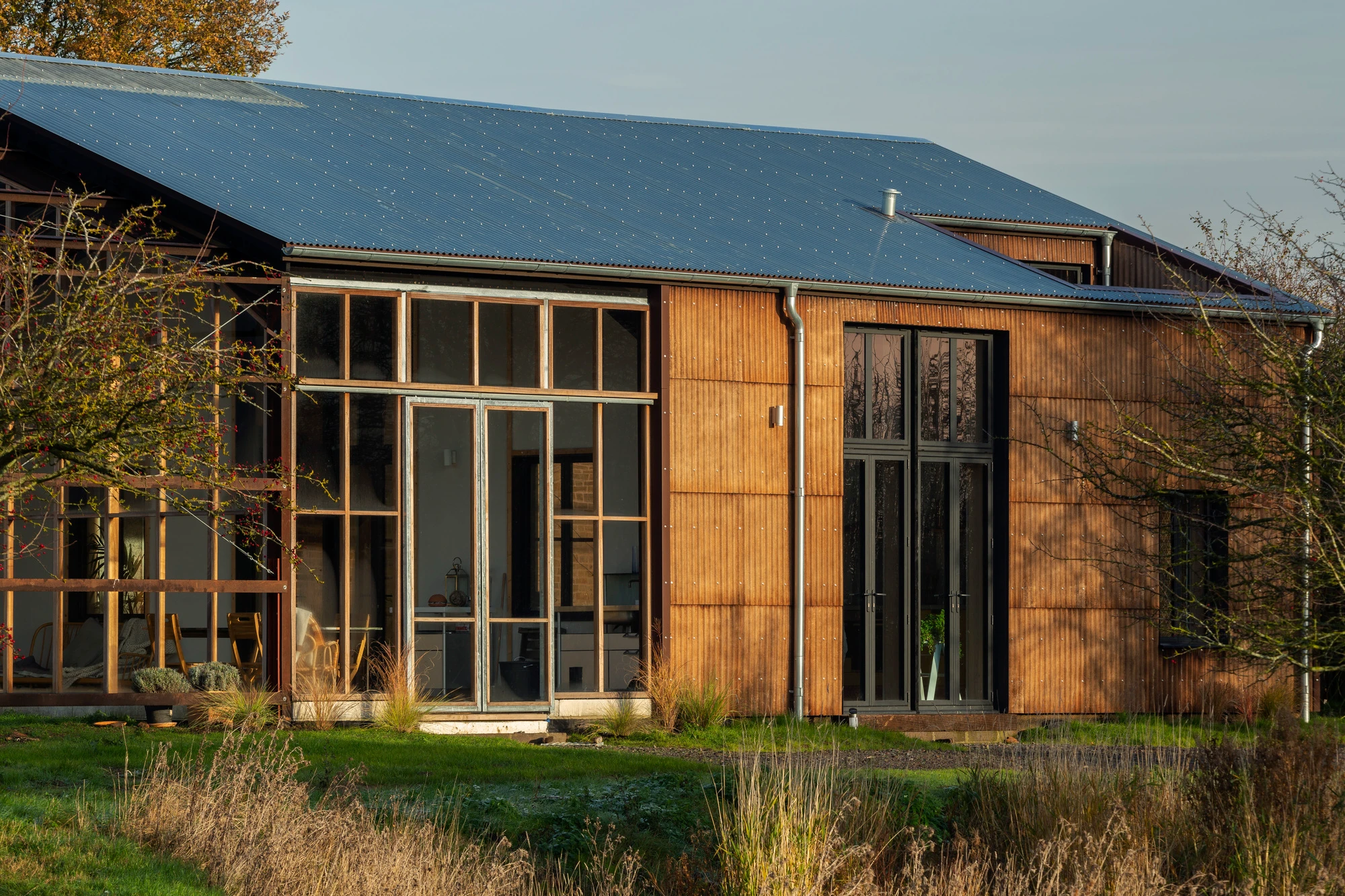
The Flat House in Cambridgeshire is an example of how hemp cultivated in the UK can be used to make high-end, modern designs that can be composted after they are done.
The Magic of Growth: From Farm to Façade
Making hempcrete is a perfect example of a circular economy. It feels more like farming than working in a factory:
- Growing: Hemp is cultivated in the area, so it doesn’t need pesticides or much water. In fact, it makes the soil better for the following harvest.
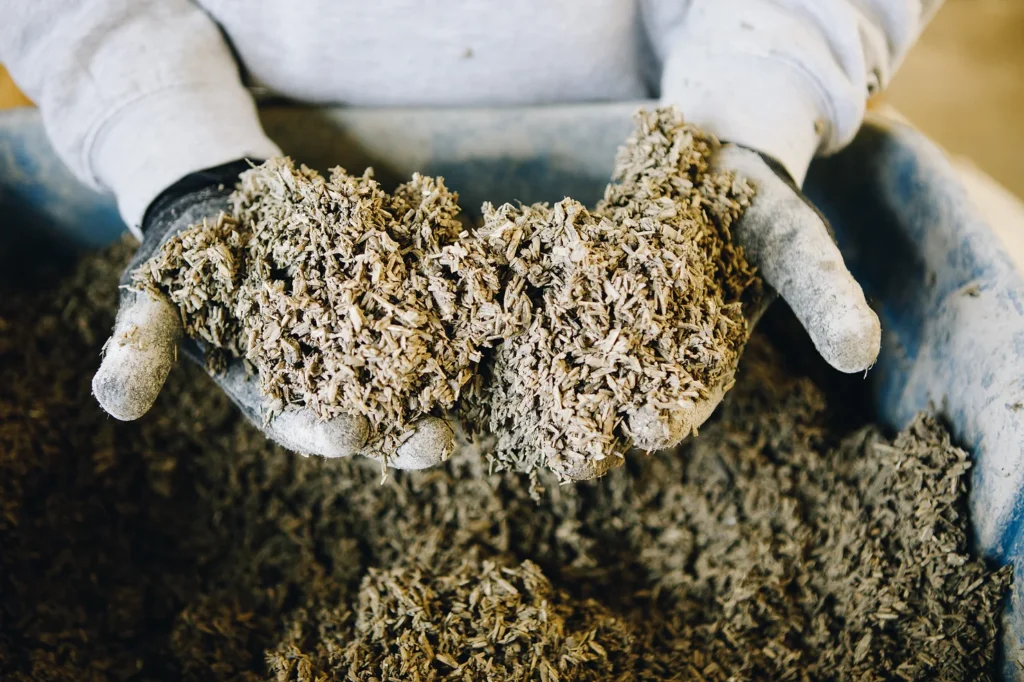
- Processing: The “hurd,” which is the woody core of the stalk, is taken out of the outer fibers.
- The Mix: Lime and water are blended with the hurd.
- The Cure: As the wall dries, the lime goes through a chemical process called carbonation, which turns it back into stone and absorbs even more CO2 from the air.
This is bio-fabrication. There are no hazardous catalysts or high-heat furnaces needed. The plant’s natural intelligence and the craftsman’s calm hand are all it requires.
Living in a “Quiet” Home for Sensory Sustainability
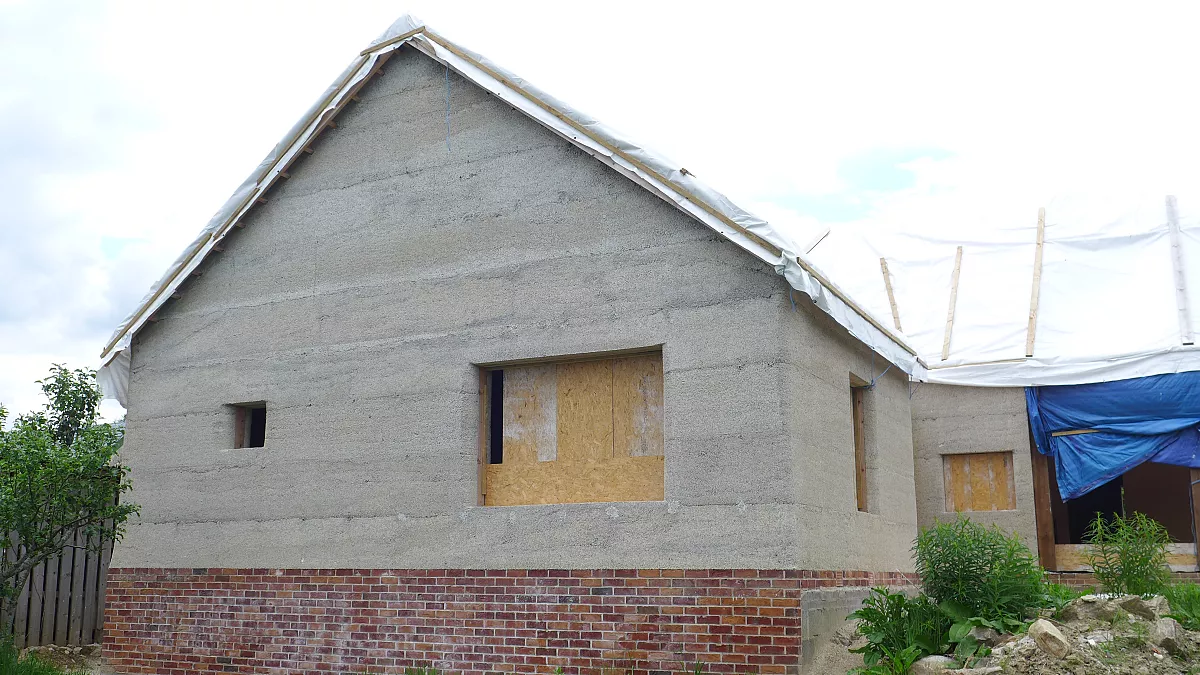
Living in a hempcrete house is an experience for all the senses. Hempcrete is great at absorbing sound waves instead of bouncing them around. The end result is a home that feels “hushed,” as if the walls are protecting your secrets.
Also, “raw” hempcrete’s look is becoming very popular. More and more, architects are leaving parts of the material exposed or using natural lime plasters in colors that look like the earth. This “Raw Luxury” brings the people who live there back to the land, showing that being eco-friendly doesn’t have to appear like a science experiment; it can look like art.
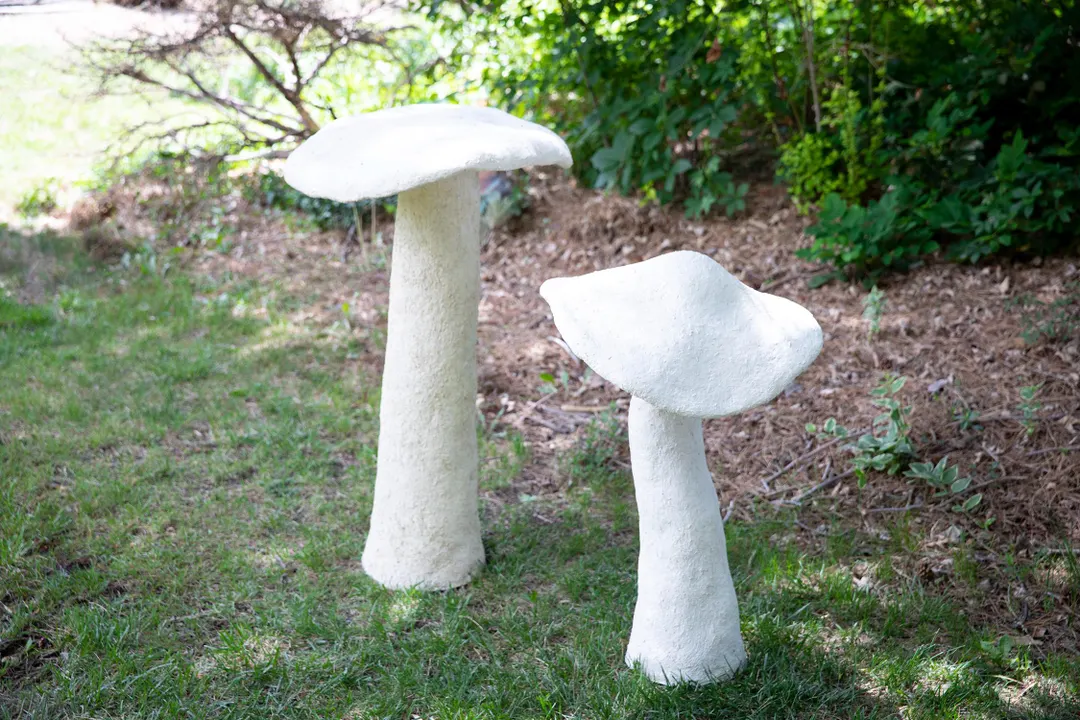
Getting over the “Mushroom Myth”
Let’s talk about the worry that comes from being “plant-based.” A common worry is, “Will my house rot if it rains?” The answer is a clear no.
The lime in the mixture is a natural biocide that makes the pH level high, which is bad for mold, fungi, and pests. Hempcrete is now thought to be more durable than many standard timber-frame systems because the technology has improved so much since 2026. It is, in fact, a “petrified plant” wall.
The Economic Heartbeat in 2026
The change in the world is no longer a small wave; it’s a big wave. By 2030, the market for bio-based construction materials is expected to reach $4 billion. Hempcrete is the smart financial choice for developers in the UK and France because of “Green Building Credits” and carbon levies. We are leaving the “extract and discard” age and entering the “grow and return” age.
Conclusion: A Heart That Beats for the Planet
Ultimately, selecting Hempcrete constitutes a profound act of defiance against a throwaway culture. It means that nature is the best engineer we’ve ever known. We are selecting a future where our houses are healthy, the air is pure, and the buildings have a soul by making hemp the center of sustainable building in France and the UK.
The question for 2026 is no longer, “Is it possible to build with hemp?” but instead, “How soon can your home start to breathe?”
For more blogs like this CLICK HERE!!
Reference:
Hempcrete: The green brick taking on the challenge of climate change | Euronews