Think of a world where the sidewalks you walk on and the bridges that take you home aren’t just dead, gray slabs of stone. Instead, they are living things that can heal themselves. The crack has been a constant nemesis of the construction industry for decades. But as we move through 2026, things are changing in a big way. We are going from static masonry to Bio-Concrete, which has a biological “heartbeat” that fixes itself.
This is not only a big step forward in chemistry, but also in biology. We are making a “Guardian” for our cities by putting tiny living things into the most common building material in the world.
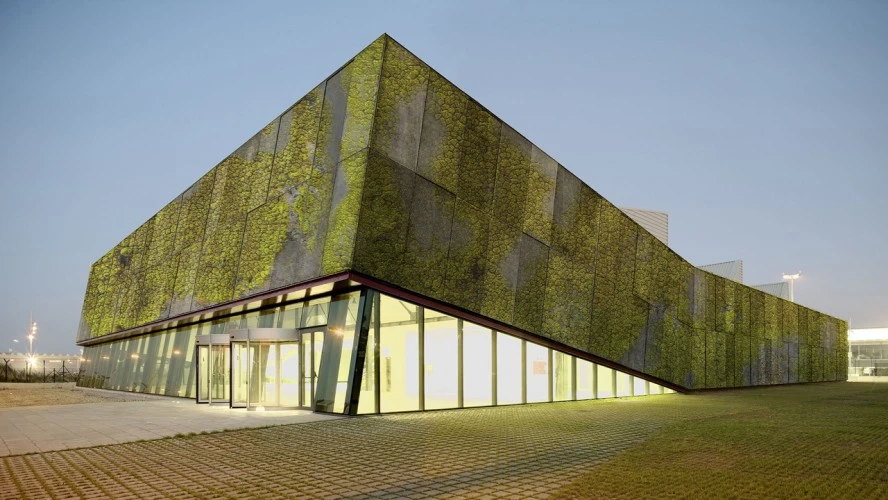
The Quiet Crisis of Cracking Concrete
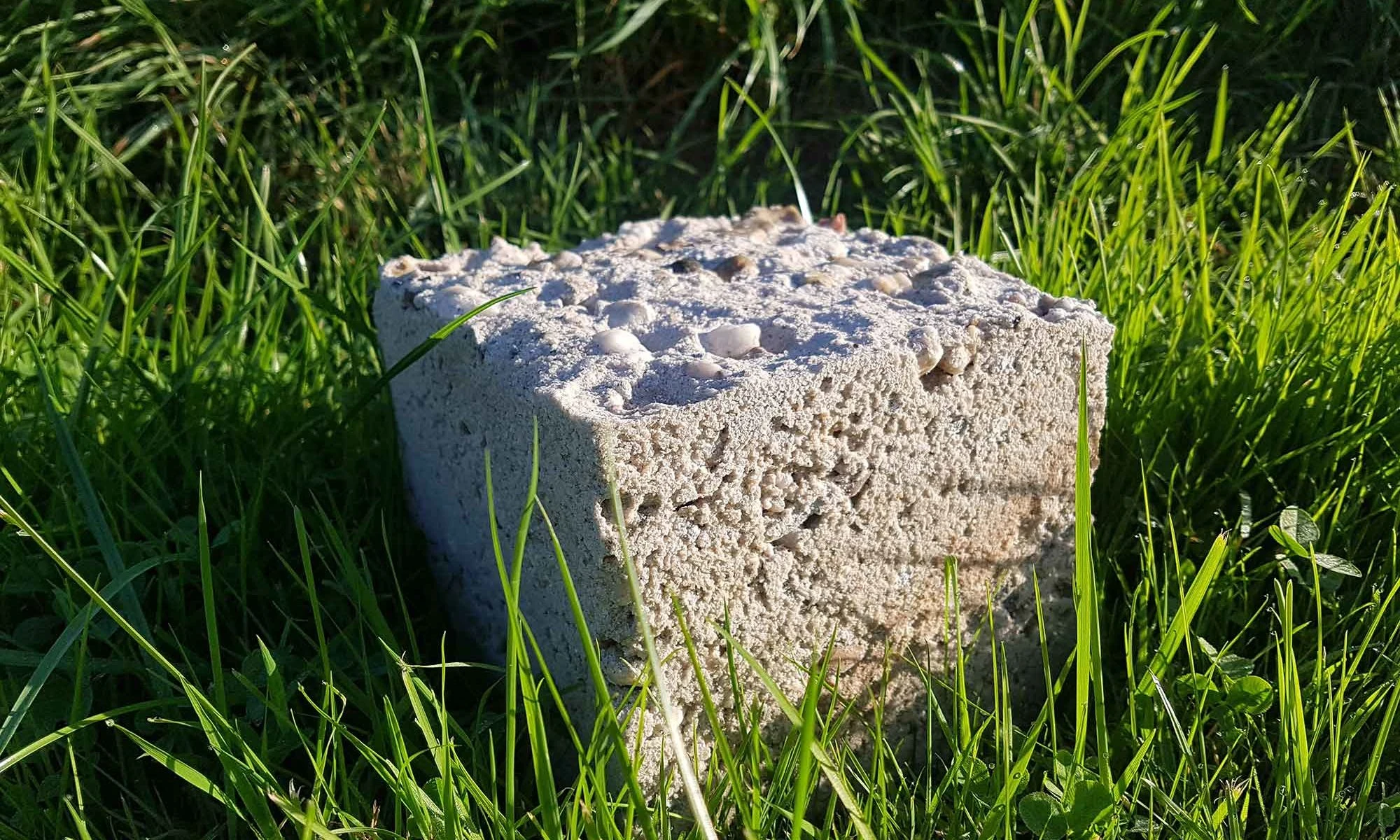
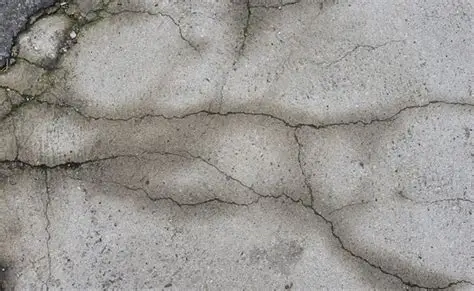
Concrete is the framework of modern society. After water, it is the second most popular thing on Earth. But it has one big problem: it breaks easily. Concrete will eventually develop micro-cracks because of changes in temperature, heavy loads, and moisture.
Water and salt can get in through a gap that is 0.2mm wide and reach the steel reinforcements. This causes rust, damage to the structure, and eventually, a complete failure. Every year, billions of dollars are spent in the UK and the US alone to fix these “scars.” The best thing about bio-concrete is that it doesn’t need any help from people at all.
How the Biological Architect Works
A combination between brickwork and microbiology lies at the heart of this technology. Researchers have shown that some species of bacteria, especially those from the Bacillus genus, can live in the hard, low-oxygen, and very alkaline environment inside a concrete wall.
The concrete has dormant spores of these bacteria mixed in with calcium lactate, which is like a “lunchbox.” They can slumber for up to 200 years, waiting for the right time to wake up.
The Cycle of Healing:
- The Break: A fracture appears, letting water and air get into the concrete.
- The Awakening: The moisture “wakes up” the germs that were sleeping.
- The Feast: The bacteria start to eat the calcium lactate.
- The Precipitation: The bacteria poop out limestone (calcium carbonate) as a result of digesting food.
- The Seal: The limestone develops and hardens, plugging the crack and making it strong again.
What makes Bio-Concrete the “Heart” of 2026
Sustainability will be a must in 2026, not just a choice. Bio-concrete has become the best choice for builders that want to make money while also protecting the world.
Extending Infrastructure Lifespan
Most of the time, concrete buildings are built to last between 50 and 100 years. We can extend it to 150 years or more with self-healing powers. This “longevity leap” means we don’t have to tear down and rebuild as often, which saves energy and resources for future generations.
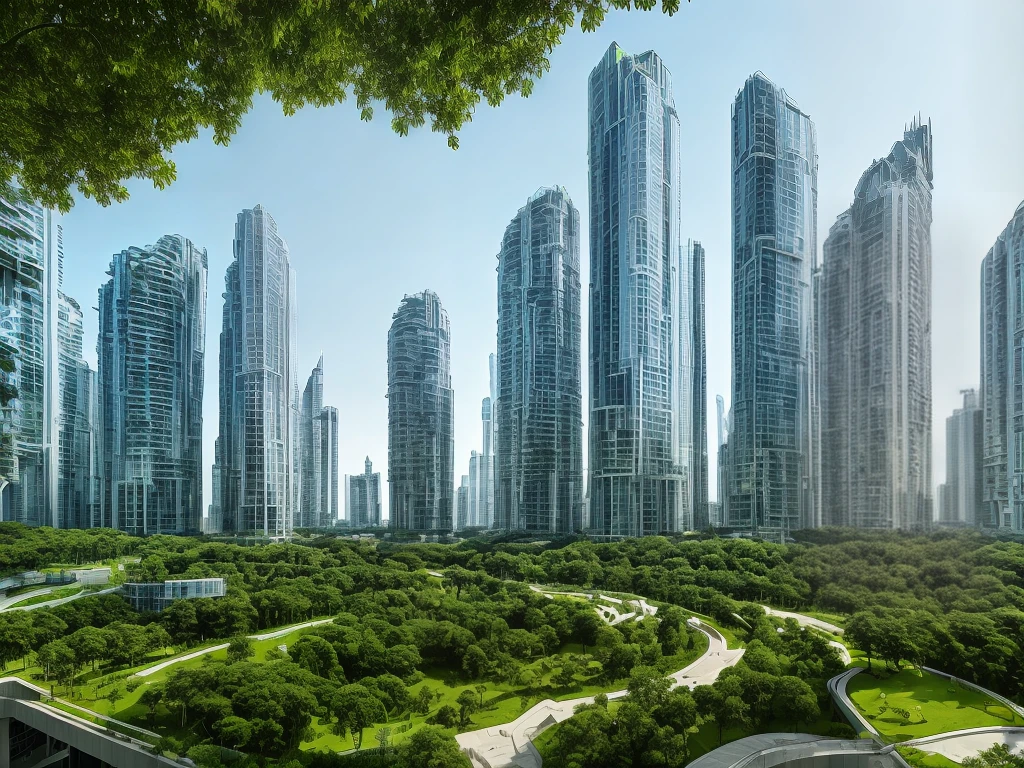
Big Drop in Carbon Emissions
About 8% of the world’s CO2 emissions come from making cement. We can cut the carbon footprint of our infrastructure in half over time by making concrete last twice as long. Also, new “Carbon-Negative” bio-concrete types that will be available in 2026 will use cyanobacteria that actually take CO2 out of the air while they are mending.
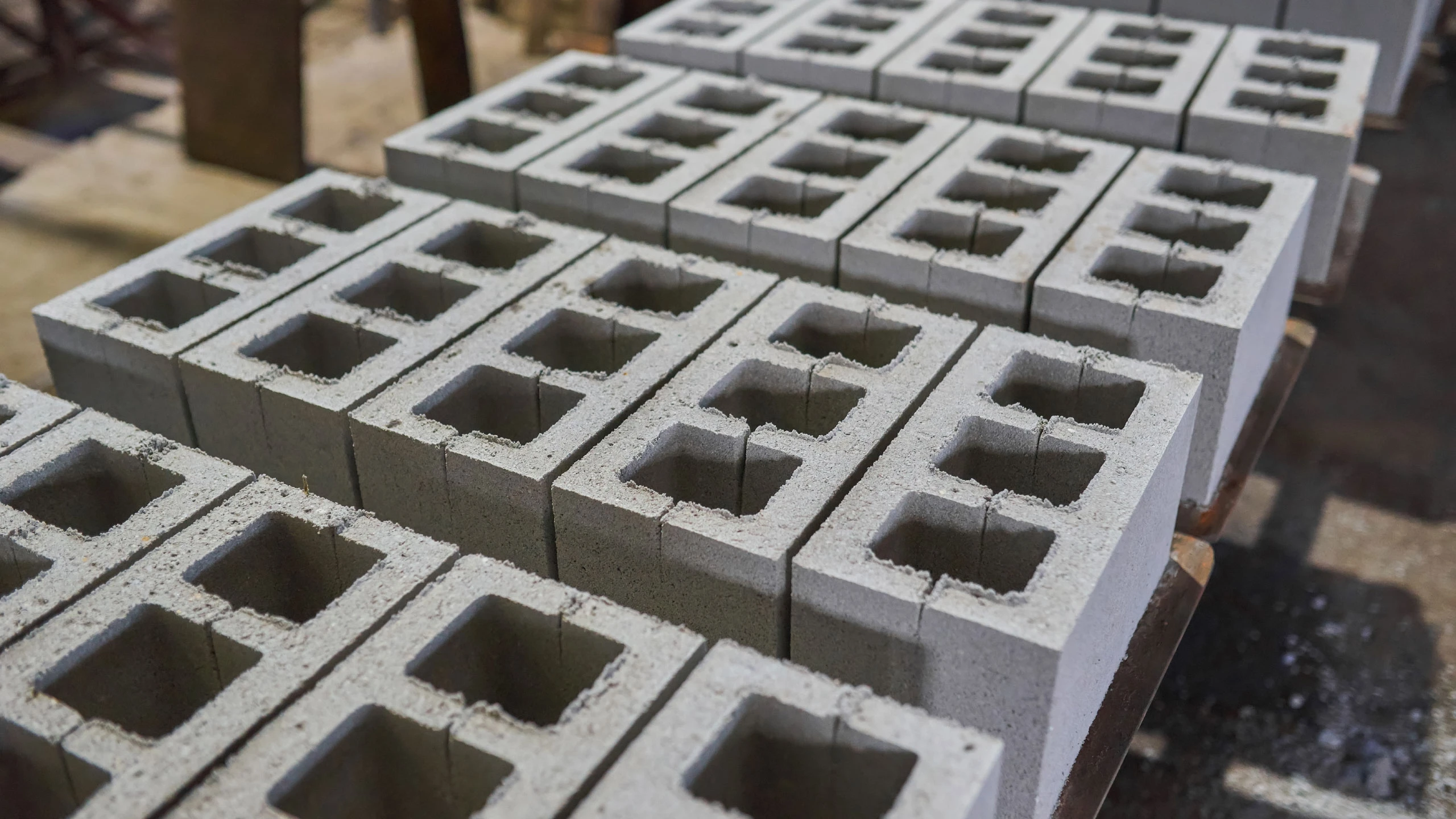
The End of Upkeep Nightmares
Think about a tunnel beneath the English Channel or a building in Dubai that never needs a team to fix cracks in the surface. By using biology to automate maintenance, we make it safer for people to work and get rid of the long traffic jams that happen when roads need to be fixed.
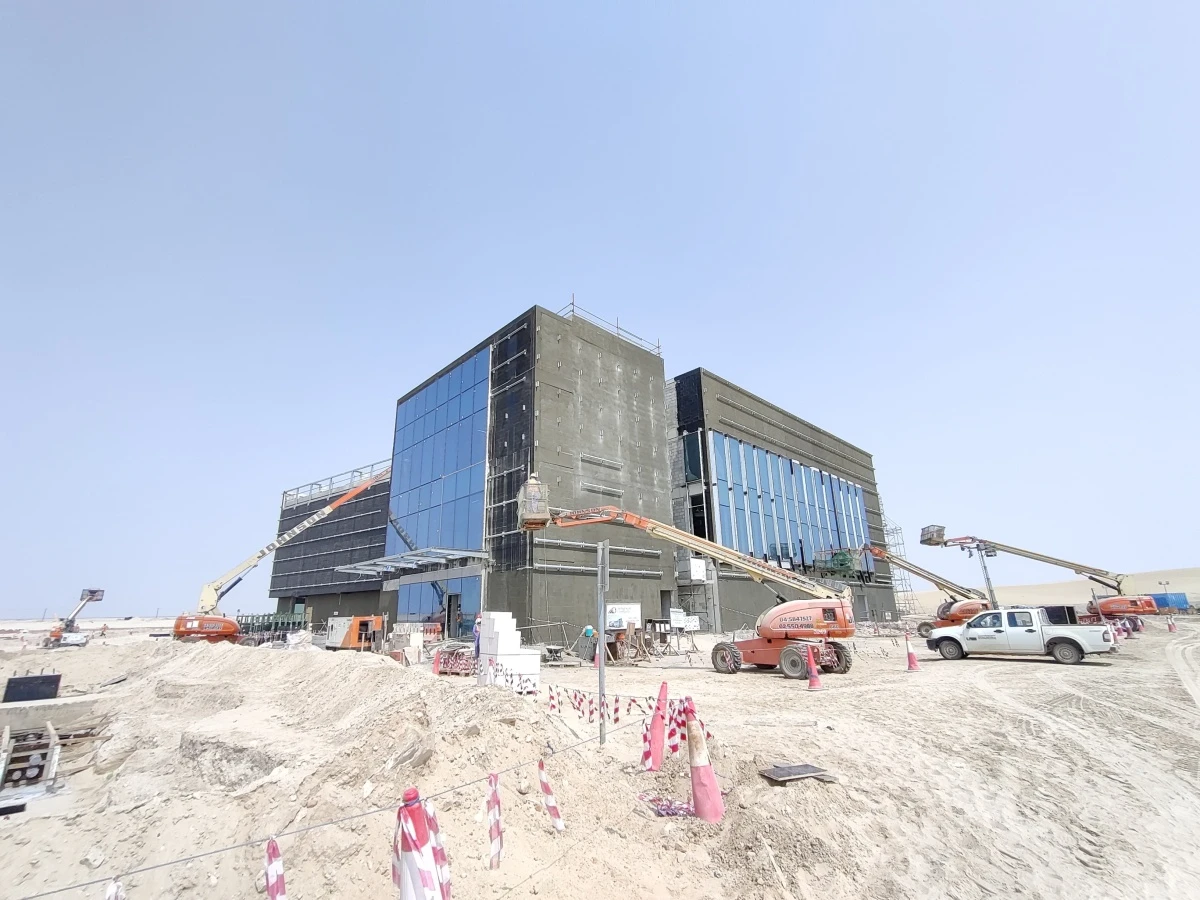
The “Living” Home and Safety
In 2026, a lot of people will ask, “Is it safe to live in a building full of bacteria?” Yes, the answer is a big yes. The microorganisms in bio-concrete are not harmful to people or animals, thus they are safe to use. They are stuck deep inside the concrete, far away from the air you breathe. They don’t want to leave their concrete home; they’re OK living in the dark and waiting to do their duty.
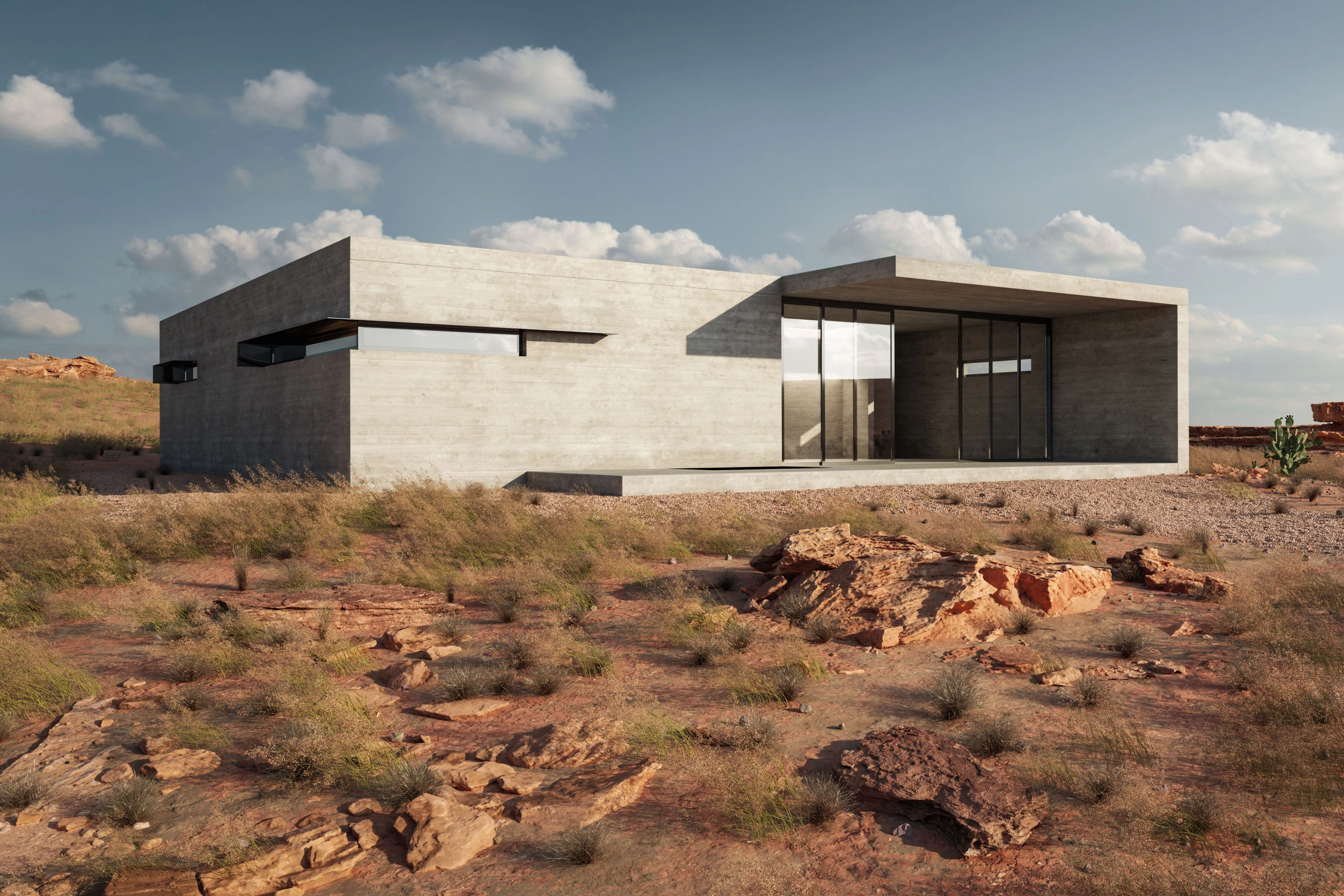
The Economic Pulse: More Than Just the Price
It’s true that bio-concrete costs more than regular mixtures at first. But when you look at it through the perspective of Life-Cycle Cost Analysis (LCCA), it costs a lot less.
Smart investors are looking at the “Total Cost of Ownership” in 2026. When you think about how much money you’ll save on inspections, sealants, and structural repairs over fifty years, bio-concrete is the best decision for your wallet. The governments of France, the UK, and Japan are already giving out “Green Infrastructure” subsidies to help pay for the initial costs.
The Future of Bio-Materials: From Earth to the Stars
The genius of bio-concrete goes beyond the bounds of our world. We can’t send sacks of cement into space as we plan to explore the Moon and Mars.
In 2026, scientists are already studying “extraterrestrial bio-concrete,” which is when bacteria use lunar dust (regolith) to build homes. The same biological heartbeat that keeps London’s bridges secure could one day keep humans safe on the Moon.
Conclusion: A Legacy That Heals
Bio-concrete is a sign that people are changing. We are moving away from the “conqueror” perspective, where we make things do what we want, and toward the “collaborator” mindset, where we work with the planet’s innate intelligence.
By using bio-concrete as the main building material in our cities, we are making sure that they are more than just monuments to our history; they are also living, breathing legacies for our future. The cracks will still happen, but this is the first time in history that the building will be able to mend itself.
For more blogs like this CLICK HERE!!
Reference: