More Than a Roof: It’s the Heart of Your Home
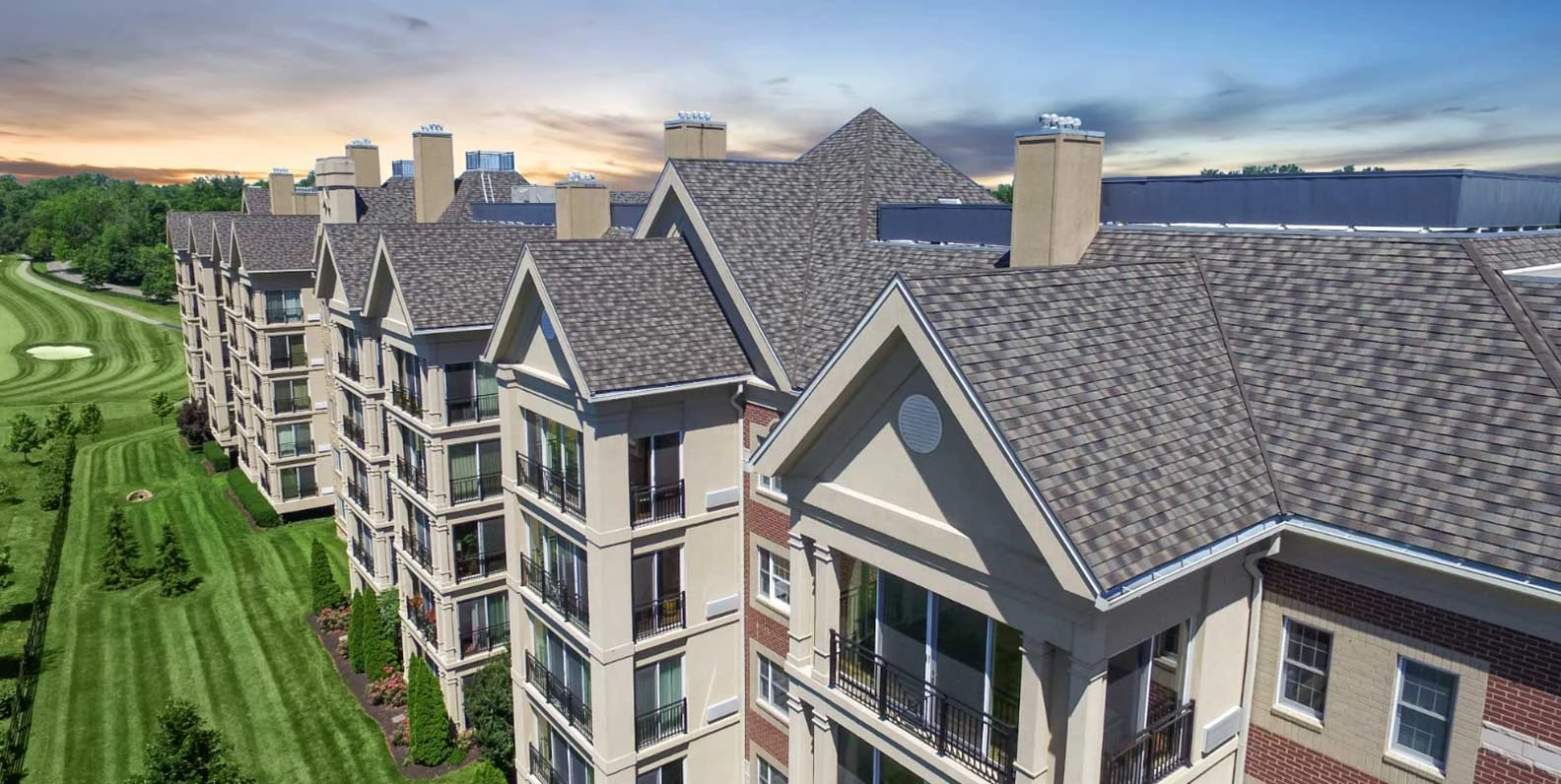
People often forget about the roof of a house until they need to. But a roof is more than just a bunch of shingles. It is the place where your family lives, protects your most valuable things, and decides how well your home uses energy and how good it looks from the street.
Choosing the proper material for your US home is a big decision that will affect it for a long time. It’s not only about picking a hue; it’s also about making a financial and environmental investment that has to last through decades of distinct local problems, like the harsh Texas sun, the salty air on the Florida coast, and the heavy snow that falls in New England.
This guide will help you find the main options so you can understand the distinctions between the most durable and popular materials. This will help keep your personal sanctuary healthy and long-lasting.
The Unbeatable Trio: A Deep Dive into Materials
There are many different types of specialist materials, but the US residential roofing market is mostly made up of three main types, each with its own unique mix of cost, longevity, and durability.
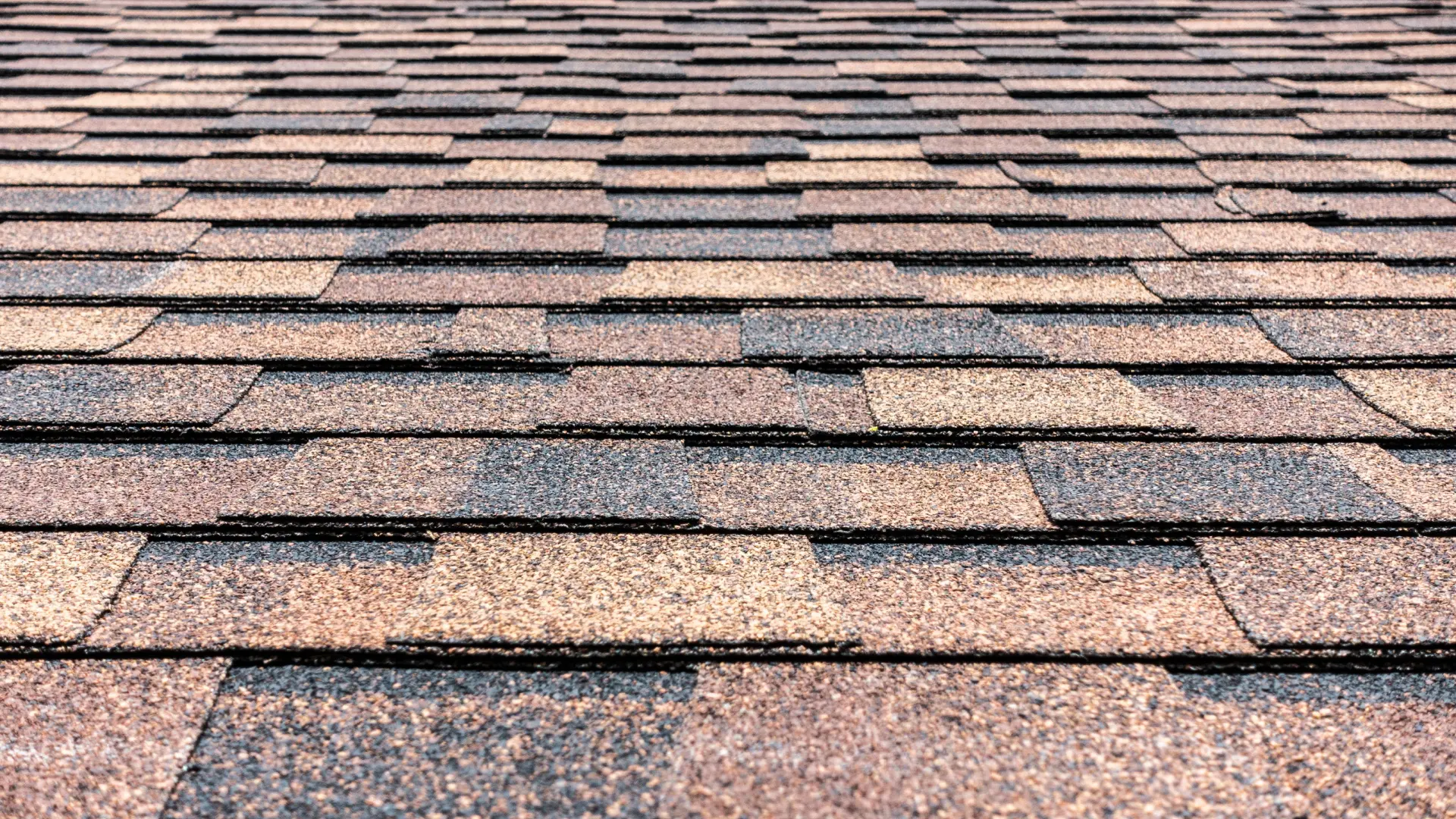
The Classic Value: Shingles Made of Asphalt
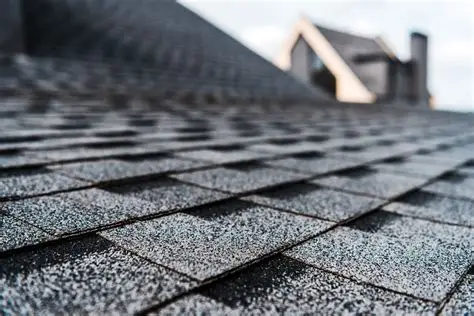
Around 80% of homes in the US have asphalt shingles, which makes them the most popular choice by a huge margin.
- Cost and lifespan: Standard 3-tab shingles are the cheapest option and last 15 to 20 years. Architectural shingles, often called dimensional shingles, are thicker, which makes them look better, makes them more resistant to wind, and makes them last longer, frequently up to 25–35 years. The costs up front are the lowest of any major material.
- Durability and Climate: Asphalt works well in moderate weather. The biggest problem is that excessive heat and UV exposure speed up the disintegration of the asphalt granules, which shortens their life in hot areas. They could need coverings that keep algae from growing in moist or humid places.
- The Verdict: This is the best alternative for homeowners who want something cheap and easy to install quickly. Best for anyone who want to sell in 15 to 20 years.
Metal Roofing Is a Long-Term Investment
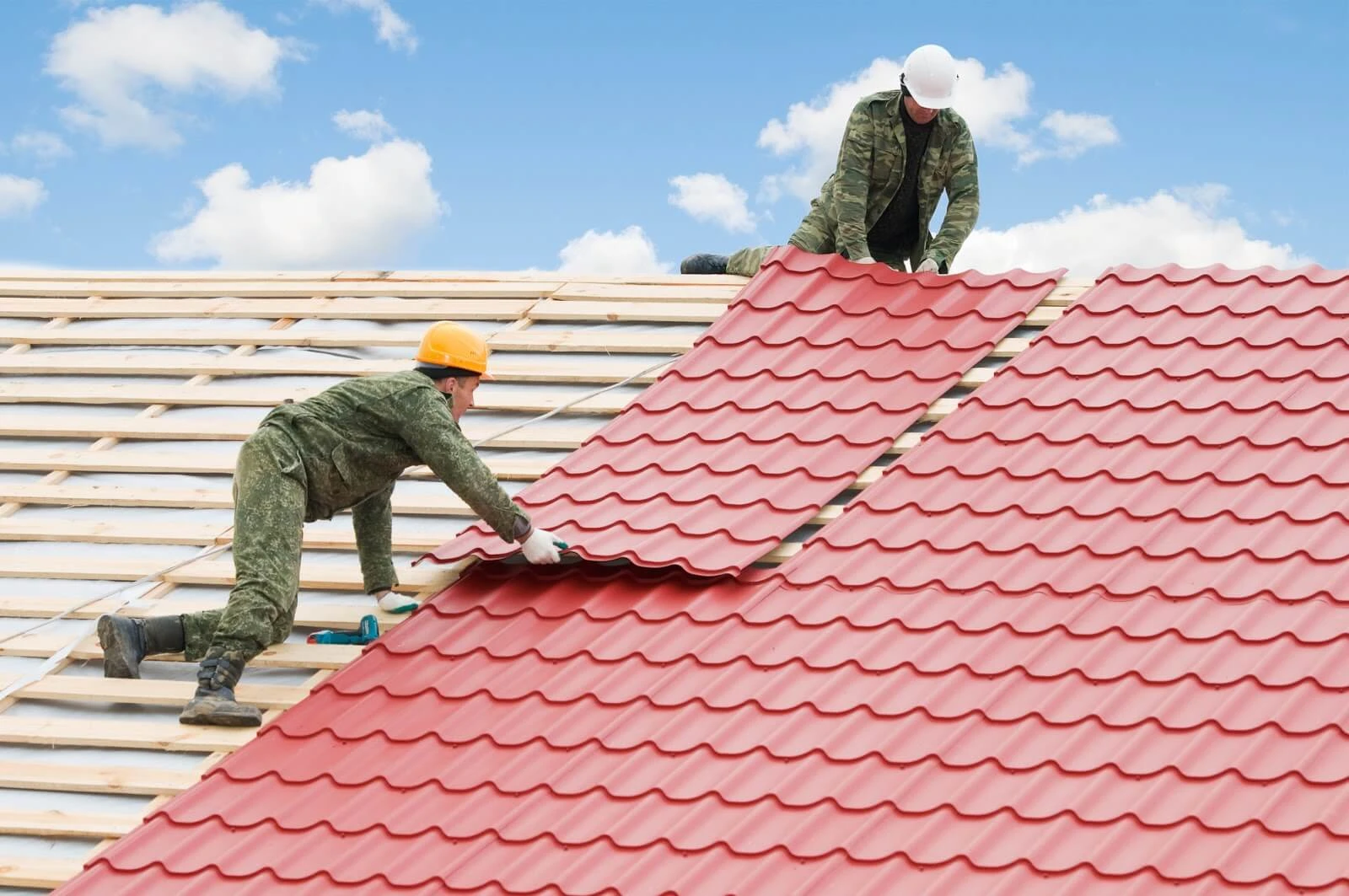
Metal roofing is becoming more and more popular since it lasts a long time and works well in harsh environments. Steel and aluminum are two common varieties, and they are commonly put in standing seam or shingle shapes.
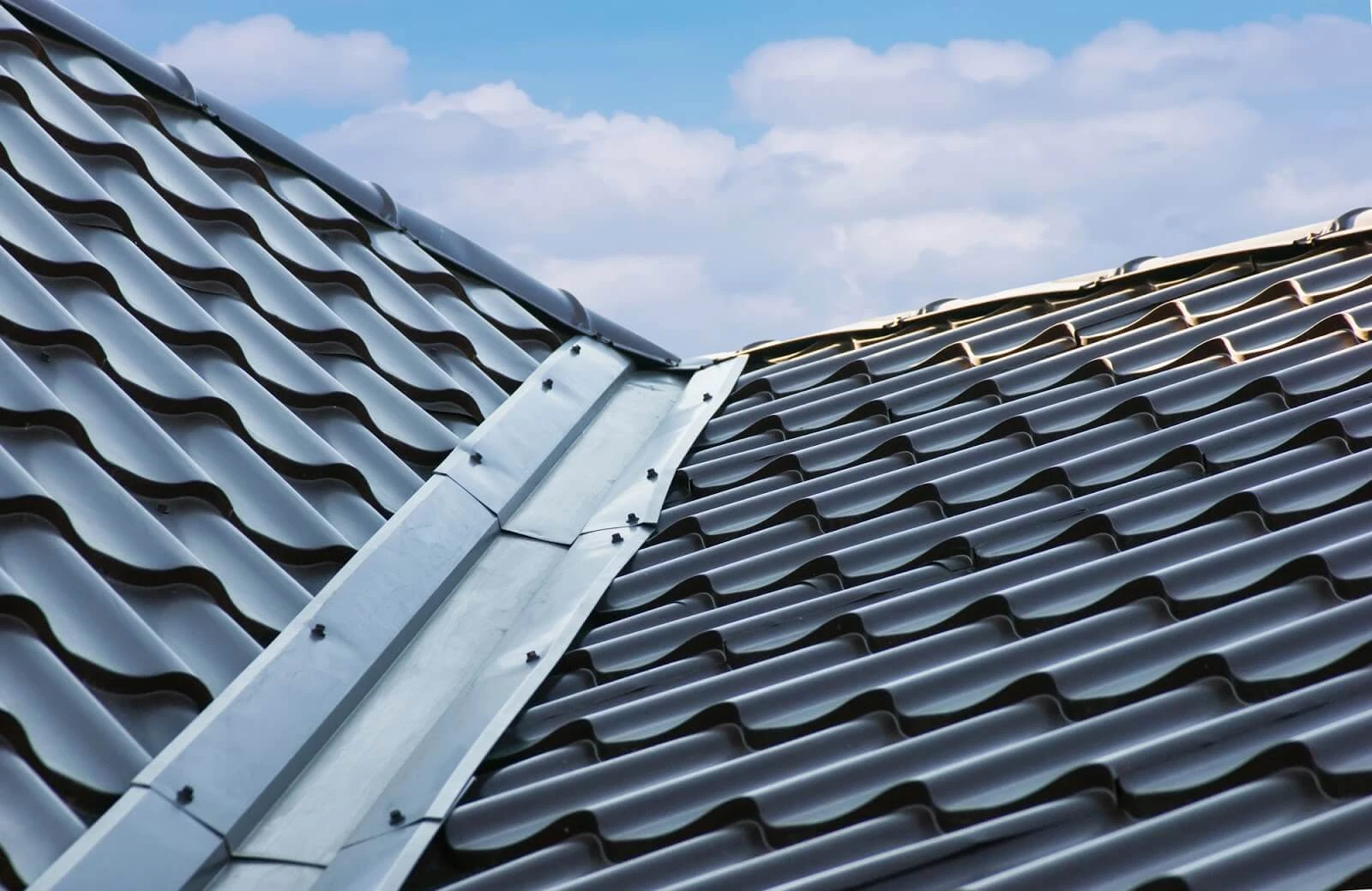
Metal costs more up front, usually two to three times as much as asphalt. But the payoff is huge: metal roofs can last 40 to 70 years or more, so they might be the only roof you ever need to buy.
Metal is best when it comes to durability and weather. It doesn’t catch fire easily and can withstand strong winds and hail very well. In hot places, metal with reflective coatings (a “Cool Roof”) may bounce back solar radiation heat, which can cut cooling expenses by 10% to 25%. Aluminum doesn’t rust easily, thus it’s the best choice for places with salt air and coastal areas.
The Verdict: The best choice for homeowners who want a roof that will last a lifetime, is energy-efficient, and is very durable.
The Timeless Sentinel: Tiles Made of Clay and Concrete
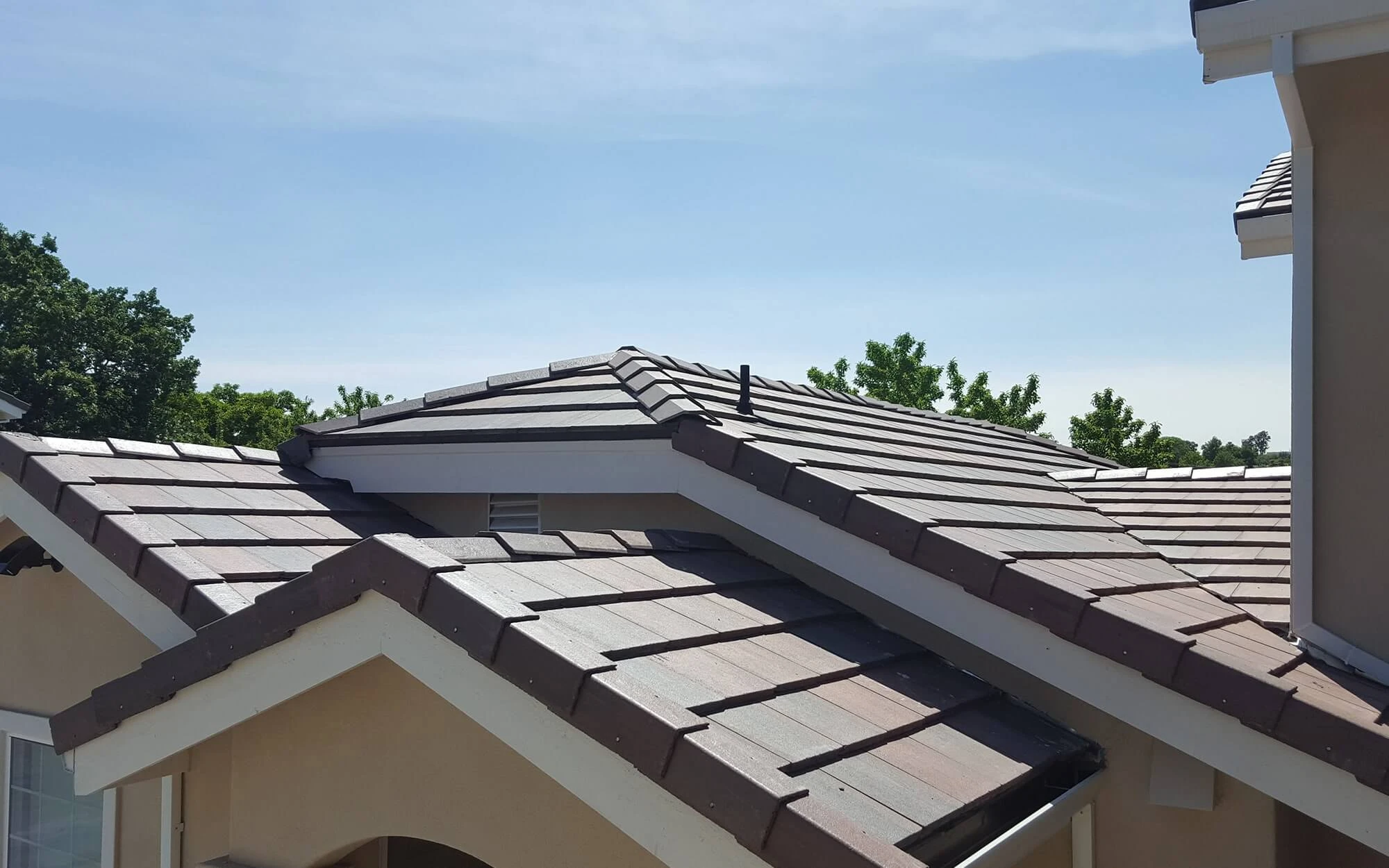
Tile roofs are popular in the Southwest, California, and Florida. They give buildings a unique look and have several structural benefits.
Tile is a high-end choice that is typically as expensive as metal at first, but it needs extra support because it is heavy. But the return is really good. Clay and concrete tile roofs can survive 50 to 100 years, and they commonly outlive the building they are atop.
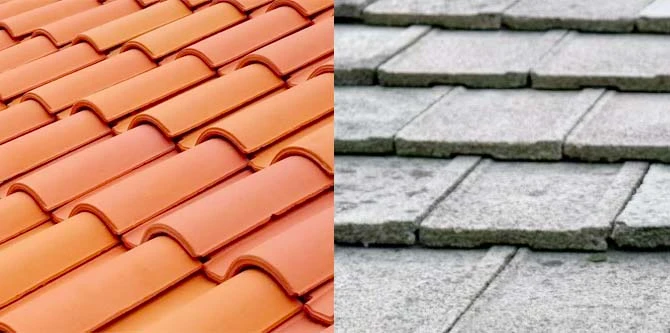
Durability and climate: Tile is the best choice for hot, dry places. Its thermal bulk and capacity to let air circulate help keep indoor temperatures at a comfortable level. Fire, bugs, and decay can’t get through them at all. Clay is weak because it breaks easily when hit hard or walked on, but concrete is a little stronger.
The Verdict: This is the best choice for homeowners who want something that will last a long time, resist fire better, and have a unique Mediterranean or Spanish look.

Your Climate is Your Guide: Make the Right Choice
Choosing a roof material that works best for your area’s environment is the key to getting the most out of your roof. The best roof in Alaska is not the best roof in Arizona.
| US Climate Zone | Key Challenge | Best Material Options |
| Hot & Sunny (Southwest) | Intense UV, heat absorption | Metal (reflective coating), Clay/Concrete Tile (thermal mass). |
| Cold & Snowy (Northeast/Mountain) | Snow load, freeze-thaw cycles | Metal (sheds snow), Slate (ultimate durability), Premium Architectural Shingles. |
| Coastal/Hurricane (Southeast) | High wind uplift, salt corrosion | Metal (aluminum or coated steel), Concrete Tile, Synthetic (high wind ratings). |
| Wet & Humid (Pacific Northwest) | Moss/Algae growth, moisture damage | Algae-Resistant Asphalt, Metal (non-porous), Composite/Synthetic. |
Your roof is the first line of defense, the powerful shield that protects your home. The most important thing you can do to make sure that the material lasts a long time and doesn’t break down too soon is to match it to the climate.
The Equation for Lifetime Value
It’s crucial to think about the Lifetime Value (LTV) when making a professional decision, even though the initial cost is important.
- In the time it takes to replace one metal or tile roof (60 years), you could replace three basic asphalt roofs (20 years).
- Taking into account the cost of two more tear-offs, replacements, and possible energy savings, the most expensive roof at first often turns out to be the cheapest roof over the course of 50 years.
Before you sign a contract, find out which material is suitable for how long you expect to live in your home and how much work you are willing to do to keep it up. Putting money into good roofing is not just a cost; it greatly improves the security, value, and energy future of your home.
For more blogs like this CLICK HERE!!!
Reference: