For many years, we thought of architecture as just building four walls and a roof to keep out the weather. But as we get closer to 2025, the worldwide design community has come to a deep understanding: the structures we live in are not just empty shells. They are involved in our mental health in a big way.
We are now living in a “Nature Renaissance.” Biophilic Design has become the most important technique in modern design as cities get more crowded and people get tired of using technology. It is no longer just a luxury for high-end spas; it is the beating heart of mental health activism in the built environment.
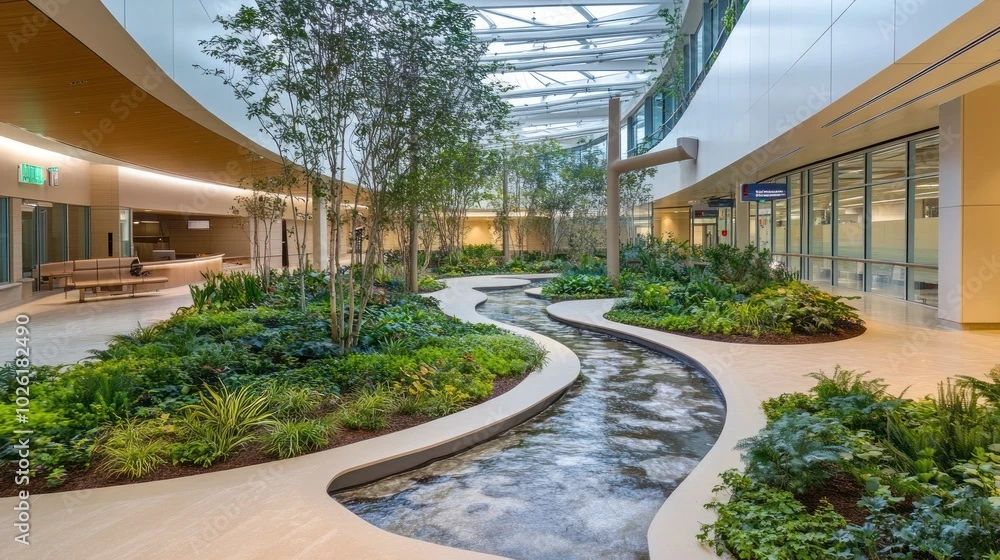
Neuroarchitecture: The Science of the “Soul”
“Biophilia” means “a love of life or living things” in its most basic form. This idea has grown into a scientific subject called Neuroarchitecture by 2025. This field looks into how our brains react to certain things in our environment, like lighting, ceiling height, textures, and the presence of plants.
Recent research from universities such as Frontiers in Virtual Reality indicates that biophilic environments markedly enhance stress recovery rates. Physiological data reveals that skin conductance levels (a measure of stress) drop almost twice as fast in rooms with plants and other natural elements as they do in regular sterile rooms. By using biophilic ideas, we are “revolutionizing the spirit” by bringing our modern way of life in line with our old, biological foundations.
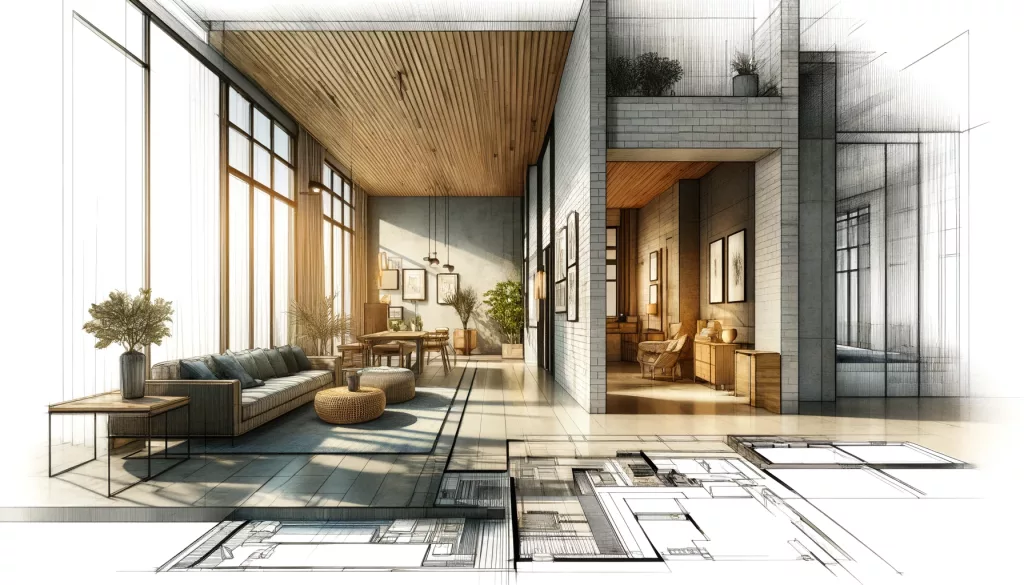
Direct Nature Experience: The Strength of Living Plants
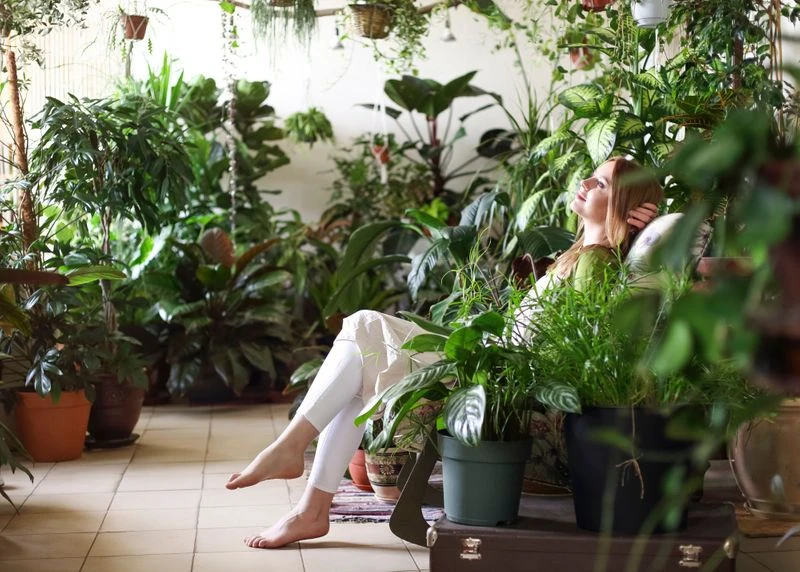
Living plants are the most obvious part of biophilic design. But in 2025, we no longer have just one potted fern in the corner.
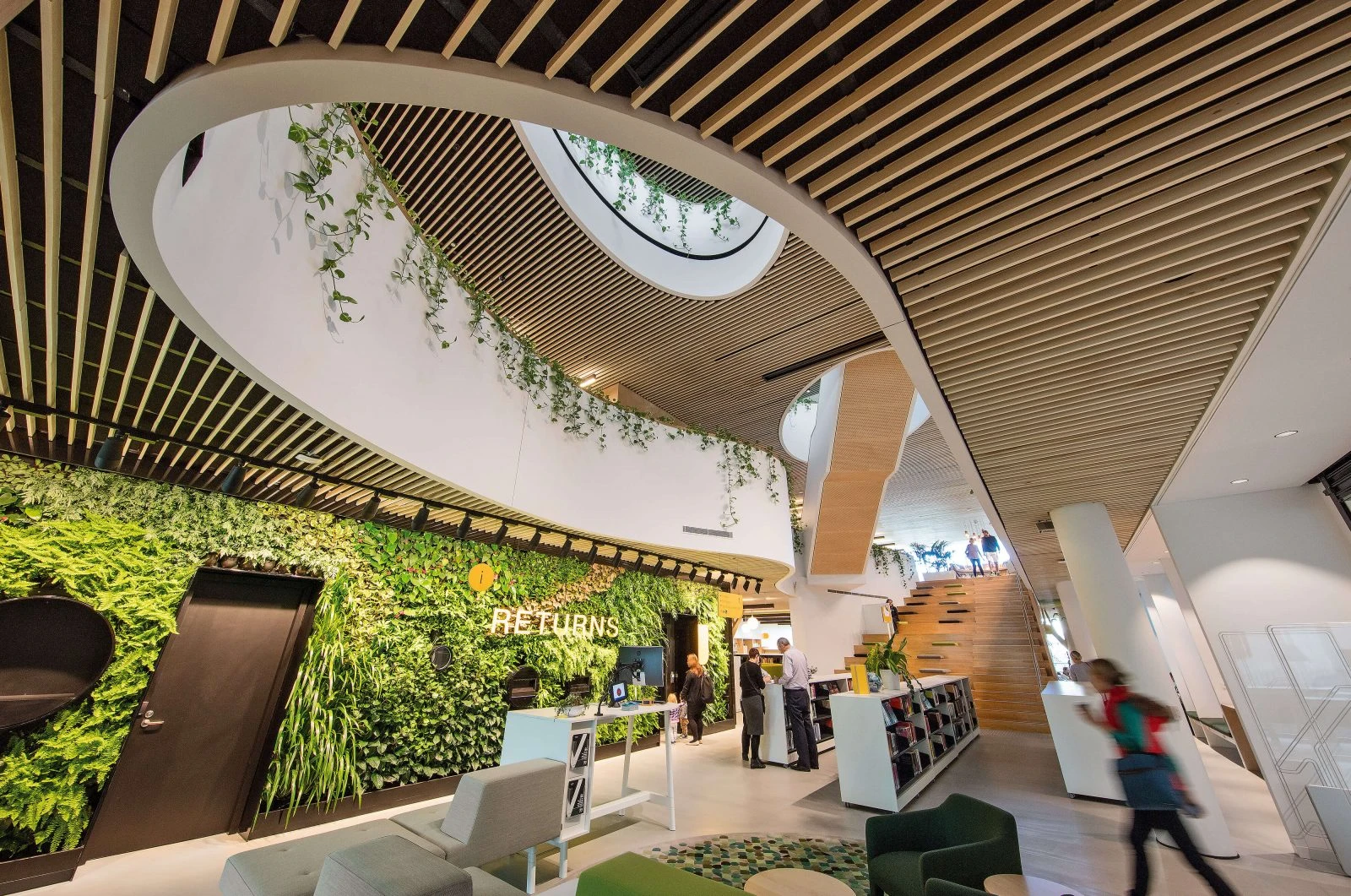
Vertical forests and living walls “Living Walls,” which are huge vertical gardens with sophisticated sensors that keep an eye on air quality and plant health in real time, are now used in modern construction. These installations do more than simply look nice; they also add “visual complexity,” which makes your mind less tired.
- The Psychological Win: Seeing green things makes endorphins flow and makes you more creative. A study from Bond University in 2025 found that sights of nature greatly improve happy feelings and lessen negative ones.
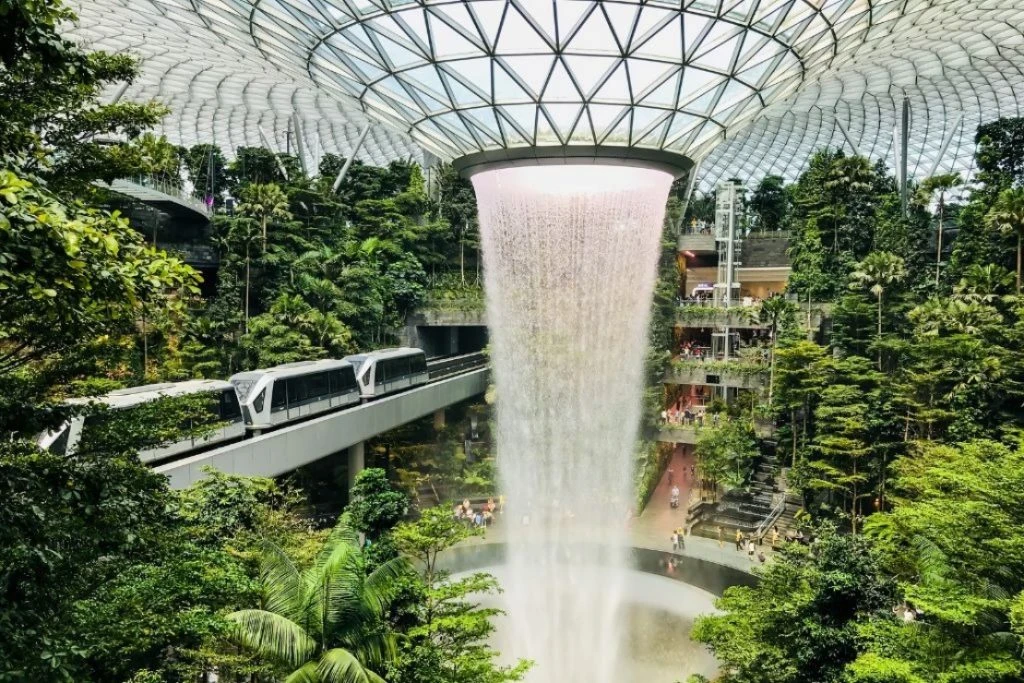
Water Features and Sonic Sanctuaries One of the best ways to cover up city noise is with the sound of running water. Designers are increasingly adding indoor waterfalls and reflecting pools that use rainwater collection to make them more eco-friendly. These qualities make a calming sound background that lowers heart rates and gives people in busy city centers a sensation of “serenity.”
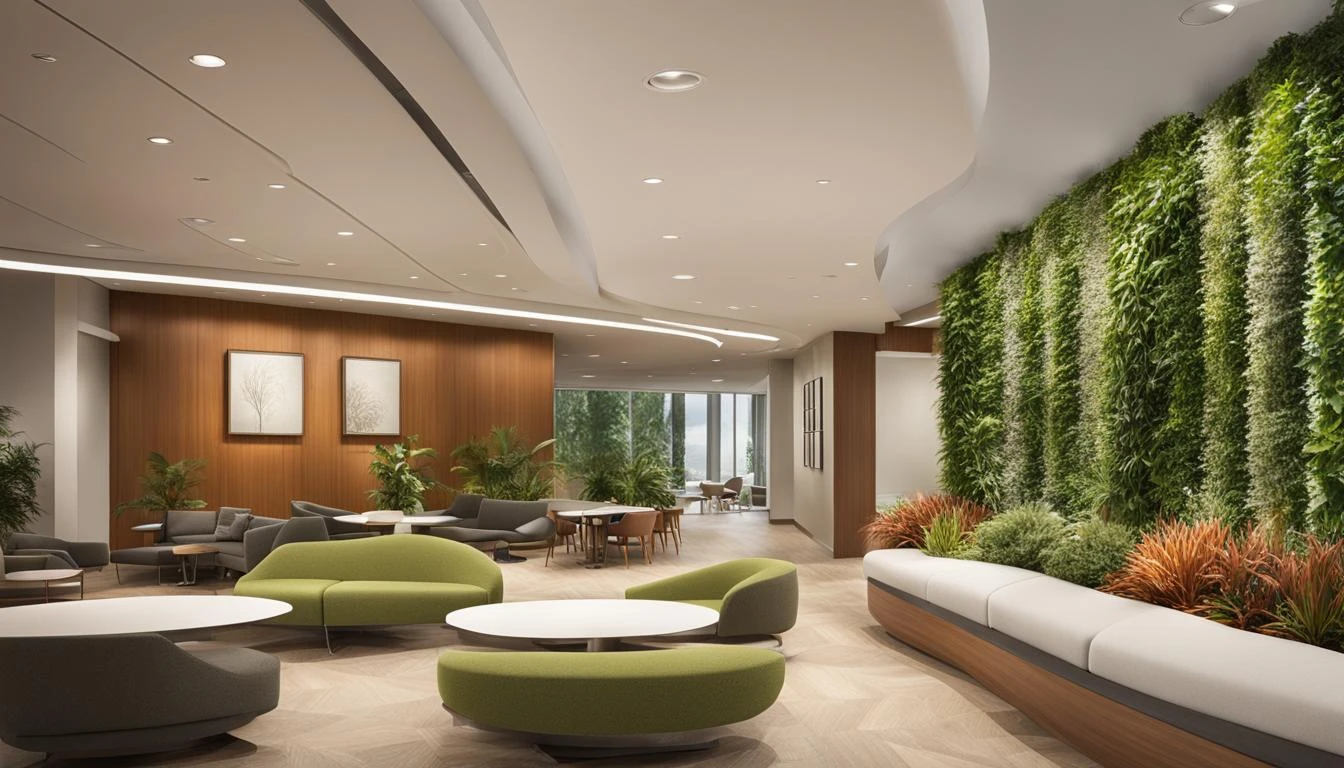
Natural Analogues: The Psychology of Texture and Pattern
Not every place can hold a forest, but every space may show the patterns of one. This is called “Natural Analogues,” which means employing man-made things that seem like nature.
Patterns and Fractals That Look Like Living Things Straight lines are hardly common in nature. Modern biophilic design uses curves and “fractals,” which are patterns that repeat in leaves and coastlines. Neuroaesthetics research shows that our brains are naturally good at processing these patterns, which puts us in a state of “relaxed alertness” or “Attention Restoration.”
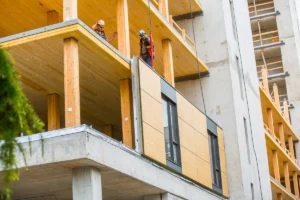
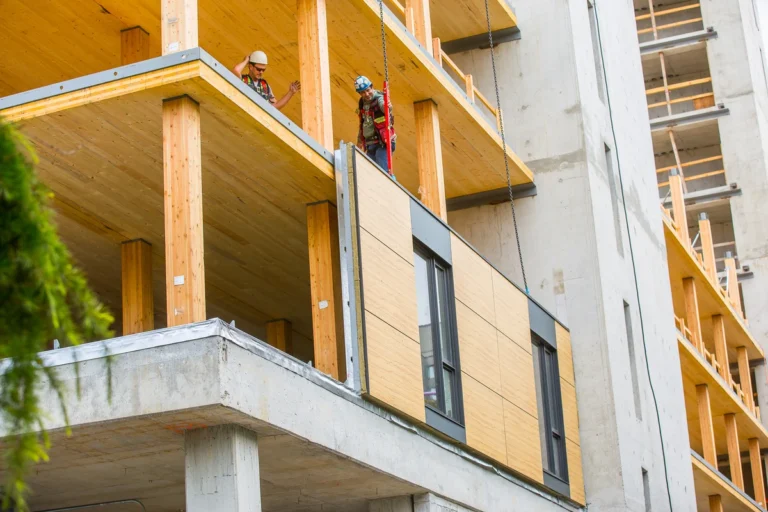
The Warmth of Stone and Wood Using Cross-Laminated Timber (CLT) and raw stone isn’t just good for the environment; it’s also good for your hands. It’s been established that touching natural wood surfaces lowers blood pressure. In 2025, these natural elements that keep us grounded in reality will be called the “Heart” of a home.
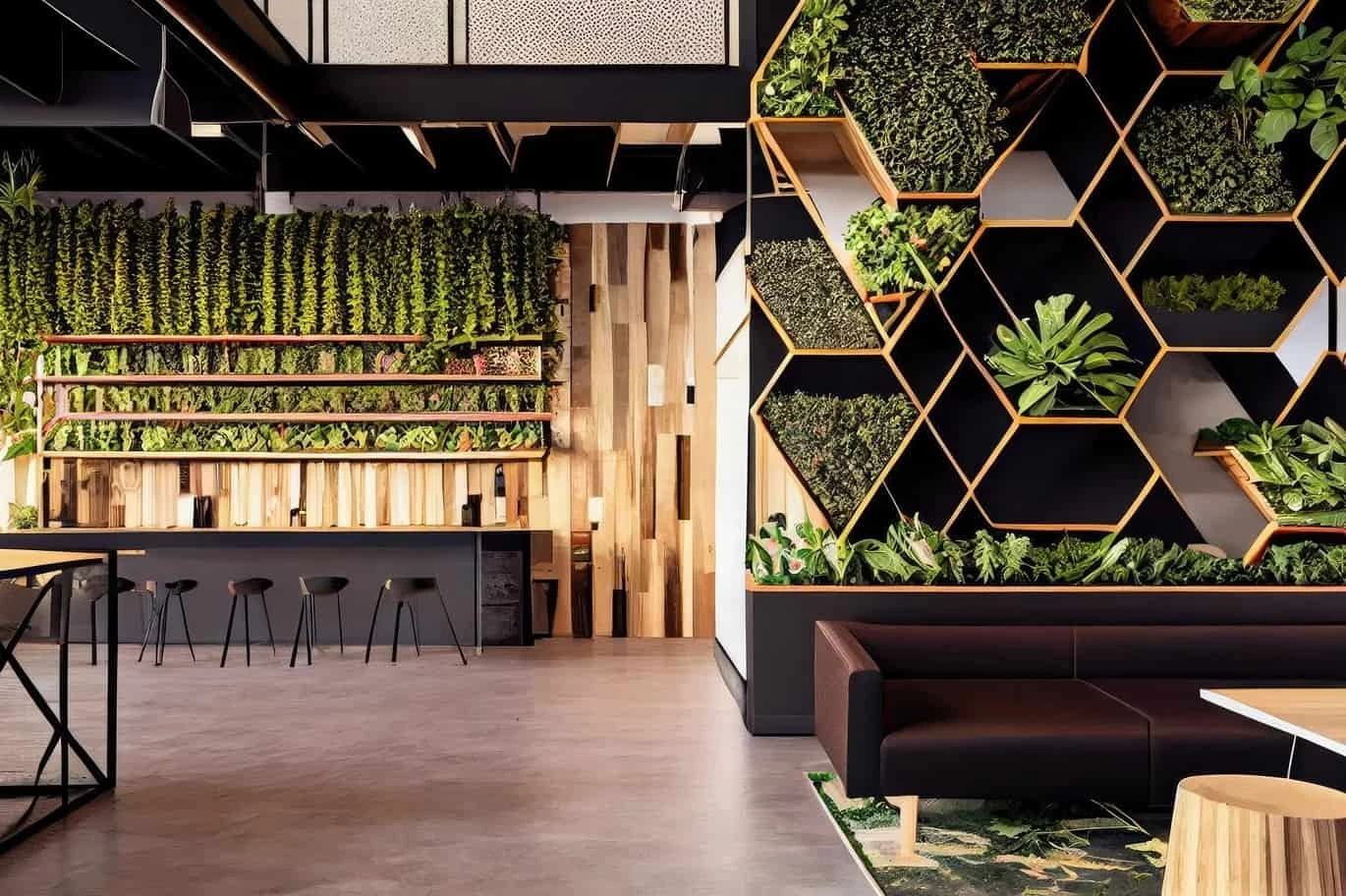
Light and the Circadian Rhythm: Healing with the Sun
Our ability to control light may be the most important step forward in biophilic building. We spend about 90% of our time inside, frequently under harsh, static lights that mess up our sleep cycles.
Smart Circadian Lighting In 2025, “smart homes” will have lighting that changes on its own to look like the warm oranges of daybreak and the dazzling blues of midday.
- Effect on Mental Health: By making our interior environment match our internal biological clock, we lower the risk of Seasonal Affective Disorder (SAD) and insomnia by a lot.
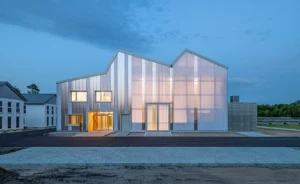
Dynamic Sunlight and “Shadow Play” Architects are increasingly designing with “dappled light” in mind—using perforated screens to produce flowing shadows. This imitation of a forest floor gives you a sense of time passing, which is important for keeping your mind clear and making you feel less “trapped” within.
The Workplace Revolution: From Stress to Success
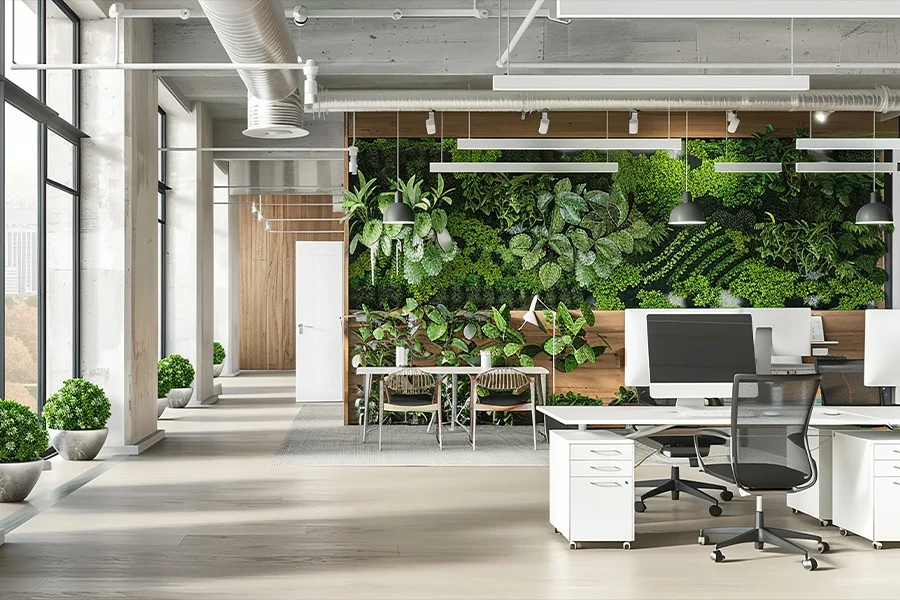
Biophilic design has the largest effect on businesses. “Superblocks” and “Biophilic Office Parks” are now part of major tech clusters. Milano’s Welcome workplace of the future is an example of a project that is making healthy, nature-integrated workspaces that go beyond looks to achieve ESG (Environmental, Social, and Governance) aims.
“Sanctuary Rooms” are becoming more common in these places. These areas give workers a mental “reset” and let them get away from the digital grind. The consequence is a documented drop in absenteeism and a huge increase in staff retention and creative problem-solving.
The Biophilic City: Urban Renewal
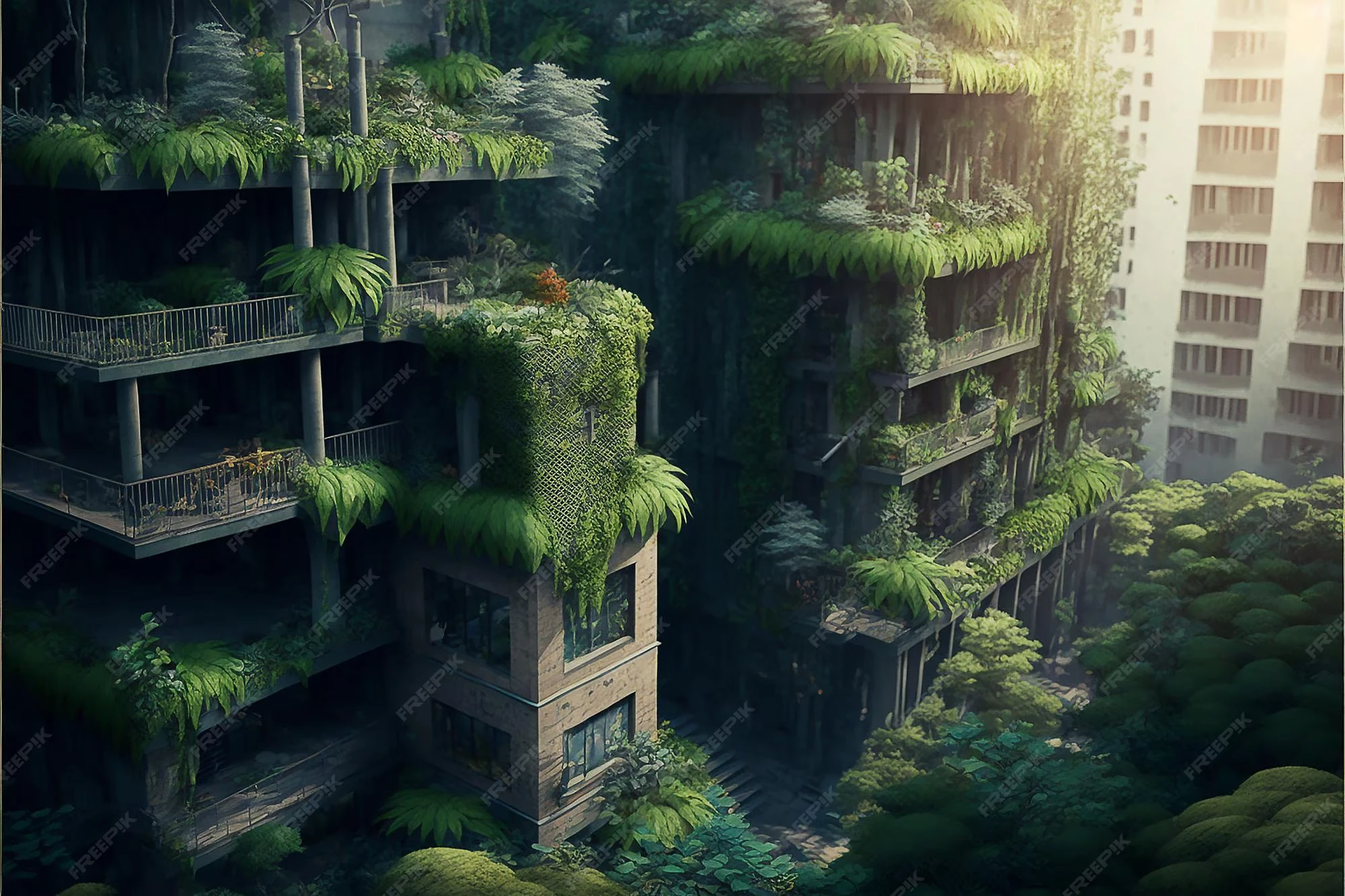
Biophilic design is the key to stopping “urban claustrophobia” when we think about the future of our cities. The Biophilic Cities movement is making nature a part of our streets.
- Rooftop Farms: Making unused concrete space into community “havens” that give people food and mental relief.
- Green Corridors: These are green spaces that are always there and help local plants and animals while giving people a “nature commute.”
A 2025 Guide to Changing Your Own Sanctuary
You don’t need to spend millions on renovations to get these benefits. These basic steps can “revolutionize your spirit”:
- Maximize Natural Views: To get the most out of natural views, clean up the windows. If you don’t have a view, employ high-quality digital nature displays. The brain processes them almost as well as the genuine thing.
- Incorporate “Tactile Nature”: Add “Tactile Nature” by using things like bamboo, repurposed wood, and terracotta.
- Introduce Scent and Sound: Use cedarwood essential oils and play nature noises in the background to get all five senses involved.
Conclusion: Designing for the Heart
In the end, modern architecture is going in a direction that is more caring. We are learning that our health and our environment are connected.
We are not simply building houses when we apply biophilic design; we are also building hope. We are making “Sanctuaries of the Spirit” to keep the noise of the modern world out. Mental health isn’t only something that happens in a therapist’s office anymore; it’s also something that is built into the walls of our houses.
For more blogs like this CLICK HERE!!
Reference:
Biophilic Design and Its Impact on Mental Health – RTF | Rethinking The Future