In a world where concrete jungles are getting bigger and traditional farms are getting smaller, a silent revolution is happening. It’s not happening in the rolling countryside; it’s happening just above our heads and within our glass towers. Almost 70% of the world’s population will live in cities by the year 2050. This huge change in the population raises a sobering question: How will we feed billions of people when our usual ways of farming are already at their breaking point?
The answer is a radical, imaginative union of architecture and farming. We are seeing the birth of “Agritecture,” where buildings are no longer merely places to live; they are living things that provide food.
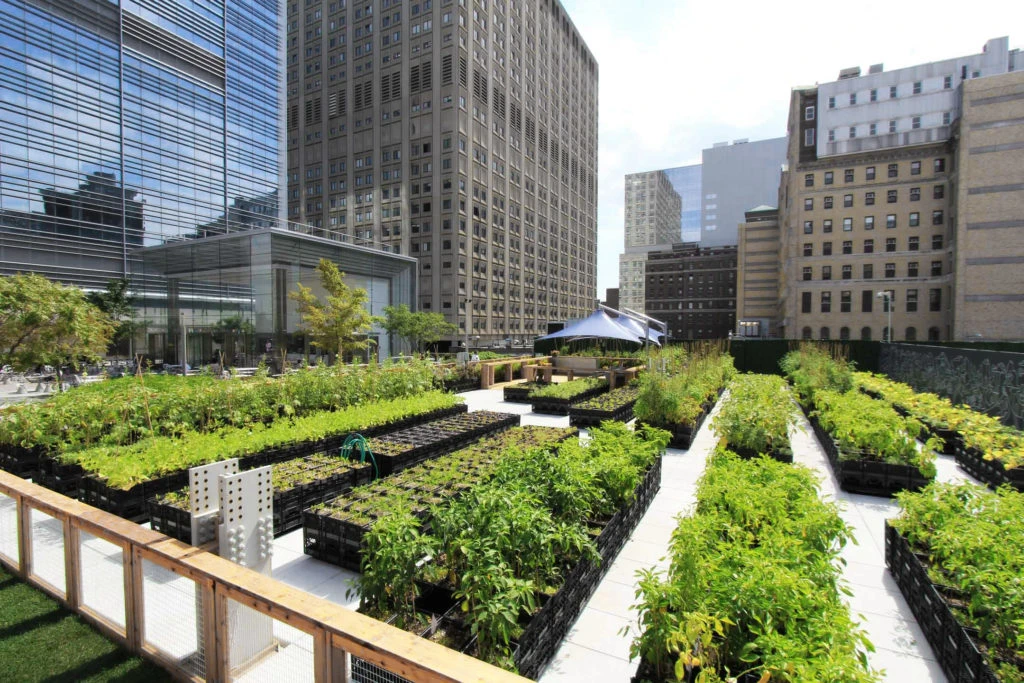
The Rise of the “Farmscraper”: Vertical Agriculture
Traditional farming needs flat land, which urban cities don’t have. Future building gets around this by going against gravity. Think of a skyscraper where every level is a lush, climate-controlled environment that gives the people who live below it thousands of pounds of fresh food.
The Engineering of Growth: Architects are now making structures that have vertical farming built into their own structure. These “farmscrapers” use Hydroponics (growing plants in water with nutrients) and Aeroponics (misting roots in the air), which is different from regular greenhouses. These strategies help plants grow quicker and healthier without any soil at all.
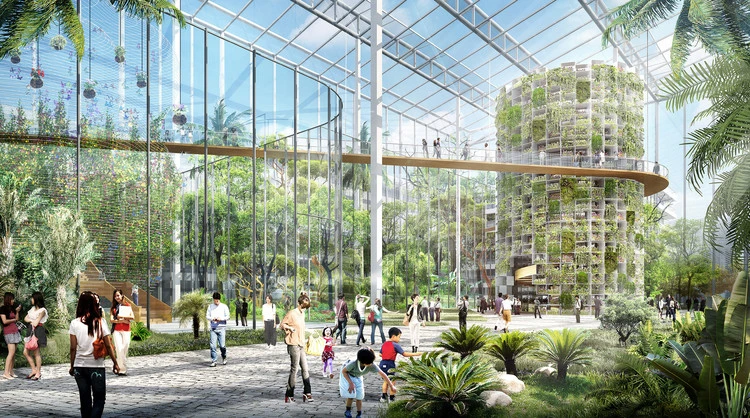
- The Vertical Farm: A Case Study This project in Beijing employs clear bay windows and automated LED systems to grow fruit trees and vegetables on three storeys. It shows that growing food can be both a structural requirement and a piece of art.
- Space Efficiency: By stacking crops, we can use less than 1% of the land. Depending on the crop, one acre of vertical farming can produce as much as 10 to 20 acres of typical land.
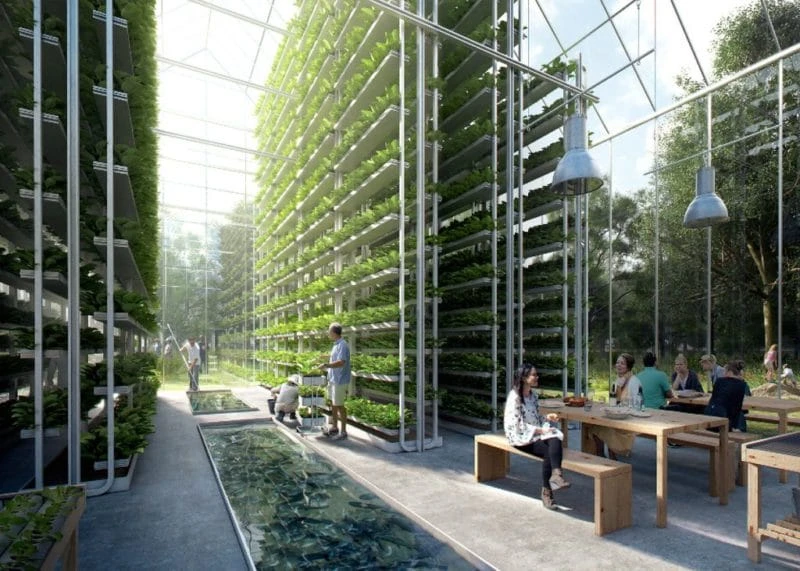
The Closed-Loop System: Architecture as a Living Thing
The cities of the future will not only be places for people to live, but they will also be able to support themselves. At the center of this architectural change is the idea of “Circular Design.” This makes structures like living things that recycle their own waste.
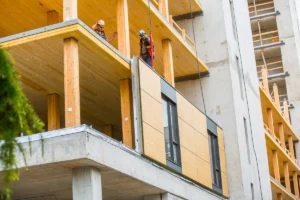
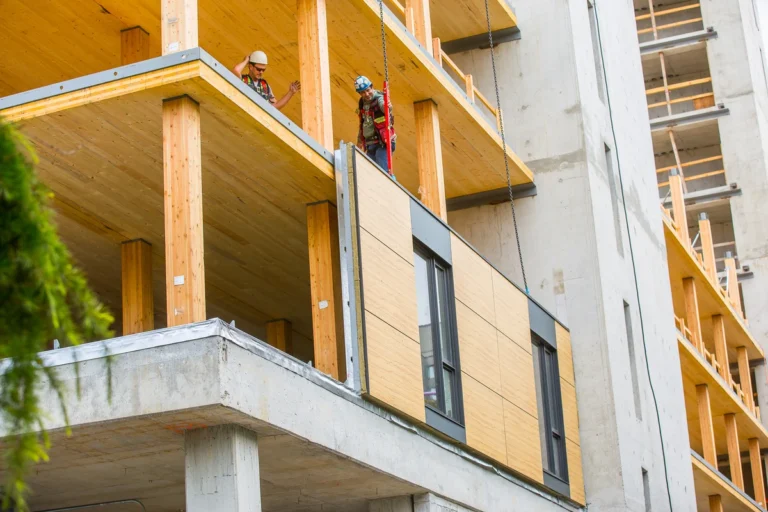
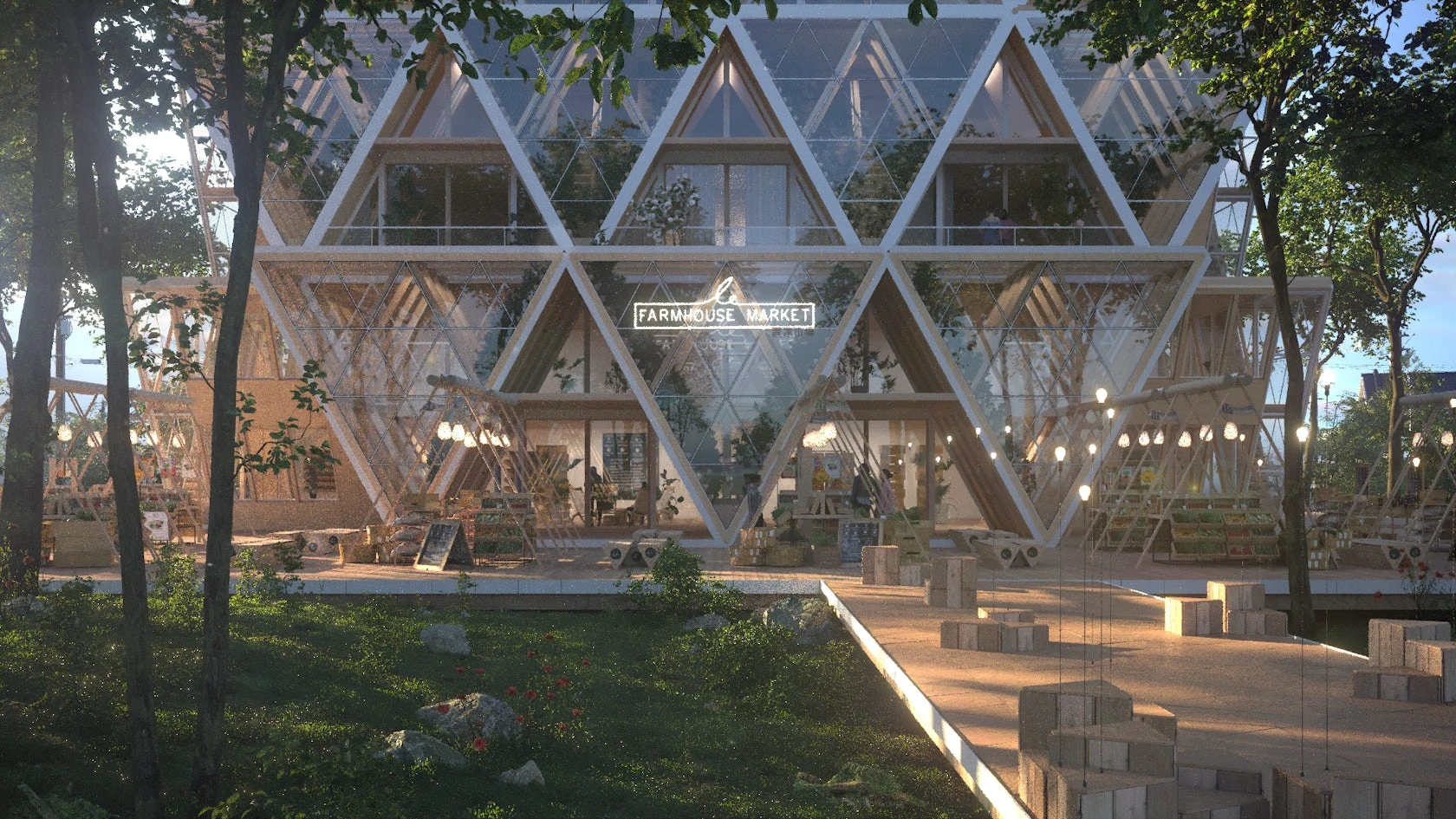
The Circular Model: New architectural concepts, such Studio Precht’s “The Farmhouse,” use modular wooden frames to create homes where people live with their food. These buildings work on a closed-loop system:
- Waste to Wealth: Anaerobic digesters on site turn organic waste from homes into fertilizer for crops.
- Heat Recovery: Buildings that work well make a lot of heat from machines and people. Architects are now creating ventilation systems that send this “waste heat” to greenhouses on the roof. This lets crops that enjoy warmth, like tomatoes and peppers, grow well even in the winter.
This gives people hope and makes them feel like they can take care of themselves again, bringing people back in touch with the natural cycles of life.
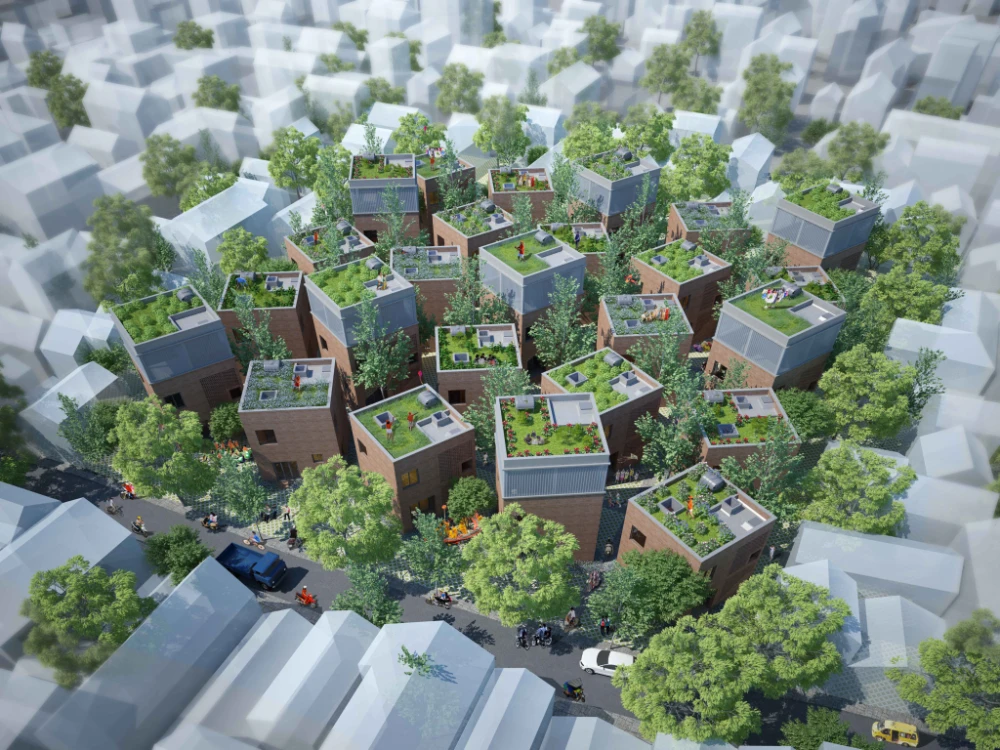
Fighting “Food Deserts” with Rooftop Oases
Obtaining a fresh, organic apple in a lot of cities is harder than obtaining a manufactured fast-food burger. Architectural changes to existing buildings are slowly breaking down these “food deserts.”
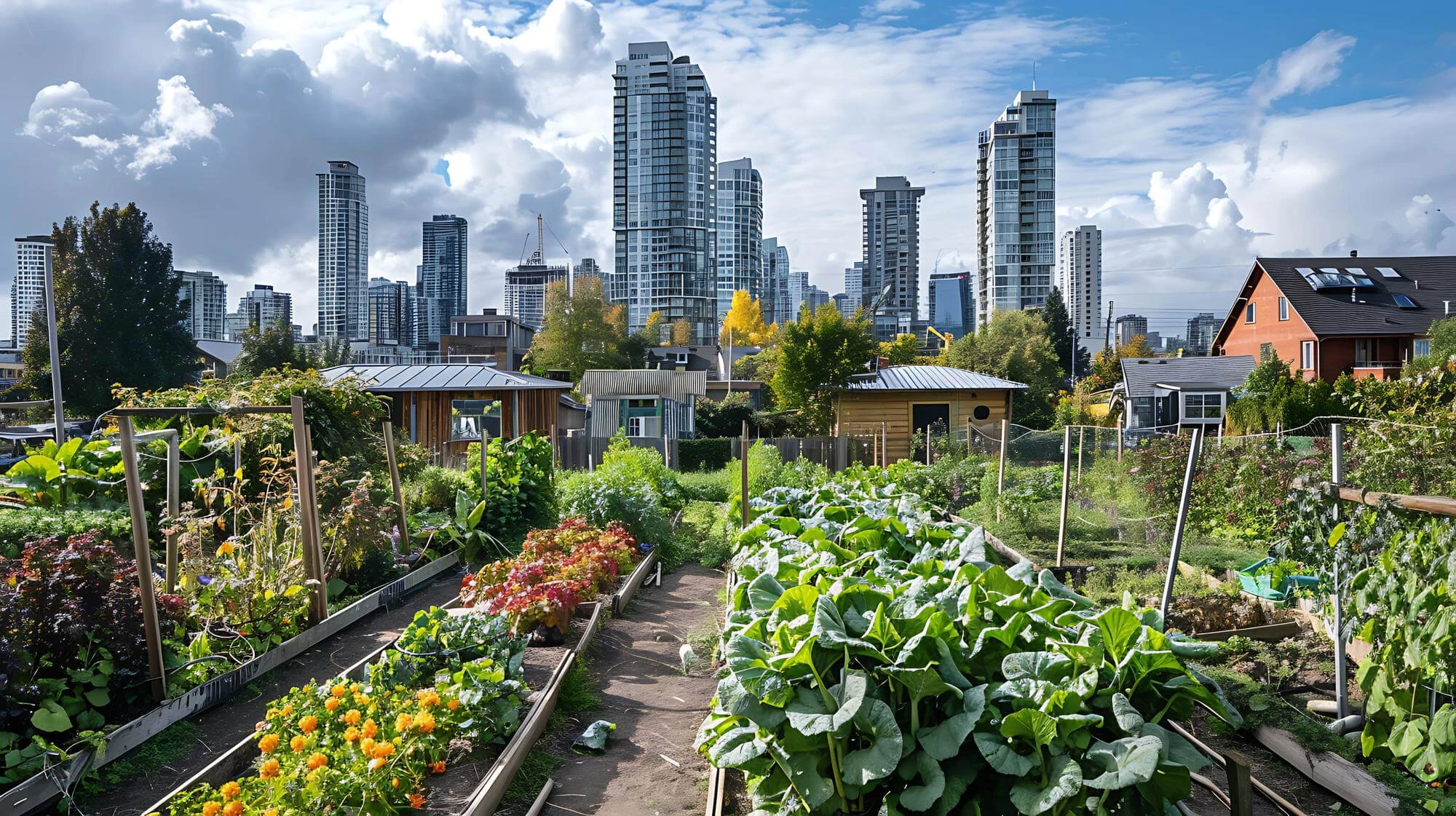
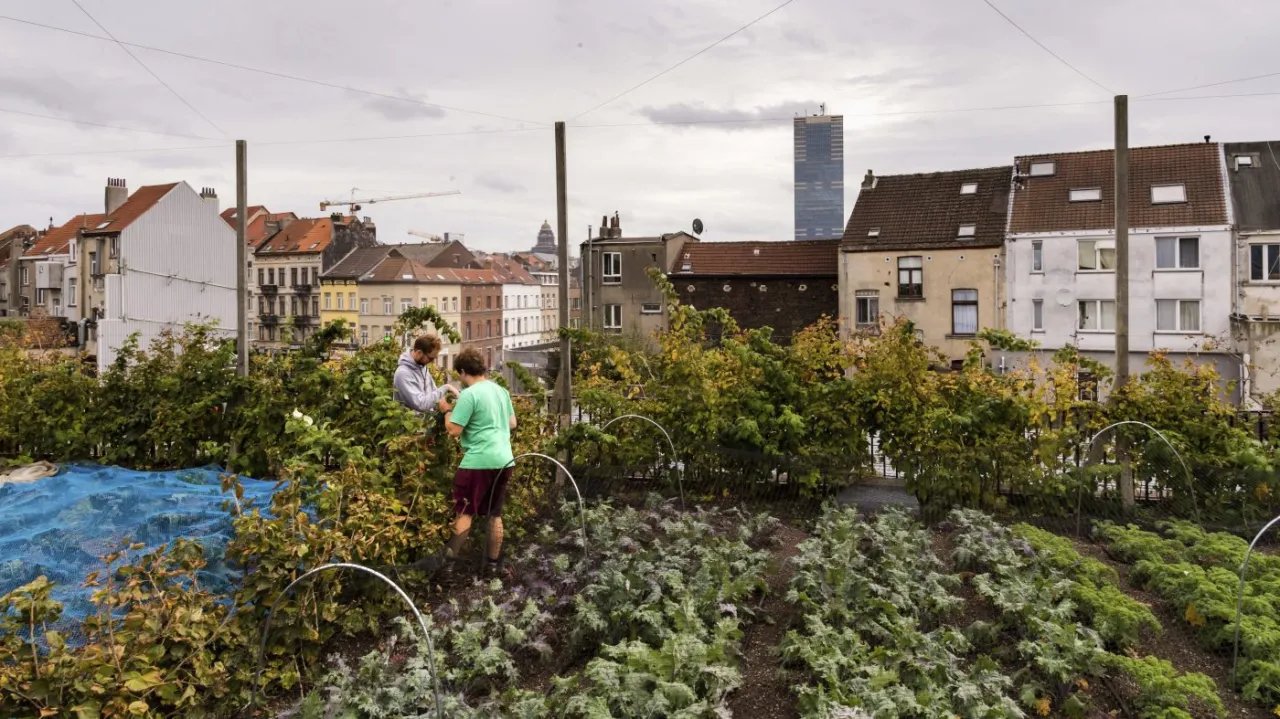
Activating Dead Space: Every city has millions of square feet of empty rooftop space, which is just gray concrete baking in the heat. Architecture firms like Brooklyn Grange have led the way in turning this “dead space” into the world’s biggest rooftop soil farms.
- Environmental Resilience: These green roofs soak up stormwater like big sponges, which would otherwise flood municipal drains. They also help to reduce the Urban Heat Island effect, which makes the whole area cooler.
- The Sentimental Connection: These areas are “sky parks” in addition to being places to grow crops. They are places where kids can learn about where their food comes from, which helps them feel safe and pass on their knowledge to the next generation.
Smart Architecture: The Farm’s Silicon Brain
Architecture needs to be smart in order to help tackle a problem as big as world hunger. What makes modern urban farming different from regular gardening is that it uses both artificial intelligence (AI) and the Internet of Things (IoT).
Precision Farming Architecture: Buildings of the future will have “digital nervous systems” built into them.
- Automated Climate Control: Sensors keep an eye on CO2 levels, humidity, and nutrient levels all the time. The structure knows when a plant is thirsty before a person can notice the wilt.
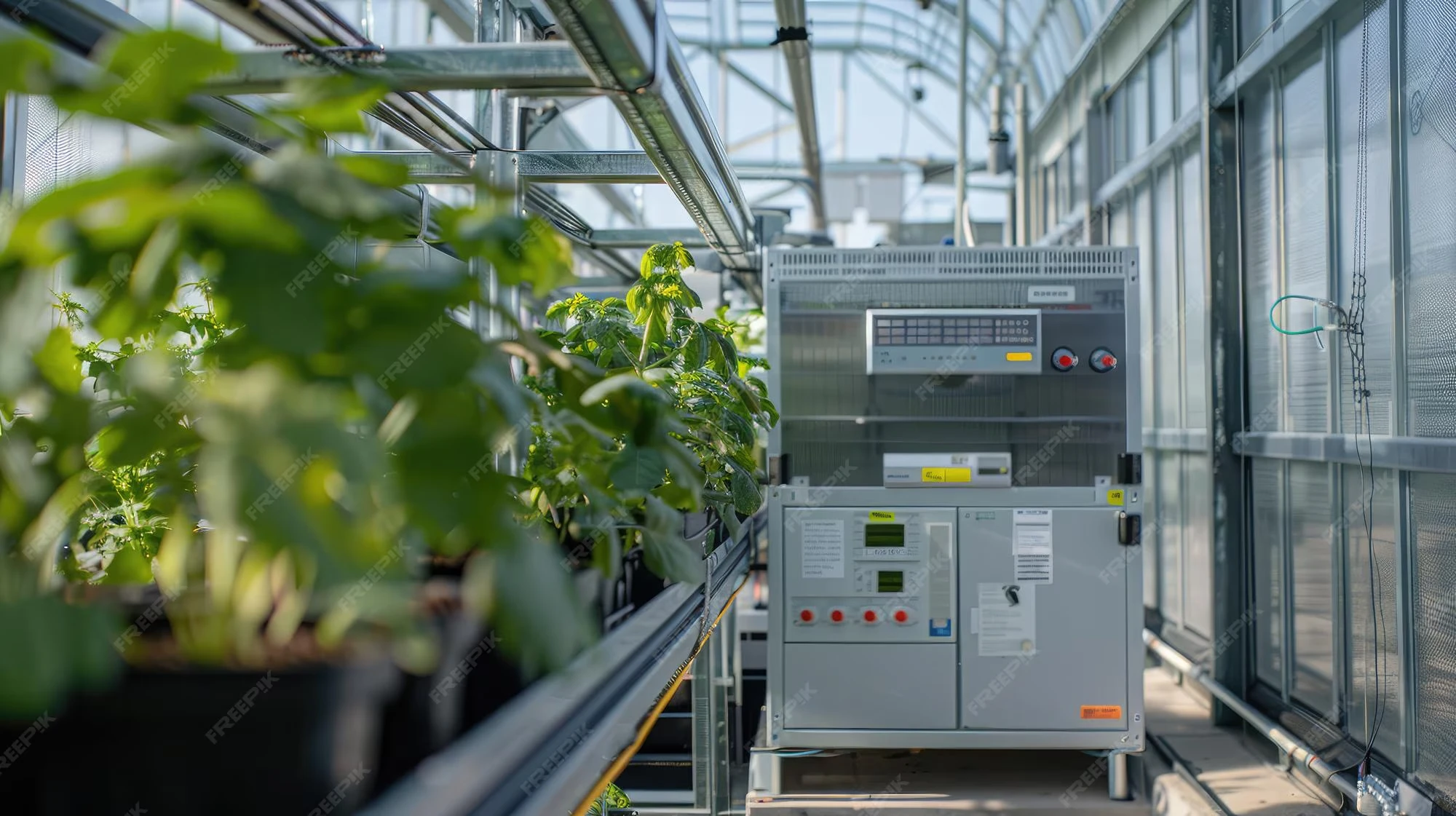
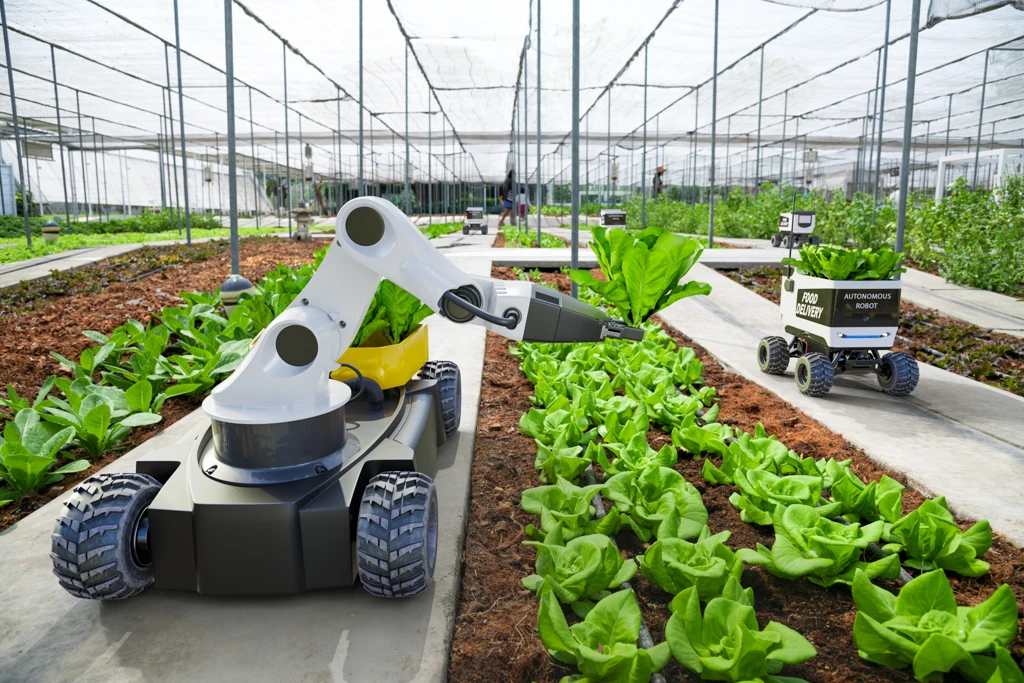
- Robotic Harvesting: Buildings are being developed with internal tracks and elevators just for robotic harvesters. This makes sure that produce is collected at the exact time when it is most nutritious.
- Protection from Change: These farms are immune to the droughts, floods, and pests that are currently destroying rural farming since they are indoors and have climate control.
The Economic Revolution: No Food Miles
The waste that happens during delivery is one of the saddest parts of the present food crisis. Most “fresh” fruits and vegetables travel more than 1,500 miles before they get to a plate. Along the route, they lose nutrients and burn fossil fuels.
The Architecture of Logistics: By putting food production into the city, we can get Zero Food Miles.
- Hyper-Local Distribution: “Food hubs” are now being built inside the ground floors of homes. Imagine getting on an elevator to go to the lobby to get lettuce that was picked just 20 minutes ago, 50 feet away.
- Lowering expenses: By cutting out the intermediary and the shipping costs, high-quality organic food becomes affordable for people living in cities with low incomes, which directly addresses the issue of food security disparity.

The Sentimental Shift: Bringing Nature Inside
The most important effect of urban farming architecture isn’t simply the calories; it’s how it heals the mind and spirit. For a long time, city architecture was all about “keeping the outside out.” Today, the most creative designers are letting the outside in.
Living in a building that breathes and creates food lowers cortisol levels and makes the air inside better. Seeing life grow where there used to be only steel and glass gives you a deep, basic sense of fulfillment.
It feels like the global food crisis isn’t as bad when a kid can pick a strawberry from a balcony in the middle of a city. It takes away the “anxiety of scarcity” and gives you the “joy of abundance.”
Key Takeaways: The Architecture of Abundance
- Water Efficiency: Urban agricultural techniques utilize 95% less water than traditional farming that uses soil.
- Land Conservation: Verticality lets us give back large areas of rural land to nature, which helps with reforestation and biodiversity.
- Year-Round Growth: With architectural climate control, there is no “off-season,” which means there is always a consistent, predictable food supply.
- Community Empowerment: These designs turn those who just buy things into “prosumers,” giving them control over their own health and nutrition.
Conclusion: Making a World Where No One is Hungry
The global food crisis is like a huge mountain, yet revolutionary urban farming is the way to the top. We’re not only “fixing” a supply chain by weaving agriculture into the very fabric of our buildings. We’re also rethinking what it means to be a person living in a city.
It’s not only about how tall the towers are or how smooth the facades are; it’s also about the soil in the walls, the seeds in the windows, and the bravery to build a better world from the ground up. We aren’t just making shelters anymore; we’re constructing the future of survival.
For more blogs like this CLICK HERE!!
Reference:
Future-Focused Food Production: Integrating High-Tech Agriculture into Cities | ArchDaily