The Comfort Revolution Starts: An Introduction
Your home is more than simply a house; it’s a safe spot where you can get away from the world. You know how uncomfortable it is to have bad insulation if you’ve ever felt frigid drafts in the winter, sticky heat in the summer, or worried about rising energy bills.
Under your walls and roof is where you’ll find the secret to real, long-lasting comfort, safety, and savings. We don’t have to use the outdated, weak fiberglass batts from decades ago anymore. A revolution in home insulation types USA has brought strong, high-performance materials made for the 21st-century homeowner.
This article will show you the best and most up-to-date insulation alternatives that are available right now. Our goal is simple: to assist you grasp these new technology and find the best way to make your environment as comfortable as possible.

The Key to Efficiency: Knowing R-Value
Let’s quickly go over the most important number, R-value, before we go into the materials.
R-value tells you how well an insulating material stops conductive heat from moving through it. In short, the greater the R-value, the better the material is in keeping heat from moving, which makes it more energy-efficient and comfortable. The first thing you should do when picking the best forms of home insulation is to look up the recommended R-value for your climate zone in the US.
Section 1: The Best Three for Real Comfort
Three modern materials stand out when it comes to getting the best thermal performance and a genuinely “ultimate” experience. They deal with both heat flow and air leakage, which is often the main cause of energy waste.
The Seamless Air Seal: Spray Foam
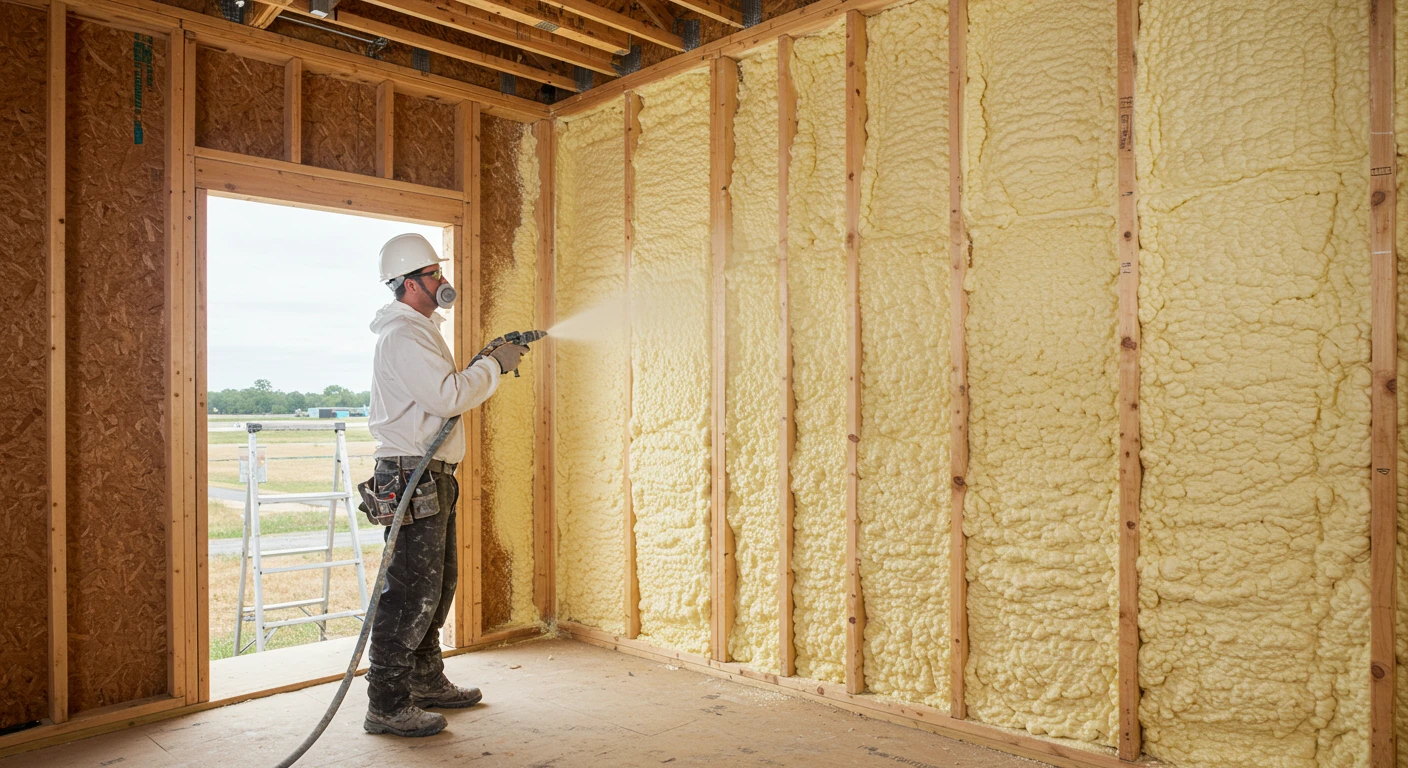
Spray foam insulation is the one thing that really defines “revolutionary” in modern insulation. This material changes the game because it can be used as both a strong insulator and an air barrier in one application.
The liquid foam expands up to 100 times its volume when it is put on, filling in every crack, fissure, and curve in your home’s structure flawlessly. This expansion makes an air seal that is better than any other, which cuts down on energy loss by a lot.
There are two primary types:
- Closed-cell foam is very dense, has the highest R-value per inch (approximately R-6.5 to R-7), and makes your walls stronger. It doesn’t let water in very easily, so it’s great for basements and crawlspaces.
- Open-cell foam is lighter and less dense (around R-3.7 per inch), but it still works great as an air barrier and is better at blocking sound.
The initial cost of spray foam insulation is more than other solutions, but the huge, long-term energy savings and immediate boost in home comfort make it the best investment for long-term peace of mind.
Dense-Pack Cellulose: The Green Choice
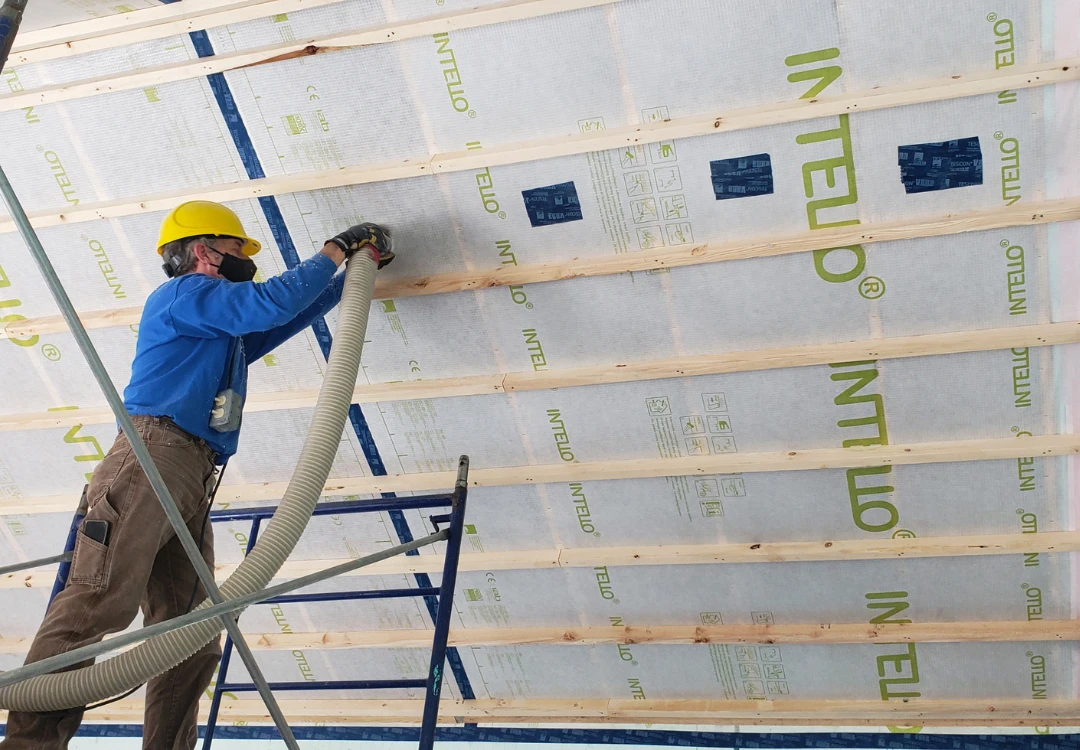
Cellulose is the best choice for those that want to be eco-friendly without giving up performance. Cellulose insulation is created from 75% to 85% recycled paper fiber, which is usually old newsprint from people who have already read it. It is safe and insect-proof since it is treated with fire retardants that are not harmful, including boric acid.
Cellulose is usually put in attics as blown-in insulation or packed tightly into existing wall cavities. The dense-pack process is important because blowing the material in at a high density makes it harder for air to move through it and makes it settle less over time than older loose-fill products. It has a very high R-value (around R-3.2 to R-3.8 per inch), and most importantly, it keeps sound out quite well, which makes you more comfortable overall.
Mineral Wool: A Powerful Sound and Fireproofing Agent
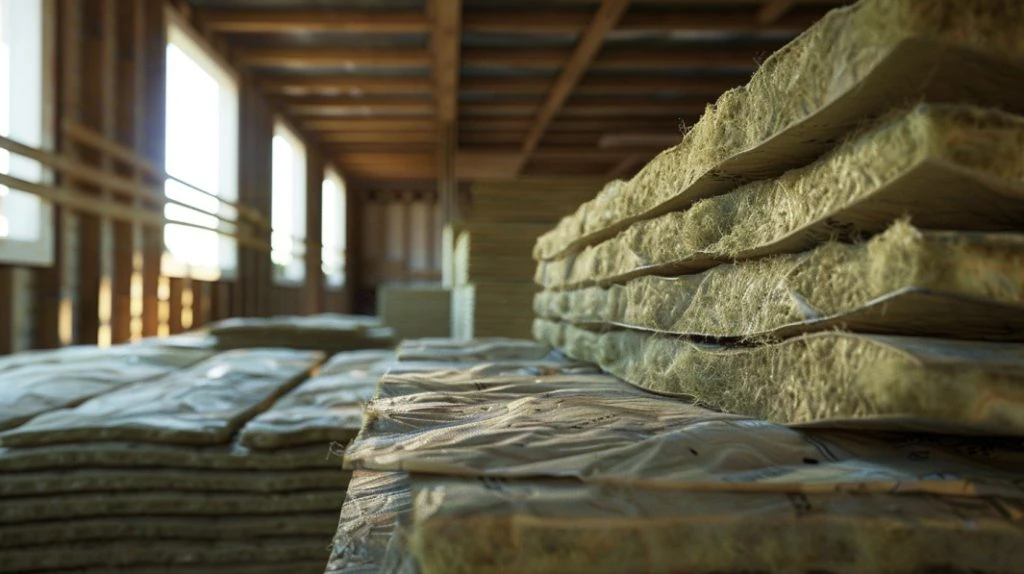
Mineral wool, which is also known as rock wool or slag wool, is one of the strongest types of home insulation in the United States. It is manufactured from natural minerals or blast-furnace slag that have been melted and spun into dense, fibrous batts or loose-fill.
The way it is made provides it two huge benefits:
- High R-Value and Density: It usually has a higher R-value per inch (R-4.0 to R-4.3) than regular fiberglass.
- Fire Resistance: Mineral wool does not catch fire on its own. It can handle temperatures far higher than those of fiberglass or foam, which adds an extra layer of fire safety for your family.
Also, because it is so dense, it is the best choice for soundproofing, making loud spaces peaceful places. Mineral wool is a great choice if you want to cut down on noise in your basement or inside walls.
Section 2: Reimagined and Tried and True
Not all modern insulation has to be blown in or sprayed on. Improvements in manufacturing have made traditional and rigid foam choices much better.
Improving the Classic: High-Density Fiberglass
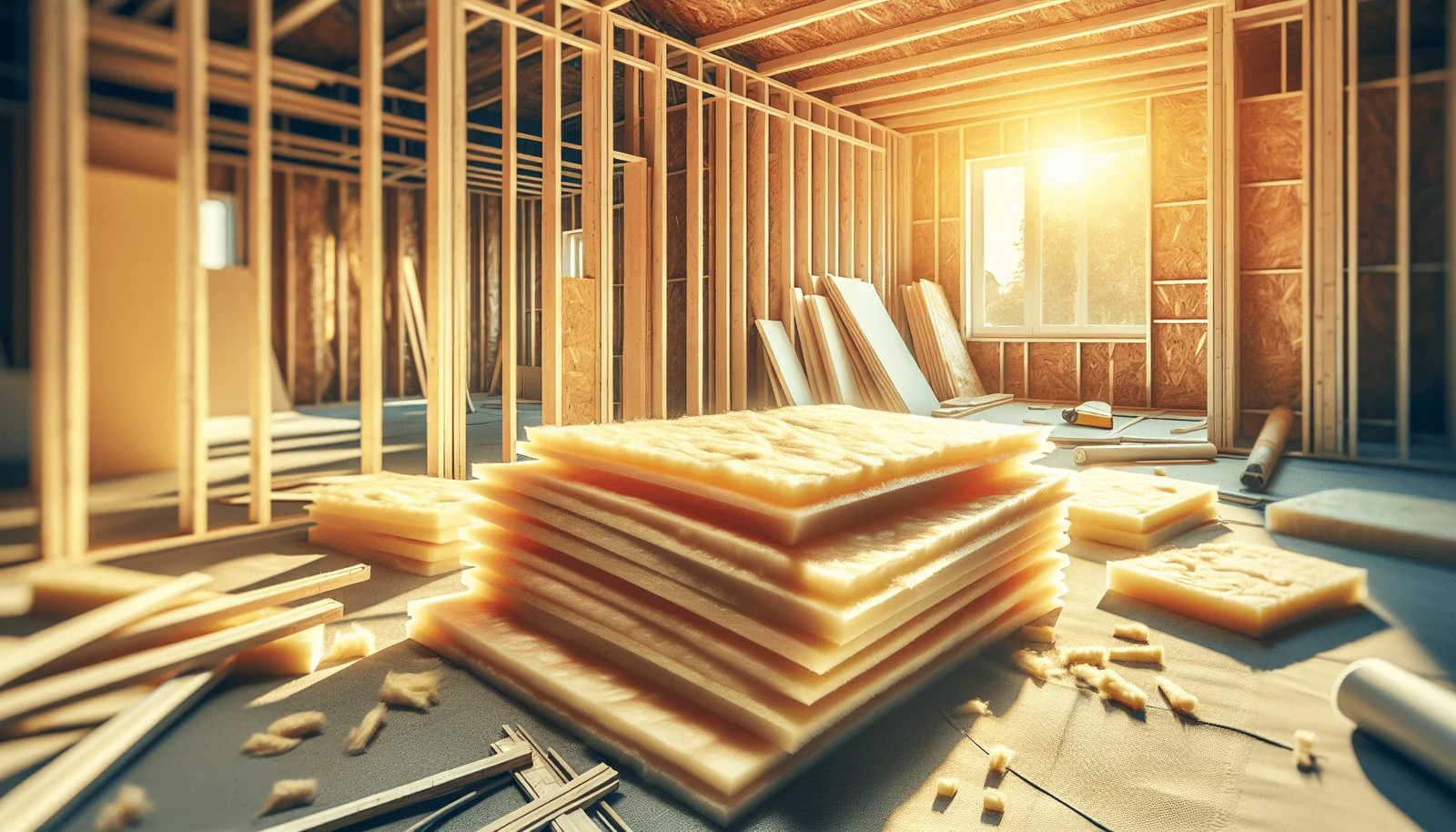
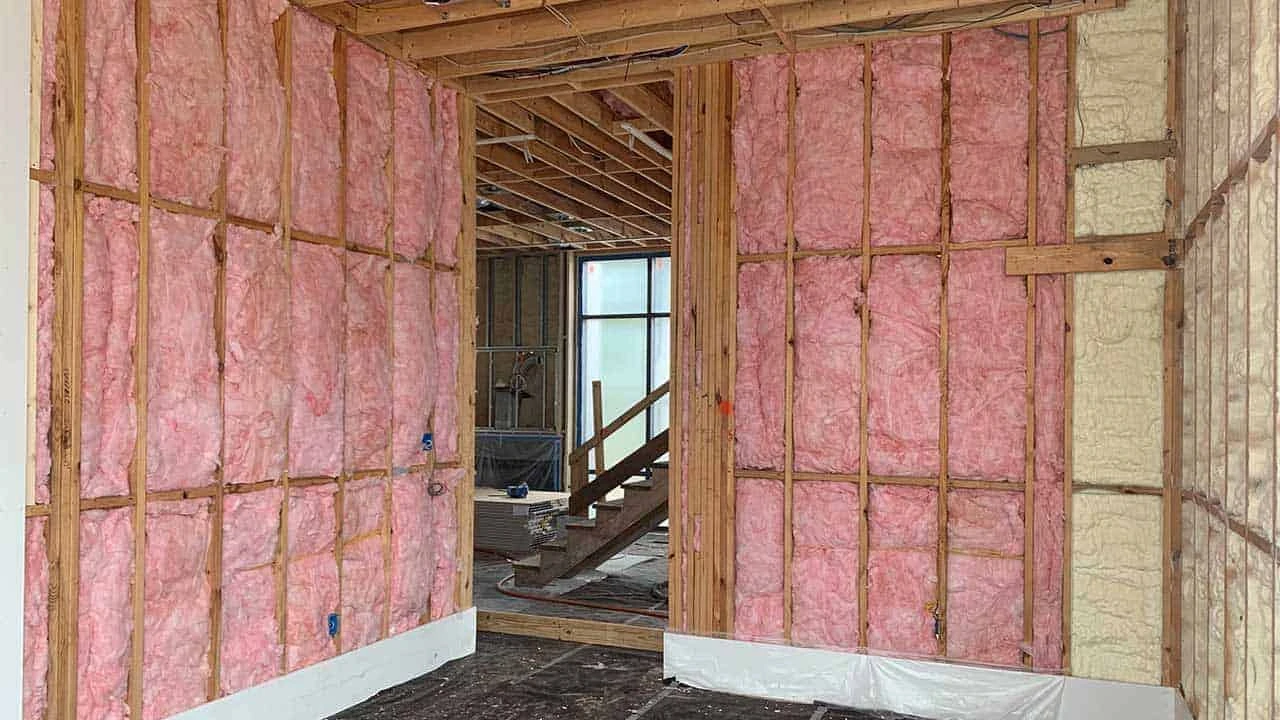
Fiberglass is still the most prevalent and often the cheapest choice. But the regular pink or yellow batts you might remember are considerably different from the newer, denser ones.
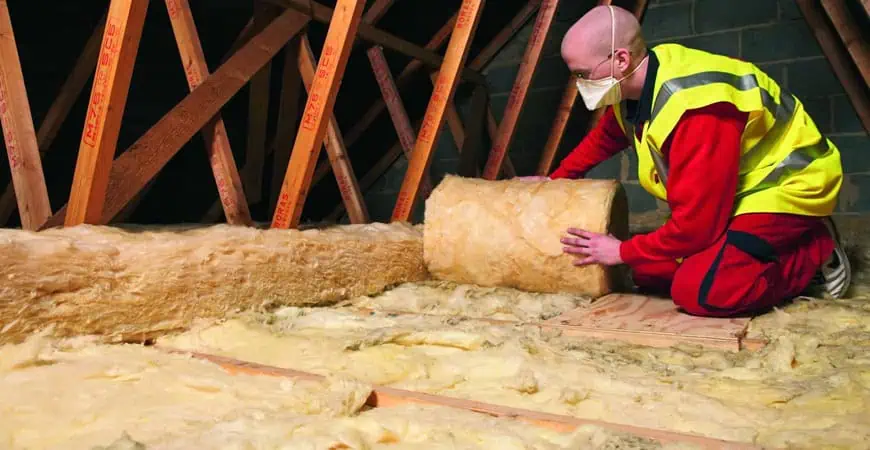
Today’s medium- and high-density fiberglass insulation batts are made to fit in smaller places. They give R-15 in a 2×4 wall and R-21 in a 2×6 wall. Its low cost, high R-value, and relative ease of installation make it still useful. But for it to work best, it needs to be put correctly, with no gaps, cavities, or compression, especially when used to insulate an attic.
The Outside Shield: Rigid Foam Boards
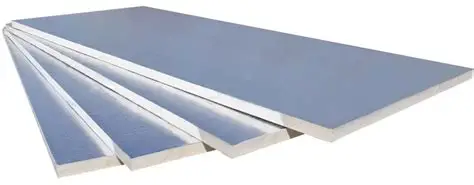
Most of the time, rigid foam boards (made of XPS, EPS, or Polyisocyanurate) are utilized on vaulted ceilings, in basements, and on the outside of walls. These boards have an extremely high R-value and are needed to make continuous insulation outside of the wall cavity. This helps stop thermal bridging, which is when heat escapes via studs.
These boards are a professional and smart choice for new construction or large renovations because they provide a strong, constant thermal barrier.
Section 3: How to Find Your Most Comfortable Place
To pick the best kind of insulation, you need to look at your whole house. You don’t have to choose just one. In fact, the greatest answer is typically to mix and combine the best forms of home insulation for each specific use.
For example, the optimum plan for your home might include:
| Home Area | Recommended Insulation Type | Primary Benefit |
| Attic | Spray Foam or Blown-in Cellulose | Air-sealing and High R-Value |
| Existing Walls | Dense-Pack Cellulose or Injection Foam | Low-Impact, High Air-Sealing |
| Basement/Foundation | Closed-Cell Spray Foam or Rigid Foam Board | Water Resistance and High R-Value |
In the end, your priorities will help you make the choice:
- Closed-cell spray foam is the best choice for maximum performance and security.
- Dense-Pack Cellulose is eco-friendly and cheap.
- Choose mineral wool for soundproofing and fire safety.
Buying these new materials isn’t just about saving money on your utility bill or lessening your carbon footprint. It’s about creating a safe, quiet, and consistently comfortable place to live that makes your life better.
Take the time to think about what you need, look up local professional installers, and then make the smart option to bring The Ultimate Comfort—the pleasant, nostalgic feeling of peace—into your beautiful house.

Conclusion: Put Money Into Lasting Peace
The new types of home insulation available in the USA are a big step forward in making homes more energy-efficient. No matter whatever type of insulation you choose—spray foam for its unmatched air-sealing properties, mineral wool for its sound-dampening security, or blown-in insulation for its inexpensive cost—you are making a choice that will make your life healthier, quieter, and less dependent on energy. Take the first step today to ensure your family’s long-term comfort and peace of mind.
For more content like this CLICK HERE!!!
Reference:
Top 10 Types of Home Insulation: Pros, Cons, and Best Uses Across the U.S.