The skyline of a city is like its fingerprint; it’s a unique mix of tales, textures, and histories. But for decades, we’ve treated our cities like something we can throw away. We call in the wrecking ball when a building’s “useful life” is over. Decades of history are turned into rubble and hauled to a landfill amid a cloud of dust and the sound of diesel engines.
But in 2025, a silent revolution is happening all over the United States. We now see the “end” of a building in a whole new way thanks to something called “Deconstruction Mapping“. It’s not a death sentence; it’s a new life.
The Heartbreak of the Wrecking Ball
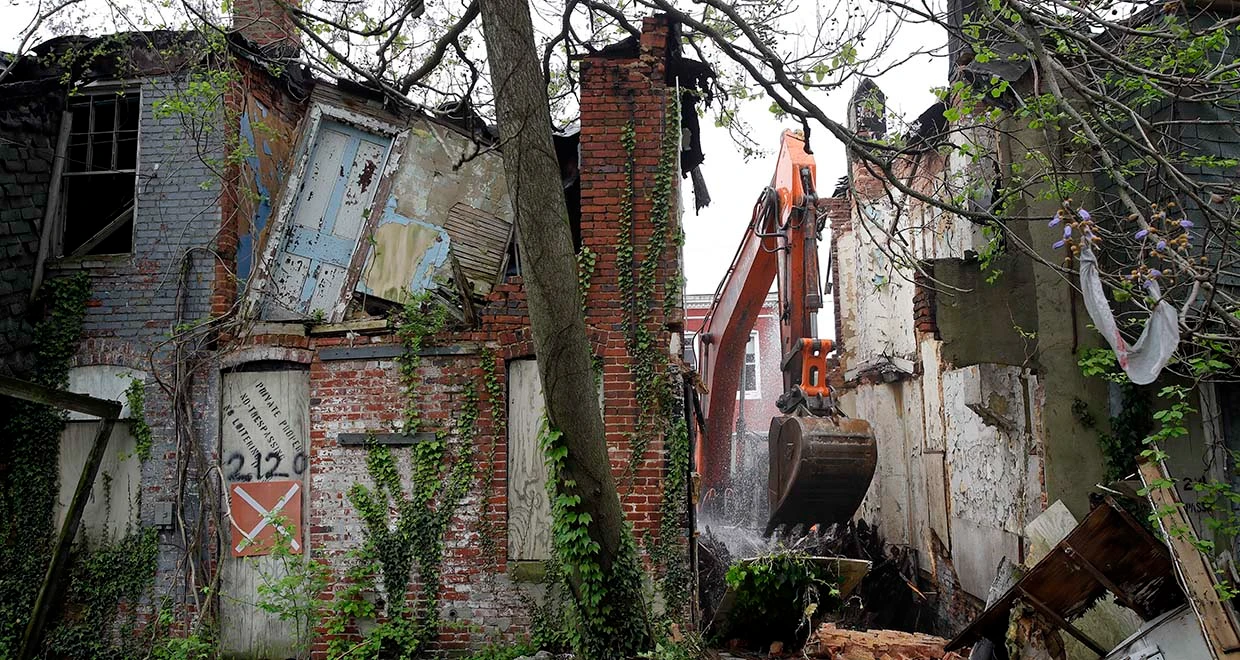
Demolition in the traditional way is violent. Not only does it make trash, it also destroys history. We lose old-growth timber that is stronger than anything grown now when we tear down a 100-year-old warehouse in Detroit or a Victorian mansion in San Francisco. We lose hand-fired bricks and artisanal masonry that hold the “soul” of the people who made them.
Statistics reveal that construction and demolition (C&D) waste makes up almost a third of all solid waste in developed countries. We make more than 600 million tons of this trash every year in the U.S. alone.
- Environmental Toll: Why We Can’t “Just Demolish” Anymore: Demolition releases huge amounts of embodied carbon and particulate matter into the air.
- Lost Value: Landfills are like “graveyards for materials” that are full of billions of dollars’ worth of reusable things.
- Cultural Erosion: Every monument that is torn down makes our cities look less like home and more like a place where people live.

What is the Revolutionary Deconstruction Mapping?
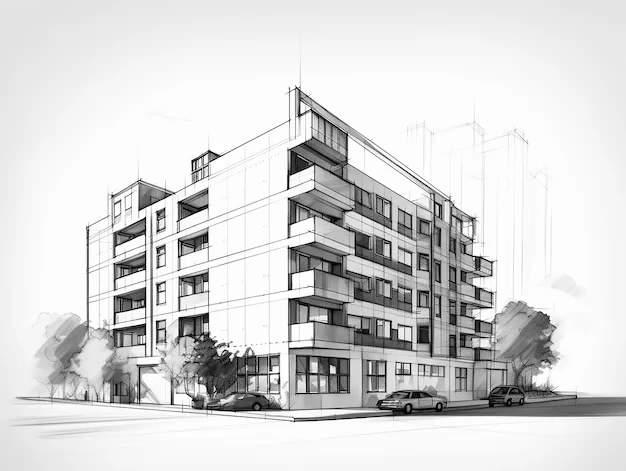
Deconstruction Mapping is like the “Human Genome Project” for buildings. Before a single crowbar is lifted, the process of generating a “Material Passport” for a structure uses cutting-edge technology like 3D Laser Scanning, AI-driven Material Analysis, and Digital Twins.
An architect utilizing Deconstruction Mapping doesn’t see a wall; they see 400 bricks that can be saved, 12 lengths of structural Douglas Fir, and three old brass fixtures.
The Technology That Made the Change Happen
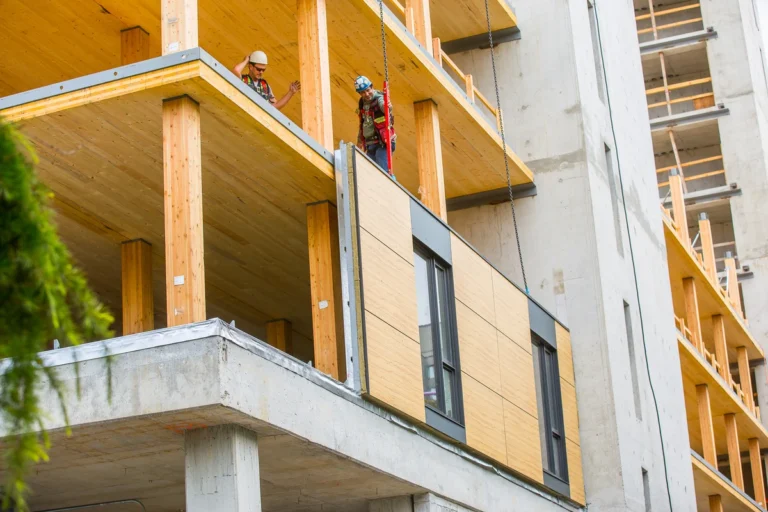
- 3D Laser Scanning: Drones and ground scanners work together to make a very realistic “as-built” model of the structure using 3D laser scanning.
- Digital Material Passports: Each beam and stone has a tag that tells you its history, weight, and how likely it is to be reused.
- Predictive AI: Algorithms figure out the exact market value of the materials that were rescued and the cost of the work needed to extract them.
The Human Side of Salvage: Saving the Soul
The people, not the technology, are the most “sentimental” part of this transformation. Deconstruction is a work of love. It takes a deft touch and a sharp eye.
In cities like Baltimore and Chicago, deconstruction initiatives are also social businesses. These programs are producing green-collar jobs by paying people from the area to gently take apart “blighted” buildings. They also give the neighborhood cheap, high-quality building supplies.
You feel a connection when you walk into a new coffee shop and notice that the counter is formed from the joists of a nearby schoolhouse from the 1800s. That is the “soul” of the city being kept alive and carried on.
The “Green” in Money: It’s Not Just About the Earth
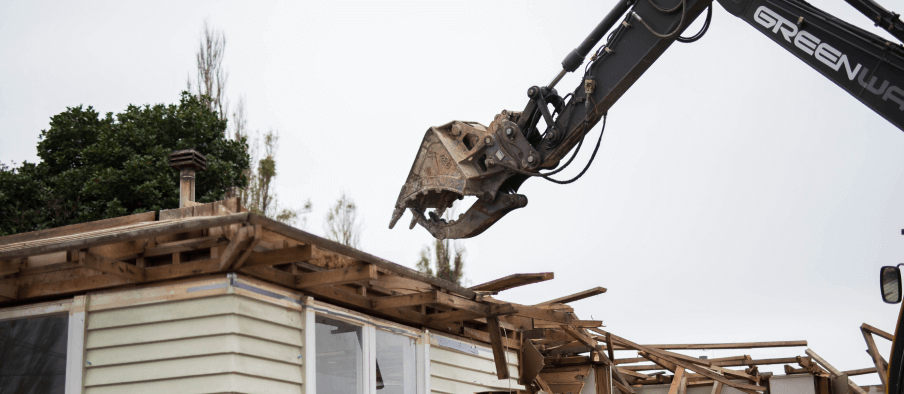
Let’s talk about numbers. Many developers don’t want to dismantle because it takes longer than tearing down. But the market in 2025 is showing that waiting pays off.
- The Deconstruction Math Tax Incentives: In the US, giving salvaged materials to non-profits can lead to huge tax breaks that are often more than the cost of the deconstruction itself.
- Avoided Landfill Fees: The cost of dumping trash in landfills is going through the roof. You can cut these expenditures to almost nothing by moving 90% of a building’s weight.
- Resale Value: Reclaimed wood and old “architectural gems” are in high demand for high-end luxury interiors right now.
| Feature | Traditional Demolition | Deconstruction Mapping |
| Speed | 1–3 Days | 1–3 Weeks |
| Waste | 70% to Landfill | <10% to Landfill |
| Carbon Impact | High Emission | Carbon Positive (Sequestered) |
| Financials | Dead Expense | Potential Tax Benefit & Profit |
The Palo Alto Model: A Case Study
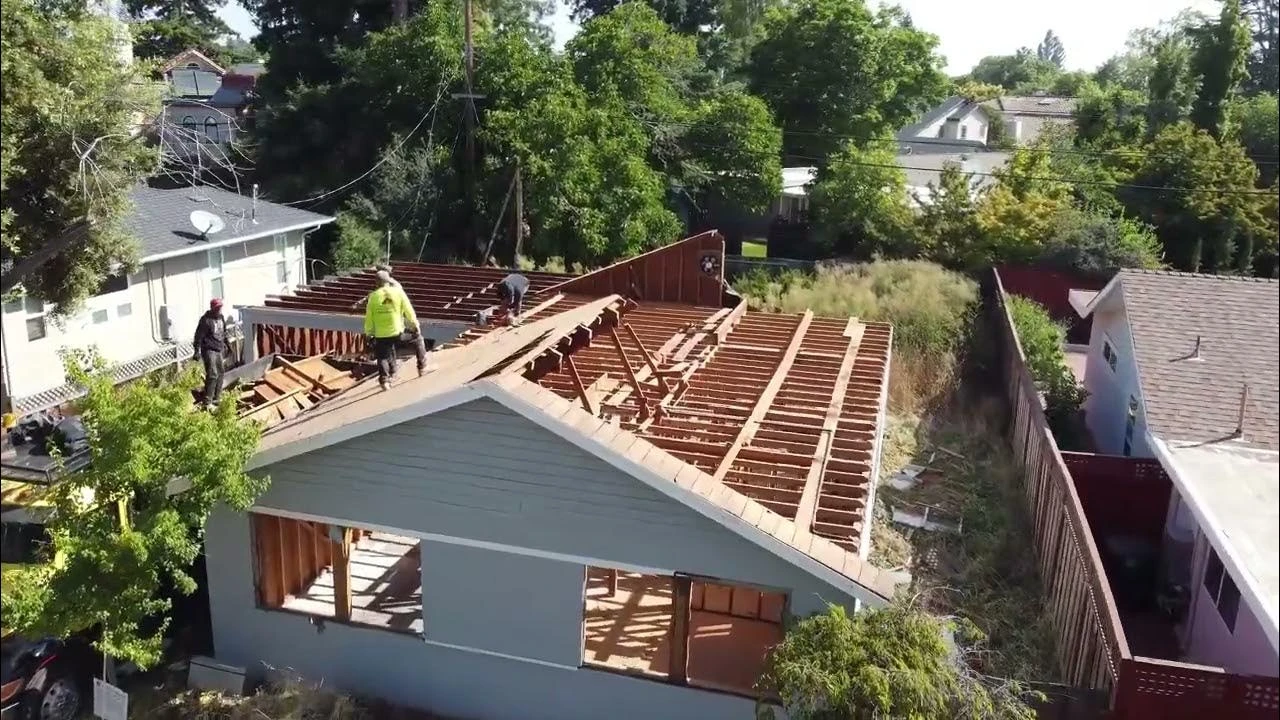
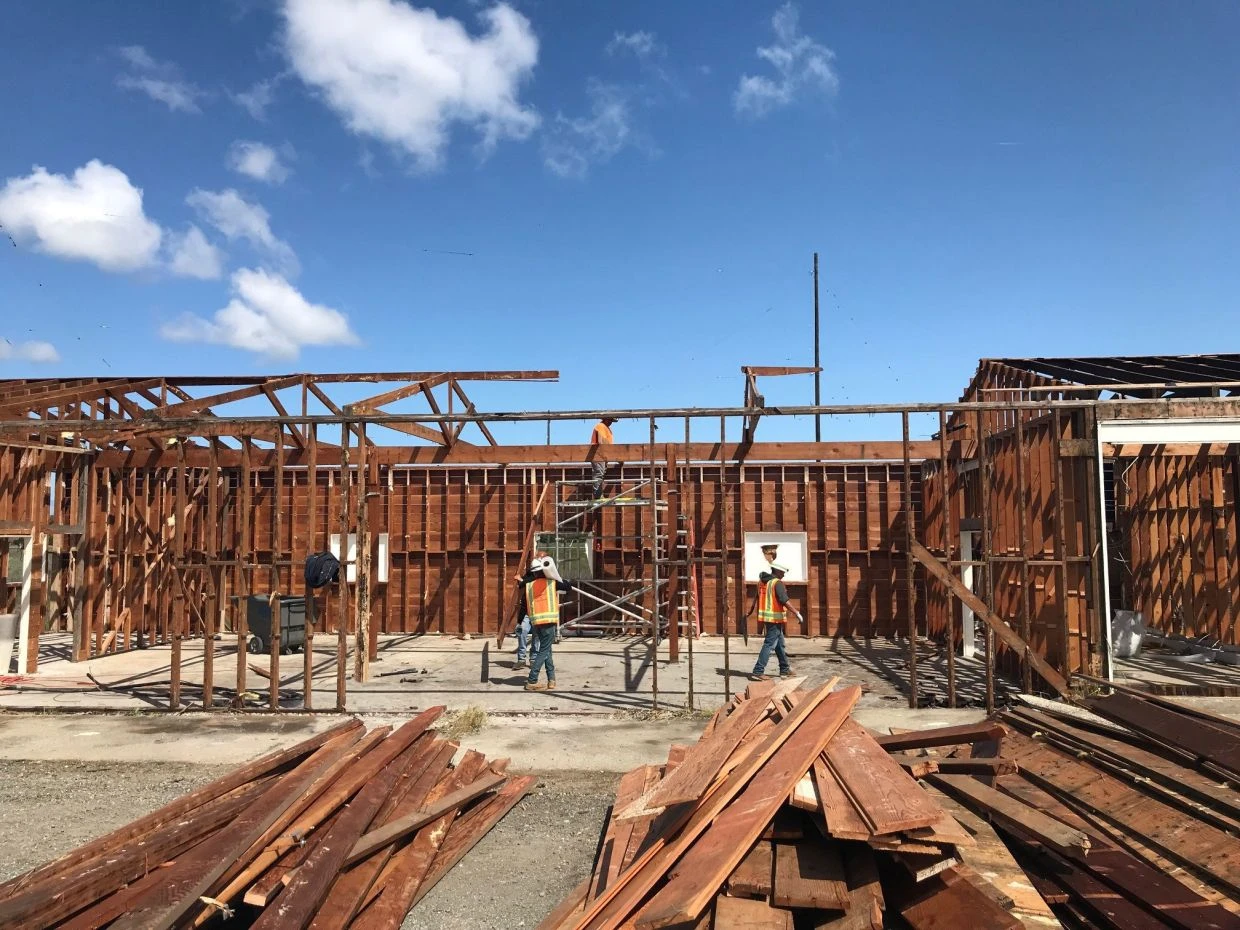
Palo Alto, California, recently become a forerunner in North America by establishing a law that requires deconstruction. Instead of the city’s landfills getting bigger, “Urban Mining” became more popular.
A 2,500-square-foot workplace was taken apart as part of a test project. What happened? 93% of the stuff was kept out of the landfill. That wasn’t just “trash.” It was a lot of concrete that was transformed into road base and thousands of board-feet of wood that would be used to build new homes.
The Future: A Round USA
Think of a time when a building isn’t a permanent structure, but a place to store resources for a short time. The first step toward a Circular Economy is Deconstruction Mapping USA. Experts think that by 2030, every big city in the U.S. will have a “Digital Material Bank.” When a developer needs steel, they won’t seek in a catalog for fresh ore. Instead, they’ll look at the Deconstruction Map of a structure that is about to be torn down three blocks away.
How to Get Involved in the Movement
- Architects: Begin planning for disassembly. Instead of glue, use bolts.
- Homeowners: Before you start remodeling, employ a “Salvage Consultant” to find the hidden gems in your walls.
- Voters: Support local laws that encourage deconstruction instead of using the wrecking ball.
The Legacy We Leave: Final Thoughts
We are the first generation to have the tools to put an end to the “Build-Destroy-Repeat” cycle. Revolutionary Deconstruction Mapping USA isn’t simply a new technology; it’s also a moral choice.
It is the choice to commemorate the past, safeguard the future, and show that the “soul” of our architecture is worth maintaining, even in the busiest cities.
When you see a “Demolition” sign, don’t just think about the building falling down. Think about this: Where is its soul going?
For more blogs like this CLICK HERE!!!!
Reference: