In a time when digital noise often drowns out artistry, the field of architecture is going through a major change. It’s not just about speedier software or better-looking renders; it’s about a big change in how we make things. For a lot of architects, the “creative soul” that first drove them to the drafting table has been buried under the weight of boring chores, technical red tape, and long hours of manual drafting.
The field of architecture has been a contradiction for a long time. We want to see big, sweeping curves, bright atriums, and strong urban ecosystems, but 80% of our time is spent on “grunt work,” like drawing wall sections, checking local zoning rules, and changing window timings by hand. This extra work has caused a secret epidemic of burnout, as the designer’s “creative soul” is progressively being suffocated by the very process that was supposed to bring it to life.
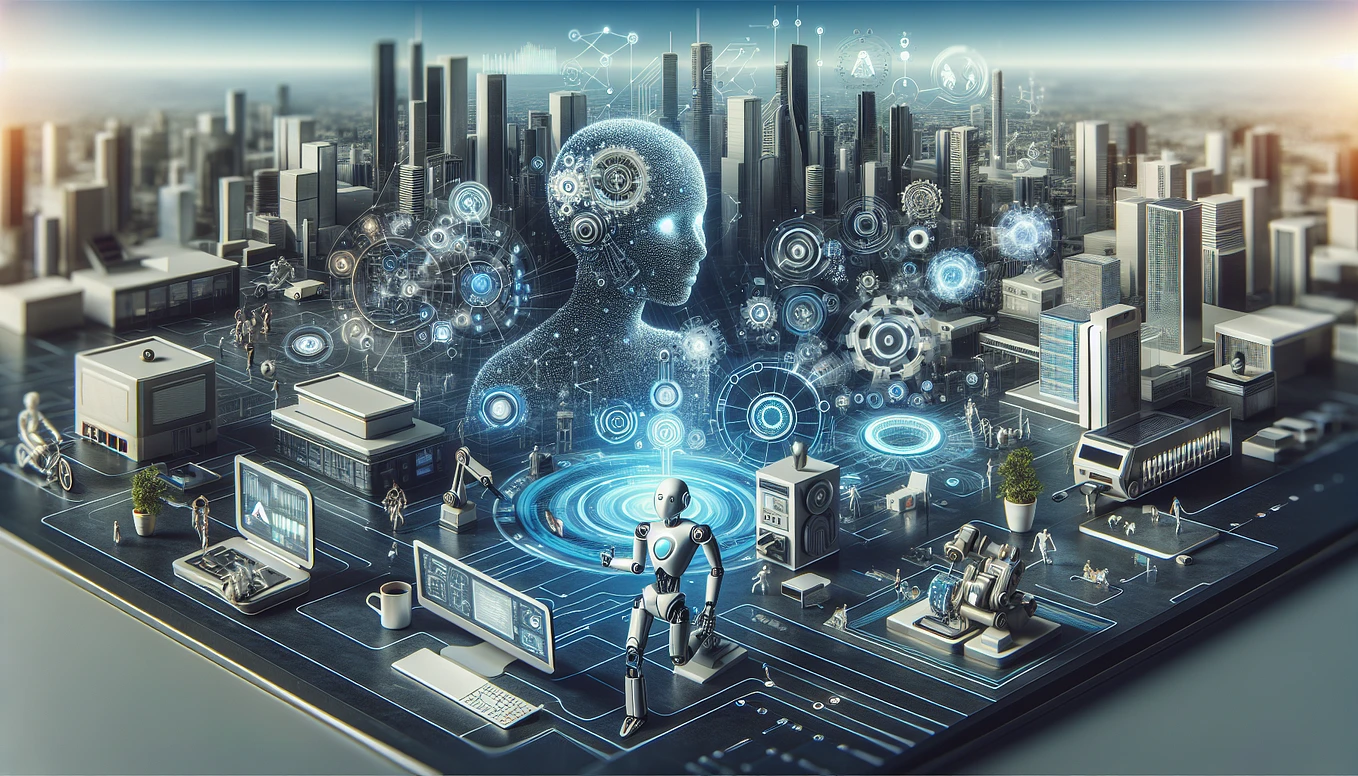
But things are changing in 2025. AI is no longer a threat from the future; it is now the best creative partner. Architects are now getting back to what they do best: designing for the human spirit. They are letting machines perform the mechanical work.

The Change in Workflow: From “Draftsman” to “Director”
The old way of designing was a straight line and took a lot of work. You’d draw, then make a model, then realize that the zoning restrictions made the design unfeasible, and then start over. Generative Design has broken this cycle with the help of AI.
Architects can now use tools like Autodesk Forma and TestFit to enter site restrictions like wind patterns, noise levels, and density needs. The AI can then come up with hundreds of optimum massing choices in seconds. This doesn’t “replace” the architect; it gives them a blank slate of options they could never have found on their own.
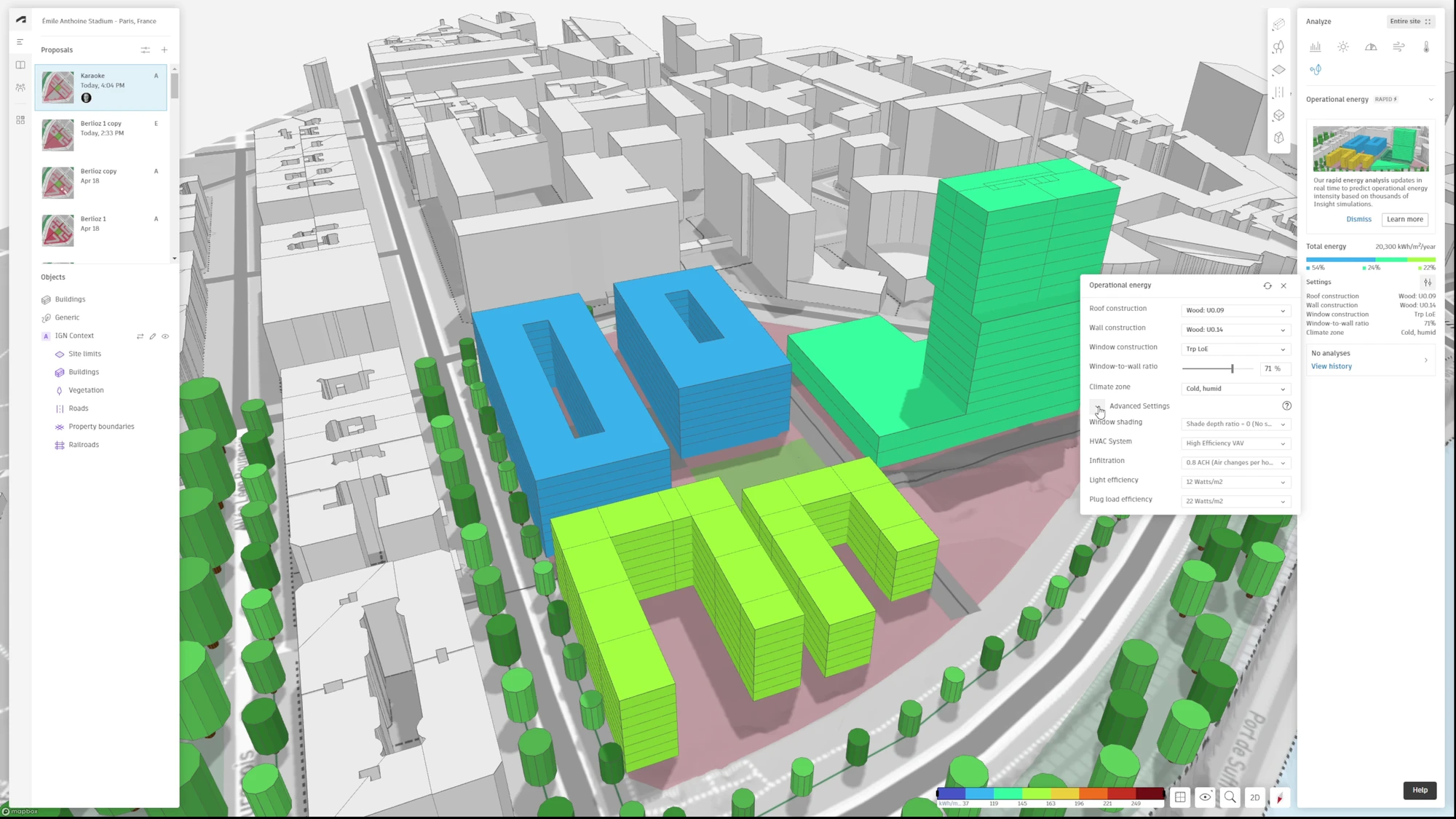
The Word of Power: Hyper-Iteration
The Sentimental Shift: The designer goes from being a victim of time to being a director. They aren’t just ticking boxes anymore; they’re picking out the best and most useful solutions from a huge pool of data-driven possibilities.
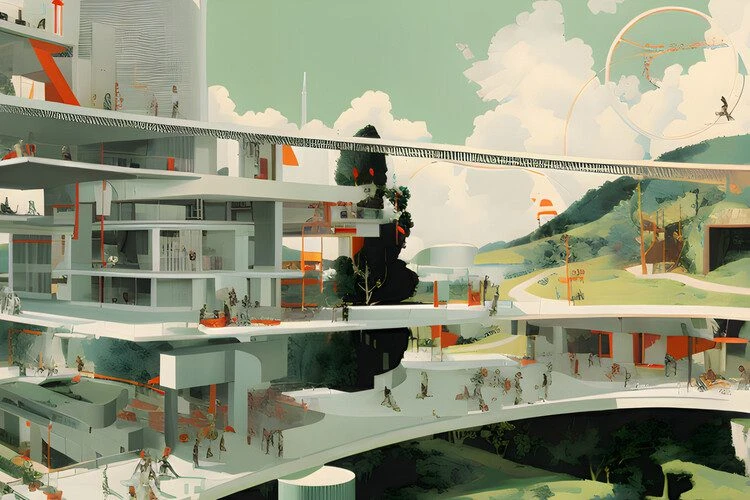
Reclaiming the Soul: AI as a Mood Board for the Mind
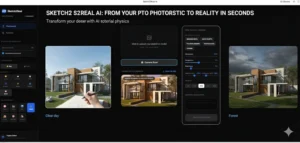
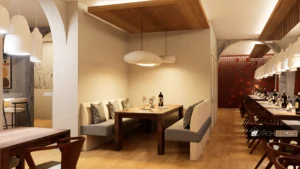
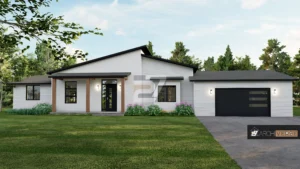
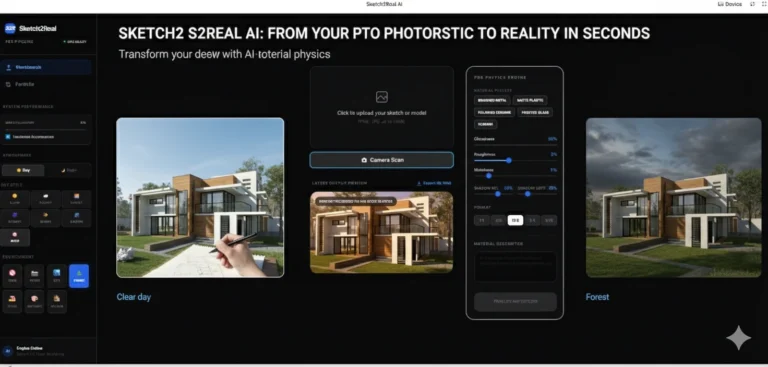
Text-to-Image (TTI) programs like Midjourney, DALL-E 3, and LookX are some of the most amazing things about the AI revolution. In the past, it took hours of Photoshop work or pricey hand-drawn sketches that often missed the mark to send a “vibe” to a customer.
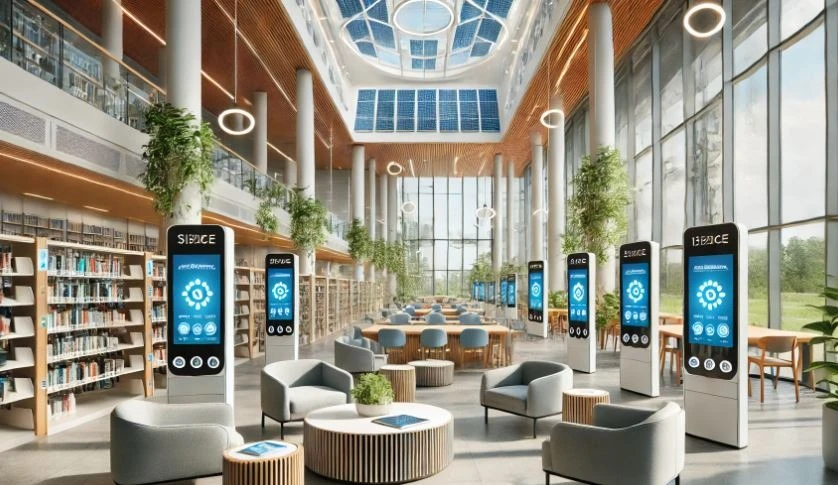
Visual Storytelling at the Speed of Thought: These days, a designer may send a challenge like “A sustainable library made of see-through wood, filtered with dappled morning light and biophilic walls” and get a high-quality picture in seconds.
- Why it Makes You Feel Sentimental: It lets the designer stay in the “dream state” for longer. It gets rid of the technical problems that can come up when a sincere notion is turned into a picture.
- The Creative Spark: These pictures are like “spark plugs” for creativity that assist architects get over the fear of a blank page. It’s not just about automation; it’s about inspiration.
Agritecture and Sustainability: Designing for the Future
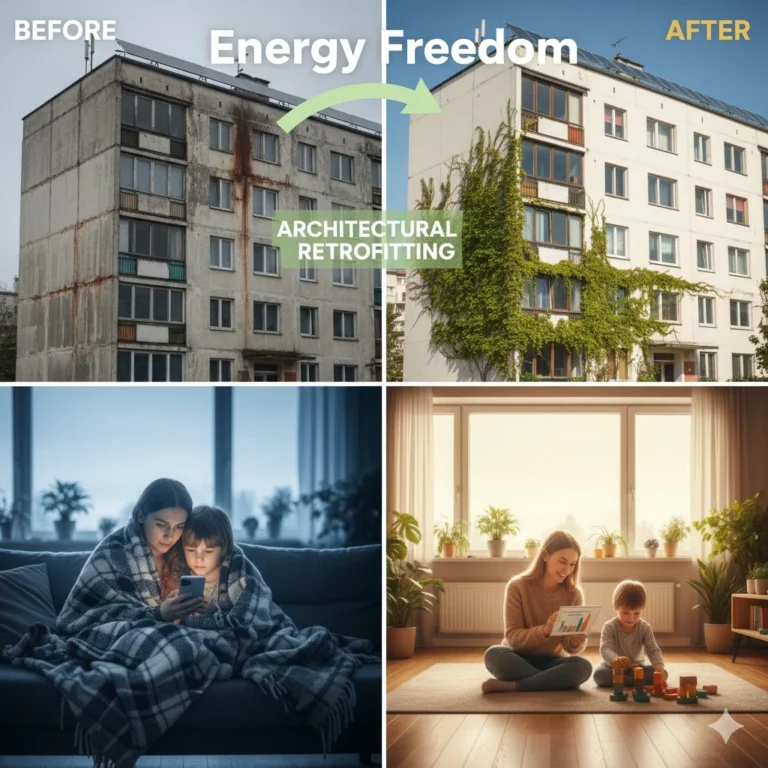
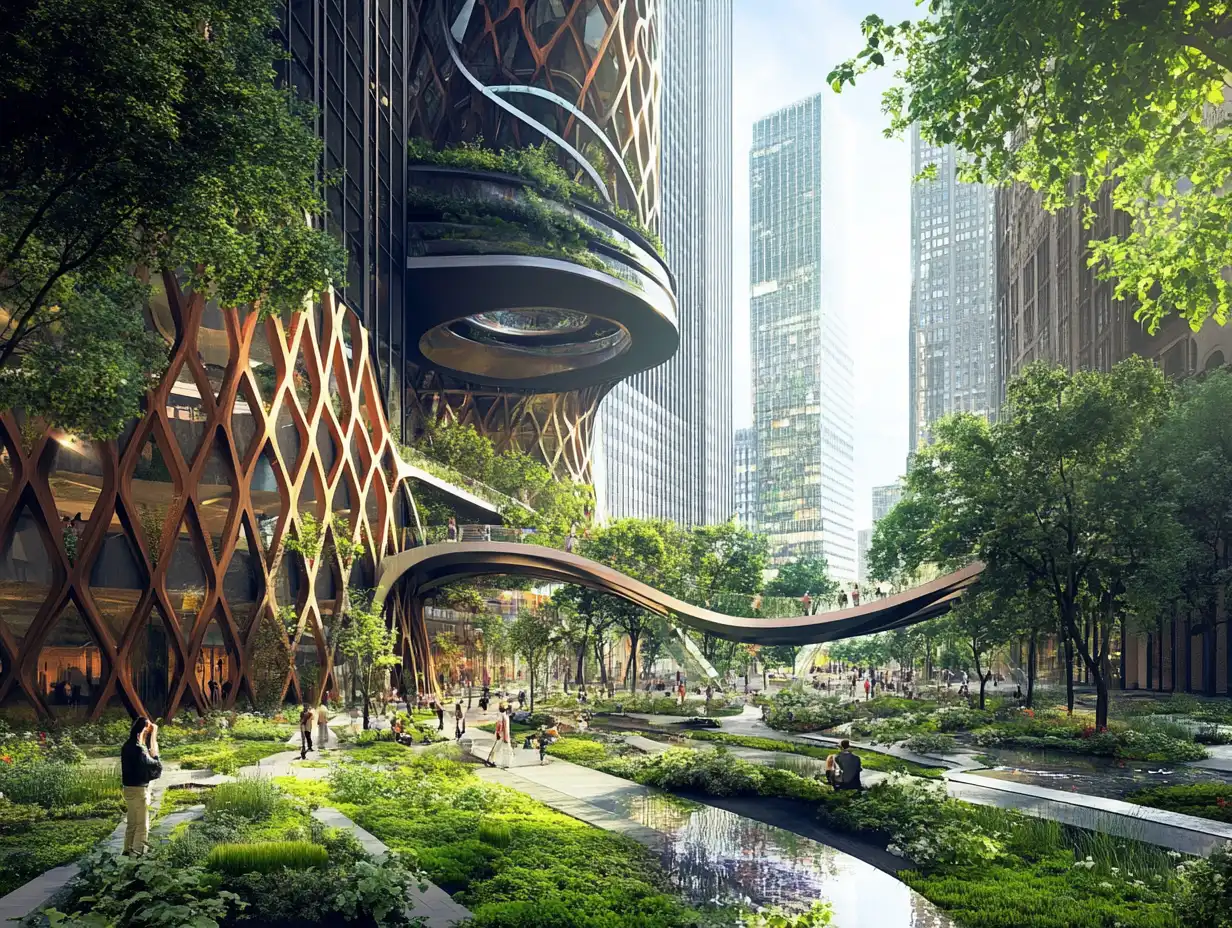
The environment has a lot to do with the essence of architecture. We want to make things that last and things that help people. AI is now the main motor behind Sustainable City Design, which lets us use precise engineering to fix the climate catastrophe.
Precision Environmentalism: AI doesn’t simply make things look good; it also makes sure they can live. Before a single brick is set, tools can now show how well a structure will use energy over its entire life.
- Carbon Footprint Optimization: AI looks at materials to locate ones with the least embodied carbon. It often suggests using local resources or novel polymers that can store carbon.
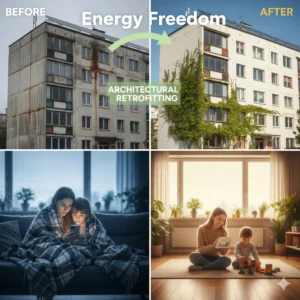
- Micro-Climate Intelligence: Buildings may now change to fit their surroundings. AI models the sun’s path and wind tunnels to find the best places for windows that let in the most winter sun and the least summer heat. This can cut energy expenses by up to 40%.
The Return of Design That Focuses on People
It’s funny that our buildings are growing more “human” while our instruments become more “artificial.” Architects may now spend more time on Biophilic Design and the Psychology of Space because they don’t have to do technical drafting by hand.
Architecture is going toward “Human-Centered AI” (HCAI), which means designing for feelings. This implies using information to figure out how a person inside an area feels.
- Acoustics and Wellbeing: AI can figure out how sound travels in a hospital ward so that patients can sleep better and get better faster.
- Community Flow: AI models how people move around a park in urban planning to make sure that social hotspots are situated where they will naturally thrive, encouraging connection instead of isolation.
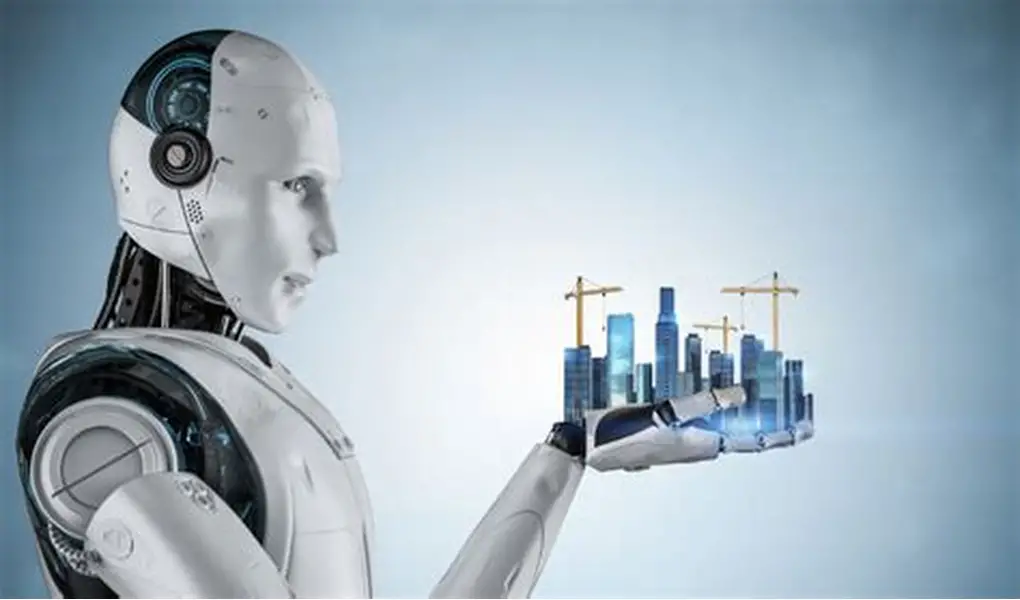
Important AI Tools for Architects in 2025
These are the high-density tools that are now shaping the business if you want to get your creative side back:
| Tool Category | Leading Software | Impact on the Designer |
| Early Concepting | Midjourney, D5 Render | Translates abstract feelings into breathtaking visuals. |
| Site Analysis | Autodesk Forma | Eliminates weeks of manual site and environmental research. |
| BIM Automation | Plannerly, ArchiCAD AI | Handles the “boring” documentation and coordination. |
| Feasibility | TestFit | Instantly checks for code and zoning compliance. |
| Real-time Rendering | Enscape, Chaos Veras | Allows for instant feedback during the modeling process. |
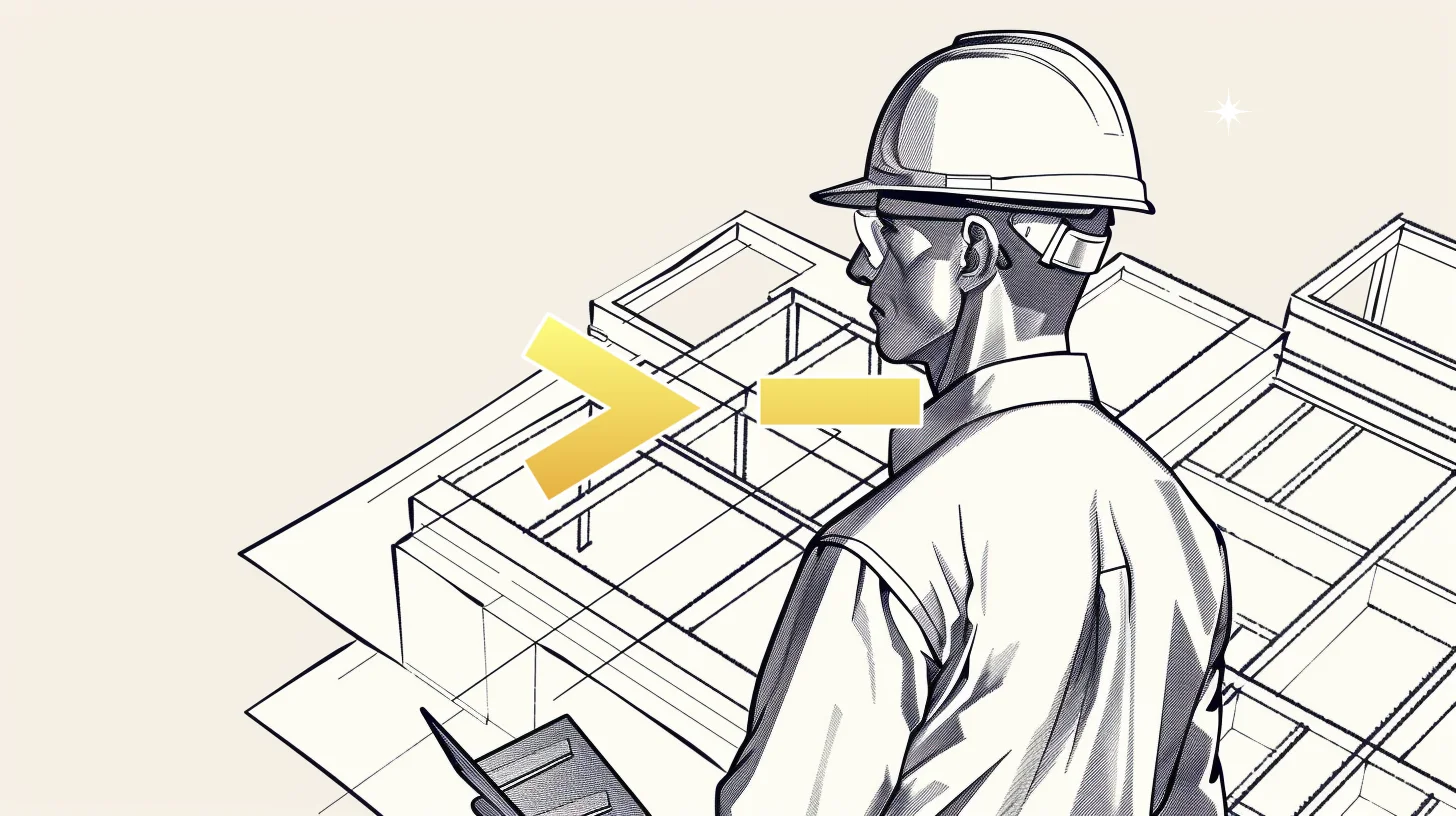
Getting Out of the “Cookie Cutter” Mold
For a long time, money problems led to “boring” architecture—buildings that were all the same shape and didn’t have any character. AI is revolutionizing how complex things work. Parametric design used to be only for “starchitects” like Zaha Hadid, but now any designer may use it.
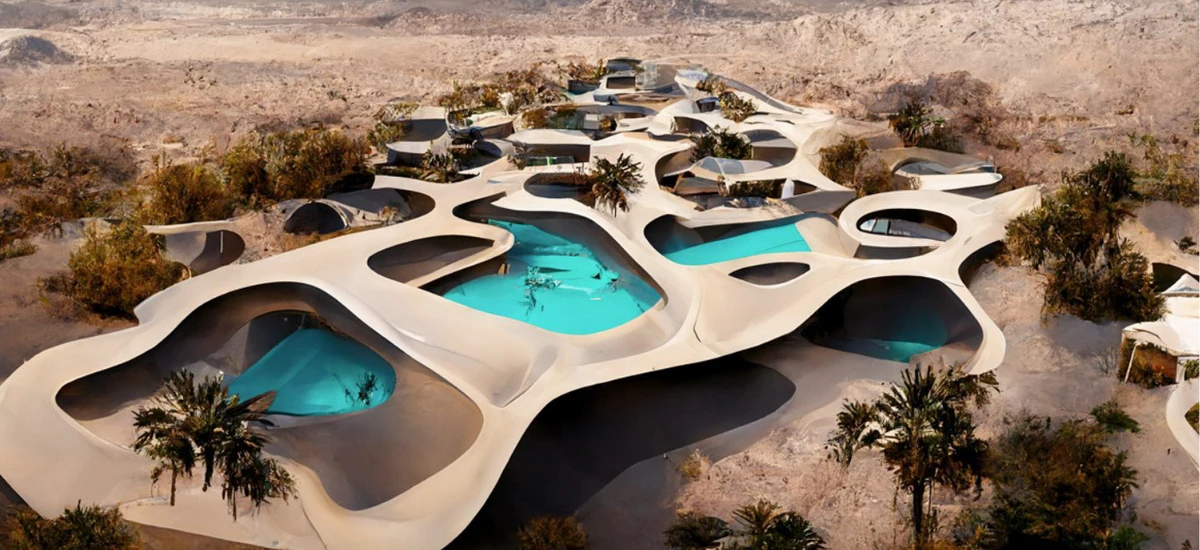
We are seeing a return of ornamentation and organic shapes because AI can rapidly figure out how to make and support complicated, non-linear shapes. We are going from “machine for living” to “sculpture for living.” This lets designers put their own stamp on a project, making sure that their work is a testament to their own originality.
The “Legacy” Factor: Making Plans for the Future
The opportunity to design for our kids might be the most emotional part of this change. The global food crisis and climate change are scary, but AI-integrated architecture, like Urban Farming Architecture and Net-Zero Buildings, gives us the tools we need to face these problems head-on.
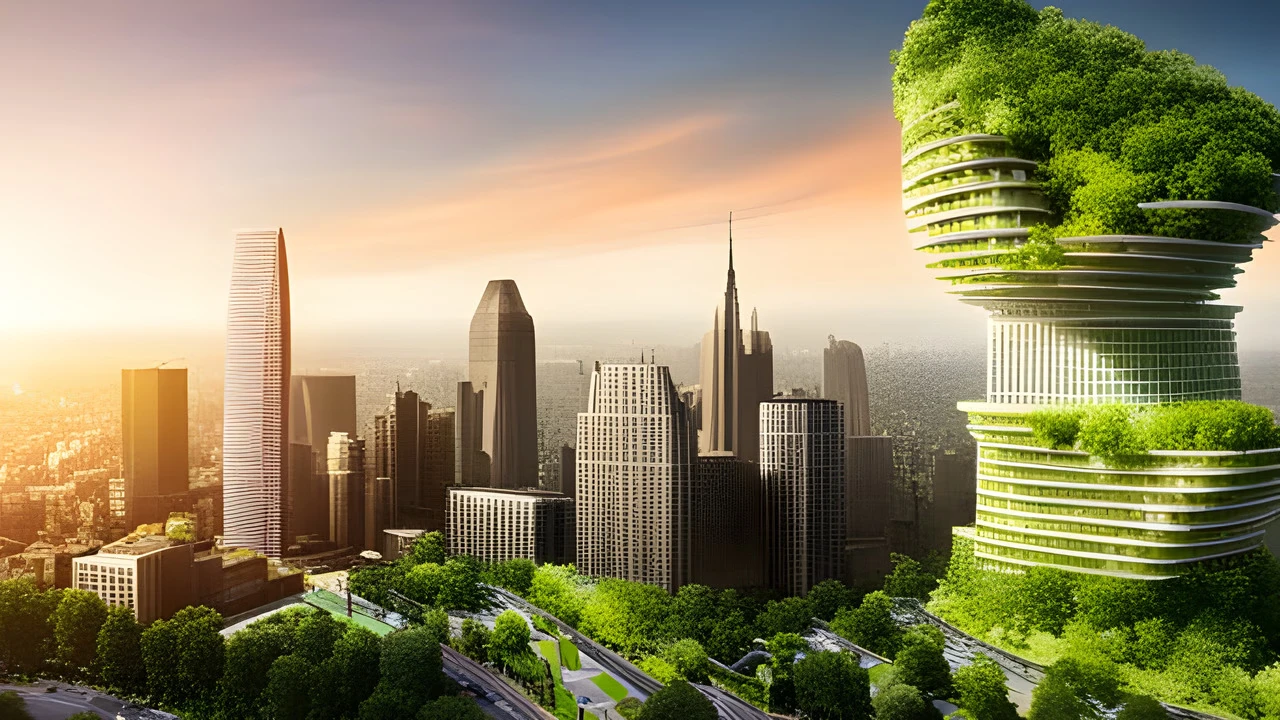
When we use AI to make a “farmscraper” that feeds a whole neighborhood or a residential tower that cleans the air around it, we are not just using a tool; we are keeping the architect’s promise to make life better for people. AI gives the data, but the architect gives the care.
Conclusion: A New Age of Craftsmanship
The “Revolutionary AI” isn’t the software; it’s the architect who uses it to learn more about their field. We are entering a “New Renaissance” where machines do the arithmetic and people do the meaning. We are left with the heart of the profession—the vision, the empathy, and the soul—when we take away the boring parts.
We are not merely building buildings anymore in 2025. We are employing the most advanced intelligence ever made to make the world more beautiful, stronger, and more human than it has ever been. Architecture’s future isn’t fake; it’s powerful.
For more blogs like this CLICK HERE!!!
Reference:
The Creative Revolution: AI Is Transforming Design and Architecture