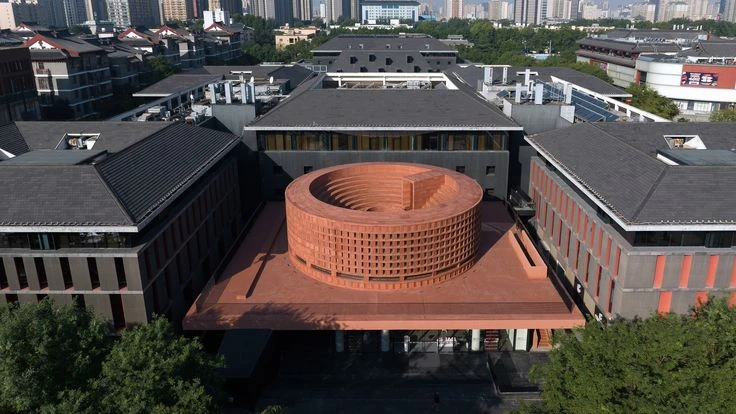
The Idea: A City Lantern
Lyndon Neri and Rossana Hu led the design team at Neri&Hu Design and Research Office. When they were requested to build a new emblem for the museum’s East Entry, they didn’t employ glass towers. Instead, they used a metaphor: the Glowing Lantern.
Xi’an is one of China’s four ancient capitals. Its walls and history are what make it a metropolis. The architects thought of the addition as a lantern, which gave the surrounding city a “source of illumination.” In 2026, this skyscraper acts as a metaphorical lighthouse, leading people from the busy Datang Everbright City to a safe place where they may enjoy good art and make friends.
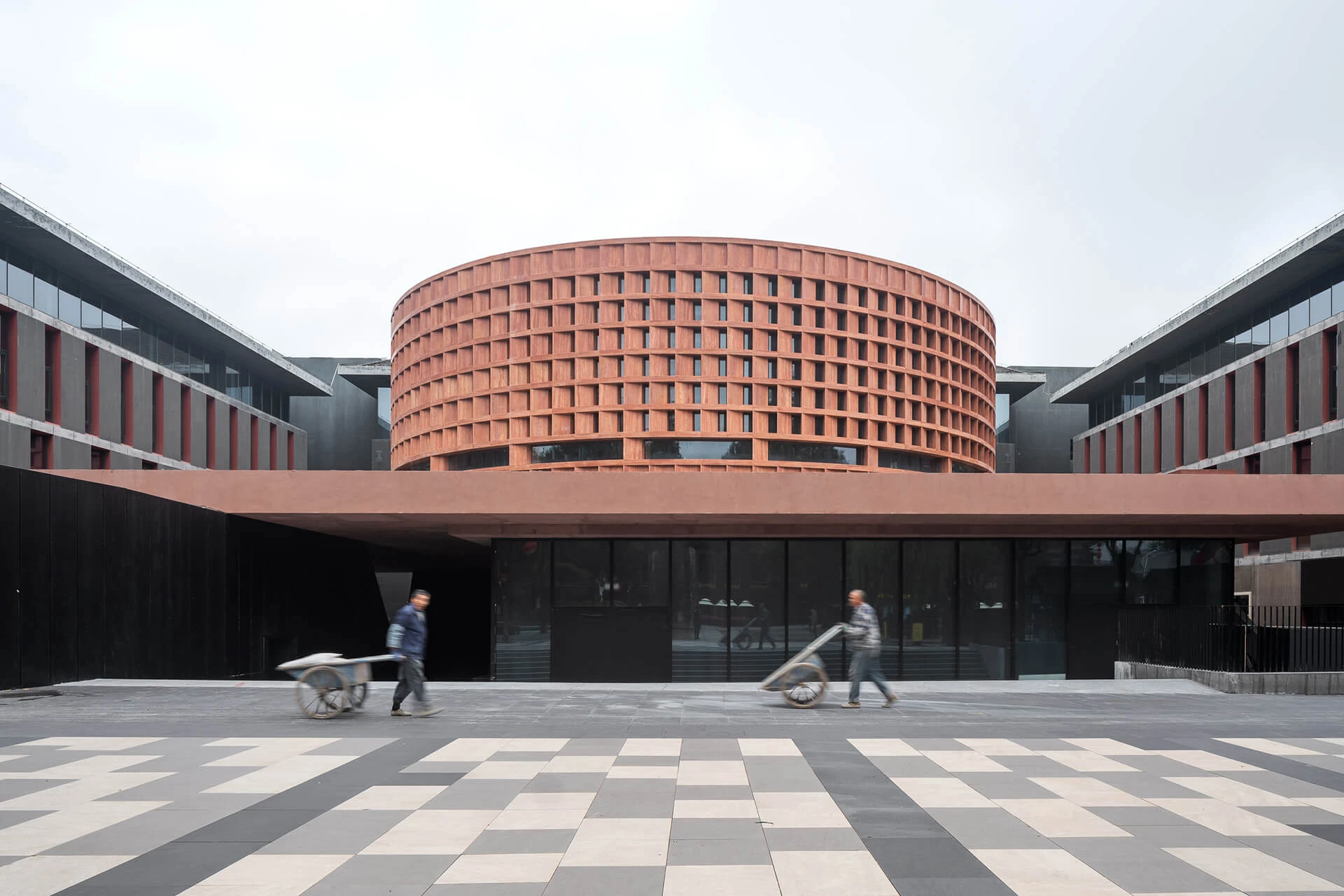
The Qujiang Museum of Fine Arts Extension is crowned by a circular architectural mass that was informed by the concept of a ‘glowing
Architecture as an Urban Hinge: An Interesting Fact
The building is meant to be a “Urban Hinge.” It doesn’t stand alone like a statue; instead, it connects the ancient Giant Wild Goose Pagoda to the modern commercial pedestrian streets, bridging the gap between the 7th and 21st centuries. It connects the old brick pagoda with Xi’an’s hopes for the future.
The Four Pillars of the Soul
To figure out why this skyscraper feels so “human,” you need to look at its four separate pieces. Neri&Hu split the 1,990-square-meter building into a voyage of digging and rising:
The Base That Is Partially Sunken
The trip starts below the ground. The Base, which is made of cast-in-place concrete, is an expansion of the public plaza. The architects kept the city square’s open aspect while also giving it a sense of “archaeological discovery” by partially burying the museum’s commercial areas and restrooms.
- Creative Detail: The concrete base adopts a “monolithic expression” to blend in with the streets around it. This makes the transition into the underground world feel like a planned drop into history.
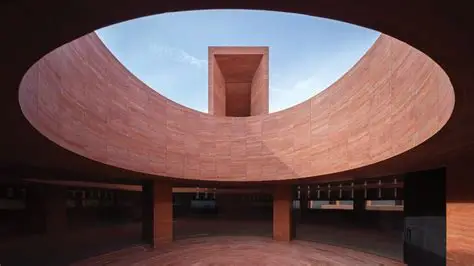
The Sculptural Walk: This building’s heart is movement. The Sculptural Walk is a space for people to walk about that has a number of escalators.
This isn’t only a way to get from one place to another. The space plays with “compression and expansion,” with small, dramatic passages that abruptly open up into a three-story light well. It seems like traveling through a tight passageway in an old city and then coming out into a sunny courtyard.

The Platform
The Platform, which is made up of stone columns and glass curtain walls, is above the base. This level has stores and is meant to look like a “hovering datum.” It gives the heavy concrete of the earth and the bright monument of the sky a break from each other.

The Beacon (The Monument)
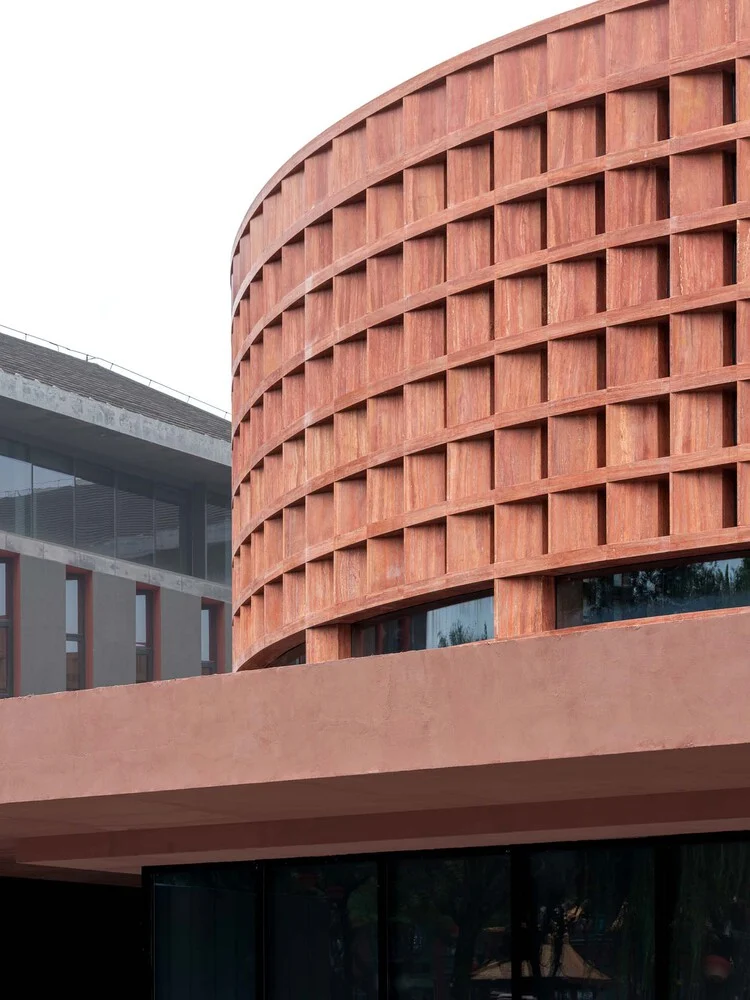
The Monument is the best part. This round building is covered in diamond-shaped red travertine and has a luxurious lounge and a stunning rooftop amphitheater.

The Red Travertine Magic
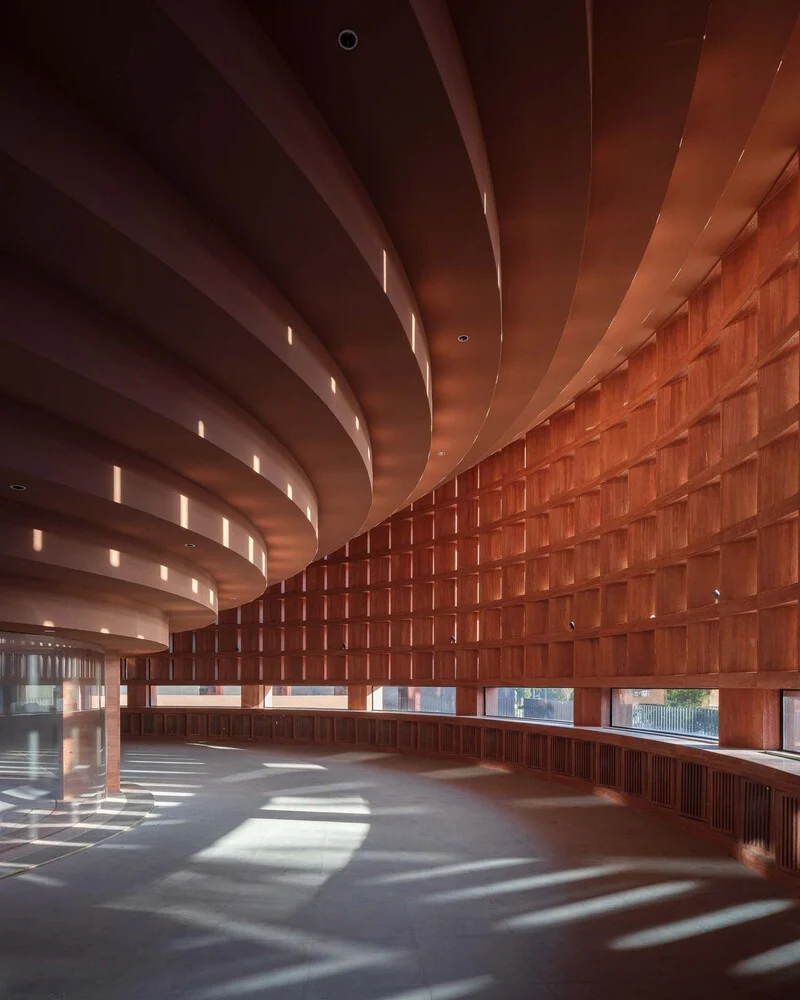
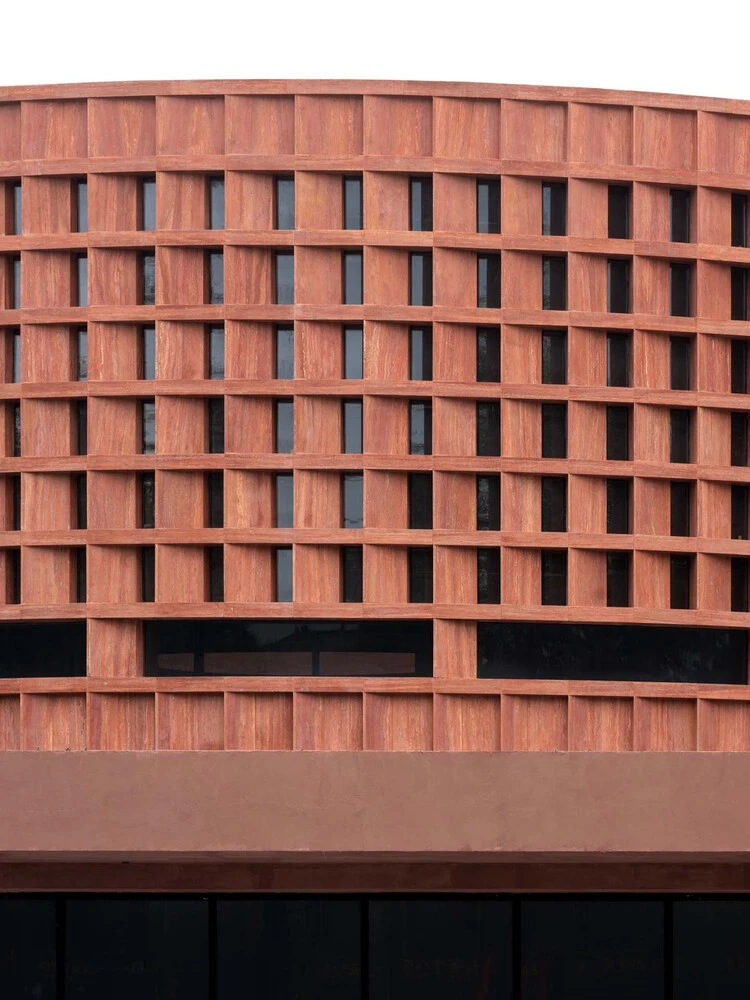
The skin is the most interesting part of the Qujiang expansion. Neri&Hu picked red travertine, which feels both old and new. It reminds me of the terracotta colors used in Chinese building from the past.
The Diamond Design
At regular intervals, the masonry units are set up in a diamond shape. This has two uses:
- During the day, the building looks like a big, hefty stone block, which is what a “Urban Monument” is.
- At Night: The light from the lounge within shines through the cracks in the stone, turning the massive cylinder into a brilliant lantern that feels weightless.
Fact: There is a double layer of hollow low-emission glass behind the stone. This makes sure that the building will still be energy-efficient in 2026, lowering the heating and cooling loads while keeping that delicate “transmissivity of light” that makes it so beautiful.
A Heart for the Public: The Rooftop Amphitheater
A lot of museums these days seem like “temples for the elite,” but the Qujiang expansion is very much for the people. There is a “hollowed-out bowl-shaped amphitheater” at the top of the building.
This area is like a forum. It is open to the public for:
- Cultural performances include modern dance and traditional Chinese music.
- Social Gatherings: A venue for people to see the sun set over Xi’an.
- Catwalks and Fashion: The unique lighting and dramatic shapes have made it a favorite for worldwide fashion brands in 2026.
Neri&Hu have made an architecture of generosity by giving the public back the building’s most precious “real estate,” the roof.
- Creative Insight: The bottom of this amphitheater bowl acts as the “sculpted ceiling” for the lounge below, producing a wonderful architectural feedback loop between the inside and outside.
Why 2026 is the Year of the “Slow Landmark”
Architecture around the world has changed in 2026. We are now in the age of the Slow Landmark, after decades of “starchitecture” that focused on striking shapes.
Neri&Hu’s work in Xi’an is a great example. It is “calculated but expressive.” It doesn’t yell for attention; it waits for someone to find it. People are encouraged to touch the building and feel its “heaviness” by using tactile materials like concrete and travertine. This makes them feel at ease with its permanency.
Sustainability and the History of Society
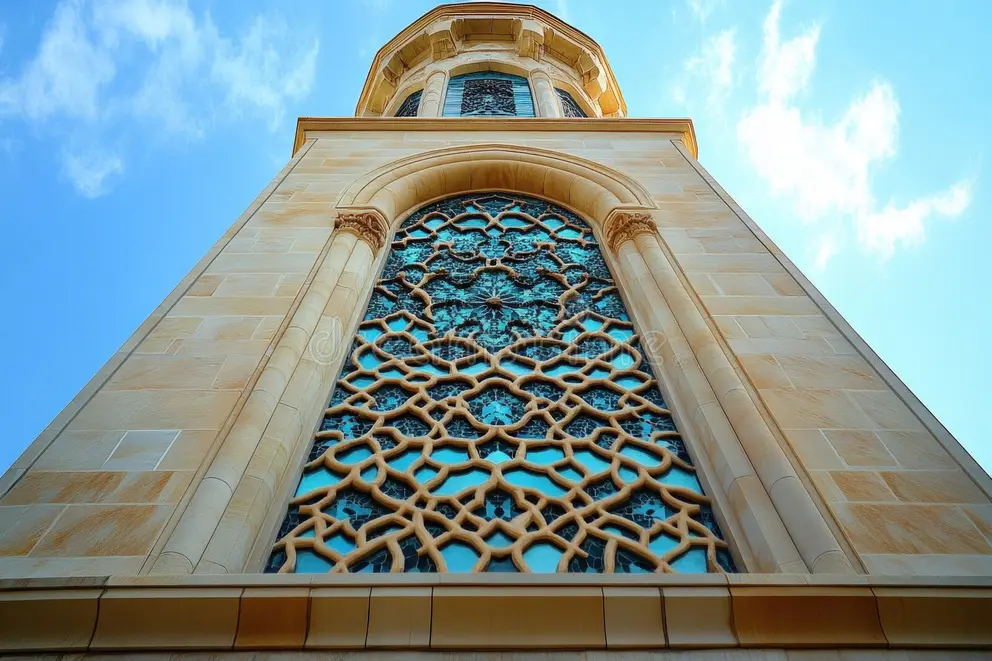
The building isn’t only a nice lantern. It meets high energy-saving regulations for 2026. It is also a “durable symbol of social history,” which is much more important. It upgrades the Chinese lantern and the “Barjeel” (wind tower) cooling ideas for a world with no net-zero emissions. It’s a landmark that feels like it has always been there and is important to the community.
Quick Stats for the Qujiang Extension
| Feature | Detail |
| Architect | Neri&Hu Design and Research Office |
| Material | Red Travertine & Cast-in-place Concrete |
| Total Area | 1,990 Square Meters |
| Unique Space | Hollowed-out Bowl Amphitheater |
| Lighting | Linea Light (China) CO., LTD. |

Conclusion: A Beacon of Hope
The Qujiang Museum of Fine Arts Extension is a great example of how to expand to a historic city without losing its character. It is a “Radiant Soul” because it lives and breathes with the city. It lights up for the tired commuter, gives the local artist a place to perform, and gives the interested traveler a calm place to sit.
We need more “Glowing Lanterns” in 2026, buildings that don’t just occupy up space but also give off light.
For more blogs like this CLICK HERE!!!
Reference:
Qujiang Museum Of Fine Arts Extension / Neri&Hu Design And Research Office