Why Your Windows Are More Than Just Glass: An Introduction
Your home is your safe place, and its windows are like the eyes that defend the inside and give it its personality. But if you’re feeling cold drafts in the winter, too much heat in the summer, or if your energy costs look more like mortgage payments, those windows aren’t working. They are no longer an asset; they are a debt.
One of the nicest things you can do for your American home is to get the right windows. It’s not just about how it looks; it’s also about comfort that lasts, big savings, and making sure your “forever home” really lasts. We looked at the data from the best brands and materials to give you a professional, easy-to-understand assistance to making this important choice.
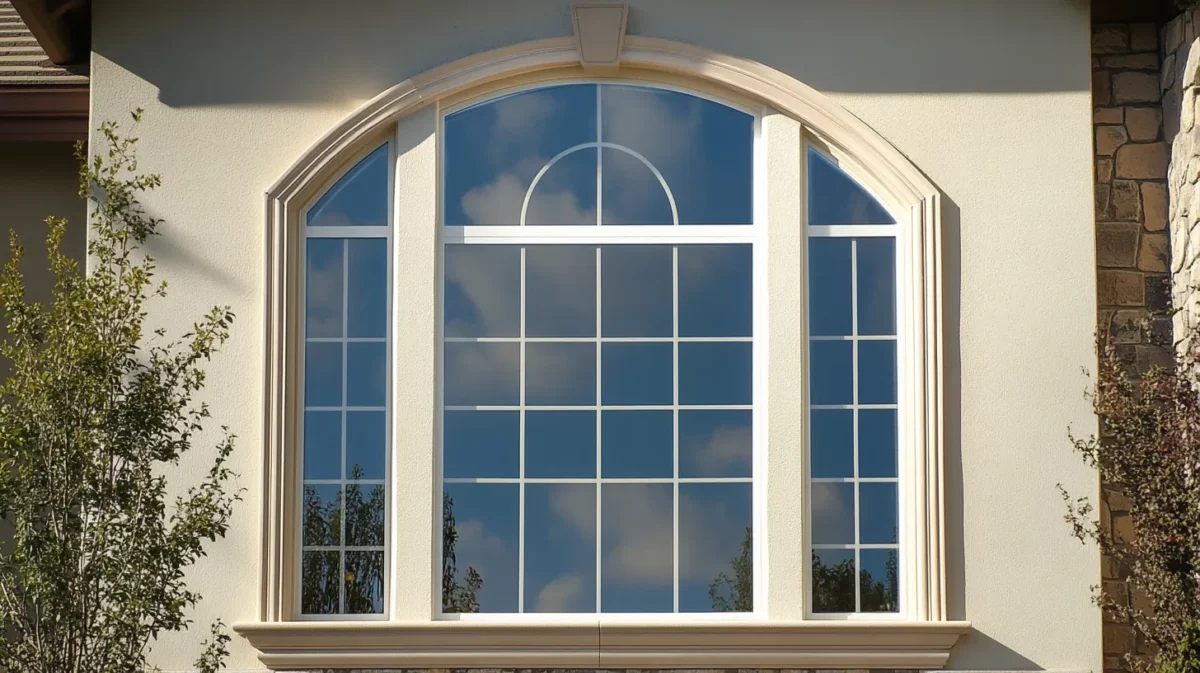
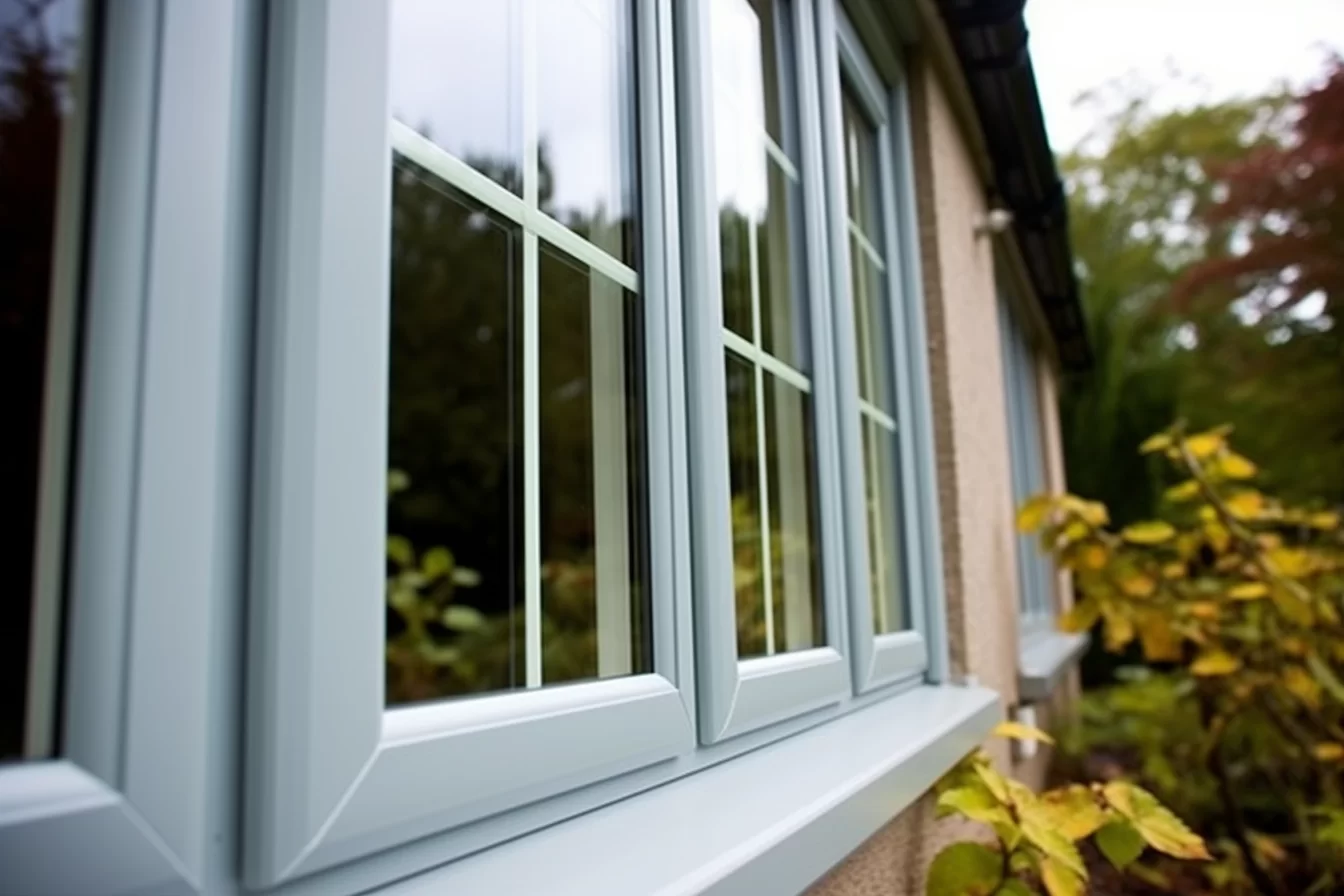
A close-up, high-quality picture of a new, clean double-hung window with a Low-E coating that shows a blue sky would be a good picture to use.
What Matters Most in the Science of a Better Window
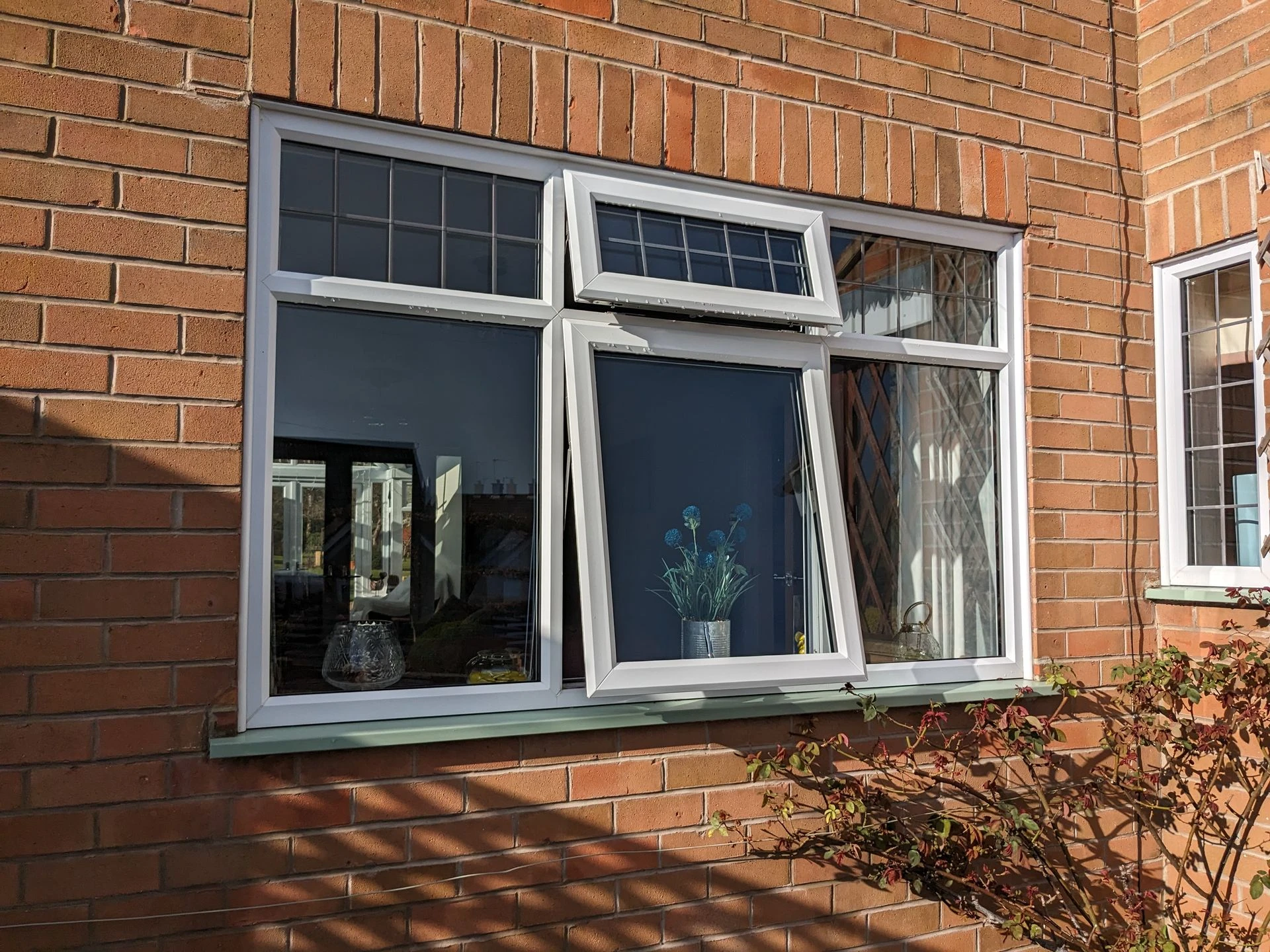
You need to know the technical words that show how well a window works before you start looking at styles and colors. The NFRC label is your best friend in this situation. It gives you the proof you need to make sure that energy is used efficiently.

Understanding Energy Efficiency: U-Factor and SHGC
The most crucial thing is how well it works thermally.
- U-Factor (Thermal Resistance): This tells you how well a window keeps heat from leaving your home. Think of it as the worth of insulation. In colder places like the North, you want a low U-factor to keep the heat inside.
- The Solar Heat Gain Coefficient (SHGC) tells you how much heat from the sun gets into your home. In warmer places like the South, you want a low SHGC to keep the sun’s heat out and keep your cooling costs down.
Always check for the ENERGY STAR stamp of approval. The U.S. Environmental Protection Agency has tight rules about how energy-efficient these goods must be. Replacing single-pane windows with ENERGY STAR-certified ones will help American homeowners save between $101 and $583 a year on their energy expenses. This is a very important keyword component for long-term worth.
The Best Materials for Your American Home
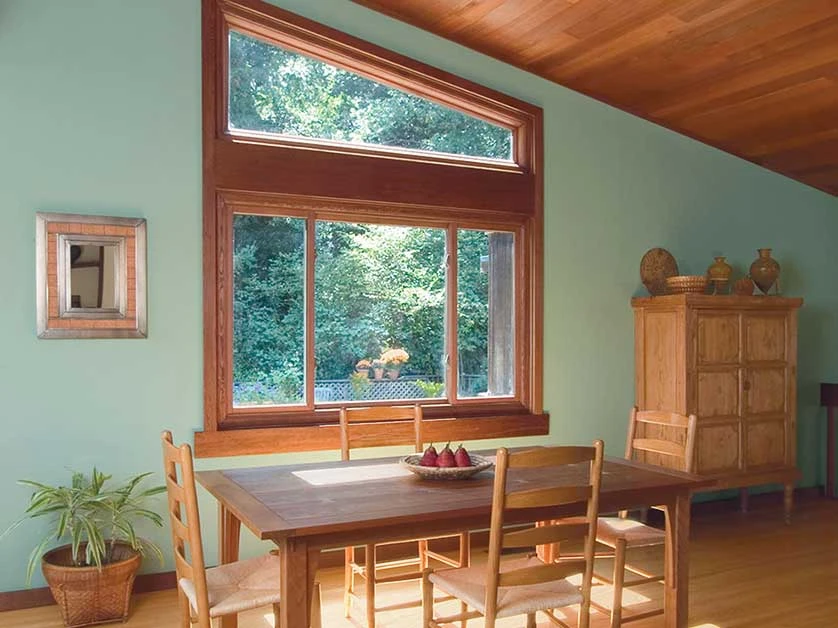
The frame’s material is what makes your window last longer and work better. The choice is generally between the initial expense and the cost of upkeep and long-term durability.
Vinyl: The Champion of Low-Cost, Low-Maintenance
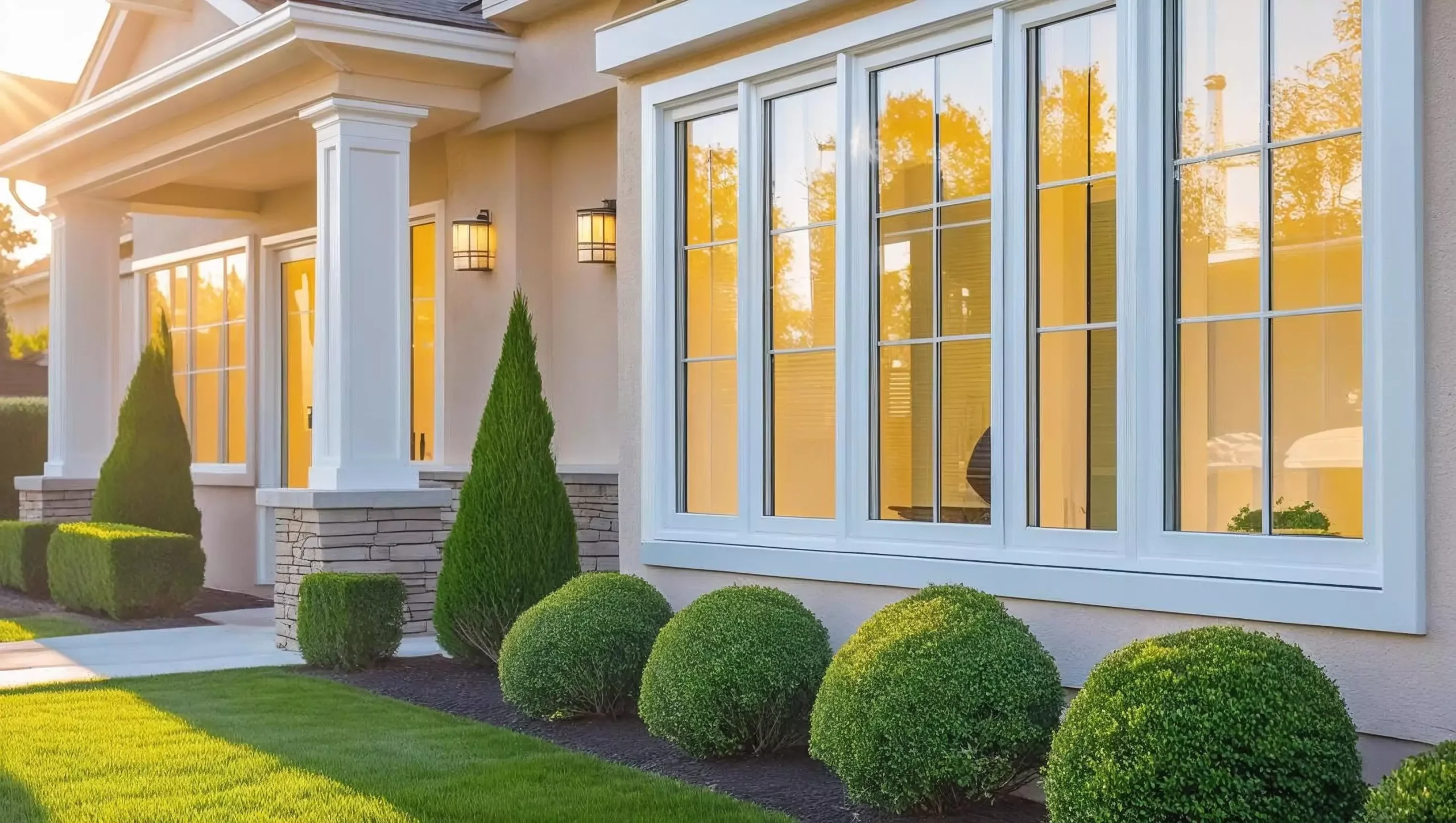
Vinyl windows, which are composed of PVC, are the best choice for homeowners who want windows that are cheap and easy to take care of. They won’t decay or warp, and they are reliable and resistant to moisture.
Fusion-welded frames from high-quality vinyl companies like Simonton and Alside are a great deal since they keep air in and energy costs down. This makes them a wonderful choice for people on a budget who want a lot of value for their money.
Fiberglass and Fibrex: Strength and Efficiency at Their Best
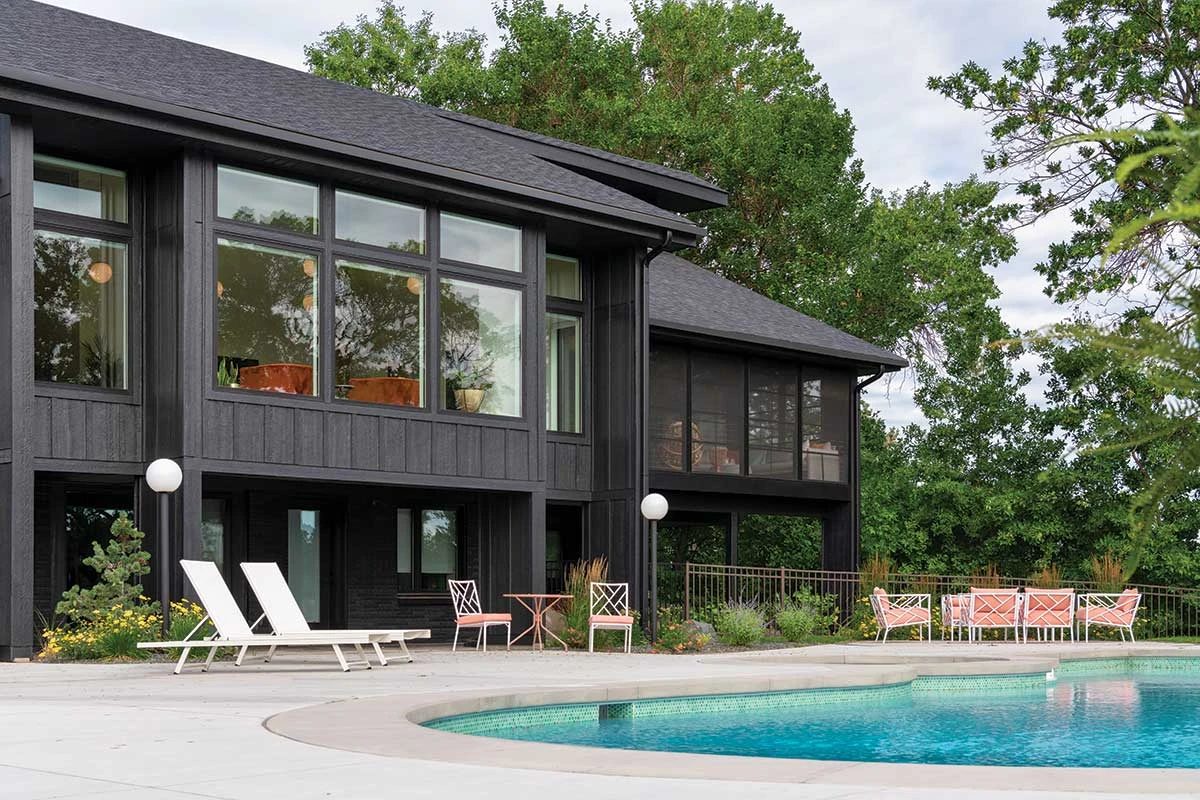
Fiberglass is the next step up for people who want the strongest and most thermally stable material. It is much stronger than vinyl, which makes it perfect for big window openings.
People love Marvin’s fiberglass windows because they are strong and don’t expand or contract, which keeps the seals from breaking.
Andersen was the first company to make composites with its own Fibrex® material, which is a mix of wood fiber and polymer. This composite material is stronger and more energy-efficient than others, plus it looks elegant and doesn’t need much care.
Wood and Clad: Beauty that Lasts and Keeps You Warm
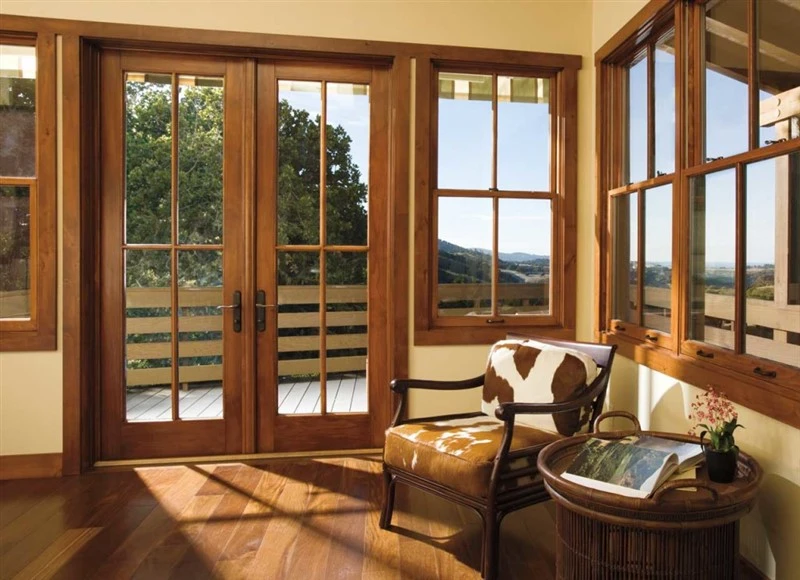
Wood is the best choice for high-end or historic American homes since it looks traditional and has great natural insulation. Pella’s Reserve Series and Marvin’s Reserve Series are two brands that make stunning wood interiors.
To protect wood from the weather, manufacturers put an outside cladding on it, usually aluminum or vinyl. Wood-clad windows give you the best of both worlds: beautiful interiors that will never go out of style and strong, low-maintenance protection on the outside.
The Best Window Brands: Proven Leaders
When you buy windows, you are also investing into the brand’s engineering, guarantee, and reputation. Here are the top-rated brands that professionals and homeowners agree on time and time again.
Andersen and Pella: The Titans You Can Trust
People in the US often think of these two companies as the best for replacement windows since they provide a vast range of products that fit almost any budget and style.
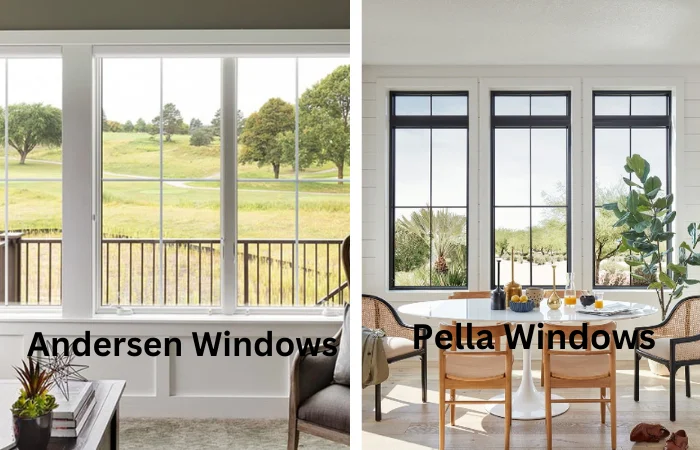
- Andersen is known for its dependable 400 Series and its full-service installation of Renewal by Andersen. For almost ten years, they have been the ENERGY STAR Partner of the Year, which proves that they are a high-density, high-quality alternative.
- Pella stands out for its dedication to new ideas, such as built-in blinds and smart home technology. People love the Pella Lifestyle Series for its great sound management and energy economy.
Marvin: The Personalization King
Marvin windows are made for high-end and architectural markets. People applaud their craftsmanship, unique sizing, and high-quality materials, especially their fiberglass lines. Marvin is a great choice if your project needs special sizes, coatings, or long-lasting durability.

Value and Ease of Use
If your project is on a tight budget, reliable national manufacturers like JELD-WEN and Window World provide ENERGY STAR-certified vinyl alternatives that are also practical. For instance, Window World is known for selling cheap windows that come with complete lifetime guarantees and may be customized to fit your needs.

Choosing the Right Style: Where Function and Architecture Meet
The appropriate window style makes your American home seem better and work better.
The American Classic: Double-Hung
The double-hung window is the most common type. It has two sashes that swing up and down. This flexible design works with almost all historic American building styles and lets you manage the airflow very well. The contemporary models are quite easy for homeowners to clean because they often tilt inward.
Casement: The Energy Seal Masters
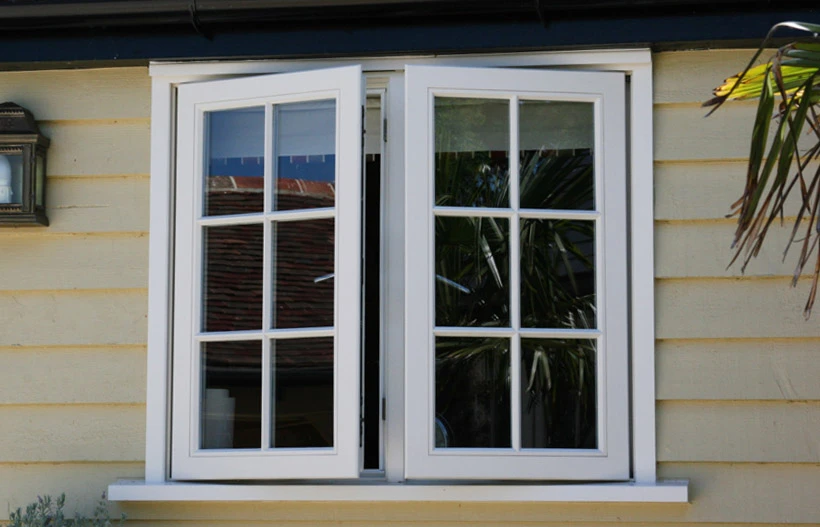
Casement windows include a crank on the side that lets them open outward. When closed, the sash fits securely against the frame, making one of the best seals available. They use a lot less energy than other sliders, and they work great in hard-to-reach places in modern residences.
Bay and Bow: Making the Outside Look Better and Giving You More Space
A bay or bow window can let in more light and provide a dramatic architectural feature. These patterns stick out from the home, making a tiny shelf or nook inside. They make your home look better right away, provide depth to a room, and are a great way to improve the look of your forever home.

The Last Step: Putting It Up and Getting a Return on Investment
A poorly installed top-rated window is worse than a well-installed inexpensive window. The published U-factor and SHGC ratings can only be reached if the installation is done well. Always use a qualified, trustworthy installer who offers a clear warranty on both the work they do and the goods.
Keep in mind that getting new, energy-efficient windows is a smart financial move. According to some remodeling data, replacing wood windows can provide you a better return on investment (ROI) than many big kitchen remodels. This is a high-density keyword benefit: you’re making things more comfortable, cutting costs, and raising the value of your property. It’s the best way to invest in the future of your house.
To find the best windows for American homes, you need to weigh energy efficiency data, material strength, brand reputation, and architectural style. You can be sure that your investment will make your house more comfortable and protect it for decades to come by choosing low U-factors, high-density materials like fiberglass or Fibrex, and well-known brands like Andersen and Marvin.
For more blogs like this CLICK HERE!!
Reference: