
The Alchemy of Architecture: What Does Adaptive Reuse Mean?
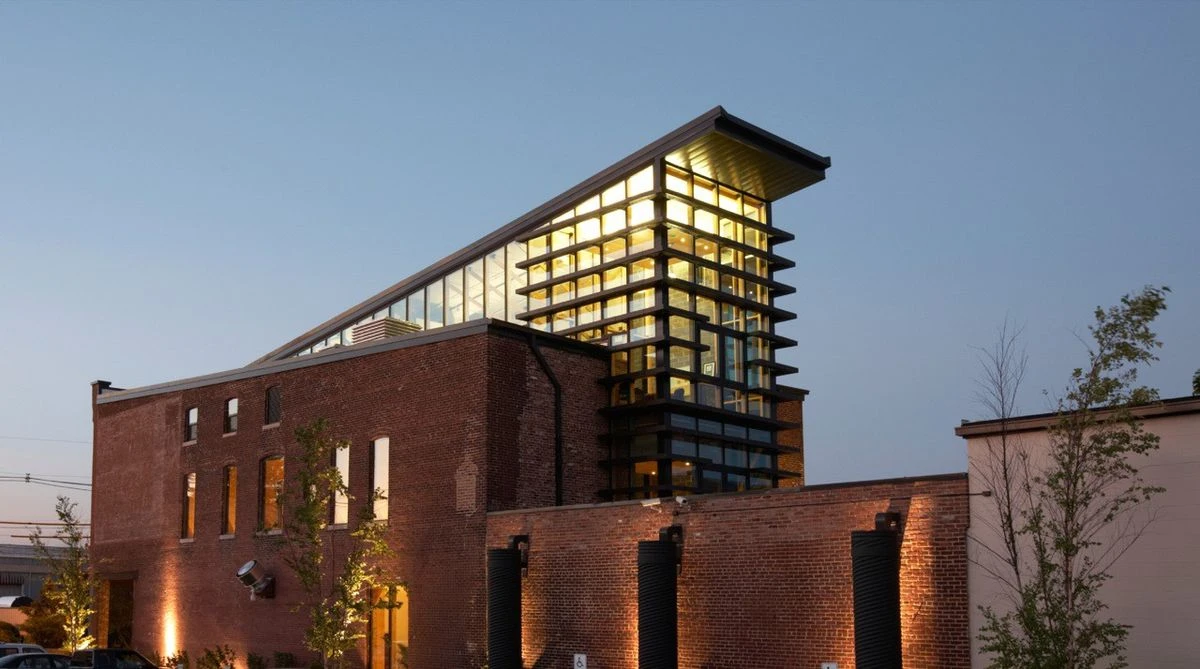
At its most basic level, adaptive reuse of industrial buildings means taking a structure that was built for one purpose, usually heavy production, and imaginatively changing it to serve a new, modern use. It is the best way to recycle. Instead of tearing down a huge brick warehouse and sending thousands of tons of trash to a landfill, architects keep the “bones” of the building.
This way of doing things respects the “spirit of place.” You are not in a clean, modern box when you stand in a factory that has been turned into something else. There is a tale in this space. The tall ceilings used to hold huge looms, and the big steel beams used to hold enormous cranes. By maintaining these things, we keep a real connection to our industrial heritage while making something completely new for the future.
Tate Modern in London: The Power Station that Gave Art Life
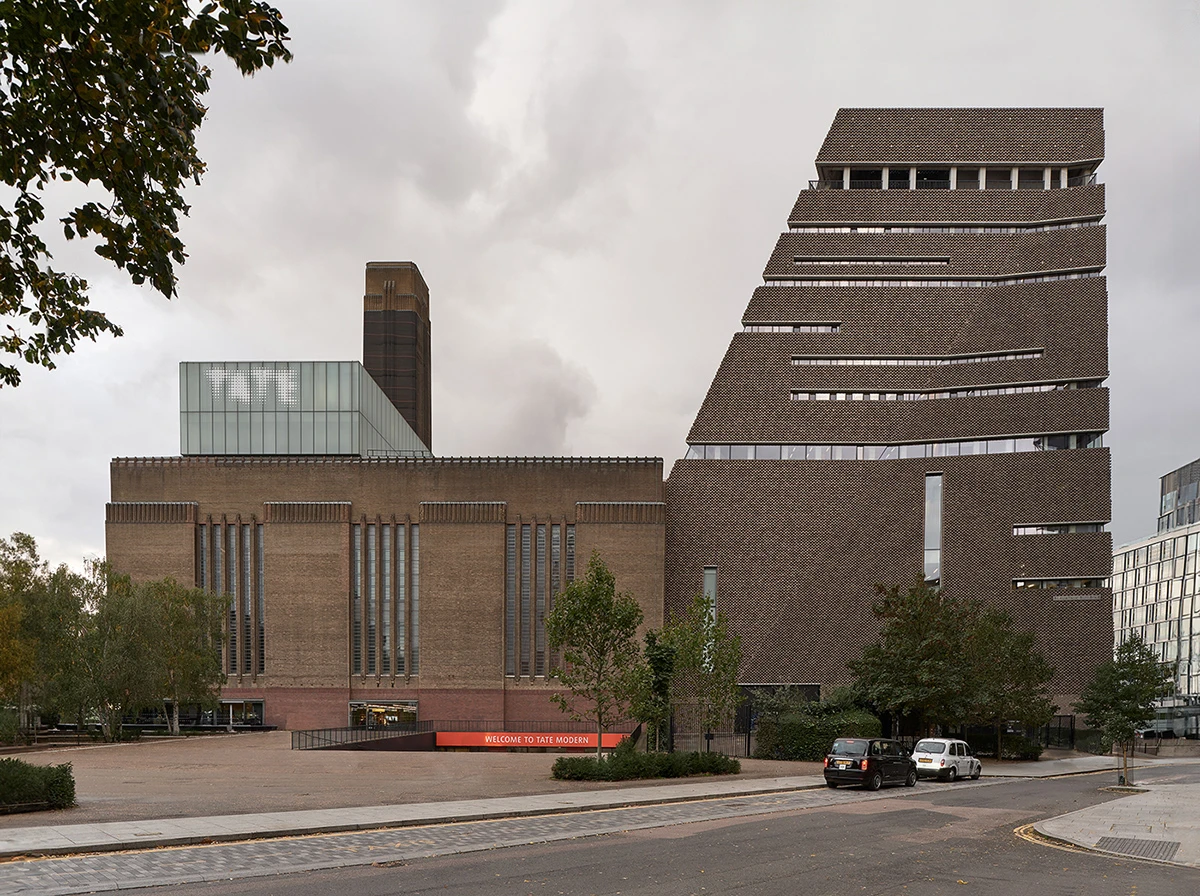
London’s Tate Modern is probably the most prominent example of this “soulful evolution.” Sir Giles Gilbert Scott designed this huge brick building to provide electricity for the city. It used to be the Bankside Power Station. It was a “sleeping giant” on the banks of the Thames after it was shut down in 1981.
It reopened in 2000 as a temple for modern art. Herzog & de Meuron, the architects, made a smart choice by not trying to disguise the building’s history. The Turbine Hall, which is 500 feet long and has a lot of room, was retained as a big public plaza for huge art pieces. You can still sense the raw, industrial force of the old station when you walk into the Tate Modern today. It has become a famous place around the world, showing that an old factory can be the center of a city’s cultural life.
Matadero Madrid: From a Slaughterhouse to a Creative Hub
The Matadero Madrid in Spain is a beautiful example of the “softer” side of industrial regeneration. This Neo-Mudéjar complex was built in the early 1900s and was used as a slaughterhouse and animal market by the city. For many years, it was a useful and tough place.
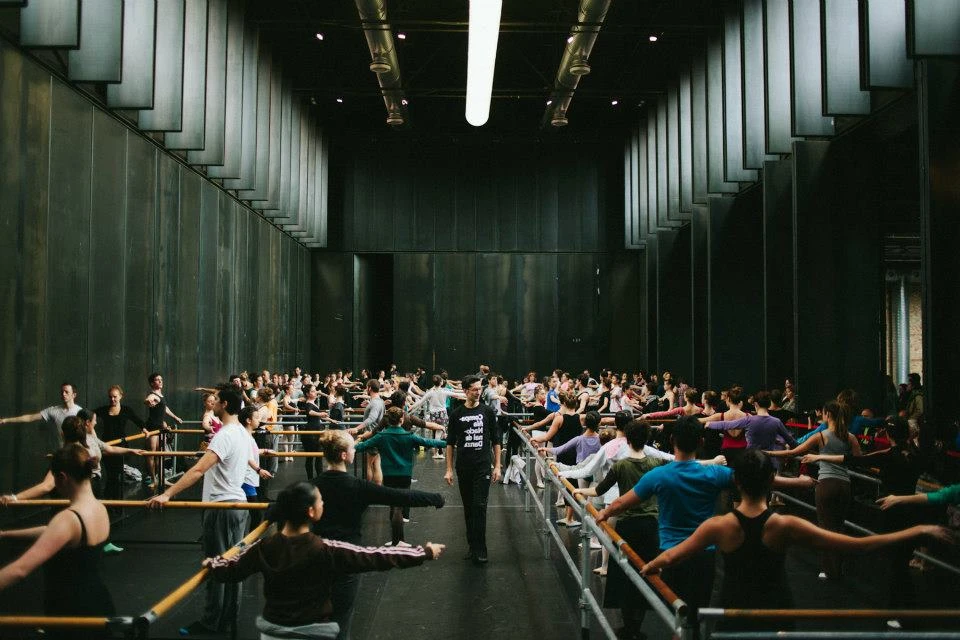
Today, it is a “fortress of culture.” What makes the Matadero’s change special is that it wasn’t turned into just one museum. It turned into a transdisciplinary ecosystem instead. Inside its brick walls, you’ll find:
- Cineteca: A movie theater that mostly shows documentaries.
- Intermediae: A place for art and research driven by the community.
- Design Center: A place for Spain’s up-and-coming creative business owners to meet.
The Matadero shows that turning old factories into new uses can provide new life to a whole neighborhood. The Arganzuela neighborhood around it has changed from a forgotten industrial area to one of the best locations to live in Madrid, largely because of the cultural hub’s magnetic attraction.
The Gritty Glamour of the “Experience Factory” at LX Factory in Lisbon
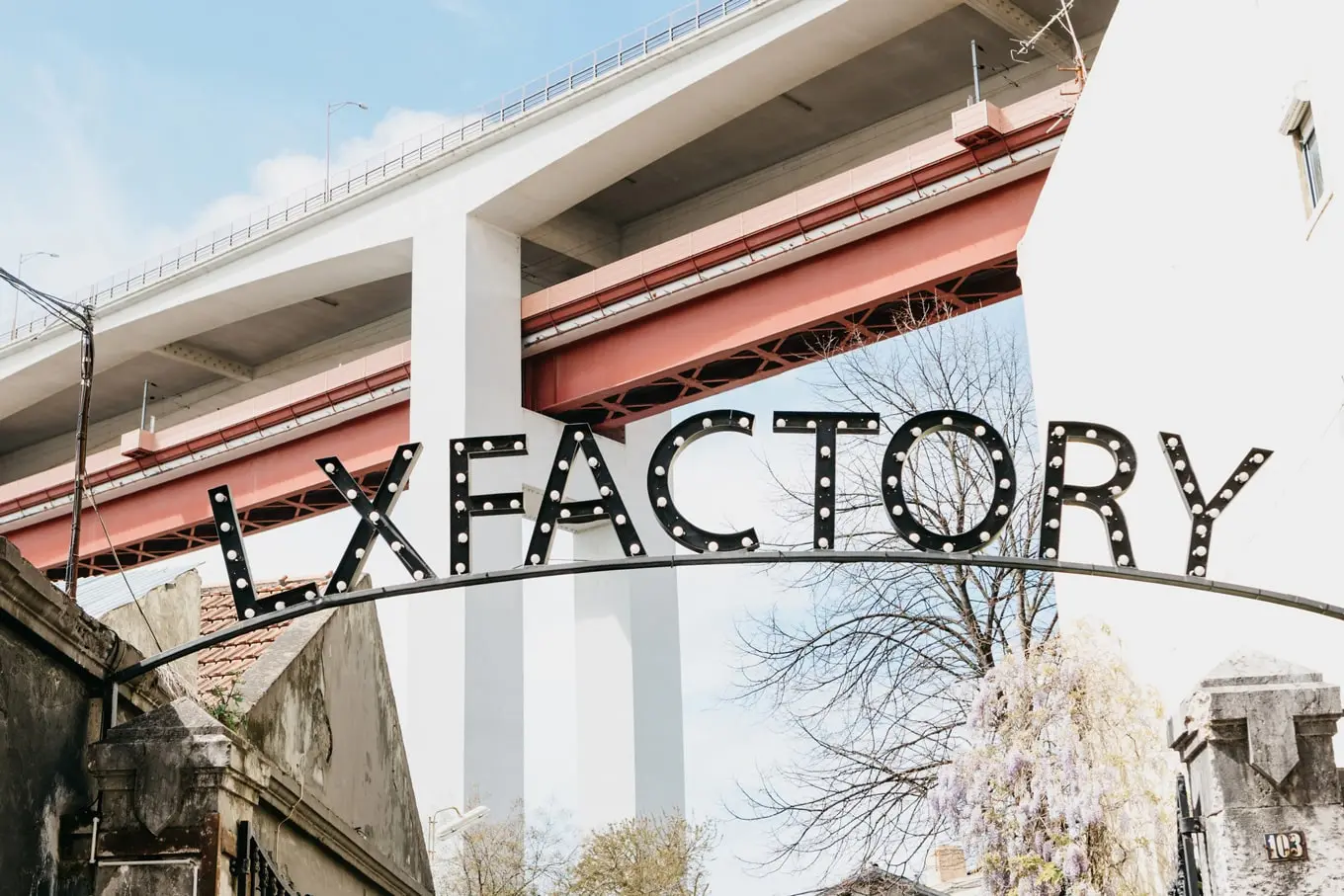
LX Factory in Lisbon has a different vibe—one that is raw, unpolished, and very inventive. This 23,000-square-meter facility located in the Alcântara district. It used to be the Companhia de Fiação e Tecidos Lisbonense, a big textile and fabric factory that opened in 1846.
Instead of a high-end luxury refurbishment, the building was turned into a “living laboratory” for artists, startups, and cooks in 2008. The end effect is a lively “island” of creativity covered in graffiti. You may look into Ler Devagar, which is one of the most beautiful bookstores in the world and is built in an old printing mill with the original machinery still in place. Or you can get a coffee at a cafe with tables constructed from old industrial spools.
The LX Factory works because it feels real. It hasn’t been “too clean.” It still smells like ancient bricks and sea air, which keeps the connection to Lisbon’s maritime and industrial heritage alive.
Why We Need More “Cultural Hubs”
Changing abandoned factories into cultural centers isn’t only a matter of looks; it’s also good for the economy and the environment.
Environmental Stewardship
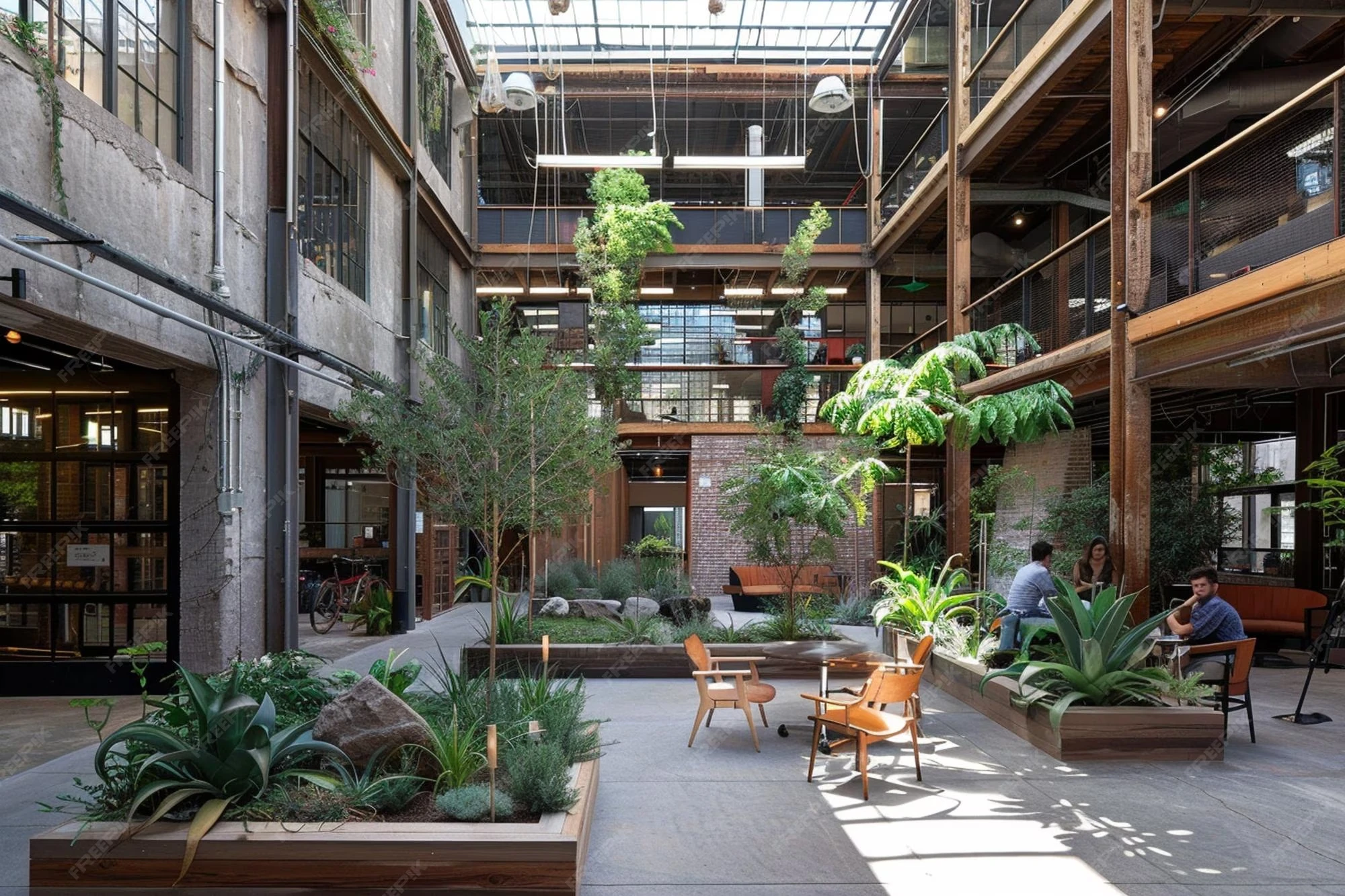
The building that is already there is the greenest. Taking down buildings uses a lot of carbon. We can greatly minimize the carbon footprint of new urban developments by employing the steel, brick, and concrete from old industrial sites again.
Social Cohesion
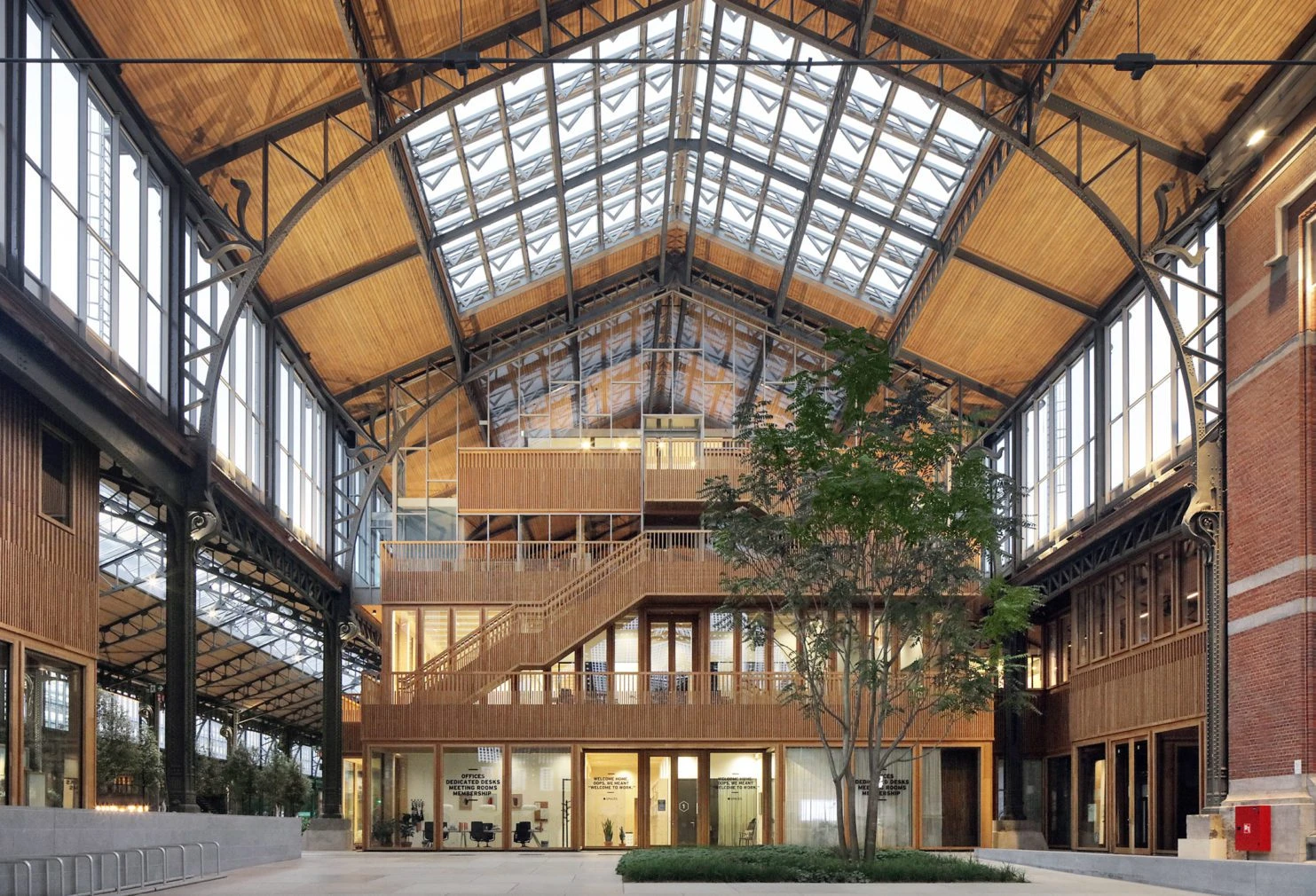
People used to work together in factories, which were the core of community life. They go back to being cultural centers. They give people places to learn, perform, and hang out with other people, which helps fight the loneliness of living in a big city.
Economic Revitalization
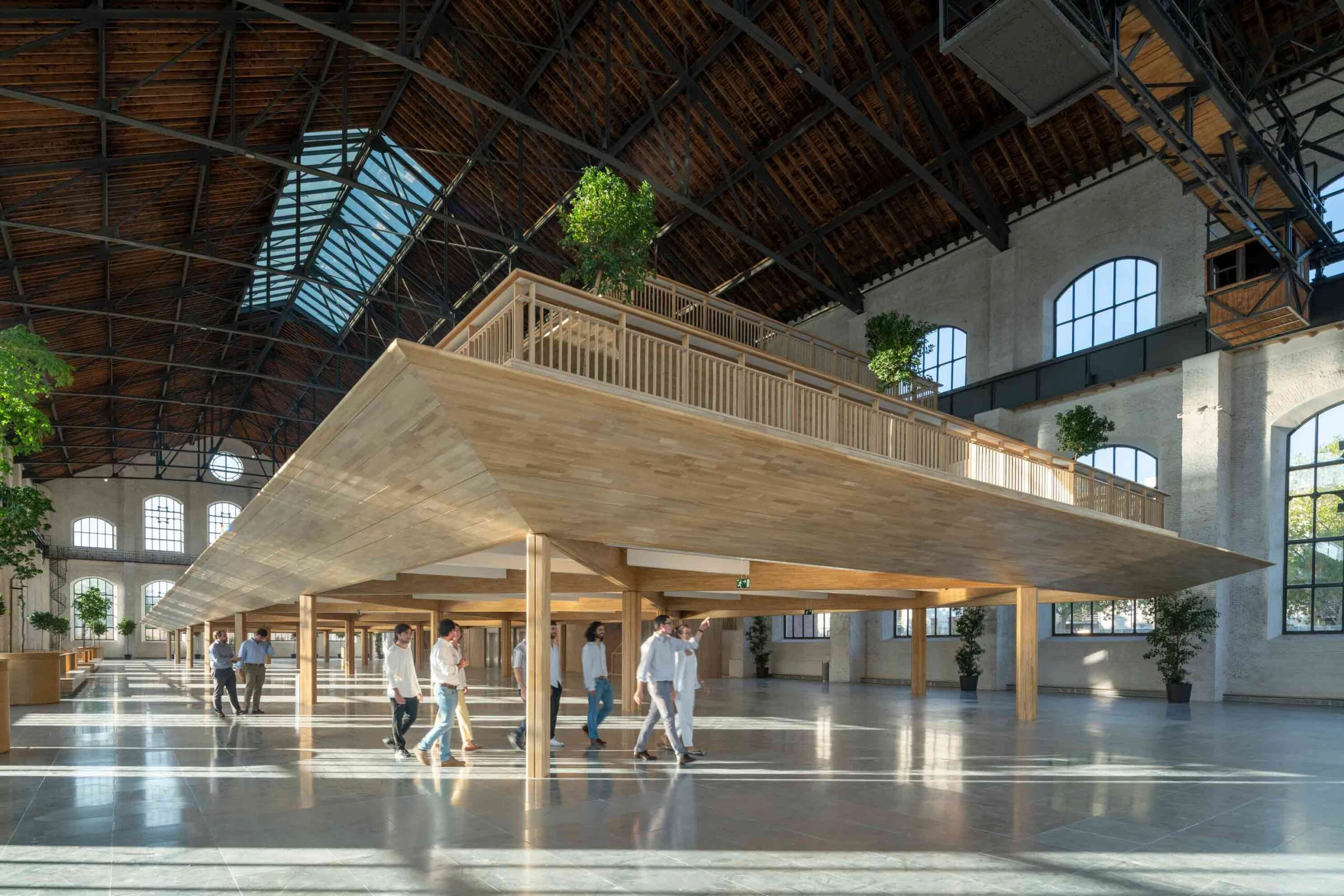
These initiatives serve as “anchors.” When a big cultural center arises in an old industrial district, it brings in small businesses, motels, and cafes. This “ripple effect” produces jobs and tax money for communities without changing their historical character.
The Challenges of Preserving the Past
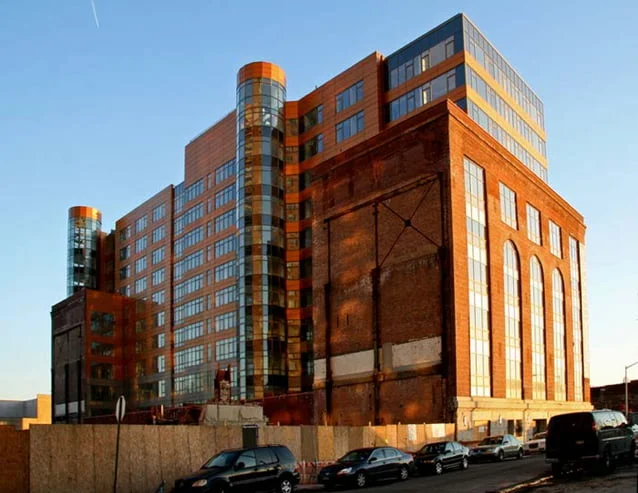
Of course, it’s not always possible to adaptively repurpose industrial areas. These buildings often have problems with the environment, such lead paint or contaminated soil, that cost a lot of money to fix. Architects also have to find a way to meet modern building requirements for things like accessibility, insulation, and fire safety while keeping the original structure intact.
The best projects see these problems as chances to come up with new ideas. A rusted stairway becomes a piece of art, while an old chimney becomes a place for air to flow.
Conclusion: Old Stones Get a New Life
The “Echoes of Industry” are no longer haunting remnants of the past. These echoes have turned into a chorus of new voices through the adaptive reuse of industrial sites. Europe is showing the world that our industrial past is a gift, not a burden. From the tall chimney of the Tate Modern to the sunny plazas of Matadero Madrid,
These “Cultural Hubs” remind us that progress doesn’t always mean starting again as we move deeper into the 21st century. Sometimes, the most “revolutionary” thing we can do is look at an old, broken factory and see how beautiful it will be when it’s fixed.
For more blogs like this CLICK HERE!!
Reference:
From Factories to Futures: Adaptive Reuse in the Post-Industrial City | ArchDaily