
For the world’s most innovative cities, micro-mobility infrastructure is no longer a “nice-to-have” luxury; it is now the most important part of the modern city. For decades, the size of the sedan and the SUV determined how our streets looked. We made broad, loud lanes that put speed ahead of safety and engines before of people. But if you look outside today, you’ll notice that the “explosion” has already happened. The way we get around has changed quicker than the asphalt under our feet. E-bikes zip up steep slopes with ease, while electric scooters glide silently through traffic that is at a standstill.
It’s not enough to just paint some green lines on the road to make cities ready for this change. It’s about a basic “Electric Revolution” that wants to make the daily journey not only quick but also exciting.
The Big Bang: Why Micro-Mobility is Winning
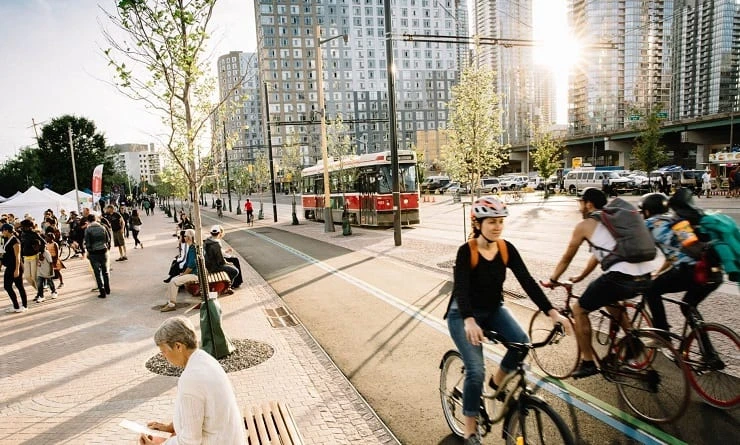
The figures show that a quick, permanent change is happening. Recent data from the industry shows that the worldwide micro-mobility business is expected to be worth more than $200 billion by 2030. In cities like Paris, the number of people who use e-bikes has gone up by more than 70% in just two years. This isn’t simply a tendency for “early adopters” or those who love technology; it’s happening to a lot of people.
Why? That’s because micro-mobility solves the “last mile” problem that buses and subways can’t. It gives you the freedom of a car without the hassle of finding a place to park. But more crucially, the mood has changed. There is a certain kind of freedom that comes from feeling the wind on your face instead of the air that comes out of a car vent. But for this to last, our cities need to change from being car-centric fortresses to landscapes that are more human-sized.

Beyond the Paint: The Need for Protected Infrastructure
The answer is almost never “I don’t have a bike” when you ask why more people don’t use e-bikes. Most of the time, it’s “I don’t feel safe.” Real evidence from urban studies demonstrates that “perceived safety” is always the biggest obstacle to micro-mobility.

The Gold Standard: Physical Separation
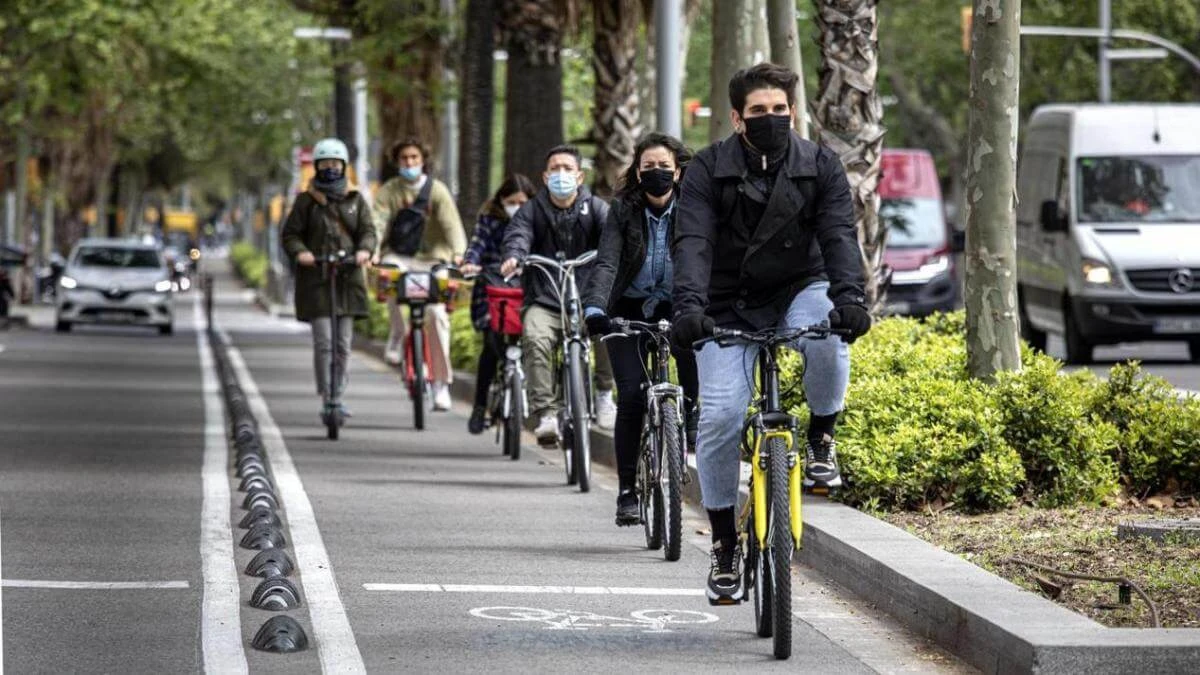
To prepare for the e-bike boom, we need to go beyond “sharrows,” which are the little bike emblems painted in the middle of a car lane. Real micro-mobility infrastructure needs to be protected in some way. To keep lightweight automobiles safe from multi-ton trucks, good designs include concrete bollards, elevated curbs, or even rows of parked cars. You know the infrastructure has worked when a parent feels safe enough to ride a cargo e-bike to school with their child
The “Sneckdown” and Curb Management
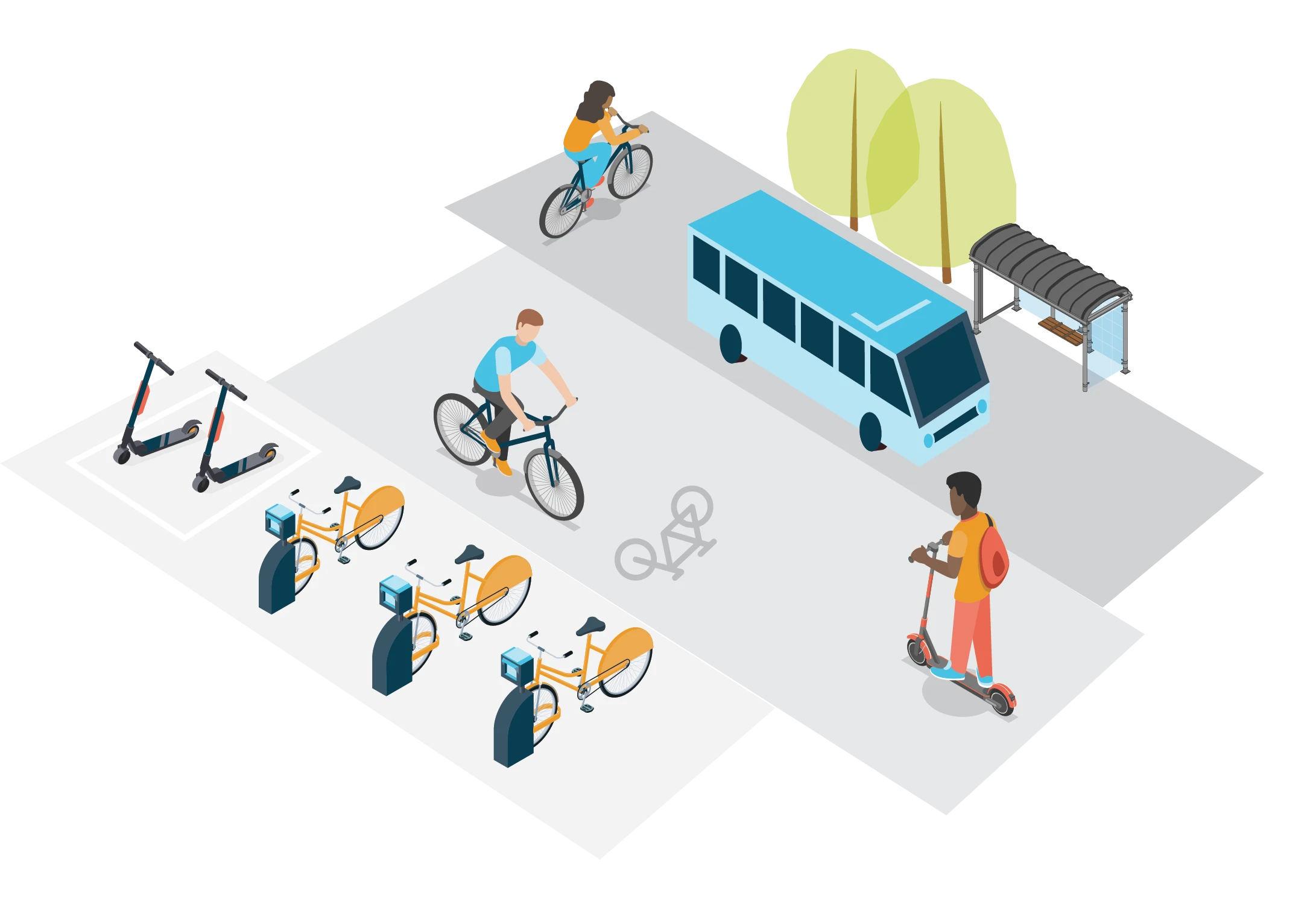
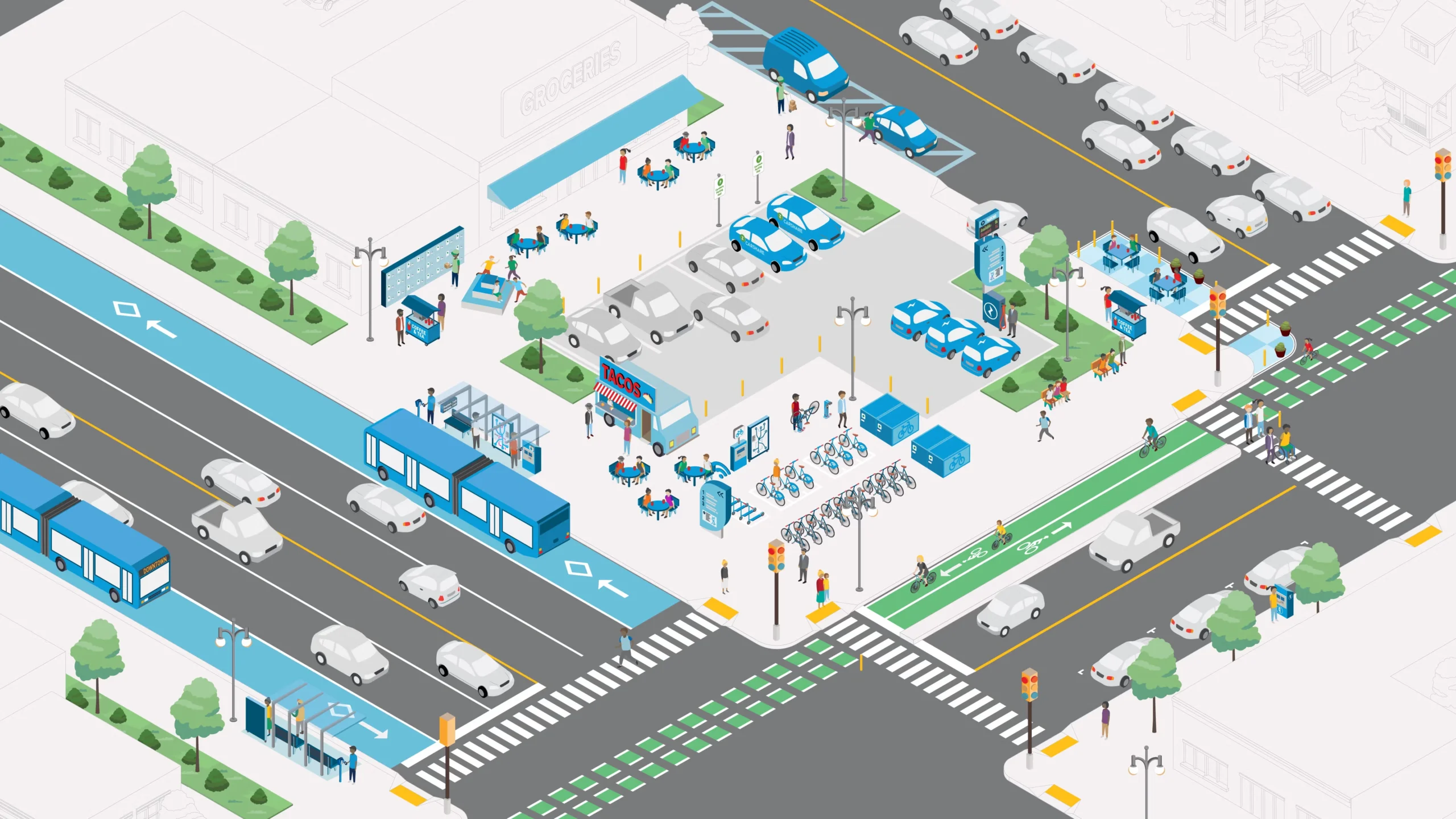
Now, creative urbanists are thinking about “curb management.” The curb used to be a spot where cars could sit still for 23 hours a day. Now, towns that are ahead of the curve are turning that space into “dockless” scooter parking areas and e-bike charging stations. A city may make a roadway far more useful by turning one automobile parking space into a place for up to 10 e-bikes or 15 scooters.
The Tech-Integrated Street: Smart Hubs and Charging Stations
The “e” in e-bike stands for electric, and energy needs infrastructure to work. Mobility Hubs are becoming more common. These are places where people may move from a train to a shared scooter or a safe bike storage.

Charging While You’re Out
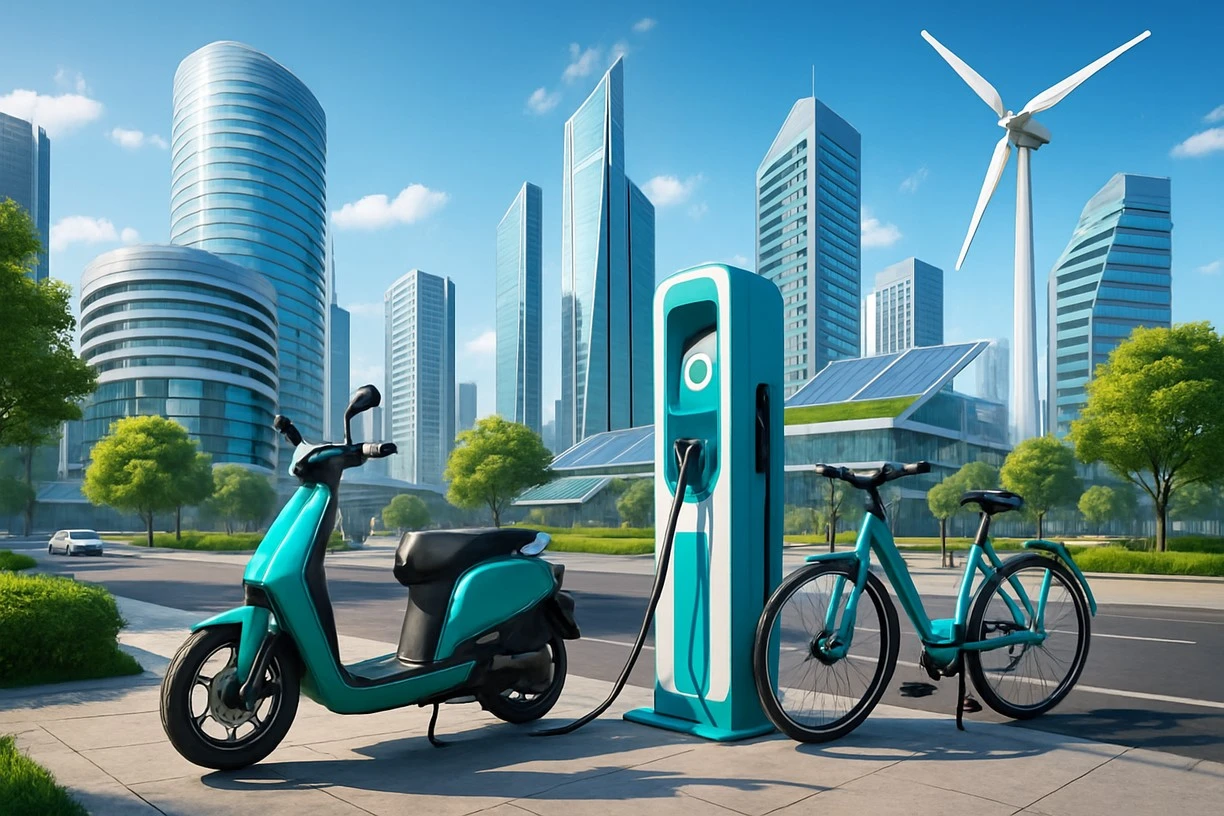
Picture a city where your e-bike charges while you’re at work, thanks to the street furniture. Some cities in Europe are trying out scooter parking docks with built-in wireless charging stations. This cuts down on the need for “juicers,” or contractors who pick up scooters to charge them, and keeps the sidewalks clear.
Digital Twins and Connectivity
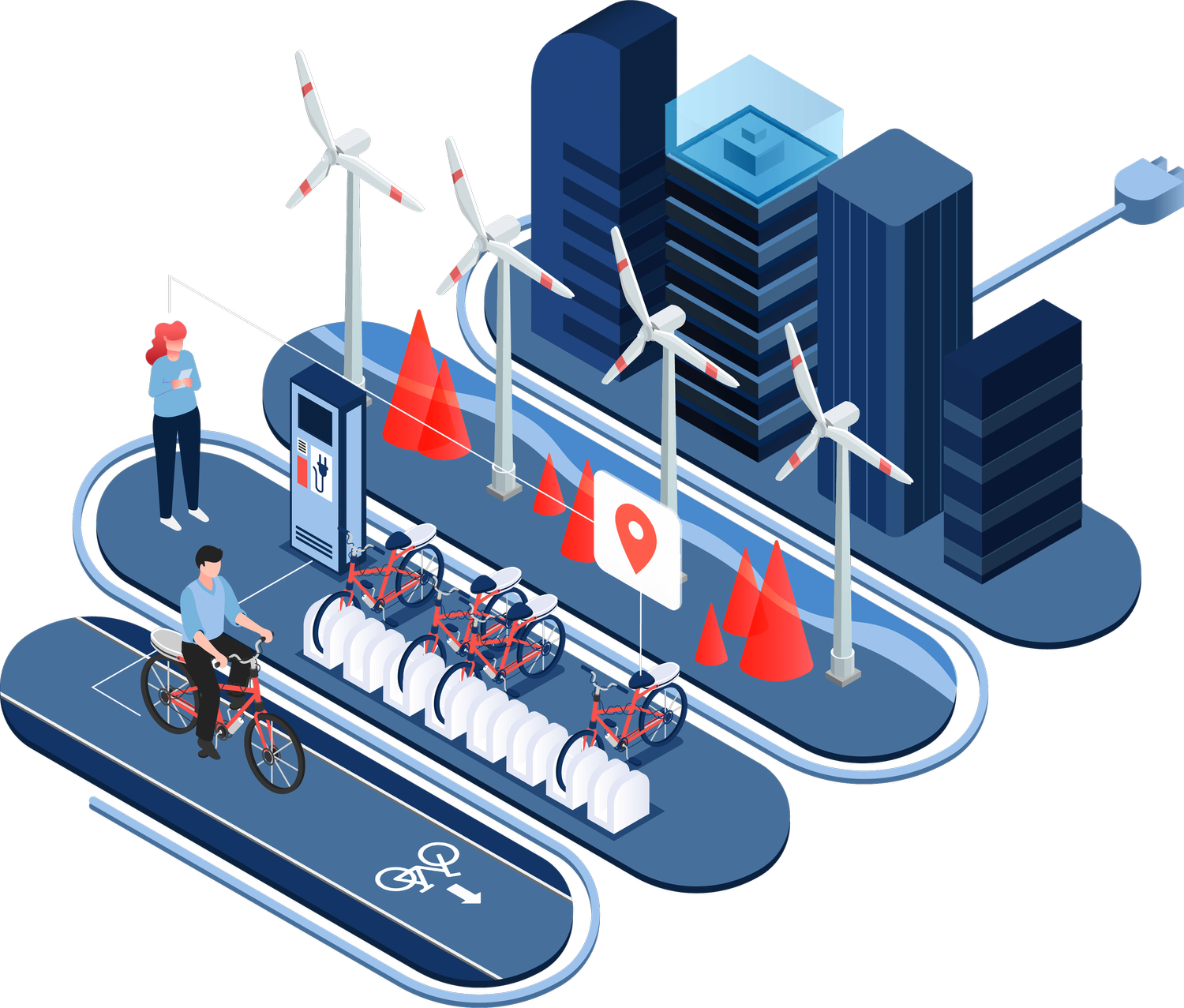
“Digital Twins” are virtual maps that show how micro-mobility flows in real time. They are now used in professional city planning. Cities can use this information to find out where the most traffic is and where extra lanes are most required. It combines physical engineering with computer intelligence in a brilliant way.
The “Human” Benefit: Why Easy Commutes Are Important
We talk a lot about “efficiency,” but we don’t talk about “effortlessness.” The e-bike has made the city “level.” Electric motors have made hills that used to scare casual riders flat. Micro-mobility is now best for distances that are too far to walk but too short to drive.

The End of “Commuter Stress”
There is a lot of psychological evidence that people who walk, bike, or scoot to work have lower cortisol levels than people who drive. When we make cities that are good for micro-mobility, we are also making them good for mental health. We are making the commute “joyful” by turning it from a chore into a time of transition and clarity.

The “Slow” Street’s Economic Vitality
Many businesses worry that taking away car lanes will affect sales. But studies from New York to London demonstrate that streets that are easy to walk and “scoot” on really boost retail sales. People who walk or use micro-mobility vehicles stay longer and spend more at local stores than drivers who are only seeking for a spot to park.
Overcoming the Friction: Clutter and Regulation
To be real, we need to talk about the “growing pains” of the scooter boom. In a lot of cities, sidewalks were full of broken rental scooters, which made it dangerous for older people and others with vision problems.
The answer isn’t to get rid of the technology, but to make “stationary” infrastructure better. Cities are deploying “parking corrals” and geofencing (technology that stops a scooter from terminating a ride unless it’s in a certain area) to keep things in order. When you design for micro-mobility, you have to think about everyone on the sidewalk, not just people on wheels.
Conclusion: The Road Ahead is Electric
Today, we are building the infrastructure for micro-mobility of the future. It is a vision of the city that is cleaner, quieter, and much easier to breathe. Paris, Bogota, and Amsterdam are bringing back the “human” side of city life by embracing the rise of e-bikes and scooters.
We are at the start of a new, brave age. The “Electric Revolution” isn’t just about the things we ride; it’s also about the communities we make around them. It’s about changing a 30-minute crawl in traffic into a 10-minute happy glide. Our cities are finally maturing, and the future seems quite easy.
For more blogs like this CLICK HERE!!
Reference:
Micromobility Vehicles: A New Age in Transport and Mobility