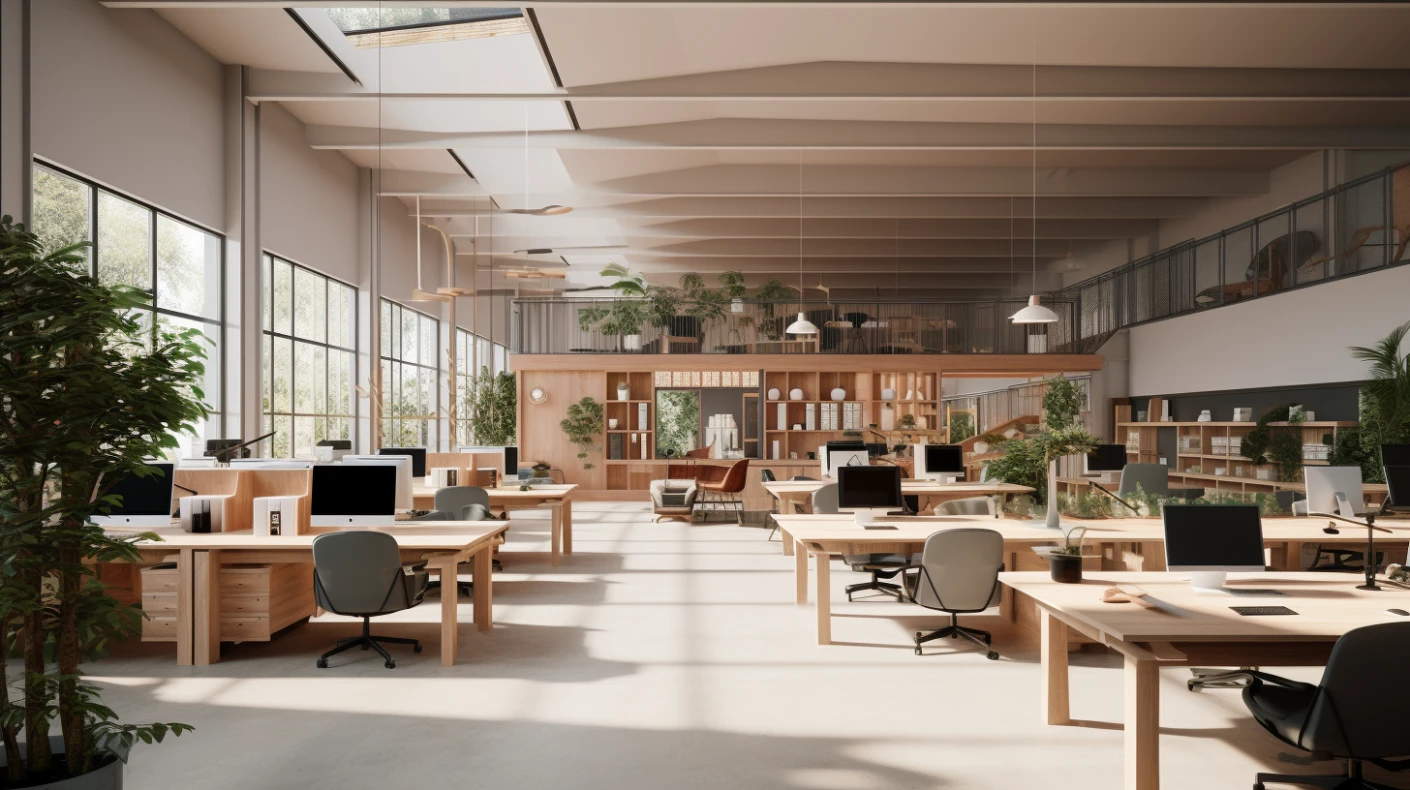
Not only has the barrier between “work” and “home” become less clear, it has completely disappeared. It’s not simply about finding a quiet area to take a Zoom call anymore for the modern professional. It’s about making a space that supports the two sides of hybrid living: the high-energy focus needed to do well at work and the quiet time needed to relax at home.
The Shift Toward “Hybrid Living” Architecture
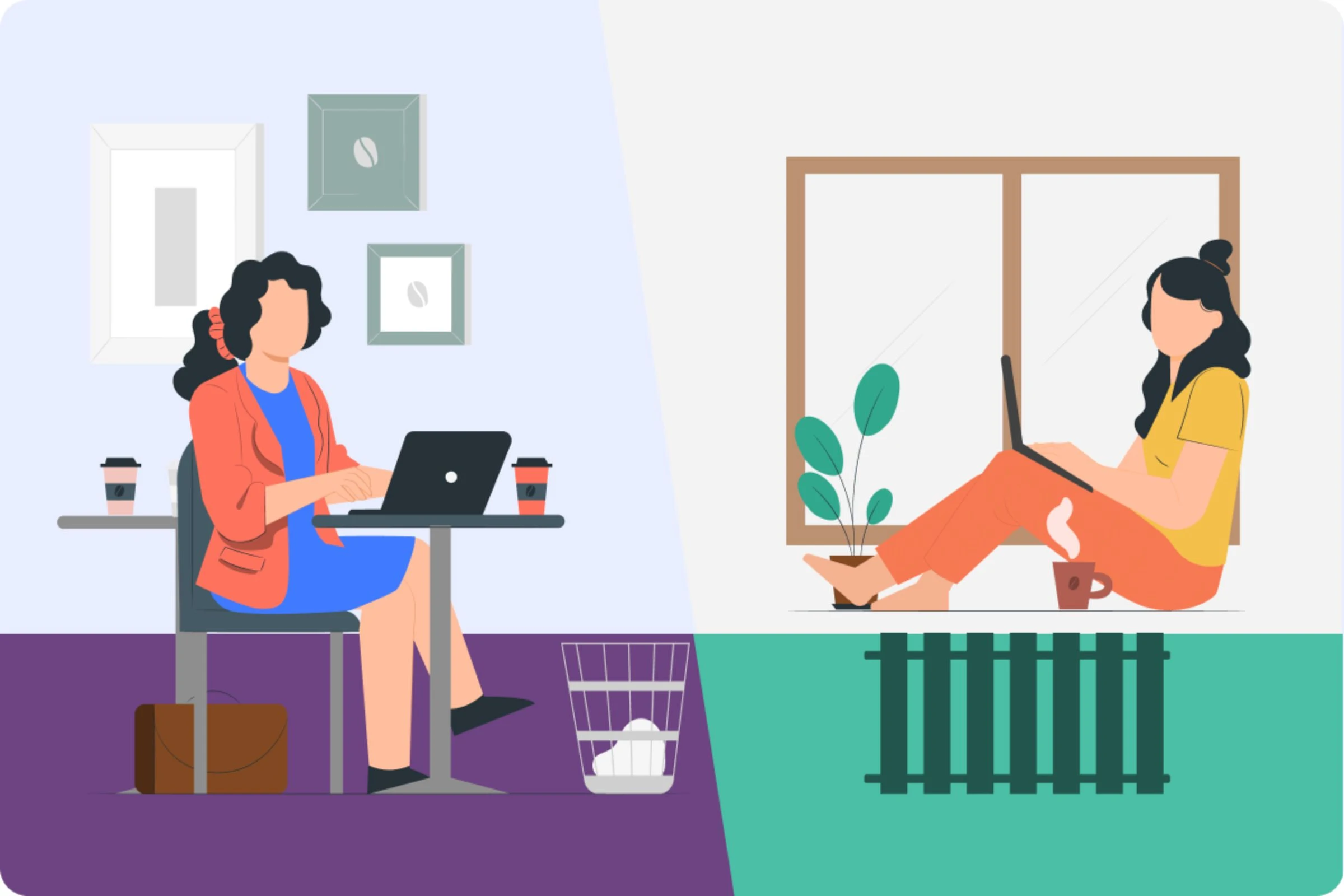
Architecture is no longer fixed. Home designs that are flexible will be the most popular in 2025 and beyond. We are moving away from rooms that are only used for one thing and toward “activity-based layouts.” This change in architecture recognizes that a house needs to be a high-performance office from 9 to 5 and a place to relax and recharge by 6 PM.
Modern architecture focuses on zoning rather than the conventional “study.” We can change our minds by using physical and mental barriers, such as sliding glass doors, soundproof curtains, or even “cloffices” (closet offices). Your brain understands it’s time to work when you pass that boundary. This separation in space is important to keep remote workers from getting “always-on” burnout.
Designing for the Soul: The Power of Biophilia
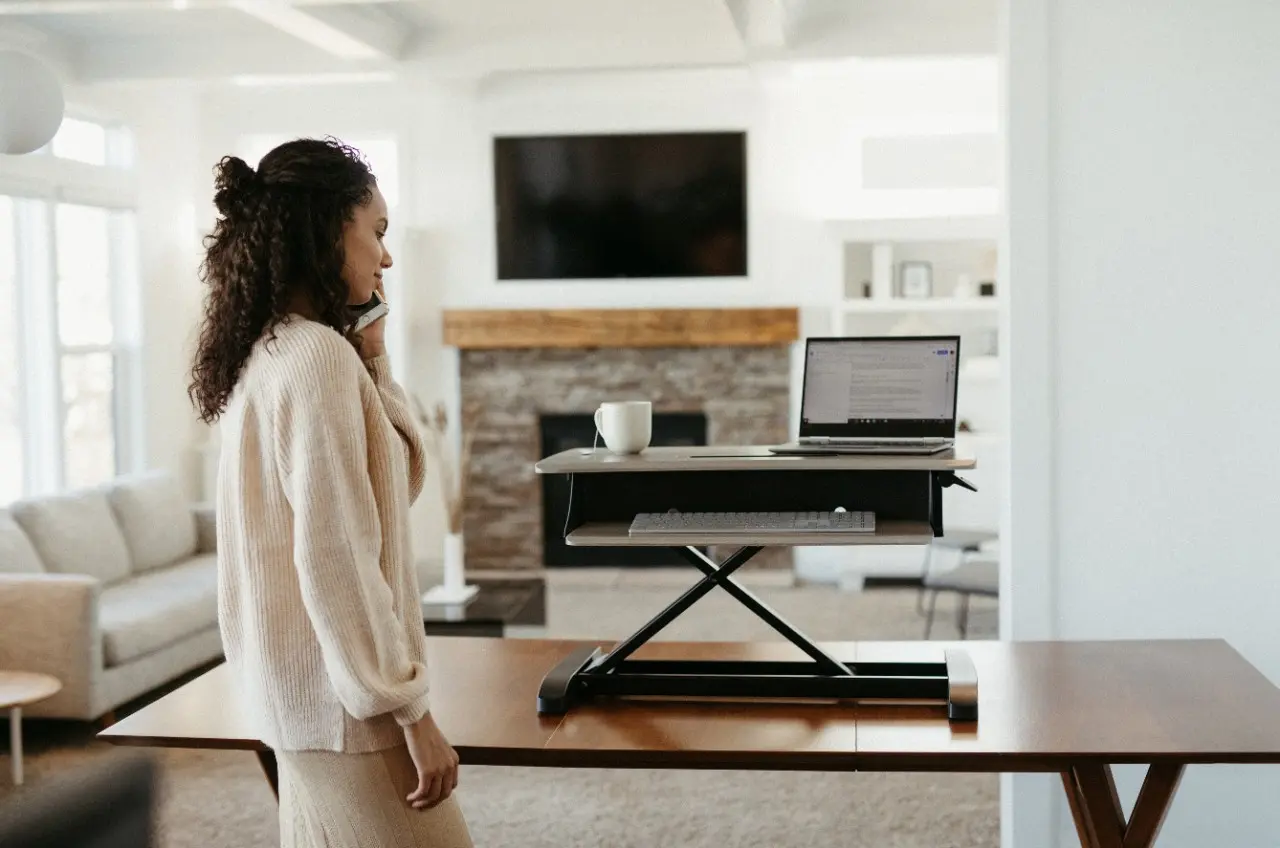
Biophilic design is the basis for a “soulful sanctuary.” It’s not enough to just place a plant on your desk; you need to bring nature into your home to lower cortisol levels and boost creativity. Research shows that even a short look at nature can make you more productive by up to 15%.
- Circadian Lighting: Use smart bulbs that match the sun’s natural cycle. In the morning, they should give out cool, bright light to wake you up, and in the evening, they should give off warm, amber tones to get you ready for sleep.
- Natural Materials: Use raw wood, stone, and jute as natural materials. These textures give the senses “tactile richness” that keeps them grounded on a day when everything is digital.
- The View Beyond: Architecture that puts a “nature view” first, even if it’s merely a vertical garden on a balcony, can help you focus. If you can’t get a real window, high-resolution digital “windows” that show natural landscapes are a modern architectural solution.
The Mindset of a Productive Space
Why do we get more done at a library than in a cluttered bedroom? It’s called psychogeography. Your surroundings are always sending messages to your subconscious. You need to regulate these signals to master your output.
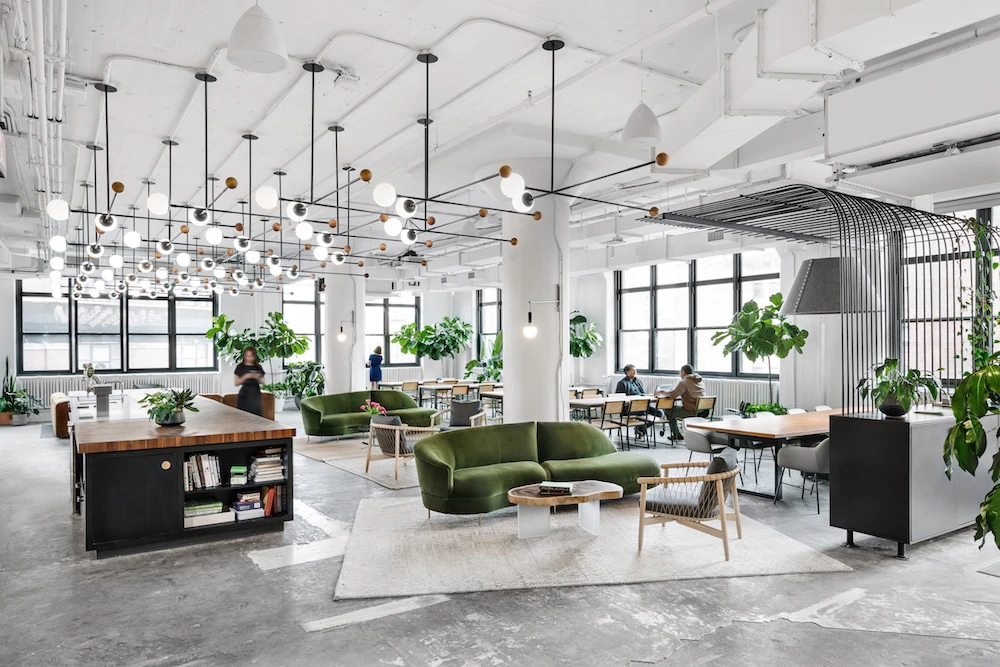
Soundscapes and Acoustic Privacy
The number one thing that gets in the way of remote work is noise. Acoustic management is becoming a standard part of professional-grade architecture. Don’t just think of headphones that block out noise. People are building modern homes with:
- Acoustic wall panels now come in beautiful geometric patterns that also work as art.
- Acoustic Rafts and Baffles: These are parts of a suspended ceiling that soak up sound in open-plan areas.
- Soundproof Glass: Made just for home offices to let in light while keeping the noise and mess of home life out.

Color Psychology to Help You Focus
- Sage green and soft blues are the best colors for deep focus and lowering “eco-anxiety.”
- Terracotta and earthen yellows are great for “creative zones” where people come up with ideas.
- Soft Neutrals: Make sure the background of your video calls is professional and free of distractions. Stay away from bright “hospital white,” which can make your eyes hurt and make you feel chilly and clinical.
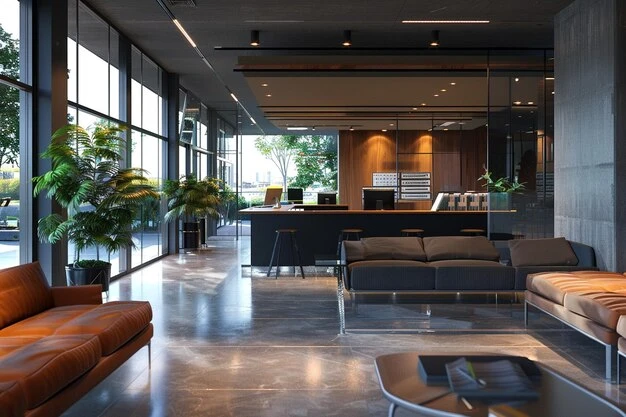
Ergonomic Mastery: The Science of Comfort
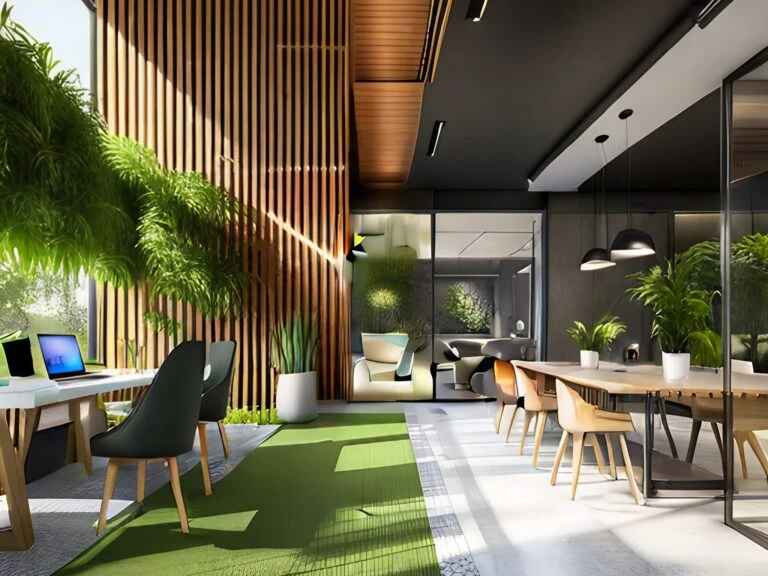
If your body hurts, you can’t have a soulful sanctuary. Ergonomics that focus on people should be the most important thing in architecture for remote work. Dynamic workstations have been more popular since the “sitting is the new smoking” period.
A professional setup isn’t a luxury; it’s what will help you stay in your job for a long time. Some important parts are:
- Motorized Standing Desks: Changing from sitting to standing every 30 minutes keeps your metabolism going and your mind alert.
- Active Lumbar Support: A high-quality seat that moves with your spine.
- Monitor Placement: Placing your monitor so that the top third of the screen is at eye level will help you avoid “tech neck” and long-term shoulder pain.
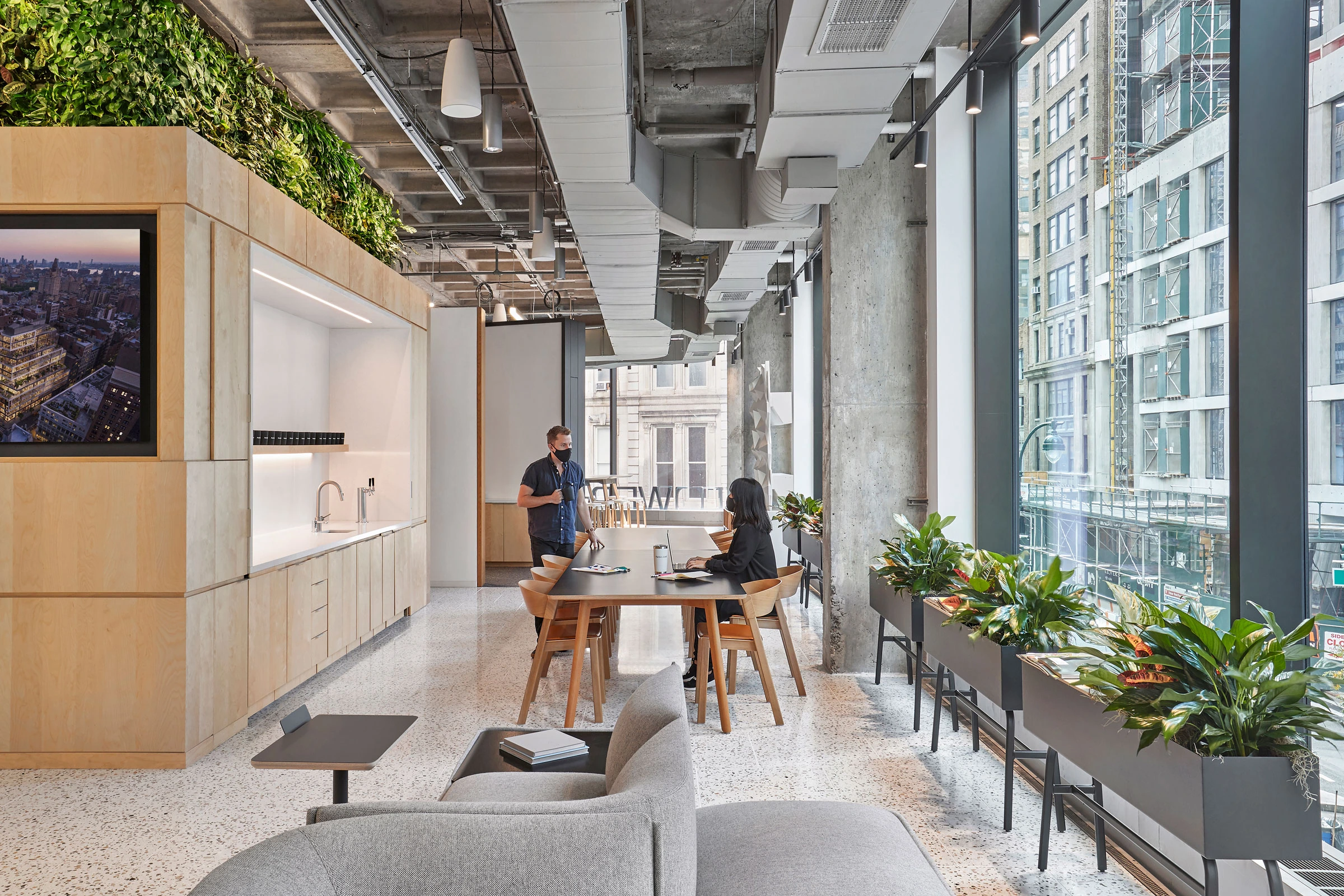
Smart Integration: The “Invisible” Office
The purpose of hybrid living architecture is to make sure that your work doesn’t “haunt” your home once the day is over. The keys to this change are smart technology and “invisible design.”
- Integrated Tech Hubs: Get rid of “visual noise” by using built-in charging stations and disguised wire raceways. A messy workstation makes your thinking messy.
- IoT Atmosphere Control: Use AI-powered technologies, such as Matter-enabled gadgets, to change the temperature and lighting in your space automatically after you finish work.
- The Vanishing Desk: If you live in a small home, architectural solutions like Murphy-style desks or “origami” furniture let you literally fold your workplace into the wall.
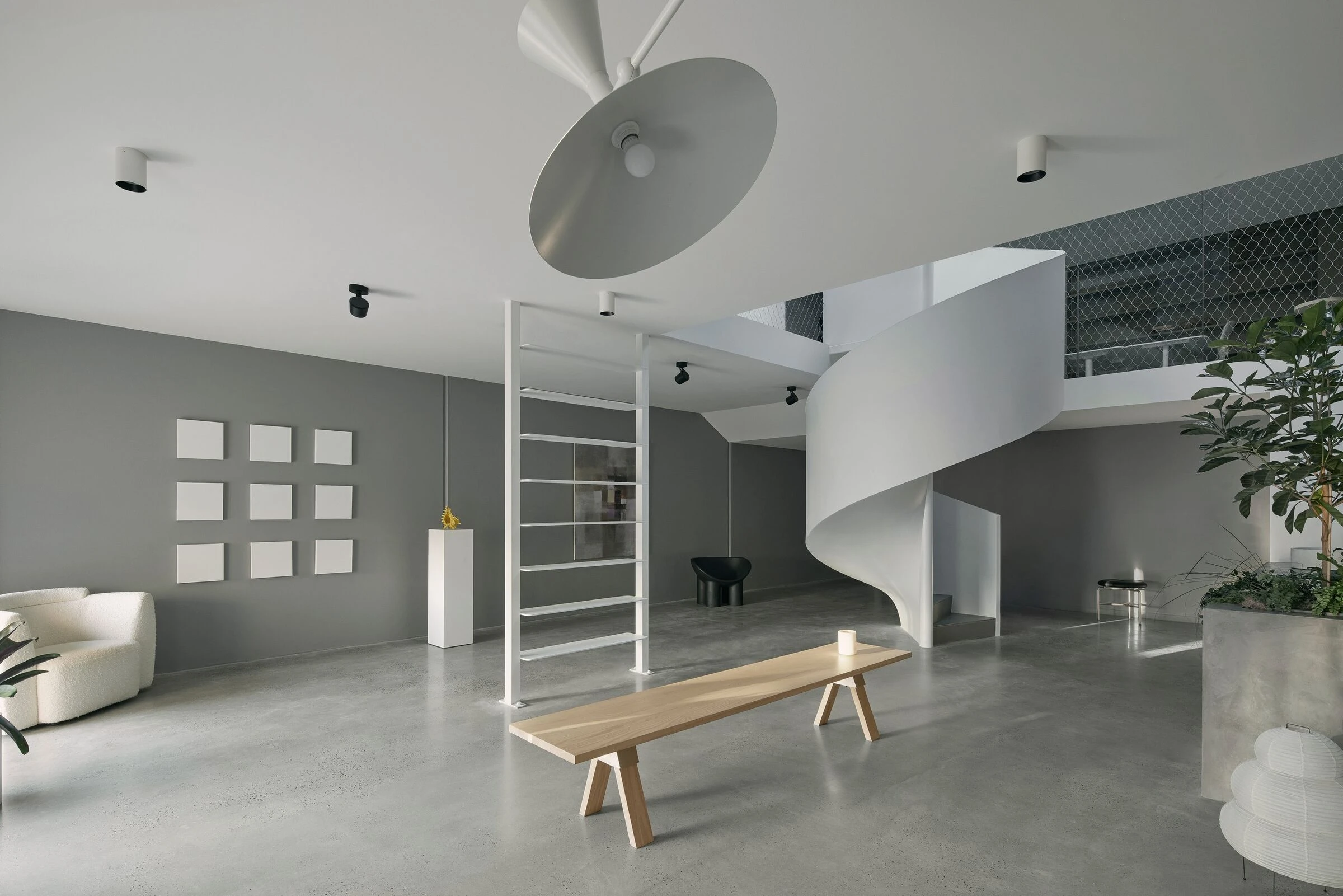
Making “Human Moments” in a World of Technology
Working from home can make you feel alone. Your home’s design should also help with social health. Even if you have a separate home office, make a “lounge nook” with a nice chair away from the screen. This is where you perform your “soft work,” like reading, daydreaming, or making a casual phone call.
You can keep your mind sharp by making different “micro-destinations” in your home that are like the mobility of a workplace. A mix of home comfort and commercial usefulness is typically called “resimercial” design.
The “Third Space”: Balconies and Porches
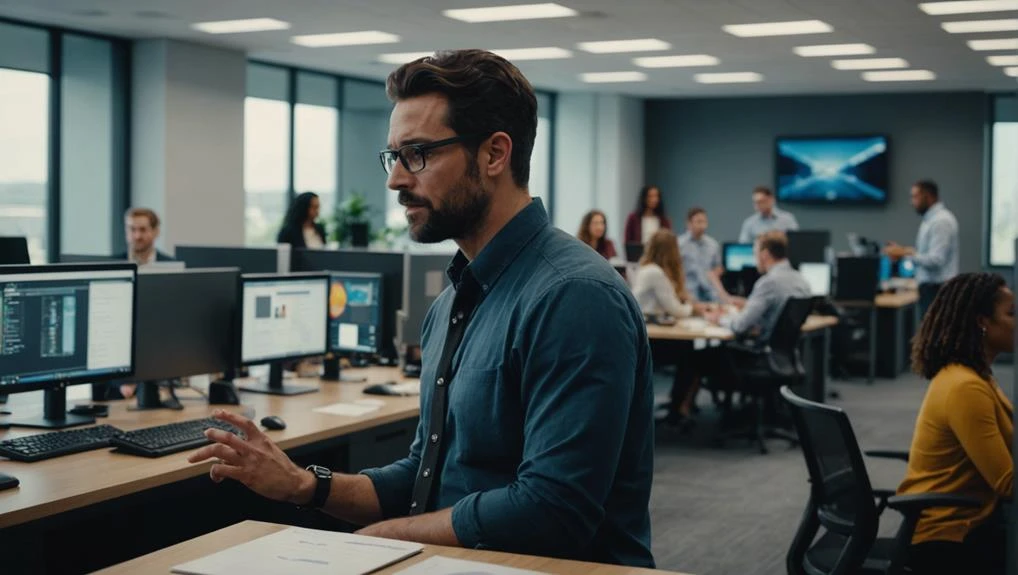
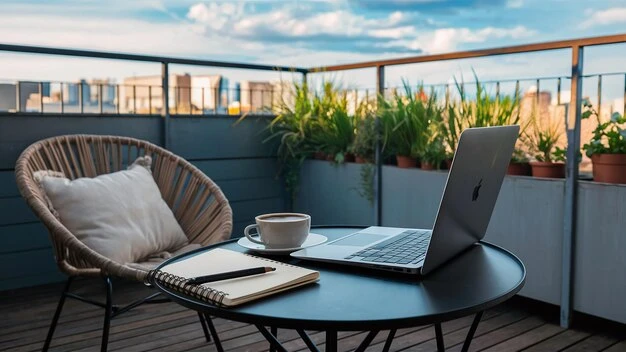
More and more, architects are focusing on the “Third Space,” which includes areas like balconies, patios, and sunrooms. These are the best “soulful sanctuaries.” A screened-in porch is a better place to have a conference than a room with no windows since it resets your senses. If you’re building or remodeling, make “indoor-outdoor flow” a top priority so that fresh air is constantly close by.
Sustainability as a Soulful Choice
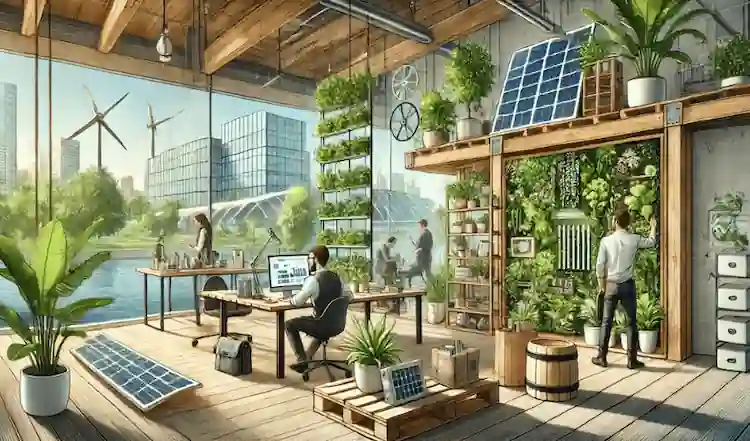
A soulful house in 2025 is one that fits with your ideals. More and more, architecture for hybrid living incorporates eco-friendly materials:
- Cork flooring is natural, renewable, and great at blocking sound.
- Low-VOC paints are important for keeping the air in spaces where you spend more than 8 hours a day clean.
- Conclusion: Your Home is Your EdgeRecycled Textures: Using rugs made from plastic from the ocean or furniture created from old wood.
Conclusion: Your Home is Your Edge
It’s not just about how things look when you master remote work architecture; it’s also about being intentional. When you make your home a soulful refuge, you’re not only making it seem nice; you’re also making a tool that protects your body, improves your intellect, and honors your spirit.
Your surroundings are your biggest competitive edge in the realm of hybrid living. You may make a setting where you not only work but also thrive by focusing on biophilia, ergonomics, and smart zoning.
For more blogs like this CLICK HERE!!
Reference:
Master Remote Workspace:Design Tips for Focus and Well-Being