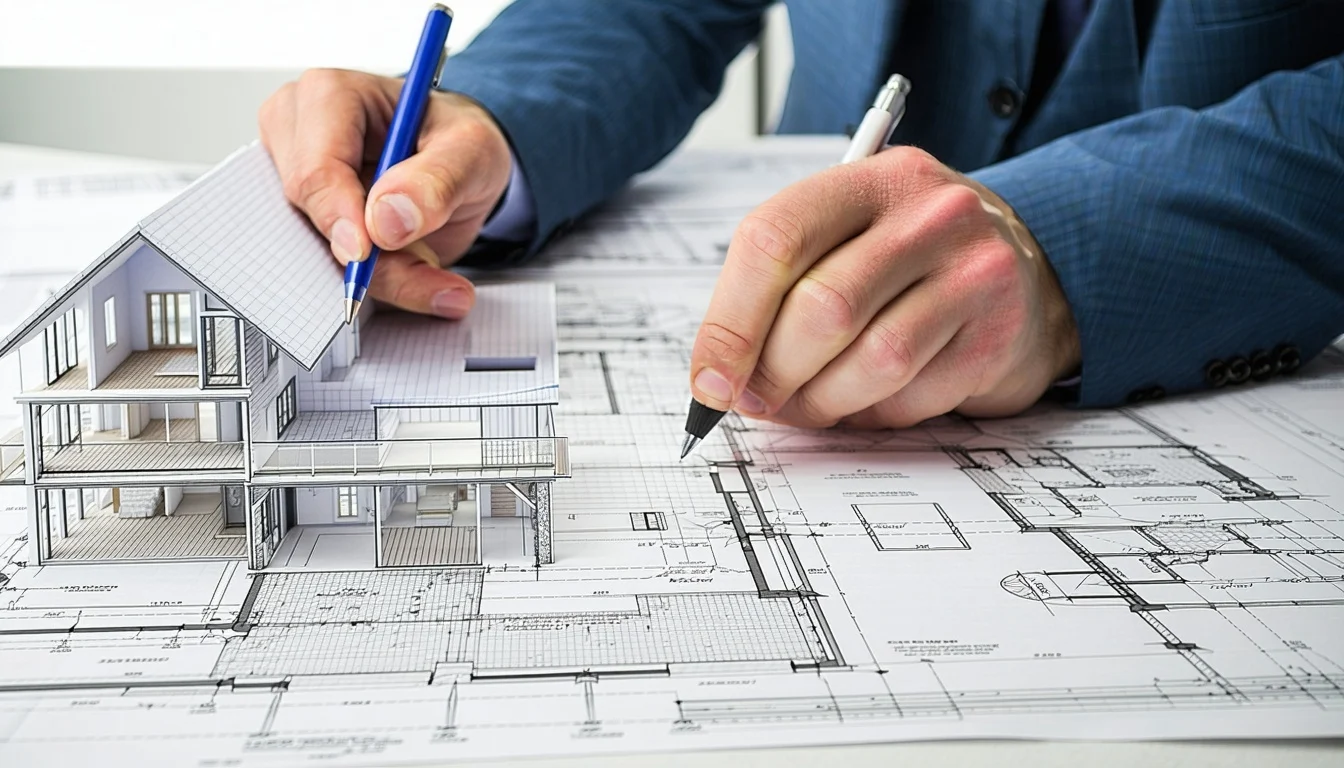
For almost 100 years, we’ve only been able to see our cities through a keyhole. We were obsessed with how a building “lived,” like when the lights came on at dark, the air conditioner hummed in July, and the gas flame under the coffee pot in the morning. We pursued this ghost for decades, and it was the only one we could find. We erected “efficient” towers out of elegant aluminum and glass, and we were proud of how little they cost us each month to run.
But there was a ghost in the room that we didn’t want to see.
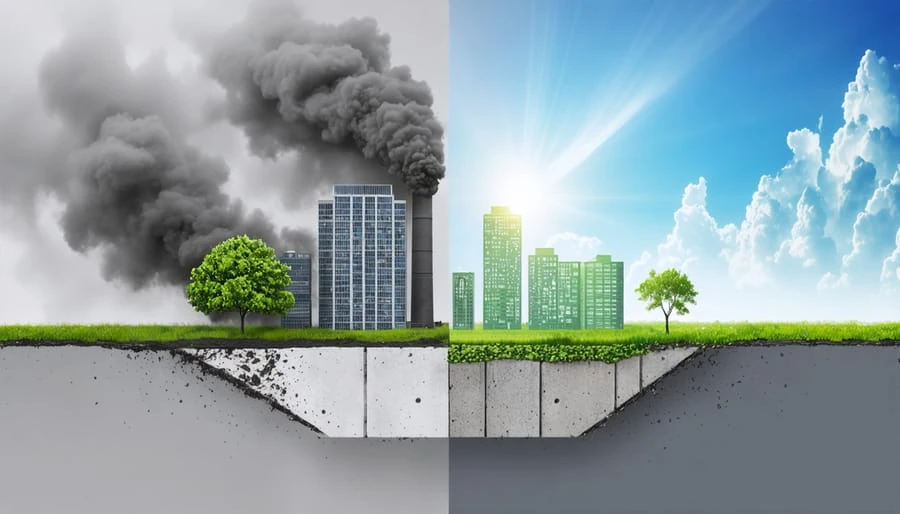
There was a huge, hidden debt under the gleaming marble and strengthened steel. Before the first occupant moved in, the building had already released thousands of tons of CO2 into the air. This is Embodied Carbon, which is the environmental cost of creating a new structure.
Today, as the European energy system moves to wind and solar power, the amount of space our buildings use up is getting smaller. But the carbon cost of building is still very high.
Architects in Europe are no longer happy with structures that are “efficient.” They are going to war on the whole lifespan. They are moving from the narrow view of the present to the Whole Life Carbon (WLC) Master Roadmap.
Welcome to the 21st century’s architectural rebirth.
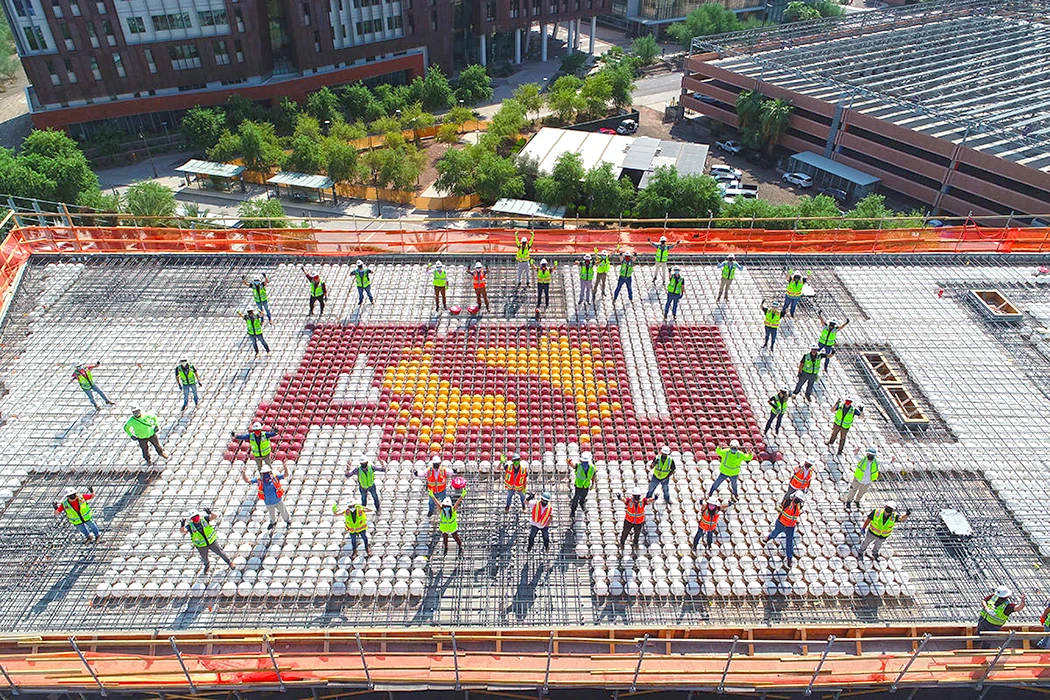
The Ghost in the Concrete: Learning about the Quiet Giant
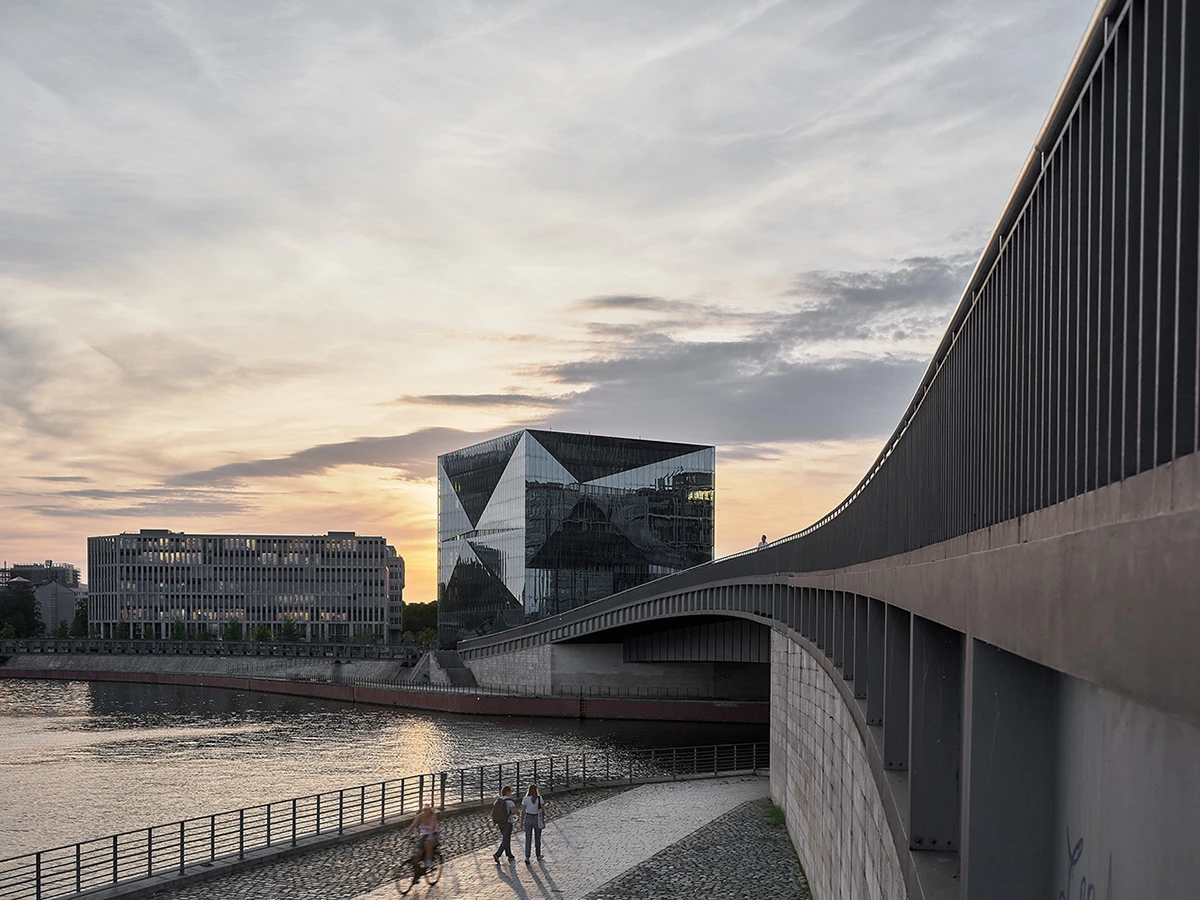
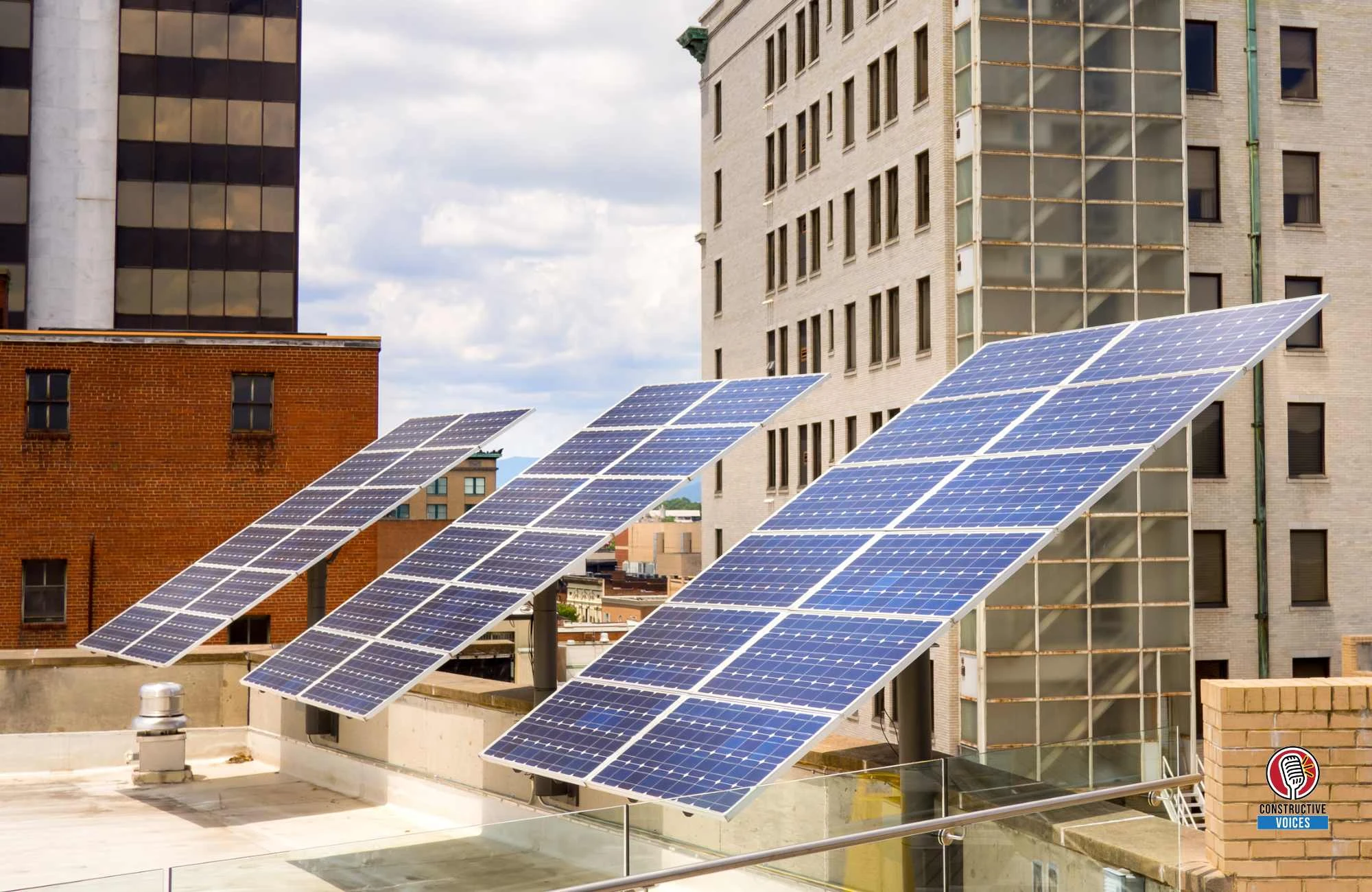
Think of a new, cutting-edge office building in the center of Berlin. There are solar panels on the top and a geothermal pump in the basement. It runs on “Net Zero” power. To make that skyscraper, though, we had to mine iron ore in Australia, heat cement kilns in Poland to 1450°C, and move heavy glass across the continent.
That “Green” skyscraper has already used up 75% of its whole lifetime carbon budget by the time the ribbon is cut. The “Master Roadmap” starts with a shocking truth: we can’t use the same materials that caused the climate problem to build our way out of it. European architects are now winning because they no longer think of carbon as a “utility bill” but as a “pre-existing condition.”
The 2024 Regulatory Earthquake: Law as a Creative Force
The EU gave innovation a big push in 2024, which is what it needed. The recast of the Energy Performance of Buildings Directive (EPBD) changed what used to be a “suggested best practice” into a law.
- The Global Warming Potential (GWP) Metric: Beginning in 2028, every new large structure must have a “Carbon Passport,” which shows how much it could contribute to global warming. This will apply to every shed, house, and skyscraper in the Union by 2030.
- The “Wild West” is over: developers can no longer hide the effects of their concrete frame behind a “Green” marketing brochure. The information must be public, checked, and compared to national restrictions.
Carbon Caps are becoming more common in places like Denmark and France. A project now has a “Carbon Budget,” just like it has a financial budget. If your design is too “heavy,” you don’t just lose money; you also lose your permit.
The Future’s Palette: Wood, Hemp, and Mushrooms
The plan is the roadmap, and the materials are the weapons. Designers in Europe are trading in the “Grey Palette” of the 20th century for a “Living Palette.”
The Return of the Forest
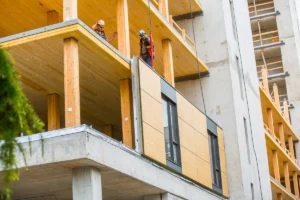
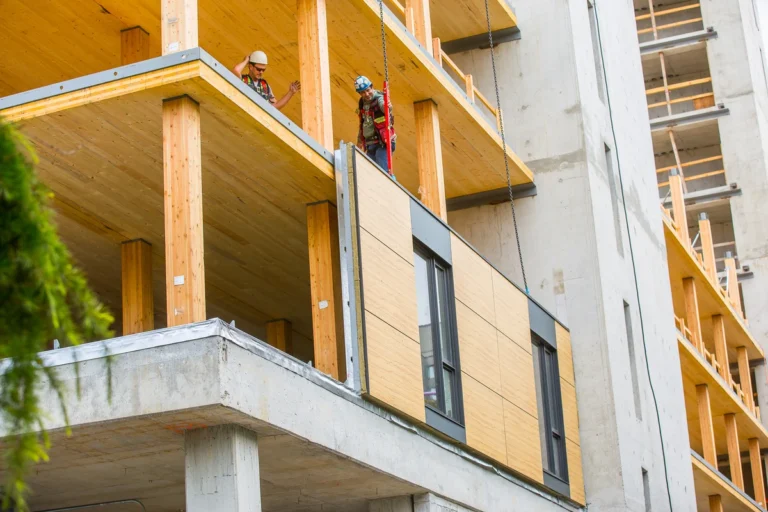
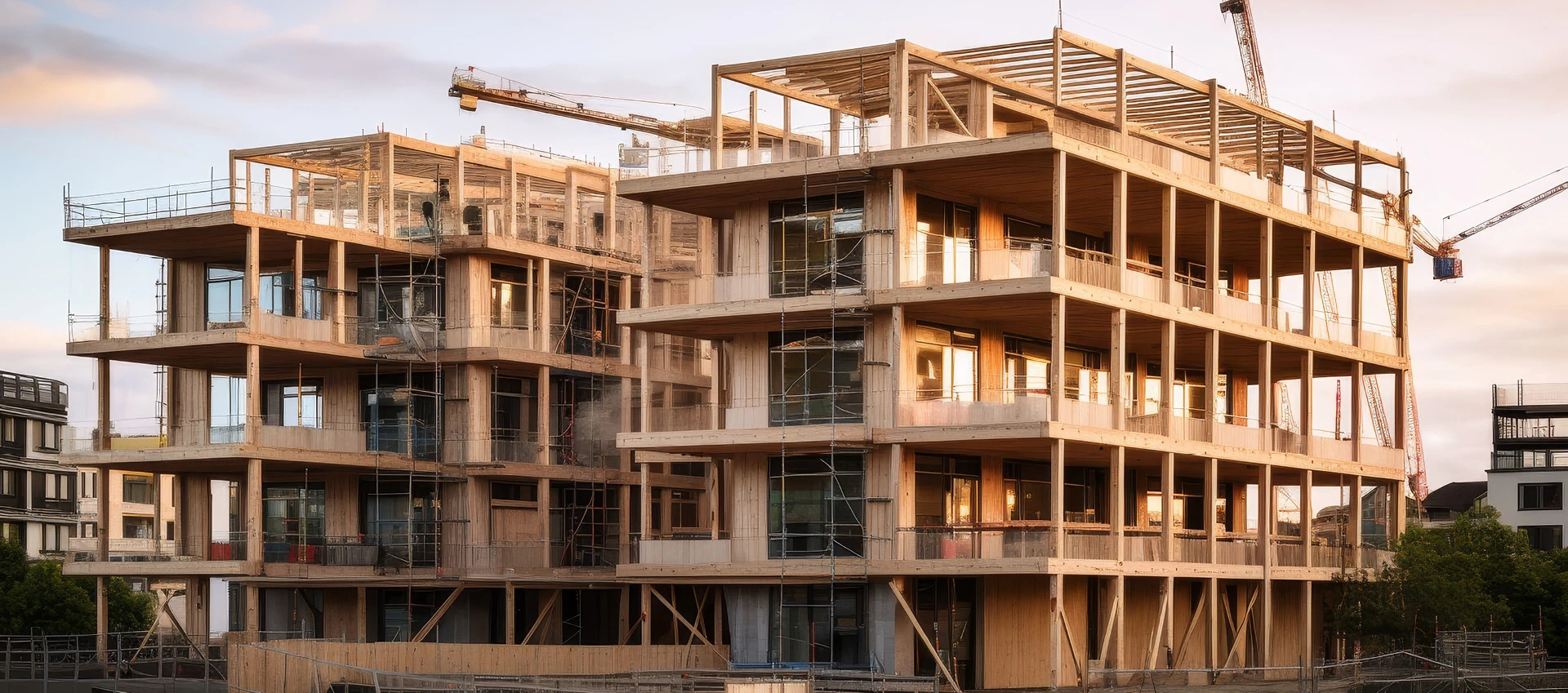
Cross-Laminated Timber (CLT) is the main character in this story. CLT is sometimes termed “plywood on steroids.” It lets architects design ten-story buildings that don’t simply “emit” carbon; they also “store” it. Every wooden beam is a vault that keeps CO2 that was once in the air safe. Now, architects in Scandinavia are trying to build the world’s largest “wooden skyscrapers,” which shows that nature can manage the heights.
The Magic of Garbage
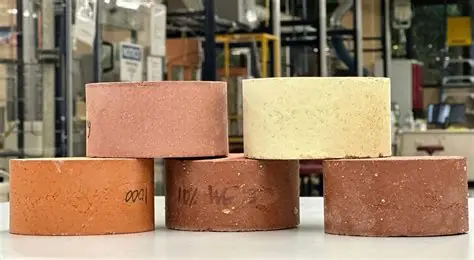
Circular Materials are becoming more popular. Architects in Amsterdam are using bricks created from garbage that has been crushed. In the UK, designers are trying out “Mycelium,” which is the root structure of mushrooms, to make insulation that is fire-resistant, biodegradable, and carbon-negative.
The Revolution in Low-Carbon Concrete
Concrete is the most common man-made material on Earth, yet making it releases 8% of the world’s CO2. To win the war on embodied carbon, you need to fix concrete instead of just replacing it. European companies are now adopting Carbon Injection (which traps CO2 inside the concrete as it dries) and substituting regular clinker with calcined clay to cut emissions by half.
Digital Oracles: The Science of AI and the Lifecycle
How does a human brain figure out how much carbon 40,000 different bolts, beams, and windows give off? It doesn’t.
Generative Design and AI make the “Master Roadmap” work. Architects are now using “Digital Twins,” which are virtual copies of their structures that can show what will happen over the next 60 years in 60 seconds.
- What happens to the carbon footprint if we use wood instead of steel? If we recycle these windows in 2085, how much CO2 would we save?
These tools show a Live Carbon Ticker. The carbon meter moves in real time when the architect changes the size of the windows in their 3D model. This makes “sustainability” a clear, data-driven design aim instead of a vague one.
Planning for “The Long Goodbye”
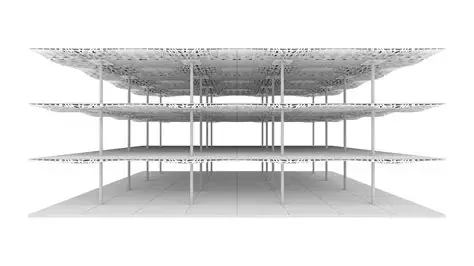
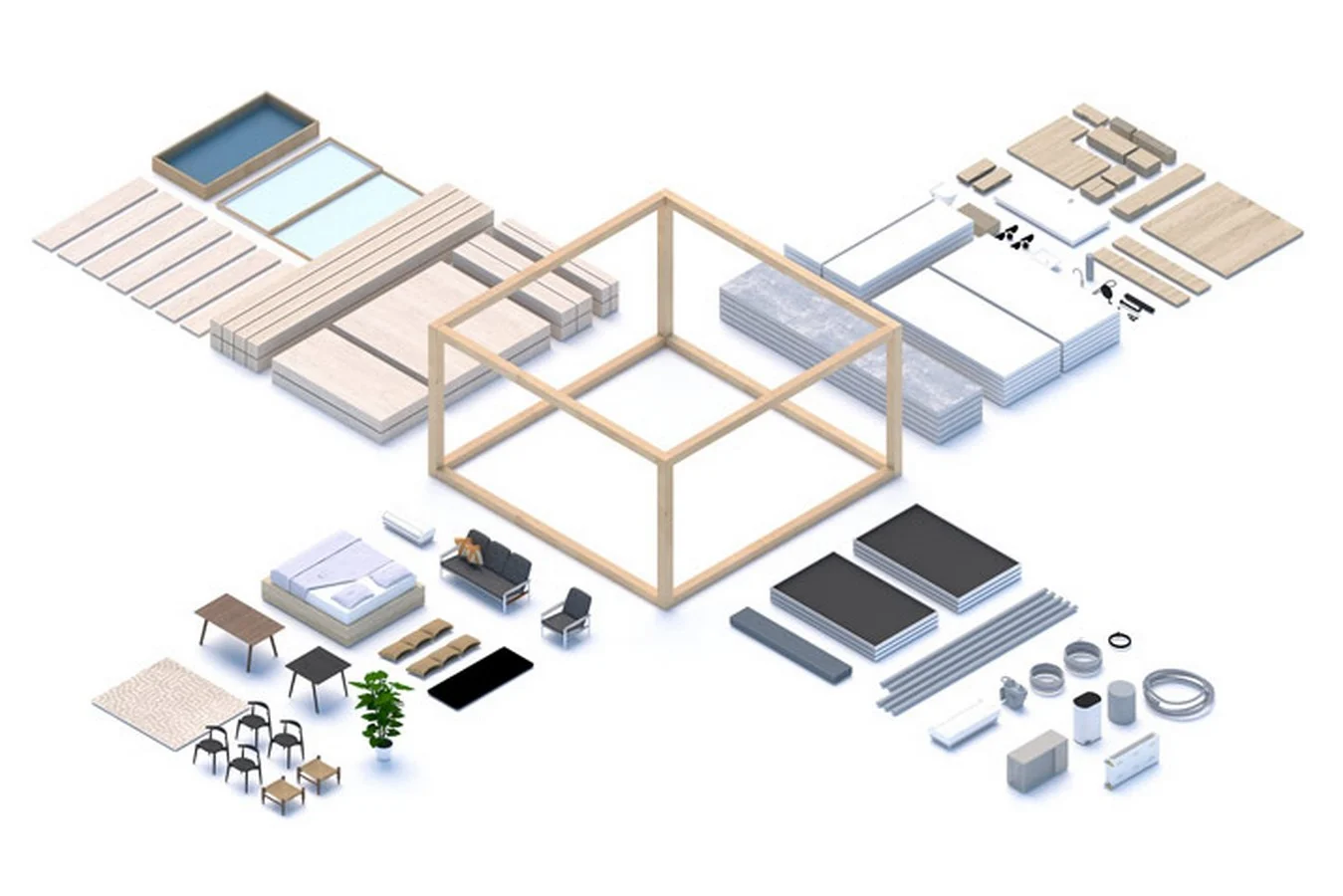
The idea of Design for Disassembly (DfD) is probably the most inventive change in European architecture. In the past, we constructed things to last. We employed glues, mortars, and welds that would last. When a structure was no longer useful, we utilized a wrecking ball to turn millions of tons of embodied carbon into trash.
The “Master Roadmap” sees a building as a “Material Bank.” Architects are making structures that can be taken apart and put back together like LEGO sets by using bolted connections and modular elements. The beams in today’s office building could be used to build a library fifty years from now, or the structure itself could be turned into a school. We “freeze” the carbon in materials forever by making sure they never end up in a landfill.
The Renovation Wave: The Best Building is the One That Already Exists
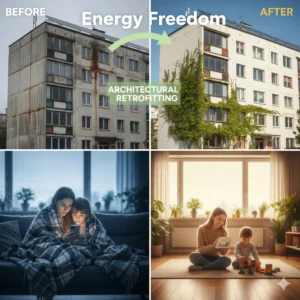
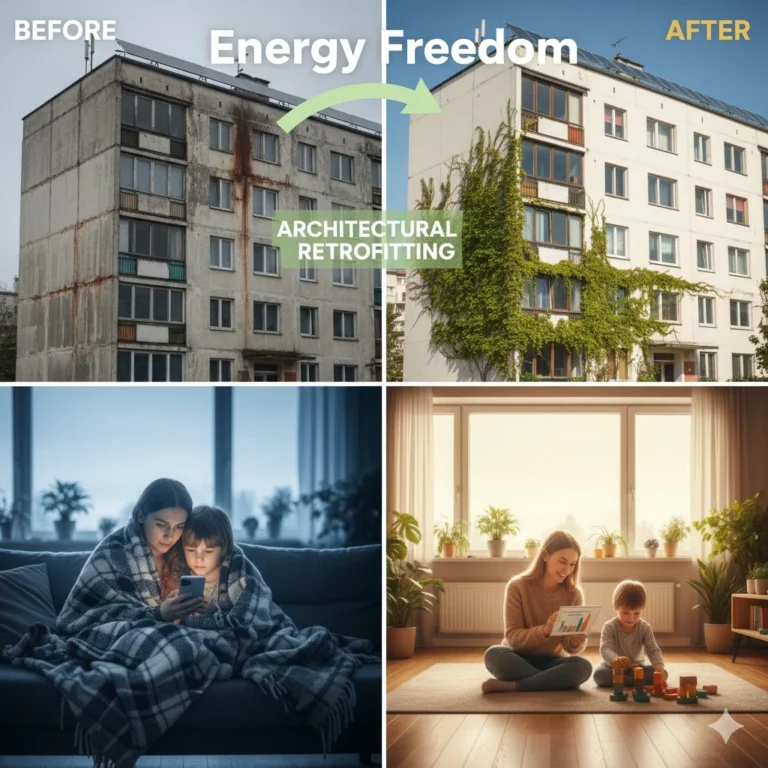
In 2026, the most imaginative thing to do is typically not to tear down. One of the main parts of the WLC strategy is the EU’s Renovation Wave. When we fix up an 18th-century masonry building, we are honoring the “carbon debt” that our ancestors already paid.
European architects are doing a kind of architectural alchemy by adding high-tech “skins” (external insulation) on ancient brutalist apartments. This changes “carbon-heavy” liabilities into “carbon-light” assets.
The New Currency: Carbon in the Economic War
Why is Europe winning this fight? They figured out that carbon is money.
- Green Finance: In 2026, it will be a much cheaper to secure a loan for a “Whole Life Carbon” certified building.
- Risk Mitigation: Investors are scared about “Stranded Assets,” which are buildings that will be too “dirty” to rent out in ten years.
- The Talent Magnet: The best young architects don’t want to make buildings out of glass and steel. They want to work on projects that are good for the earth.
Conclusion: A New Age of Poetry in Architecture
The Master Plan for a Full Life Carbon is more than just a technical guide; it is a new way of thinking about beauty. It is an architecture that smells like pine, changes with the seasons, and cares about the land it stands on.
European architects are winning the battle against embodied emissions because they have stopped battling against nature and begun building like nature. They have learned that the real value of a building is not how it looks when it opens, but what it leaves behind (or doesn’t) for future generations.
The plan is set. The tools are ready. The time of the “Carbon-Heavy” monument is over. Long live the time of the “Whole-Life” sanctuary.
For more blogs like this CLICK HERE!!
Reference:
The Whole Life Carbon Roadmaps – World Green Building Council