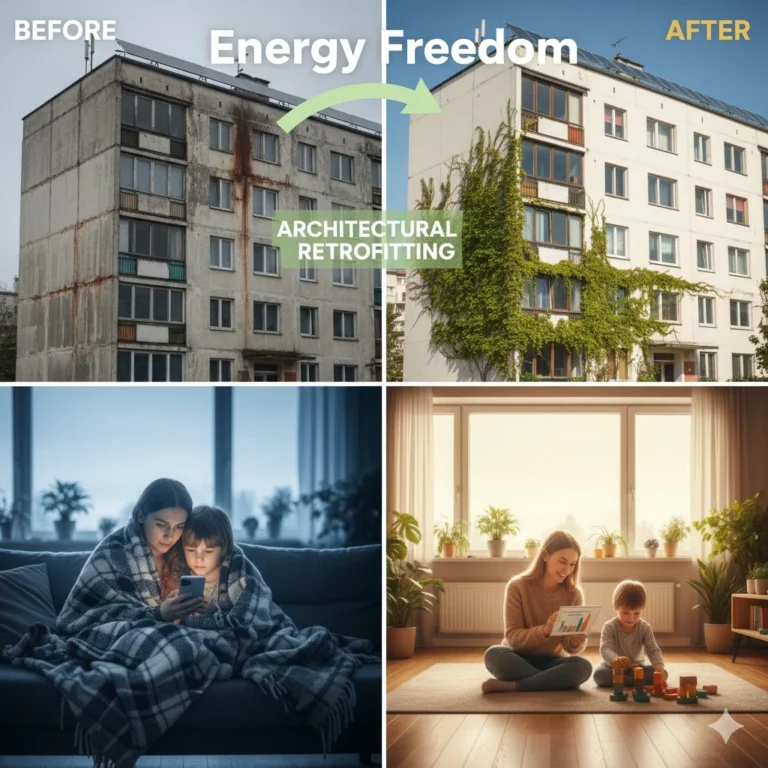
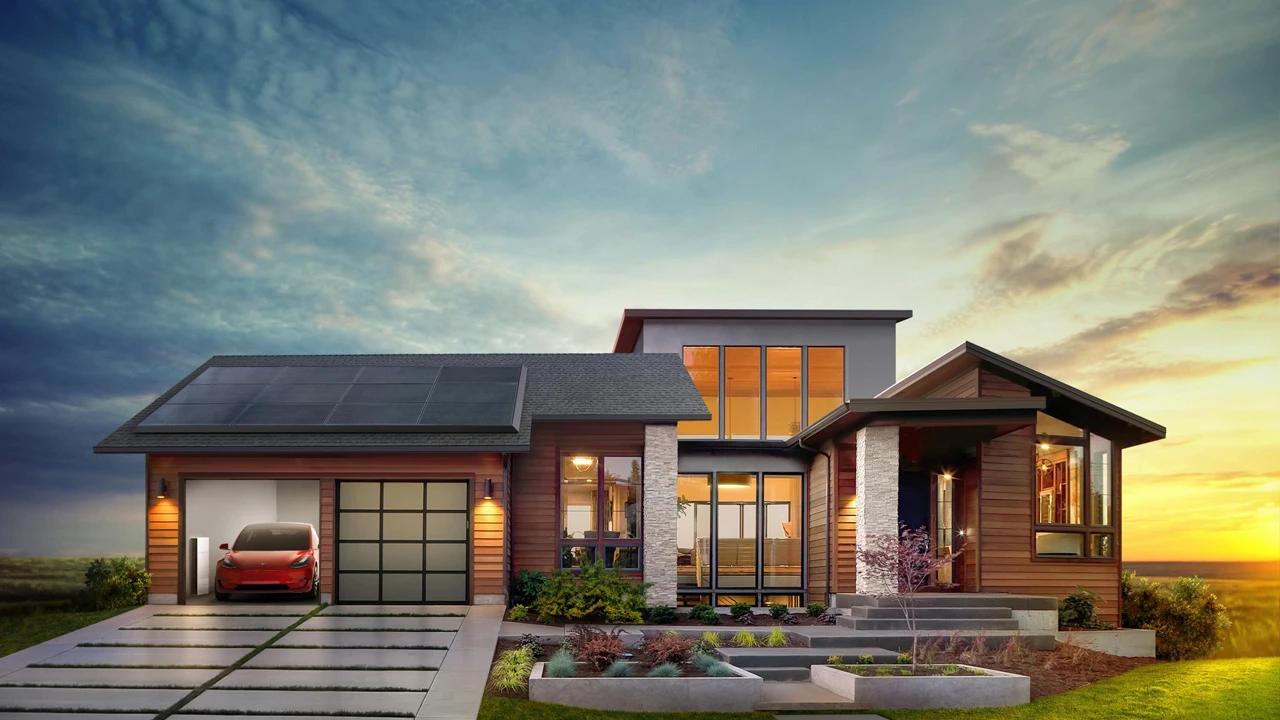
Have you ever walked into a house and right away noticed a difference? It was peaceful, with a steady, soft warmth or coolness, and a sense of quality that couldn’t be denied. This isn’t only outstanding building; it also seems like a home that is really energy efficient.
The push for high-performance, eco-friendly homes has grown a lot in the United States. It’s not enough to just put a few solar panels on the roof anymore. Now, it’s about a whole-house systems approach that makes your home a safe haven, a place that is not only beautiful but also almost immune to high energy costs and terrible weather.
What is the goal? To make a home that naturally attracts you with its comfort and keeps your budget pleased with its savings. If you want to build a new home or do a major renovation, the first and most important thing you need to do is learn some basic rules for making your fantasy energy-efficient home designs in the USA.
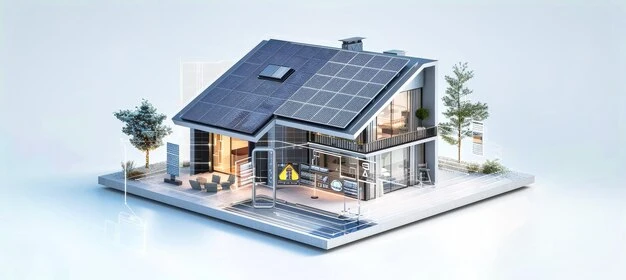
The Heart of Efficiency: More Than Just Insulation
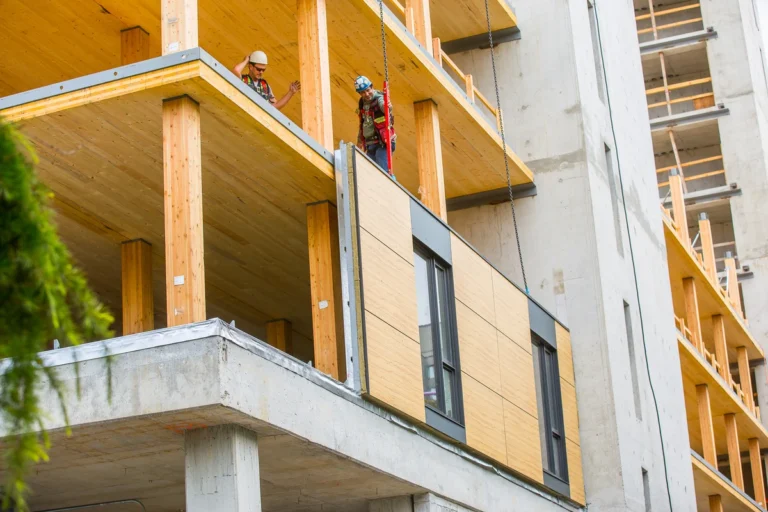
The building envelope is the most important thing for making a structure truly energy efficient. Think of your home as a really good thermos. Your heating and cooling systems will have to operate all the time if the thermos has holes or thin walls.
The magic begins with closing the air and adding extra insulation. Air leakage, which is when air moves through cracks and gaps without control, can cause a home to lose up to 40% of its energy. Step one is to deal with this very carefully.
After that, we check the roof, walls, and floors. Modern energy-efficient home designs often incorporate methods that go well beyond what is required by code, such as:
- Insulated Concrete Forms (ICFs) are thick foam blocks with concrete in the middle. They provide great insulation and strength.
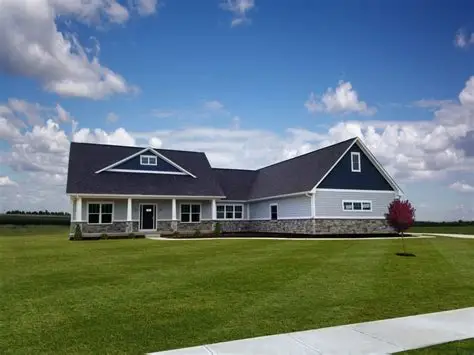
- Advanced Framing: Methods like 24-inch on-center stud spacing and minimal corner framing to stop “thermal bridging,” which is when heat escapes through wood.

- High R-Values: For walls and ceilings, you should aim for R-30, R-40, or even R-60, which is far higher than the minimum requirements.
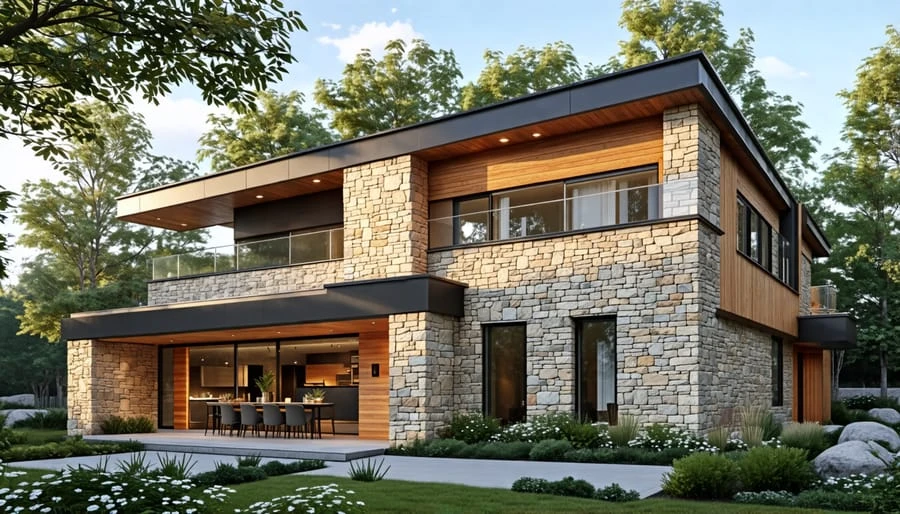
Before you even turn on the heating, a super-insulated, airtight enclosure cuts down on your energy needs by a lot. It’s the one thing that every high-performance home must have.
Passive Design: Using Nature to Heat and Cool Your Home
Passive solar architecture is the next big thing in modern energy-efficient home design in the US. This smart method uses the location and climate of your home to let nature handle most of the work of heating and cooling.
The plan is easy, but the execution is what matters:
- Solar Orientation: In most US areas, facing the house so that the south-facing windows get the most sun helps the house to get the greatest heat from the low-angle winter sun. The home’s thermal mass, like concrete flooring, absorbs this free heat.
- Shading and Overhangs: It’s very important that the same windows are protected by roof overhangs or outside shading devices that are carefully planned. These stop the summer sun from coming in at a high angle, which keeps your home from getting too hot and lowers your cooling load.
- Daylighting: By carefully placing windows, you may let in natural light all day long, which cuts down on the demand for electric lighting and makes people feel better.
This is when the word “design” really comes into play. If you work with an architect or builder who knows how to do passive design, your home will be naturally in touch with its surroundings.
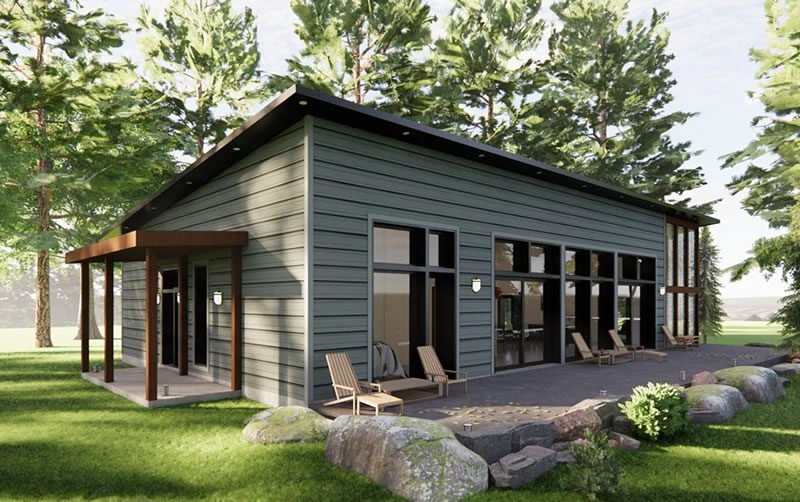
The Strength of Windows That Work Well
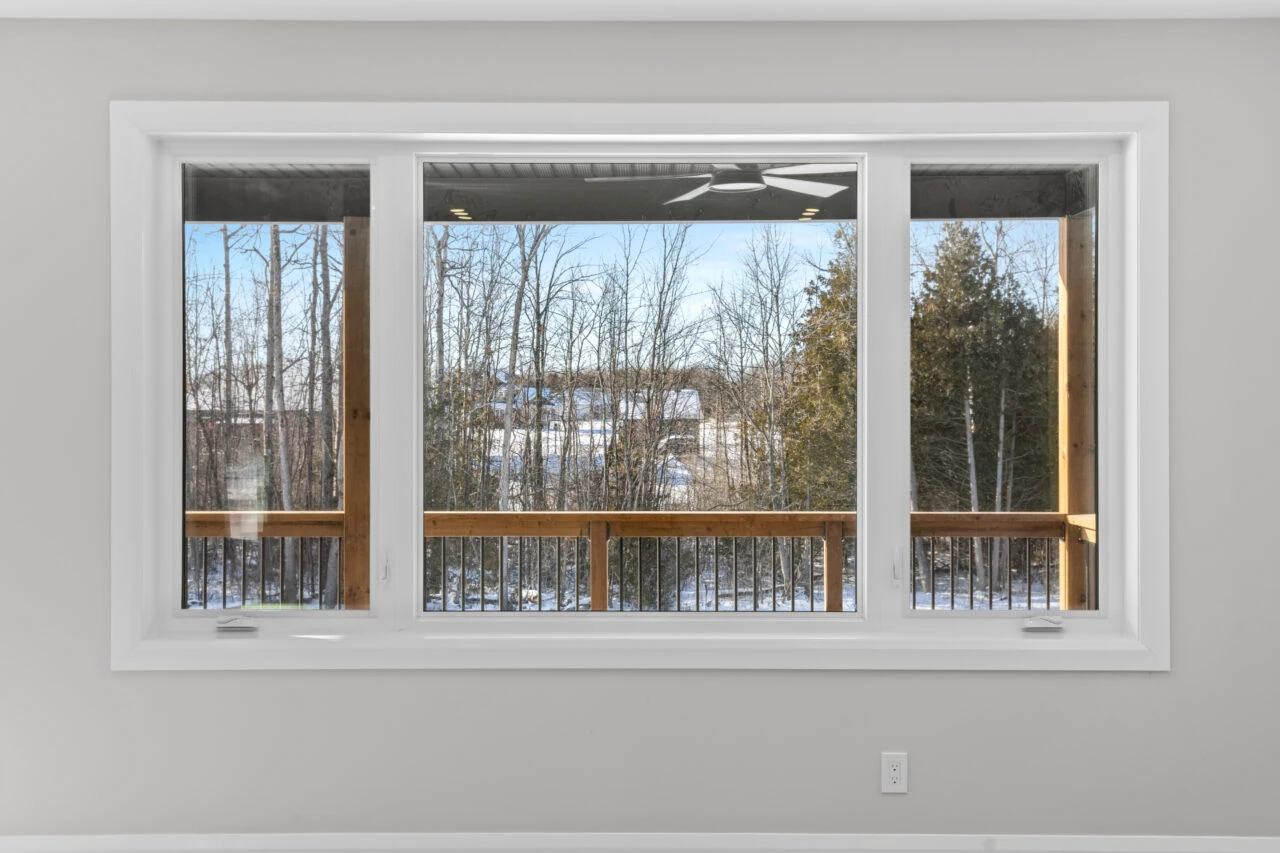
Windows are often the weakest part of the envelope. Modern energy-efficient home designs need great windows, which generally include:
- Low-E (Low-Emissivity) Coatings: These are invisible metal coatings that reflect radiant heat back into the home in the winter and away from the house in the summer.
- Triple-Pane Glazing: Three layers of glass with two gaps filled with gas in between them for the best insulation.
Compared to regular windows, these high-performance parts can save a home’s energy use by as much as 30%.
The Technology That Makes Savings Possible
When the structure of your home is improved, the mechanical systems that keep you comfortable can be much smaller and work better.

The Heat Pump’s Rise
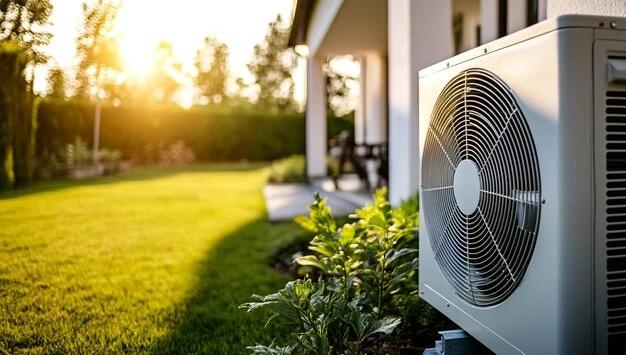
The electric heat pump is now the best way to build a home that uses less energy. A heat pump doesn’t make heat or pump it out like a regular furnace or central air conditioner. Instead, it just transports heat from one location to another.
It collects leftover heat from the chilly outside air and moves it inside throughout the winter. This works even in very cold places! In the summer, it works the other way around, taking heat from within and sending it outside. This method is much more effective than using fossil fuels, which greatly lowers your operating costs.
Getting Better and Fresh Air
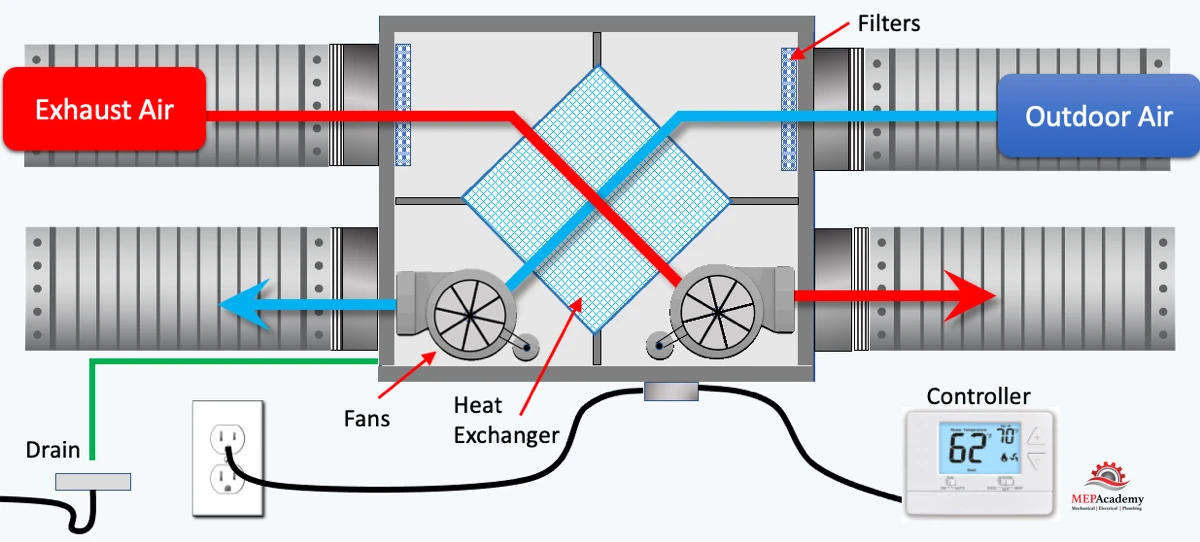
If you create a home that is quite airtight, you have to actively regulate the quality of the air within. You can do this with an Energy Recovery Ventilator (ERV) or a Heat Recovery Ventilator (HRV).
These systems constantly draw in fresh air from outside and send stale air out, but the important thing is that they condition the incoming air first.
- In the winter, they can take up to 80% of the heat from the air that is leaving and move it to the air that is coming in.
- In the summer, they move cool, conditioned air to the warm air that is coming in.
This makes sure that you always have fresh, clean air without squandering the energy you’ve already paid for to heat or cool your home.
The Three Levels of Dream Energy Efficiency
There are worldwide standards that define the finest energy-efficient home designs in the USA for people who want the best performance.
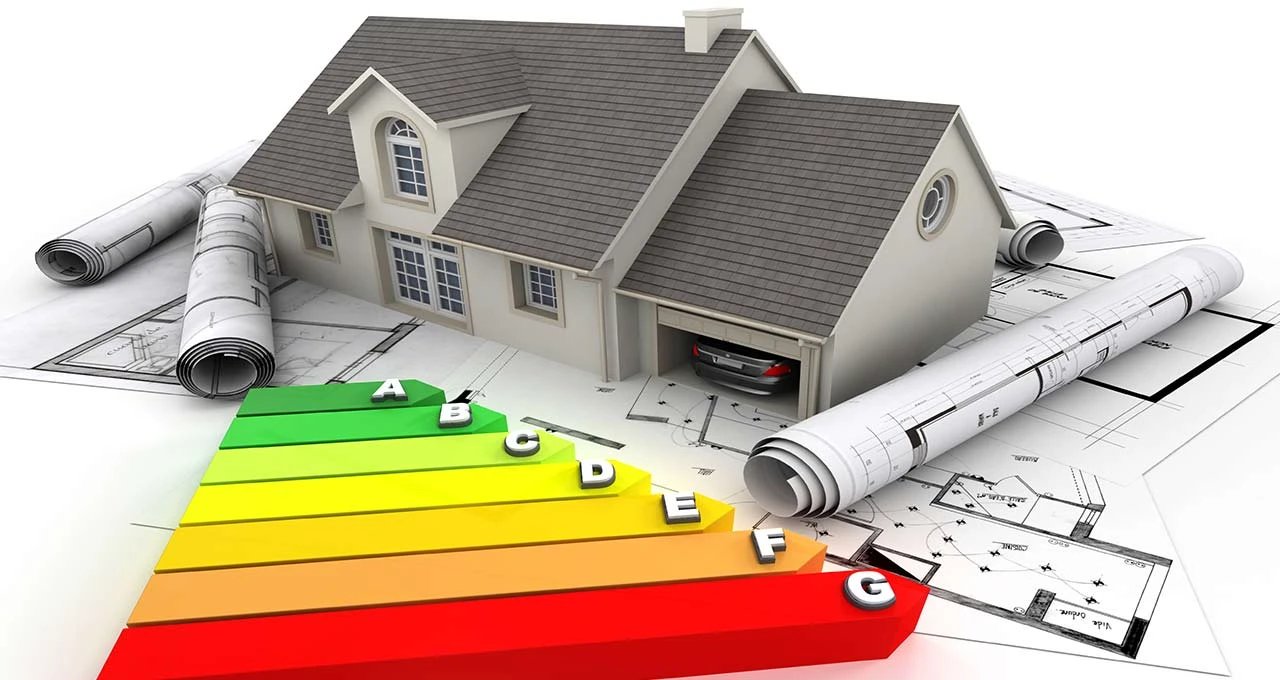
Level 1: Very Efficient and HERS Rated
Many builders that want to design high-performance homes try to get a low Home Energy Rating System (HERS) Score. A residence built to code in the US gets a score of 100. A home that is very energy-efficient, using 50% less energy than the code standard, gets a score of 50. Getting a HERS Score below 50 is a big goal that can be reached for better efficiency.
Level 2: The Passive House Standard
The Passive House (or Passivhaus) standard is the toughest voluntary energy performance benchmark in the world. A Passive House has the following features:
- Very good insulation and air-tightness.
- Great windows.
- Ventilation that recovers heat.
- Little need for heating and cooling (typically 90% less than regular dwellings).
It’s not a style of design, but a rigid performance model that makes things very comfortable and costs very little.

Level 3: Net Zero Energy (NZE)
The Net Zero Energy (NZE) home is the goal for many people. A NZE home is made to make as much renewable energy on-site as it uses in a year.
Getting to Net Zero begins with high-level efficiency (Level 1 or 2). After the energy load is greatly reduced, a small solar PV (photovoltaic) system can be put on the roof. This solar array makes the last bit of energy needed, which means that the home’s electricity expenditures are almost zero or even negative every year.
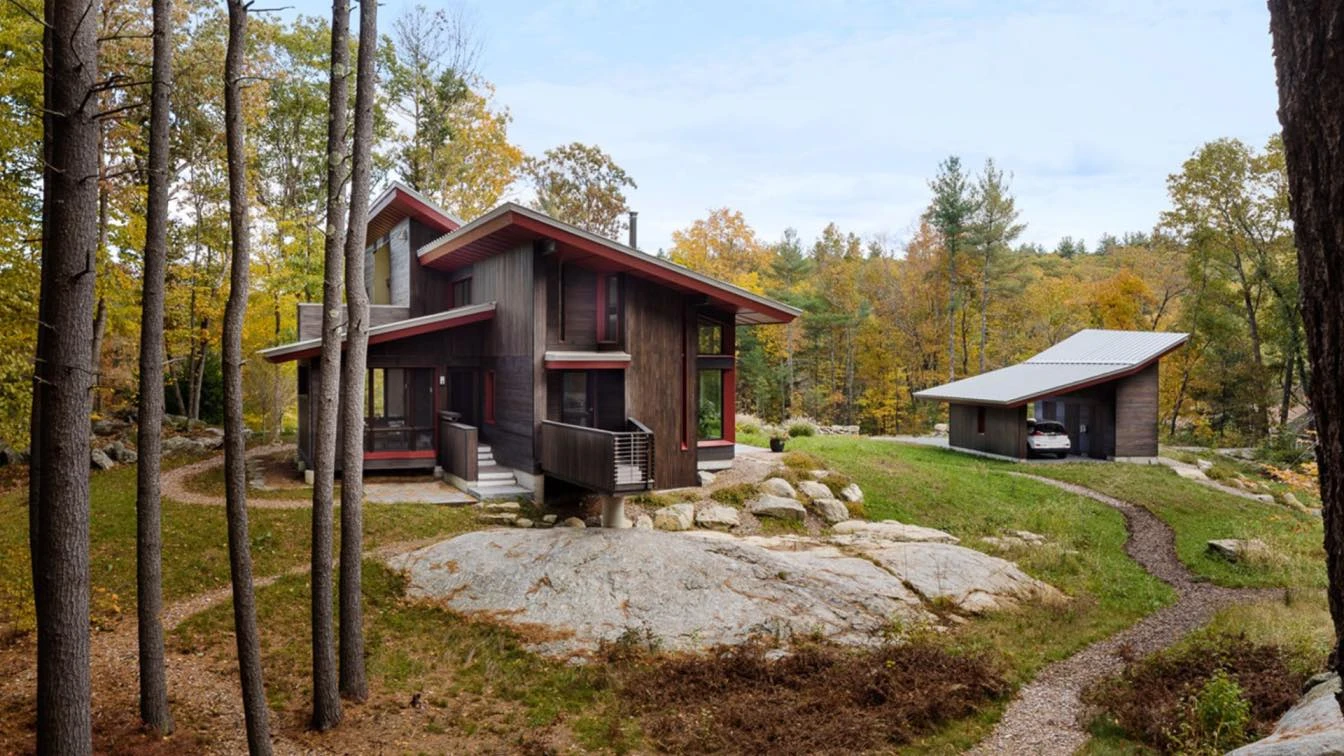
Steps to Make Your Dream Come True
It’s easier than ever to build a home that is both magnetic and energy-efficient. The US government gives a lot of money to help people, in addition to the huge, long-term savings on power bills.
The Energy Efficient Home Improvement Credit and other local utility incentives can help pay for things like heat pumps, insulation, and high-efficiency windows. These credits basically let you pay for improvements that will keep paying you back for as long as you own your house.
The way to your dream home is one that includes both style and function. If you focus on a smart building envelope, passive design, and efficient technologies, you’ll make a house that is more than simply a place to live. It will be a strong, comfortable, and long-lasting asset for years to come.
Are you ready to start planning your own magnetic, low-carbon future? Call a professional green builder or Passive House expert right now.
For more blogs like this CLICK HERE!!
Reference: