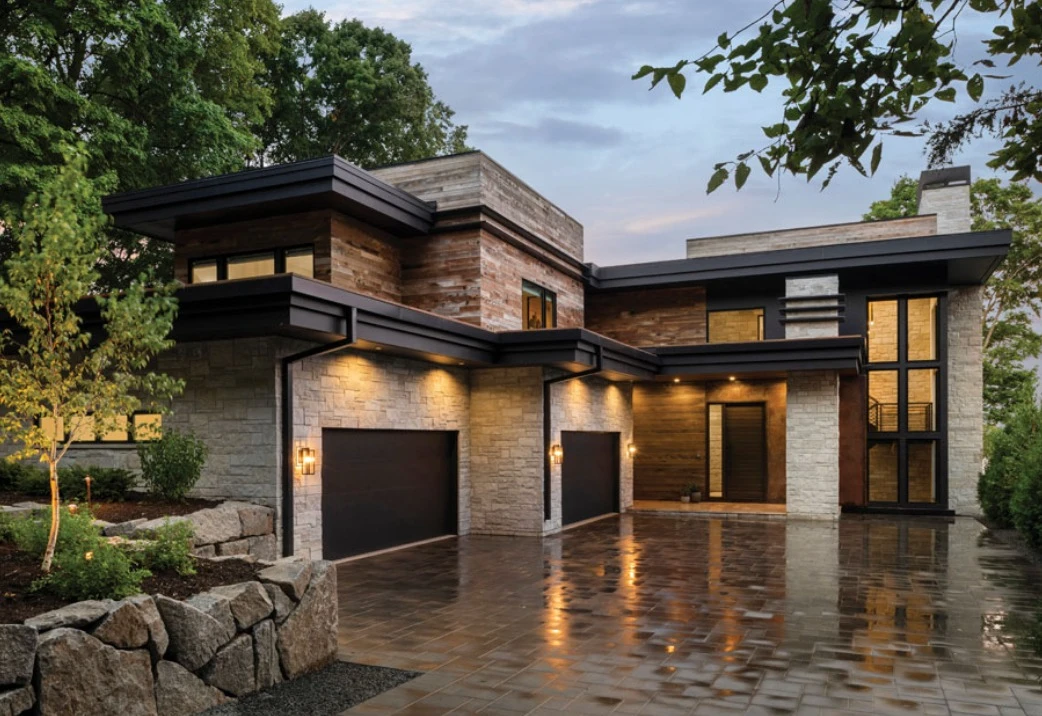
It’s not just about the size and location of your dream home; it’s also about choosing the right structure that will support your life. The arrangement of your home is its silent partner. It sets the tone for your mornings, the energy of your gatherings, and the comfort of your alone time.
There are only a few basic U.S. house layouts that most American homes are based on. The best way to make a room that you and your family will really adore is to learn about these basic layouts. We have gathered information on the most popular styles on the market to give you INSTANT ideas for how to design your dream home.
The Simple Beauty of the Ranch Style
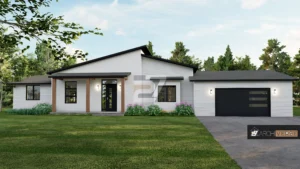
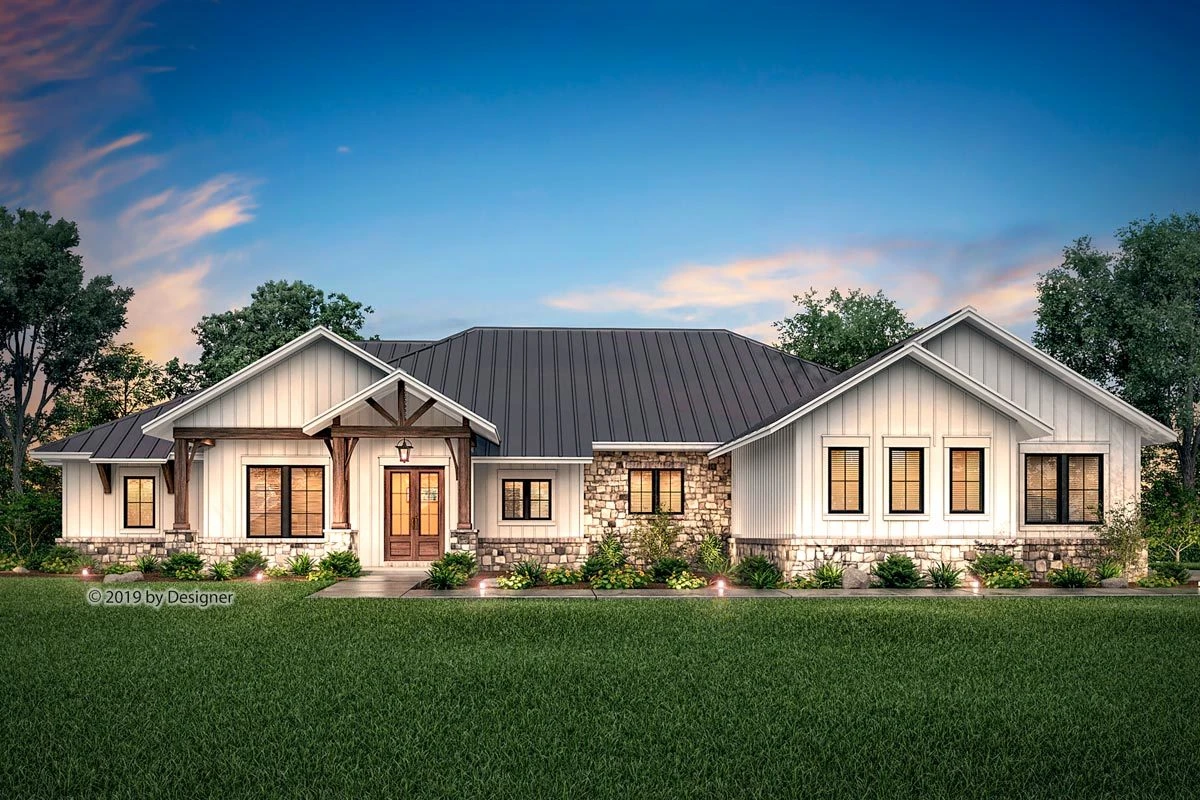
The Ranch home, also known as the Rambler, is still a favorite in the U.S. and is the most popular type in more than two-thirds of states. It came along after the war, and its attraction is its simple design, usefulness, and connection to the outdoors.
Living In a Single-Story, Seamless Space
A wide, one-story building that is either rectangular or L-shaped is at the center of the Ranch pattern. The living, sleeping, and utility areas are all on the same floor. This naturally makes the floor plan easier to understand and available to everyone.
Key Benefits and Design Elements:
- Ultimate Accessibility: The Ranch is the best home for the future since it has no steps. It is excellent for young families, senior folks, and anyone who wants to move around easily.
- Easier to Maintain: It’s easier and cheaper to take care of the outside of the building, including painting and cleaning the gutters, without having to use high scaffolding.
- The Power of Connection: The wide horizontal form makes it easy to add big picture windows and sliding doors, which gives the space a strong indoor-outdoor living vibe. It’s great for people who want their living room to open up to a deck or patio.
What do you have to give up? For the same amount of square footage, ranch homes need a bigger lot, which is usually more expensive. But for a lot of people, the money spent on single-story ease is worth it.
Timeless Tradition: Knowing the Layout of the Colonies
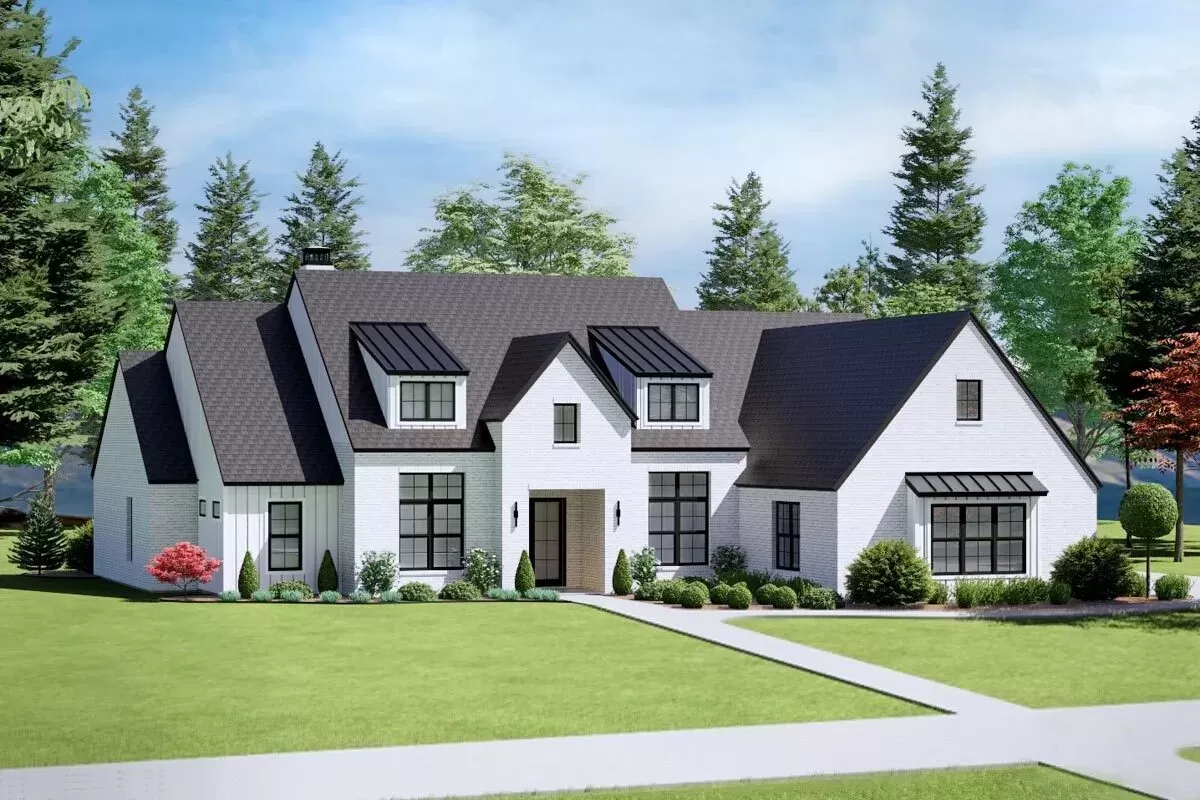
The Colonial home is the basis of classic American architecture and makes up around half of all home listings together with other traditional types. People who want well defined rooms and vertical efficiency like this two-story home layout.
Defined Zones and Symmetrical Design
You can tell a colonial home right away by its symmetrical front, which has a front door in the middle and an equal number of windows on the first and second stories. The inside is just as well-planned:
- The Center Hall Plan: When you go in, you see a center staircase and hallway. This corridor separates the formal rooms in the front (usually the living and dining rooms) from the more private family room and kitchen in the back.
- Privacy and Separation: The Colonial arrangement is great at keeping activities apart. The bedrooms are upstairs, away from the noise of the downstairs formal gathering area. This distinction is very important for big families or households that often have guests.
Some modern consumers are moving away from formal styles, but the Colonial’s basic structure is very flexible. A lot of homeowners are now tearing down walls between the kitchen and the back family area to make the classic shell more modern.
The Functional Split-Level: Making the Most of Space
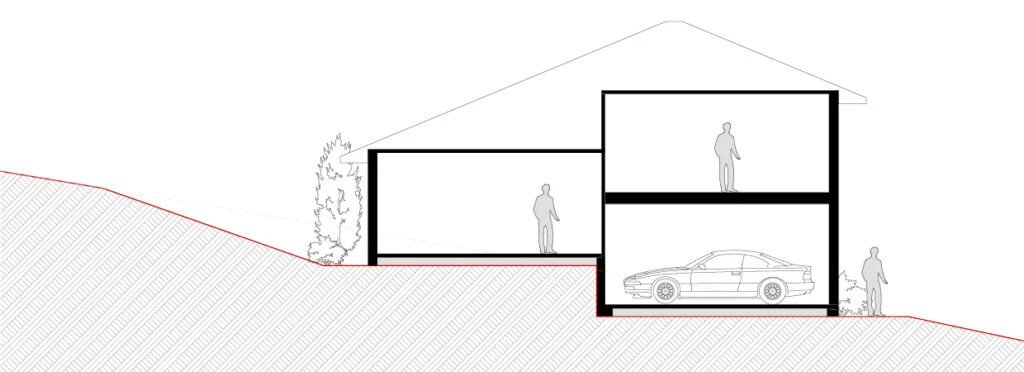
The split-level design was a smart way to make the most of smaller or sloped land in suburban developments in the 1960s and 1970s. It’s a compromise between the Ranch and the Colonial that has more than one level.
Three Levels, Clear Separation
The classic split-level has three separate living areas that are linked by small staircases (one half-flight up and one half-flight down from the main entry landing).
- The Lower Level: This level usually has a garage, a laundry room, and a casual family or play room (often partially below grade).
- The Main Level has the kitchen, dining room, and living room.
- The Upper Level: This level is only for bedrooms and private bathrooms.
This way of dividing things up is great for big families or households with people from different generations who need clear lines. It does a better job of blocking sound and giving seclusion between floors than a typical two-story layout. Some people think that the split-level is a specialized style because it has so many half-flights of stairs, but it is still a good and cost-effective method to use all of the vertical space.
The Modern Mandate: Accepting the Open Concept
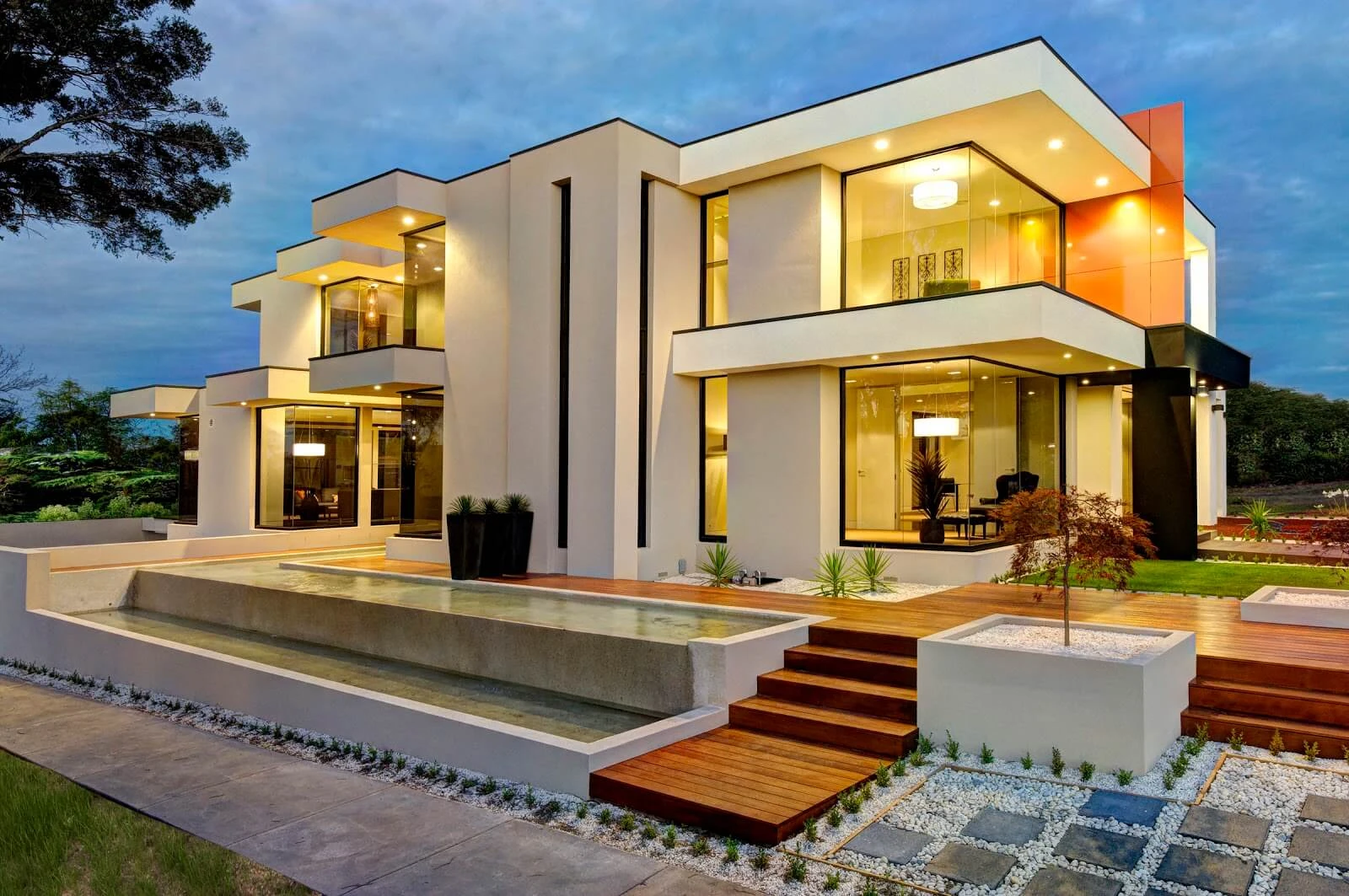
Ranch, Colonial, and Split-Level explain the shape of the house, but open concept tells how the inside works. This is the most popular, high-density term for practically all modern home design. No matter what form of architecture is on the outside, most homeowners these days want open interiors.
The Center of the Home
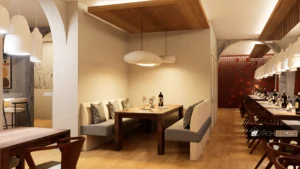
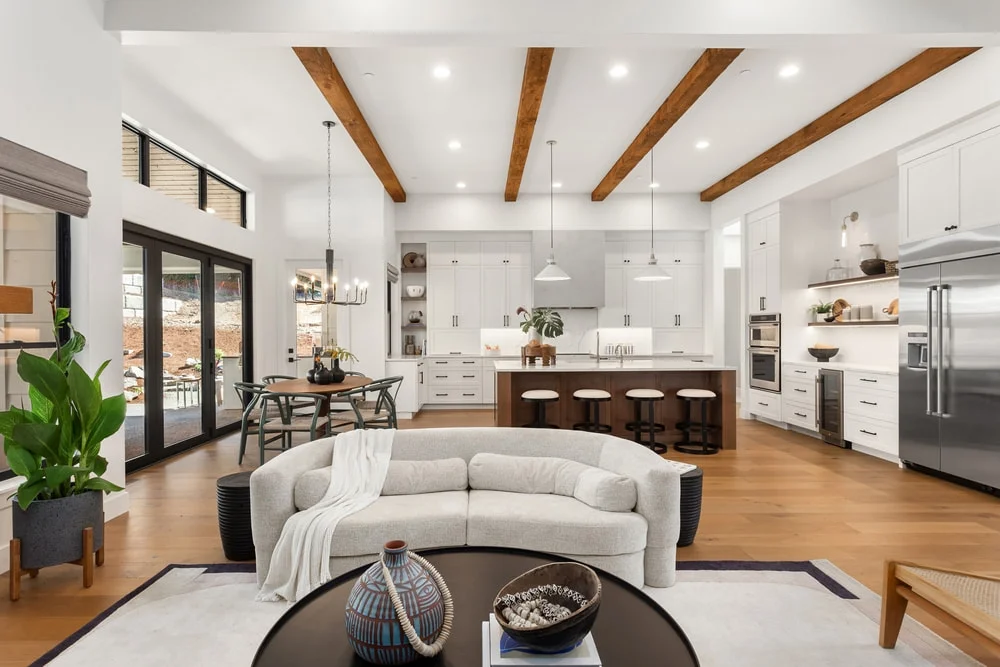
The open concept combines the kitchen, dining room, and living room, which used to be separate, into one big, bright space.
- Focus on Family: This arrangement works well with modern, casual living. A parent can cook at a big island (which is a must-have in almost all new house layouts) while keeping an eye on the kids or talking to guests. It breaks down the wall between the kitchen and the talk.
- Light and Flow: Without barriers inside, natural light may reach deep into the house. It makes small homes feel big and encourages people to use the space in different ways over time, which is great for how we live and party now.
Picking Your “Beloved” Foundation
In the end, constructing your dream home entails thinking deeply about how you live.
What’s your flow?
Do you like having separate, formal rooms for peace and quiet (Colonial)? Or do you like a gathering space that is seamless and in one place (Ranch or Open Concept)?
What does the future hold for you?
Are you going to stay in your home as you get older, or are you going to make it easier for people with mobility issues? The Ranch is the easiest place to go to. Are you making the most of the space on a small lot? The Colonial’s vertical efficiency is the answer.
How much money do you have?
Ranch plans need bigger foundations, but two-story (Colonial) plans are usually cheaper to build per square foot, especially for bigger homes, because they need less roof and foundation material.
Don’t think of these popular house layouts as literal blueprints; think of them as basic canvases. The Ranch’s spacious comfort, the Colonial’s stately structure, or the Split-Level’s practical separation are all great options. But the real inspiration comes from making the layout your own to create a space that feels like home—your ultimate, adored sanctuary.
Today, start drawing your needs on these U.S. house plans and see your INSTANT Inspiration come to life in a wonderful way.
For more blogs like this CLICK HERE!!
Reference:
USA House Design Ideas: Inspiration for Your Dream Home Transformation | illustrarch