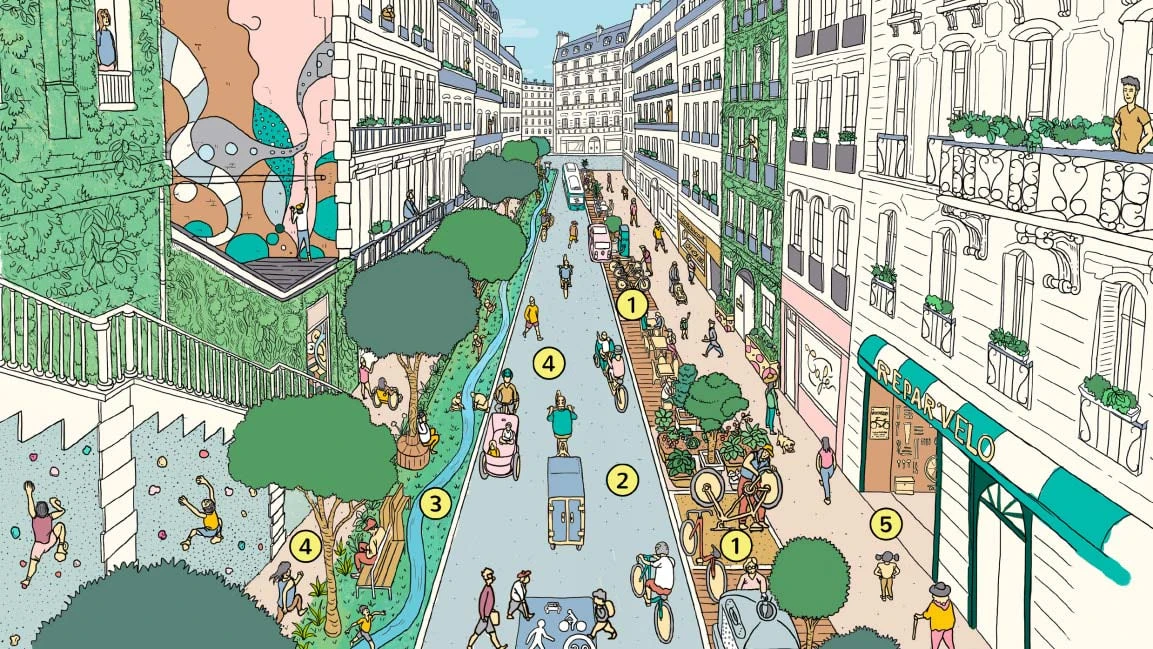
The 15-Minute City is no longer just a phrase that people at design schools talk about; it is a full-scale reclaiming of what it is to be human. We constructed our lives around the internal combustion engine for almost a hundred years. We constructed “commuter belts,” “office districts,” and “shopping malls,” which split up our lives into different parts of the country. We gave up our time for asphalt. But in the middle of Europe, a quiet revolution is changing things.
Not only are Paris and Barcelona “fixing traffic.” They are doing delicate surgery on the city’s infrastructure to make sure that everyone can get to job, food, healthcare, education, and even some culture that soothes the spirit within a 15-minute walk or bike ride from their front door. This is the narrative of how we are finally going back to our neighborhoods.
The Philosophy of Chrono-Urbanism: Breaking the Time
Professor Carlos Moreno is the leader of this movement. He is the one who made “chrono-urbanism” public. His main point is simple: in today’s metropolis, we are slaves to time. We spend hours in metal boxes, stuck in traffic, and then we get to work tired.
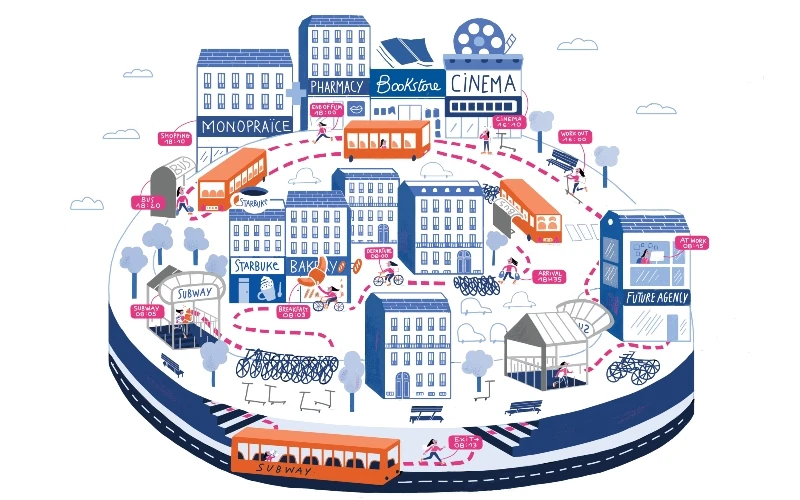
The goal of the 15-Minute City is to “sync the rhythm of the city with the rhythm of the human.” We can get rid of the “forced commute” by moving services to different locations.
Picture a life where you don’t have to drive by a coffee shop every morning. Instead, you can walk five minutes to a nearby bakery where the proprietor knows your name. This isn’t a trip down memory lane; it’s a high-tech, data-driven plan to lower carbon emissions and raise the “Gross National Happiness” of a neighborhood.
Paris: The Brave Change of the “Ville du Quart d’Heure”
Because of Mayor Anne Hidalgo’s strong determination, Paris is no longer known as a city that smells like diesel. The change in the French capital is one of the most ambitious urban experiments of the 21st century.
The Death of the Highway, the Birth of the Park
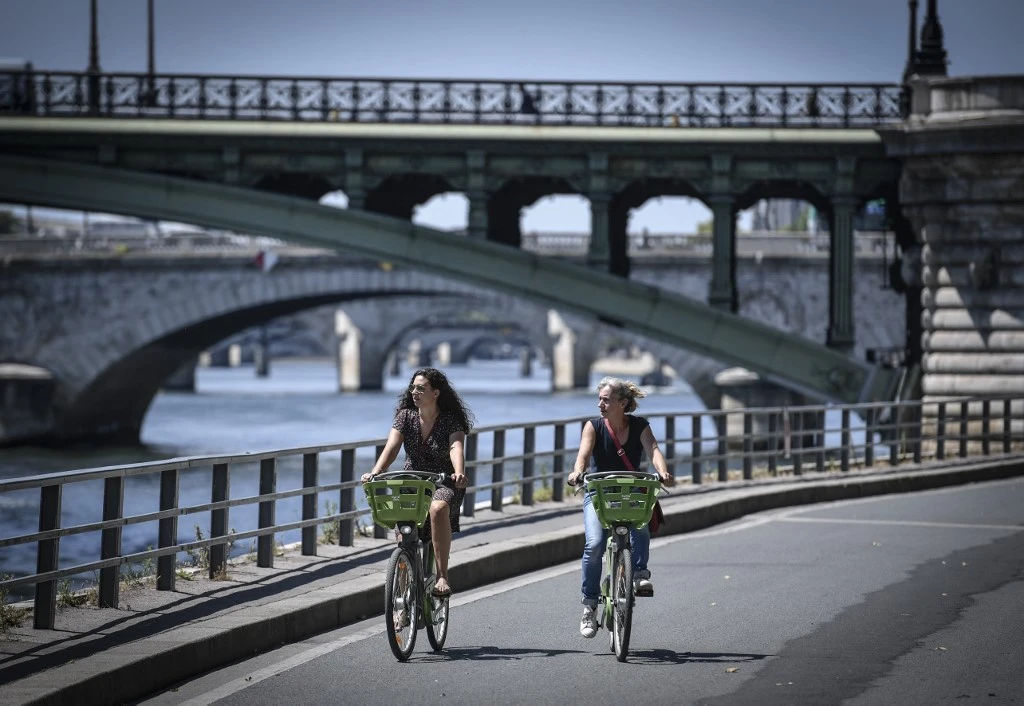
The Voie Georges-Pompidou was a busy, noisy road along the right bank of the Seine for many years. It is now a permanent park. Where automobiles used to go 70 km/h, kids now ride scooters and couples sit on wooden loungers. This wasn’t just a landscaping job; it was a political statement: the river doesn’t belong to the vehicles.
Biking as a Right
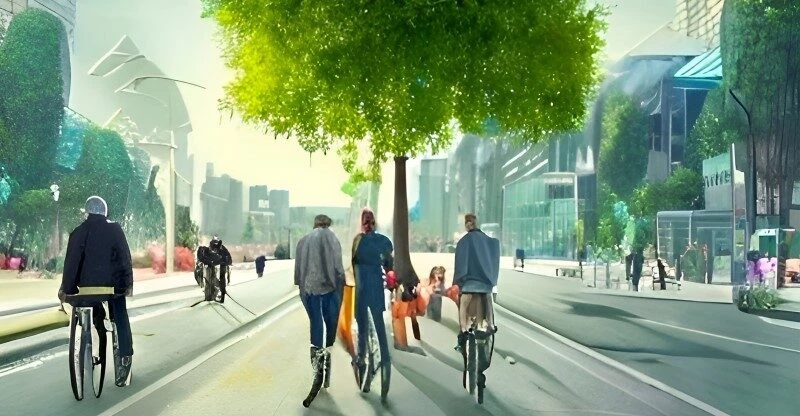
Paris has promised to spend more than €250 million to make the city “100% cyclable.” The Plan Vélo has made it possible to build huge bike routes (the Réseau Express Vélo) that go through the center of the city. But the little things are what really count. In many areas in Paris, cars are no longer allowed to drive through, making narrow side streets into “quiet zones” where the only sounds are the clicking of bicycle gears and the chatter of sidewalk cafes.

The “Oasis” Schoolyard: The New Town Square
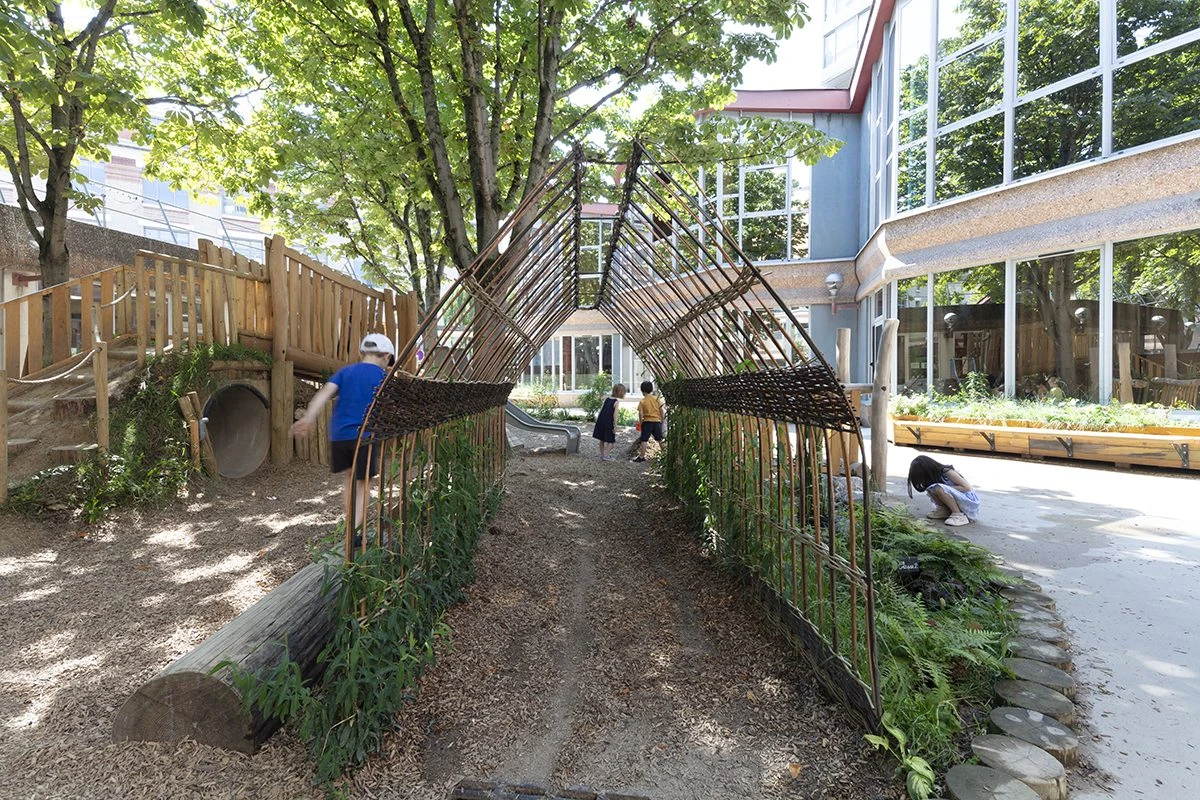
The “Oasis” schoolyard project is probably the most “heartwarming” part of the Parisian concept. In the past, Parisian schoolyards were drab squares with asphalt on them and high barriers around them.
Now, they are being torn down and rebuilt with trees, soil that lets water through, and natural play places. In heat waves, these schoolyards are like “cool islands” for older people and others who are sick. The city has made hundreds of new mini-parks by letting the public use these areas on weekends without having to buy any new land.
Barcelona: The Superblock Masterpiece
Barcelona is the brain of this movement, while Paris is the heart. The city’s “Superblocks” (Superilles) are a great example of tactical urbanism.
Taking Back the Eixample Grid
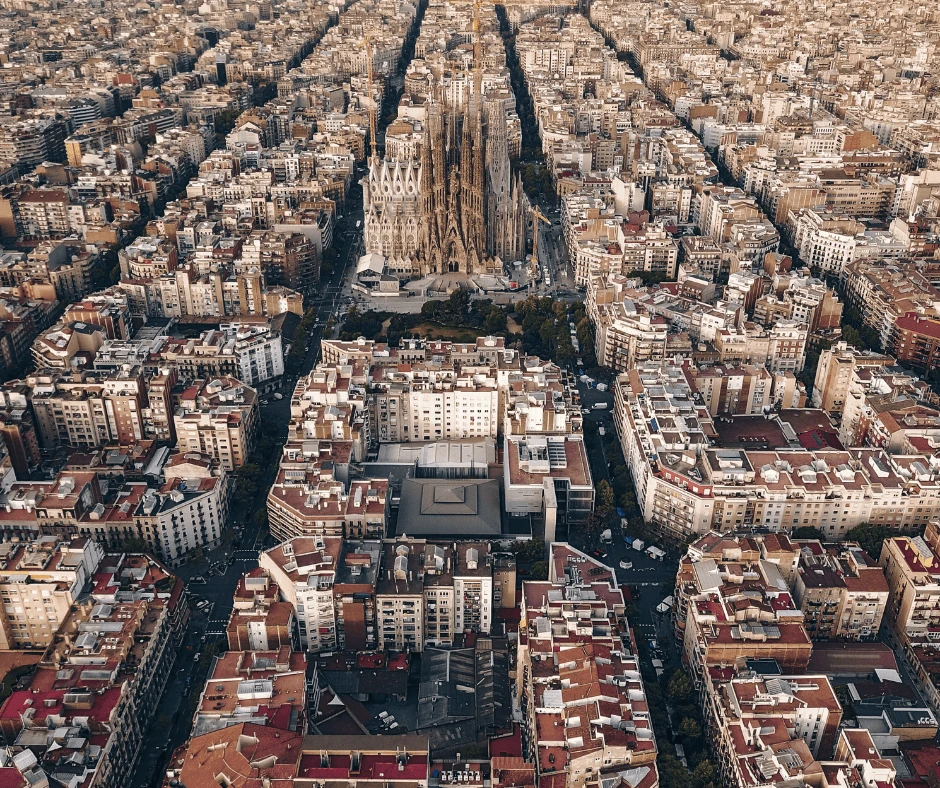
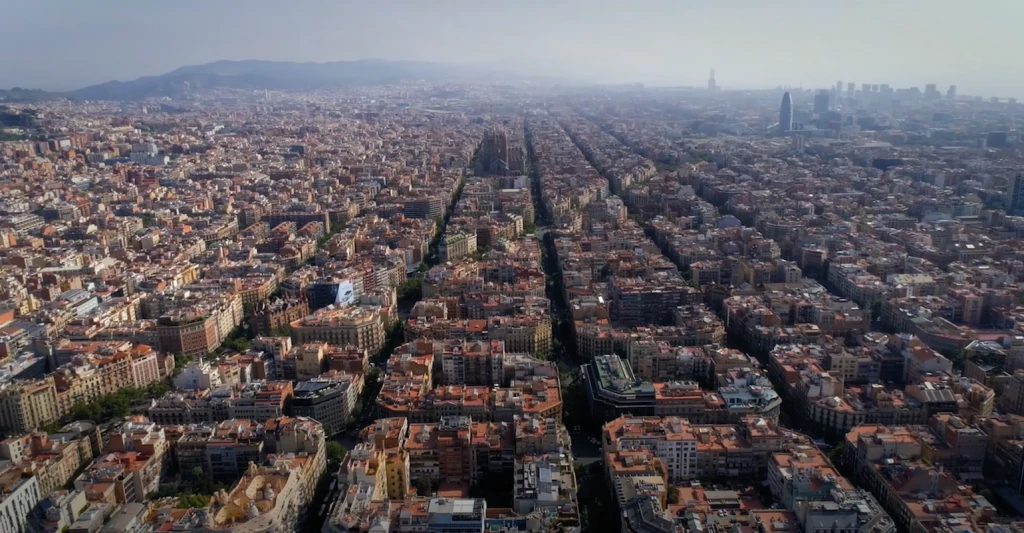
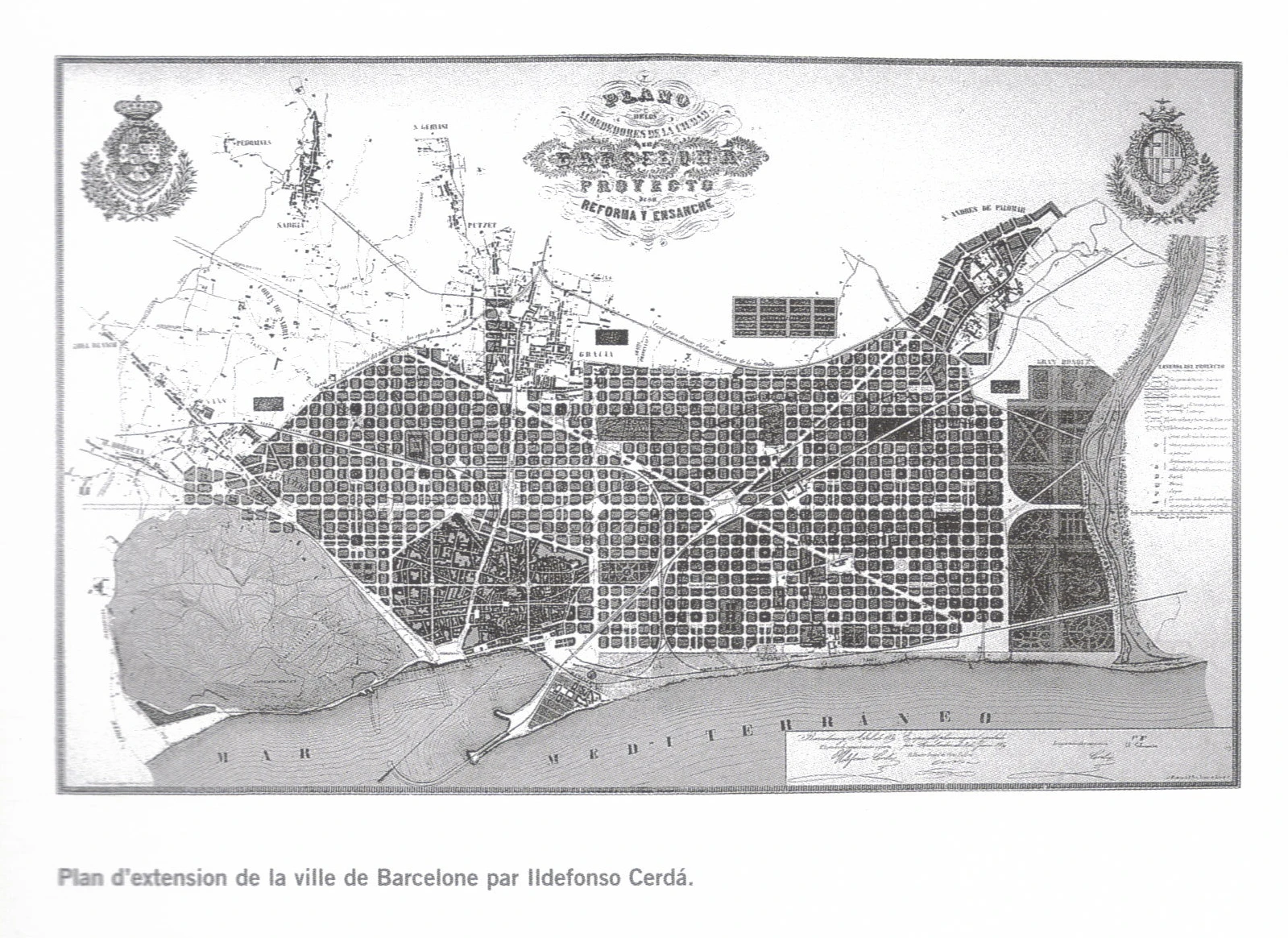
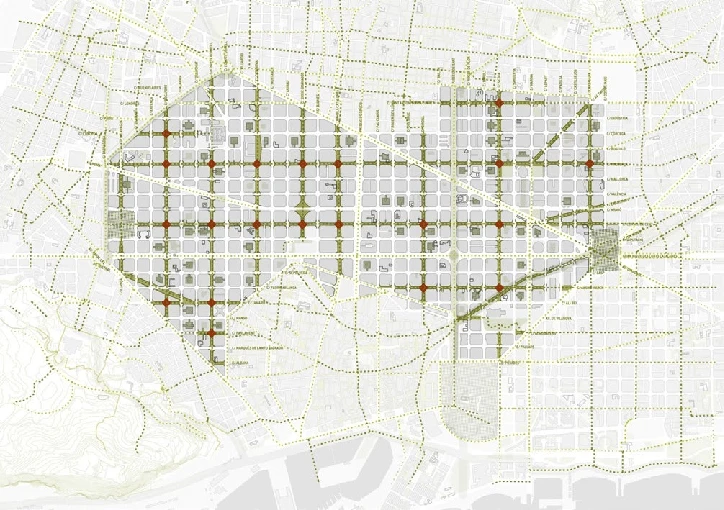
Ildefons Cerdà created the Eixample area of Barcelona in the late 1800s. The streets are wide and the corners are chamfered to let in light and air. These spacious avenues, however, turned out to be the best places for vehicles to go. The Superblock model uses a 3×3 grid of blocks and only allows local residents and delivery vehicles to drive through them at speeds of no more than 10 km/h.
From Crossroads to Plazas
What used to be a four-way crossroads in the Sant Antoni Superblock is now a lively plaza with trees, benches, and playground equipment. You can see how much space we really have when you take the cars away. The “asphalt desert” becomes a “community oasis.” The Barcelona Institute for Global Health (ISGlobal) says” that if the complete Superblock plan is put into action, it might save more than 600 lives every year by lowering air pollution and the consequences of heat islands.
The Invisible Benefits: Health, Wealth, and Connection
Making neighborhoods more walkable has a “cascading effect” that goes beyond just making it easier to get about.
No More Lonely Cities
Modern cities are full of people, but we frequently feel completely alone. The 15-minute city makes us go back to “passive social contact.” It’s the interaction with the florist, the gesture to the person walking their dog, and the fact that everyone is in the same park. These few “weak ties” are what make social networks strong.

The Economic Multiplier
People often think that taking automobiles away hurts business. The information from Paris and Barcelona says the opposite. People are more likely to stop at a local store when they walk or ride their bikes. “Sticky” traffic is foot traffic. The street has become a destination instead of a place to pass through, which has helped small companies in Superblocks make more money.
Battling the “Heat Island”
Cities are becoming into furnaces as climate change gets worse. Asphalt takes in heat, whereas trees let it go. Paris and Barcelona are decreasing the temperature in their cities by several degrees by replacing highways with plants. It’s not only about comfort; it’s a way to stay alive in the future.
Problems: Dealing with the “Green Gentrification” Trap
We have to be honest: some people don’t like the 15-minute city. “Green gentrification” is the thing that scares people the most. When a neighborhood becomes pretty, easy to move around in, and healthy, the value of homes goes up a lot. This could drive away the working-class people who would gain the most from shorter commutes.
To fight this, Paris has put severe limits on rent and wants 25% of all homes in each arrondissement to be social housing. Barcelona is also starting its Superblock expansions in neighborhoods with lower incomes, making sure that “livability” isn’t just for the rich.

A World Reimagined: The Future is Human-Scale
The 15-Minute City tells you to take it easy. It’s an admission that the “hustle culture” of the 20th century, which was marked by long-distance travel and living in the suburbs, has hurt our mental and physical health.
We see a model for the globe in Paris and Barcelona. We can see that the streets aren’t just for automobiles; they’re also for people, ideas, and hearts. These cities are revamping their communities in a way that makes us remember that we can change our surroundings. We don’t have to live in a world of gray; we can choose to live in a world of green.
For more blogs like this CLICK HERE!!
Reference:
Reimagining a 15-Minute City in Paris | World Resources Institute