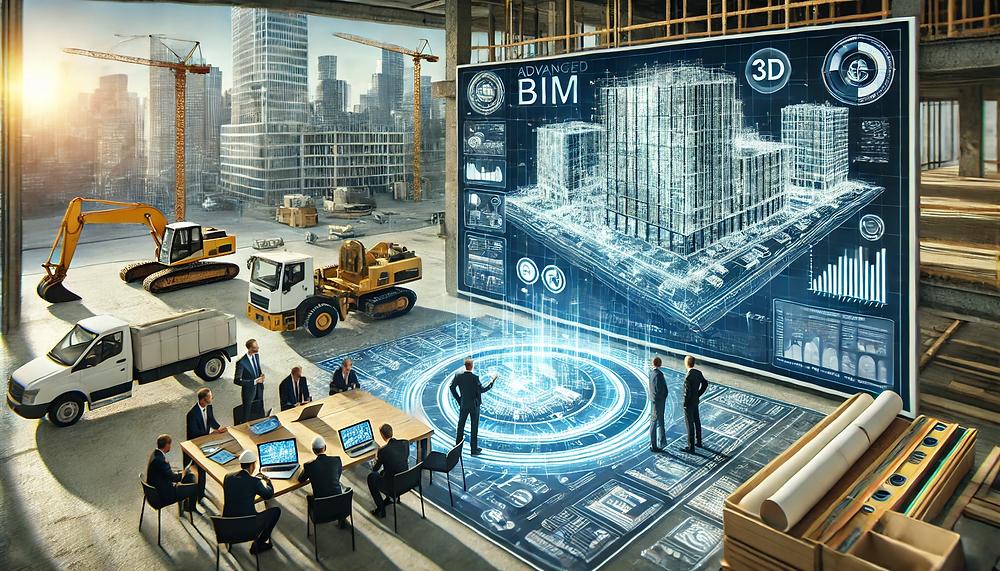
The Old Way vs. The Digital Leap: An Introduction
For hundreds of years, the building industry used two-dimensional blueprints, which were a stack of paper drawings that had to be read and cross-referenced by hand all the time. This old-fashioned method was based on a lot of different parts, which made it expensive and easy to make mistakes. Every modification meant amending a lot of documentation, and problems weren’t usually found until workers were on site, which caused costly delays and wasted materials.
The architecture, engineering, and construction (AEC) business is under a lot of stress right now. Projects need to be done faster, cheaper, and, most importantly, in a way that is better for the environment. Building Information Modeling (BIM) is what will drive the change we need to make in how we build to meet this problem.
BIM is more than just software; it’s a way of working together that replaces separate drawings with a smart, shared, three-dimensional digital model of a building. BIM doesn’t only make projects better; it changes the whole life cycle of a building, from design to demolition, by turning separate papers into a single digital information hub.

(6) Advancements in BIM: Empowering Collaboration and Streamlining Construction Projects | LinkedIn //Source: licdn.com
What is BIM? A Smart Digital Twin
Building Information Modeling (BIM) is a method that uses different tools and technology to make and maintain digital copies of the physical and functional features of places.
This method makes a “digital twin,” which is a central place where all project stakeholders (architects, engineers, contractors, and owners) may access and add to information about the building throughout its existence.
Not Just a 3D Model
The “I” in BIM is very important since it stands for Information. A basic 3D model depicts shape and how things seem; a BIM model puts data into every object. In a BIM model, a virtual wall isn’t just a surface that has been generated; it’s an object with specific characteristics, such as fire rating, insulation R-value, material cost, manufacturer, and links to the building schedule.
This data-rich setting makes it possible to do extensive analyses and simulations that weren’t conceivable before. This makes the design process more predictive than reactive.
The Power of BIM
The real advantage of BIM is that it gives project teams extraordinary clarity, control, and foresight. This is when BIM goes from being a tool to a truly new way of working.
The Power of Working Together: A Single Source of Truth
BIM is a tool that is meant to be used by many people. It works in a shared data environment, which makes sure that everyone in the team, from the HVAC specialist to the structural engineer, is using the same, most up-to-date model.
This one source of truth takes away the need for guesswork and lowers the chance of mistakes that happen when various fields employ old designs. It makes communication easier, changing a procedure that is usually broken up and done in steps into a dynamic, integrated workflow. This teamwork, in turn, makes the team feel better and work faster.
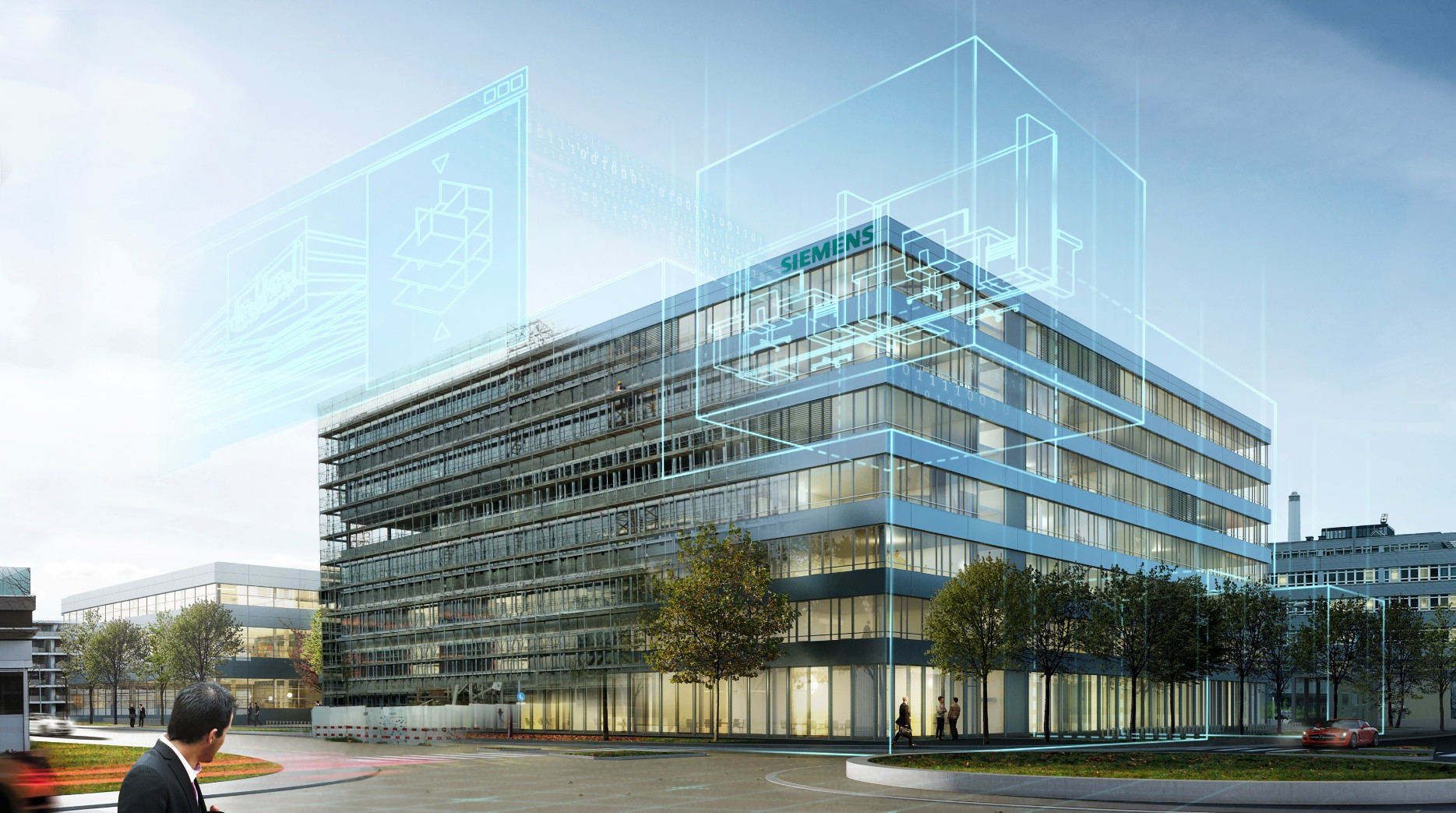
Siemens y el modelo digital BIM. FOTO: Siemens
Better visualization and analysis: from 3D to 7D
BIM goes well beyond only 3D geometry:
- 4D (Time): By connecting the parts of the 3D model to the building schedule, teams can see how the whole construction process will work, which helps them plan the best order and timing for each step.
- 5D (Cost): The model makes it easy to acquire automated quantity take-offs and cost estimates, which helps keep track of money and make sure budgets are accurate.
- 6D (Sustainability): Checking the building’s energy use, daylighting, and thermal qualities before construction starts.
- 7D (Facility Management): Giving the model’s value throughout the building’s operating life by giving asset data and maintenance schedules.
This study from many angles gives full oversight and lets everyone involved make decisions based on evidence at every level.
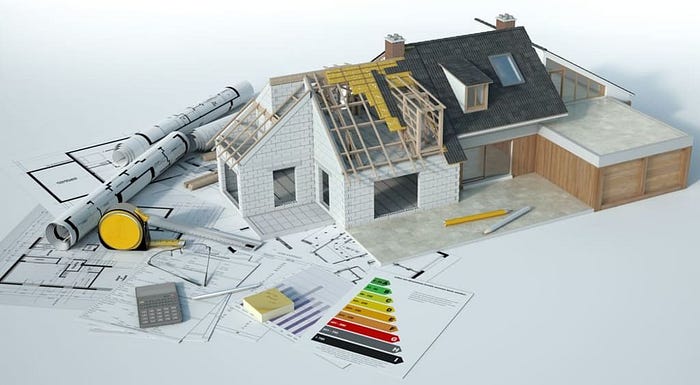
Why BIM for Residential Design and Construction? | by Matt Sharon | Medium
Clash Detection: Finding Conflicts and Reducing Risks
One of the best things about BIM is that it can find clashes. The software automatically shows when different building systems cross each other, like when a ventilation duct goes through a structural beam.
Finding these problems digitally during the design phase saves thousands of dollars and weeks of effort compared to finding them on the building site. This proactive risk management alters the mood of a project in a big way, lowering stress and raising professionalism.
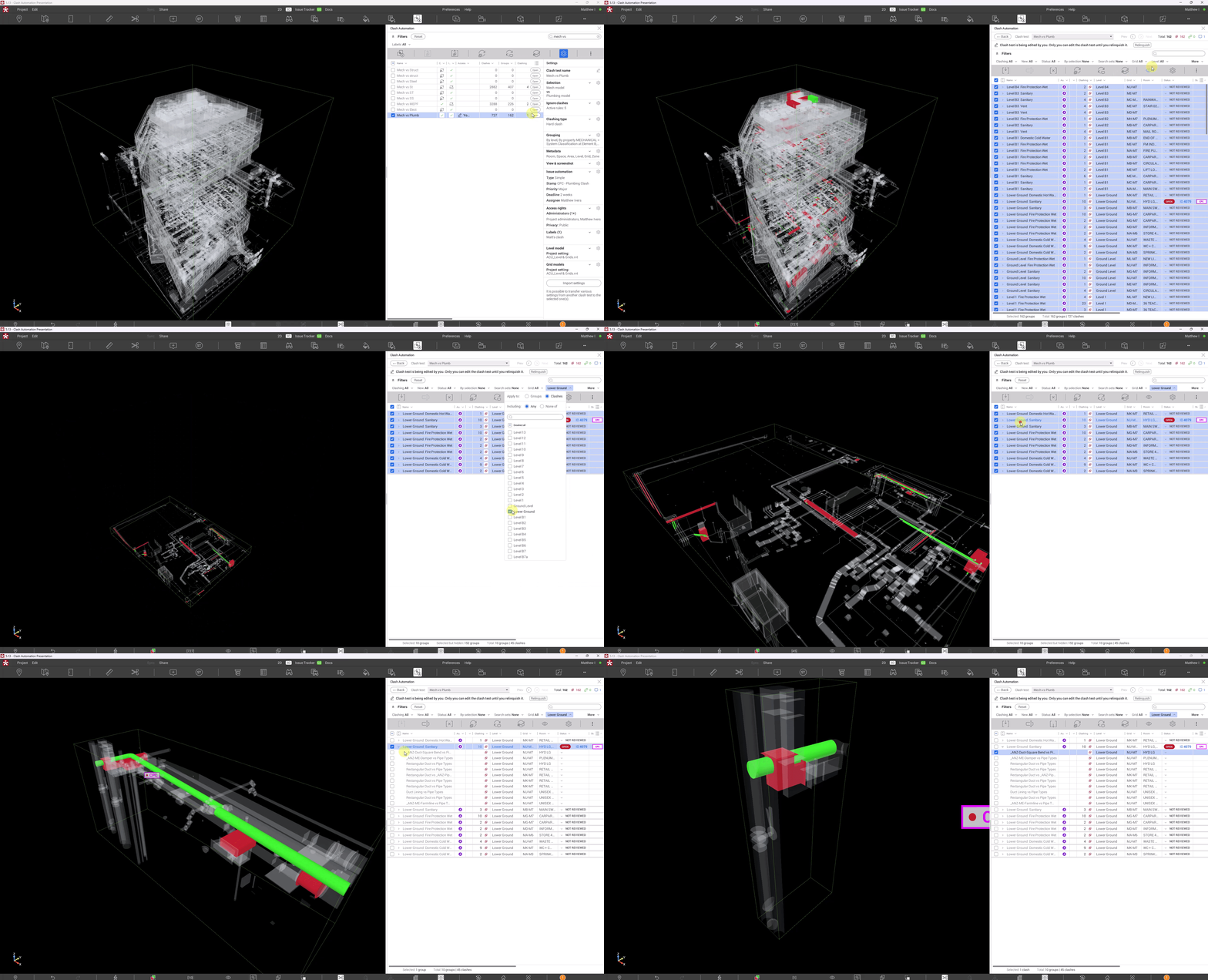
Why BIM for Residential Design and Construction? | by Matt Sharon | Medium
Sustainability and Lifecycle Management
BIM is a very important tool for the green architecture movement. The 6D dimension lets design teams undertake complicated energy simulations to test materials and systems to see how well they work. They can swiftly assess the costs and effects on the environment of several solutions, making sure that the final structure is both high-performing and truly long-lasting. Then, the owners get this information so they may better manage the facility over time.
How BIM is Changing the Way Buildings Are Built
The way BIM changes how buildings are built is nothing short of revolutionary. It makes it easier to move toward more modern and efficient building methods.
From Planning to Making
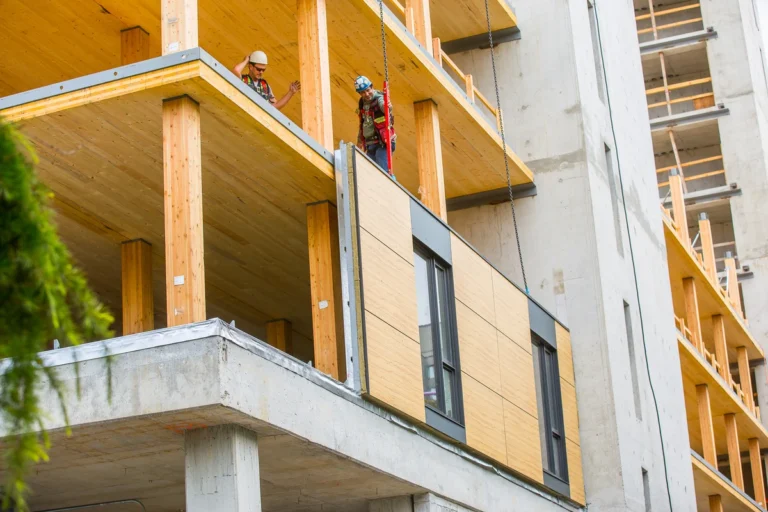
You can utilize BIM models directly to build anything off-site. CNC (Computer Numerical Control) equipment can use information from the model to make parts like steel beams, pipes, or curtain walls. This prefabrication cuts down on waste during building, makes quality control better, and speeds up the time it takes to build on site by a lot.
Lower Cost and Faster Project Completion
BIM always finishes projects faster and closer to their original budget by finding and fixing mistakes and making workflows easier by sharing data. This higher level of predictability is really helpful for investors and developers, and it builds trust in the sector as a whole.
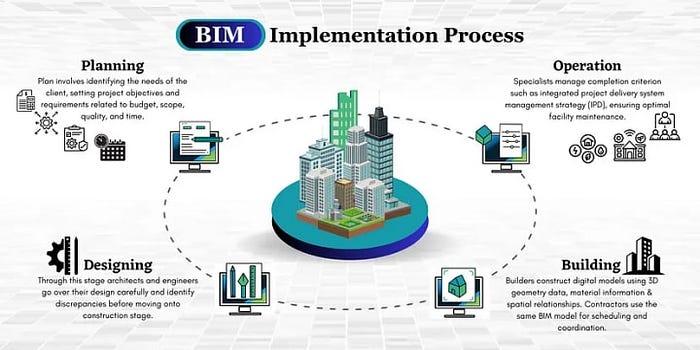
Why BIM for Residential Design and Construction? | by Matt Sharon | Medium
Conclusion: What You Should Do Next to Build
Building Information Modeling is no longer just an extra; it’s the most important part of modern design and construction. It is a strong tool that encourages a new way of working together, being open, and making decisions based on data.
Companies that switch to BIM are not merely changing their software; they are also making a strong commitment to better project delivery, less impact on the environment, and more efficiency. BIM gives designers the tools they need to build innovative, high-performing structures, and it changes the way those concepts are brought to life in a more efficient way. The only way to open up the future of the built environment is to embrace this digital leap.
For more blogs like this CLICK HERE!!
Reference:
The Future of BIM Across the Lifecycle: Overheard in the Big Room – Digital Builder