The Post-War Revolution: A New Way of Life
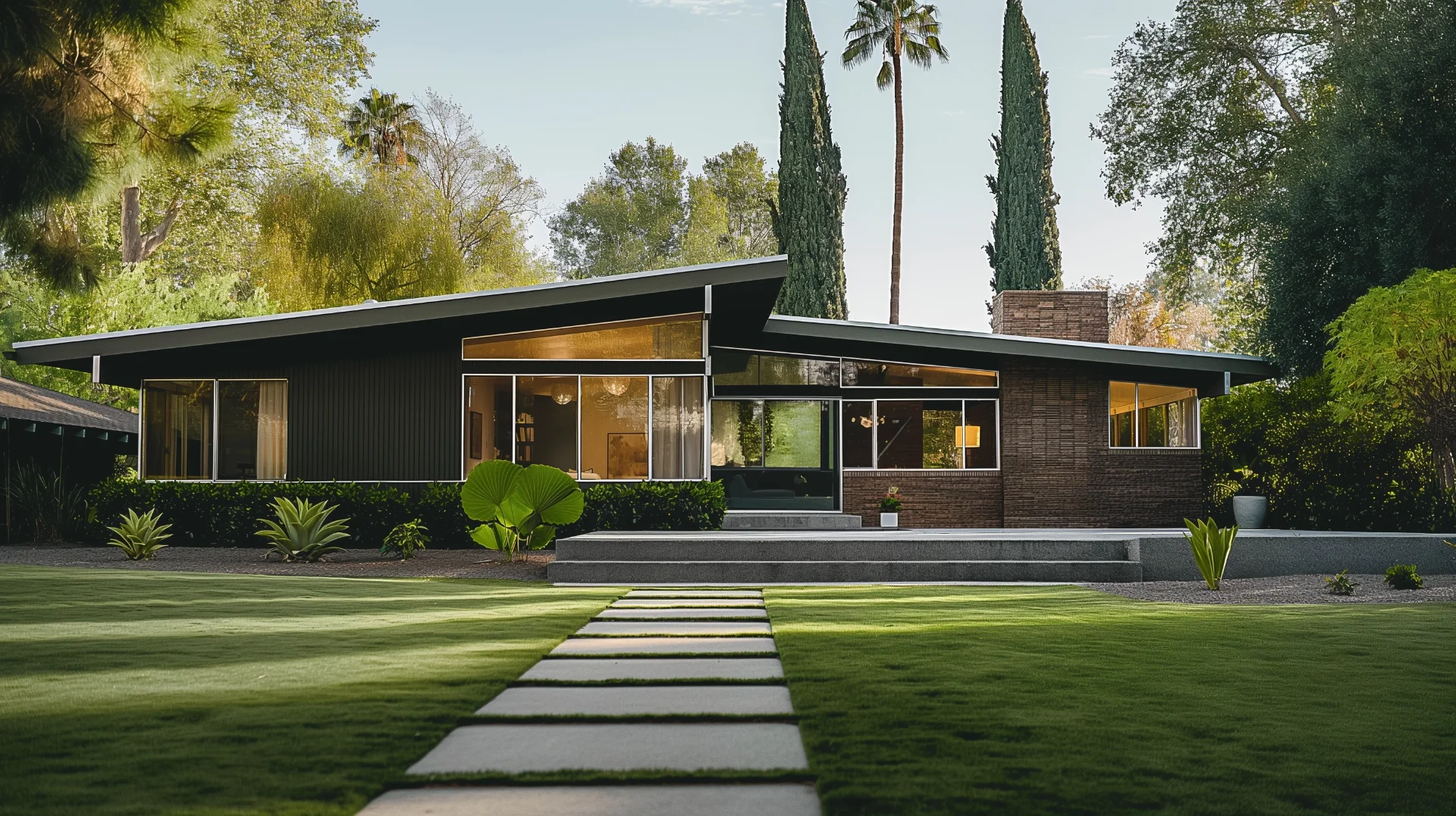
The Mid-Century Modern (MCM) style, which lasted from about 1945 to 1969, is more than just a passing trend; it’s an architectural movement that came out of a very important cultural era. After the problems of the Great Depression and World War II, America was filled with hope for the future, new technologies, and a strong desire for a better, simpler life.
MCM architecture responded that call. It wasn’t about fancy, complicated details or bringing back old styles; it was about making a home that worked for the family and was affordable. This style was appropriate for the growing middle class since it gave them sleek, well-designed homes that felt modern and linked to the land.
This way of thinking is what gives these homes their lasting appeal. They really are buildings made for a modern, laid-back manner of life.
The Design Philosophy—Life Comes First
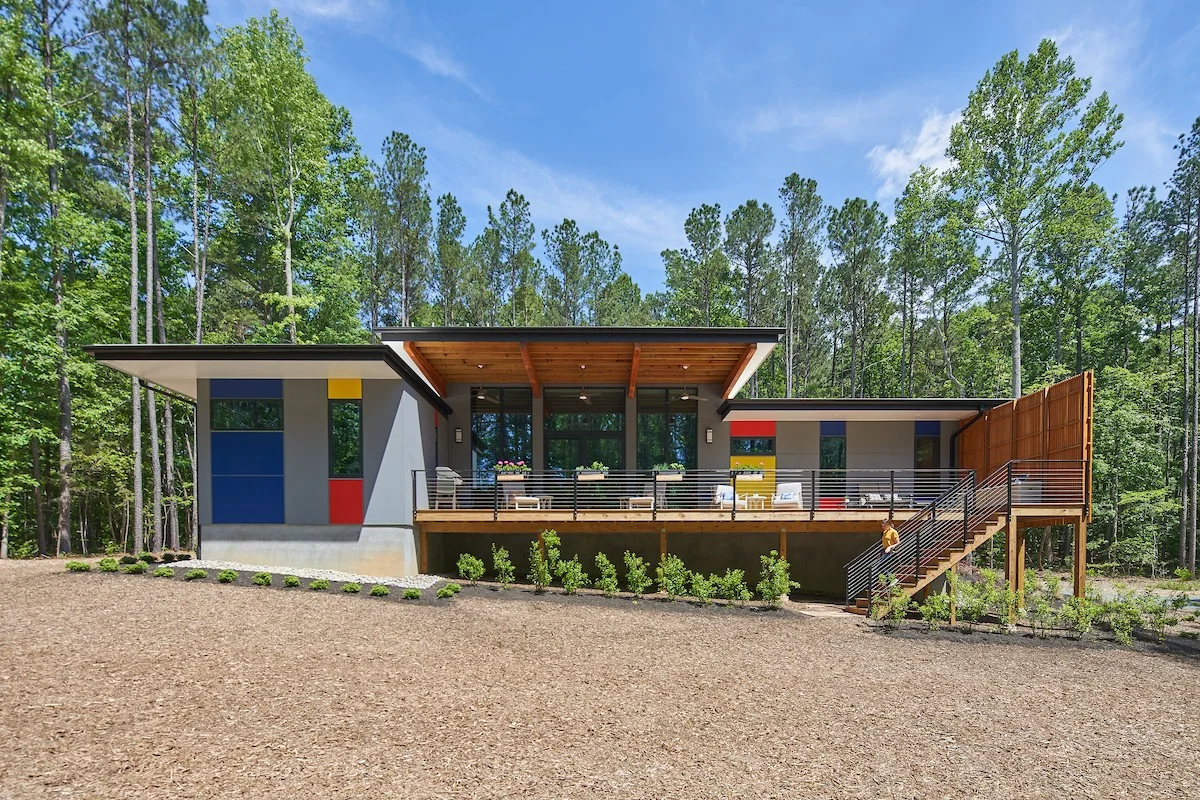
The origins of Mid-Century Modern are global. Walter Gropius and Ludwig Mies van der Rohe were two architects who left the war-torn Bauhaus school in Germany. They brought the innovative idea of “form follows function” to the United States.
These European styles mixed with the American way of thinking, especially Frank Lloyd Wright’s Usonian style, which promoted simple, well-made, and affordable dwellings for regular people. The outcome was architecture characterized by:
- Simplicity: a complete renunciation of decoration. Everything has a reason for being.
- Functionality: Open, adaptable areas made for modern family life and having fun.
Connection: A Smooth Fit with the Natural World
There are three main types of this style that are common in the U.S.: International (stucco, little detail), Contemporary (the most popular, with clean lines and natural materials), and Organic (blending in with the landscape, like the desert homes in Palm Springs).
Outside Features—Low, Wide, and Grounded
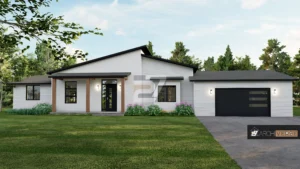
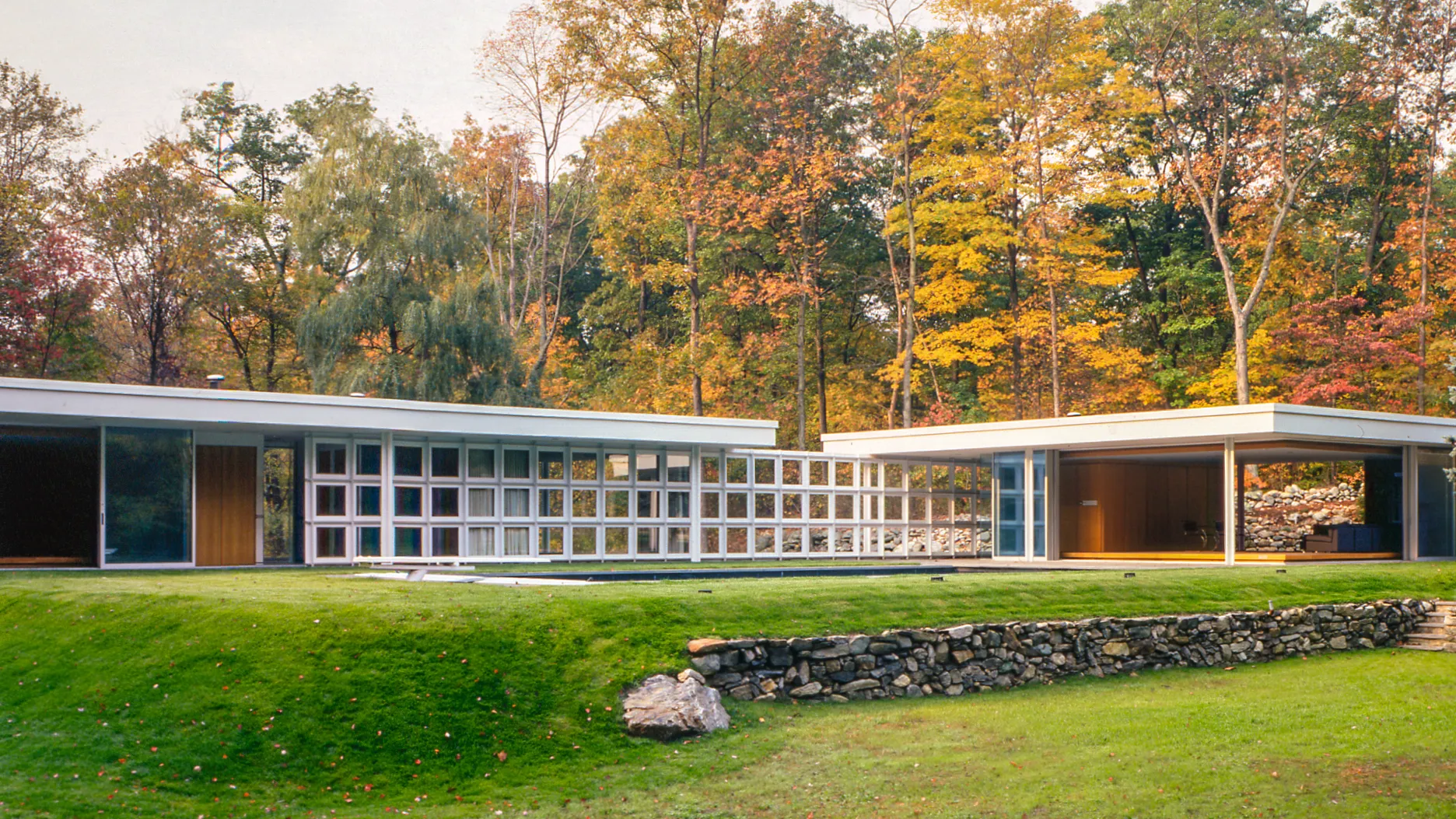
To find an MCM home, start by looking at how it sits on the ground. It like the horizontal, which suggests peace and stability.
The Roofline of the Signature
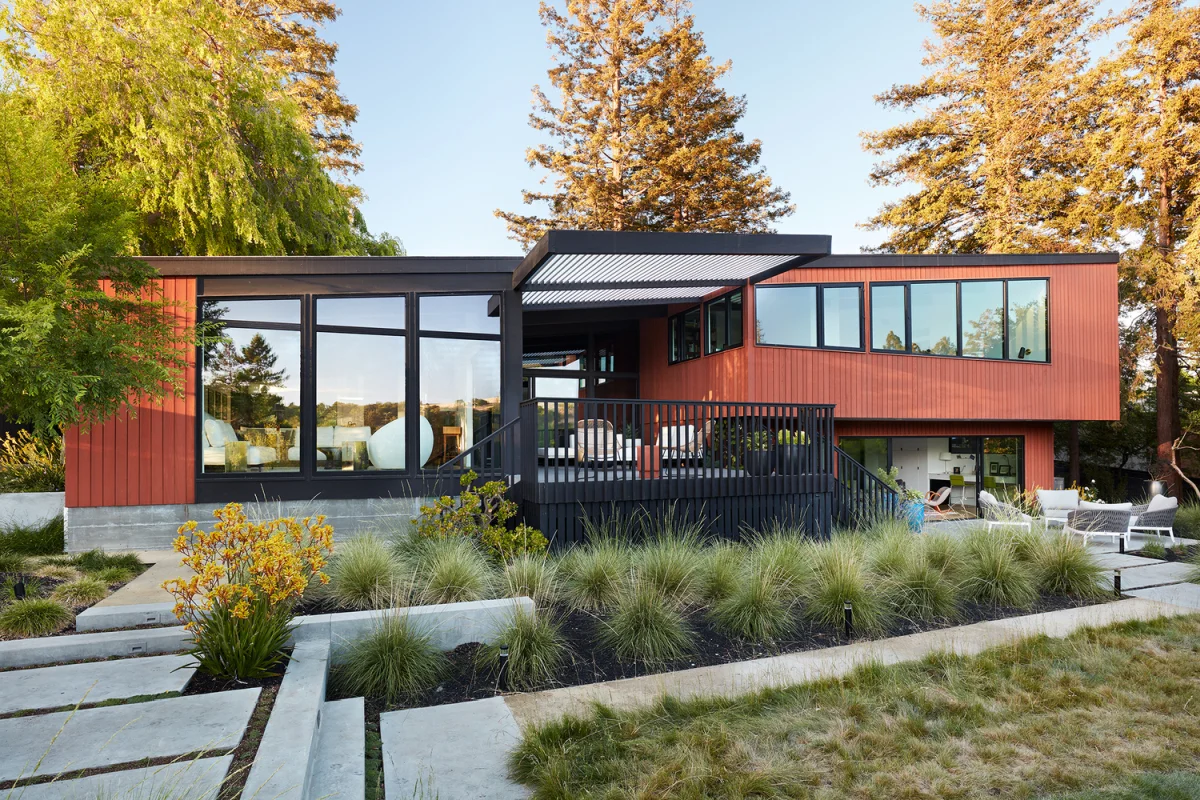
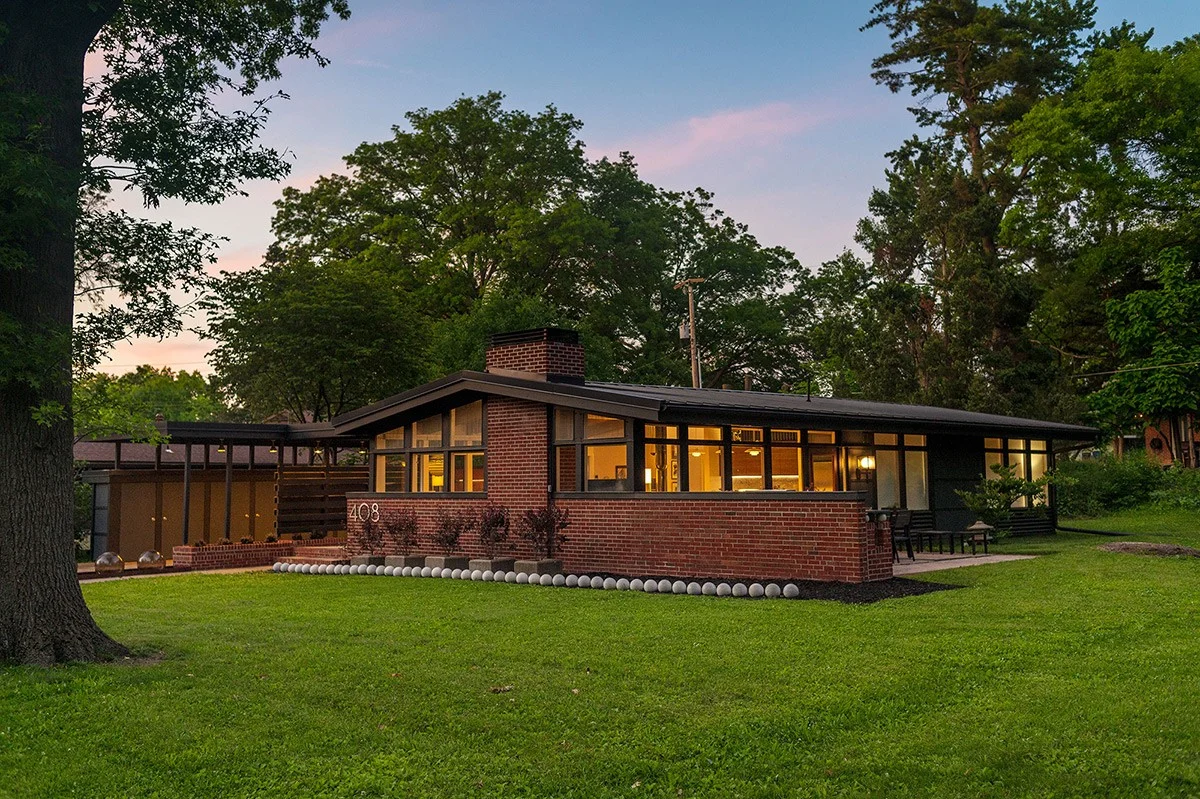
The roof is the first thing that comes to mind. MCM architecture doesn’t have steep summits. Instead, you will encounter roofs that are low-sloped, sometimes gabled or hipped, and occasionally absolutely flat. The deep, wide overhang of the eaves is an important detail since it protects the home from the sun (particularly in the Southwest) and makes the profile of the home look longer.
Geometry and Truthfulness in Materials
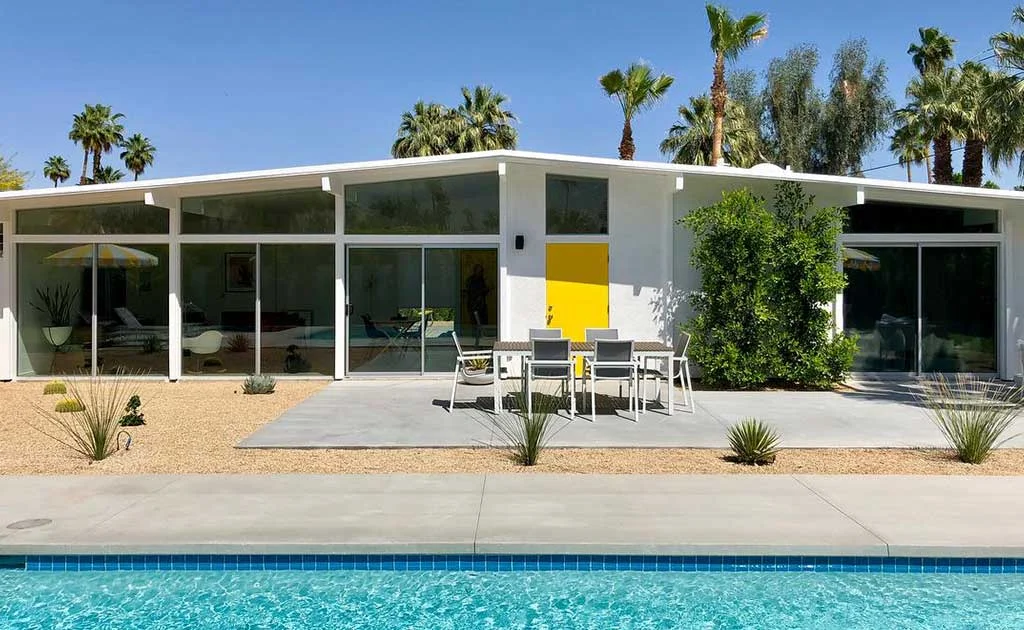
MCM dwellings are unapologetically geometric. They have crisp lines, rectangular shapes, and facades that aren’t symmetrical. The design doesn’t try to find the exact equilibrium; instead, it uses an artistic and functional arrangement of volumes.
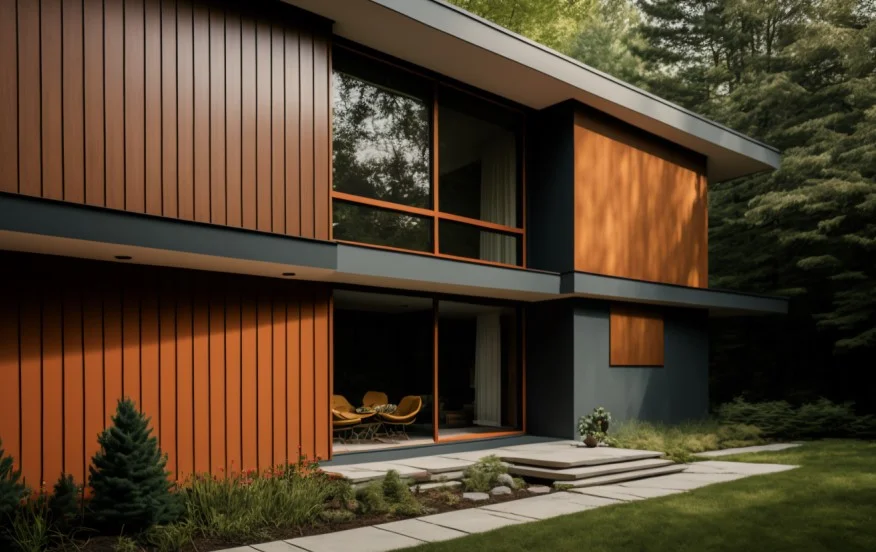
Also, the resources are used honestly. Instead than hiding brick or wood behind paint or stucco, the materials are often left out in the open to show off their inherent roughness. Search for:
- Wide boards of natural wood siding, usually cedar or redwood.
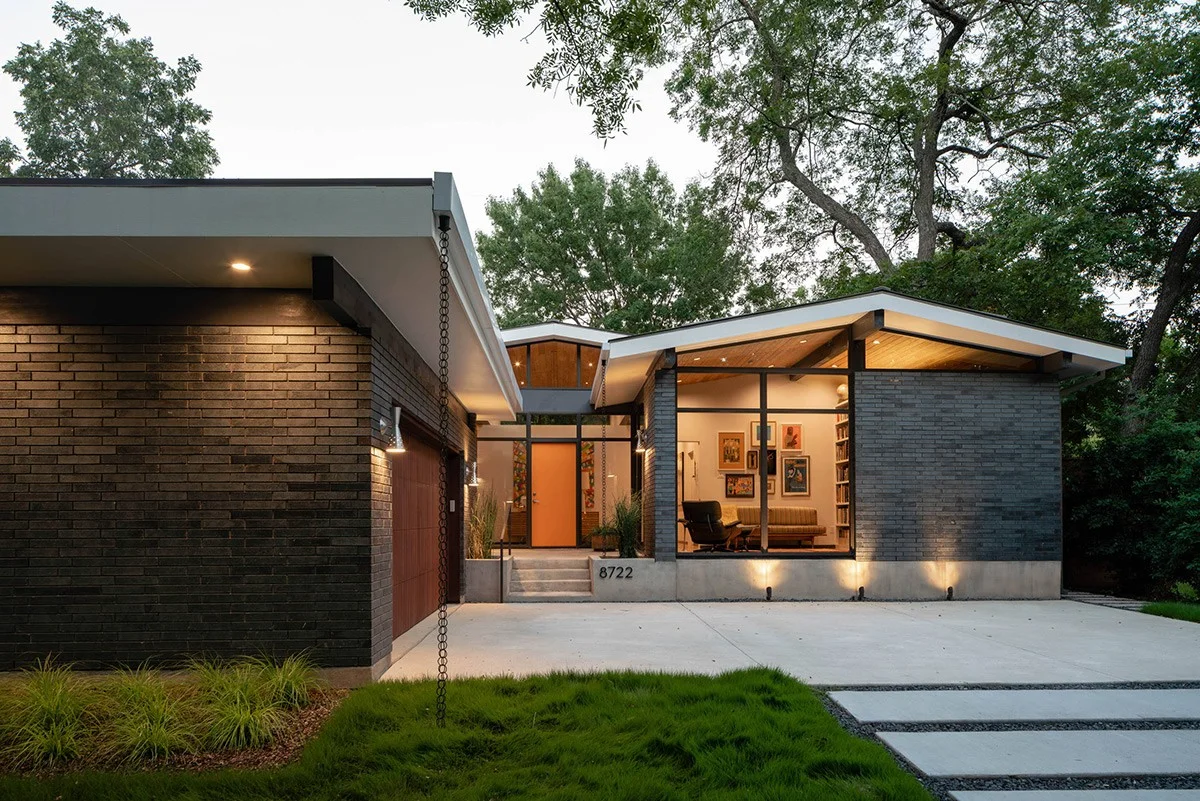
- Parts of the building that have exposed brick or natural stone.
- Beams or structural supports that are meant to be seen, both inside and outside.
Blurring the Lines—The Link Between Inside and Outside
The main idea behind Mid-Century Modern is to connect the home to nature. This is made possible by amazing transparency and smart use of space within.
Glass Walls
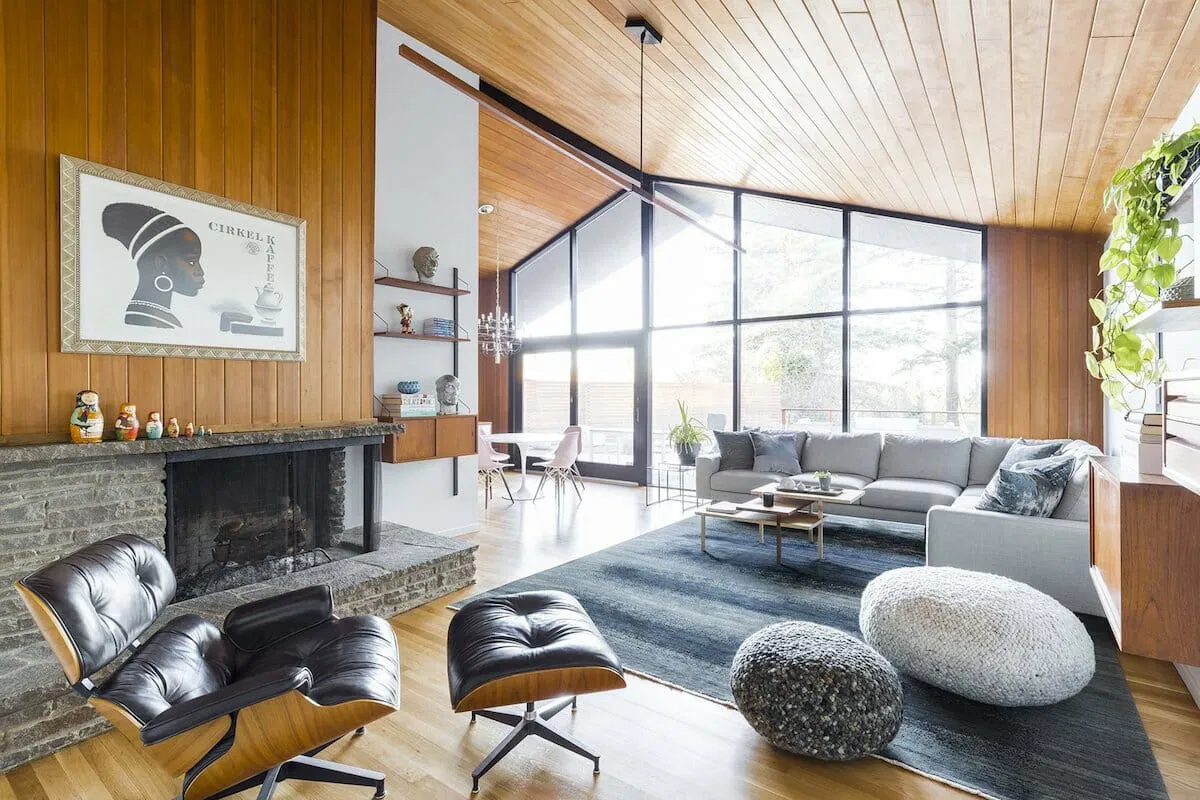
The huge glass parts of the architecture are what make it so famous. Sliding glass doors and floor-to-ceiling windows that go all the way across a room make the living space and the outside world feel like one. The vista is treated like art and is an important aspect of the decor.
Tip: Look for clerestory windows, which are tiny strips of glass set high on the wall, usually just below the roofline. They let in soft, indirect light without taking up wall space or privacy.
The Flow of the Interior Without Gaps
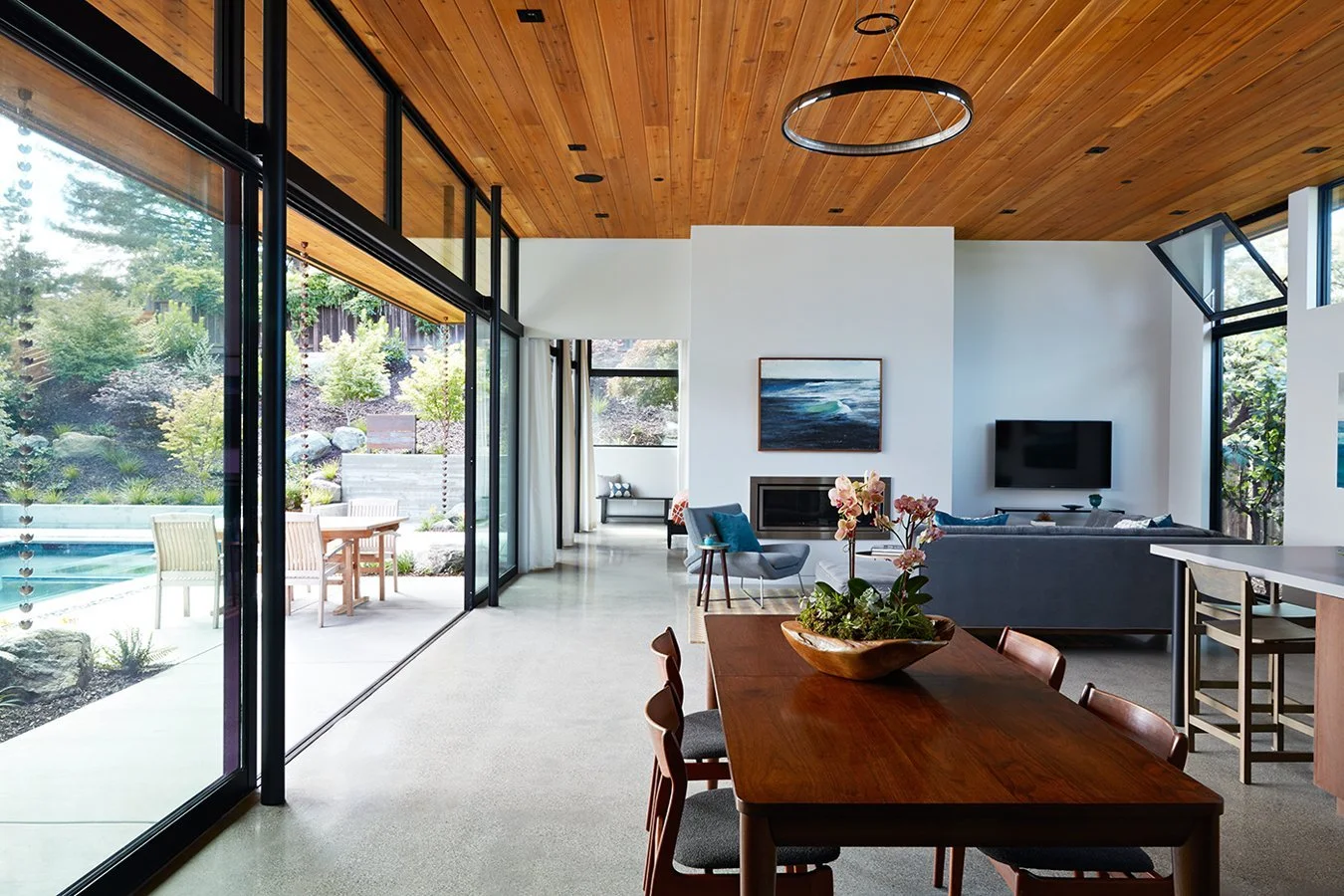
The old-fashioned, compartmentalized floor arrangement of prior residences was thrown out within. MCM was a big fan of the open floor plan, which lets the kitchen, dining area, and living room all flow into each other. This was a big step forward for getting people to interact with each other and with their families.
Architects also often played with changes in height. Split-level designs, sunken conversation pits (made famous by Eero Saarinen), and low half-walls lend depth to the space while keeping it open.
The Luminaries’ Legacy
If you want to talk about the Mid-Century Modern style, you have to talk about the people who made it popular and the places where it thrived.
Joseph Eichler, The Developer
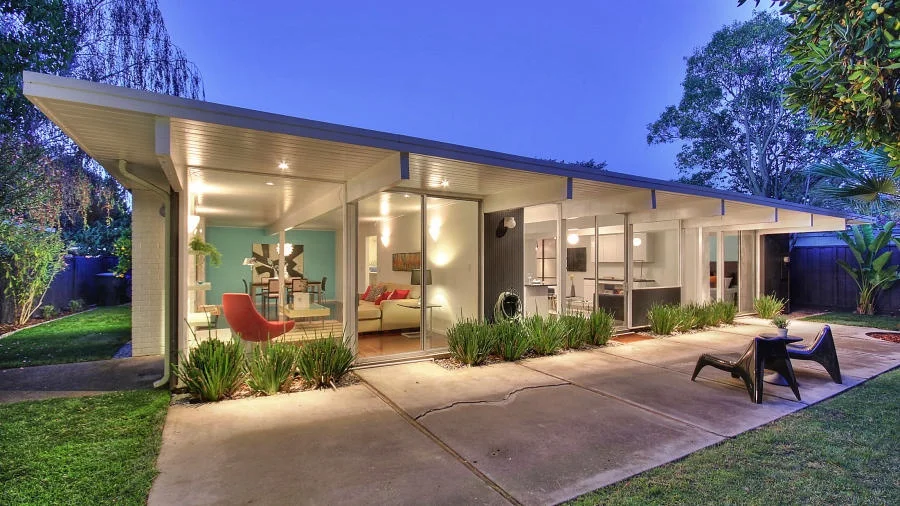
Joseph Eichler, a developer in California, played a big role in making contemporary design available to everyone. Eichler developed more than 10,000 homes with open-air atriums, exposed wood ceilings, and integrated indoor/outdoor living, all of which were inspired by Frank Lloyd Wright. Finding a “Eichler” is like finding a piece of MCM history that has been carefully preserved.
The California Modernists
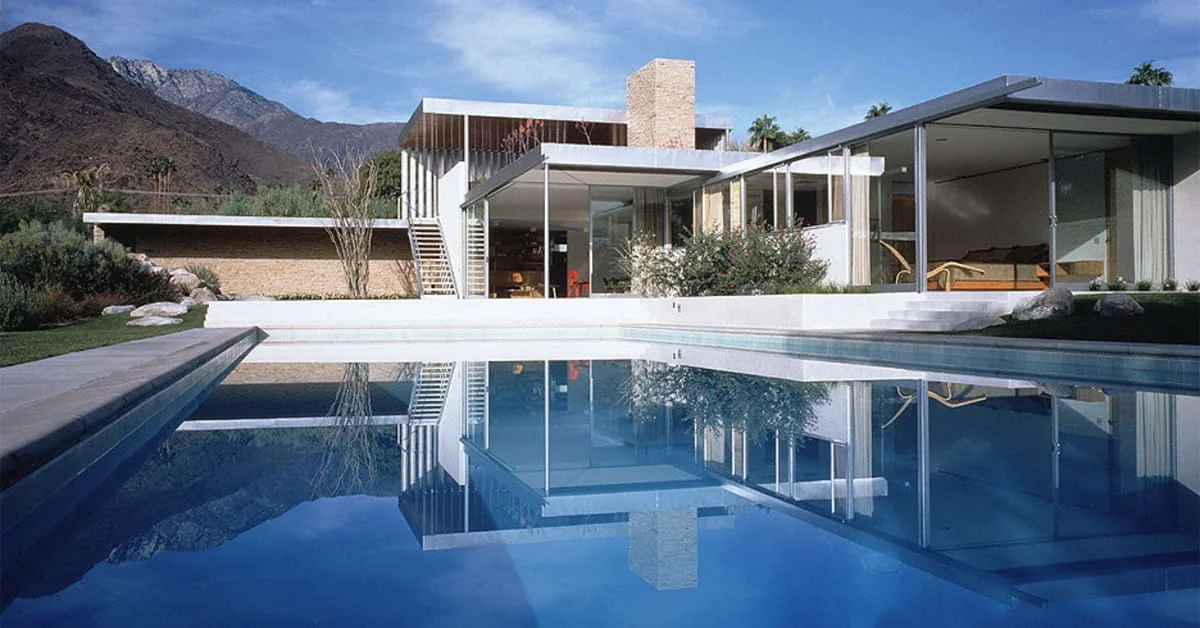
The West Coast, especially Southern California, became the heart of high-end MCM. Richard Neutra (who designed the Kaufmann House in Palm Springs) and Pierre Koenig (who designed the iconic Stahl House, Case Study House #22) exploited the spectacular settings to show off buildings made of glass and steel that looked like they were floating over the city.
Palm Springs, California, is still home to the largest number of completely preserved Mid-Century Modern residences. These homes were created as luxurious desert retreats that focused on clean lines and relaxing by the pool.
Why the Charm Lasts?
The Mid-Century Modern home is a great example of how to be elegant without being over the top. It showed that a house might be simple, quite useful, and a work of art that you live in. Its lasting appeal comes from its uncompromising honesty and its commitment to making life better through good design, which is still very important today.
Would you like to look for specific pieces of furniture that go wonderfully with the Mid-Century Modern style of architecture?
For more blogs like this CLICK HERE!!
Reference:
10 Mid-Century Modern Homes to Visit in the U.S – Mid Century Home