The Climate Imperative: Why Building Needs to Change
The building and construction industry is a huge part of the world economy. It uses a lot of energy and releases more than a third of the world’s greenhouse gas (GHG) emissions connected to energy. This is a glaring contradiction: the places we live and work are key causes of the climatic problems we face.
But things are changing in a big manner.
Green Building Technology is not simply a trend in the industry; it is a must-have that will save utility costs, prevent harm to the environment, and, most importantly, make places healthier and more resilient for future generations. The main goal of this movement is to protect our future by changing the places we live.
The Materials Revolution: Making Things Better, Not Just Bigger
About 11% of global emissions come from the materials used in construction, which are known as embodied carbon. Most of these emissions come from making cement and steel. Modern green technology is dealing with this at the source by using materials that store carbon, are recycled, and can be quickly renewed.
Mass Timber: A Building Material That Stores Carbon
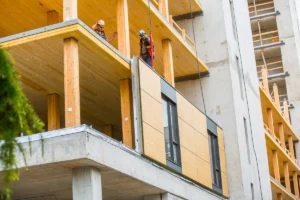
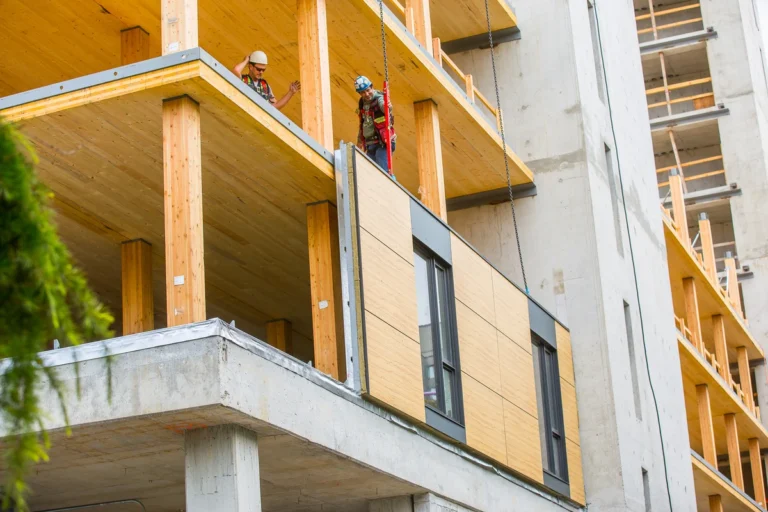
The rise of Mass Timber building, especially Cross-Laminated Timber (CLT), is probably the most obvious development in the city. CLT is a type of engineered wood that is more lighter and easier to put together than concrete, yet it has the same structural strength.
What is the main benefit for the environment? During their lives, trees take in and store carbon dioxide. We effectively lock carbon away in our buildings by using mass lumber from forests that are managed in a way that is good for the environment. This cuts down on the carbon footprint compared to using regular materials.

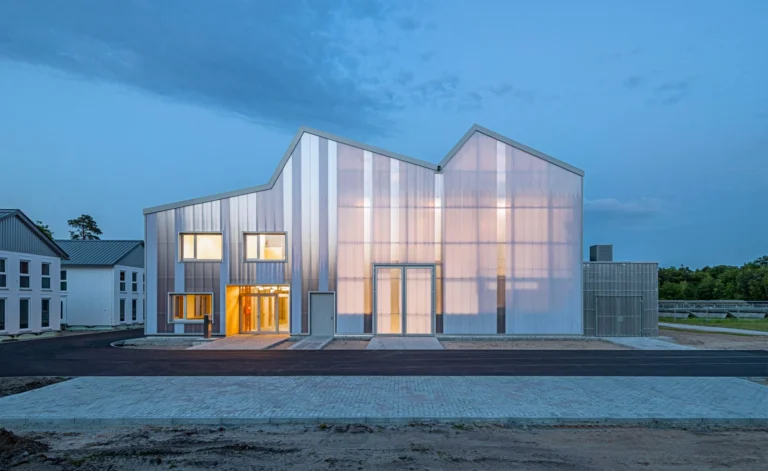
CLT Passive House Demonstration Project
Concrete That Heals Itself and is Carbon-Negative
Concrete has traditionally been the industry’s most important part, even though it uses a lot of carbon. New technologies are making options that either mend themselves or take in carbon.
Self-healing concrete has specific chemicals or bacteria that are trapped inside it. When they come into touch with air and water, they automatically fix micro-cracks, which greatly extends the life of buildings and cuts down on the need for maintenance. Ferrock and other alternative cements are also becoming more popular. These cements are carbon-negative, meaning they take up more CO₂ than they give off during the curing process. This is absolutely groundbreaking research that turns concrete from an enemy of the environment into a friend.

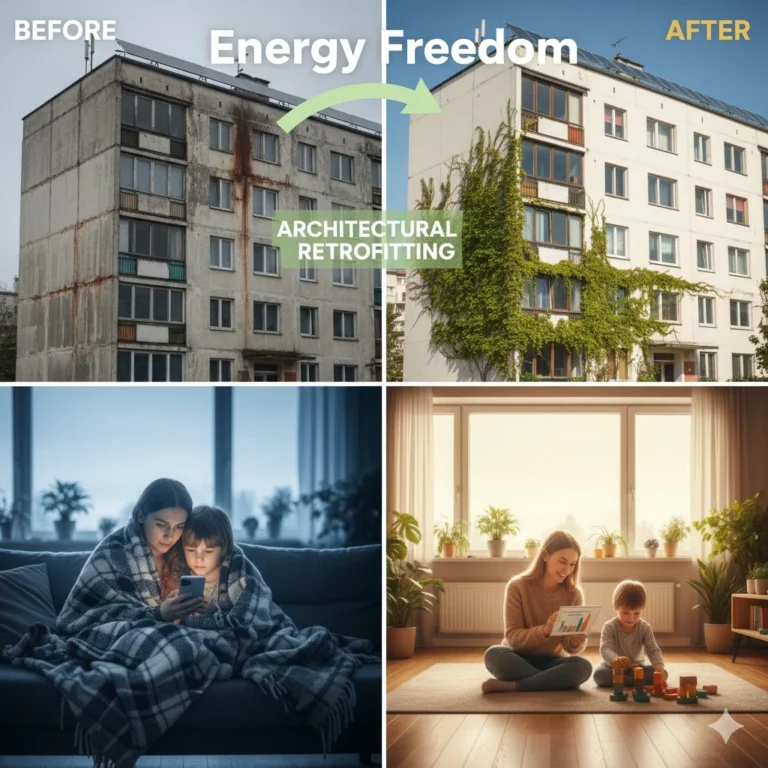
Green Building Afghanistan: Sustainable Future Of Architecture
The Digital Guardian: AI And Systems That Don’t Need Any Energy
The biggest impact on the environment from this industry comes from the energy consumed to heat, cool, and light buildings. Advanced digital technologies are the answer.
Smart Sensors And AI That Can Make Predictions
Smart Building Technologies use Internet of Things (IoT) sensors and Artificial Intelligence (AI) to cut down on energy use in real time. AI platforms don’t just run HVAC systems passively; they learn how people use the space, predict changes in the weather outside, and change the temperature and lighting automatically, making sure that energy is never wasted.
For instance, an office building can use AI to turn off the lights and lower the temperature in a conference room as soon as the IoT sensors show that it is vacant. This can greatly improve the efficiency of the building’s operations.

The Net-Zero Energy Law
The Net-Zero Energy Building (NZEB) is the ultimate ambition for many builders. It is a building that makes as much renewable energy on-site (usually from solar panels or geothermal systems) as it uses each year.
These buildings are the best at protecting the climate because they use smart tech, high-performance insulation, and efficient HVAC. As technology like Electrochromic Glass, which changes the color of windows to reduce glare and solar heat gain, continue to improve, it becomes easier for more types of projects to reach NZEB goals.

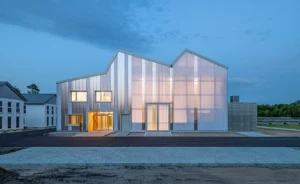
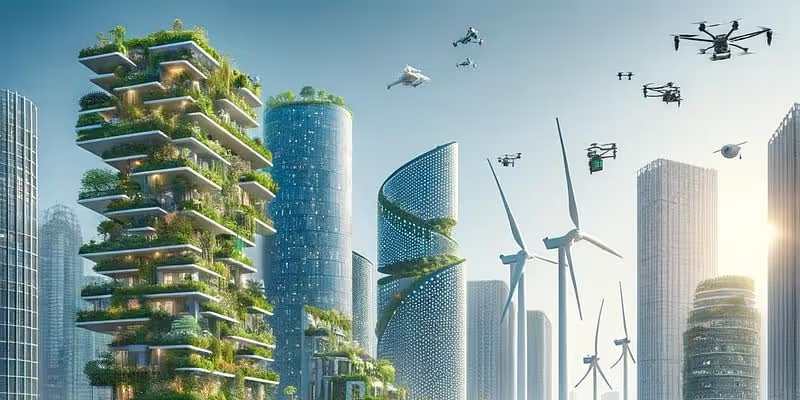
Green building towards net zero
Designing for Life: Health, Water, and Happiness
Green building technology isn’t just about climate change; it’s also about making people healthier and the environment stronger. This is where the emotional and emotive significance of green tech really shows.
Biophilic Design: Bringing Nature Back into Your Life
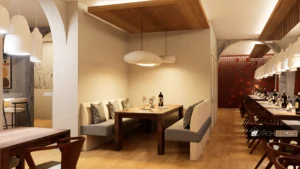
Biophilic design is all about making people feel connected to nature. Studies have shown time and time again that adding natural features, such getting as much natural light as possible, using natural shapes, and adding plants (like green roofs and vertical gardens), will help you focus, feel better, and be healthier overall.
For example, green roofs are a technology that benefits everyone. They help cool cities by minimizing the urban heat island effect, improving air quality, providing homes for city animals, and providing important natural insulation. This makes AI-powered systems less necessary for cooling.
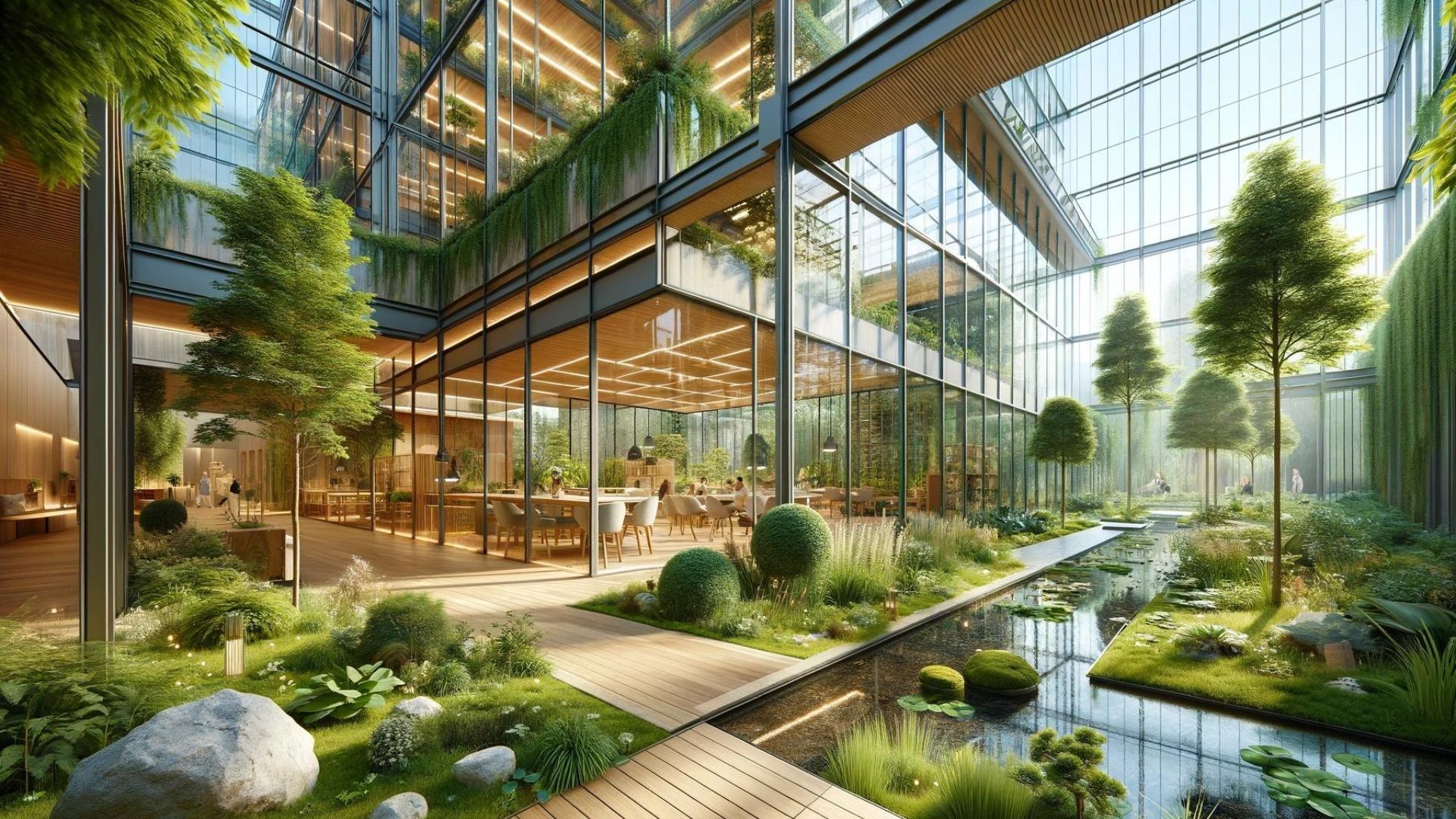
biophilic architecture: a harmony of nature and design
Taking Care Of Water And Recycling Greywater
As water becomes harder to get around the world, green technology directly addresses conservation. Greywater recycling is an example of an advanced water management system. It collects spent water from sinks and showers, treats it on-site, and then uses it for things like flushing toilets or watering plants.
These closed-loop technologies, together with collecting rainwater, make it much easier on local water sources. It’s a great illustration of how localized technology is protecting a valuable resource for the whole world.

The Future is Circular: Waste Becomes a Resource
The idea of the Circular Economy is the most revolutionary thing that green building technology has to offer.
This change means that building is no longer based on the linear “take-make-dispose” concept. Instead, new technologies are encouraging the reuse and recycling of building materials. These include advanced Building Information Modeling (BIM) software that keeps account of every material component and modular construction methods. Parts are made so that they can be taken apart, which means that when a building is no longer needed, its materials can be used again.
Green building technology is more than just an update; it changes the way we think about building, making it strong, responsible, and naturally healing. We are actively and visibly protecting a healthier, more sustainable tomorrow by accepting these revolutionary changes today.
For more content like this CLICK HERE!!
Reference
The Green Revolution: How Smart Buildings Are Reducing Carbon Footprints
green-building-technologies-engineering-sustainable-architecture-for-the-future.pdf