A Defining Chapter in American Design
Have you ever seen an antique building, like a big old home or a stately university hall, that seems to have a perfect sense of balance? You are seeing the deep and often understated beauty of Georgian Architecture USA.
The style was quite popular in the American colonies from the early 1700s until the Revolutionary War. It’s more than simply a historical footnote. This is a very important chapter in American design history. It shows how dwellings and public buildings went from being simple and useful to becoming more sophisticated, organized, and prosperous. It’s a classic style based on arithmetic that people enjoy because it seems so welcome.
This architectural beauty that lasts gives you an instant sense of peace. The Georgian style is still popular for new buildings today because it lasts, unlike many other styles that come and go. This is why it still defines some of America’s most prominent landmarks.
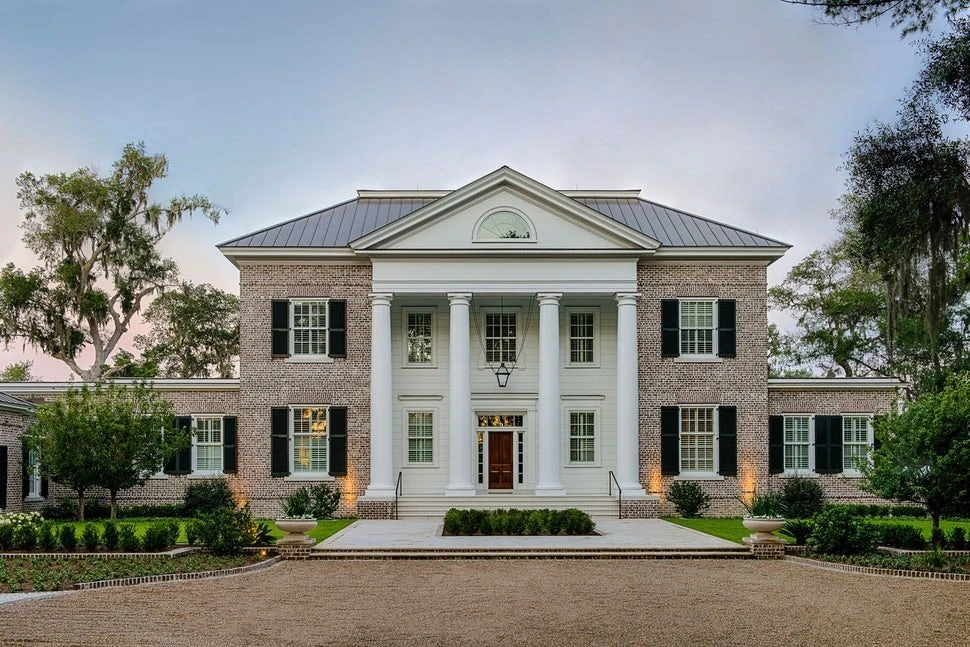
The Plan of Order: From Rome to the Colonies
Georgian architecture didn’t come from Britain; it came from ancient Greece and Rome. The Italian master Andrea Palladio brought back its ideas throughout the Renaissance. Palladio’s work stressed harmony, rigid standards of proportion, and symmetry. These were viewed as the highest forms of reason and classical wisdom.
The style was at its best in Britain during the reigns of the four King Georges (1714–1830), which is how it got its name. As the American colonies grew up and their economies grew, rich merchants and landowners tried to copy the latest English styles. “Pattern books,” which were architectural manuals that crossed the Atlantic, brought the style to America. They gave colonial architects the exact measurements they needed to make beautiful, formal buildings.
During the Enlightenment, the Georgian style’s structured logic really spoke to the rising American elite. It wasn’t just a construction effort to build a Georgian house; it was a public statement of one’s commitment to reason, order, and good taste. This ideology set the stage for an architectural style that would define the nascent country’s look.
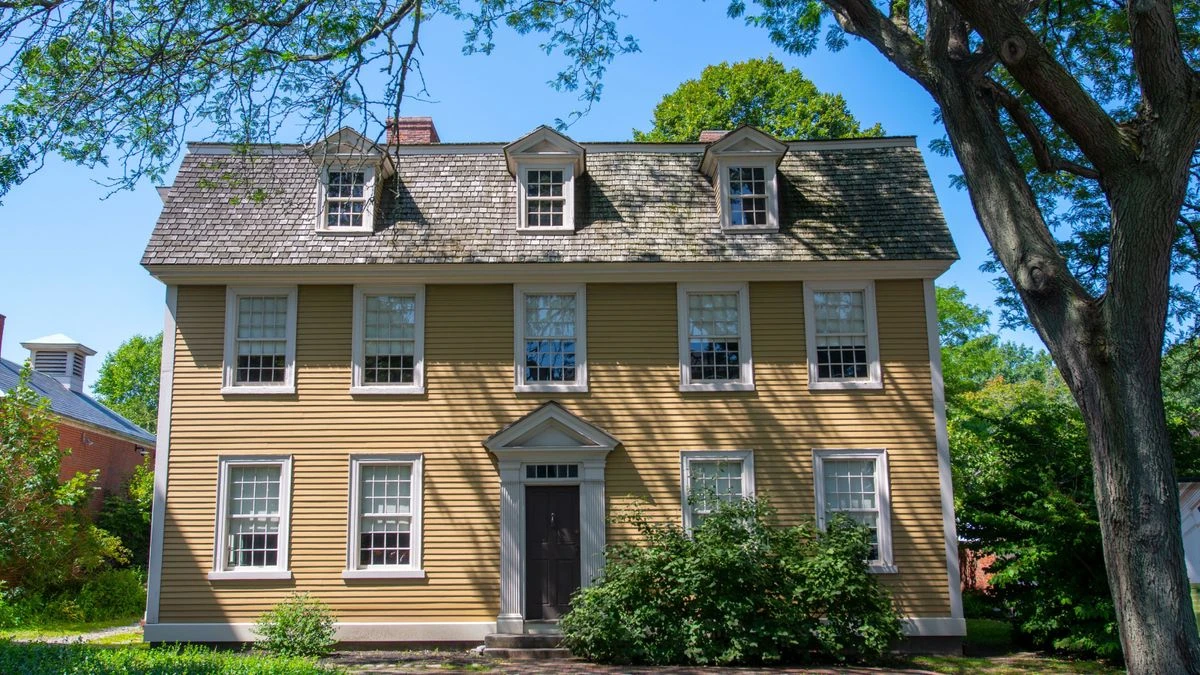
The Geometry of Grandeur: Important Outside Features
The strength of Georgian design comes from how rigid and nearly mathematical it is. Every part is meticulously adjusted to make sure that the facade looks good as a whole, making it a great example of balance.

The Five-Bay Facade: Symmetry and Proportion
The precise symmetry of Georgian architecture is what makes it so special. If you drew a line down the middle of the building, everything on the left would be the same as everything on the right.
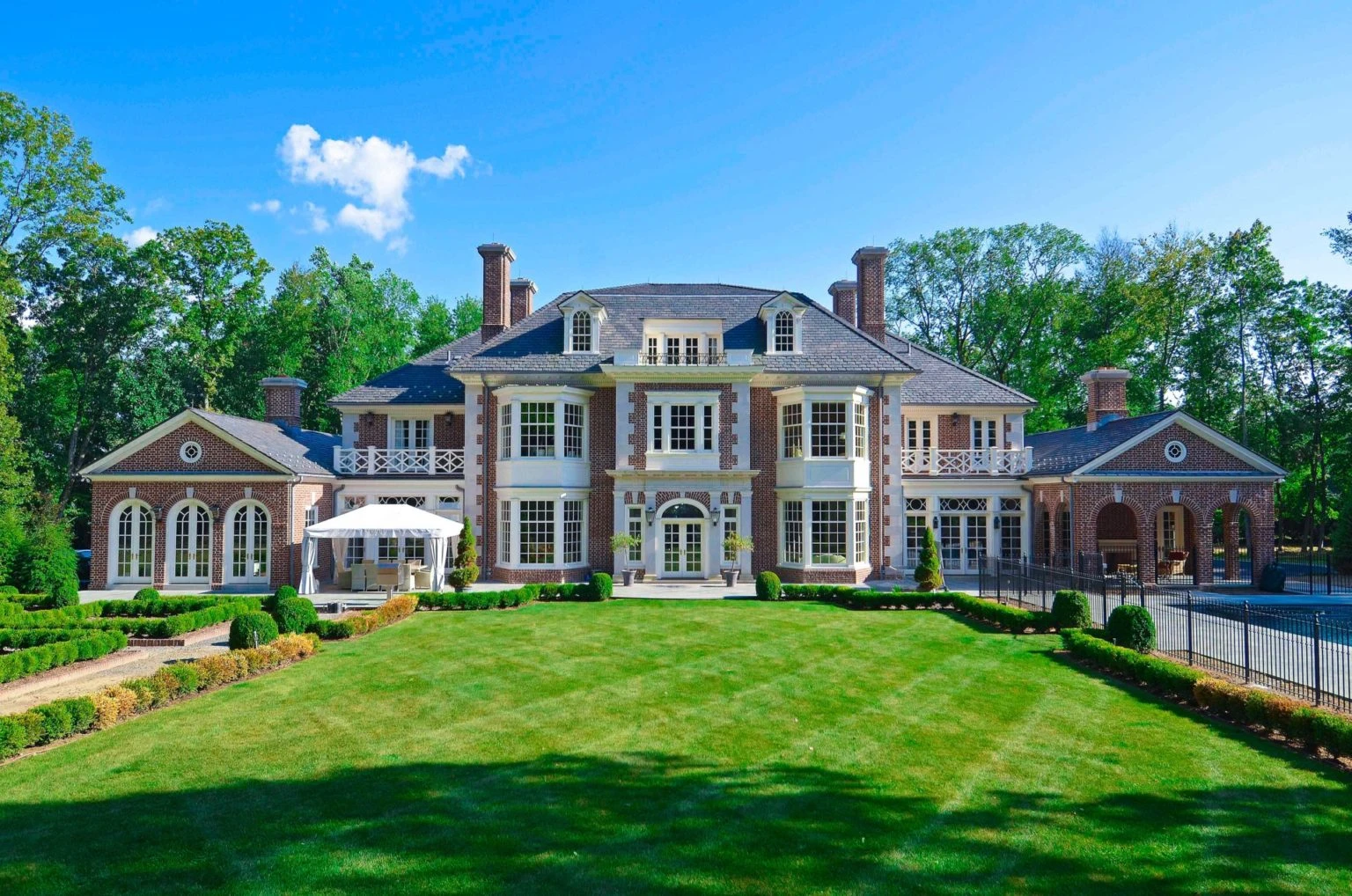
A typical detached Georgian house has a five-bay facade. The front wall is split into five vertical portions by regularly spaced windows, with the main entrance in the middle. The front door is the main focus because it is in the middle, and it generally leads to a central corridor that divides the home in half. This dedication to proportion gives the homes a solid, dependable, and wonderfully put-together look.

The Kiss of Light and Brickwork
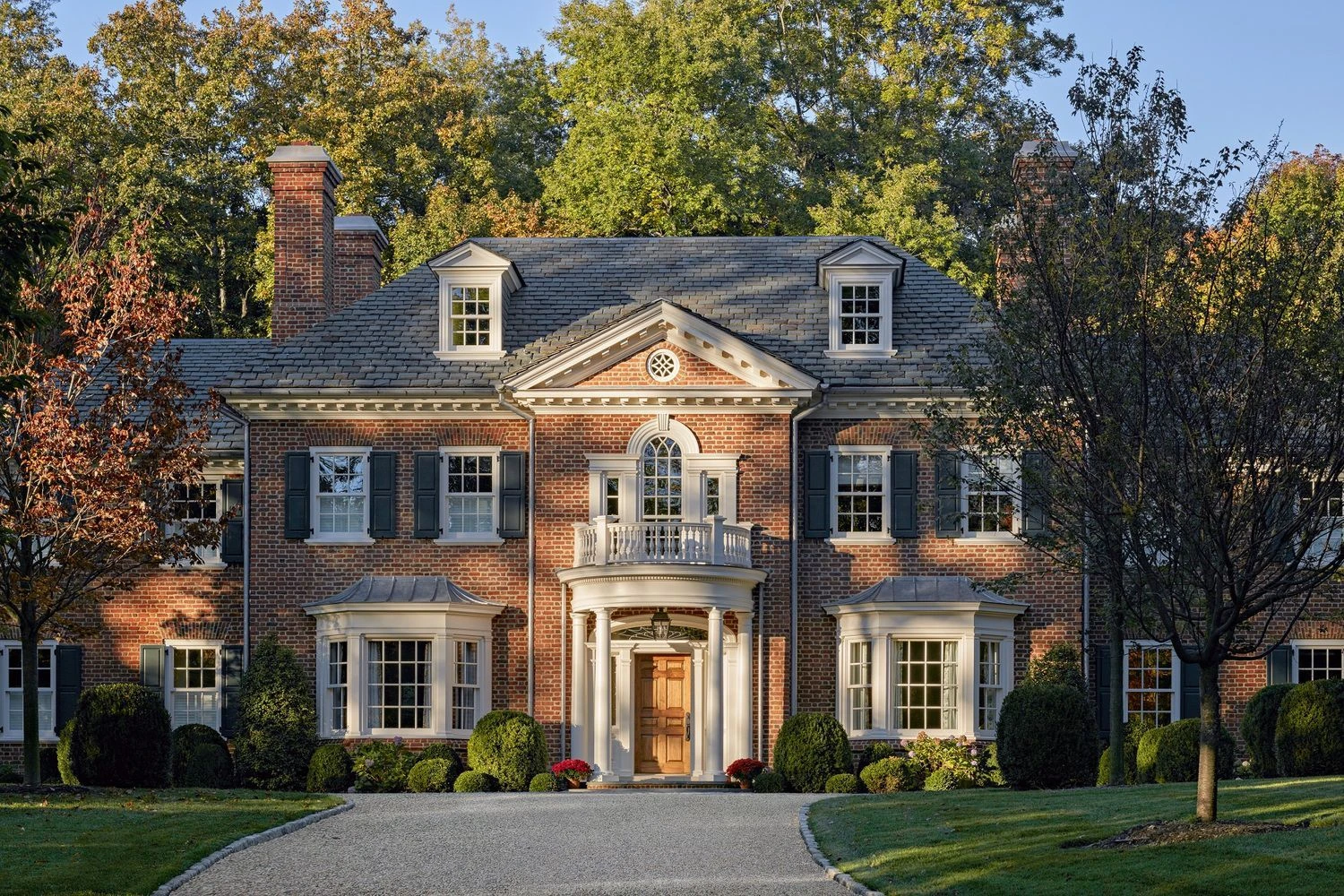
The most famous Georgian homes in the US were built with strong, deep red brick that was often set in a Flemish bond pattern. White mortar and trim made a stark, elegant contrast. The fact that the owner used permanent, high-quality materials said a lot about their status and the fact that the building was meant to last.
Another important part is the windows. Traditionally, these are tall, rectangular sash windows with wooden muntins that separate them into many little panes of glass (usually six panes over six). These multi-pane windows are perfectly lined up, both horizontally and vertically, to add to the style’s orderly grid.
The fanlight, a magnificent window that is usually semi-circular, is virtually always above the main door. This delicate piece of glass is framed by classical elements like pilasters or columns. It serves as a decorative crown and lets in a lot of natural light, which is a great example of function meeting style.
Going Inside: Colonial Elegance
Inside a Georgian home, the focus on order stays the same. The interiors were made for formal, separate living, which is very different from the open-plan layouts we have now.
Most of the time, the rooms are boxy and placed in a symmetrical way around the central stair hall. The high ceilings, especially on the main floor, give the room a lot of space right away. The decorations are lavish but not too much, with a concentration on high-quality craftsmanship in the details.
Look for ornate crown molding, wainscoting, and big, intricate fireplace mantels that are often the room’s main feature. The highly carved wood and plasterwork on these inside features give off a strong sense of affluence and good taste.
The layout was meant to keep social and private life separate. For example, formal reception rooms and eating areas were usually on the main floor, while bedrooms were on the higher floors. This made it easy to tell the difference between public ceremonial and private sanctuary.
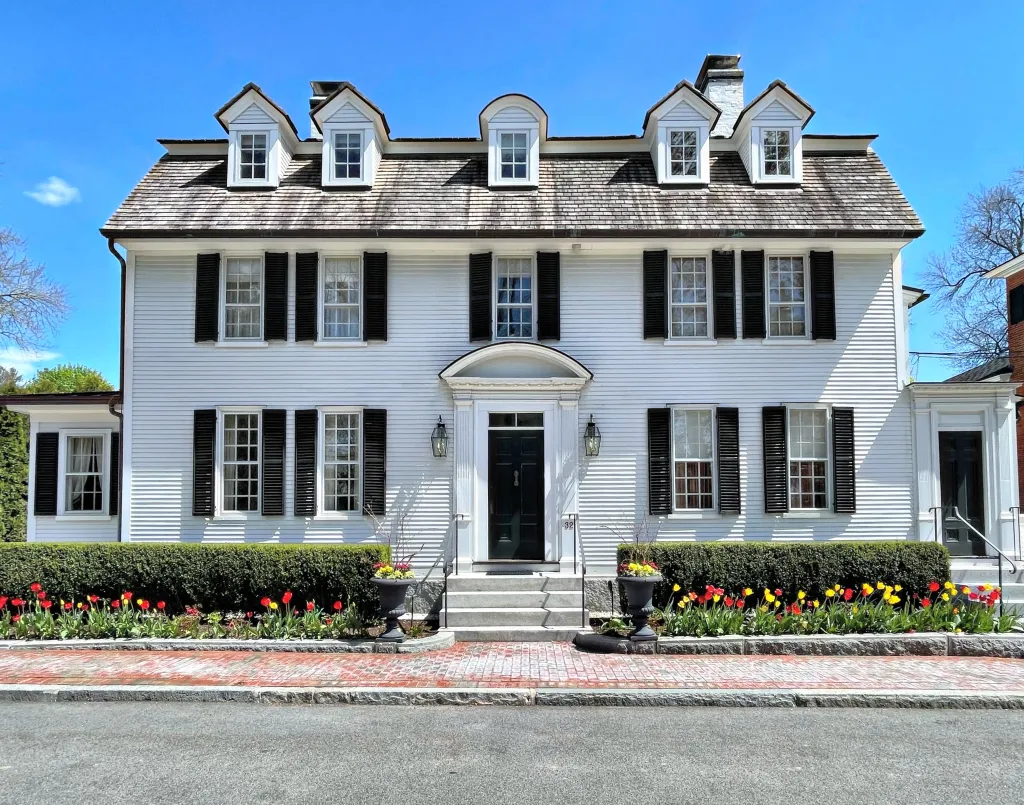
The American Legacy: Where Grace Took Root
Georgian architecture is a permanent part of American history, representing the dreams of the country’s founders.
George Washington’s famous mansion, Mount Vernon, Virginia, has been changed with wooden siding, but it still shows the ideal Georgian symmetrical massing and central design. The elegant look of it reflects the high standards of the Virginian planter elite.
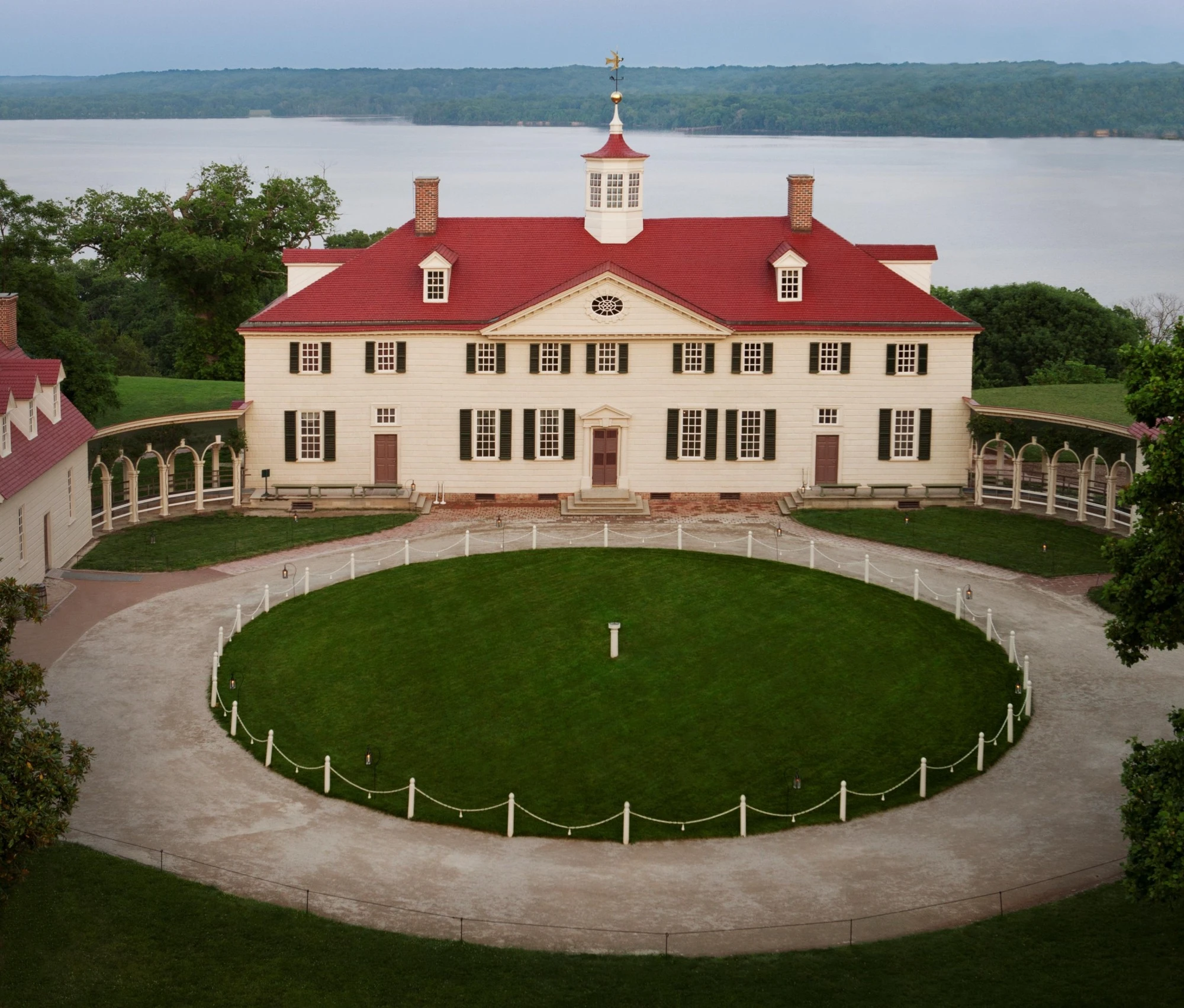
Independence Hall in Philadelphia was once the Pennsylvania State House. This building is a great example of how the architecture was changed to show permanence and dignity in public and civic life.

The Chase-Lloyd House in Annapolis is one of the best three-story brick Georgian homes in the country. It boasts amazing craftsmanship and lots of intricate details inside.
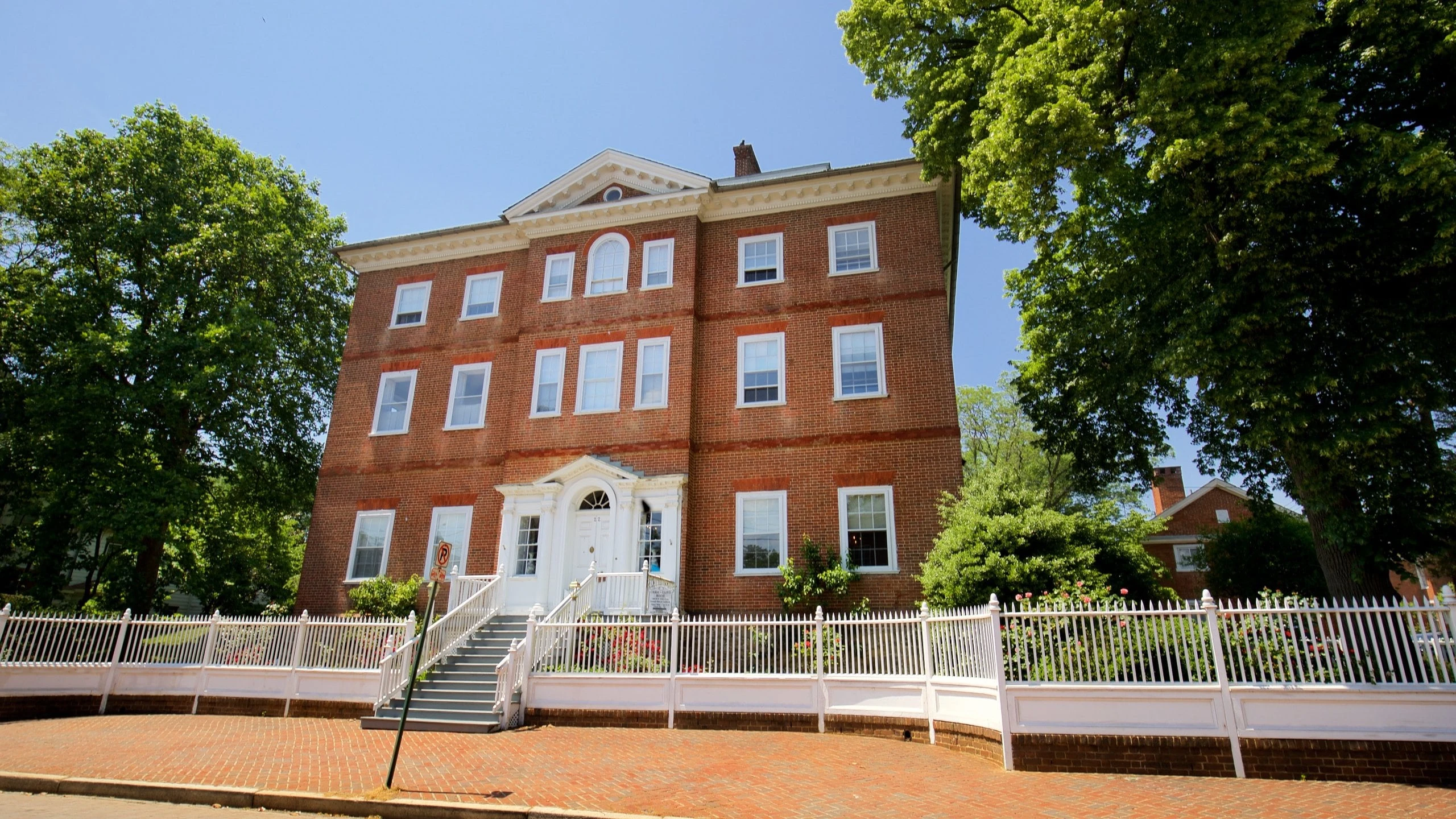
The basic ideas of Georgian design never went away, even after the American Federal style, which was a slimmer, lighter version. In the late 1800s and early 1900s, there was a strong Colonial Revival, as architects and homeowners tried to reconnect with the country’s noble founding past. This led to its widespread use in suburban areas in the Northeast and Midwest.
A Lasting Vision
It’s not hard to see why Georgian Architecture USA is still popular. It promises order and has a grand elegance that lasts for decades. It is a style based on traditional ideas, yet it can be used in many different ways, such as on a huge southern plantation, a strong New England townhouse, or a modern suburban home.
Modern interpretations let things work in a modern way while yet keeping the basic ideas of symmetry and proportion. The Georgian style, with its red brick foundations and fanlights, is still a beautiful and elegant way to show off architecture. It is a strong reminder of the country’s roots that will continue to excite and interest residents for hundreds of years.
For more blogs like this CLICK HERE!!
Reference:
What Are the Best Examples of Georgian Architecture? | New York Spaces