The construction sector has had a huge negative effect on the environment for decades. Traditional building practices cause around 40% of the world’s carbon emissions and leave behind more than 600 million tons of trash every year. But inside climate-controlled industries, a quiet revolution is happening as we approach into 2025.
Modular architecture, which was long thought of as “cookie-cutter” temporary dwelling, has become a high-tech, eco-friendly powerhouse. The global modular industry is expected to be worth more than $214 billion by 2034. This means that it is no longer simply an option; it is the best way to help the earth heal and give people houses.
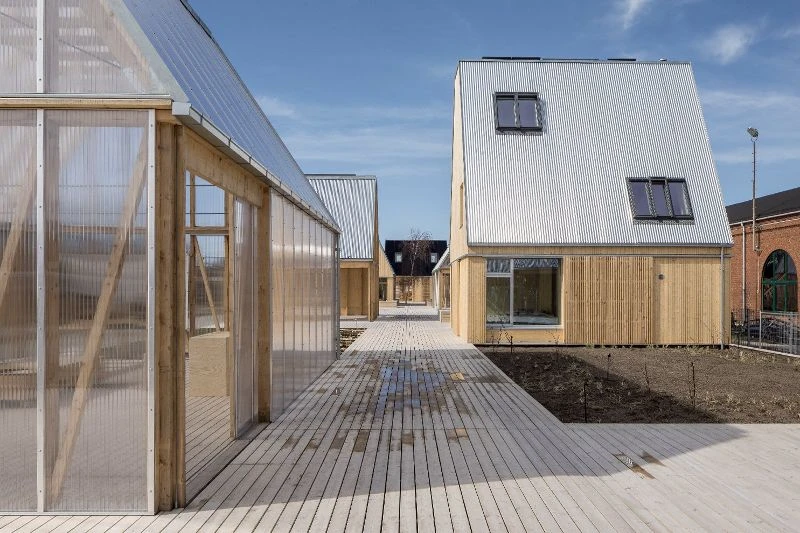
What is Modular Architecture?
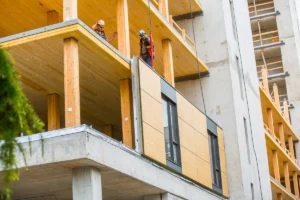
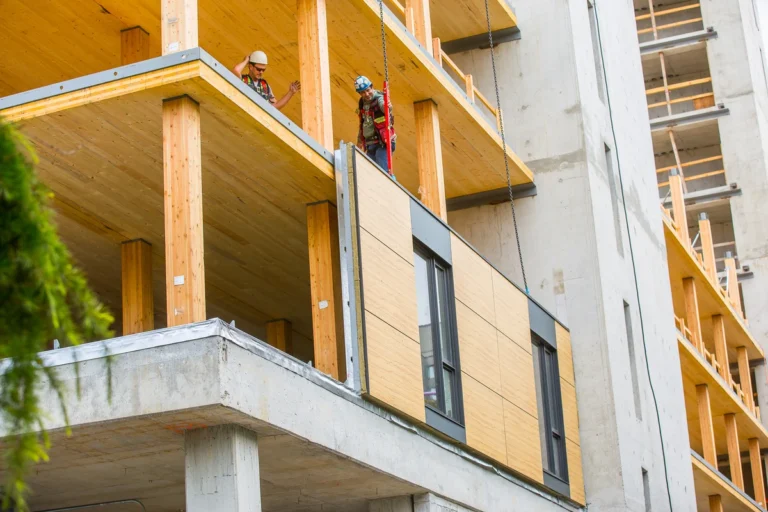
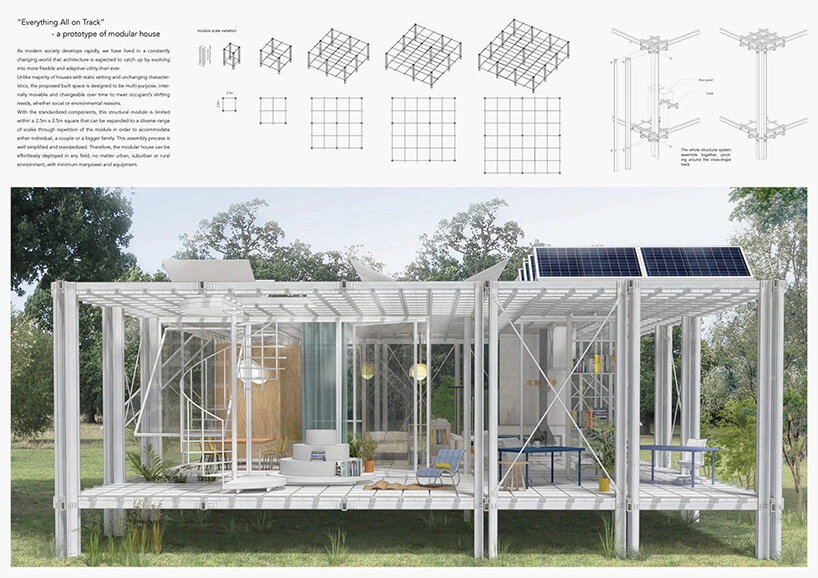
Modular construction is when a building is created off-site in a factory in regulated circumstances, using the same materials and following the same rules as regular buildings. Like a complicated set of life-sized blocks, these “modules” are then moved to the site and put together. This parallel-track approach cuts build timeframes in half without compromising the strength of the structure.
Healing the Earth: The Environmental Effects of Building Off-Site
The most romantic thing about modular housing is that it could “heal” our cities. We get rid of a lot of the “sins” of conventional building by moving construction to a factory.
- 90% Less Waste: In a factory, they measure things down to the millimeter. When one module is done, any leftover wood or steel is used right away for the next one. This means that there are almost no dumpsters full of scrap at typical sites.
- A Smaller Carbon Footprint: Research from 2025 shows that modular building can save total CO2 emissions by as much as 50%. The “embodied carbon” of your home goes down a lot when fewer people have to drive to a remote site and heavy gear is used less.
- Less disturbance to the site: The “building” phase happens somewhere else, so the local ecosystem—the soil, the trees, and the peace and quiet of the neighborhood—stays mostly the same until the day of assembly.

The 50% Faster Rule: Efficiency That Feels Like Magic
In a time when families are losing their homes because of the housing crisis, speed isn’t just a nice-to-have; it’s a must-have. Modular architecture makes it possible to process things at the same time. While the crew is digging the foundation, the factory is also building the house at the same time.
This “Lego-style” assembly lets a multi-story apartment building that would normally take two years to build be ready for people to move in in about 10 to 12 months. This isn’t simply a number for someone who is looking for an affordable place to live; it’s a life-changing improvement. This efficiency also helps developers avoid the “weather delays” that happen a lot on traditional construction sites.

Precision Engineering: Better Quality, Lower Costs
Have you ever sensed a draft in a house that was just built? Harsh weather conditions during building might lead to mistakes in traditional dwellings. Modular homes are built in a dry, stable place, which makes it possible for:
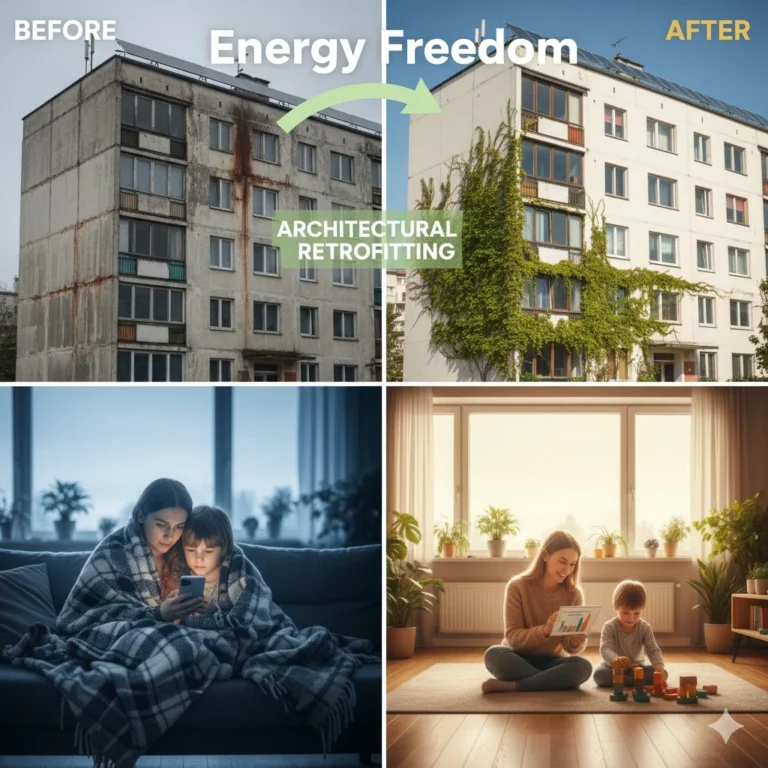
- Better insulation: Modules are sealed with airtight accuracy, which makes dwellings around 15% more energy-efficient than stick-built homes.
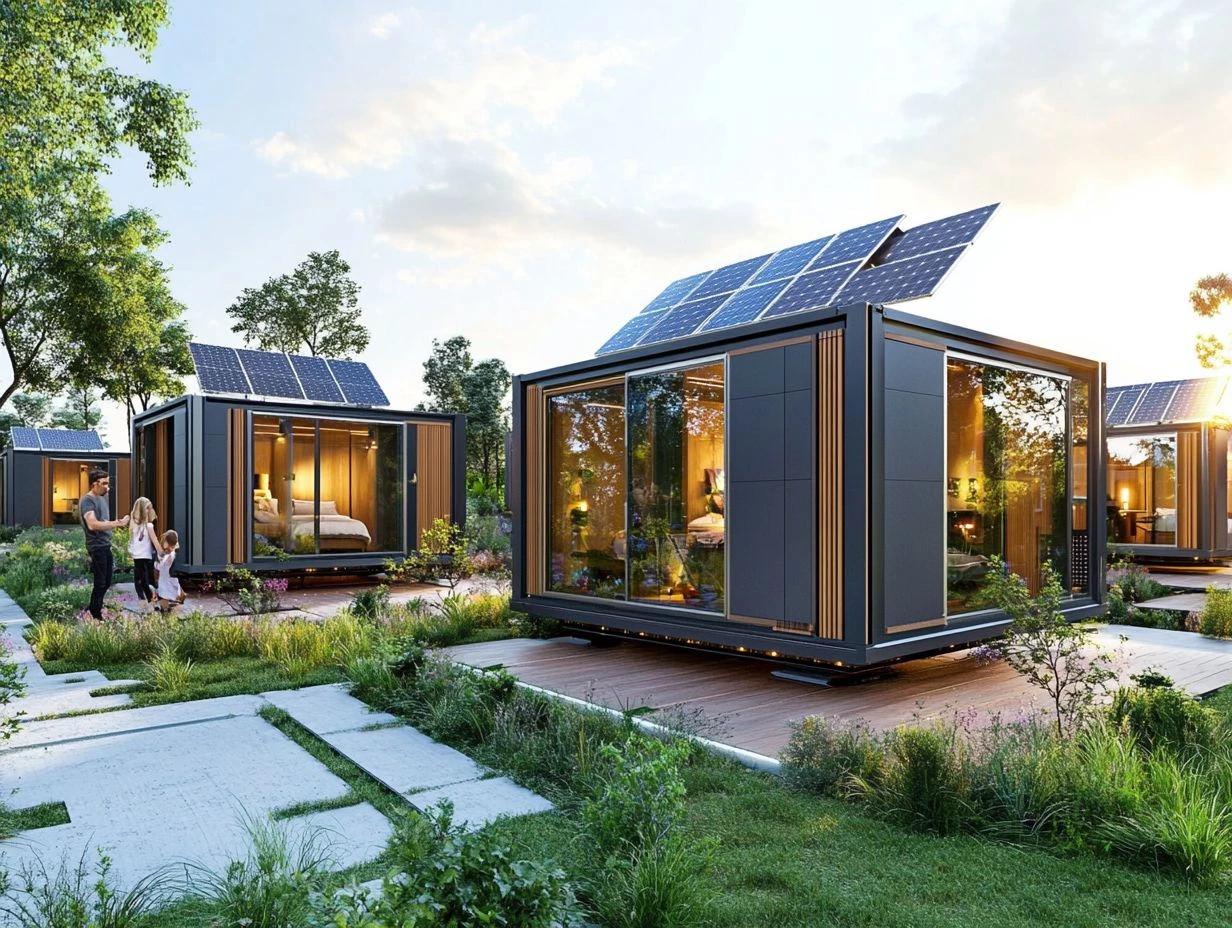
- Smart Tech Integration: By 2025, IoT-enabled technologies for lighting, security, and climate management will be built right into the industrial line. Installing solar arrays and AI-powered energy sensors is much easier in a controlled environment.
- Mold Prevention: Because the materials never become wet during the “framing” stage, modular homes usually have significantly better indoor air quality.
The “Circular” Dream: Houses That Follow You
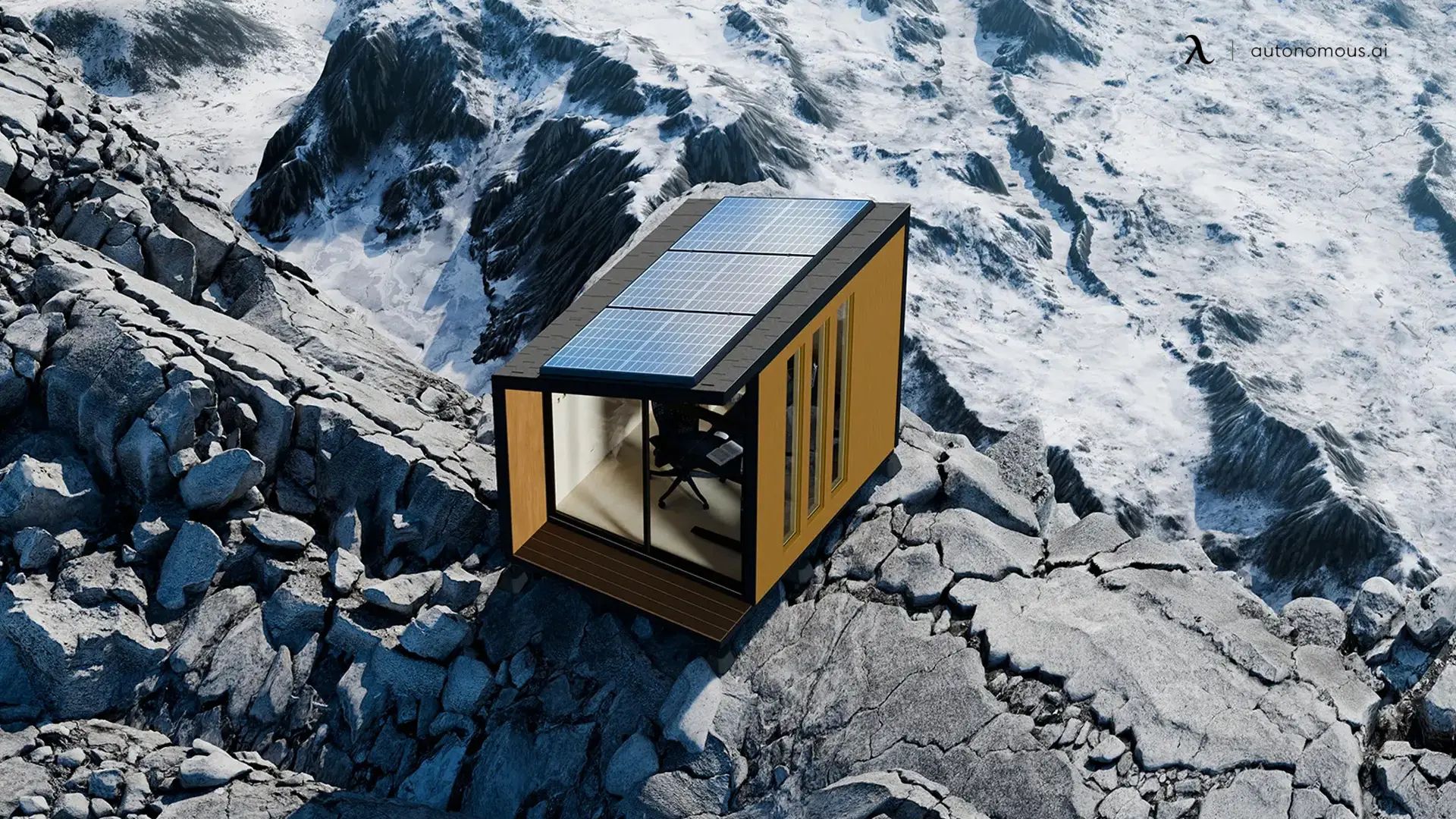
Circularity is one of the most amazing new ideas in modular design. When traditional buildings are no longer needed, they are torn down. You may move and reuse modular buildings.
Think about a world where a school wing can be taken apart and transported to a community with a growing population. Or a house that can grow by adding a new bedroom module when a family grows. This adaptability stops the “build-and-destroy” cycle that has been going on for generations on our planet. The “Circular Construction” approach is anticipated to be the standard for all government-funded housing projects by 2030.
Economic Resilience: Solving the Affordable Housing Crisis
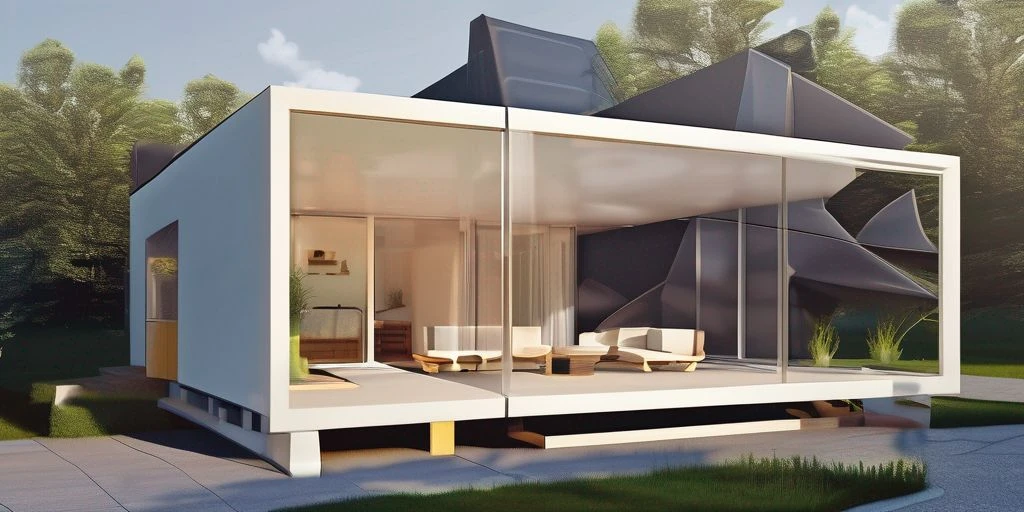
High prices often take away the sentimental value of “home.” But modular building is making it easier for people to buy homes.
- Cost savings: McKinsey & Company says that modular construction can save 20% of the total cost by making workers more productive.
- Scalability: The modular system lets governments quickly expand solutions, from “tiny homes” for the homeless to high-rise communal housing.
- Predictability: Factory-built homes have a set price from the start, unlike traditional builds, where costs can go up because of a lack of workers or rising material prices.

Overcoming the Stigma: It’s Not Just a Box
Many people have a “sentimental” barrier because they are afraid that modular homes will look cheap or transitory. But the modular architectural scene in 2025 looks like this:
- Bespoke Aesthetics: Architects may now use BIM (Building Information Modeling) to make beautiful, one-of-a-kind designs that look just like custom-built luxury residences.
- High-End Materials: The “new era” of modular means high-quality materials, like eco-friendly bamboo flooring, recycled steel frames, and cross-laminated timber (CLT).
- Biophilic Design: Many modular apartments now have “integrated green walls” and windows that go from floor to ceiling to let in as much natural light as possible, which is good for the mental health of the people who live there.

The Future: AI and Robotics in Construction
As we move approaching 2030, the combination of Generative AI and Robotics will push modular architecture even further. Before a single board is cut, AI technologies are already being used to improve floor layouts so that they get the most sunlight and consume the least energy. Factory robots can do the same activities over and over again, like welding or spraying insulation, with such accuracy that there is little chance of making a mistake. This makes sure that every home is a “high-performance” machine that will last for a hundred years.

The Bottom Line: A New Age Has Begun
The building industry is finally coming to life. We aren’t merely picking a faster approach to develop when we choose modular architecture. We are choosing to protect our air, save our resources, and give everyone a safe, decent place to live. The revolution isn’t coming; it’s already being put together.
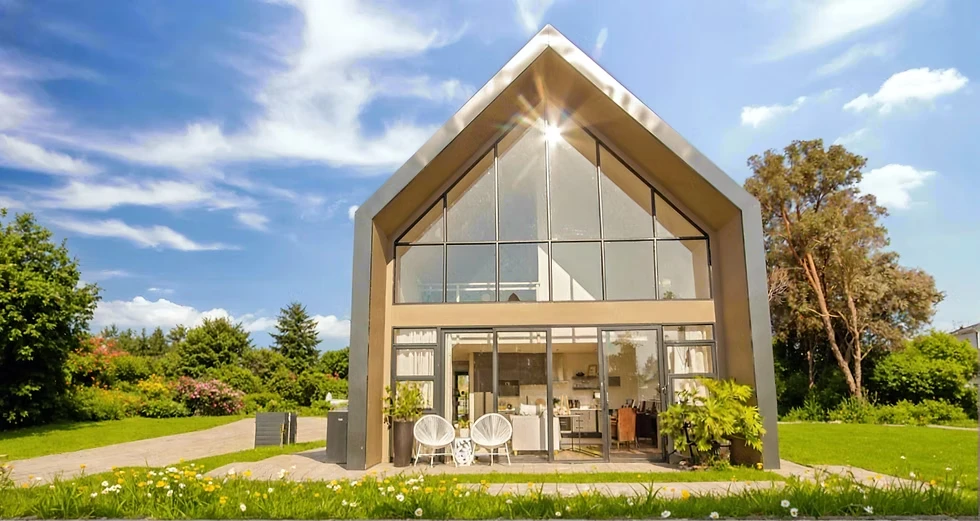
Modular is the way to go, whether you’re a homebuyer seeking for your dream “green” home or a developer aiming to achieve ESG (Environmental, Social, and Governance) standards. It is the ultimate combination of technology and compassion.
For more blogs like this CLICK HERE!!!
Reference:
How Can Modular Design Be Used to Revolutionize Housing Architecture? | ArchDaily