The building industry is at a major turning point. For too long, contemporary architecture was beautiful and useful, but it came at a high cost to the environment that most people who lived in the buildings couldn’t see. That cost is termed “embodied carbon,” which is the carbon dioxide that is released when materials are made, shipped, and installed before a structure is even used.
Today, the most forward-thinking architects and responsible homeowners are spearheading an ethical revolution that calls for materials that are not just beautiful and high-performing, but also good for the environment. The change is huge: from just building better to building with a sense of duty.
This is a list of the best eco-friendly building materials that will shape a new, responsible way of constructing in 2025 and beyond.
What is the Ethical Imperative? Embodied Carbon
Before you start working with the materials, you need to know what drives them: embodied carbon.
- What it is: Embodied carbon is the total amount of greenhouse gases (GHGs) that a structure releases throughout its entire life, not including the energy it uses to run (like heating and lighting). It includes getting materials, making them, moving them, building things, and finally getting rid of them.
- The Big Number: Concrete and steel are powerful materials, but they have a lot of embodied carbon, which adds a lot to global greenhouse gas emissions.
- The Shift: New ideas in modern architecture are now focused on materials that have a low, neutral, or even negative carbon footprint (i.e., materials that store carbon).
1. Mass Timber: The Carbon-Sequestration
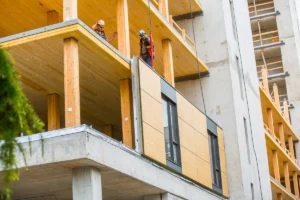
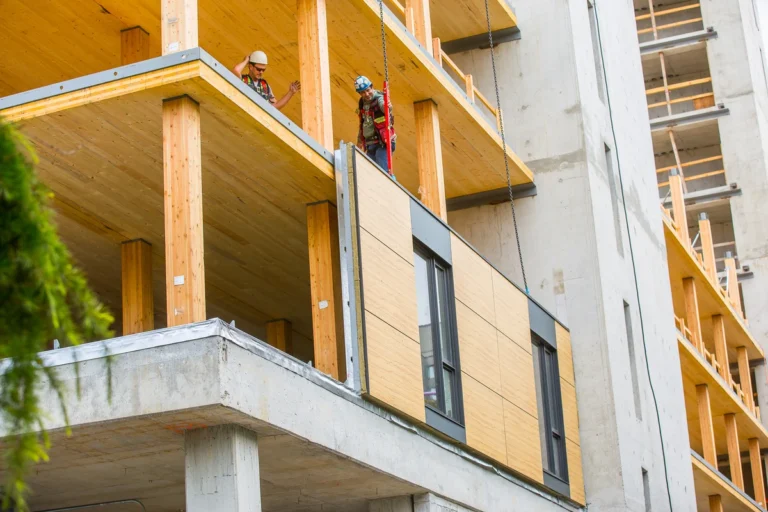
RevolutionMass Timber, especially Cross-Laminated Timber (CLT), is probably the most important material changing the skylines of big cities. It is a group of engineered wood products made to keep mid- to high-rise buildings strong, which is something that concrete and steel have always done.
The Carbon Sink: A Big Deal
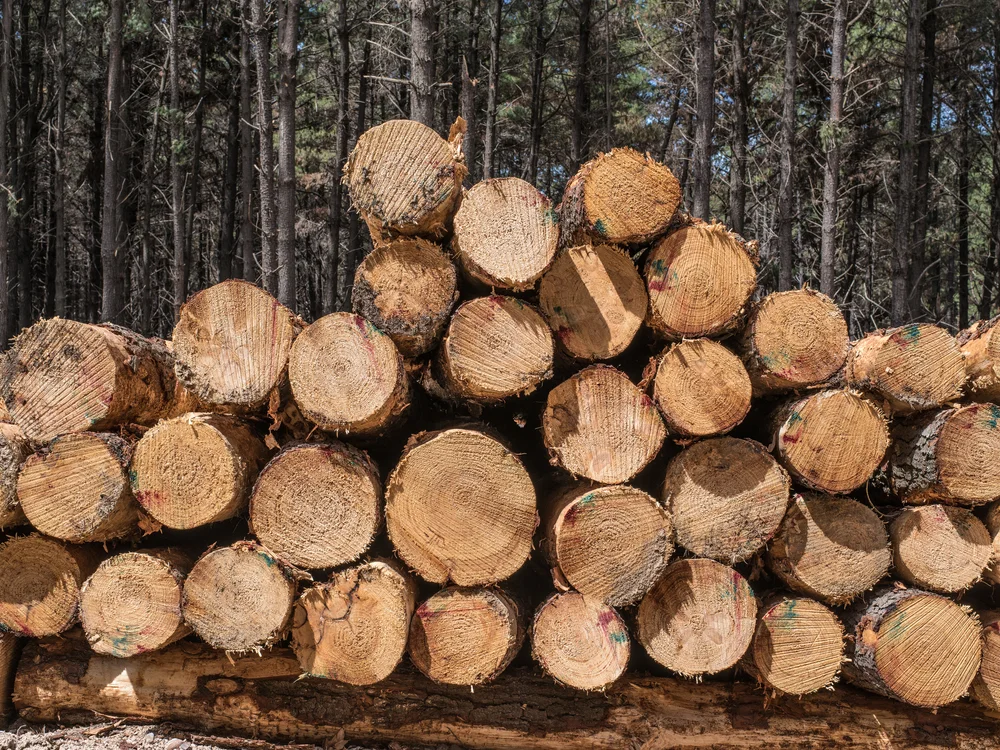
The moral strength of mass timber comes from its ability to store carbon. Trees take in CO2 from the air as they develop. When the wood is made into strong structural panels, the carbon stays locked up, making the building itself a carbon sink.
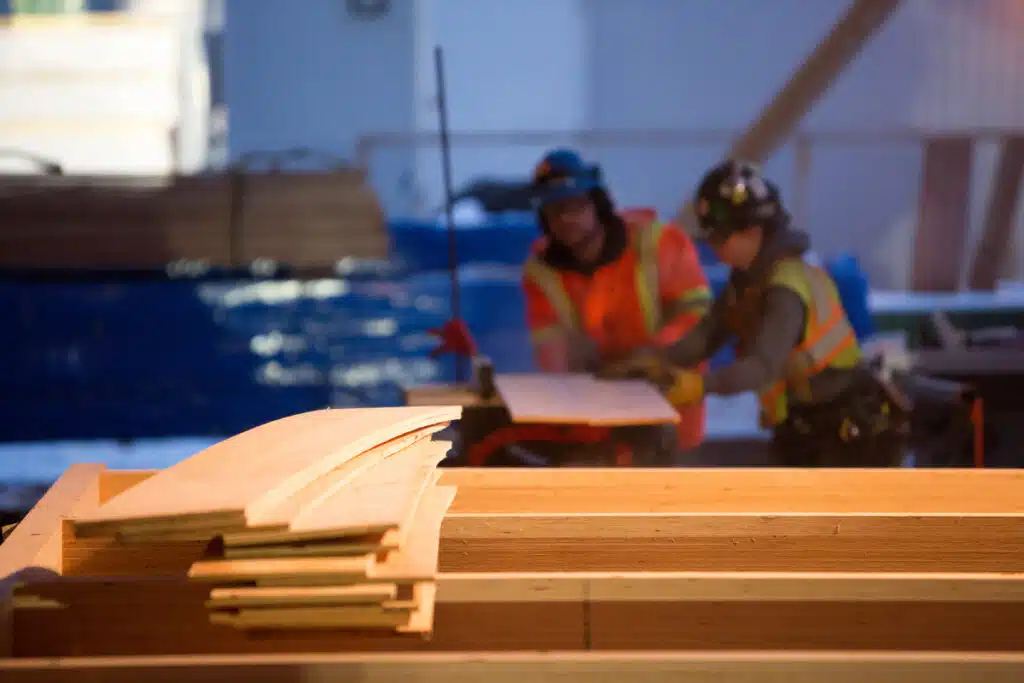
- Construction Speed: Because CLT panels are made off-site with great care, they go up very quickly—often 25% faster than concrete structures—cutting down on noise and work on site.
- Health and Beauty: The natural warmth and visible wood grain follow the rules of Biophilic Design, which create a real connection to nature that studies have shown can make people healthier and happier.
- Structural Benefits: Mass wood is stronger than concrete, even though it is lighter. This frequently means that foundations are smaller and less expensive.
2. Bio-Cement and Low-Carbon Concrete
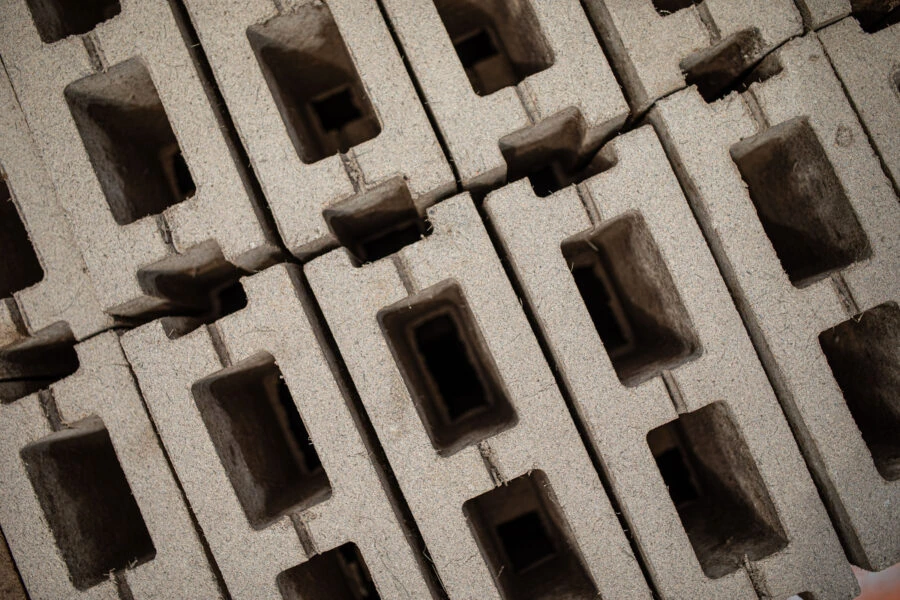
Concrete is what makes the modern world work, yet making cement the old-fashioned way releases a lot of CO2 into the air. This is a field that is ready for big changes.
Innovations That Are Good For The Environment
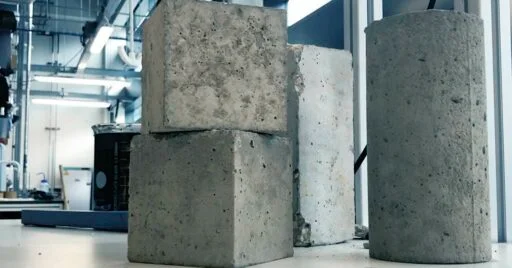
- Carbon-Capturing Concrete: Innovators aren’t aiming to get rid of concrete; they’re changing the cement binder itself. Carbon-Capturing Concrete: There are now technologies that can put captured CO2 into new concrete. The CO2 then mineralizes, which means it becomes a part of the substance for good. Not only does this procedure cut down on emissions, it can also make the concrete stronger.
- Geopolymer and Bio-Cement: These alternatives employ industrial waste items (like fly ash) instead of high-heat limestone to bind materials at room temperature. They can also use natural biological processes (like bacteria) to do this. This makes the embodied carbon footprint much smaller, perhaps by as much as 80%.
3. Mycelium and Hempcrete: The Regenerative Duo
Two materials stand out for their emotional connection to the planet and their revolutionary properties as we go from industrial innovation to bio-based innovation.
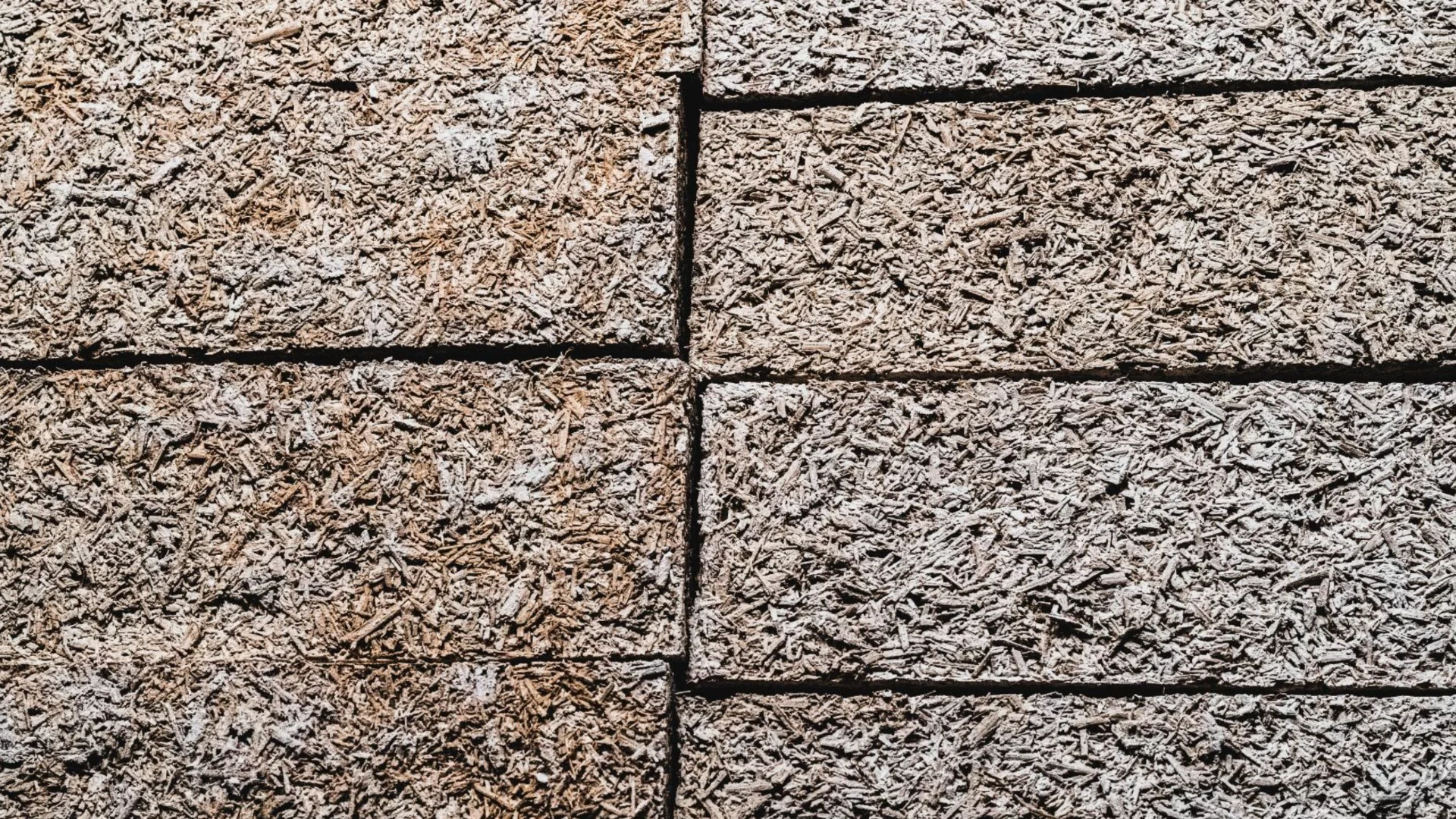
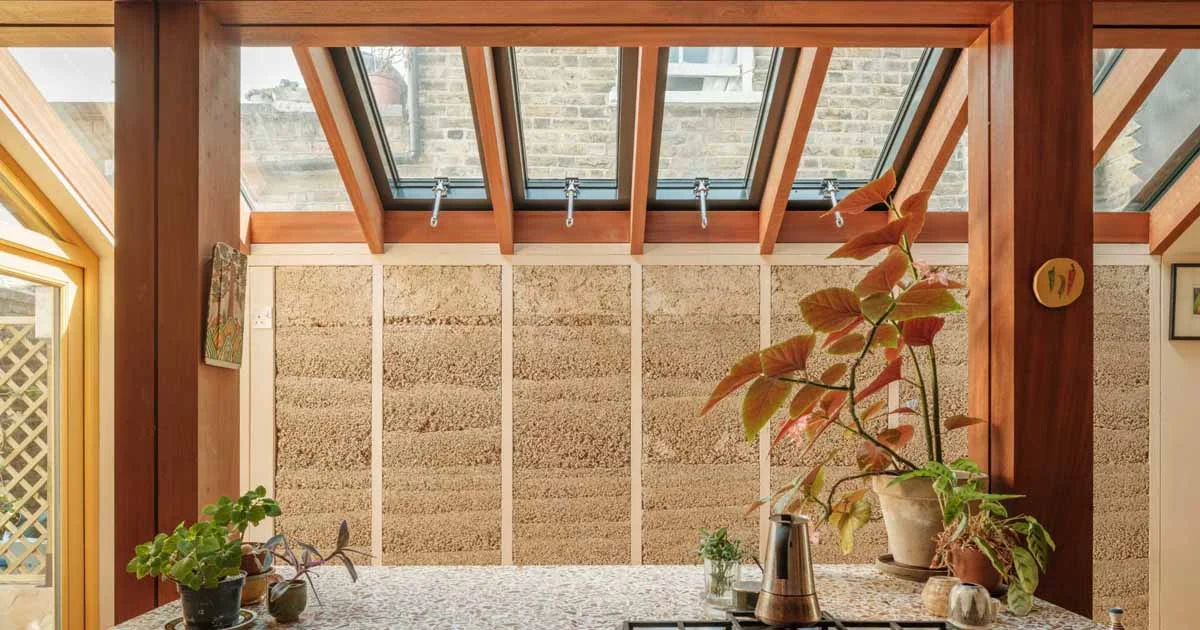
Hempcrete: The Wall That Breathes and Doesn’t Add to Carbon Emissions
- Hempcrete is a biocomposite formed by mixing the woody inner core of the hemp plant (hemp hurds) with water and a lime-based binder.
- The Carbon Champion: Hemp is a fast-growing, renewable plant that absorbs a lot of CO2, just as bulk wood. As the lime dries, it keeps taking in CO2 from the air, which makes it a very strong carbon-negative material.
- Performance: It has great sound and heat insulation and is naturally fireproof. It also lets air through, which means that walls can “breathe,” which keeps moisture in check and makes the air inside healthier without the mold dangers that come with other synthetic materials.
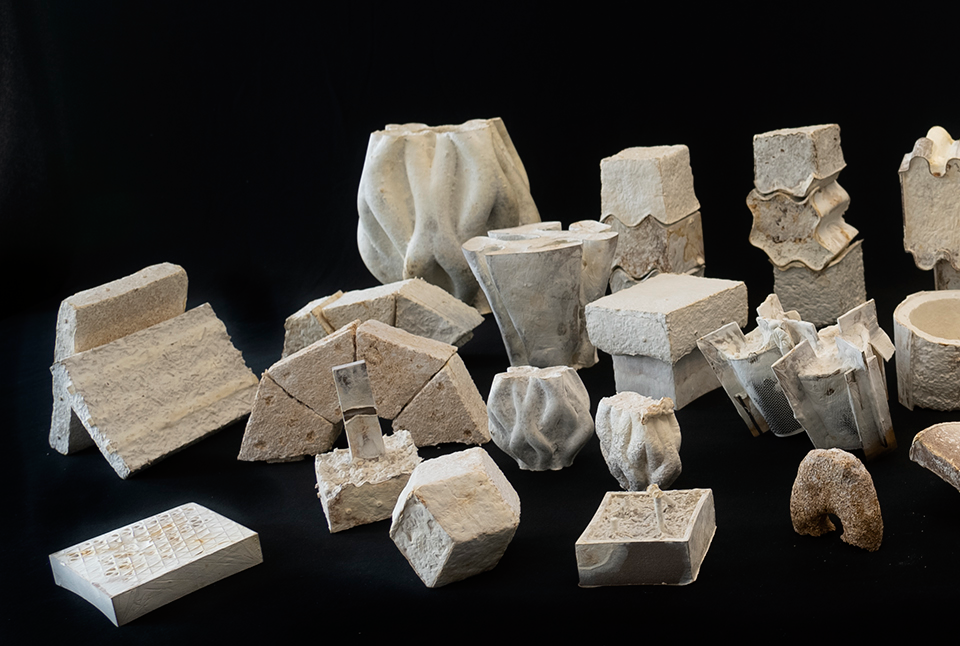
Mycelium Composites: How to Make Your Insulation Better
Mycelium is the network of fibers that make up the roots of fungi. It works as a natural, strong adhesive when you feed it agricultural waste (like sawdust or corn stalks) and let it grow in molds.
- Zero-Energy Manufacturing: The material takes shape at room temperature, using very little energy and no harmful chemicals.
- End-of-Life Solution: Mycelium is 100% compostable when it reaches the end of its life. This solves one of the building industry’s largest ethical problems: trash that goes to landfills. Right now, it’s utilized for soundproofing panels, insulation blocks, and other things that don’t need to hold weight.
4. The Circular Economy: Materials that have been reclaimed and recycled
Using resources that are already there is the easiest moral choice an architect can make. The shift to circular design is putting repurposed and recycled materials first to cut down on waste and stop resource exploitation from harming the environment.
Beyond Salvage: Certified Recycled Content
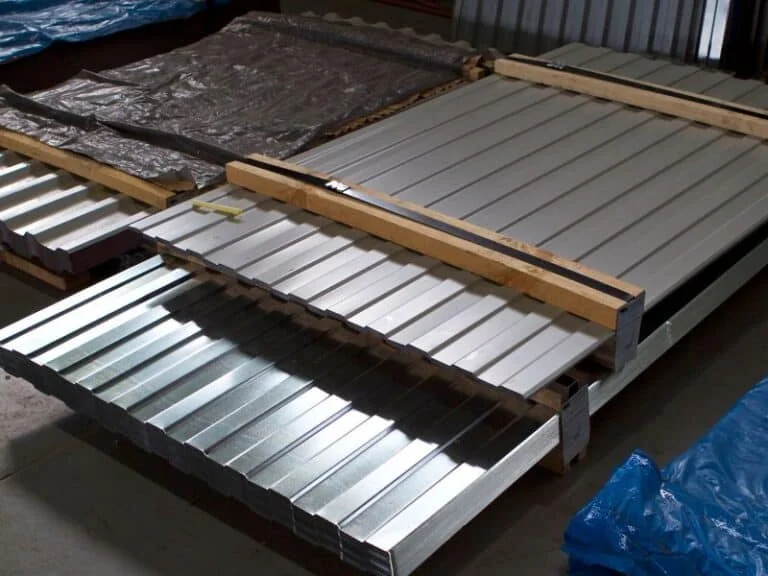
- Reclaimed Steel: Steel may be recycled almost completely without losing strength. Using steel with a lot of recycled material in it reduces down on the carbon emissions that come from making new steel.
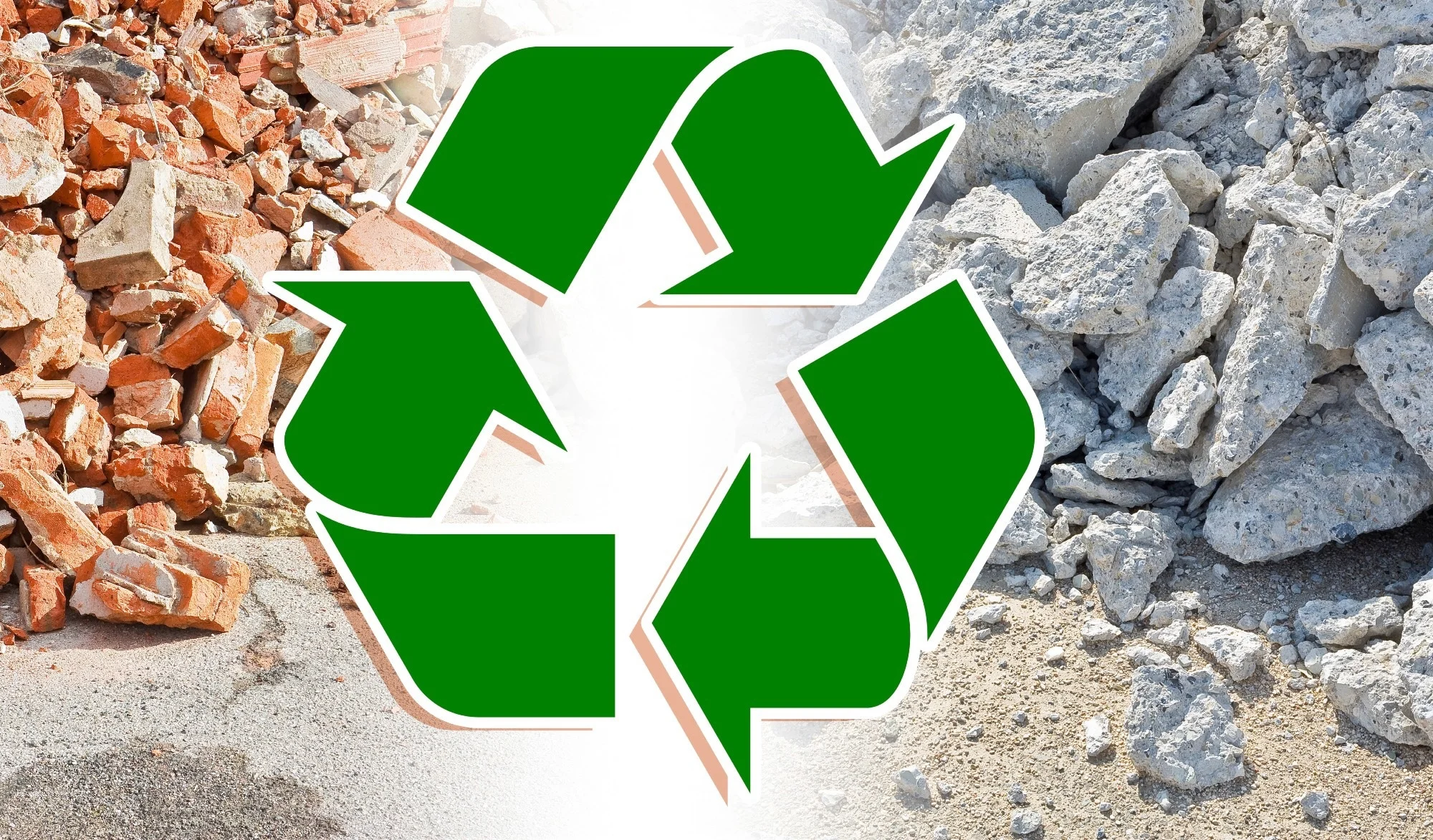
- Recycled Aggregates: Concrete and asphalt debris from demolition sites are now crushed and processed to be used as aggregates in new concrete mixes. This cuts down on the requirement to quarry virgin stone.
- A Sentimental Appeal: People really want reclaimed wood from barns, factories, and old bridges since it’s good for the environment and has a distinct sentimental quality, natural age, and historical patina that gives a lot of depth to modern architecture interiors.
The Next Step
The most fascinating and responsible building trends of our time are being shaped by the coming together of epochal material science and ethical design philosophy. These materials, from the tall beauty of mass wood to the simple, carbon-eating strength of hempcrete, show that high performance and high sustainability can go hand in hand. They make a real promise: a built environment that not only protects us but also helps repair the planet.
Would you like to look into which of these materials would work for a certain type of building project?
For more blogs like this CLICK HERE!!
Reference:
Top 10 Sustainable Building Materials for Modern Architecture in 2025 – AL Design studios