It’s not just about having a fantastic zip code or a modern kitchen when you look for an apartment in the US; it’s also about how the walls work. The floor layout of your home is like a blueprint for your daily life. It tells you where to have your morning coffee, how easy it is to hold a “Friendsgiving,” and if you have a peaceful place to go after a long day.
As we get closer to 2025, people who live in apartments are moving away from messy, overcrowded areas and toward living spaces that are planned and curated. If you know these basic principles, you can turn a regular rental into your own private space, whether you’re in a high-rise building in New York City or a large complex in Dallas.

The Growth of the “Functional” American Apartment
People used to think of staying in an apartment as a short-term stay. It’s a choice of lifestyle now. Biophilic design, which means bringing nature inside, is increasingly a top priority in modern American residential layouts.
Looking at a floor plan isn’t just about how many square feet there are; it’s also about how the space “flows.” A 600-square-foot space that is well-planned can sometimes feel bigger and more “dreamy” than a poorly placed 1,000-square-foot unit.
The Open-Concept Studio: The Best “Blank Canvas”
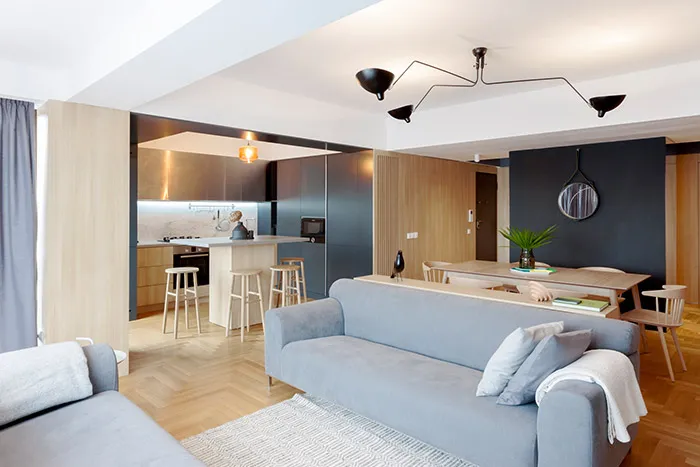
The studio is still a common type of living space in cities in the US. The “Alcove Studio” or “L-Shaped Studio” style is becoming more popular in 2025. These plans provide your bed its own space instead of just one giant box. This gives you a sense of privacy without the need for extra walls.
- Why it works: it’s cheap and very easy to take care of.
- The Magic Touch: Use “material drenching” to make the room feel united and elegant. This means combining similar textures or colors on your furniture and walls.
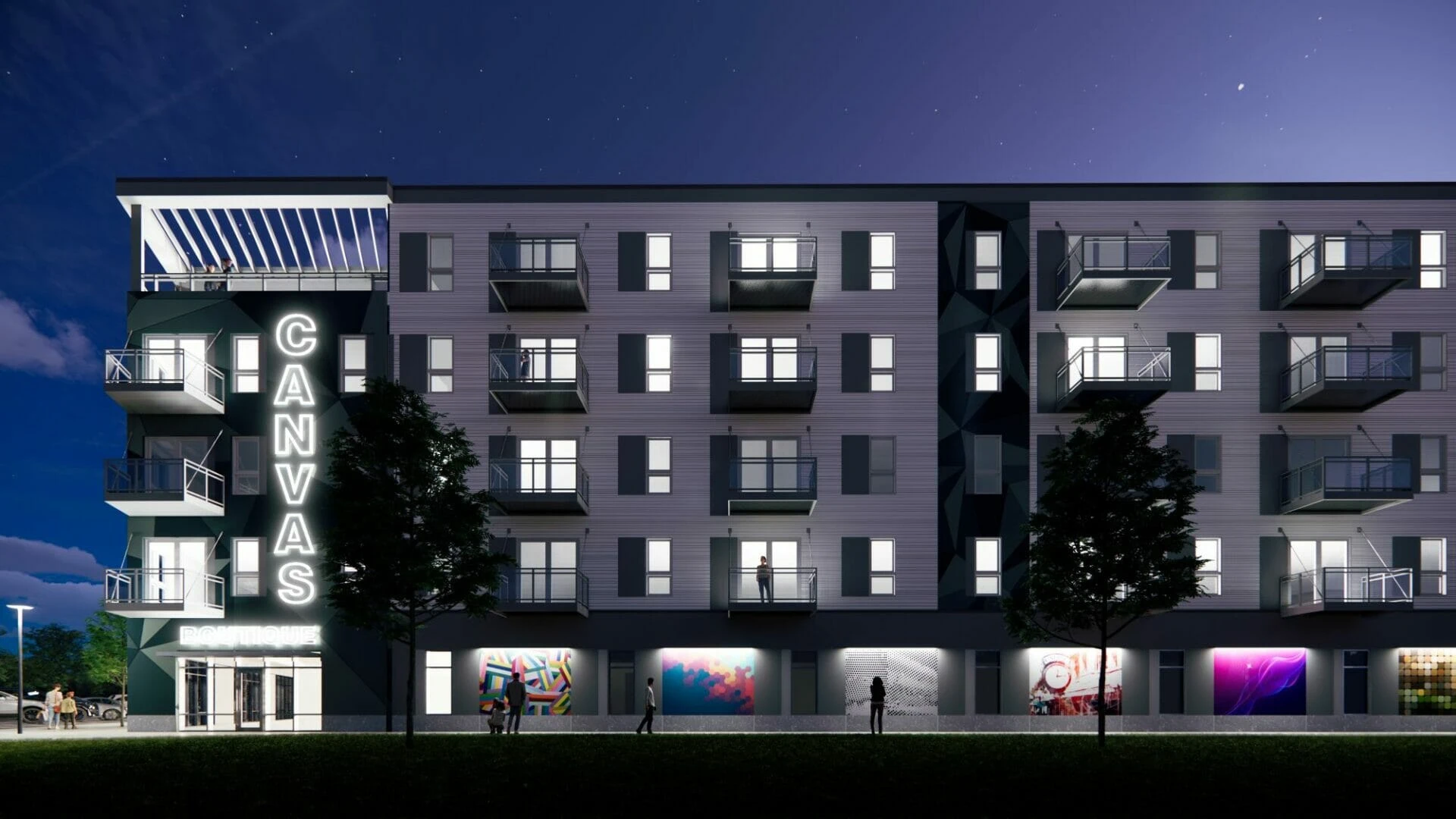
The Split-Bedroom Layout: The Best Way to Get Privacy
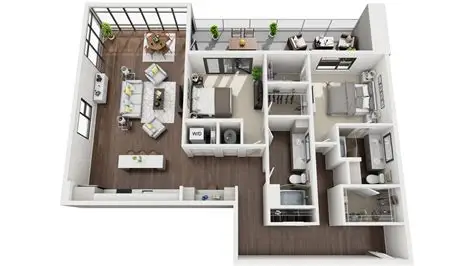
The split-bedroom plan is the best in the US for people who live with roommates or work from home. In this layout, the living area and kitchen are in the middle of the flat, and the bedrooms are at opposite ends.
The good thing about it is that it gives you the most privacy for sound and sight. When you work from home in the second bedroom, it feels like it’s separate from the “social zone” of the house.
Sentimental Value: This layout is a “forever favorite” for families with a young child or couples who need a place to be creative.
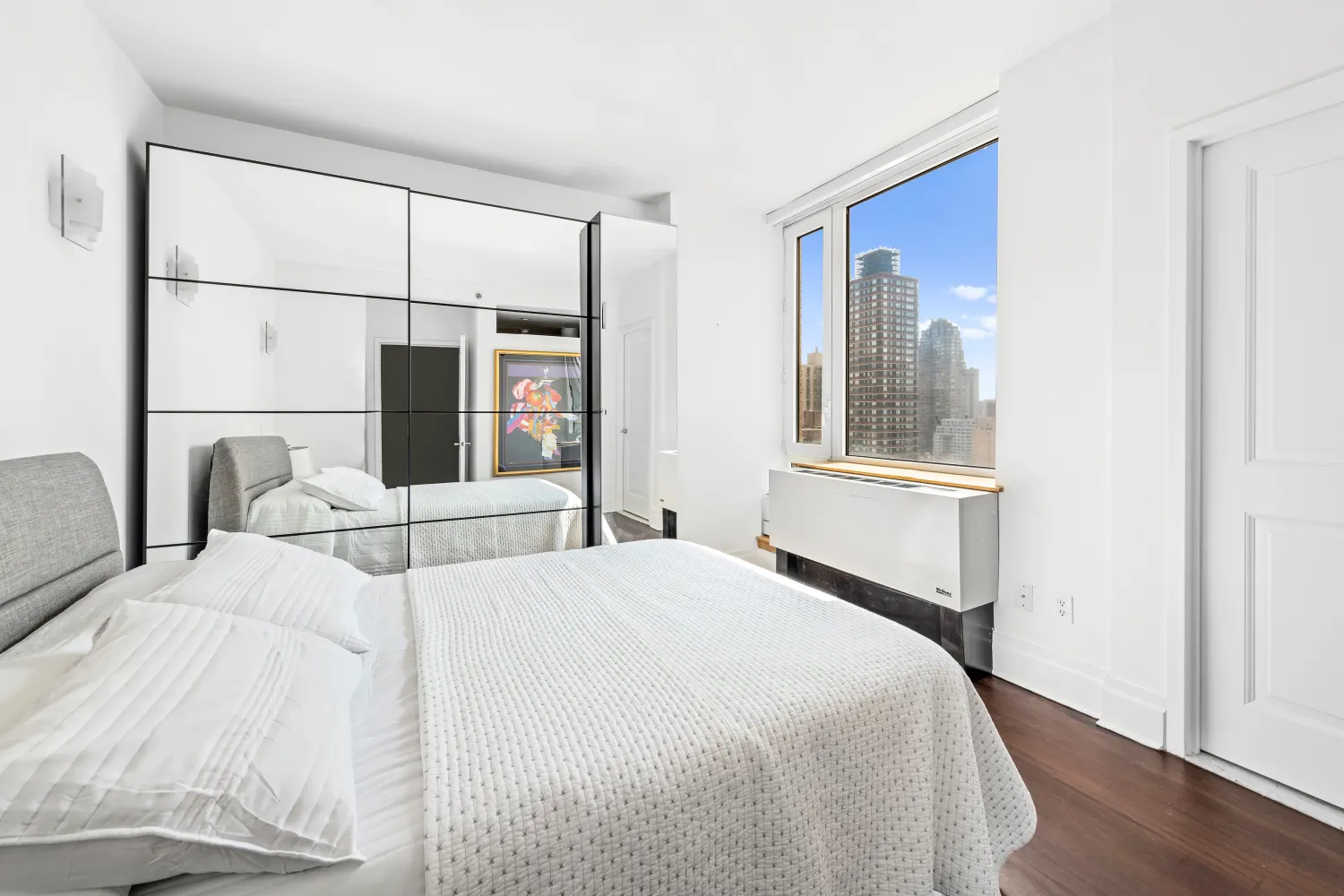
The Modern One-Bedroom with “Flex” Space
The “Junior 4” or “One-Bedroom plus Den” is becoming very popular. As working from home becomes a regular part of American life, it’s important to have a separate 10×10 space that isn’t the kitchen table.
Design Tip: A lot of 2025 designs have “glass-spine” parts or windows on the inside to make sure that even a den without windows gets light from the main living area.
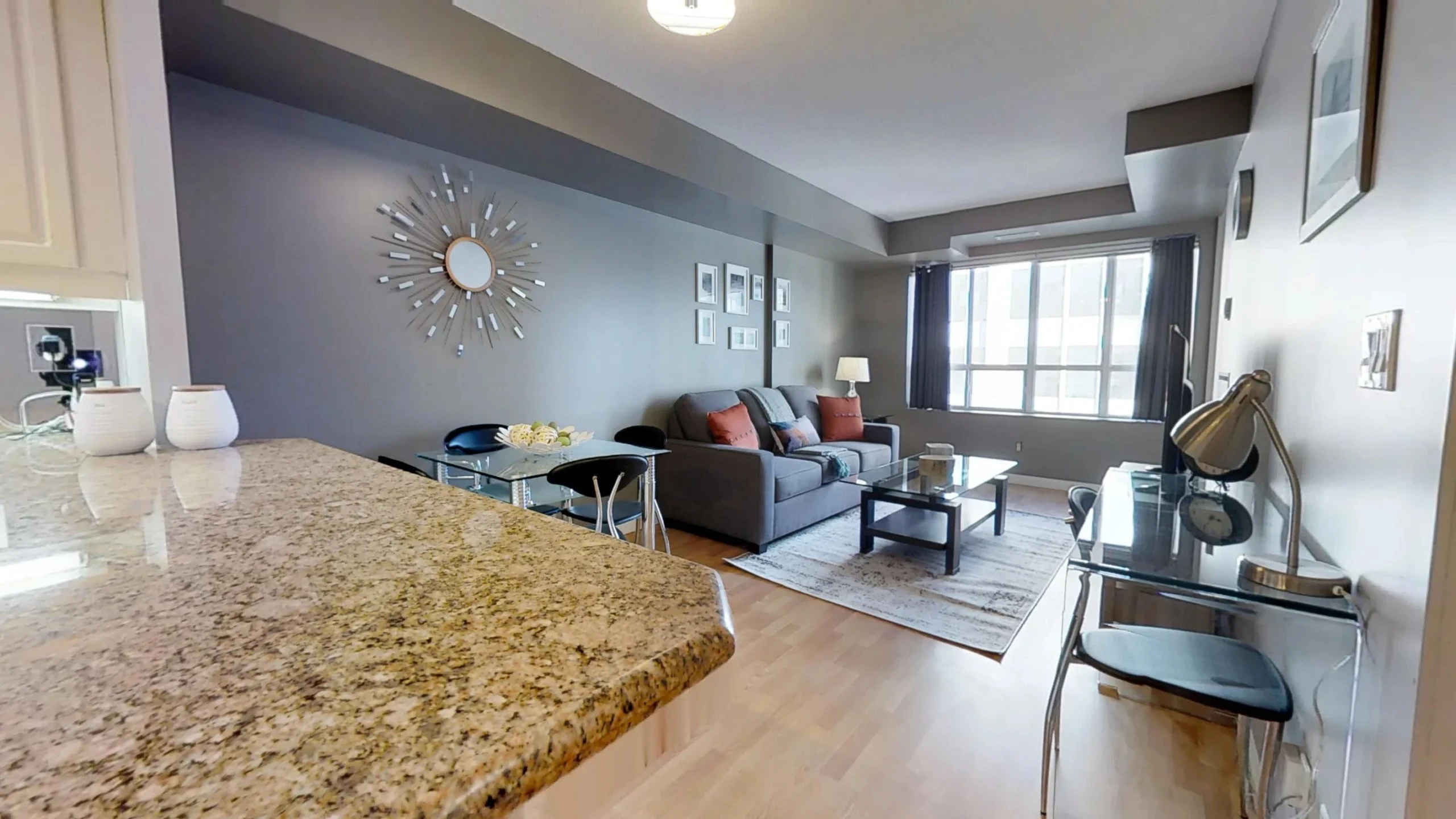
Important Trends That Will Shape Your Space in 2025
This year, if you’re looking for your dream apartment, keep an eye out for these changes in architecture:
“Zoning” That Does More Than One Thing
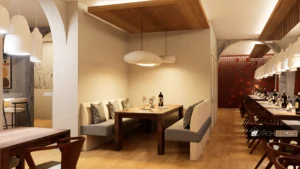
The “formal dining room” is no longer a thing. Modern designs like a big kitchen island in the middle of the room that can be used as a prep area, a dining table, and a workspace all in one.
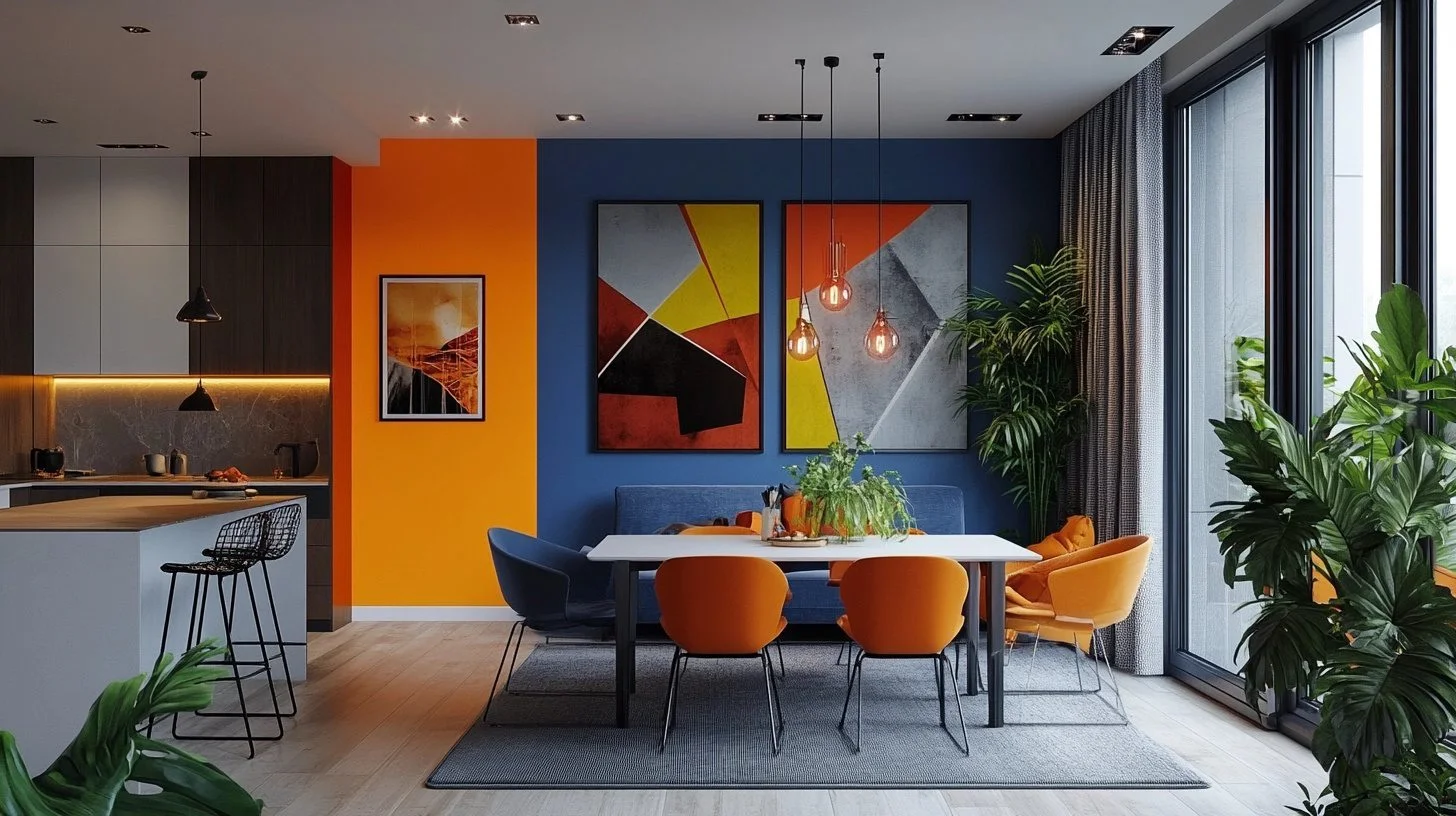
Integration of Biophilia
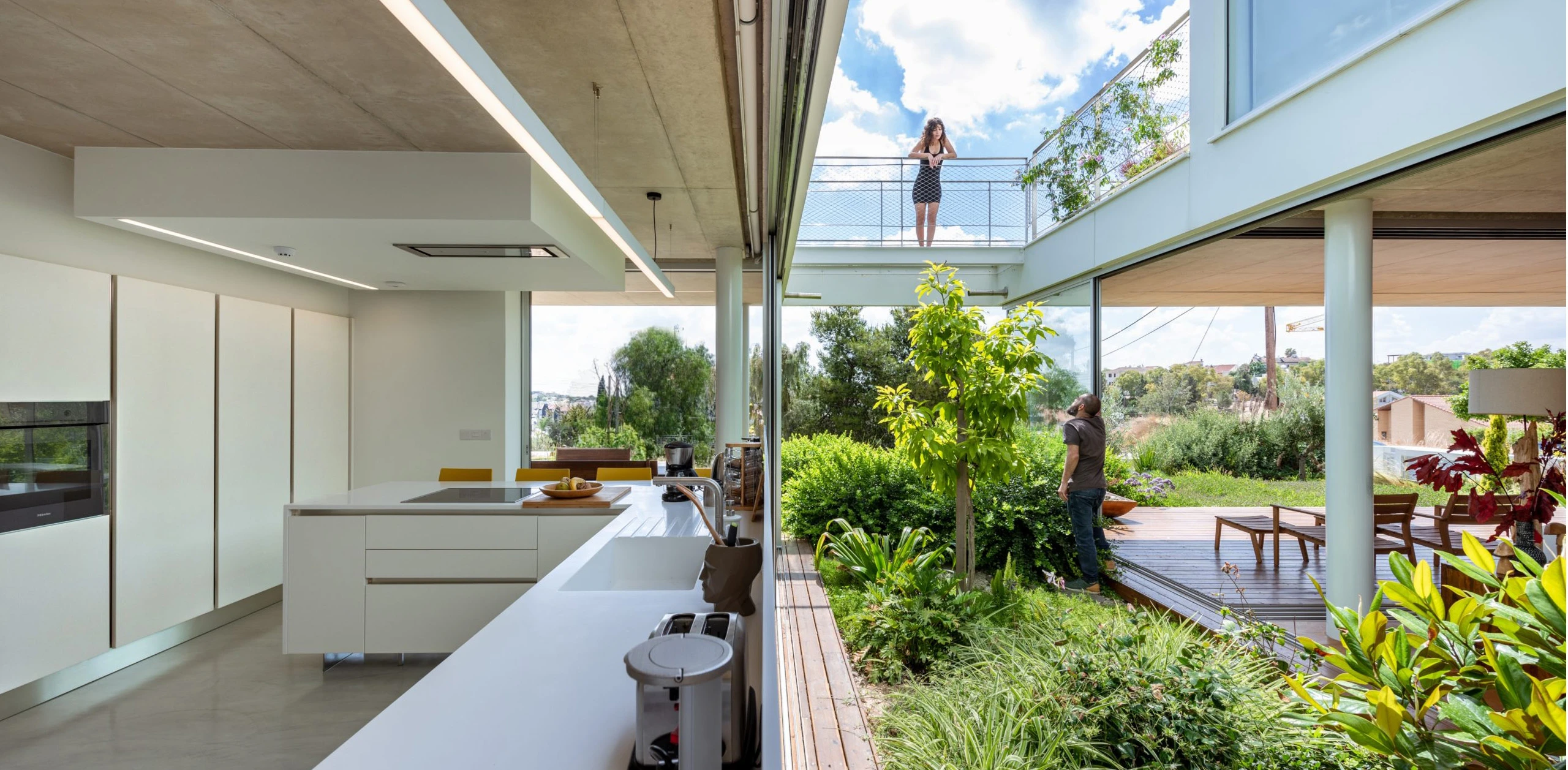
Look for apartments that have a “flow” between the inside and outside. You can turn even a little 4×8 balcony into a useful getaway. Seventy-two percent of renters now say that “natural light and ventilation” is one of their top three needs, according to research.
“Hubs” for Smart Tech
Essential design now have “drop zones” near the entrance—small mudrooms or built-in desks with USB-C ports and smart-home controls for lighting and temperature.

How to Look at a Floor Plan Before You Move
Before you sign a lease, utilize this list to make sure the layout really fits with your “dream” lifestyle:
- Look at the “Swing”: Check out the floor plan’s door symbols. Will the door to your bedroom hit your dresser? Is there enough space for your king-sized bed?
- Look at the storage: “closet luxury” is real in the US. Does the plan include a walk-in closet, or would you need to buy big wardrobes that take up a lot of floor space?
- Picture the Routine: Picture yourself stepping from your bed to the coffee maker. Do you have to go around a kitchen island and a sofa to get to your destination?
- Acoustics Matter: Check where the “wet walls” are (plumbing) since sound matters. You don’t want your headboard to touch a wall that has pipes that go to your neighbor’s shower.
Making the “Hearth” in a Tall Building
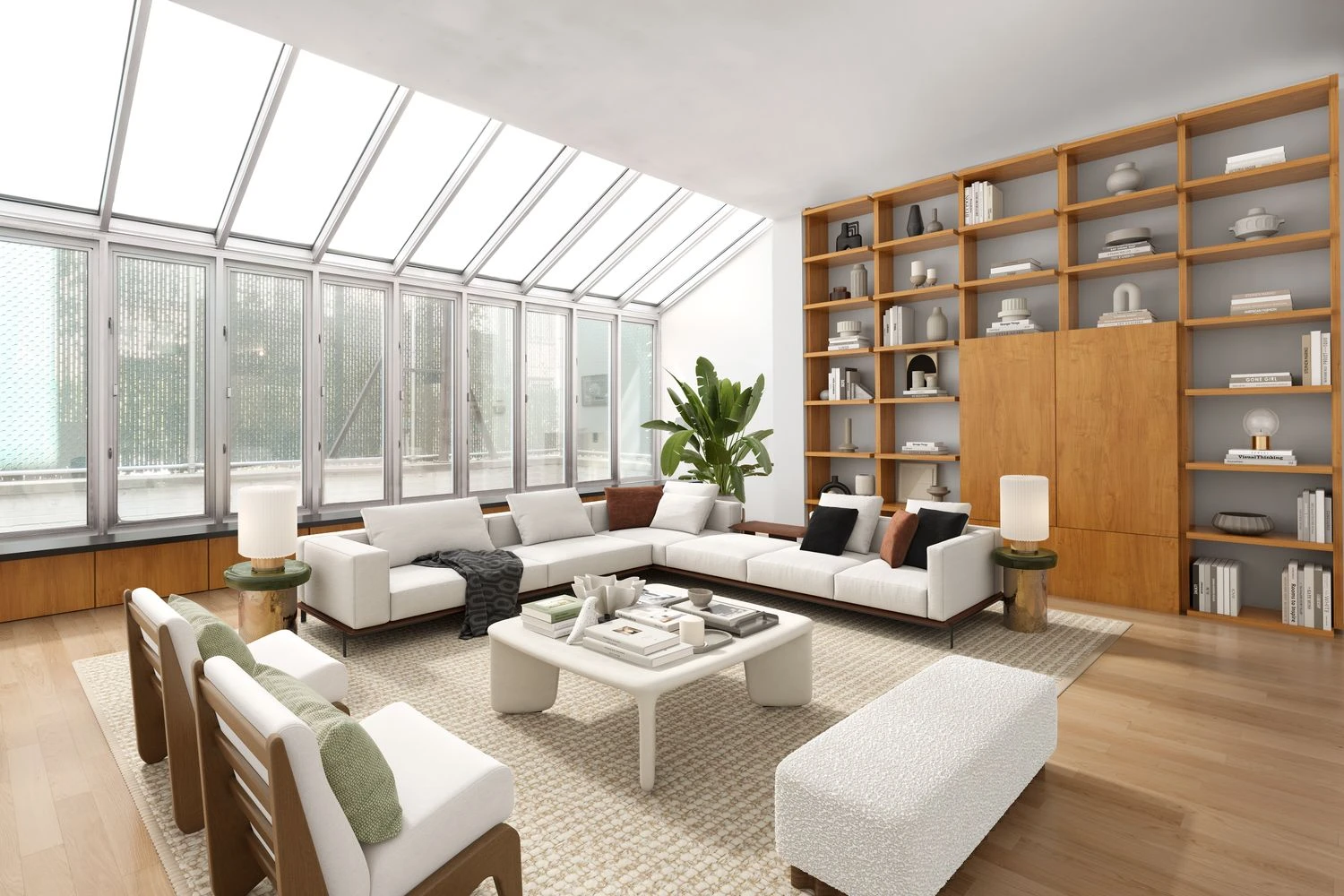
You don’t have to give up the “heart” of a home just because you live in an apartment. Layered lighting is the key to making any American layout feel like a safe haven. Get rid of harsh overhead lights and use “mood lighting” instead. Recent data from renters show that 79% of residents use soft, layered lighting and smart LEDs to make the night feel cozy and easy.
Final Thoughts: Your Space, Your Sanctuary
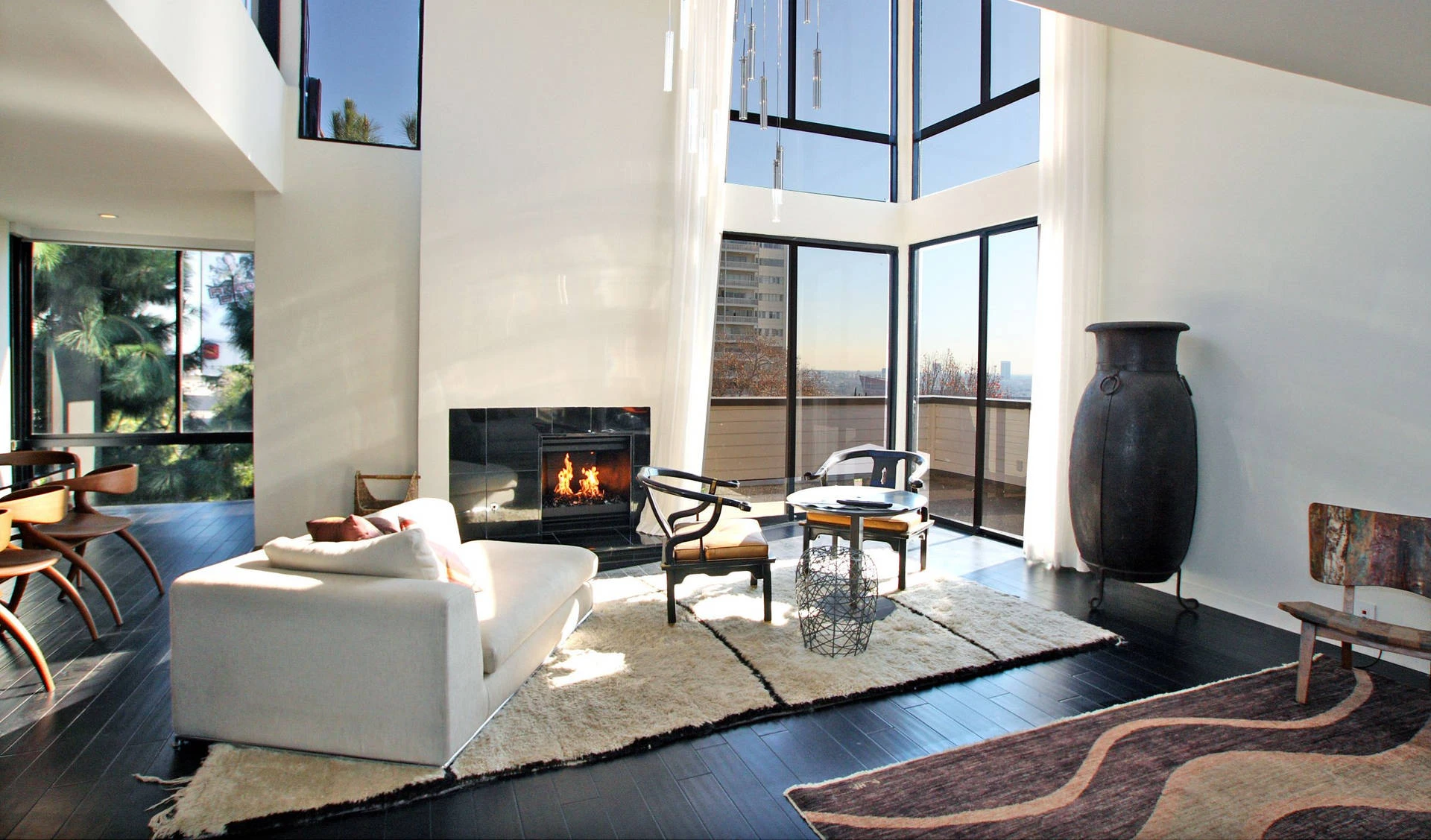
The “Essential American Apartment” is no longer a box that fits everyone. It is a space that adapts to you and is flexible, full of light, and ready for technology. The layout is the most important part of your enjoyment, whether you choose a small studio in an old walk-up or a luxurious penthouse with floor-to-ceiling windows.
Stop thinking about how much space you have and start thinking about how you want to feel. Just one floor plan away is your dream space.
For more blogs like this CLICK HERE!!!!
Reference:
13 Apartment Layouts Everyone Should Know (With Examples!) | Apartment Therapy