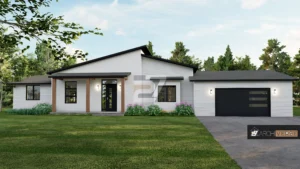
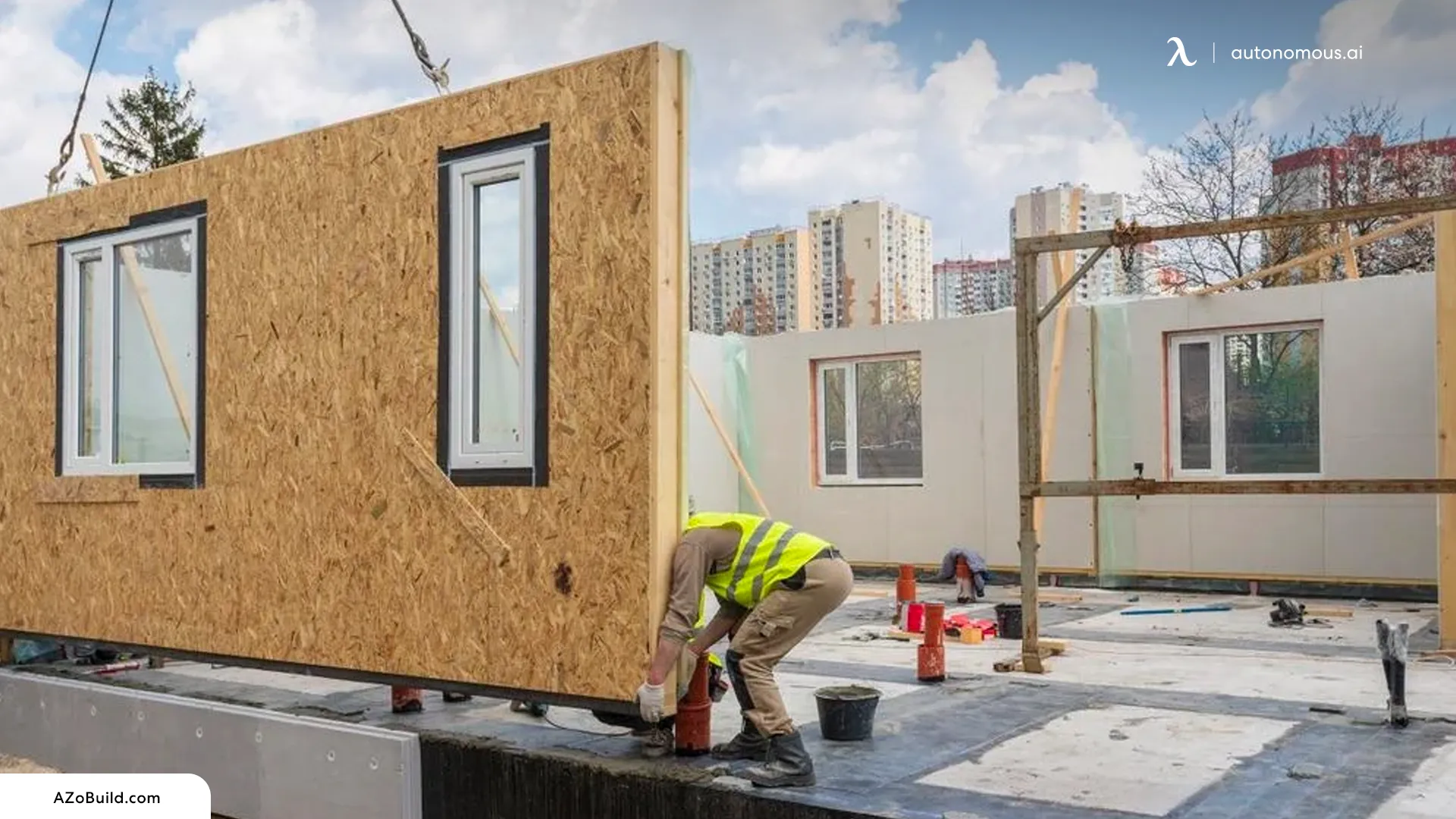
The conventional idea that all trailer houses look the same is no longer true. As we move into 2025, the worldwide market for prefabricated homes is growing quickly and may be worth $183 billion. By 2035, it could be worth $360 billion. We are seeing a transformation in which the “factory-built” designation no longer means giving up style or quality.
Instead, homeowners are learning that they may have a home that is made with the same care as a Swiss watch and has the same beauty as a great work of architecture. This is the time to learn how to find the right balance between design freedom and unmatched efficiency.
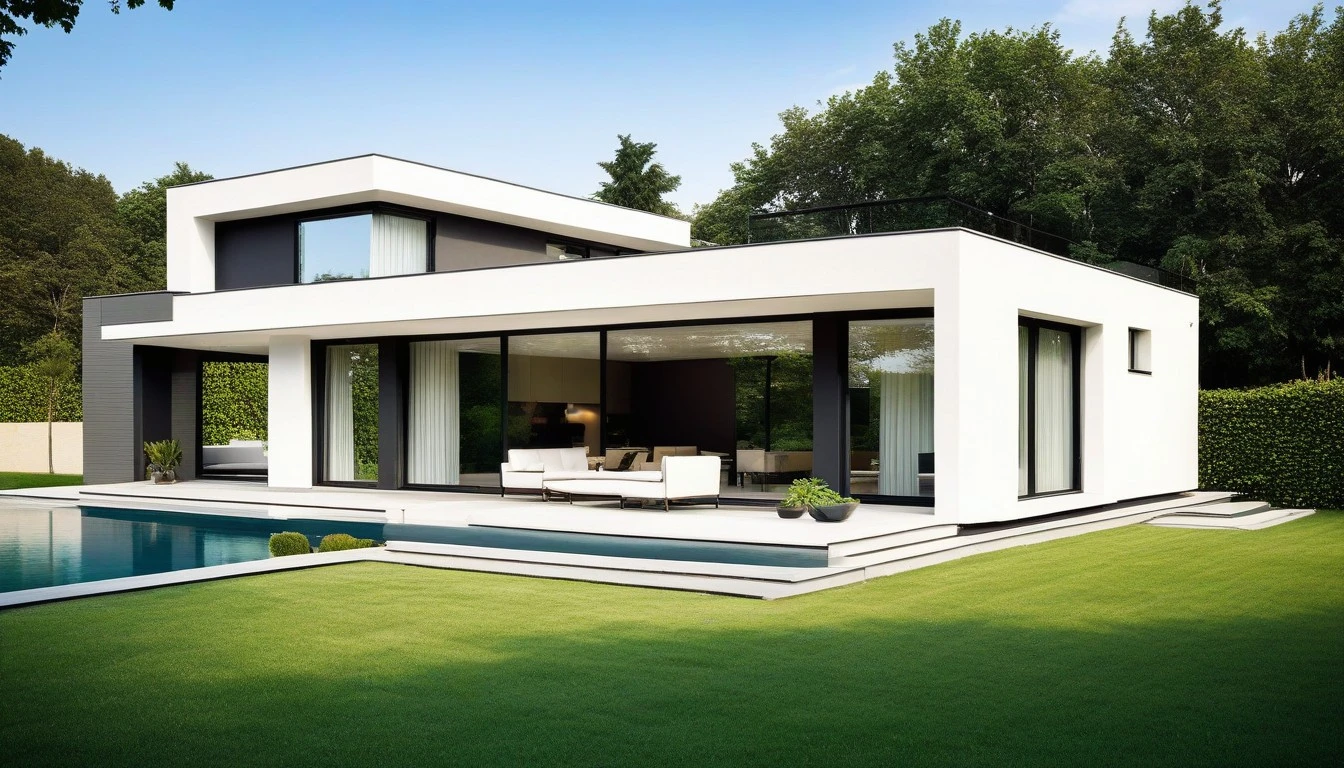
The Efficiency Engine: The New Luxury is Speed
When building a “dream home” the old-fashioned way, it can quickly turn into a logistical nightmare that lasts for years. Weather delays, not having enough contractors, and wasting materials can all make budgets and schedules longer than they need to be.
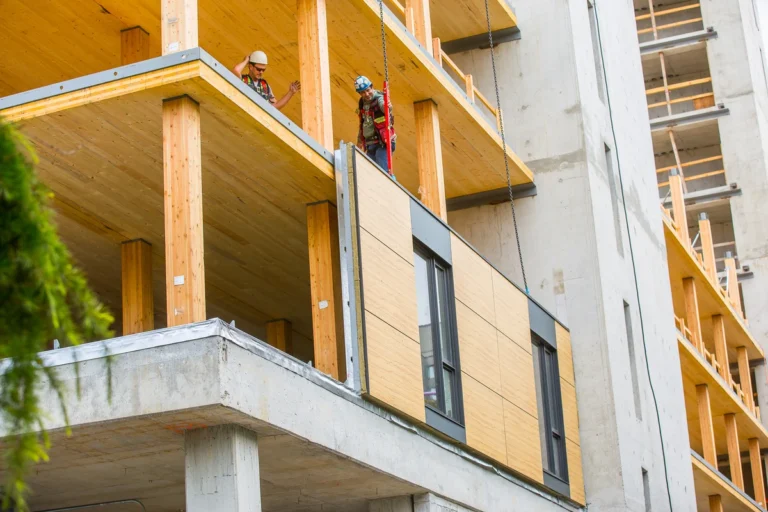
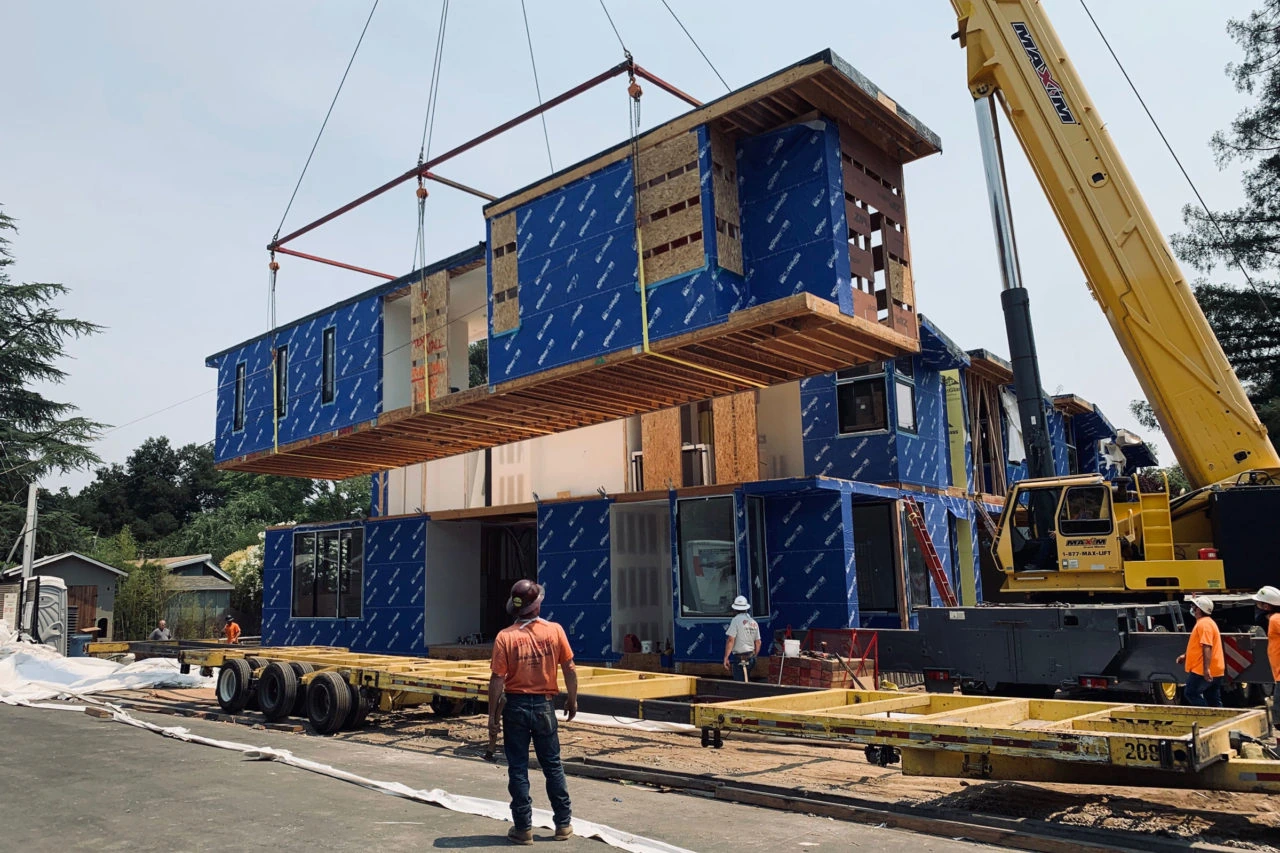
Prefabricated homes turn the tables. By moving most of the building work to a factory with climate control, builders can cut project times by as much as 50%. While your foundation is being poured on-site, your kitchen, bedrooms, and living spaces are being built with great care.
Important Efficiency Stats for 2025:
- No Weather Delays: Indoor construction means no “rain days” or “winter stalls,” which cause about 20% of delays in traditional building.
- Waste Reduction: Factory settings cut down on material waste by about 90%. Advanced CNC machines and computerized cutting tools make sure that every piece of wood or steel is used to its fullest.
- Cost Predictability: About 45% of businesses now use sophisticated construction technology. Fixed factory pricing means that the “surprise costs” that come up in traditional projects are almost gone.
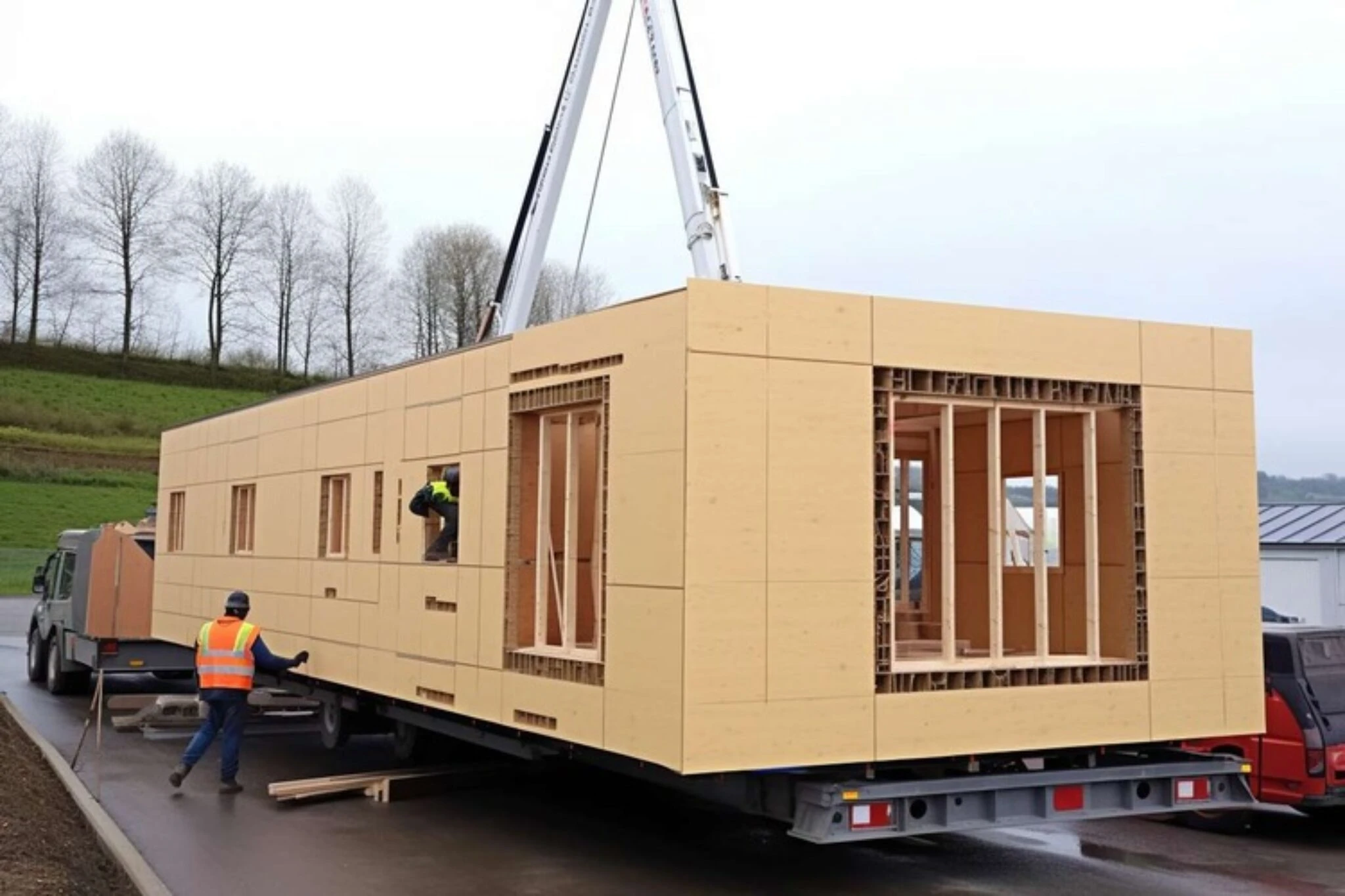
The “Box” Myth: How to Get More Design Freedom
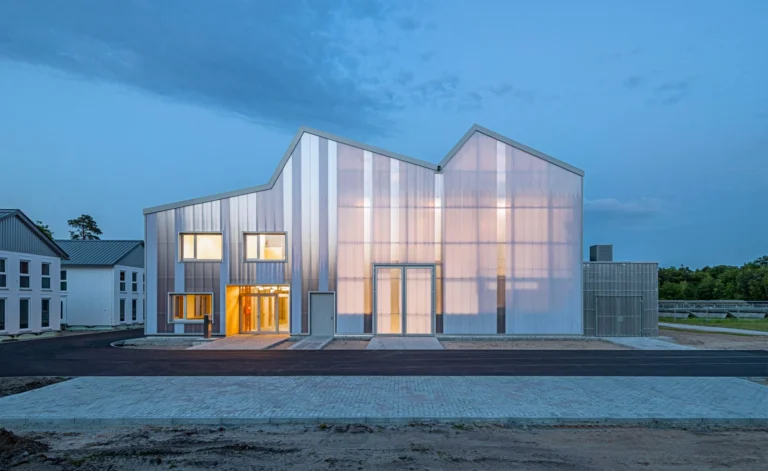
The most typical question people who are thinking about buying ask is, “Will it look like a shipping container?” In 2025, the answer is a clear no.
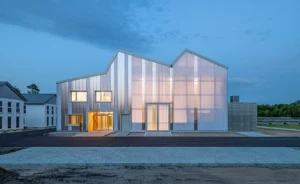
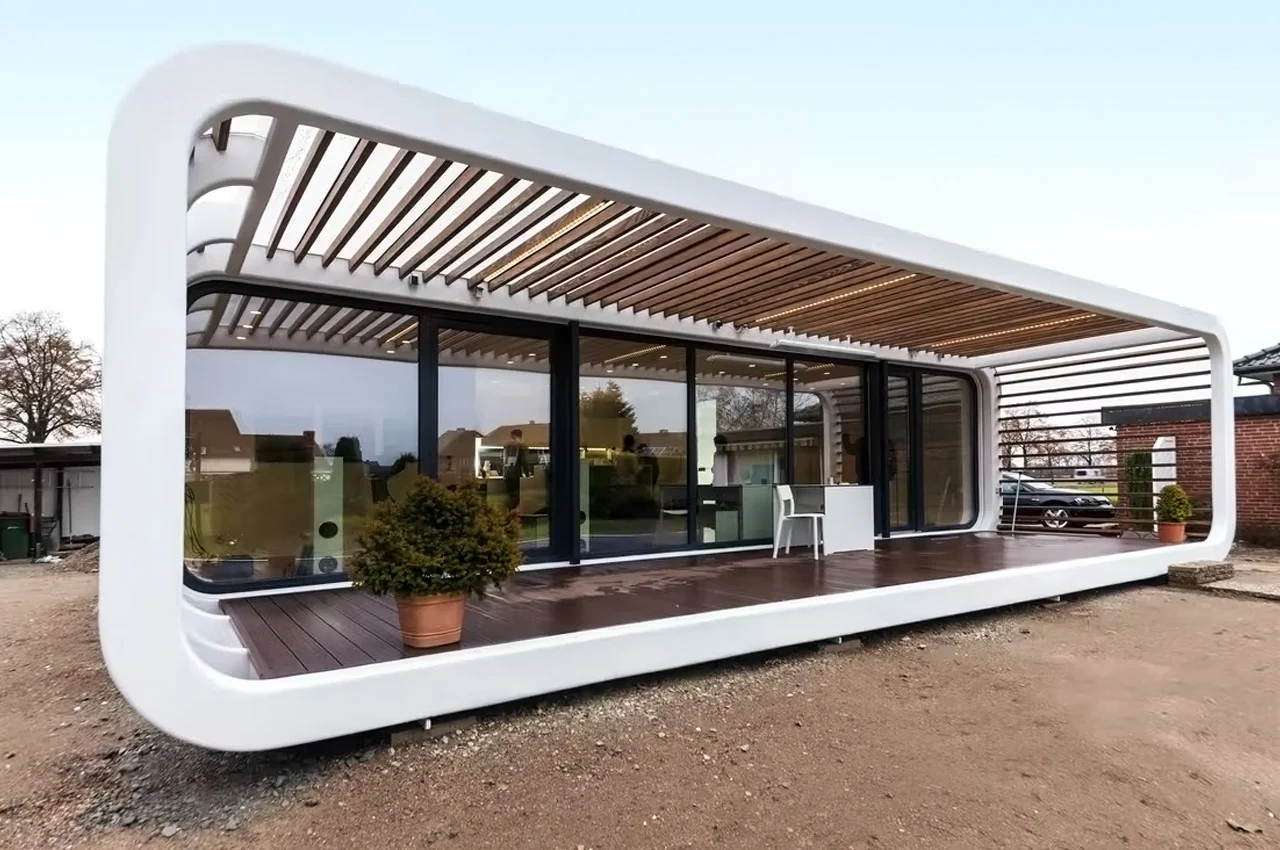
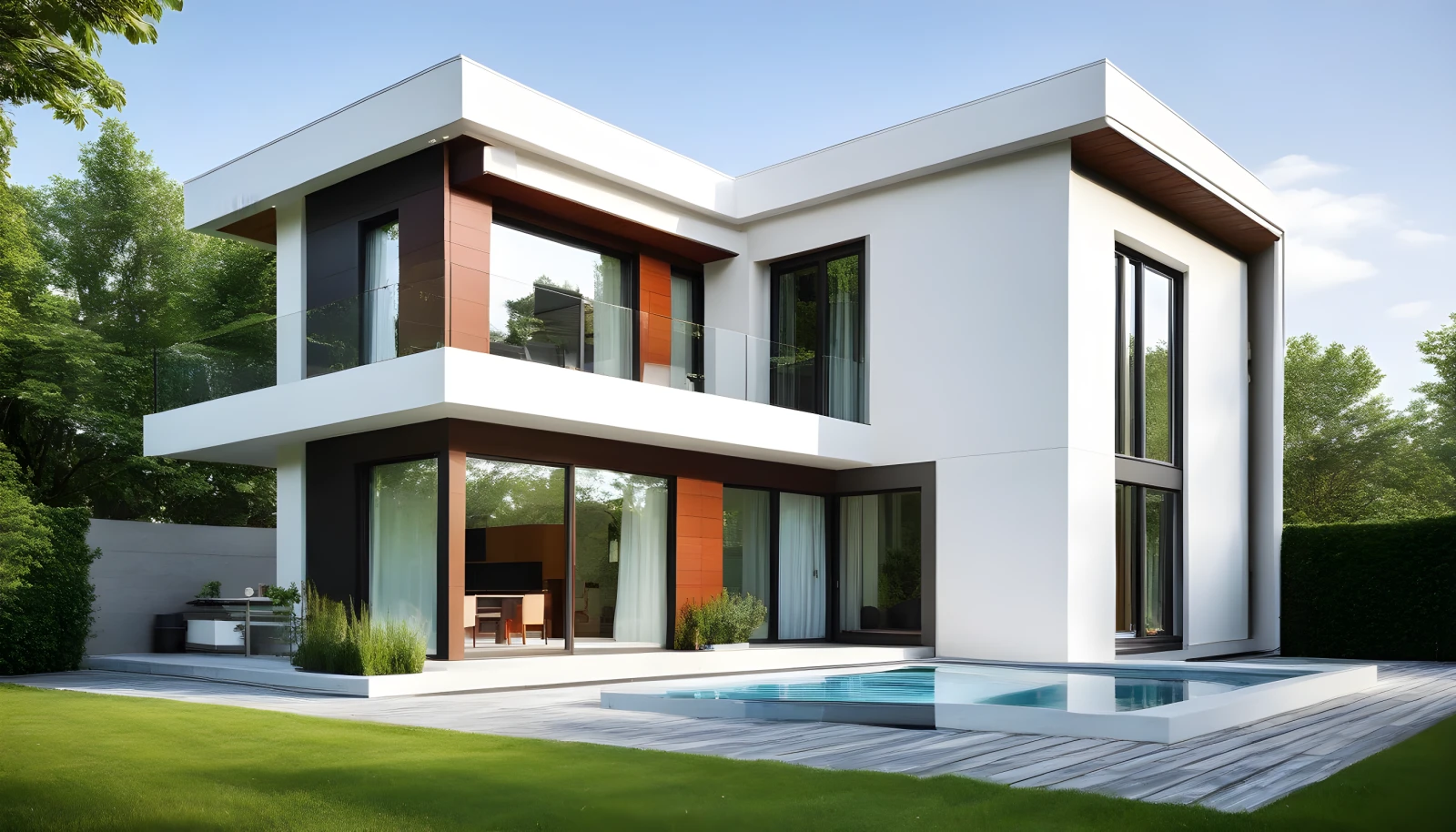
BIM (Building Information Modeling) and 3D printing have made modern design more flexible than ever. Architects may now use modular “plug-and-play” systems to create open-concept layouts, floor-to-ceiling glass curtain walls, and high ceilings that were once only possible with expensive custom projects.
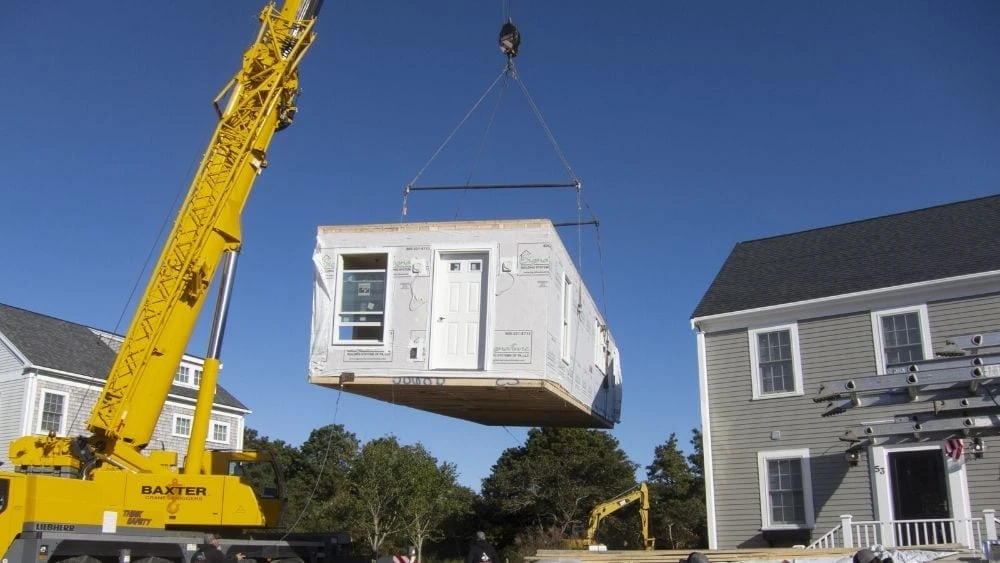
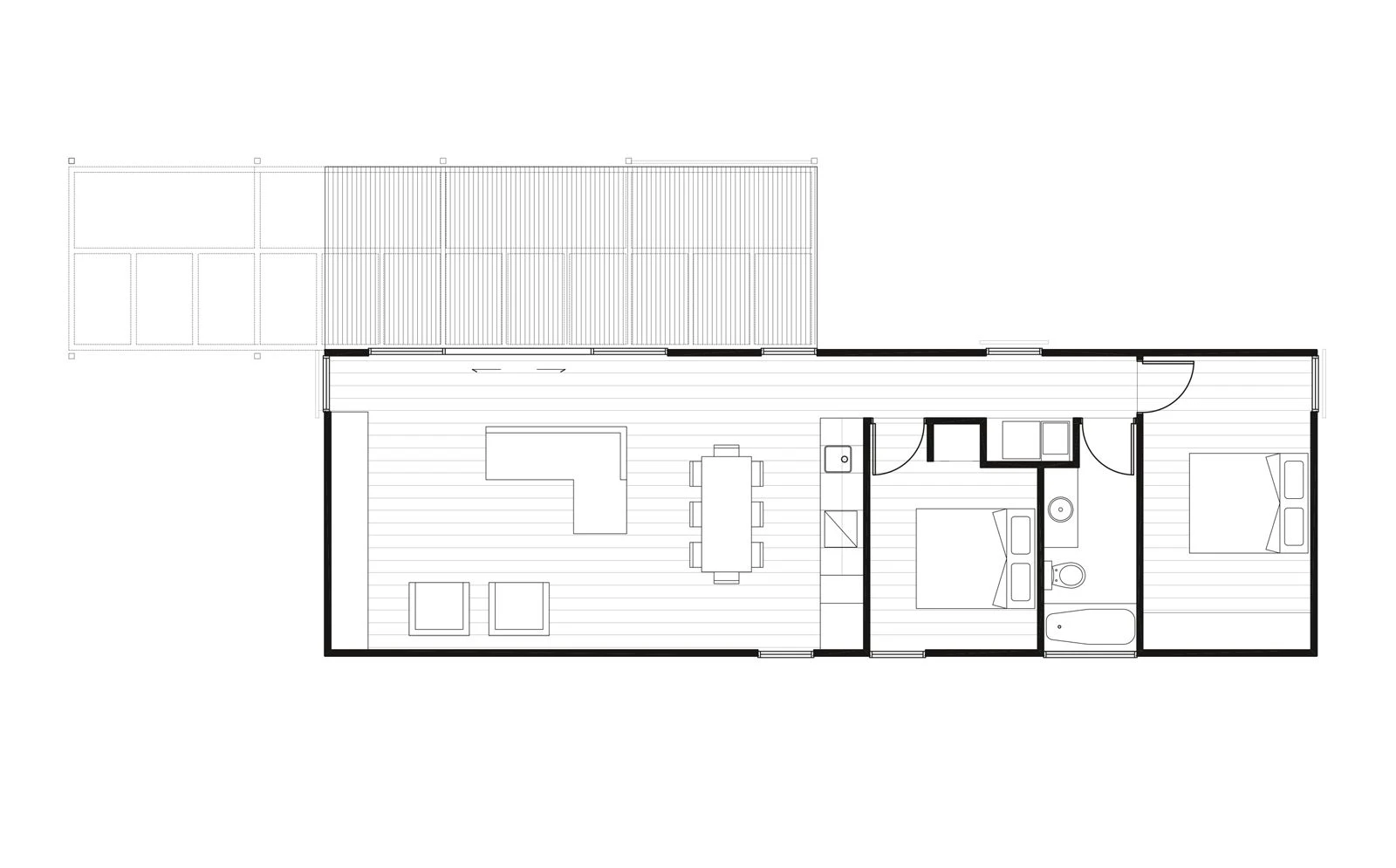
Flexible Floor Plans
Modular homes nowadays are made to grow with you. With “living wall” systems and sliding partitions, you can turn your home office into a guest room in just a few seconds. Adding on is as easy as “clicking” a new module onto your current structure—no need to tear anything down. Recent trends for 2025 suggest a rise in “Open-Sided” modules, which are predicted to expand at a CAGR of 9.3% since they let in a lot of light and air.
Mastery of Materials
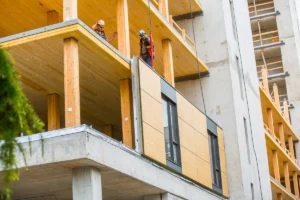
More and more people are using Cross-Laminated Timber (CLT) and recycled steel frames. These materials are not only good for the environment, but they also have a “natural warmth” and structural strength that lets for daring, column-free spans and beautiful sculptural shapes. Steel now holds around 28% of the market since it lasts a long time, but wood is gaining up as purchasers who care about the environment ask for biophilic designs.
The Heart of the Prefab Sanctuary: Sustainability
The environmental footprint of the future prefab home is more important than the designs. A house should not only look attractive, but it should also be healthy for the environment.
Many 2025 models come with:
- Solar-Ready Roofs: These roofs include built-in solar panels that often make the home “energy positive,” meaning they create more electricity than they need.
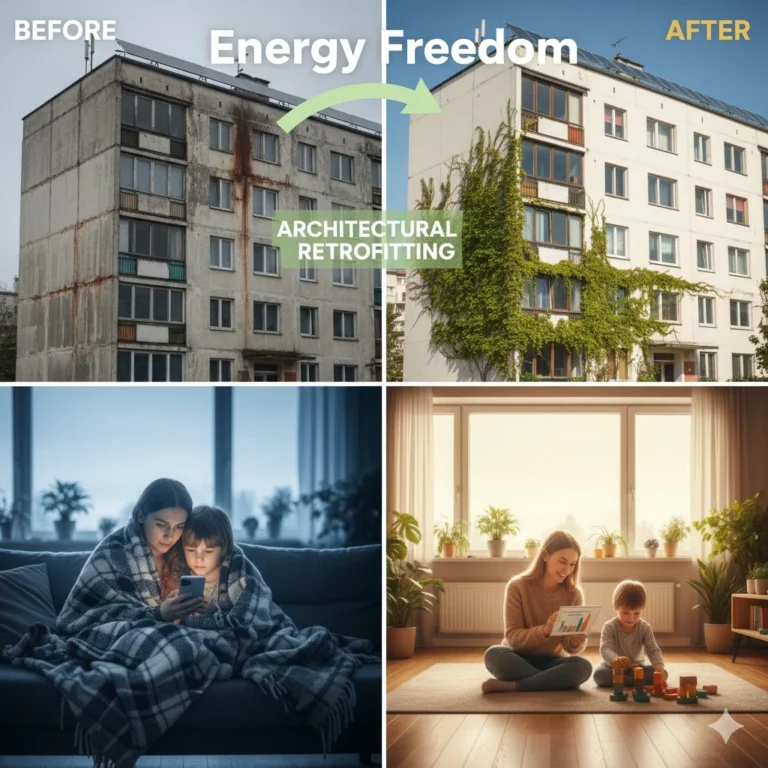
- Smart insulation: Using aerogels and phase-change materials (PCMs) that store heat during the day and let it go at night can save a lot of money on heating and cooling bills.
- Net-Zero Readiness: The “Net-Zero” home is no longer just a luxury; it’s becoming the standard. Reports say that more than 75% of buyers are now willing to pay more for these “greener” goods.
Smart Integration: Technology as a Tenant
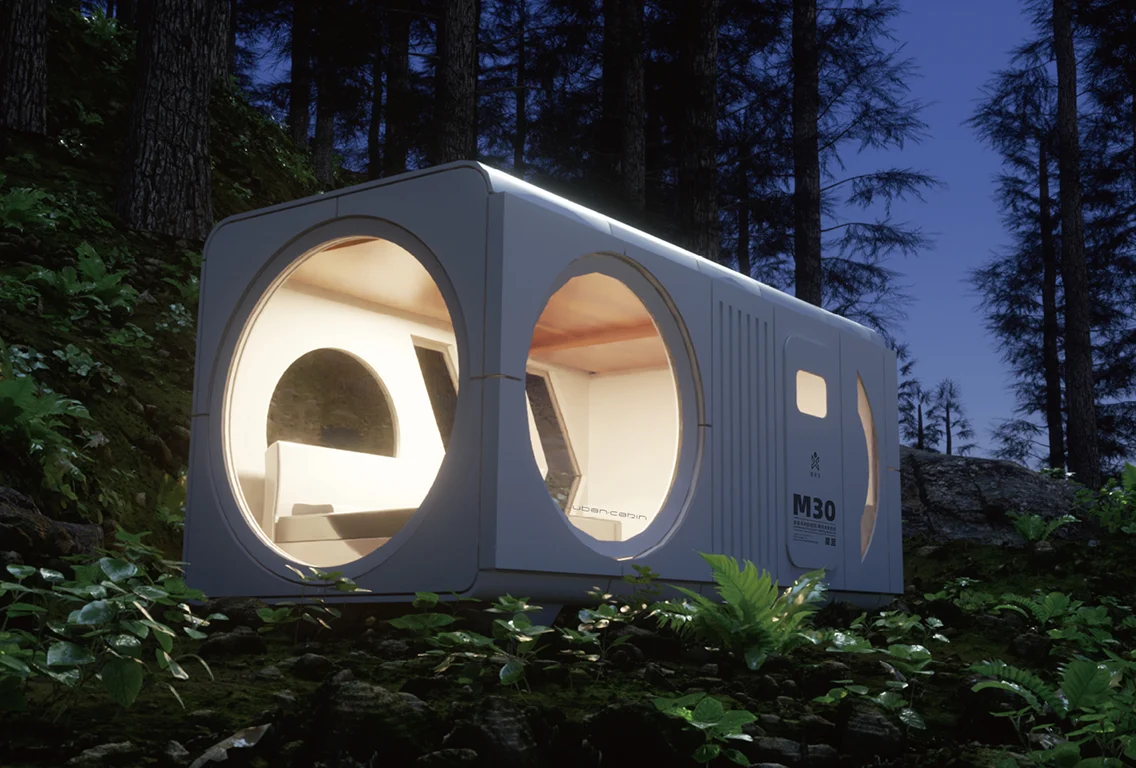
A lot of what we mean by “Future” in our term has to do with the Internet of Things (IoT). A prefab home is basically a big, livable gadget in 2025.
- Predictive Maintenance: Sensors built into the walls can find moisture or stress on the structure before it becomes a problem and send an alarm to your phone.
- AI-Driven Climate Control: Your home learns that you like it to be 20°C when you wake up and 18°C when you sleep. It then automatically changes the temperature based on real-time weather data.
- Focus on Health and Wellness: After the pandemic, modular buildings started to include medical-grade air filtration systems and materials that are safe and low in VOCs as standard features.

Getting over the “Prefab Prejudice”
Even though there have been huge advances in technology, some people are still unsure. About 35% of new projects still have to deal with rules or “perception challenges.” People often worry about how much they can sell it for or whether they can get a mortgage.
But things are changing. 77% of people now have a positive opinion of manufactured and modular homes. Younger people, in particular, don’t regard prefab as a “cheap alternative,” but as a high-tech way to solve the housing situation. Banks are also getting on board; many now provide green mortgages just for certified sustainable prefab buildings.
The Global Landscape: Where the Change is Taking Place
North America is a leader in new ideas, but Europe has the biggest market share right now (around 45%), especially in Sweden and Germany, where modular building is common. The Asia-Pacific area is developing the fastest, thanks to the rapid growth of cities in India and China. Because of this worldwide competition, prices are going down and quality is going up, making the “dream sanctuary” available to a far larger group of people.
Conclusion: Taking Control of Your Future
The argument between Efficiency and Design Flexibility is over for good. You don’t have to select between prefabricated homes anymore in 2025. You can have the custom beauty of a custom architectural design and the rapidity of a factory build.
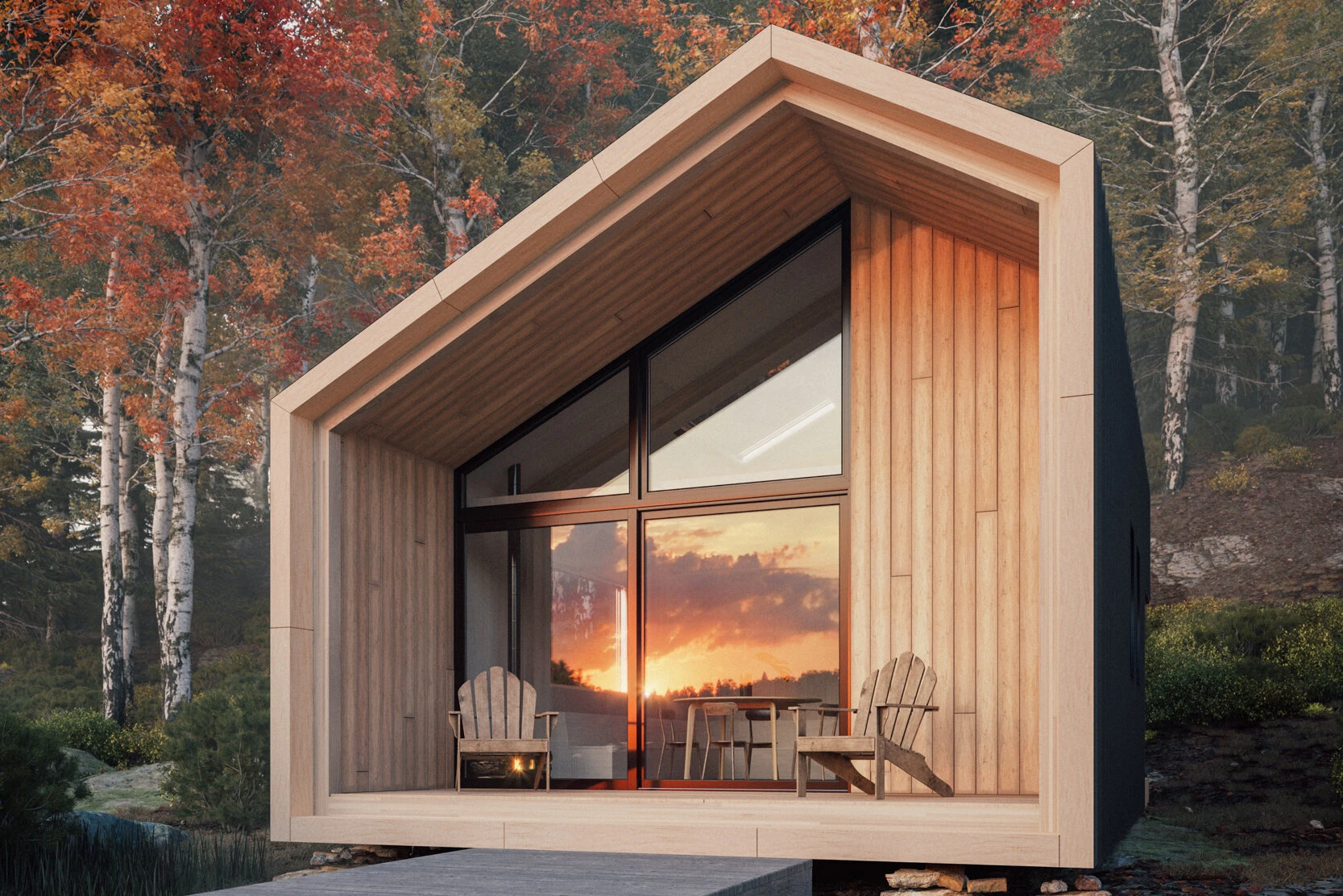
When you choose prefab, you’re not simply buying a house; you’re investing in a well-made home that cares about your time and the environment. The “heart” of the new home is modular, and it’s beating quicker than ever.
For more blogs like this CLICK HERE!!!
Reference: