If you love history and home design, finding out where a beautiful old building came from is one of the most enjoyable things you can do. People sometimes puzzle their minds when they see early American architecture styles from the 17th and 18th centuries. You can tell a house is “old,” but is it Georgian or Colonial?
Both forms are important in American architecture, but they tell quite different stories about the individuals who created and lived in them. One is a story of survival and need; the other is a story of wealth and classical refinement. Knowing the main difference is like finding a hidden chapter in American history.
This book will help you develop the architectural eye you need to notice the telltale indications, so you can recognize the difference between these two famous but different architectural styles.
American Colonial—Born of Necessity (1600s–c.1740)
The earliest Europeans who came to America didn’t care about adopting the latest European design trends. Their main goal was simple: to stay alive in the tough new weather. The American Colonial style came about because people cared more about how things worked than how they looked. At its core, it is an architecture of practicality.

The Look of Staying Alive
The first Colonial dwellings, which are also known as Colonial homes or Saltbox houses, were made mostly of wood and other materials that were easy to find in the area. They are frequently very simplistic and have simple rectangular shapes. There isn’t much in the way of decorative flourish here; everything has a reason for being there.
The roof is one of the main things that sets them apart. Colonial builders used a steeply pitched roof, which was necessary for getting rid of heavy rain and snow. This made the building tall and sometimes required a large, central chimney to heat the whole thing well.

The Beauty of Asymmetry
The most important visual evidence that a house is from the American Colonial period is that it is not symmetrical. People put windows and doors where they needed them for light or function, which often made the layout look off-center or uneven. Colonial architecture has a distinct, humanized beauty because it looks uneven. It feels like it was constructed by hand because it was.
Look for windows that aren’t completely straight or a front door that is visibly off to one side.

Georgian Architecture—The Grand Statement (c. 1740–1790)
A new wave of development started in the 18th century as the colonies become richer. This was the time of the Georgian style, which was named after the three British kings named George (I, II, and III). This style was less about providing basic shelter and more about showing off success.
A Return to Classical Design
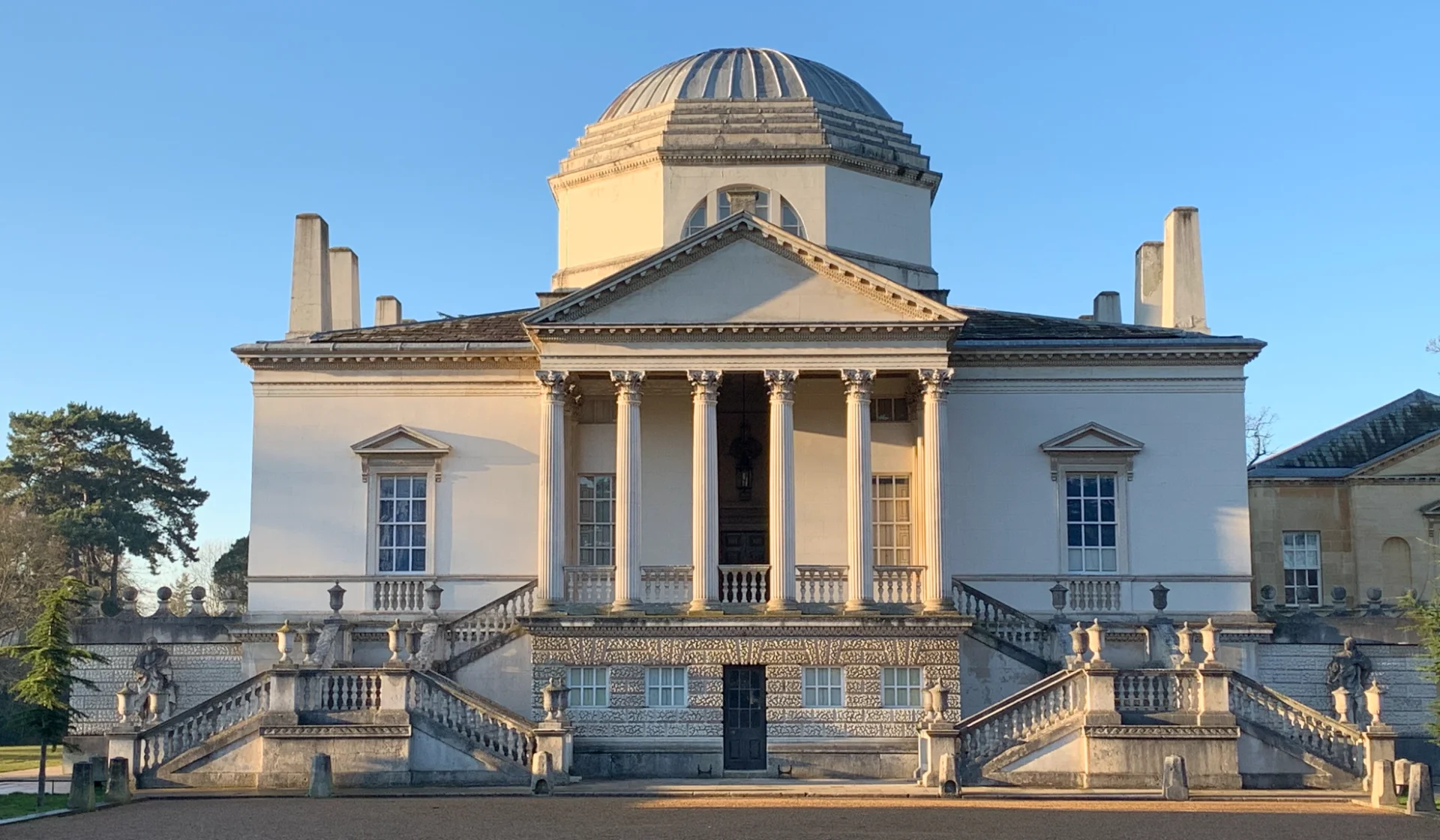
The European Renaissance, especially the work of the Italian architect Andrea Palladio, had a big impact on Georgian architecture. It was the architectural language of the British Empire, which meant prosperity, stability, and good taste. It came to America through architectural pattern books, which let rich merchants and planters copy the latest fashions from London.
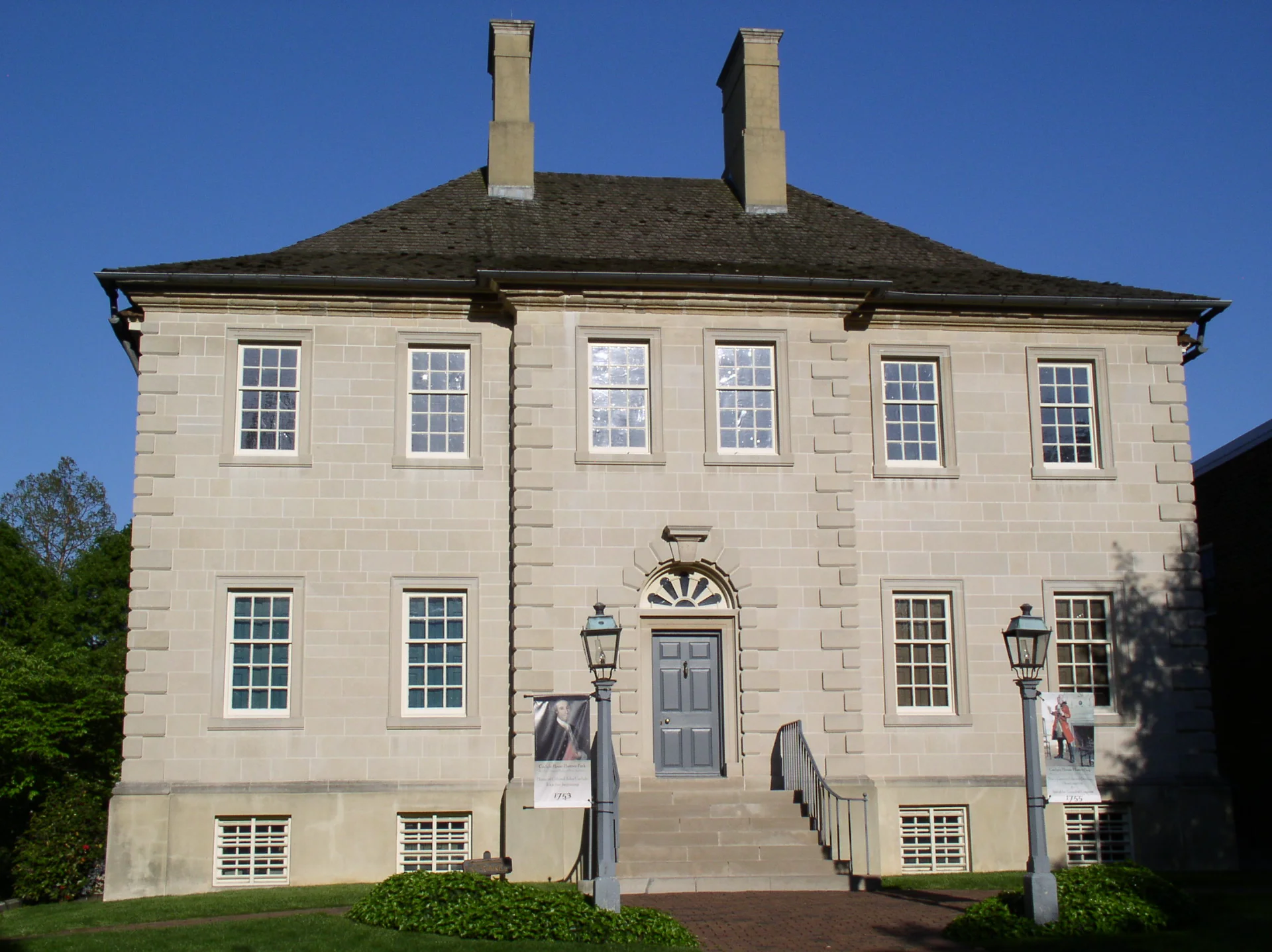
Georgian houses are basically brick or stone boxes that look formal, intimidating, and perfectly balanced.
The Rule of Perfect Balance
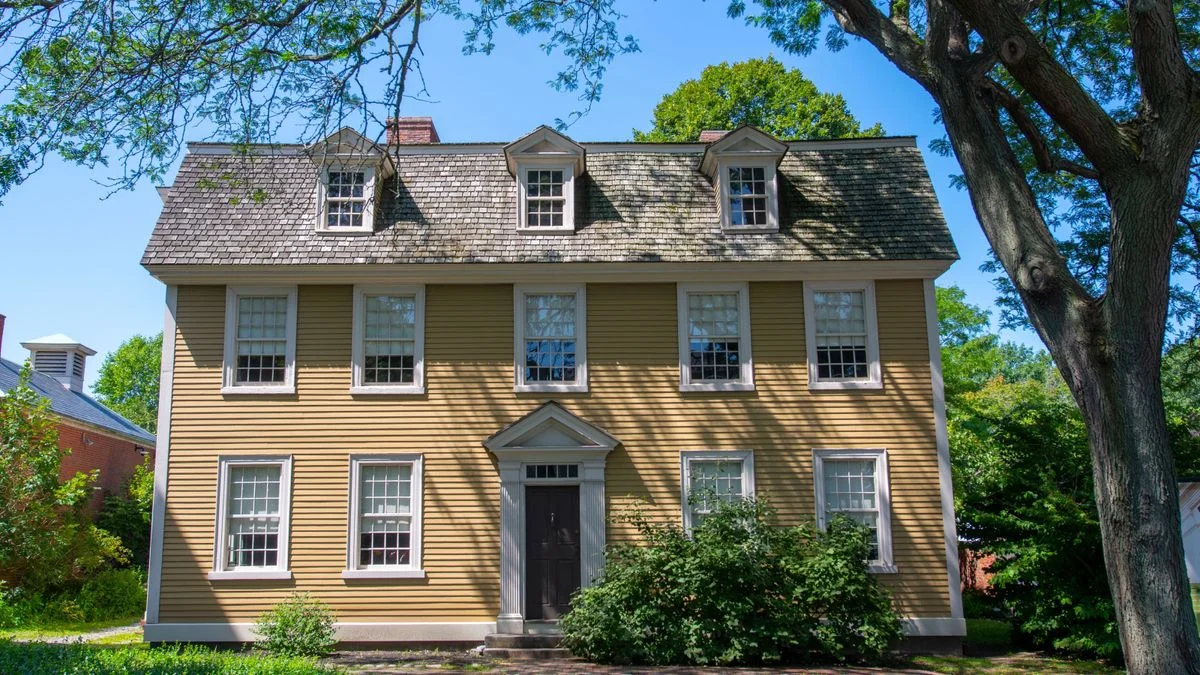
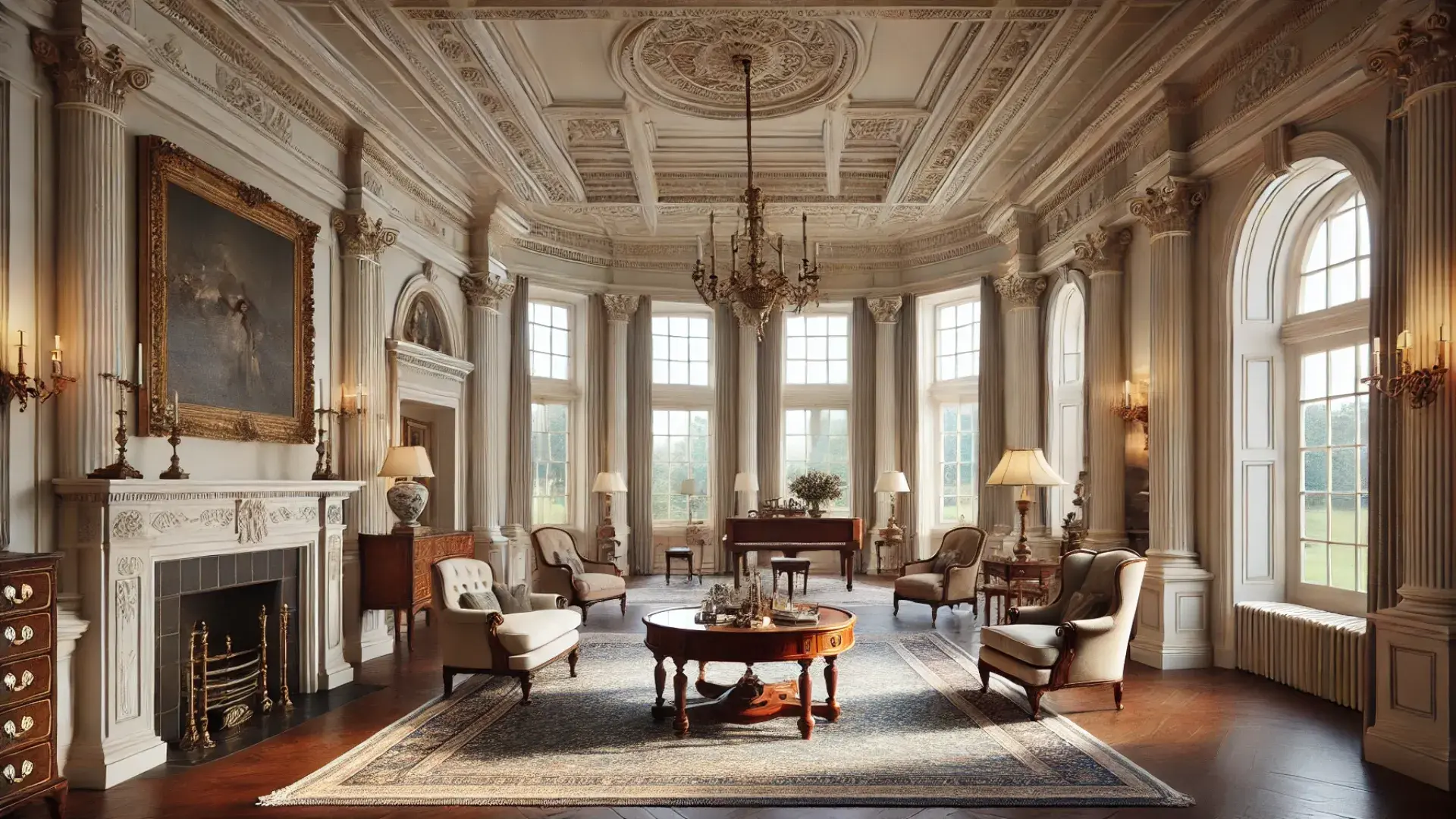
Georgian design is known for its strict adherence to symmetry. The idea was to make it look like it was in order. If you can draw a straight line from the front door to the back, everything on the left side must be exactly the same on the right.
Windows are always the same size and lined up, and they are usually organized in a rigid five-bay (five windows across the front) or three-bay pattern. The roof is usually a low-pitched hip roof with a railing or parapet that makes the roofline look flat or hidden from the ground.
Important Hint: Count the windows. You are looking at Georgian if the house has an odd number of windows across its width and they are evenly placed.
The Head-to-Head Architectural Showdown
When you see a colonial-era house, look for these three things to help you figure out what it is:
The Test of Symmetry
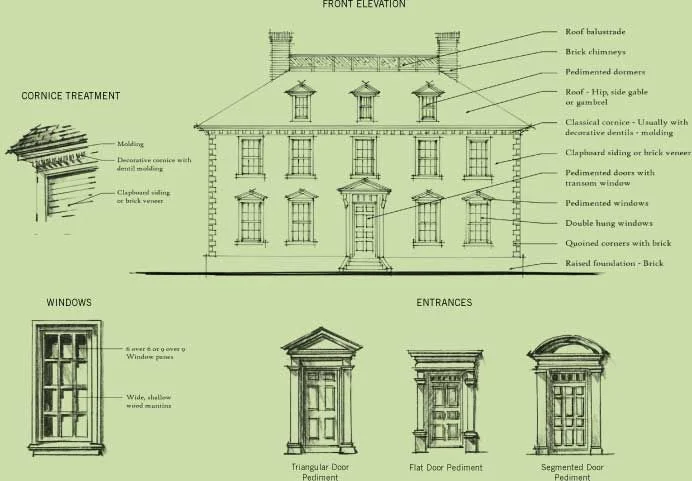
This test is the easiest. The symmetry test will commonly fail for American Colonial (Pragmatic) because the windows may be different sizes, the front entrance may be off-center, or the windows may not be in the right spot. Georgian Architecture (Formal) will pass with flying colors; it is very symmetrical, which is what classical design is all about.
The Difference in the Roofline
The style of the roof says a lot about the builders’ resources and the weather.
- Colonial: A roof that is very steeply pitched, usually in the style of a gable or saltbox, so that it can hold more room inside and quickly shed rain and snow.
- Georgian: a roof with a low pitch that slopes down on all four sides or a gable roof that is typically made to look smaller. The less-steep pitch showed that the builders had access to better materials and building methods to keep leaks from happening, which often showed the Palladian style.
The Grandness of the Entrance
The way you get into the house says a lot about the original owner’s social standing.
A simple Colonial home usually has a plain, often narrow, wood door as its entrance. There isn’t much detail or framing. It only serves a purpose.
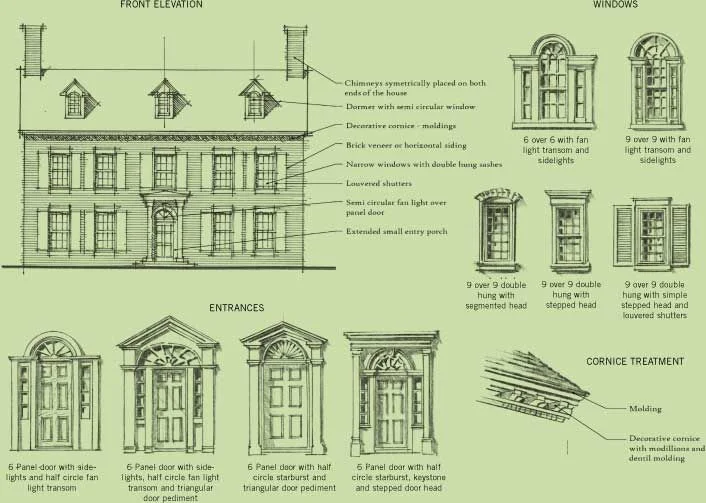
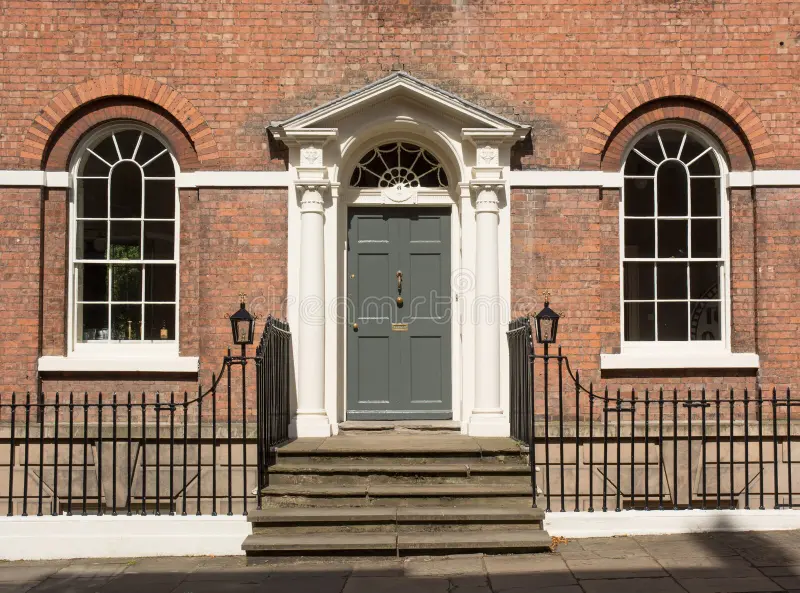
The Georgian door, on the other hand, is the most important part of the whole facade. It is a big, central display with classical features like columns (pilasters), a beautiful broken or triangular pediment over the door, and maybe a delicate fanlight or sidelights.
Opening Up Your Architectural Eye
Keep these main ideas in mind the next time you visit a historic neighborhood: American Colonial dwellings are the simple, sturdy buildings that were erected on the early frontier with an eye toward practicality. Georgian houses are the elegant, well-balanced homes of the wealthy colonial nobility. They were created with style and dignity in mind.
You may go beyond just viewing a “old house” and really appreciate the rich and complex history that is built into America’s oldest buildings by looking at the three main areas: symmetry, roof pitch, and entryway detailing. Now that you know the difference, have fun finding things!
For more blogs like this CLICK HERE!!
Reference:
How to Tell the Difference Between Colonial Revival and Georgian Homes – Century Homes America