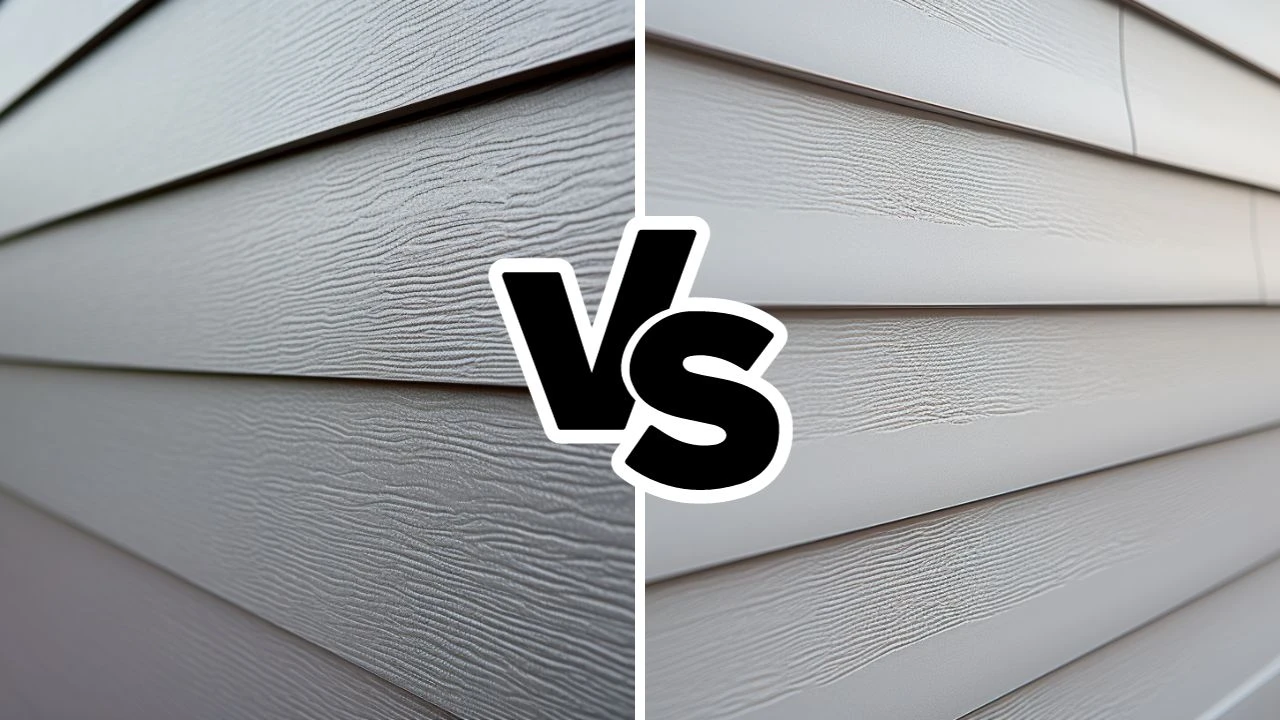
The Choice of Siding That Makes Your Home Unique
As a homeowner, picking the exterior cladding for your home is one of the most important choices you’ll make. The material you choose is the shield that keeps your most valuable possession safe from the sun, storms, and time. It sets the style and, most importantly, decides how much it will cost to keep up with it in the long run.
In the US, vinyl siding and fiber cement siding are the two most popular options. Both promise style and durability.
A lot of the time, homeowners have to choose between the low cost and ease of vinyl and the long-lasting strength and high-end beauty of fiber cement. It’s not just about the hue; it’s about Financial Peace. This definitive guide cuts through the noise and gives you the clear information you need to make a sensible, planned choice for your future.
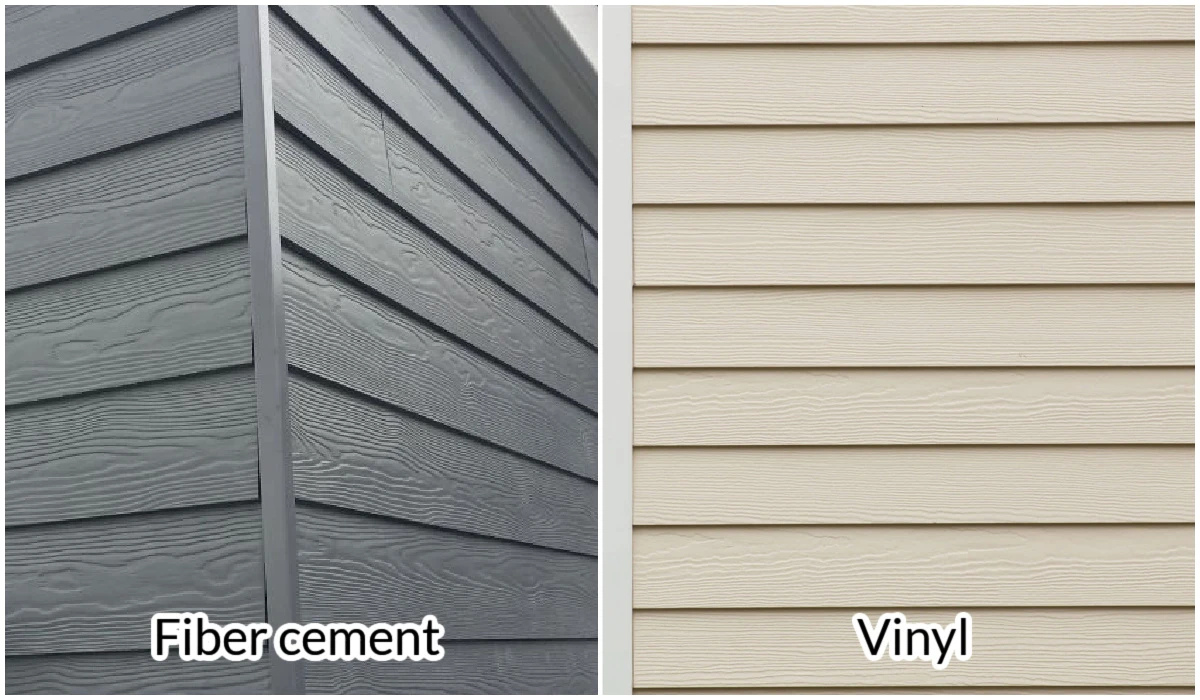
The Truth Up Front—Initial Cost and Installation
The first thing that affects a lot of selections is the price in the start. This is where the distinction between vinyl siding and fiber cement is most clear.
Vinyl siding is the best choice for people on a budget because it is comprised of PVC plastic, which makes it light, easy to create, and easy to put up.
- Cost Advantage: Vinyl is usually the cheapest choice because the cost of materials and installation is much lower per square foot than fiber cement. This is a good solution for homeowners who need to stick to a tight budget right now or who want to flip the house quickly.
- Installation Ease: Because the panels are light and snap together, vinyl is easier to install, which lowers labor expenses. Some expert do-it-yourselfers can even do a tiny installation, but it’s always best to hire a pro to protect against dampness.
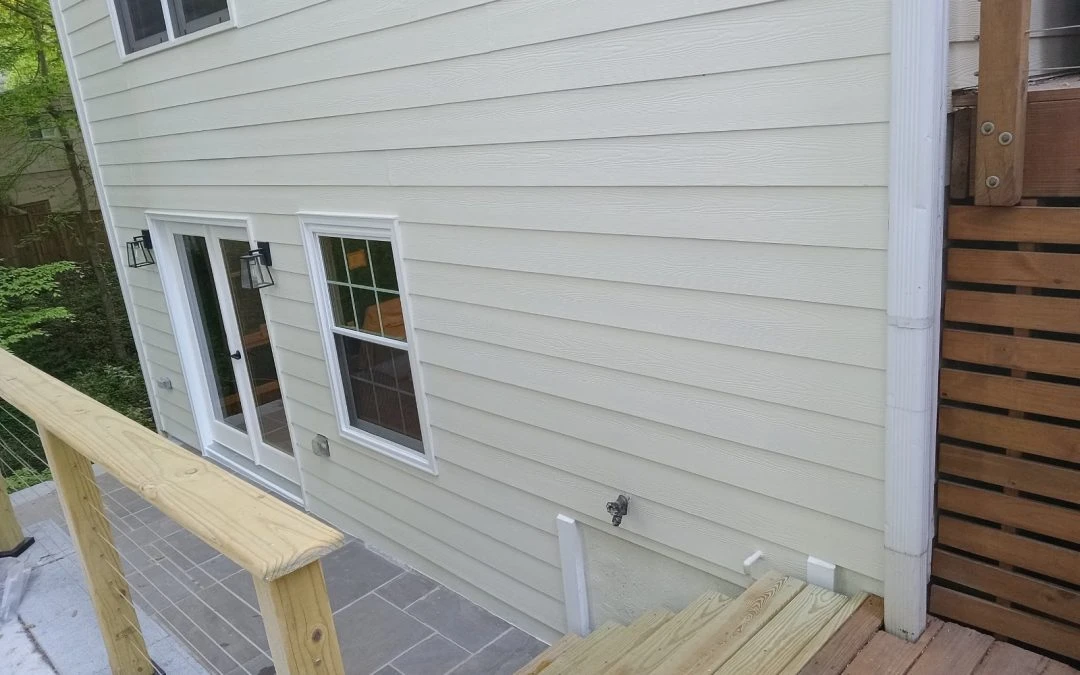
Fiber Cement: The Best Choice for an Investment
Fiber cement siding is a thick, long-lasting material made of sand, cement, and cellulose fibers. It often looks like real wood.
- Higher Upfront Cost: The materials are more expensive, and putting them together is hard. Fiber cement is heavy, breaks easily before installation, and needs specific tools and care because of the silica dust. This requires professional installation, which greatly raises the cost of labor at the start.
- Strategic Spending: Even if the initial cost is higher, it’s not just an expense; it’s an investment in a higher-end product that looks better and lasts longer.

The Longevity Showdown—Durability and Upkeep
The cost of a siding material now is not the best way to judge it. Instead, you should look at how well it works and how much it will cost to own over the next 20 to 50 years. This is where you win or lose Financial Peace.
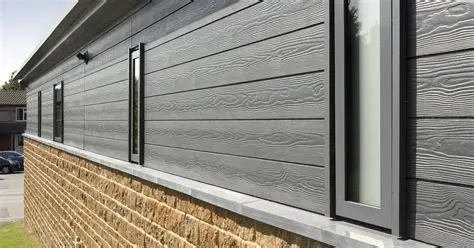
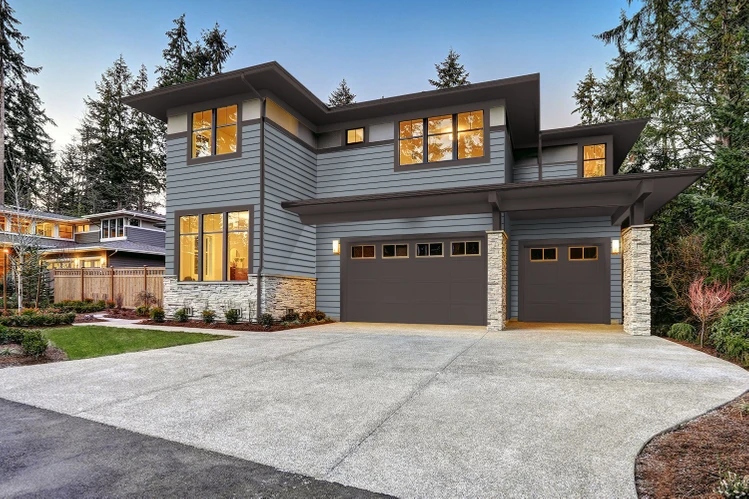
Fiber Cement: The Shield That Can’t Be Broken
When it comes to strength, fiber cement is the clear victor.
- Lifespan: Fiber cement can last 50 years or more with the right care. Warranties usually cover 30 to 50 years.
- Weather and Pests: It won’t rot, get eaten by insects or termites, or catch fire (it usually gets a Class 1A fire rating, which means it won’t catch fire). It can handle big changes in temperature, hail, and strong winds far better than vinyl.
- Cleaning: Fiber cement needs to be cleaned every year with a hose and will need to be painted again every 10 to 15 years, depending on the quality of the paint and the weather.
Vinyl siding: Low Maintenance, High Risk
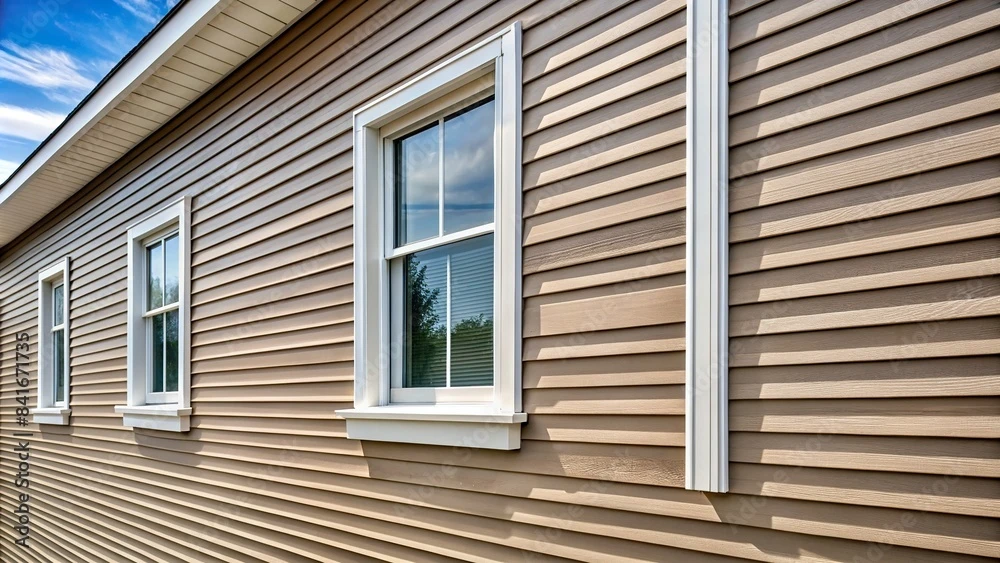
The environment and quality of the vinyl you choose will have a big effect on how long it lasts.
- Life span: Vinyl usually lasts between 20 and 40 years. Panels that are thicker and of higher quality work best.
- Vulnerability: It can bend or melt in very hot weather (such from reflected low-E windows or grills), and it can crack in very cold weather or when it hits something. It fades over time, and it’s hard to get paint that matches the hue for repairs.
- Maintenance: Vinyl is the easiest to care for. It only needs to be cleaned now and then. The fact that it comes in color means that busy homeowners don’t have to paint it, which gives them piece of mind in the near term.
Value and Return on Investment (ROI)
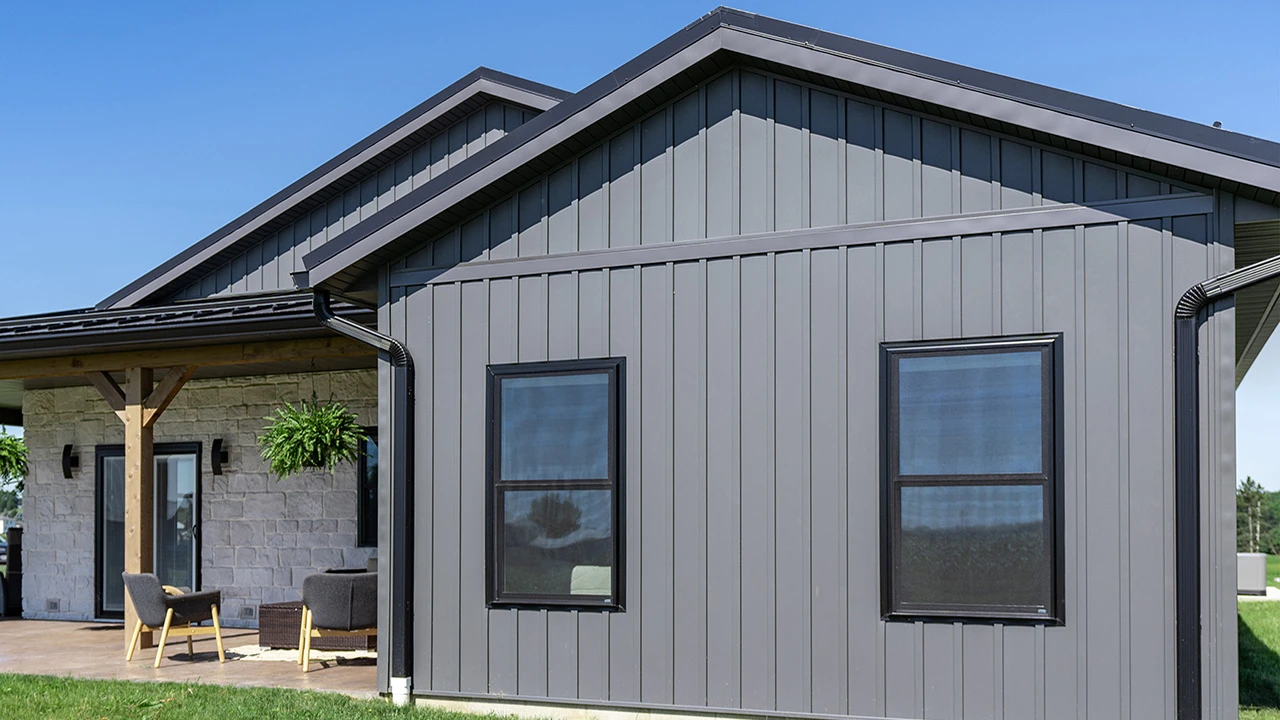
The value of your home is directly related to how it looks from the outside and how long it lasts.

Appeal From the Street and Value When Selling
- Fiber Cement: This material has a deep, natural texture that looks just like wood, giving any home a high-end, luxury look. Studies demonstrate that homes with fiber cement siding, especially high-end brands, often get a better Return on Investment (ROI) when they sell than homes with vinyl siding. This is because fiber cement is more durable and looks nicer. People who buy know that the material is good and will last.
- Vinyl: Even if current vinyl looks better, many people still think of it as the lower-tier option. Replacing old, worn-out siding will definitely make the house look better from the street, but it might not add as much value to the final sale price as fiber cement.
The Factor of the Environment
For a lot of people in the US who own homes, the effect on the environment is a very important part of the strategic choice:
- Fiber Cement (The Green Win): Made from sustainable elements like sand, cement, and wood pulp, it lasts a long time (50 years or more) and is fireproof, which means you don’t have to repair it as often, which is better for the environment in the long run.
- Vinyl (The Plastic Problem): Polyvinyl Chloride (PVC) is used to make it, and the process uses harmful chemicals. The end product is hard to recycle and doesn’t break down in the environment.
In Conclusion, You Need to Make the Right Choice for Your Future
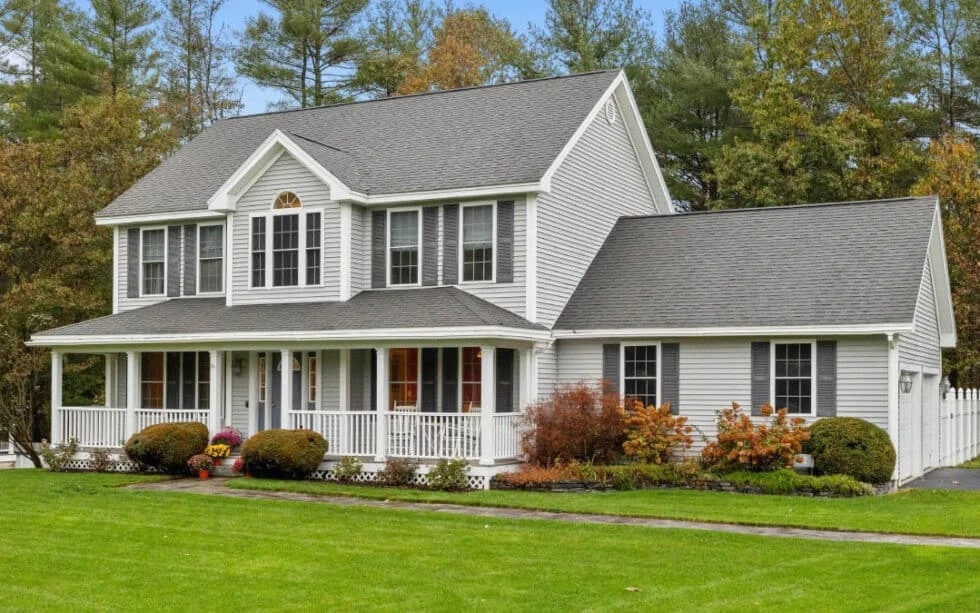
When you have to choose between vinyl siding and fiber cement USA, it’s a typical instance of short-term savings versus long-term value.
| Factor | Vinyl Siding | Fiber Cement Siding |
| Initial Cost | Much Lower | Higher |
| Durability | Good (can crack/warp) | Excellent (resists fire, rot, pests) |
| Maintenance | Minimal (no painting) | Low (periodic cleaning, painting every 10-15 years) |
| Lifespan | 20-40 Years | 50+ Years |
| Aesthetic | Affordable, improved looks | Premium, realistic wood texture |
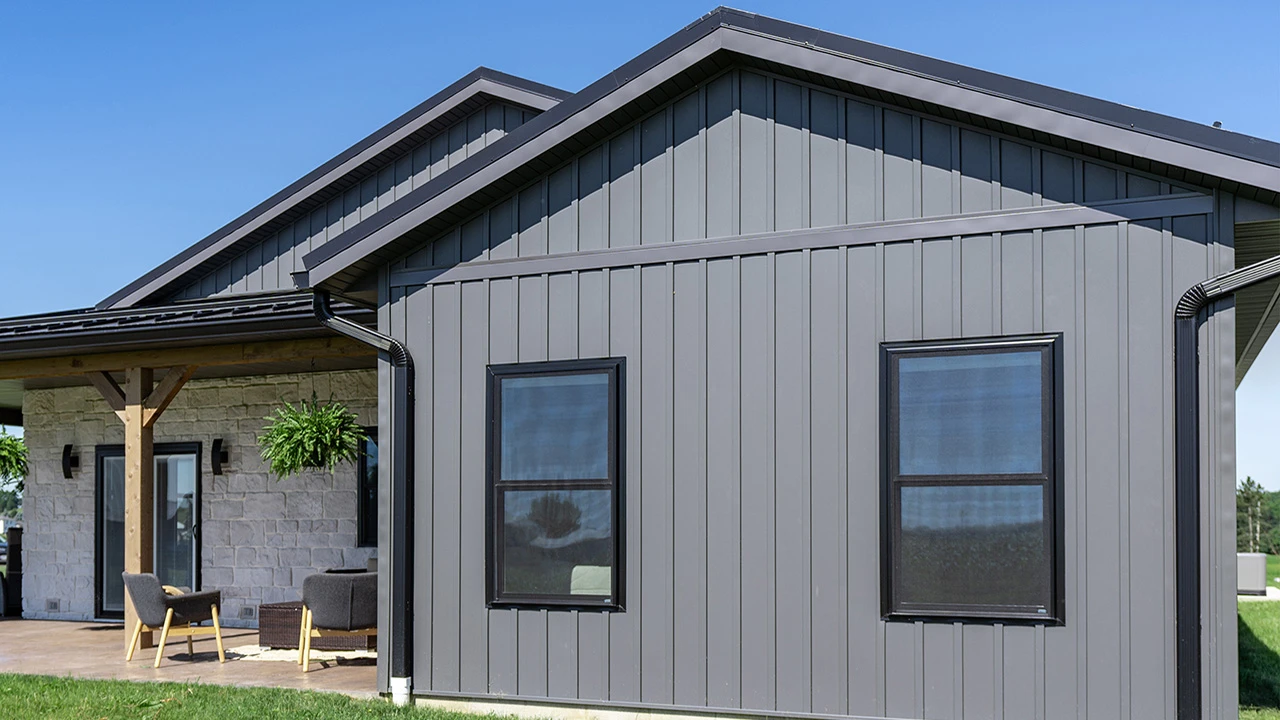
Vinyl siding is still a good alternative for homeowners who want to keep their prices low and their maintenance needs to a minimum over the next 20 years.
For individuals who want the best value, the longest-lasting material, the best look, and the best return on their home investment, fiber cement is the substance that will give them true, long-term Financial Peace. It is the sensible, planned choice that lowers risk and raises value for generations.
For more blogs like this CLICK HERE!!!
Reference: