
Buying or building a home is probably the most money you’ll ever spend. But a lot of people get really anxious when they get a set of blueprints. It looks more like a secret code than a chart of your future existence with those dark lines and strange abbreviations.
But the truth is that learning how to read floor plans isn’t only about knowing where the couch goes. It’s about keeping your family safe in the future. It’s about making sure your home is safe, works well, and can expand with you. When you “crack the code,” you go from being a spectator to being in charge of your own home.
The Emotional Blueprint: Why Reading and Writing Are Important
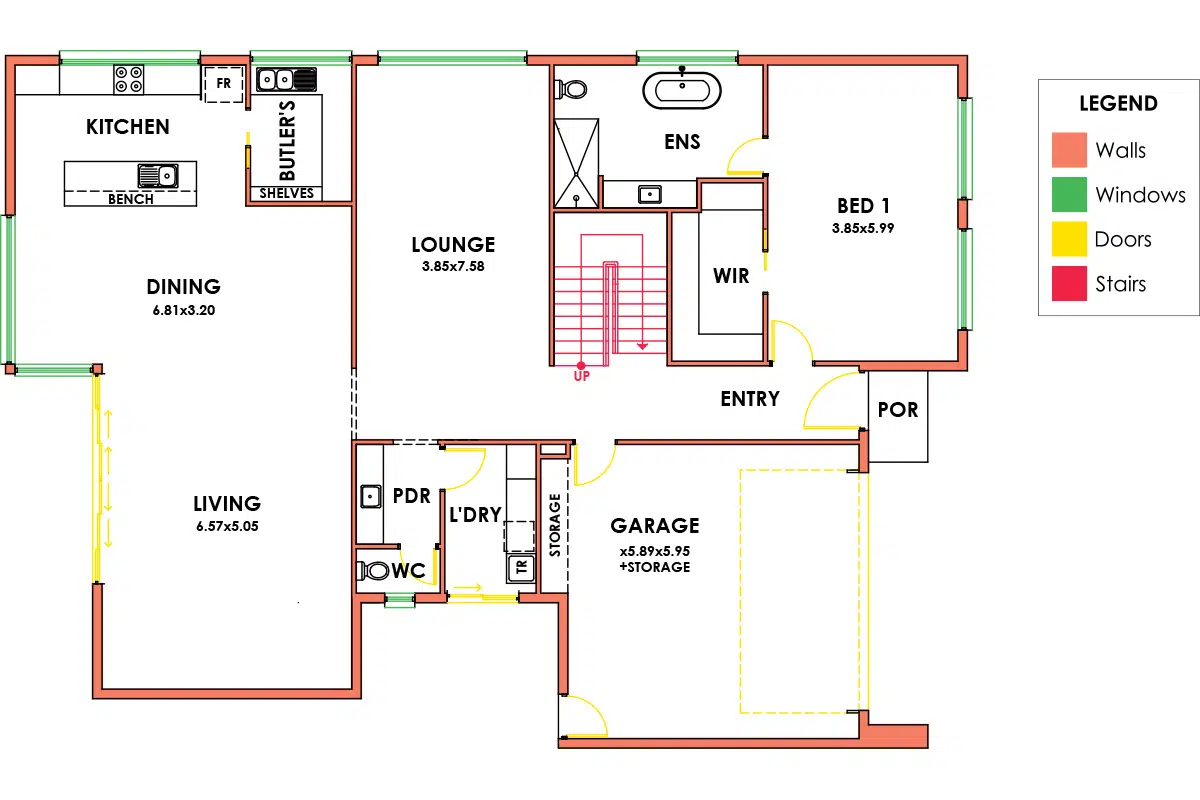
A floor plan is more than just a technical layout; it’s a promise of how you will live. If you can’t read a design, you can end up living in a house with “dead zones,” not enough natural light, or dangerous things like stairs that are hard to get to. You can picture your morning routine, holiday celebrations, and calm afternoons before a single brick is laid if you understand these illustrations.
Learn the “Golden Rule” of Scale
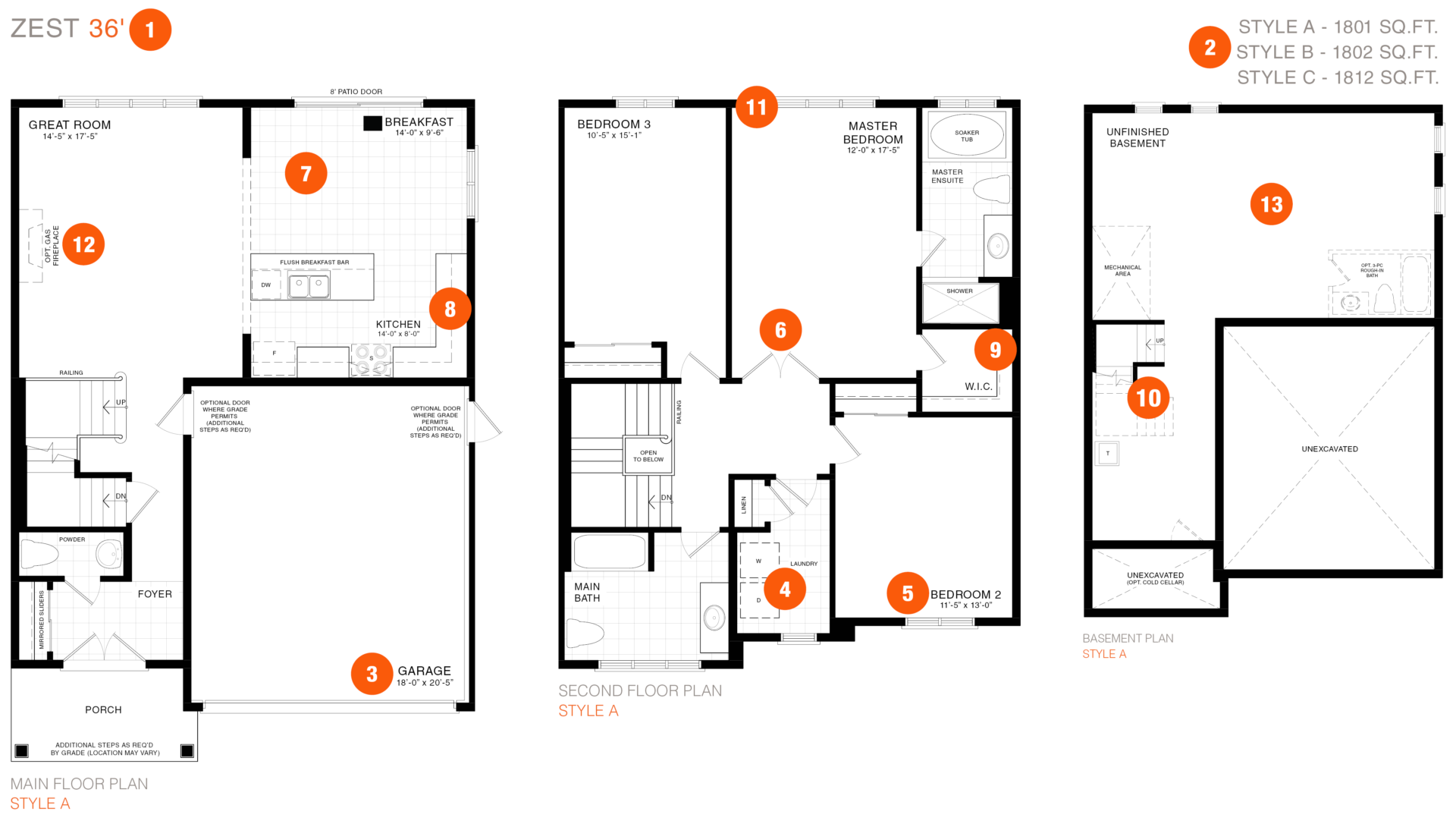
The most typical scale for home plans in the US is 1/4″ = 1′. This means that every quarter-inch on your paper is equal to one foot in real life.
Why it matters for your family: If you don’t know how to measure scale, a bedroom may look big on paper but feel like a closet when your queen-sized bed comes.
Tip: Use a ruler to find out how much space there is around furniture. To keep your home from feeling tight, make sure there is at least three feet of walking space in areas with a lot of traffic.
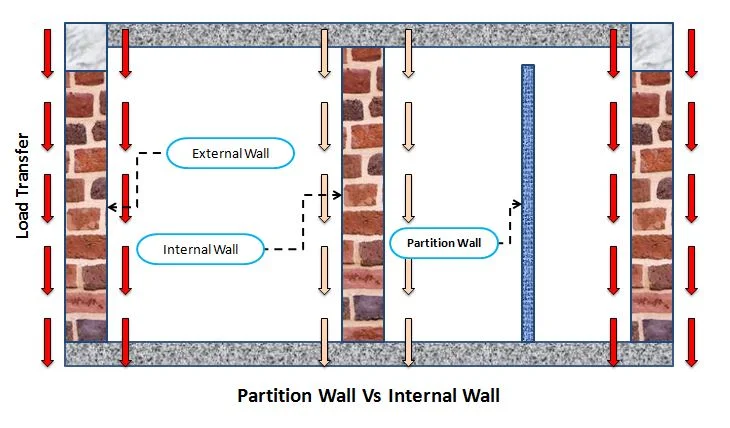
Figuring Out the Walls: Structural Vs. Partition
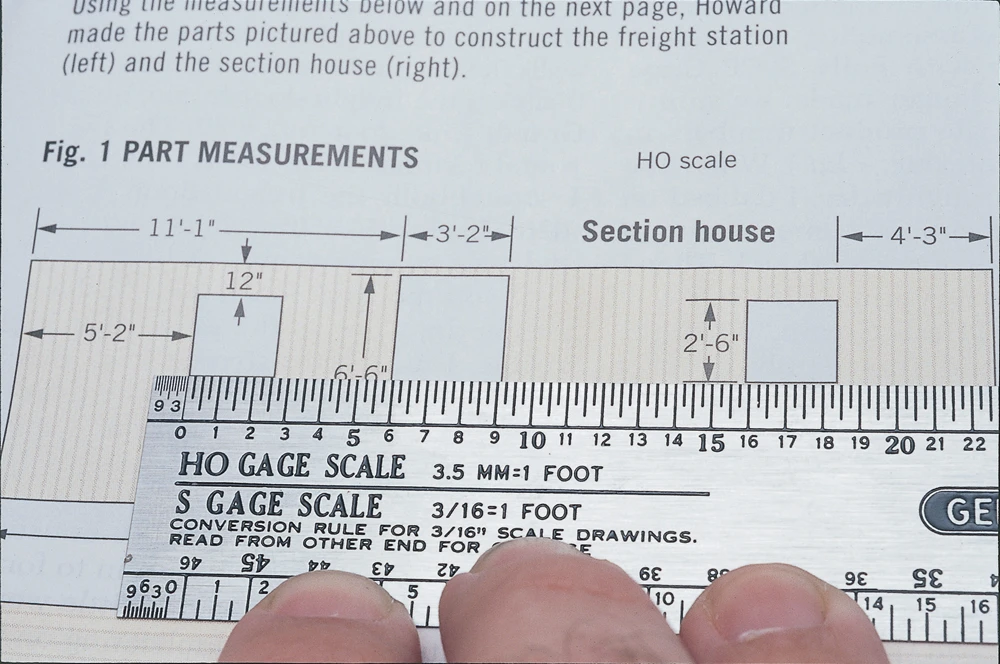
Not every line is the same.
- Thick, solid lines are frequently walls on the outside or walls that hold up the building. They are the “bones” of your home.
- These are partition walls with thinner lines. They separate rooms, but they don’t support the roof.
Safety Check: If you ever want to remodel, it’s very important to know which walls can hold weight. If you knock down the wrong wall, it might put your family’s safety and the home’s structural stability at risk.
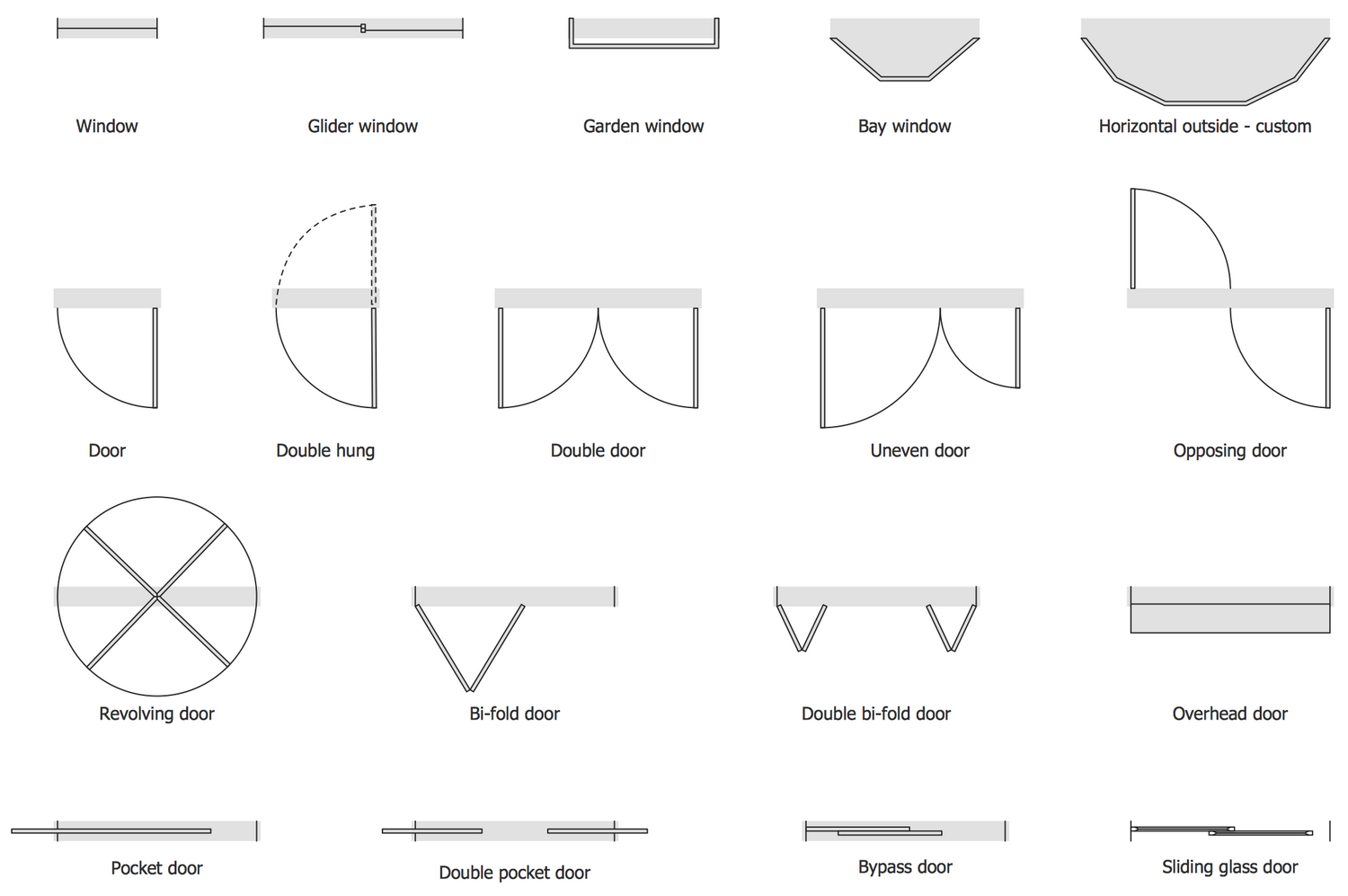
The Words of Windows and Doors
A thin line (the door itself) and an arc show doors. That arc shows which way the swing goes.
- The Swing Factor: When a door swings open into a small hallway, it makes a “collision zone.” This is a safety risk for families with young kids.
- Windows: They are usually portrayed as three lines that run parallel to each other in a wall. Take note of how they are facing. In the US, south-facing windows let in the most natural light, which keeps your home bright and lowers your energy expenditures.
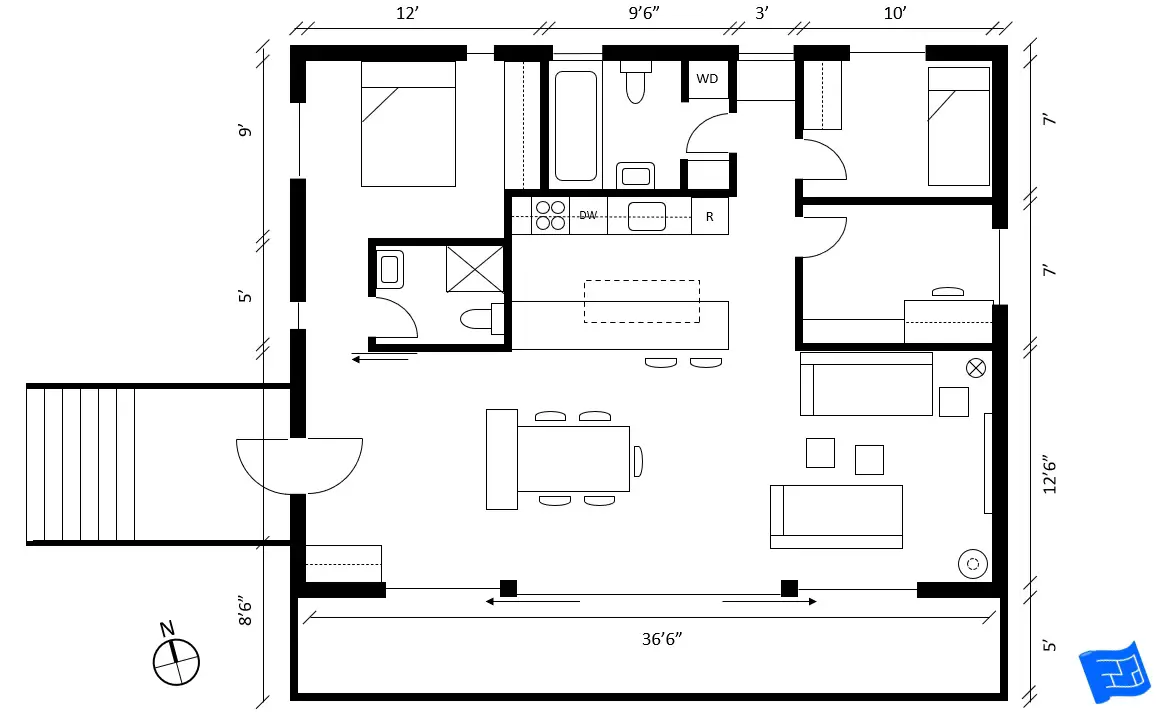
Essential Symbols Cheat Sheet
Architects employ a common set of symbols. Here are the big ones that will be in modern buildings in 2025:
- DW: Dishwasher (This should be close to the sink).
- WH: Check to see that the water heater is safely hidden away.
- Standard Arcs: Doors that swing open and closed.
- Z-Lines and Sawtooth: These show that there is insulation inside the walls, which is important for keeping your family warm in the winter and cool in the summer.
- Dashed Lines: These show objects that are above the floor, like upper kitchen cabinets or a vaulted ceiling that is “open to below.”
Future-Proofing: Keeping Your Family Safe in the Future
The greatest way to avoid “buyer’s remorse” is to read a floor plan. This is how to see 10 years into the future:
- The “Forever” Factor: Is there a complete bath and bedroom on the main floor? This is very important for “aging in place” or if a family member becomes hurt temporarily.
- Flex Spaces: Look for rooms with the words “Den” or “Study.” These are valuable spaces that may shift from being a nursery to a home office to a place for teens to hang out.
First, be sure you know the way out. In case of an emergency, is there a clear path out of every bedroom? To know how the sun will hit the house, look for the “N” (North Arrow). Rooms that face south are warmer, which can affect your energy expenditures.
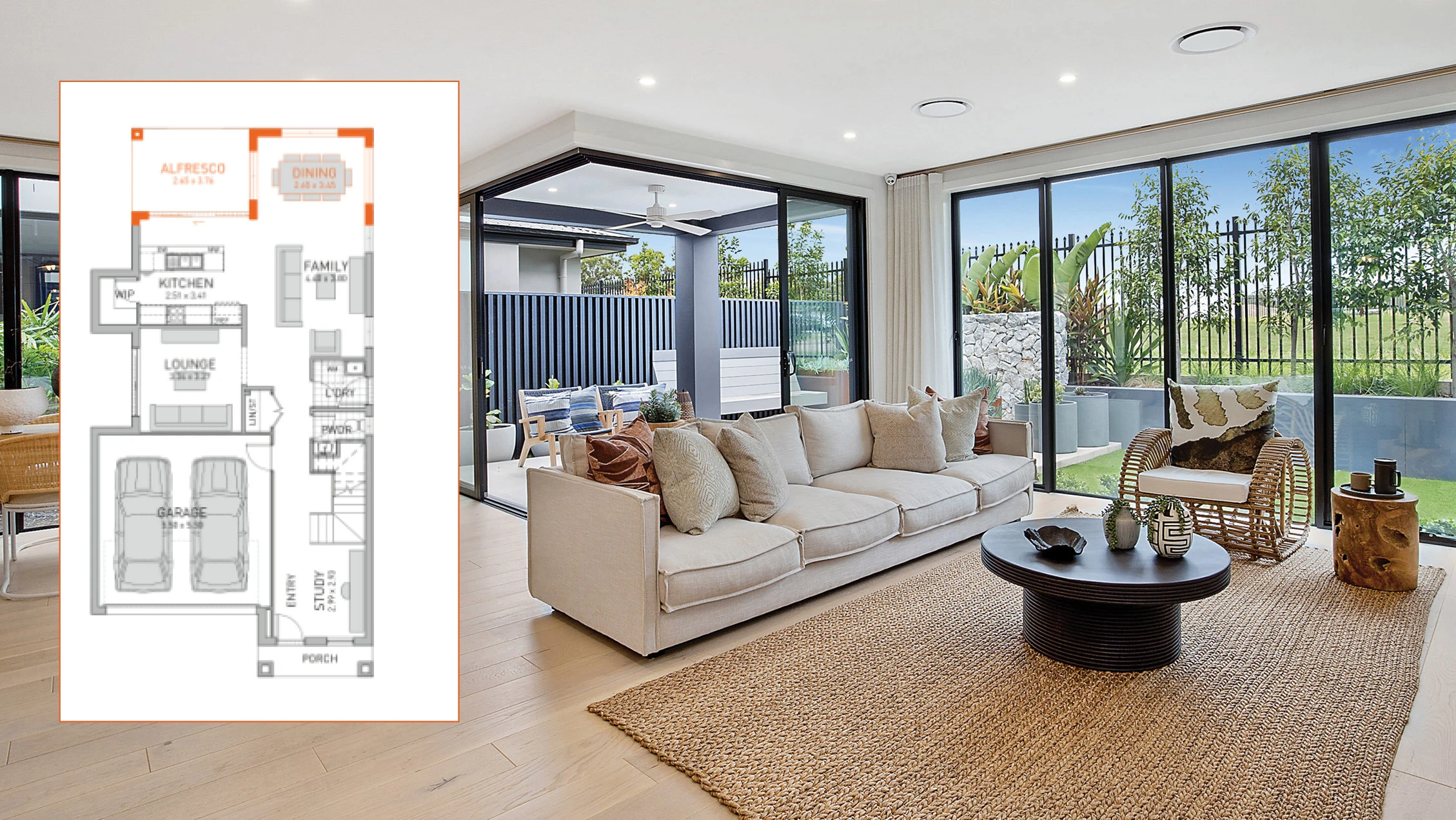
The “Wellness” Trend of 2025
Modern American floor plans are moving toward designs that focus on health. For working from home, look for “pocket offices” and “spa-like” bathroom layouts. A modest 5×5-foot area called a “nook” can be the safe place you need for your mental health.
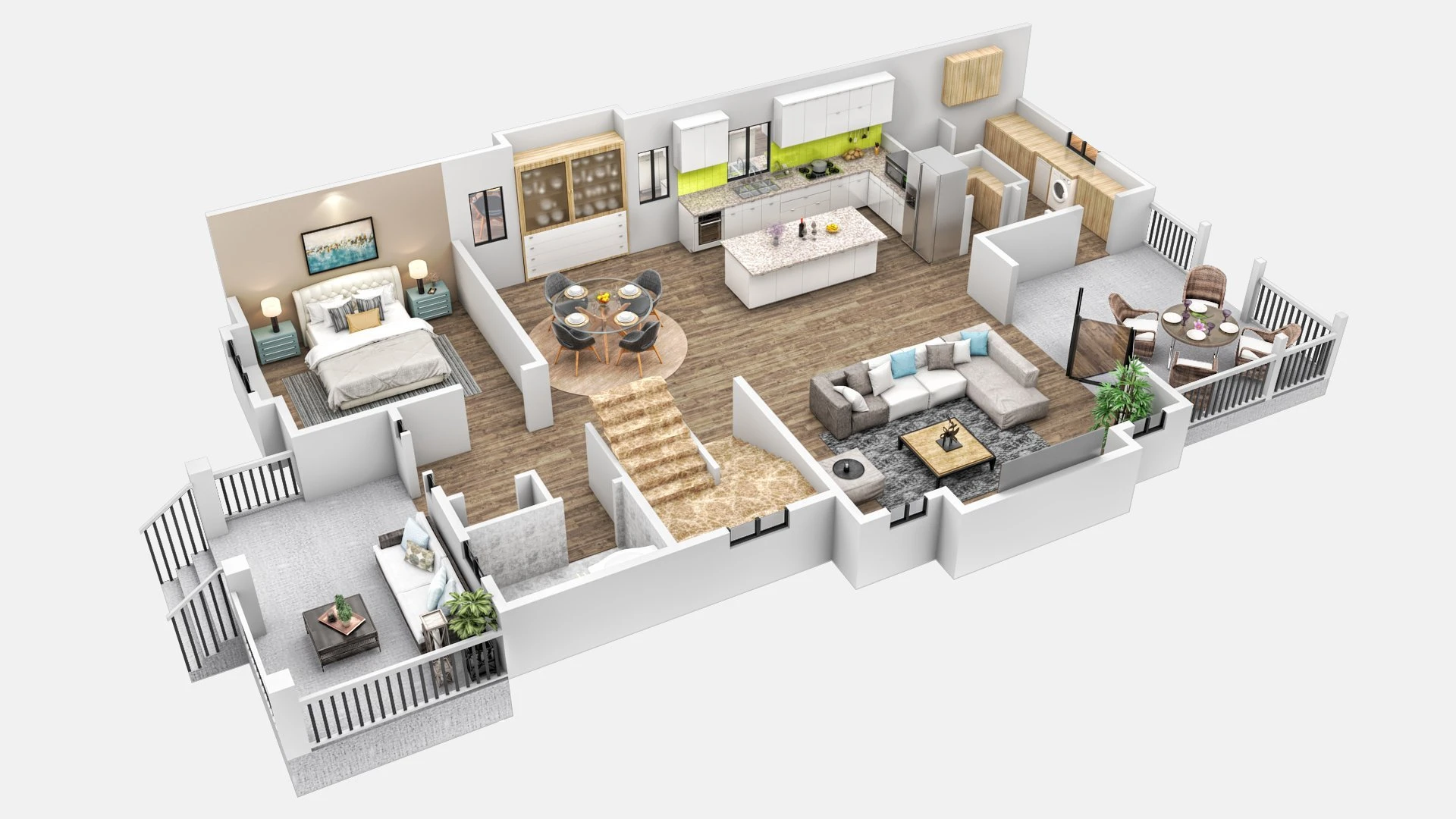
Things to Watch Out for Before You Sign the Dotted Line
- Wasted Space: Long, narrow halls that take up space but don’t give you any storage.
- No Storage: If the layout doesn’t show closets (WIC or Linen), you’ll have to live out of plastic bins.
- Bad Air Flow: Look in the kitchen and bathrooms. Do you see any windows or special vent shafts (marked “V”)?

The Last Word: Your home, Your Rules
For a homeowner, figuring out how to read floor plans is the ultimate “power move.” It takes away the uncertainty and gives you confidence instead. You aren’t just buying a house when you comprehend the scale, the symbolism, and the flow. You are building a safe place for the people you care about most.
Don’t be hesitant to say, “Can we move this swing?” to your architect or contractor. or “How much natural light will this room get in December?” The lines on the page are simply recommendations till the concrete is poured. Use your new skill to make a future that is perfect for your family.
For more blogs like this CLICK HERE!!!!
Reference: