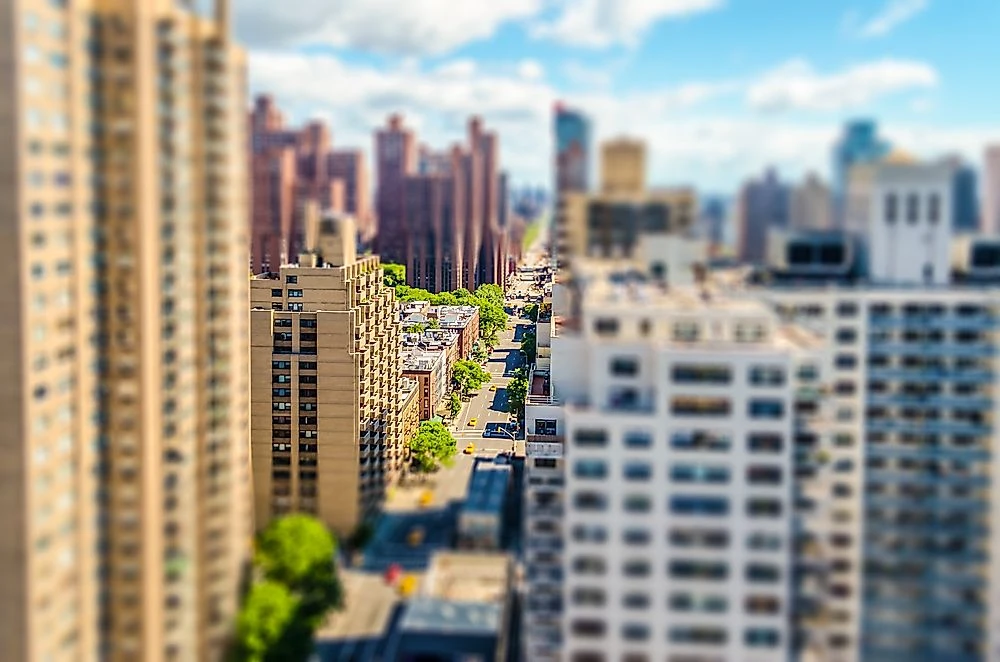
The concrete jungle is no longer just a romantic image; it has become a real furnace. The Urban Heat Island (UHI) effect is a harmful phenomena that keeps our cities captive as global temperatures rise. Asphalt, steel, and concrete in these high-density areas soak up sunlight all day and release it back into the air at night. This keeps happening, so city centers stay up to 15°F warmer than rural areas, even after the sun goes down.
But a new, forward-thinking movement is on the rise. Architects and city planners are moving away from “sealed boxes,” which are glass towers that rely on big, energy-hungry air conditioning equipment, and toward buildings that let air flow through them. This approach focuses on people and sees buildings not as fixed things, but as living, breathing beings that are meant to heal the city instead of hurting it.
The Hidden Danger: Why Our Cities Are “Suffocating”
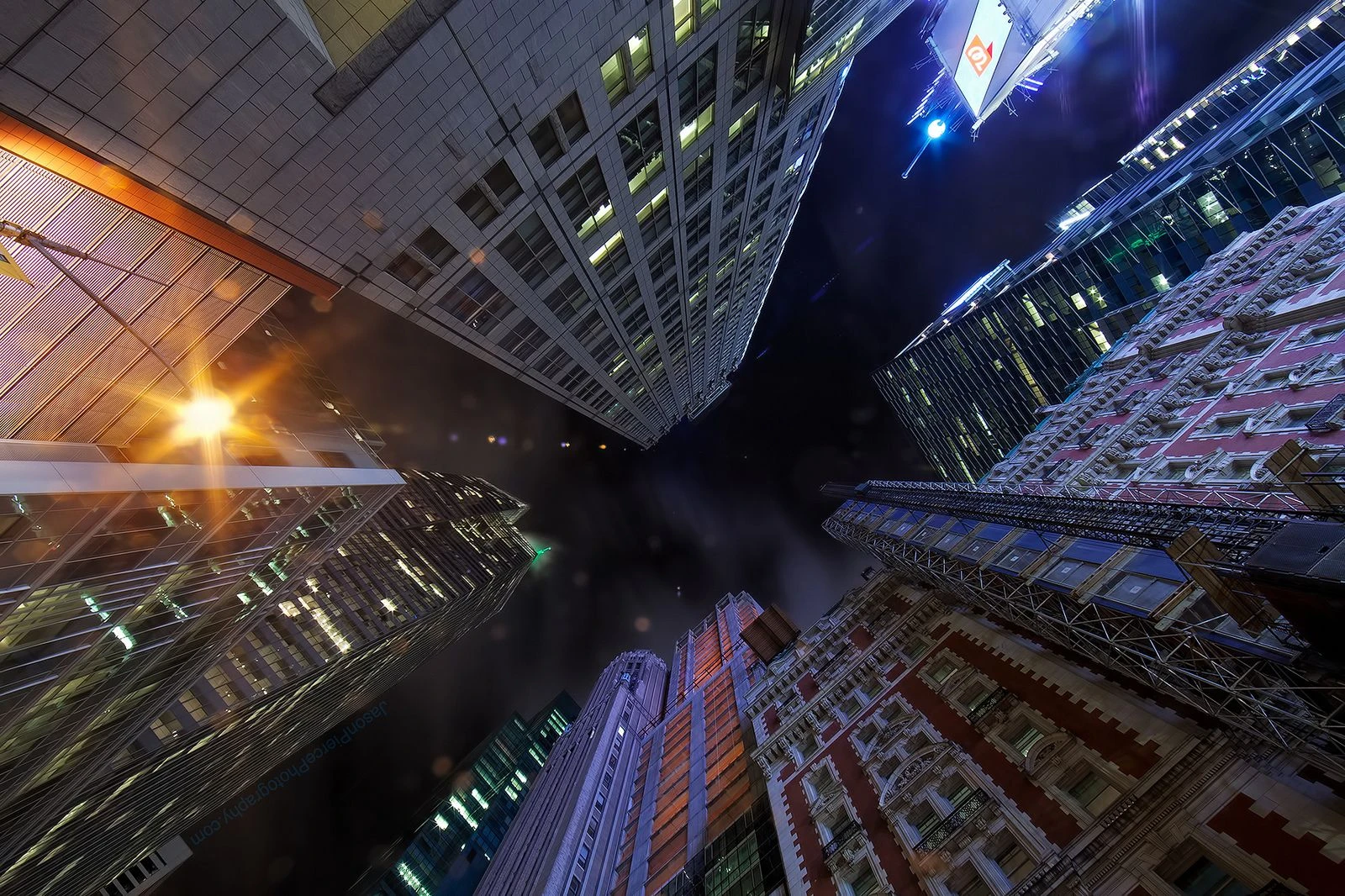
For a long time, traditional urban planning put density and durability ahead of thermodynamics. We covered the ground with dark, solid materials that work like huge heat batteries. When we put tall buildings close together without thinking about how the wind will flow, we make “urban canyons.” These canyons trap hot air and pollution, which stops the earth from naturally “breathing” and cooling the ground.
The outcome is not merely discomfort; it constitutes a public health emergency. Extreme heat is currently the number one cause of weather-related deaths around the world. We need to rethink the very skin of our cities to fight the burn. We need to move toward designs that put the survival of our beloved towns first.
Passive Cooling: Making Buildings That “Breathe”
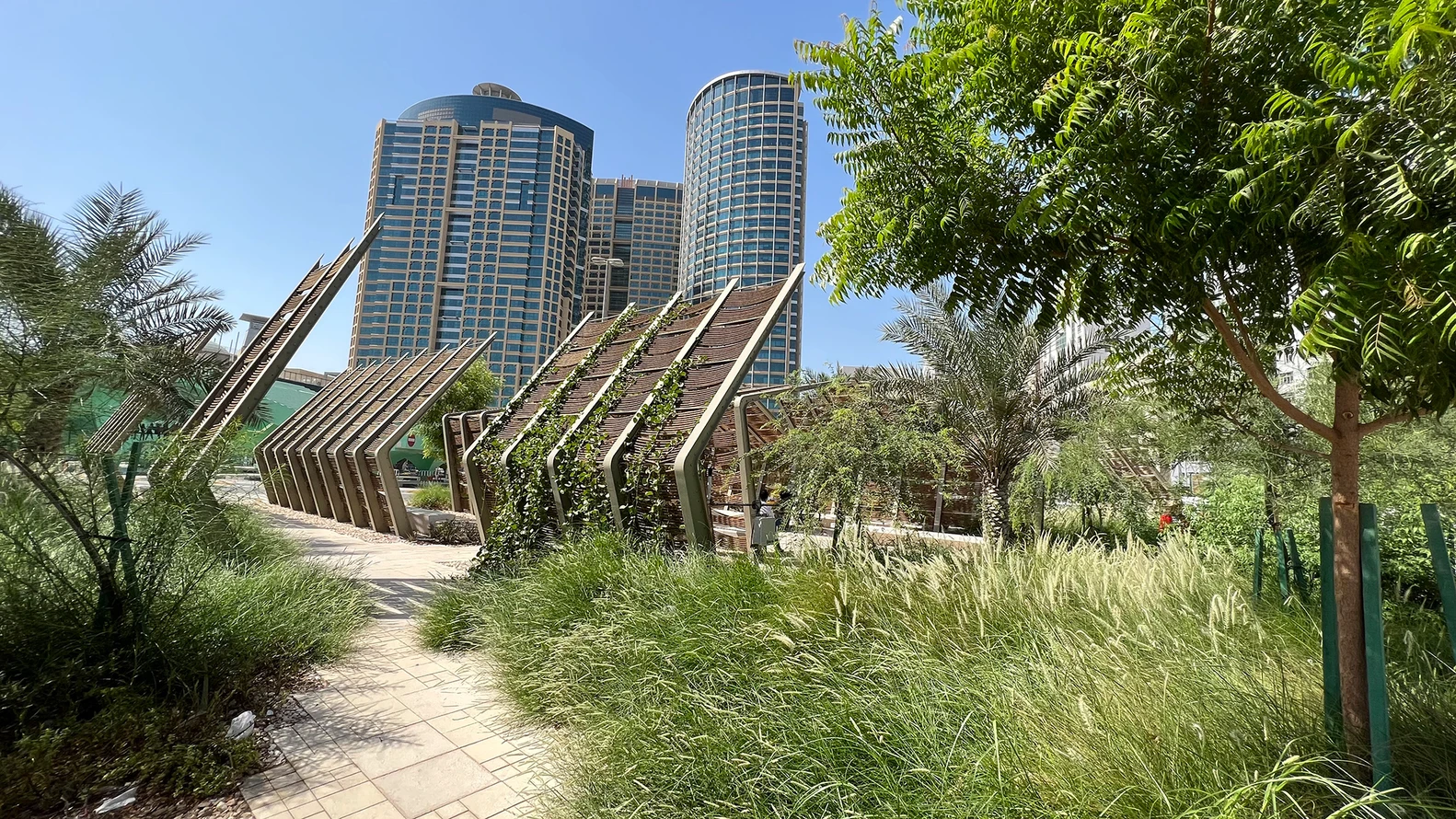
Passive design is the first step in making breathable architecture. These buildings don’t fight the weather with brute-force electricity; instead, they cooperate with the physics of the area. This is the best approach to lower our carbon footprint while keeping the temperature comfortable.
- Cross-Ventilation and Wind Canyons: By carefully placing buildings such that they line up with the direction of the wind, architects may move air through buildings instead of around them. Innovations like “void decks” (open ground floors) and sky gardens let wind pass through a skyscraper, which lowers the wind load and cools the building’s core.
- The Stack Effect: “Breathable” structures use vertical shafts or central atriums to pull cool air in from the bottom and let heated air out through the top. This is like how a chimney pulls smoke up. This natural buoyancy keeps the air moving all the time, even on calm days.
- Thermal Mass and Shading: Using materials that slowly absorb and release heat, along with outside shading devices like “brise-soleil,” keeps the sun’s rays from ever hitting the glass inside.
Living Facades: How Vertical Forests Can Help
Nature is the kind cure for concrete problems. Green infrastructure is no longer merely a pretty choice; it is now an important biological tool for cooling.
- Evapotranspiration: Plants don’t just give shade; they also “sweat.” Plants let water out into the air through a process called evapotranspiration. This biological activity uses heat energy, which lowers the temperature of the area by a few degrees. No air conditioner can do this without releasing waste heat somewhere else.
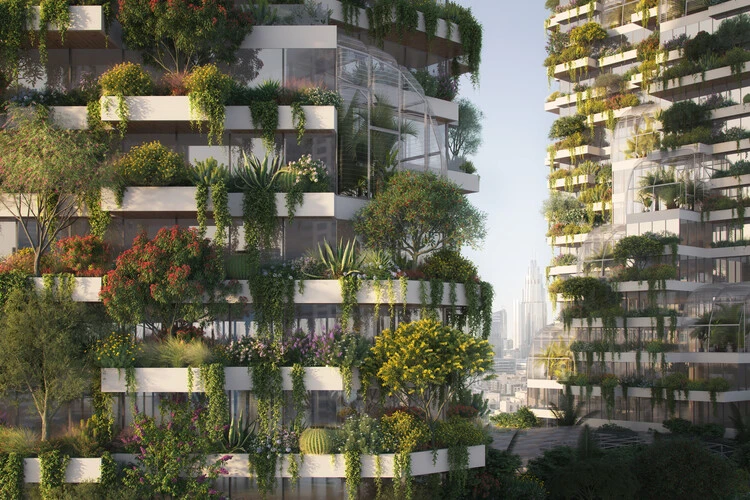
- Vertical Forests: Famous installations like Milan’s Bosco Verticale and Singapore’s Parkroyal on Pickering show how thousands of plants and bushes built into buildings work as a natural “breathable” filter. They trap dust, soak up $CO_2$, and make a small microclimate that keeps the people inside the building safe from the “burn” of the street.
- A Place of Peace for the Soul: In addition to the cooling effects, living facades give people a sentimental link to nature that makes them feel better. In a world of glass and steel, seeing leaves move in the wind might make you feel calm and cool off mentally.

High-Albedo Materials: Reflecting the Fire
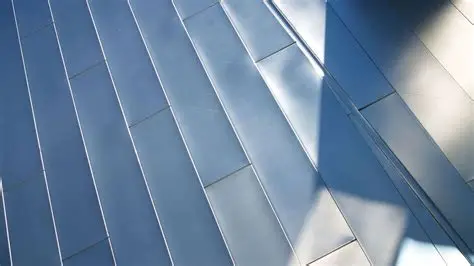
We need to modify the “skin” of our cities to stop the heat before it starts. Breathable architecture uses materials with a high albedo (very reflecting) property to make sure that sunlight is reflected back into space instead of being absorbed into our homes and offices.
- Cool Roofs and Smart Coatings: You may reflect up to 80% of solar energy by painting a roof white or utilizing specific reflective membranes. Many cities are making “Cool Roof” programs mandatory. These are the last hope for areas that are getting older and don’t have room for new parks.
- Permeable Pavements: Traditional asphalt is “suffocating” since it doesn’t let water through. It closes off the ground. New permeable materials let rainfall soak into the ground. The water then evaporates through the pavement, making the ground surface “breathable.” This ground surface stays much cooler than regular asphalt when the sun is shining directly on it.
- Phase-Change Materials (PCMs): These “smart” materials are built into walls to absorb heat during the day as they melt (at a microscopic level) and release it at night when they solidify. This keeps the temperature inside steady without any mechanical help.
The Socio-Economic Shield: A Way to Cool Off for Everyone
Fighting the heat in cities is also a fight for fairness. The “heat island” effect is strongest in neighborhoods with low incomes and few trees. It is morally wrong not to change these places with breathable architecture.
When we build inexpensive homes with passive cooling and green roofs, we help the people who live there save money on energy. We help people who are most likely to be hurt by rising utility rates by making it less necessary for them to buy pricey air conditioning. In this way, architecture becomes a way to fight for social justice by keeping everyone healthy and safe.

Global Success Stories: The Plan in Action
We don’t have to picture this future; it’s already being made.
Singapore: The city-state was the first to come up with the idea of “replacement greenery” through its “Green Mark” program. This means that every square meter of land that a building takes up must be replaced with greenery on the building itself.
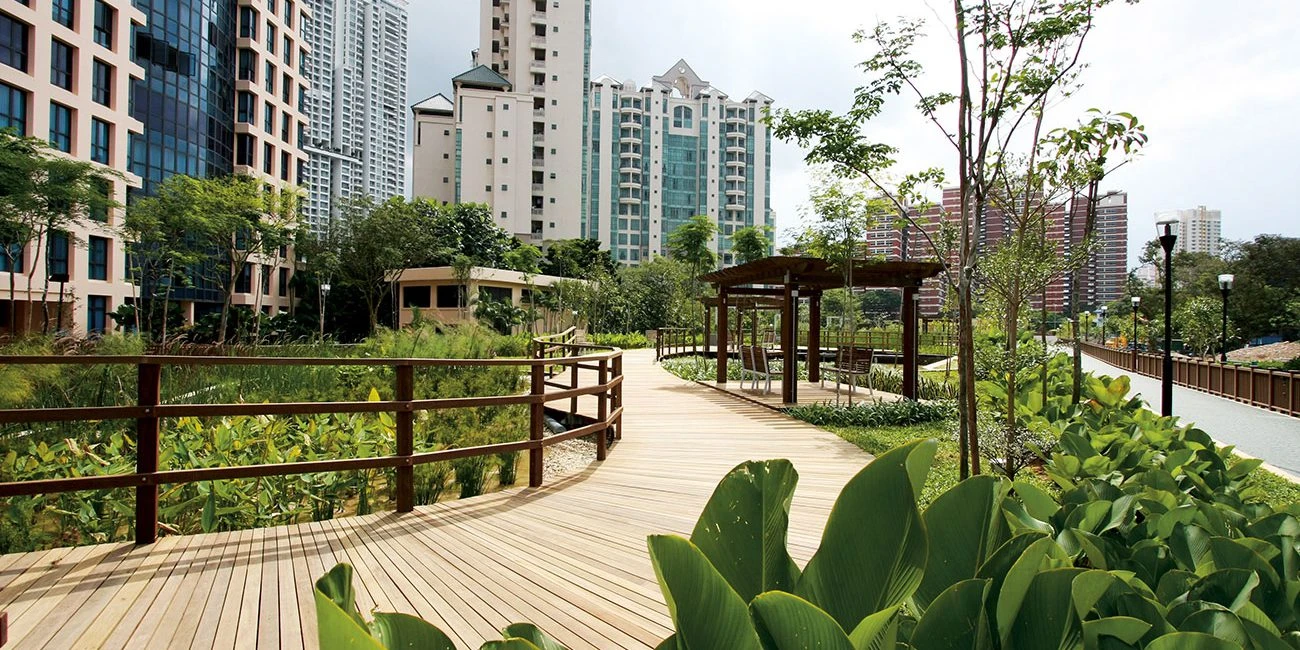
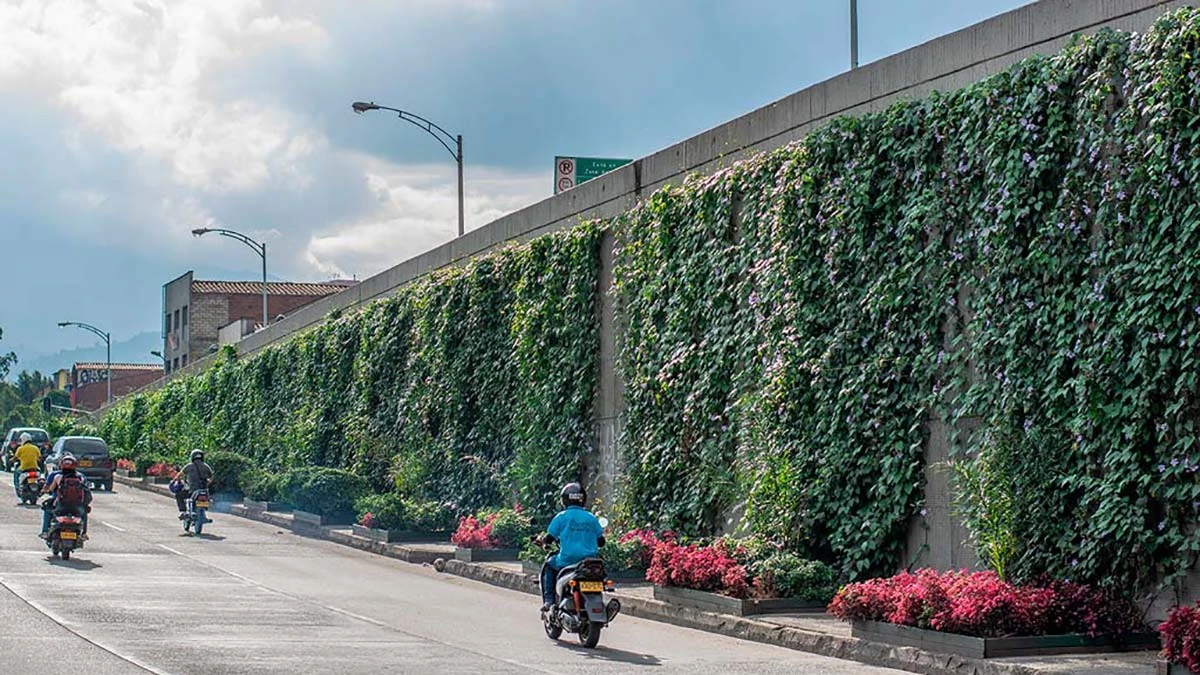
Medellín, Colombia: The city’s “Green Corridors” project has linked parks and permeable facades to make a network of shade that has lowered the temperature in the city by 2°C.Vienna, Austria: Vienna is known for its climate-resilient communal housing. To make public places livable during heatwaves, the city uses large courtyards and water-misting stations that are built into buildings.
Conclusion: The Ultimate Blueprint for Survival
Bigger air conditioners won’t help fight the Urban Heat Island effect; they just make it worse. Instead, the architects who perceive the city as a living system are the ones who will prevail.
We can change our cities from hot, stuffy places into healthy, lively, and caring ecosystems by using breathable design like passive cooling, vertical forests, and reflective technology. This is not just a fashion trend; it is the most important way we can stay alive in a planet that is getting warmer.
It’s time to stop building things that go against nature and start developing things that work with it. This will give our cities a chance to breathe.
For more blogs like this CLICK HERE!!!
Reference:
Architectural Innovations for Urban Heat Island Mitigation – RTF | Rethinking The Future