
The phrase “concrete jungle” has brought to mind chilly, gray, and impersonal urban sprawl for decades. But the story is changing as we enter 2026. We are no longer just pouring concrete into stiff, rectangular molds. Now we are printing the future with the skill of a poet and the accuracy of an engineer.
3D architecture is the heart of the modern smart city, from Singapore’s vertical forests to Texas and Italy’s quickly growing inexpensive suburbs. It’s a revolution that combines the coldness of robots with a fundamentally human goal: to make cities that are not only useful, but also spiritual.
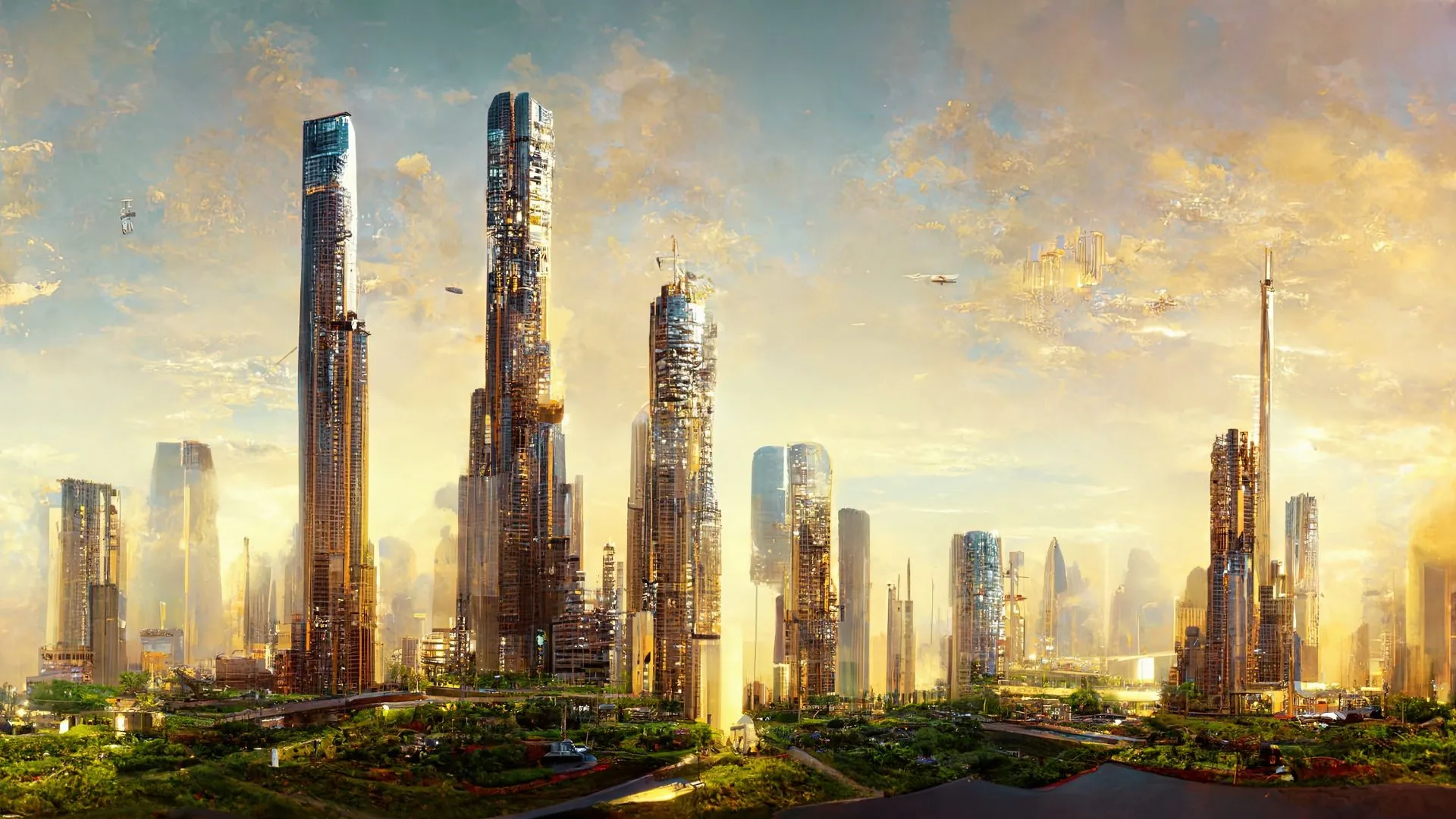
The Turning Point in 2026: From Making Models to Printing Neighborhoods
Three-dimensional construction printing (3DCP) has gone from being a backyard experiment to a key part of city policy by 2026. The big changes this year are the huge jumps in scale and speed. We used to only print “demonstrators” for one room, but now we can extrude whole multi-story residential complexes and interconnected utility centers that make up the framework of our “Cognitive Cities.”

How Fast Compassion Can Solve the Housing Crisis
The most meaningful use of 3D architecture is to help with the world’s need of homes. The 1.6 billion people who don’t have enough shelter generally find traditional building methods to be too slow and expensive.

Printers like ICON’s Vulcan or COBOD’s newest systems can print the walls of a house in less than 48 hours by 2026. This is not only a technological win; it’s also a social one. Cities can finally provide high-quality, dignified housing for low-income families and people who have been displaced by disasters by cutting labor expenses by up to 60% and almost completely eliminating material waste. These aren’t just “units”; they are safe places built to last through floods and earthquakes.

The “Digital Twin”: A City’s Living Memory
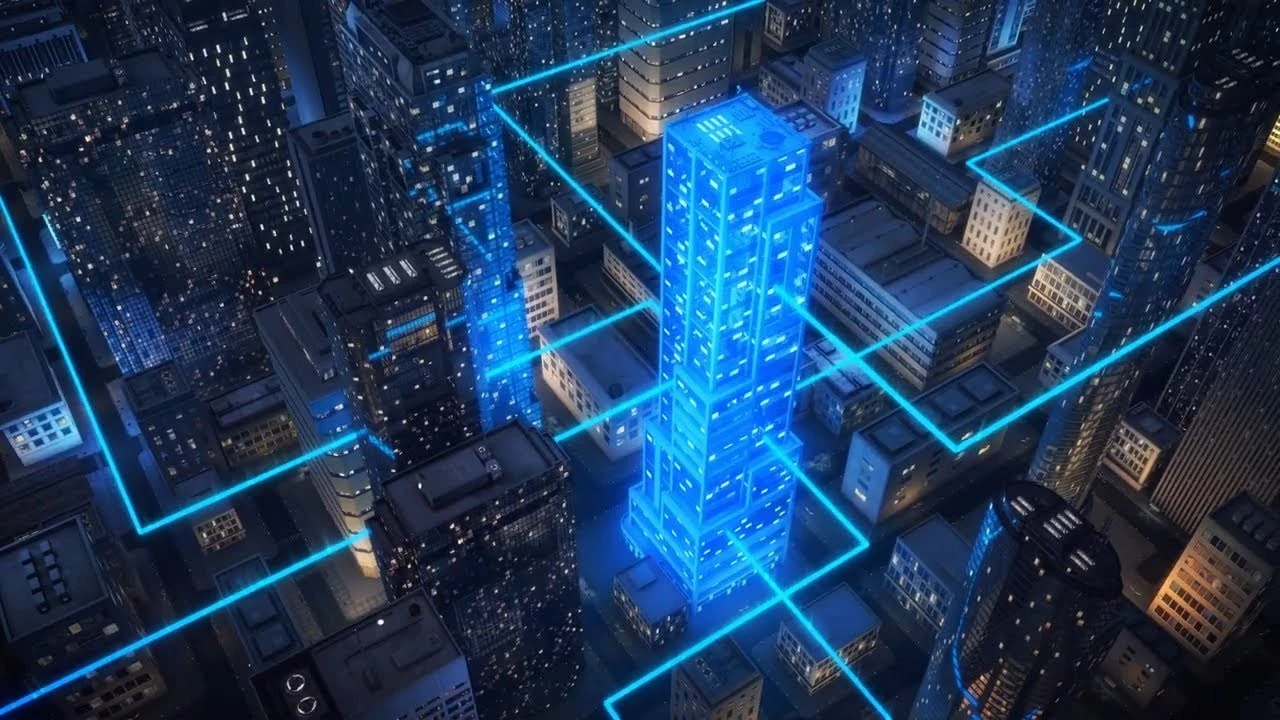
Architecture in 2026 is no longer a static monument; it is an active participant in the city’s life. A “Digital Twin” is a virtual copy of any 3D-printed structure that stays in the cloud and moves in real time.
Smart cities can keep an eye on:
- Structural Health: Finding tiny stress fractures before they become dangerous.
- Thermal Comfort: Changing the internal cooling systems dependent on where the sun is on the printed facade.
- Energy Flow: Improving the way power is distributed through “printed” conduits that change based on how people act.
The “Soil-to-Soil” Movement for Sustainability
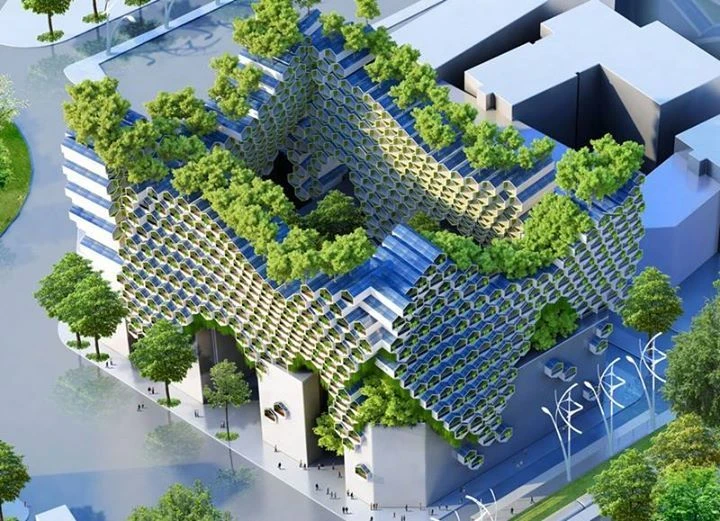
“Green building” will no longer be an optional badge of distinction in 2026; it will be the law. 3D architecture is at the forefront of the movement toward a Circular Construction Economy. Traditional building makes up almost 40% of all carbon emissions, but “Soil-to-Soil” innovation in 3D printing is changing that.
- Zero-Waste Precision: Old-fashioned construction sites are full with trash like broken wood and extra mortar. A 3D printer figures out the exact amount of concrete needed in grams, which cuts down on waste on the job site by up to 90%.
- Bio-Based Filaments: We don’t just print with cement in 2026. The “BioHome3D” technology makes dwellings that are 100% recyclable by using wood fibers and bio-resins.
- The “Lavacret” Revolution: New low-carbon cement mixes, such as TACO₂CRETE, which traps carbon, turn our buildings into carbon sinks, which means they help the Earth breathe while they stand.
The Curve Comes Back: Biophilia and Aesthetic Freedom
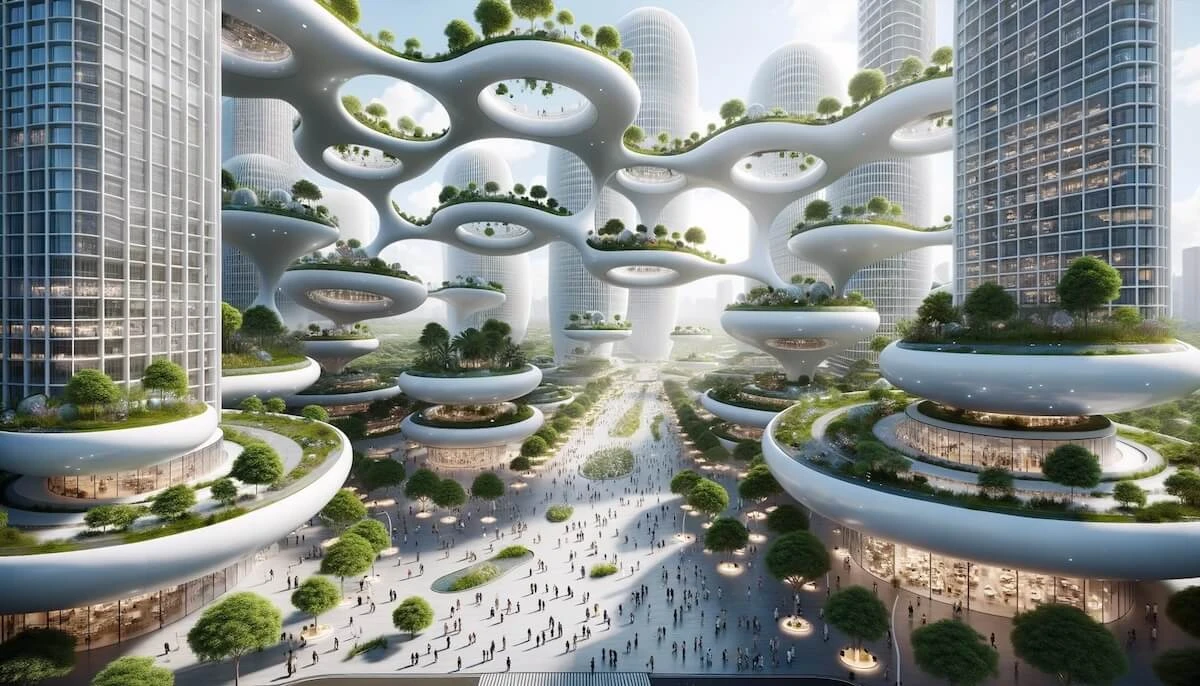
One of the most magical things about 3D architecture is that the “grey box” is no longer there. In the past, curves were expensive since making them required a lot of work and wood that was thrown away.
The robot doesn’t care if a wall is straight or curved in 2026. This has started a Biophilic Renaissance. Architects are now “growing” buildings that look like the natural shapes of bone, coral, and trees. These curved, flowing buildings do more than just look nice; studies have shown that they lower cortisol and stress levels in city dwellers.
The Creative Human-Robot Dance
A lot of people are afraid that robots will take the “soul” out of our cities. But 2026 has shown the reverse to be true. 3D printing has enabled architects to become Digital Craftspeople by taking over the hard, boring job of placing bricks.
We are entering a new age of “Generative Design,” in which AI offers the best shape for a building that can withstand wind, and the human architect “sculpts” the building’s emotional and social areas. Technology gives the bones, but people give the heart.

Problems with the New Frontier
Even though people are hopeful, there are still “Digital Potholes” on the way to a 3D-printed world in 2026:
- The Regulatory Gap: It’s hard to tell what kind of house a “squirted” house is from building codes written in the 1970s.
- The Upskilling Crisis: We need a new group of “Hybrid Masons” that are just as comfortable with Python code as they are with a trowel.
- Public Perception: Urban developers still need to work hard to get rid of the idea that 3D-printed homes are “temporary” or “fragile.”
Making Plans for the Future
It’s easy to remember this advise if you want to be an urban planner or a homeowner in 2026: think in layers. The best cities of the last ten years are the ones that are using 3D printing to build “15-minute cities.” These cities make their own infrastructure on demand, which cuts down on the need for heavy transport and worldwide supply chains.
Conclusion: A City That Remembers Its Soul
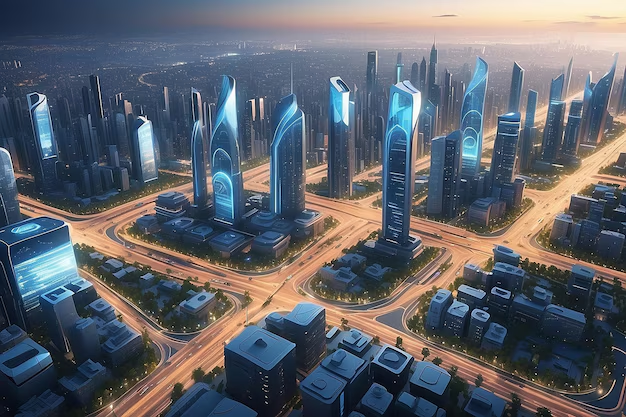
We can witness a metropolis that is being rewritten layer by layer when we look at the skyline of 2026. 3D architecture has gone from being mechanical to being meaningful. It helps us build faster and cheaper, but more significantly, it helps us build with empathy.
There is no longer a metaphor for the “Soul of the City.” It is the reality of our modern world that is based on data, bio-printing, and people. We have finally found a means to design a future that gives everyone a roof over their heads and a soul for the streets in the dance between the robot and the architect.
For more blogs like this CLICK HERE!!
Reference:
The Future of Architectural Designs with 3D Concrete Printing