The Quiet Effect of the Places We Live
Picture yourself strolling toward a big public library. Most people see the tall stone steps as a sign of knowledge and status. But for a person in a wheelchair, a father pulling a double stroller, or an elderly veteran with limited mobility, those identical steps say “No Entry.” They are a tangible sign of being left out.
Architecture has never just been about looks, steel, and glass. It is a language that tells us who is welcome and who is not. For a long time, the world was made for a “mythical average,” which was a young, healthy person.
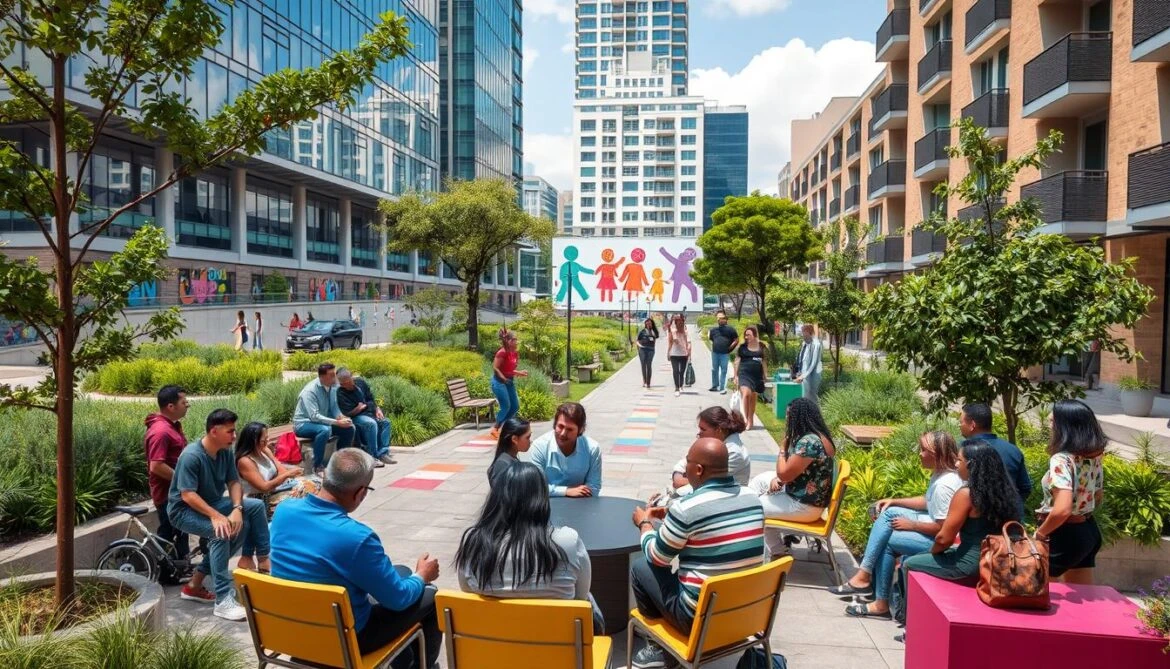
There is a big change happening right now. Inclusive design is breaking down these invisible walls. It shows that when we design for the edges, we really do make the world a better place for everyone.
Reports from around the world in 2025 say that around 15% of the world’s population has some kind of impairment. When we overlook these people, we are not only ignoring a demographic, but we are also failing a large part of mankind.
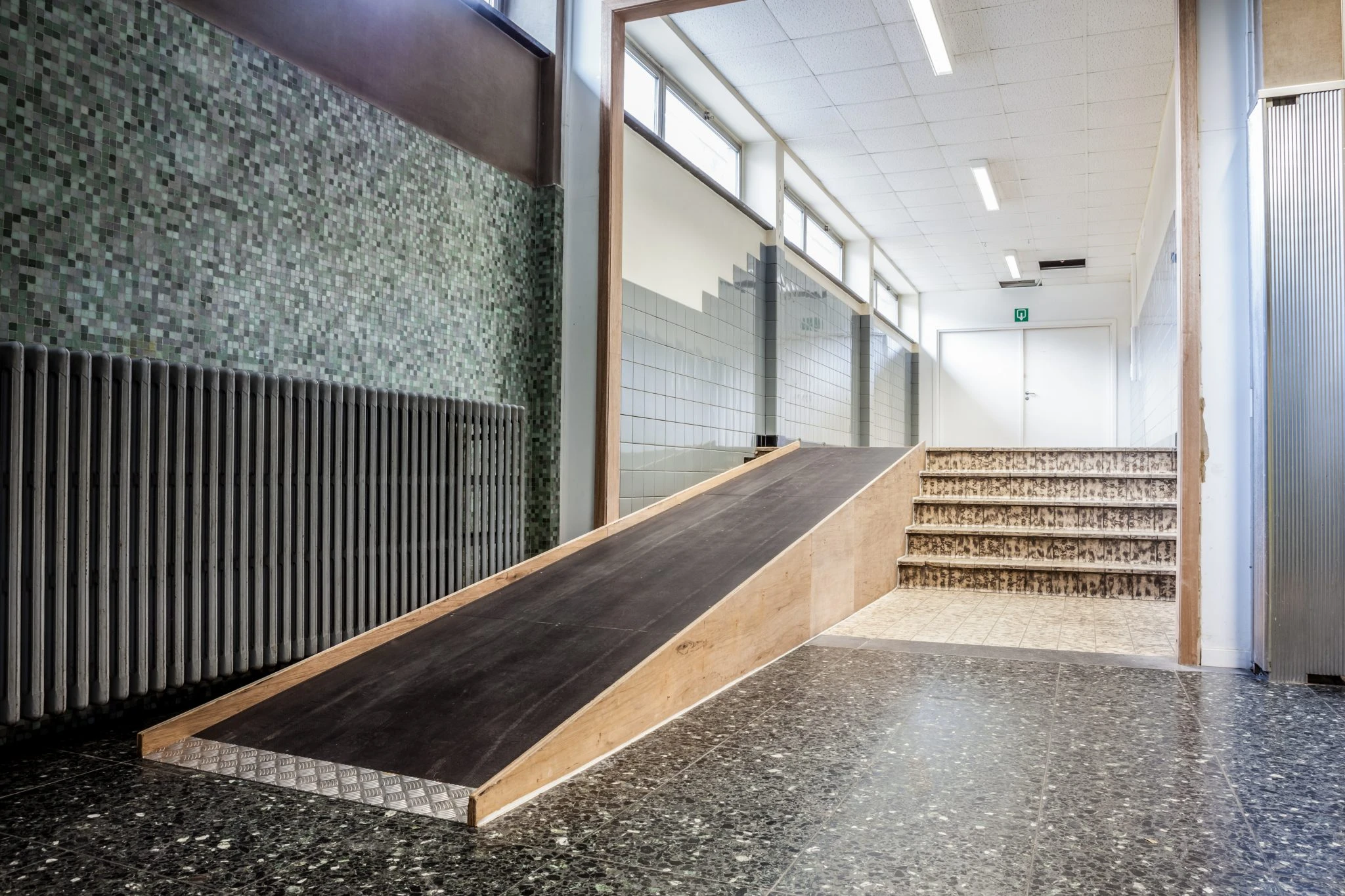
What is design that includes everyone? It’s More Than Just Ramps
A lot of people mix up accessibility and inclusive design. Accessibility generally means checking off regulatory boxes, like putting a ramp at the back door. Inclusive design, on the other hand, is a whole mindset. It means making places that everyone, no matter their age, skill, gender, or background, may utilize with the same level of respect.
The word of power is “empowerment.” Inclusive design doesn’t merely “help” individuals; it gives them power. It changes the word “accommodation” to “belonging.” In the field of architecture in 2025, this is called Universal Design. The idea is to make one solution that works for as many people as possible without the need for additional adjustments.
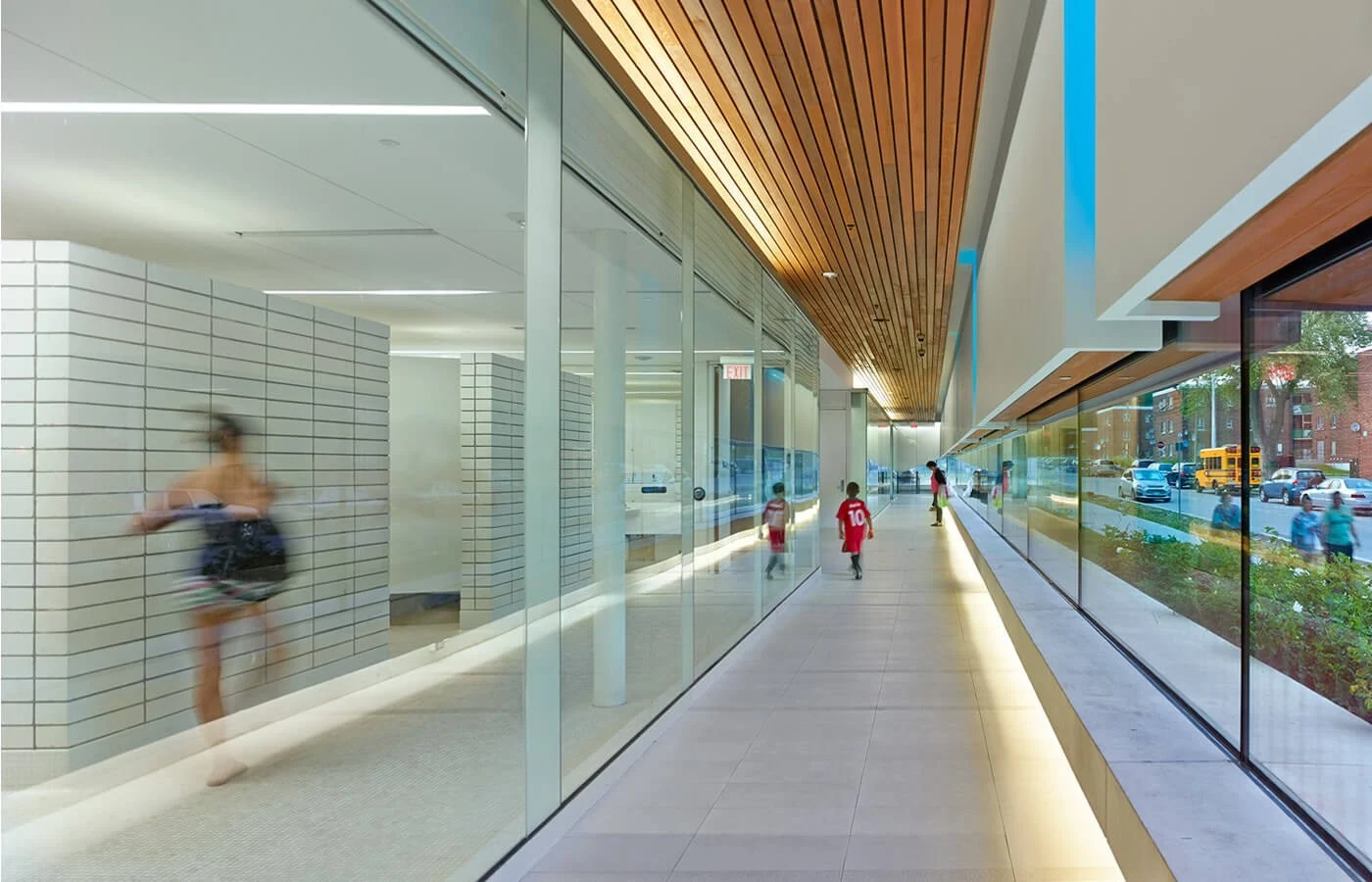
The Ripple Effect: How Making Things Easier for Everyone Helps Us All
You may have felt the “Curb-Cut Effect.” The steep transitions from sidewalks to streets were first made for people in wheelchairs, but increasingly delivery workers with carts, travelers with rolling suitcases, and kids on scooters use them. This is what inclusive architecture is all about: making things easier for everyone by making them easier for one person.
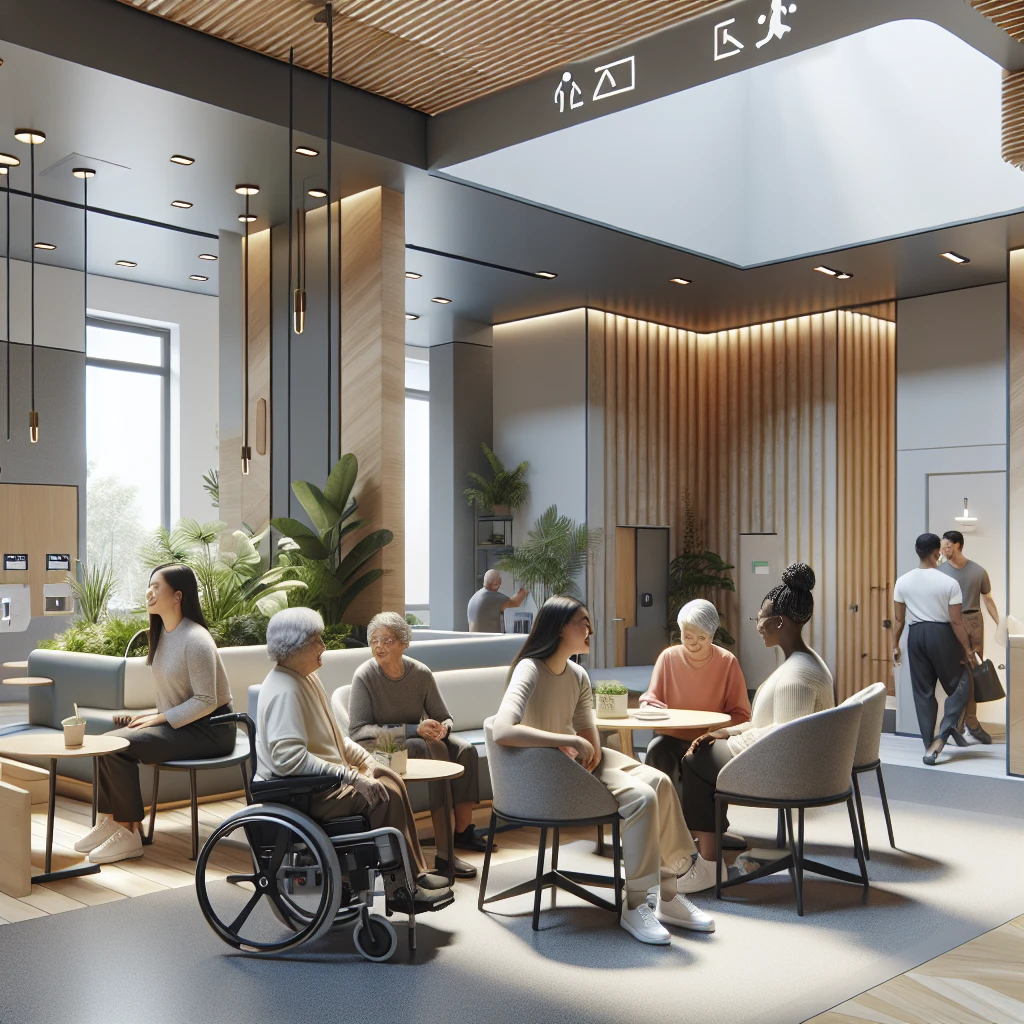
Physical Autonomy and Independence
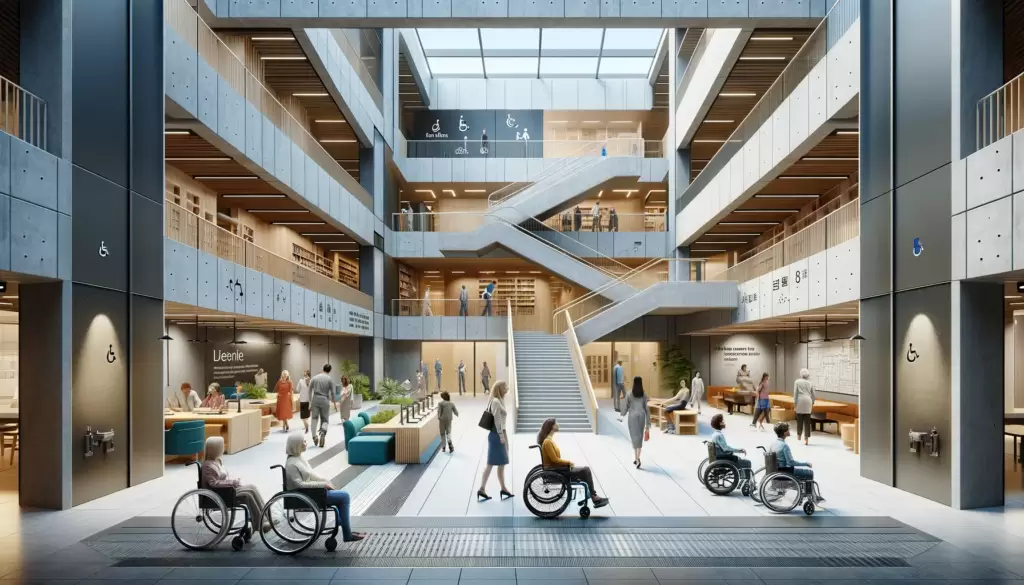
When a building has sensor-controlled doors, large hallways, and “no-step” entry, it gives people the freedom to move around on their own.
For someone with a disability, being able to enter a building without asking for aid is a huge boost to their sense of dignity. This freedom lessens the “assistance burden” and lets people work and take part in social events as equals.
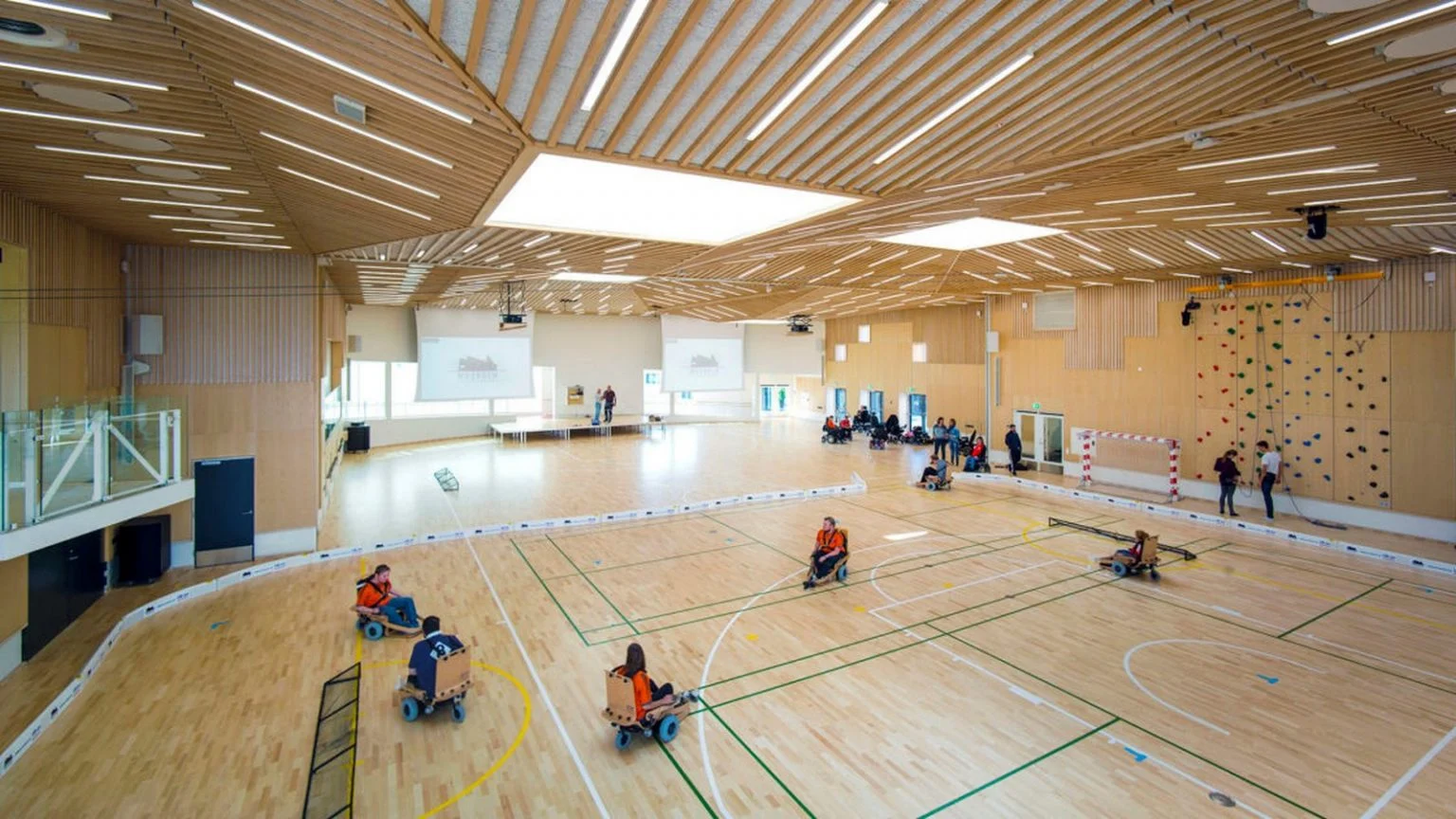
Sensory and Cognitive Inclusivity
Modern inclusive design is more than just moving things around. Architects are putting neurodiversity first in 2025. This includes:
- Acoustics: Using baffle ceilings and sound-absorbing materials to make noises softer so that neurodivergent people don’t get too much sensory input at once.
- Lighting: Using circadian lighting systems that copy the way natural light changes throughout the day. These systems help those with visual impairments see better and people with ADHD feel calmer.
- Wayfinding: Using tactile paving, high-contrast color schemes, and “intuitive paths” to help people find their way around buildings without having to read complicated signs.
The Psychology of Belonging: Making Spaces That Are Good for Your Mental Health
One thing that people don’t think about enough is how architecture affects mental health. “Micro-stressors” are things that make it hard to get around in an environment. A hospital with a complicated layout isn’t simply annoying for someone with anxiety; it can also cause a panic attack.
The Sentimental Word: Heartfelt: Inclusive design is a heartfelt reaction to the desire for safety that all people have. Intuitive spaces make people feel protected mentally.
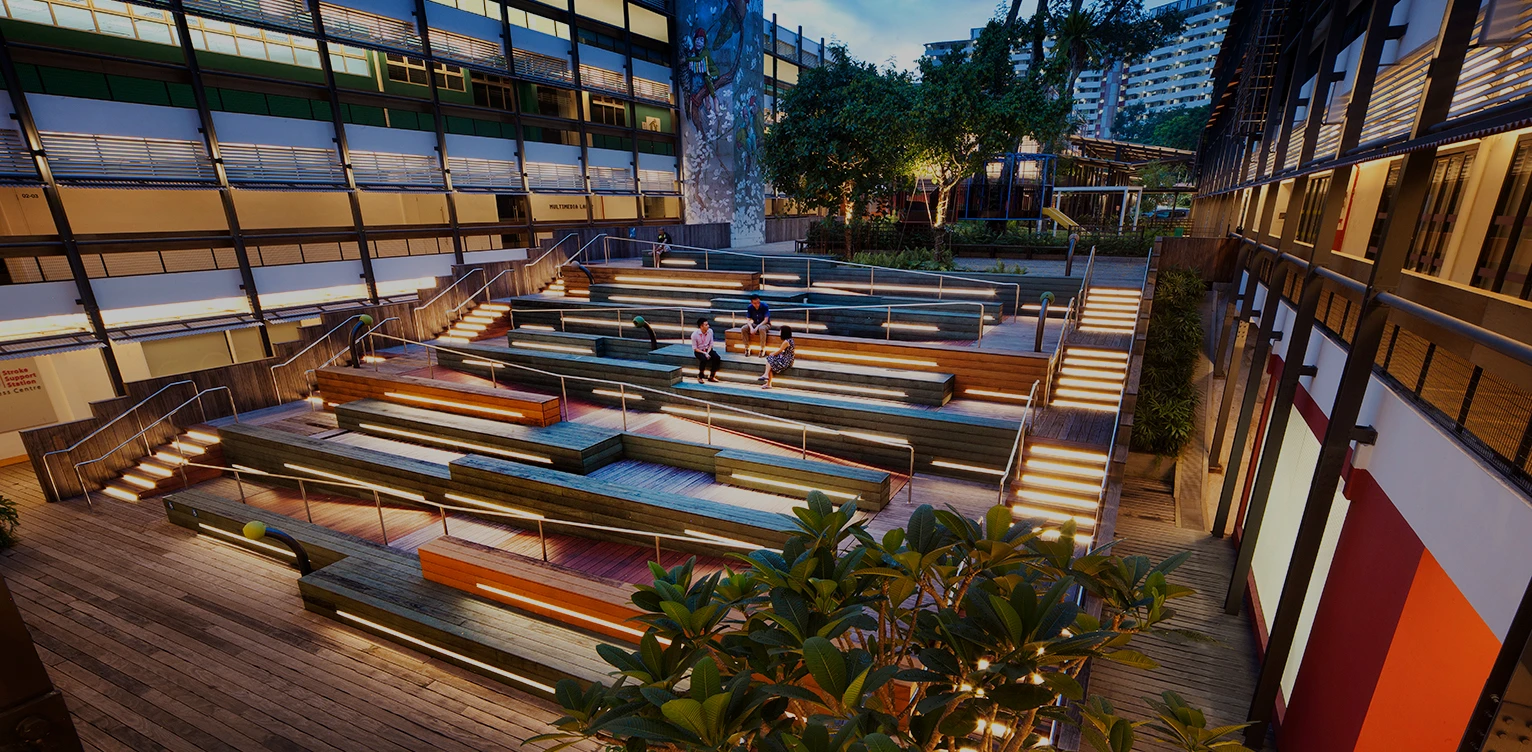
- The Architecture of Connection: We can fight the global loneliness epidemic by making “third spaces” (parks, plazas, lobbies) that everyone can get to.
- Choice is important: inclusive design gives people options. A theater that has different seating heights and positions, for instance, lets a disabled person sit alongside their friends instead of being stuck in a “handicapped row” at the back.
The “Purple Pound” and Market Growth: Economic Strength
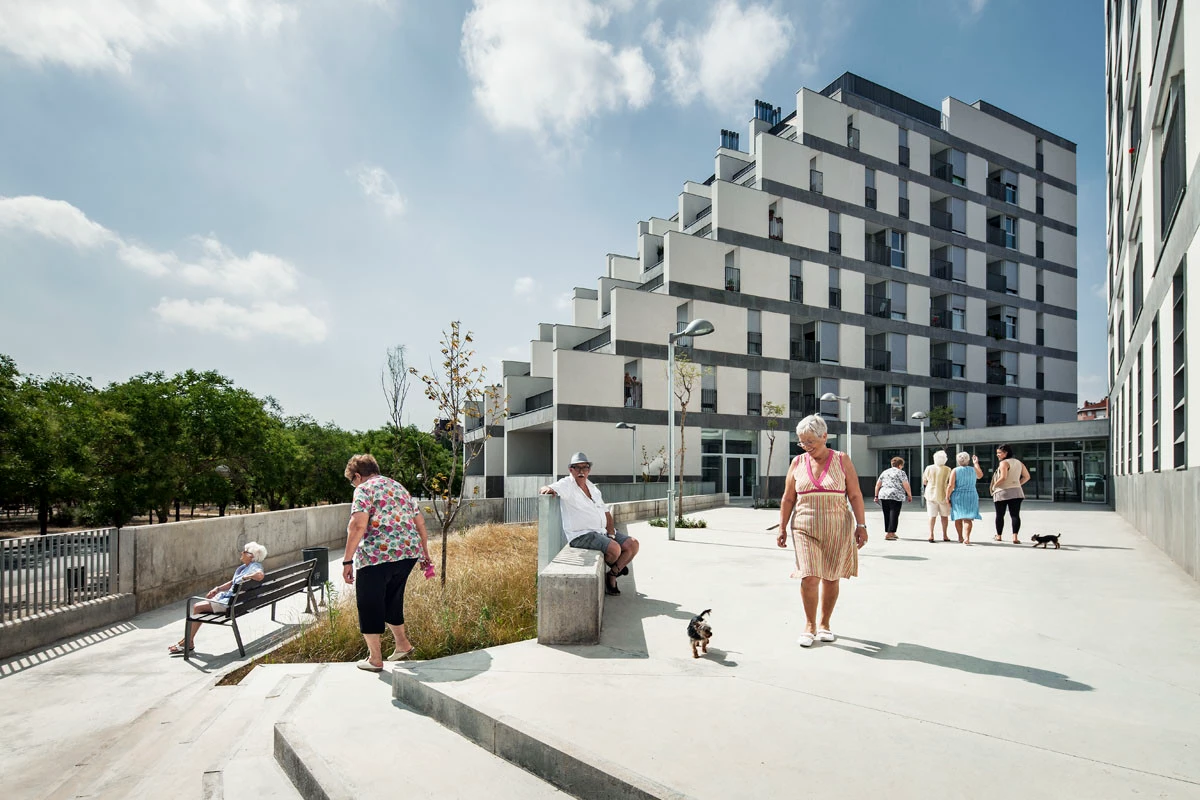
It’s not just the right thing to do; it’s also a smart business move to design for everyone. The “Purple Pound” or “Purple Dollar” is the name given to the money that disabled persons and their families have to spend. In 2025, this amount will be at an all-time high. This market is worth more than £274 billion a year in the UK alone.
Companies that put accessibility first have more loyal customers and less turnover. A family with a grandmother in a wheelchair will always choose a restaurant that is easy to get about. Companies are missing out on billions of revenues by not being inclusive.
Also, because the EU Accessibility Act will be fully in effect in 2025, many organizations are realizing that “designing for all” is no longer a choice; it is a legal and financial requirement.
The Hazelwood School and DeafSpace: A Case Study
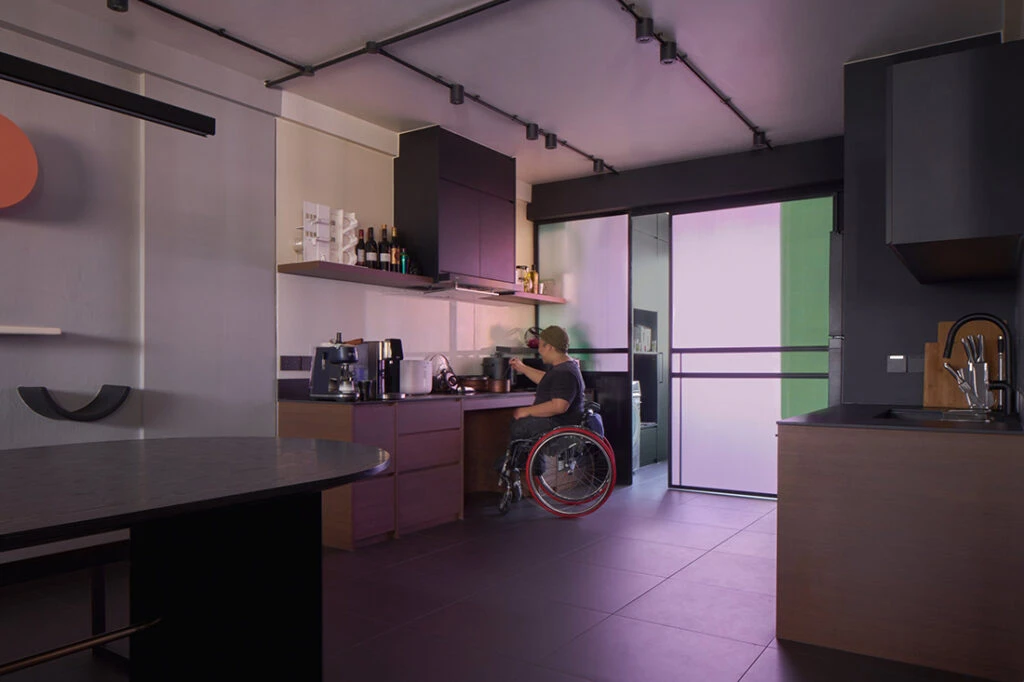
The Hazelwood School in Glasgow is a good example of inclusive design. The structure is created for pupils with two sensory disabilities. It has a “sensory wall” constructed of textured cork that lets students feel their way around.
The DeafSpace initiative at Gallaudet University has also set the norm for buildings that put a high priority on visual connection. This includes wider hallways (so people can sign while walking) and seating in a horseshoe form (so everyone can see the speaker’s hands). These designs don’t look “medical.” They look like modern, high-end architecture that makes it easier for everyone to talk to each other.
What to Look Out For: The Future of Architecture (2025 and Beyond)
As we approach into 2025, technology and empathy are coming together to make “Smart Inclusivity.”
- AI-Driven Wayfinding: Mobile apps that work with building sensors to give blind people real-time haptic (vibration) feedback.
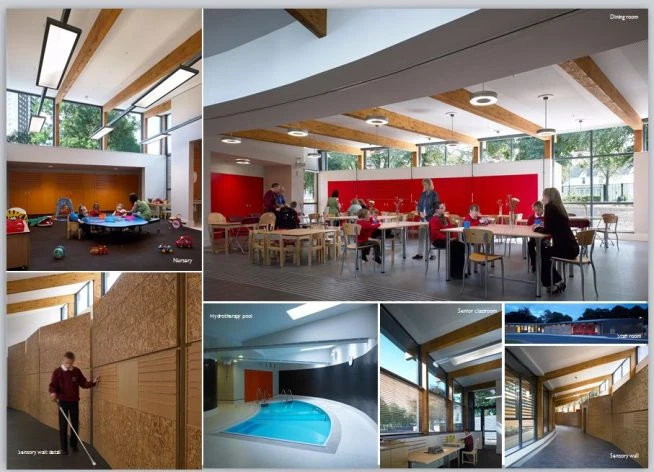
- Modular Adaptability: Homes have “knock-out” panels that make it easy to turn rooms into ground-floor suites as people get older. This “Life Span Design” makes sure that a home may expand with its owners.
- Biophilic Inclusivity: A study from 2025 found that seeing at green things can lower cortisol levels by as much as 15%. Adding indoor plants and living walls is increasingly a common part of inclusive design to help mental health.
Getting Rid of the “Afterthought” Habit
The biggest problem in the industry is that accessibility is typically seen as a “afterthought,” something that is added at the end to meet building codes. This is costly, cumbersome, and frequently stigmatizing.
What is the answer? Design with others. Architects are now letting people who have lived with disabilities into the design room from the start. This is called “Co-Design.” You can avoid “blind spots” by designing with people instead of for them. You know that a hefty door isn’t simply a pain; it’s a wall. You know that a flickering fluorescent light isn’t simply irritating; it can make someone with a chronic condition have a migraine.
Conclusion: A World Without Borders
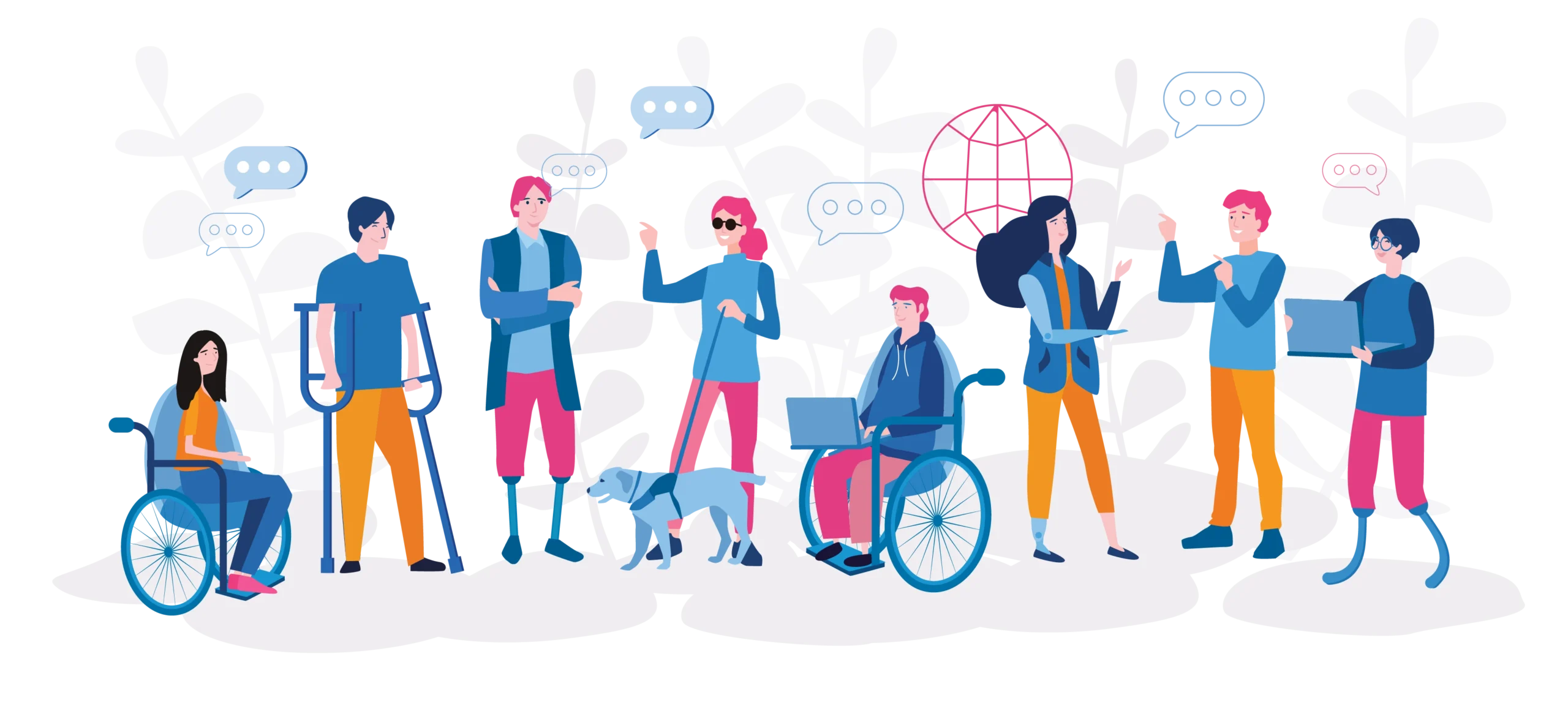
Inclusive design is not just a fad; it is a movement toward a more fair and caring society. We knock down societal stigmas at the same time that we break down physical barriers. We say that every life is important and that everyone should be able to walk through the world with grace and ease.
Take a moment to think about how planned it is the next time you go through a door that opens by itself or stroll through a park with smooth, broad trails. Freedom starts with being able to get to things. We are making the world a better place by using inclusive design to develop better buildings.
For more blogs like this CLICK HERE!!
Reference:
Designing Inclusive Architecture: Accessibility in Buildings – DesignHorizons